Houthi terrorist designation raises troubling questions for tech companies
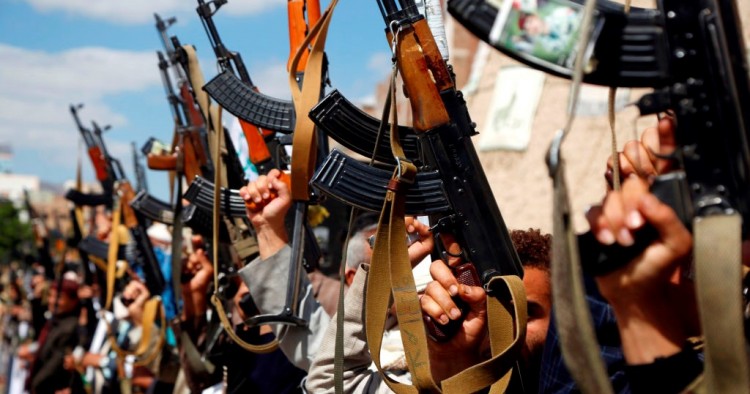
One underrecognized aspect of Houthi operations that the recent FTO designation brings under scrutiny is their online presence. Ansar Allah maintains accounts on YouTube and Twitter, with 26,300 followers and 16,800 followers respectively. It also has an active group with over 22,000 participants on Telegram, an instant messaging service legally headquartered in London with servers in Dubai. The group even has its own official website.
MEI experts Gerald Feierstein, Alex Vatanka, Gonul Tol, and Charles Lister join host Alistair Taylor to survey what lies ahead for the region in the year ahead, with particular attention to Yemen, Iran, Turkey, and Syria.
The GCC al-Ula Statement: Perhaps a step, but not a solution
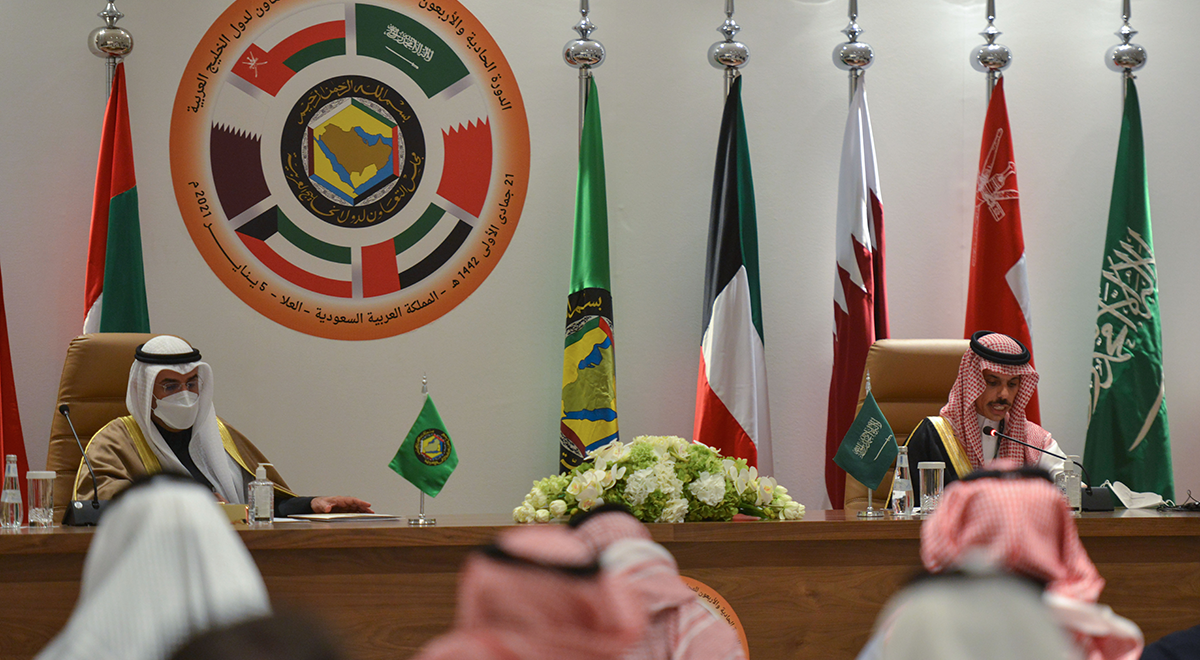
The leaders of the six Gulf Cooperation Council (GCC) member states — Saudi Arabia, the United Arab Emirates, Oman, Kuwait, Bahrain, and Qatar — signed a “solidarity and stability” agreement, dubbed the “al-Ula Statement” after the Saudi city in which it was inked, at their Jan. 5 summit meeting.
The United States and the Gulf: Trapped in transition?
The mixed messages and pendulum swings in U.S. Gulf policy in recent years are rooted in and have further fueled deep questioning and a largely unresolved debate within the United States about America’s role in the region, and indeed in the world. Like the U.S., relations between the GCC and Iran are locked in confrontation. Breaking this impasse requires decisive U.S. reengagement in Gulf affairs led by vigorous, sustained diplomacy that promotes intra-GCC reconciliation and supports efforts aimed at tempering the Saudi-Iran strategic rivalry.
Political support, not terrorist designation, is key to moving forward in Yemen
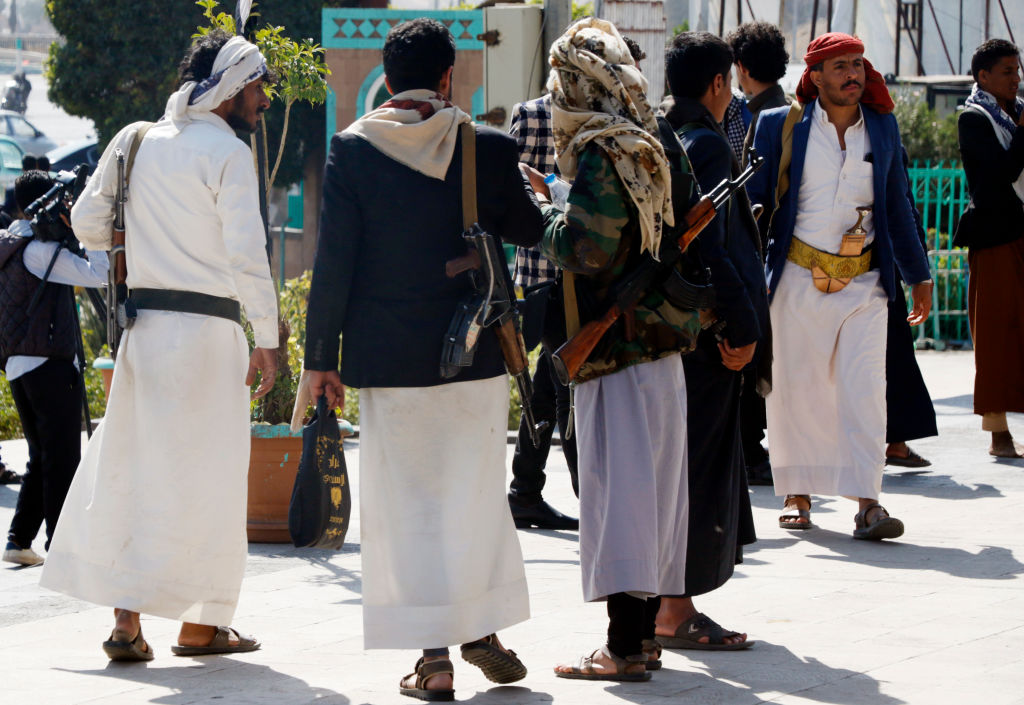
Now is the time for a political reset in Yemen — and the United States must play an important role. This role must include encouraging all sides toward a more inclusive political process that reduces violence and raises Yemeni and international voices, and moves toward specific and achievable objectives over time. Solutions that purport to be either speedy or simple are, in fact, quite dangerous. To that point, the current administration’s consideration of designating Ansar Allah (the Houthi movement) as a foreign terrorist organization (FTO) will not help advance the United States or the other various participants in this conflict toward a durable strategic settlement.
Now in its sixth year, the war in Yemen shows no signs of abating. The country faces what is widely considered the world’s worst humanitarian crisis — a situation that has only been exacerbated by the global coronavirus pandemic. As a new administration prepares to take over in Washington, it is a natural time to assess U.S. policy toward the country. We asked 9 experts to provide their perspective and answer the following question: How should the Biden administration approach Yemen?
A look back at the year’s most important developments with analysis from Paul Salem, Alex Vatanka, Randa Slim, Gerald Feierstein, Gonul Tol, Jonathan M. Winer, Khaled Elgindy, Marvin G. Weinbaum, Mirette F. Mabrouk, Grace Wermenbol, Syed Mohammad Ali, Robert S. Ford, and Khaldoun Khelil.
Artists Asim Ahmed, Reem Aljeally, and Jamila Rizgalla join guest host Lyne Sneige to discuss the challenges facing artists across the region during the global pandemic. Their works are featured in MEI’s first ever open call exhibition, titled “Art in Isolation: Creativity in the Time of Covid-19,” which is on display at the MEI Art Gallery until January 29. The pieces can also be viewed and are for sale online.
The Middle East and American Democracy’s Near-Death Experience
The fascination with the peaceful removal of leaders by a simple vote in the United States has always contrasted painfully with the inability of most Middle Eastern populations to do the same.
Special Briefing: The Trump administration’s potential last-minute Middle East policy moves
From Israel/Palestine and Lebanon to Iran and Afghanistan, there are a number of areas where the Trump administration may make policy moves before leaving office on Jan. 20. Experts from across MEI weigh in with their thoughts on what to watch out for over the next seven weeks.
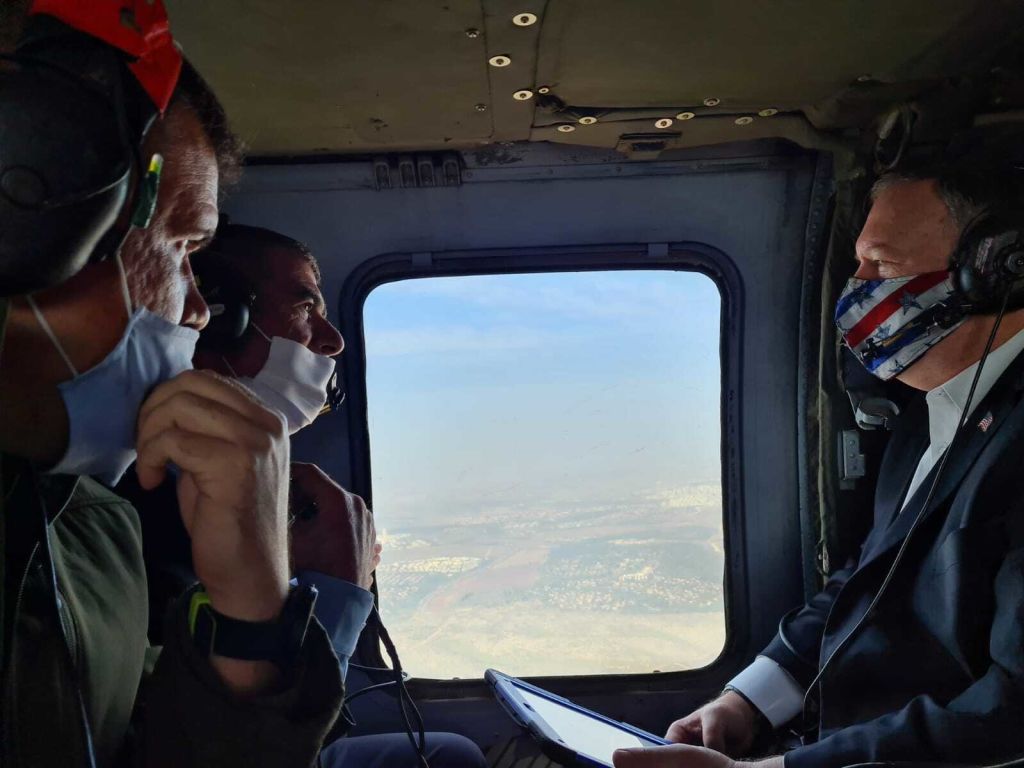
Monday Briefing: Pompeo’s Middle East farewell tour
This week’s briefing on recent news and upcoming events in the region featuring Gerald Feierstein, Mirette F. Mabrouk, Fatima Abo Alasrar, Marvin G. Weinbaum, and Yesar Al-Maleki.
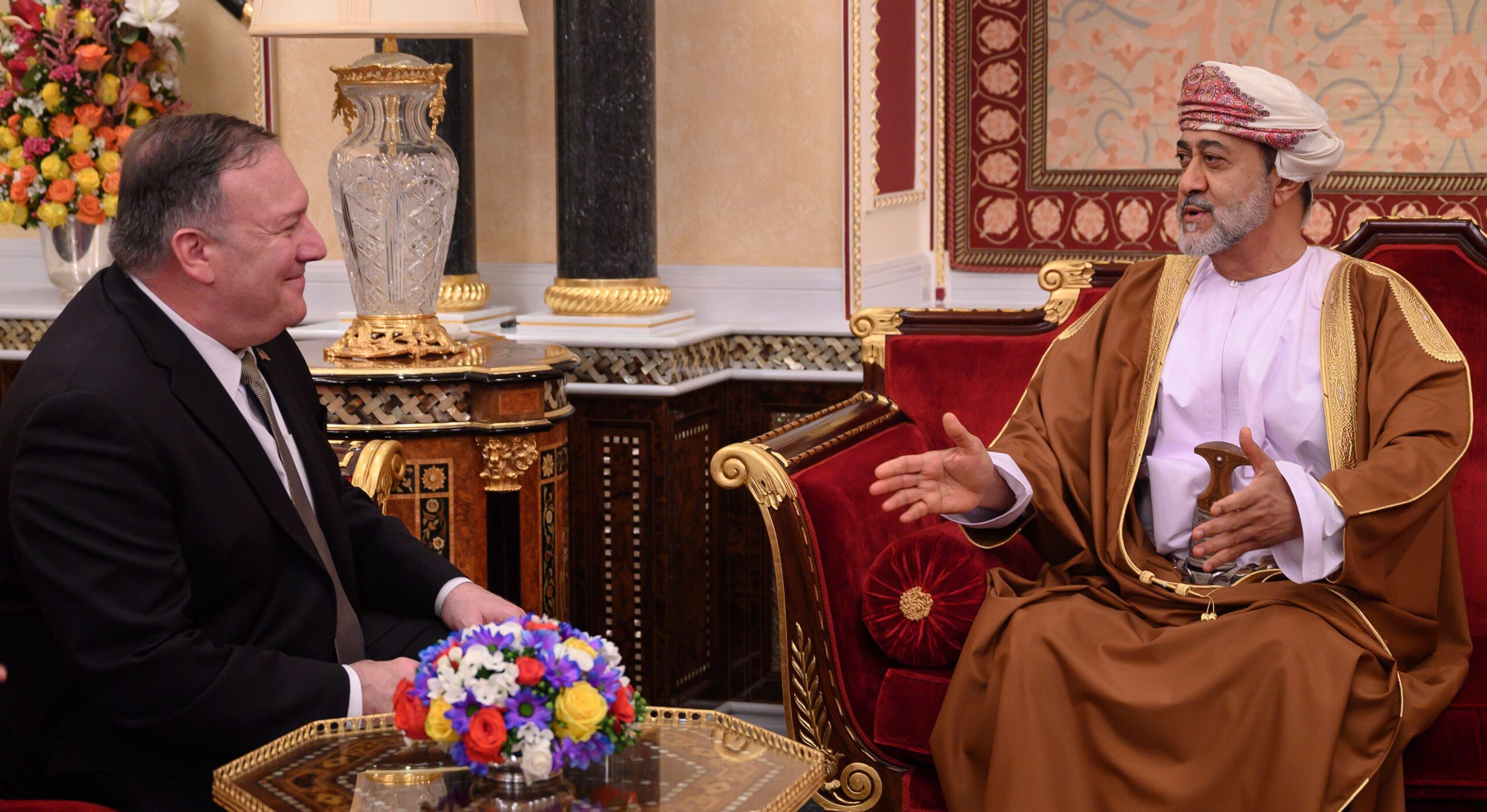
Since Aug. 13, speculation has been rife that the Sultanate of Oman will soon follow the United Arab Emirates’ (UAE) lead and formalize full-fledged ties with Israel. Yet, at least thus far, Muscat has refused to join the UAE, Bahrain, and now Sudan in normalizing relations with Tel Aviv. As a moderate Arab country, where tolerance is firmly embedded into the national ethos and the Ibadi sect of Islam, Oman appears to be maintaining a balanced position on the overall Arab trend toward normalizing relations with Israel. Muscat’s positive reaction to the Abraham Accords is not a major change in strategy and is more illustrative of Oman’s longstanding position on normalization.
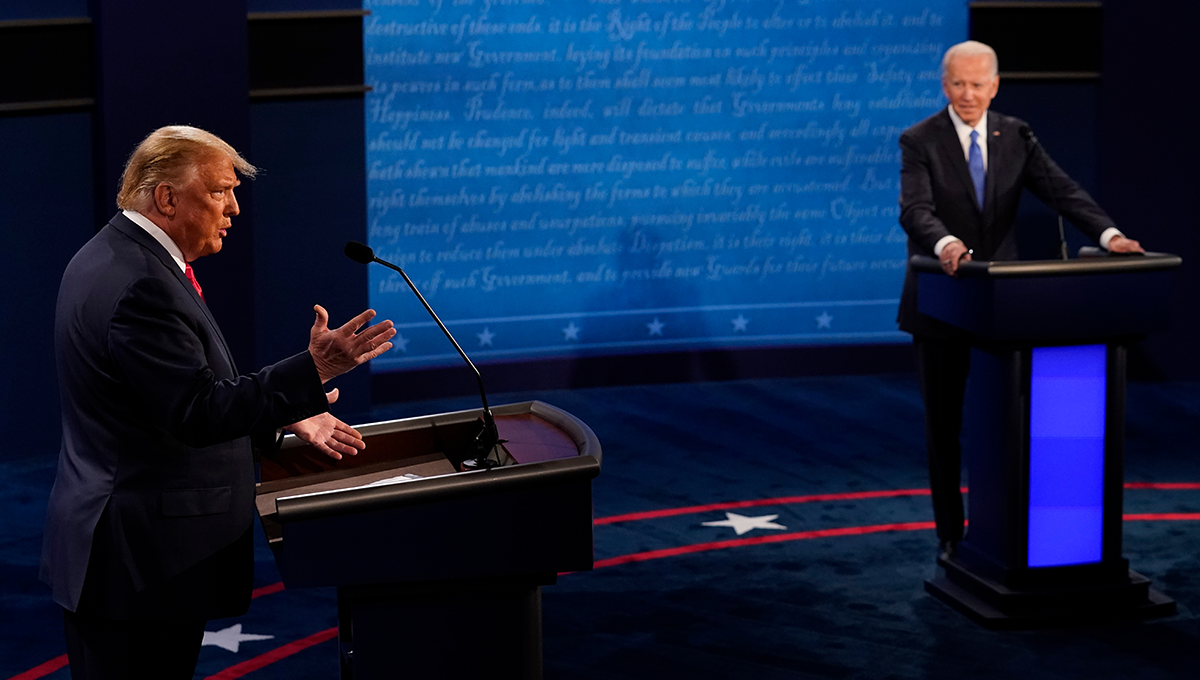
The upcoming American presidential election is top of mind for the Arab Gulf states. This is no surprise as there is so much at stake for them. As the race enters its final critical week, all eyes are on who will occupy the White House for the next four years — and the Arab Gulf states have their preferences. America is still indispensable to Gulf security, but the Gulf is also becoming an indispensable regional partner for whoever wants to lead the world in the 21st century. Today both sides need each other more than ever before.