The devastating impact of Gaza’s acute and prolonged water crisis
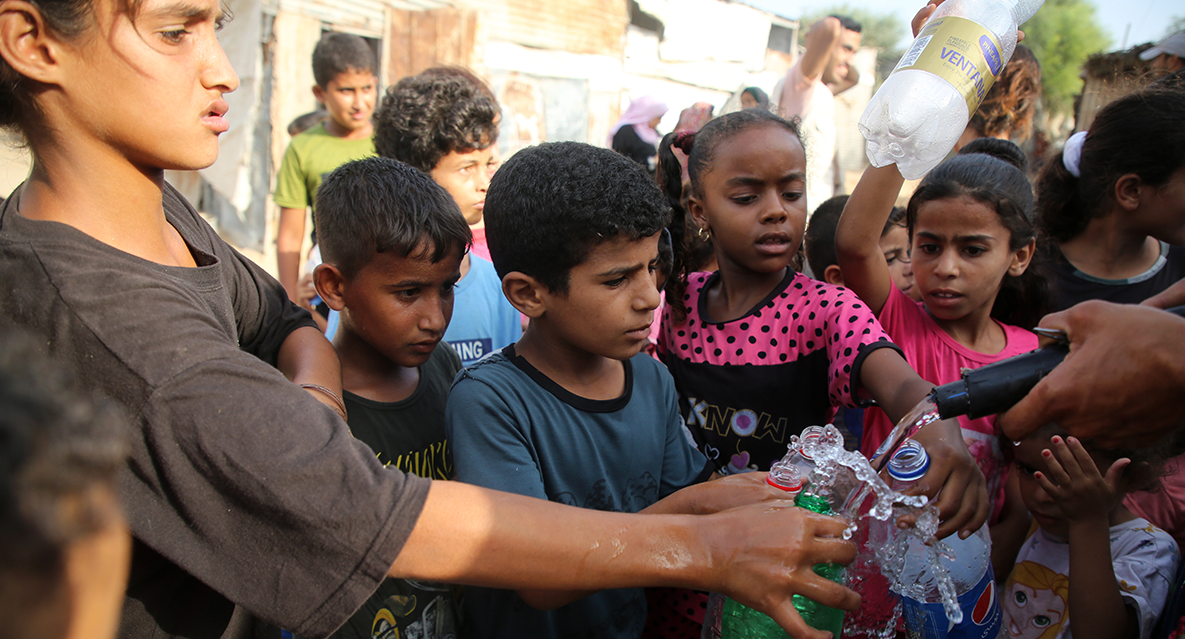
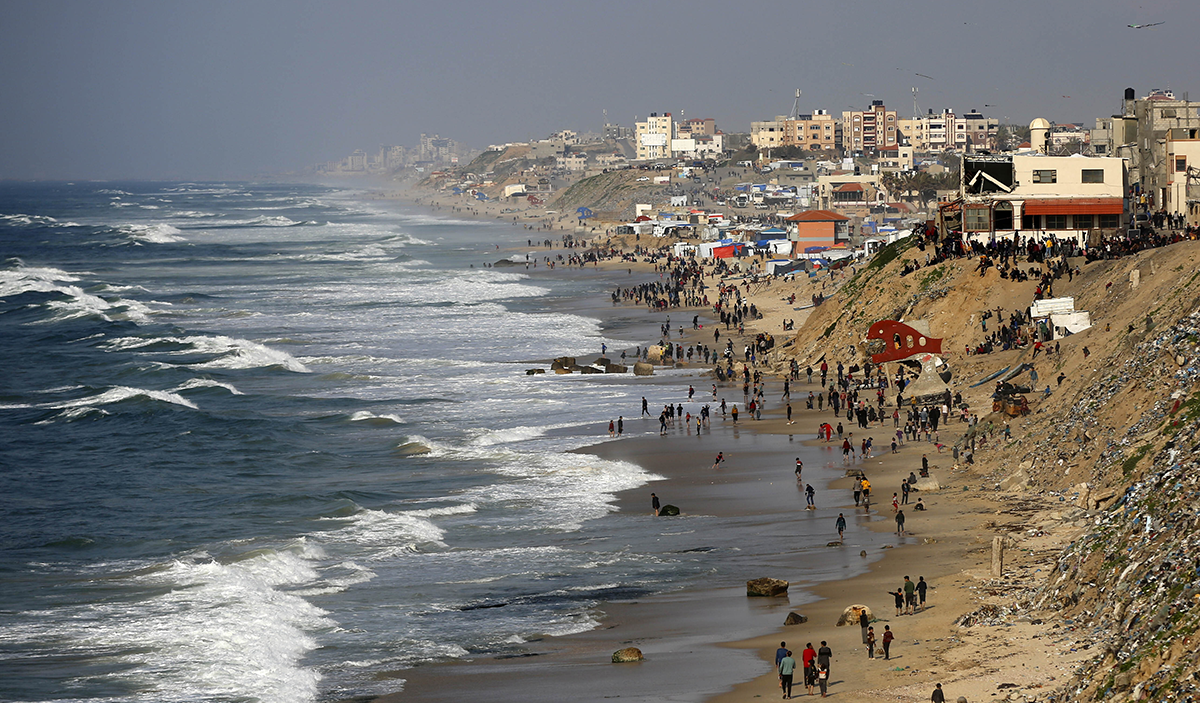
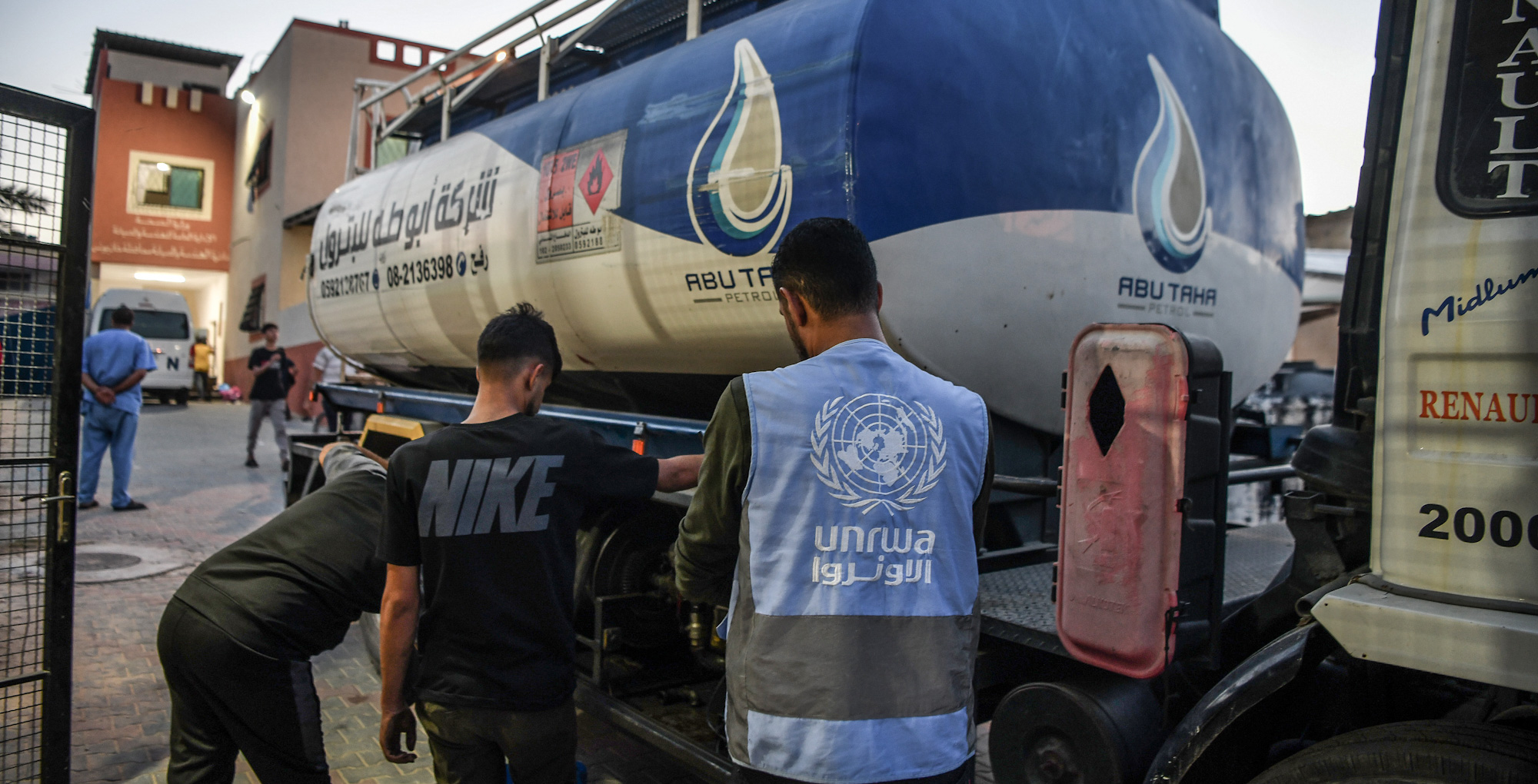
The Gaza Strip faces a severe and worsening water crisis. With the death toll now above 31,000 and a catastrophic humanitarian crisis plaguing the strip, one of the most urgent challenges facing its residents is access to water.
Rebuilding Gaza: Navigating the politics of infrastructure
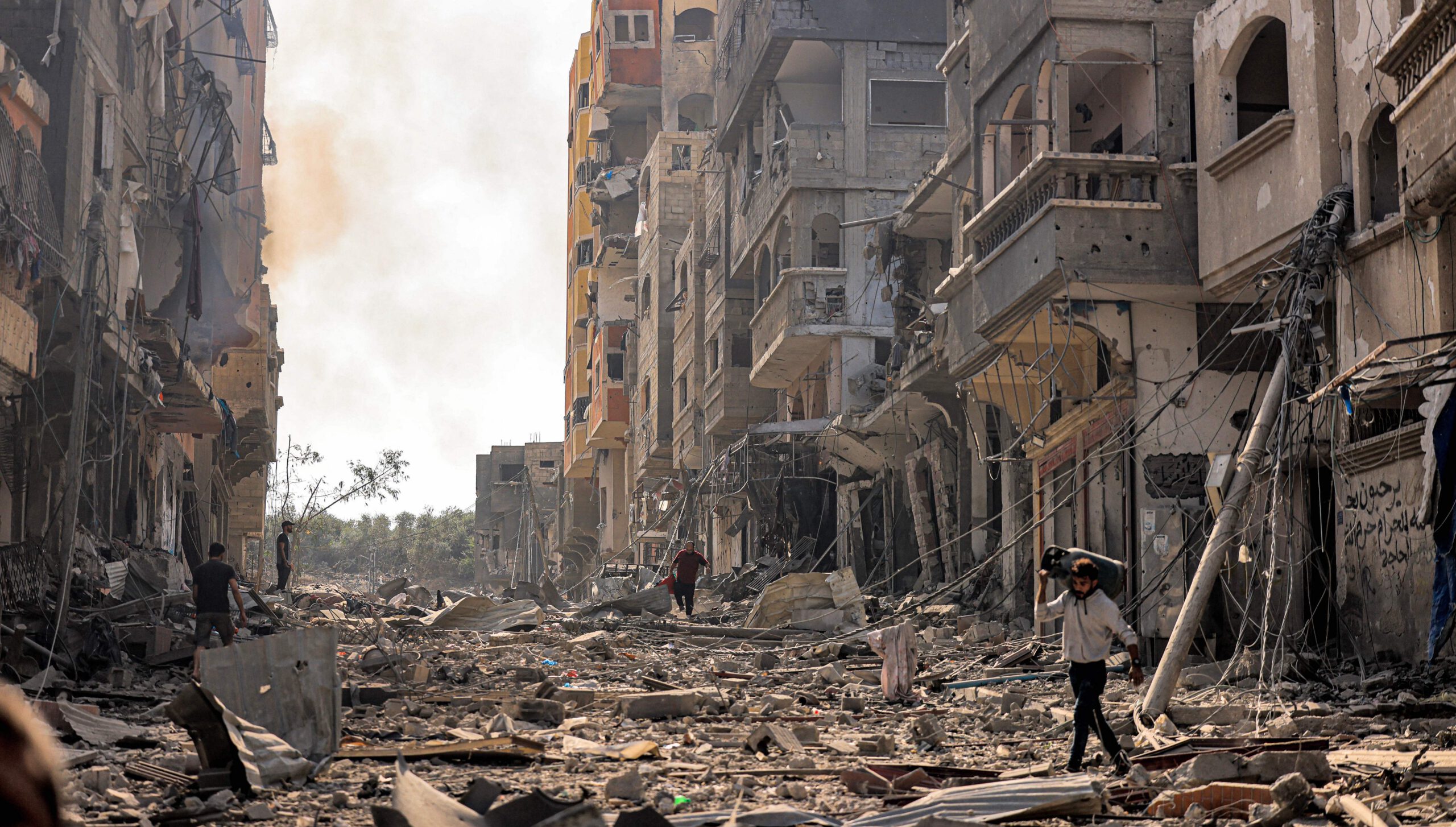
The scale of rebuilding needed after the Gaza war, in addition to the difficult political questions involved, will require close international coordination as well as innovative, future-informed thinking.
Since Oct. 7, the Israeli-Palestinian conflict has been at the center of international attention. This is in stark contrast to the situation in recent years, when the issue has been sidelined in the international discourse and the question of Israeli-Palestinian peacemaking has almost disappeared from the diplomatic agenda.
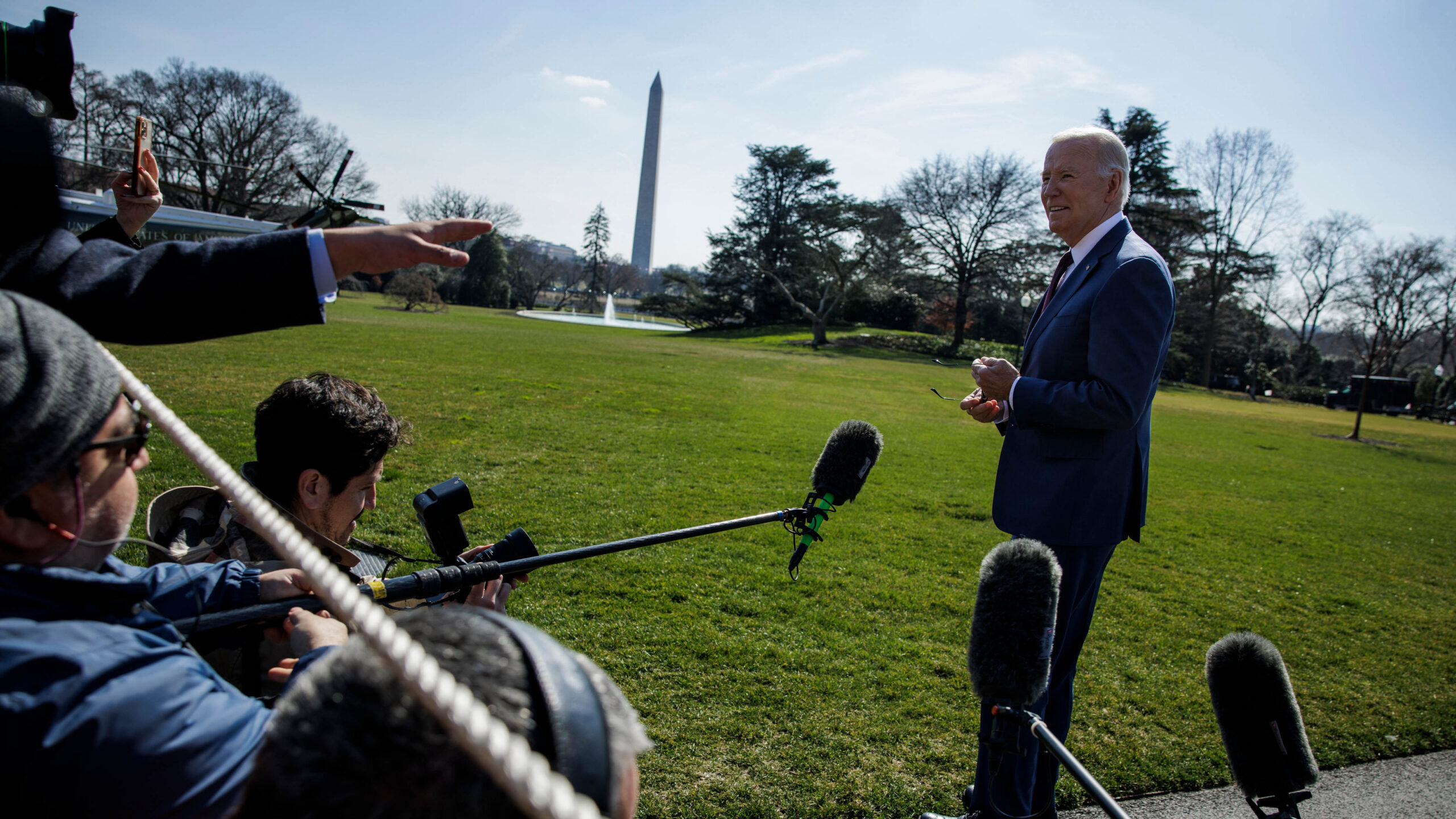
Biden's Gaza aid port plan: How did we get here and where might it lead?
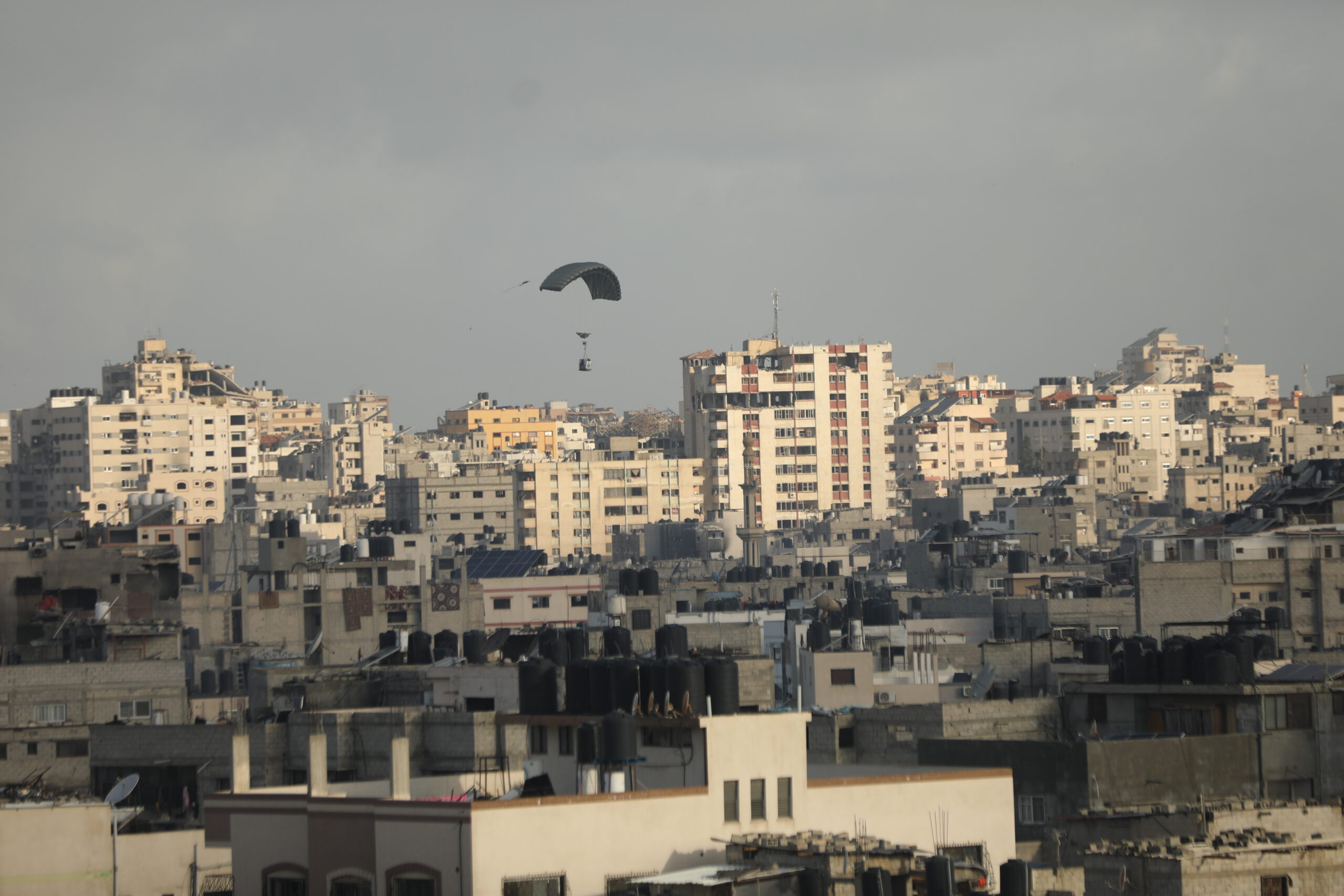
Since Oct. 7, humanitarian aid has been entering the Gaza Strip via land and air. Following US President Joe Biden’s State of the Union address on March 7, aid is also likely to enter via the sea, under an emergency US mission to establish a temporary pier on the Gaza coast that can receive large shipments of food, water, medicine, and temporary shelters.
Egypt’s Economy: Missed Opportunities and Flawed Priorities
For the past several decades, successive Egyptian governments have practised the economic equivalent of riding a skateboard without a helmet; risky but manageable in the short run as long as one doesn’t encounter any obstacles. However, the inevitable has happened. Egypt’s economy smashed into not one, but two, major obstacles; a pandemic, which it just managed to stagger away from (World Bank, 2021), followed by the full-scale Russian invasion of Ukraine.
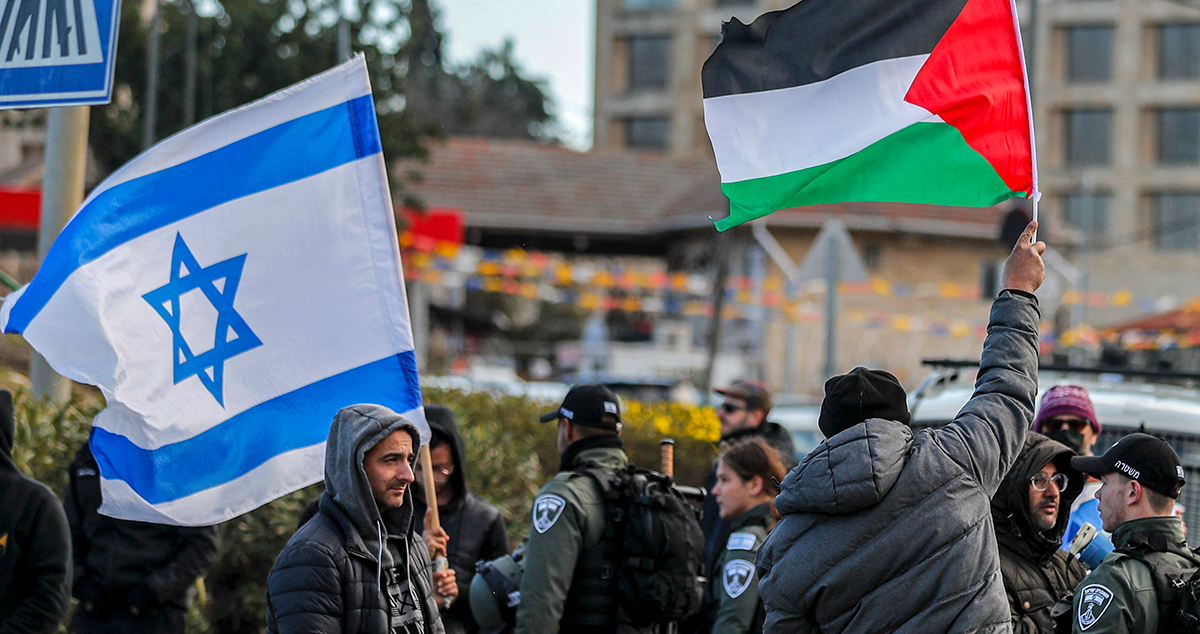
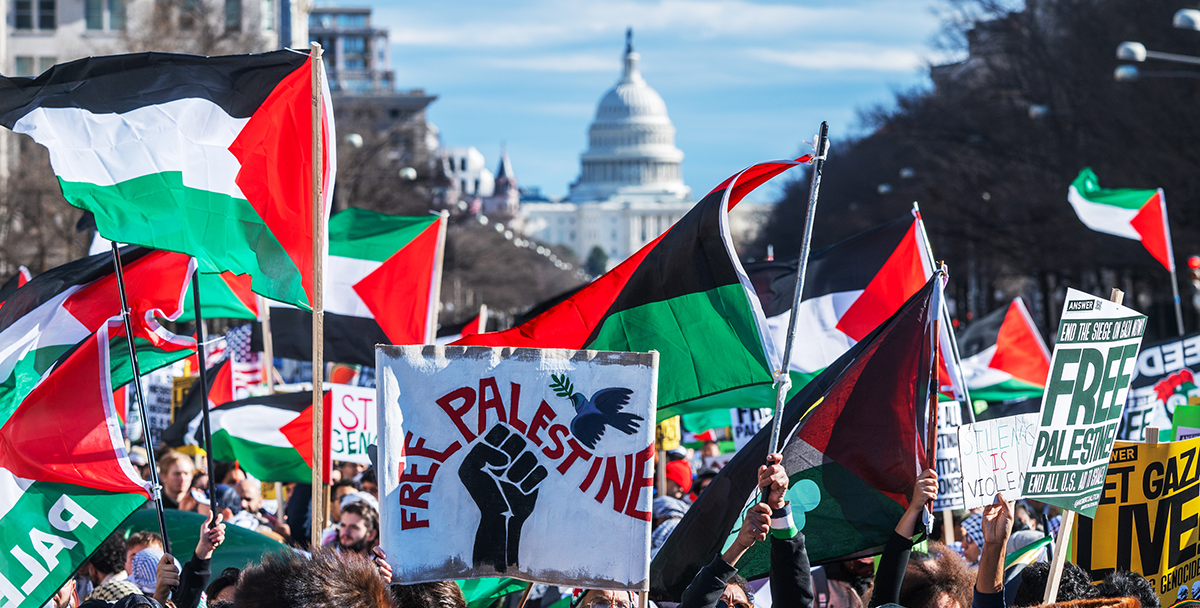
The ongoing catastrophe in Gaza is driving a surge in sympathy for Palestinians in the Western world that could mark a turning point in how the Israeli-Palestinian conflict is engaged with moving forward. Changing attitudes among younger generations are primarily responsible for this shift, driven in part by a post-Black Lives Matter outlook and narrative that has simplified and distilled the conflict.
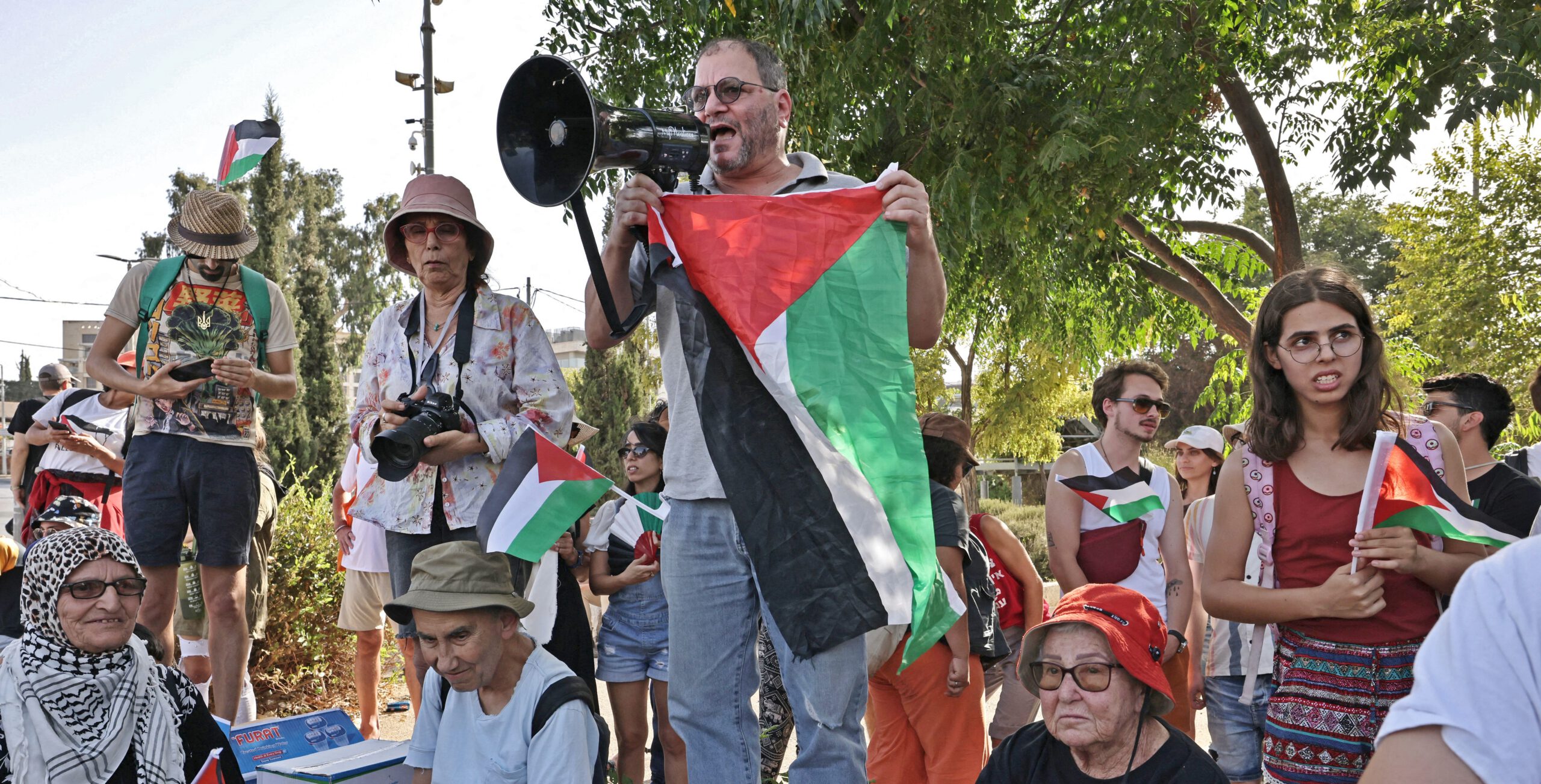
Expelling MK Cassif: A warning sign for Palestinian representation in the Knesset
If the Knesset expels lawmaker Ofer Cassif, it will represent the national legislature’s first use of the Suspension Law and signal a sharp curtailing of legal space for non-Zionist players in Israeli politics.
Suspending UNRWA funding is collective punishment for Palestinians
The decision by the United States and other donor countries to suspend financial assistance to UNRWA will have far-reaching and likely devastating consequences for the civilian populations that rely on its services, particularly in the Gaza Strip. Donor countries must realize that the consequences will hinder the humanitarian response to the Israeli war on Gaza, incurring a heavy cost in human lives.