آراء الخبراء: الدبلوماسية الأمريكية والحرب بين إسرائيل وحماس
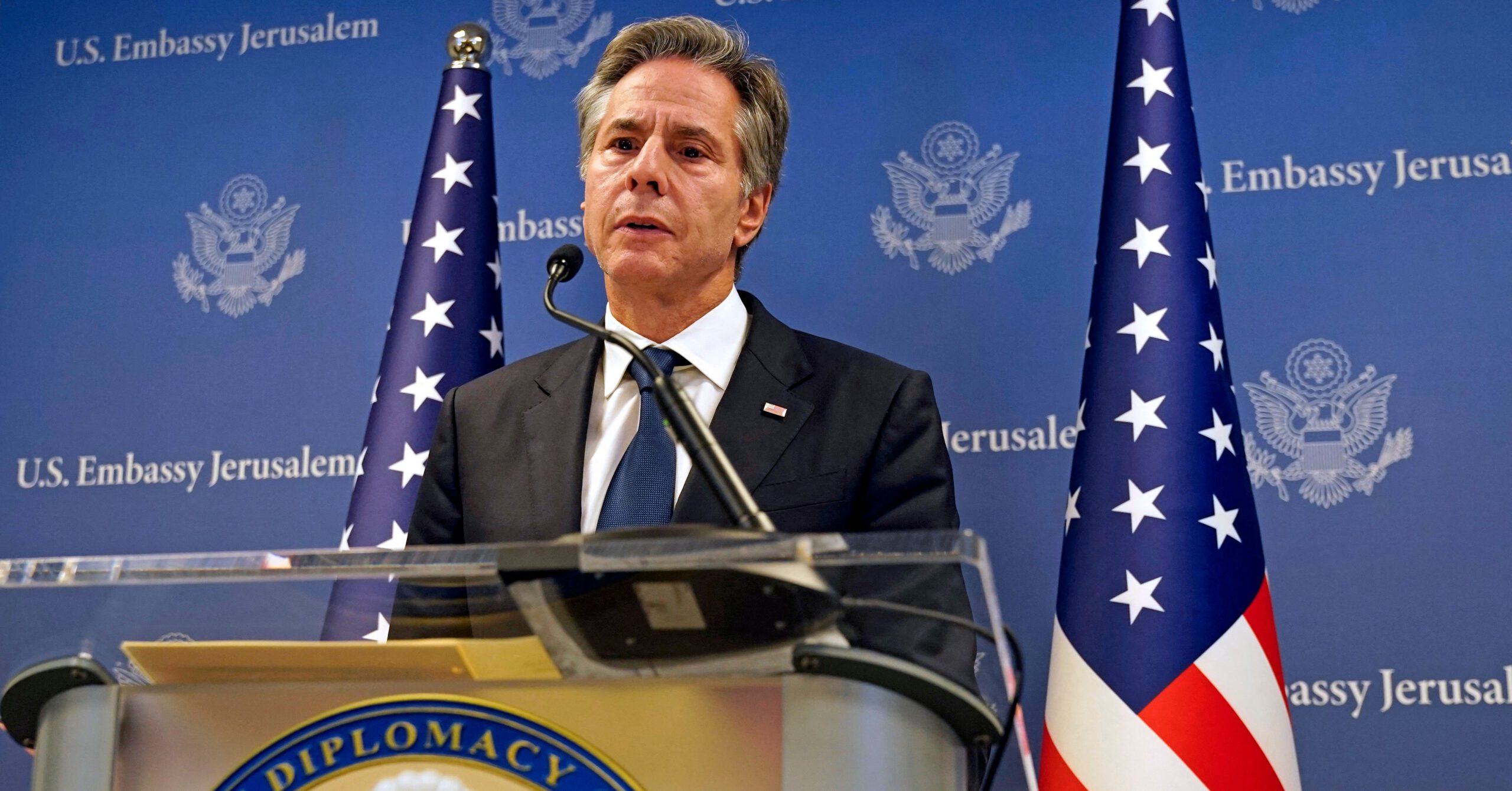
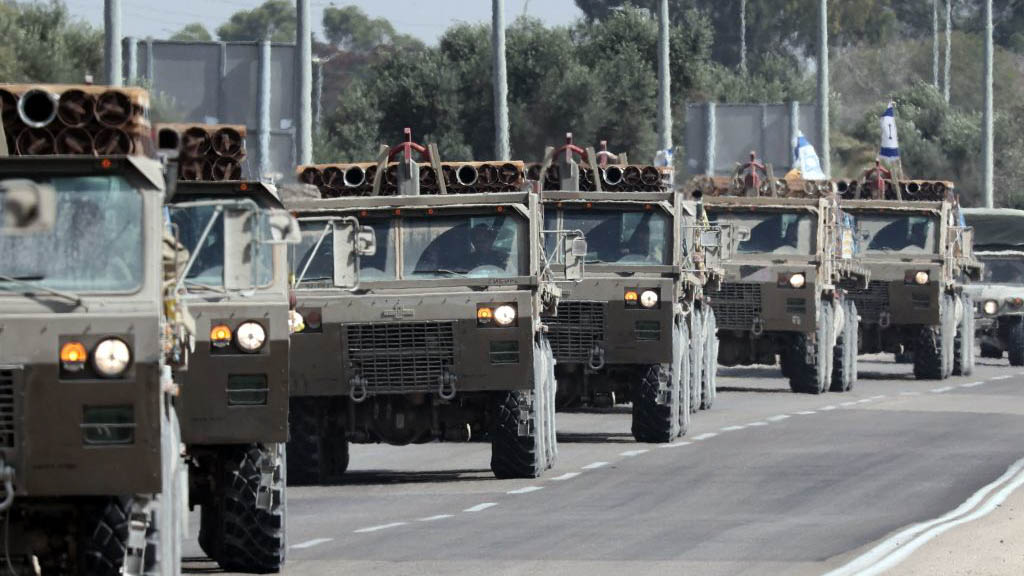
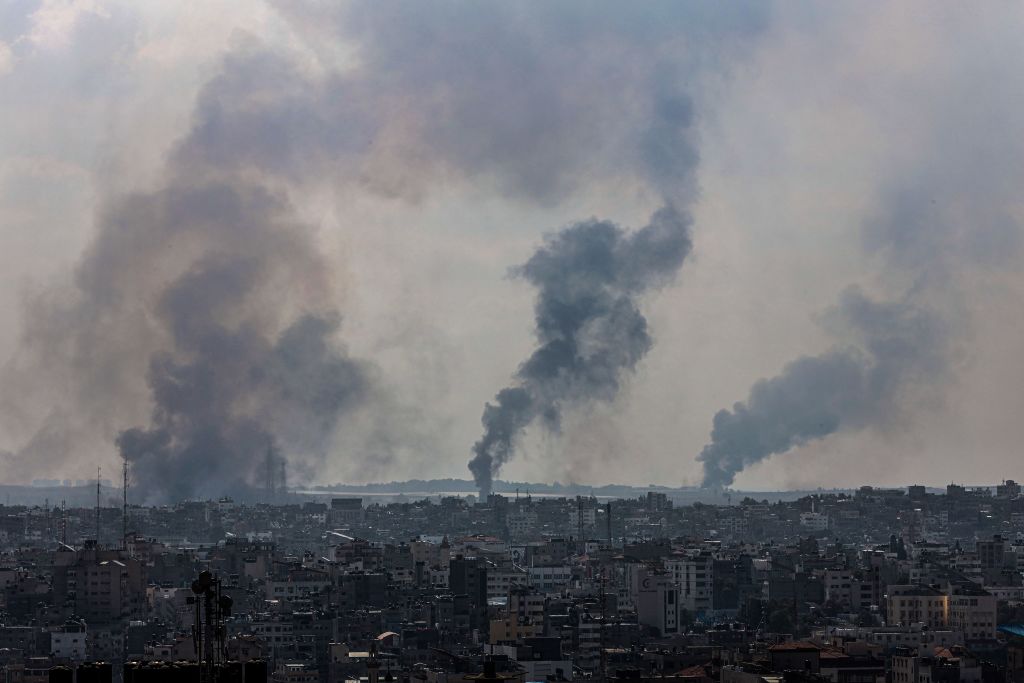
What further diplomatic steps should the U.S. take to respond to the Israel-Hamas war and its broadening regional reverberations? MEI has asked a group of former U.S. ambassadors and senior government officials specializing in the region to weigh in.
The war in Gaza as a major test of China’s Middle East peace diplomacy
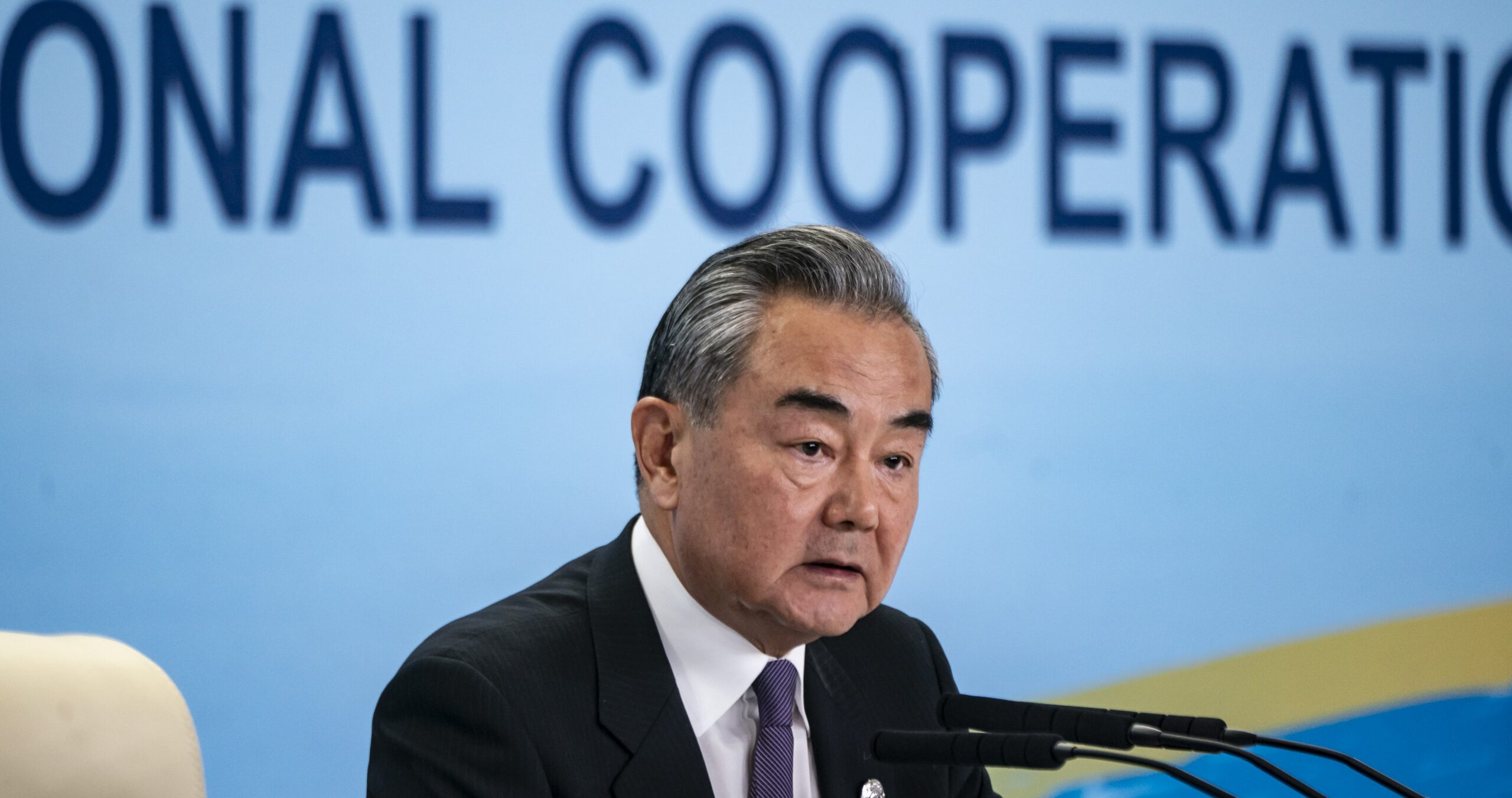
China has long sought to brand itself as a “neutral” player and force for peace in the Middle East and elsewhere, willing and able to talk to “all sides.” Beijing’s nascent ambition to play the role of peacemaker and its potential to shape regional events was on display when it succeeded last March in brokering the détente between Riyadh and Tehran. The Israel-Hamas war offers no such low-hanging fruit. On the contrary, it poses a major test of China’s Middle East peace diplomacy — and an opportunity to examine some of our own, perhaps faulty assumptions.
As Israel-Hamas war begins, it’s not too late to shape this historic inflection point
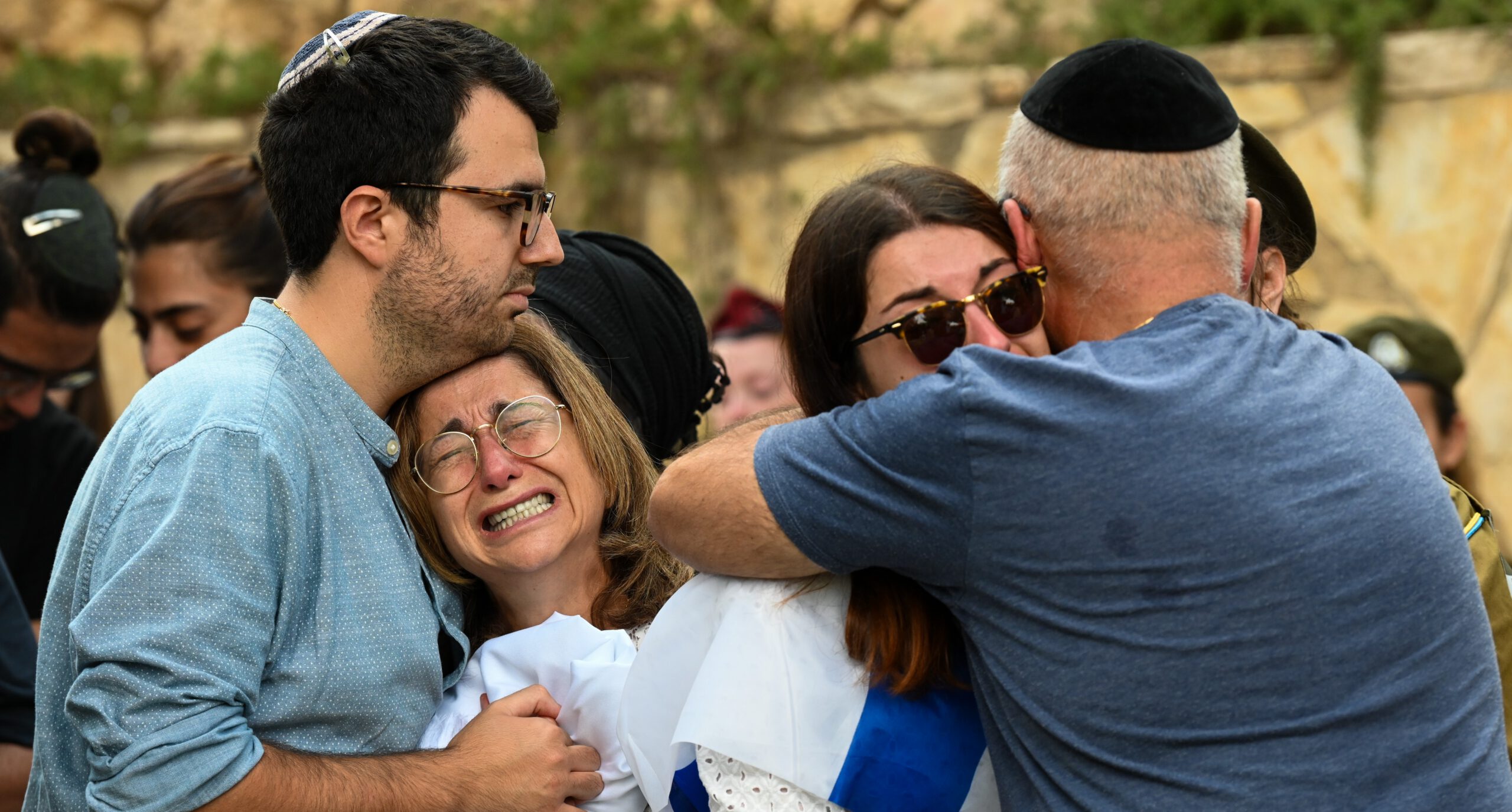
Hamas’ murderous raid on Oct. 7, resulting in the deaths of more than 1,300 Israelis, mostly civilians, may well turn out to be a consequential inflection point, having unleashed political and popular forces that could lead in a positive or, just as likely, extremely negative direction.
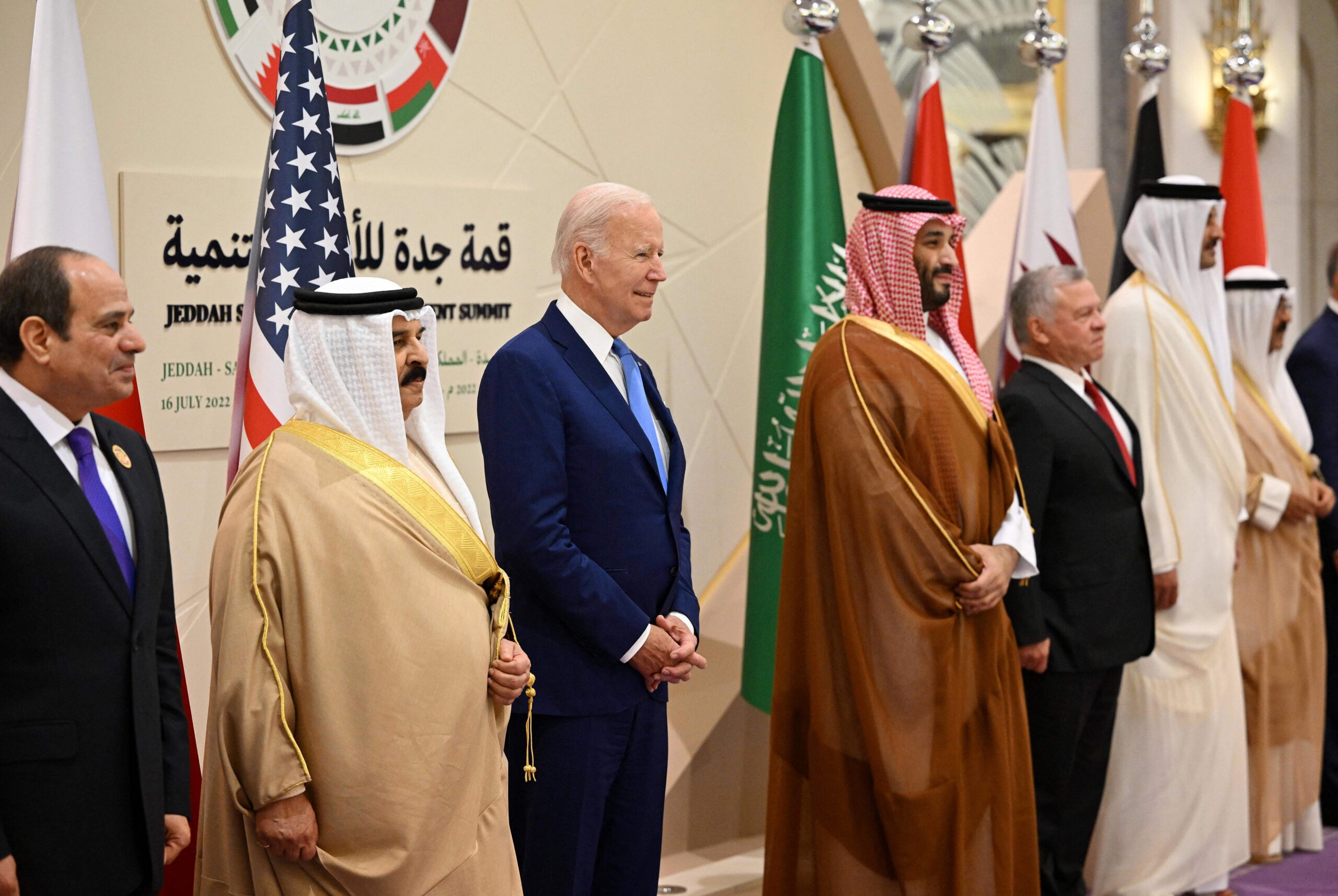
التحرك بحذر على رمال متحركة: تقييم نهج بايدن في سياسة الشرق الأوسط، 2021-2023
يقدم هذا التقرير تقييماً مؤقتاً لاستراتيجية إدارة بايدن الشاملة تجاه الشرق الأوسط، ويبحث الفرص والمخاطر الاستراتيجية للسياسة الأمريكية في المنطقة بشكل عام.
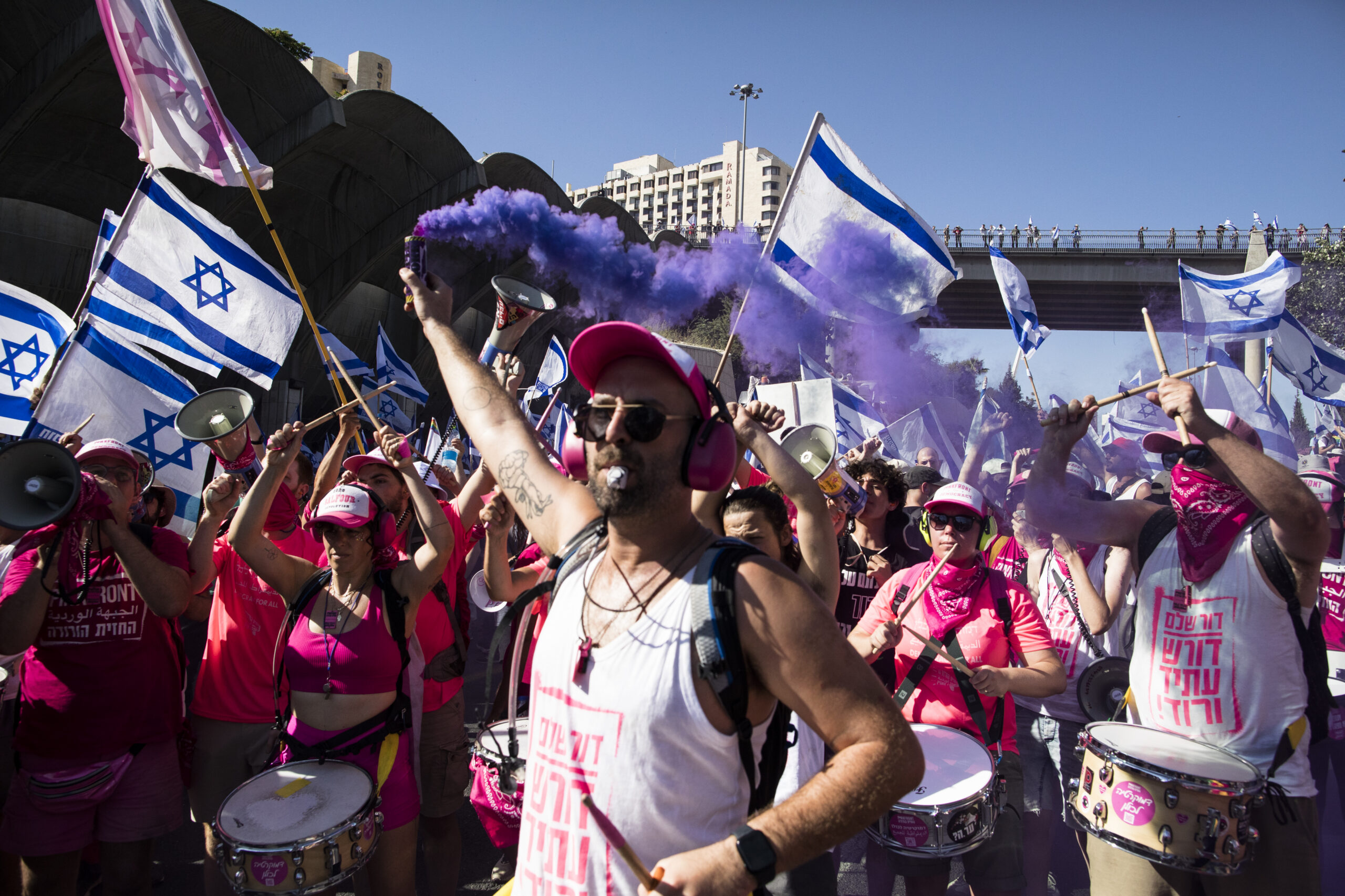
Can oil and water mix?: Creating opportunities for Iraq-Turkey cooperation
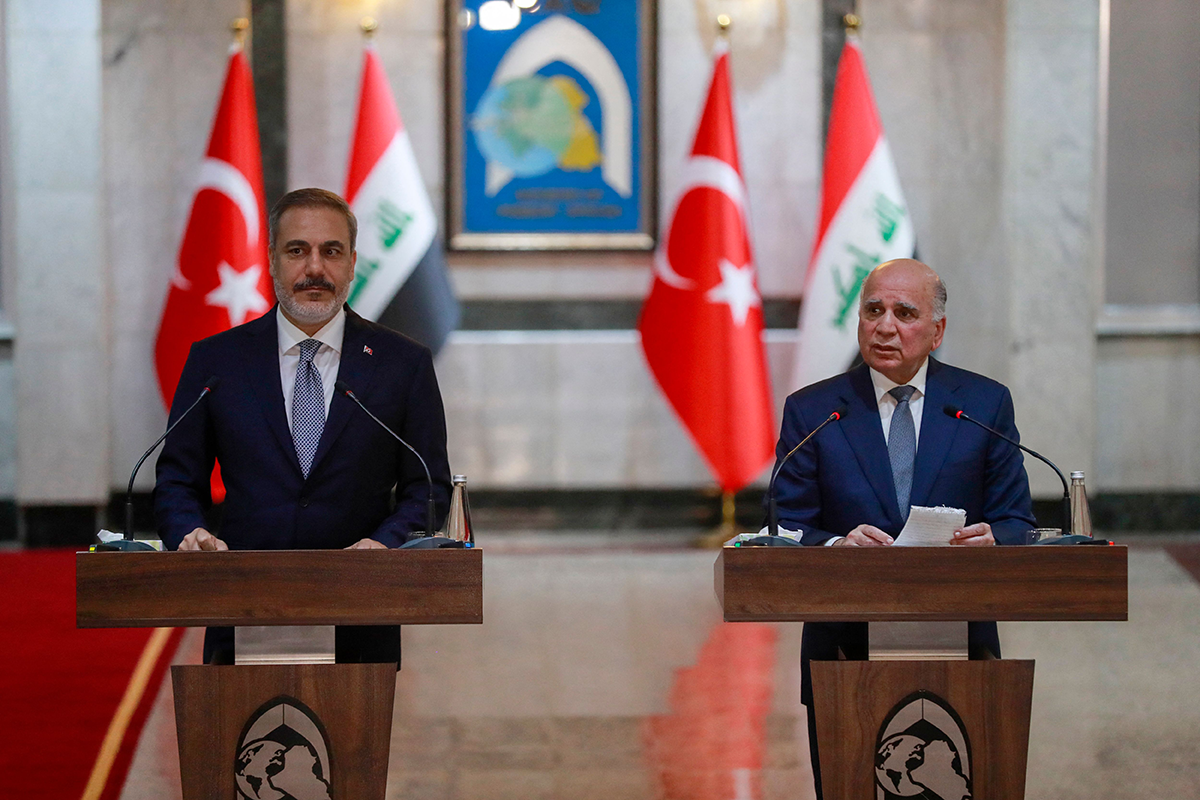
Last week saw a flurry of diplomatic activity between Baghdad and Ankara. The top priorities in the talks were oil exports, the presence of the PKK in Iraq, and Iraq’s water crisis. The outcomes have been unimpressive, but there is an opportunity for Iraq to shake things up and improve its bargaining position, at least on the oil export issue, possibly more.
Peshmerga reform hangs in the balance in Iraq’s Kurdistan Region
Efforts to reform the Iraqi Kurdish security forces known as the Peshmerga are at serious risk of failing. Tensions between the ruling parties of Iraq’s Kurdistan Region are not new, but the working relationship between the leaders of the Kurdistan Democratic Party and the Patriotic Union of Kurdistan has collapsed over the past year. As a result, officials within the Ministry of Peshmerga Affairs are no longer capable of preventing the politics of partisan self-interest from consuming the reform project. The prospects for the depoliticization and unification of the Peshmerga have rarely seemed more remote.
Impossible choices and routine tragedies: The Syrian refugee crisis at 13
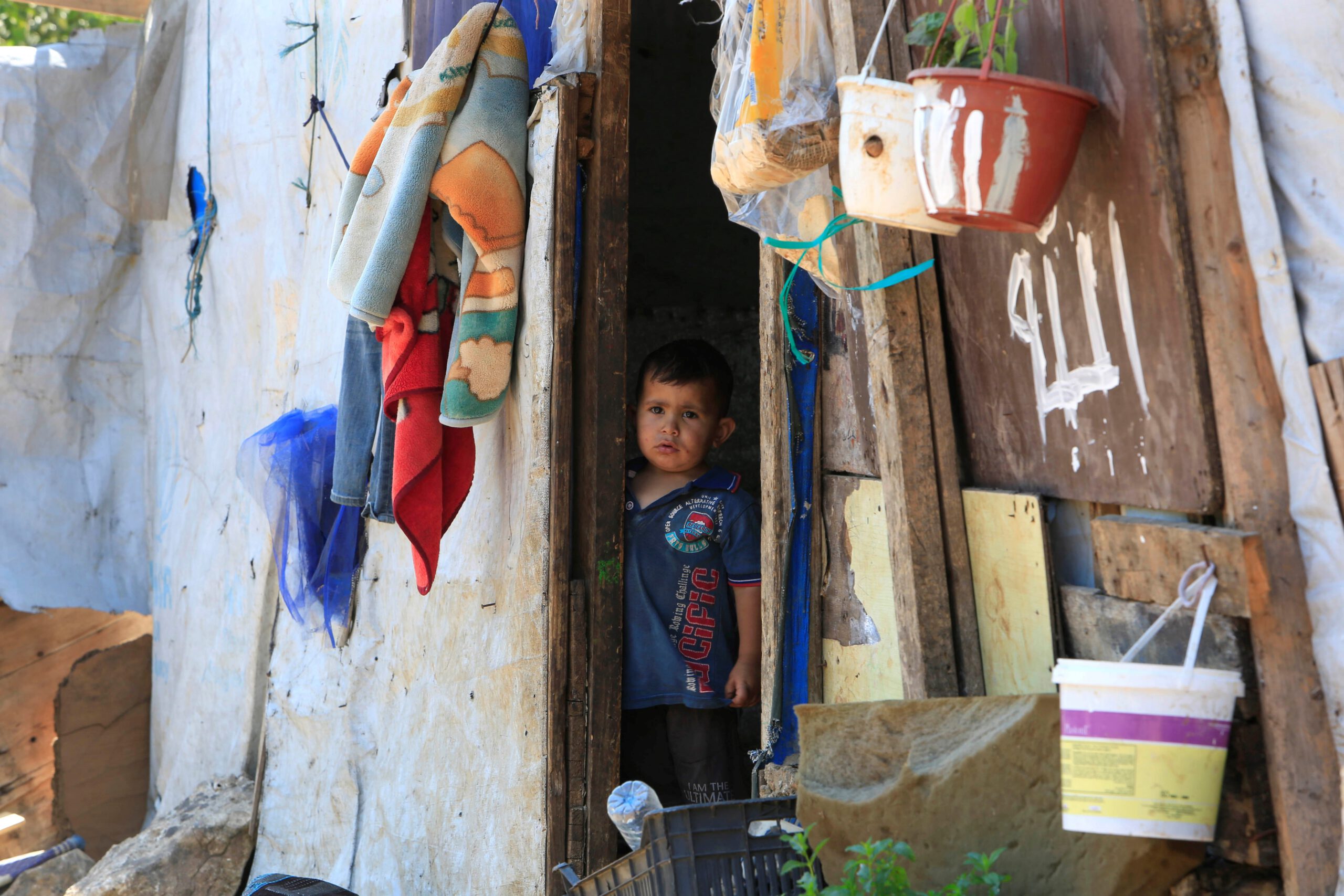
There are currently over 5.34 million Syrian refugees dispersed in camps, collective shelters, and poor neighborhoods across Lebanon, Turkey, Iraq, Jordan, and Egypt. Many make desperate attempts to find refuge in Europe. Instead of adopting repressive measures and discriminating against these individuals, the U.S. and European countries should work with regional partners and non-governmental organizations to limit the danger to refugees and IDPs.
Two decades on, Iraq’s ongoing, if fragile, cultural revival
Although it has fallen off the international news cycle, Baghdad is booming, high on rising oil prices and full, once again, of neo-Abbasid, petroleum-fueled aspirations. Thanks to new anti-money laundering legislation, funds are being funneled not only into hotels and real estate but also into new cultural enterprises. So what does culture in Iraq look like in 2023?
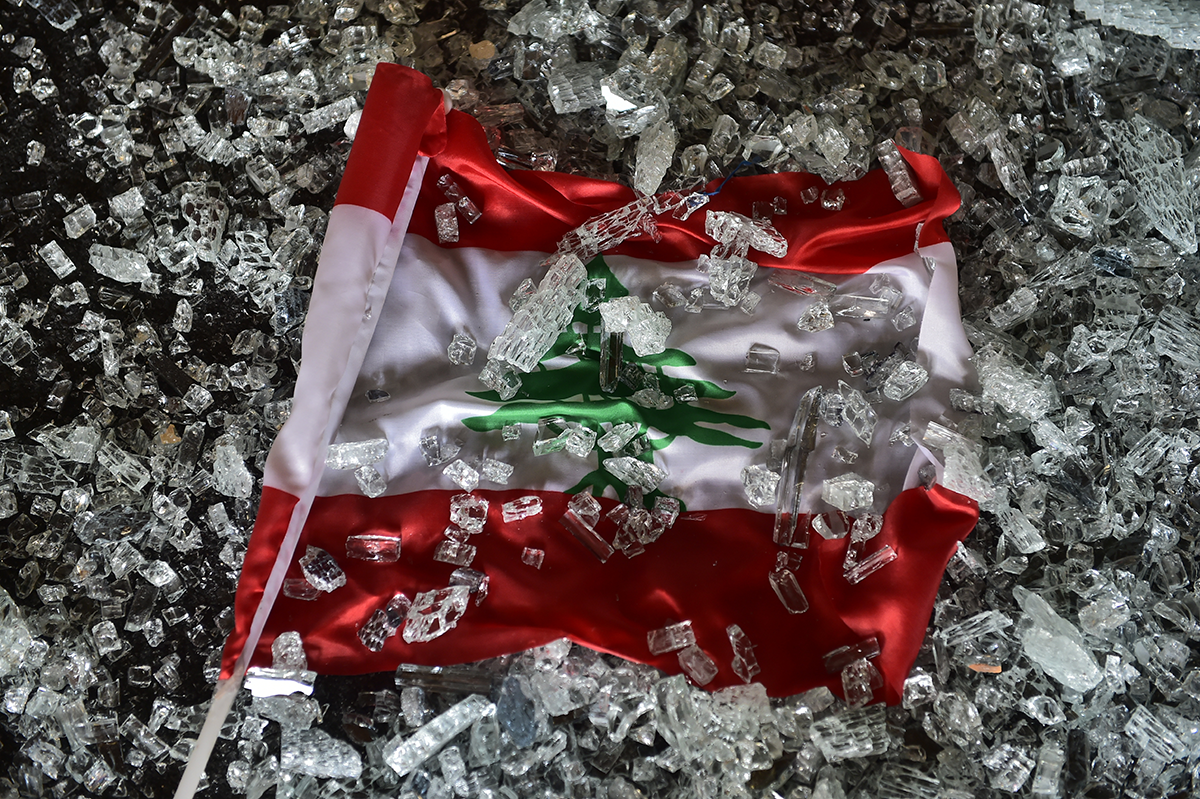
The Beirut blast three years on: The case for international accountability
Three years on from the Beirut port blast, Hezbollah, with the support of Lebanon’s political elite, has managed to obstruct and even quash the domestic judicial process for holding those responsible for the explosion accountable and delivering justice to both victims and a battered nation. The international community must uphold its responsibility toward the Lebanese people by enabling a U.N. fact-finding mission to investigate the blast, sanctioning those responsible for obstructing justice, and making ending impunity the centerpiece of international mediation on the Lebanese crisis.
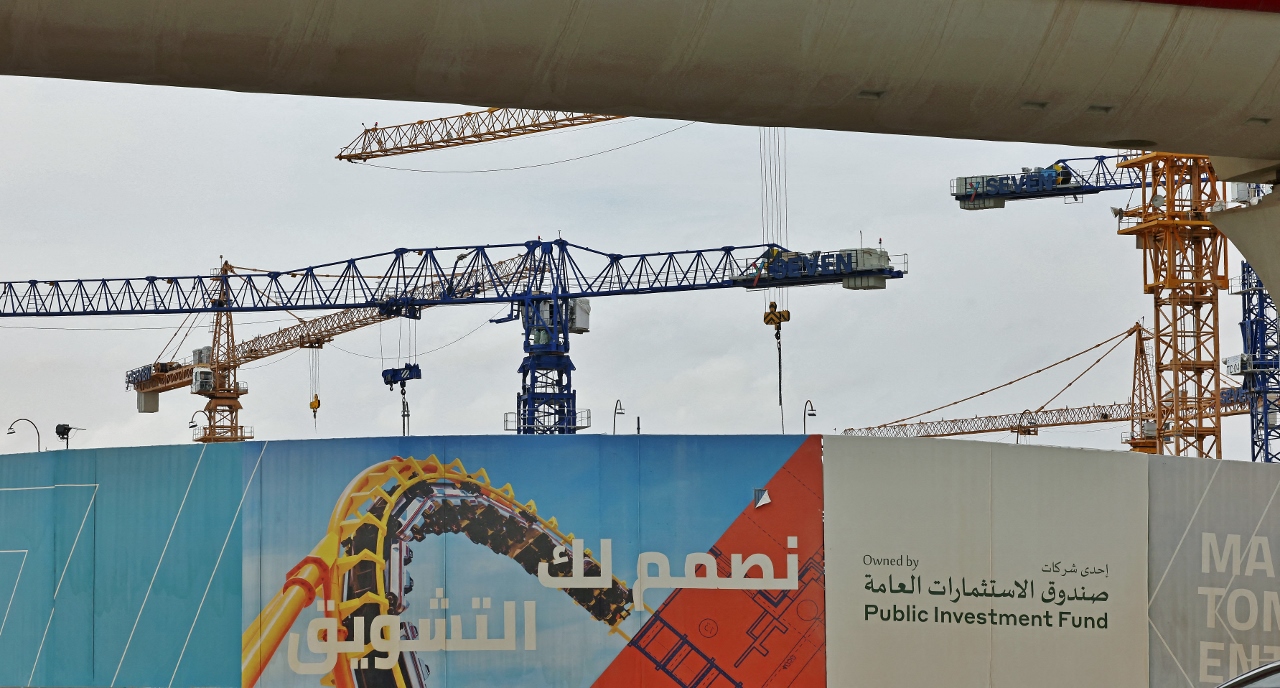
The new wave of dealmaking by Gulf sovereign wealth funds
For resource-rich countries such as Gulf oil and natural gas producers, sovereign wealth funds have emerged as promising tools to save for future generations, mitigate the effects of outsized economic shocks, and/or be deployed as reserve investment and strategic development funds to spend on human, natural, social, and physical capital.
July 4 from abroad: The many ages of America in the Arab world
From the past century until today, the U.S. has cast a long shadow in the Middle East region and relations have gone through many highs and lows. It is important to be aware of this trajectory to better understand the relationship today; and perhaps there are lessons to inform the future of the relationship in the coming century.