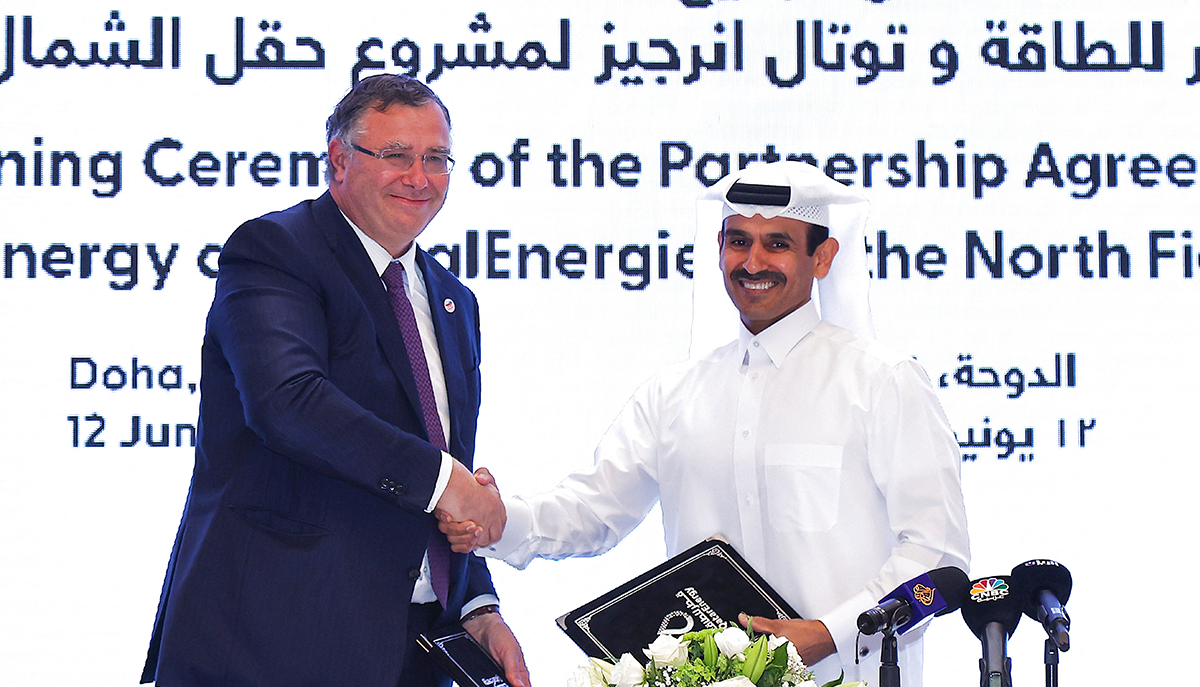
Qatar strengthens ties with international energy players through North Field East Project
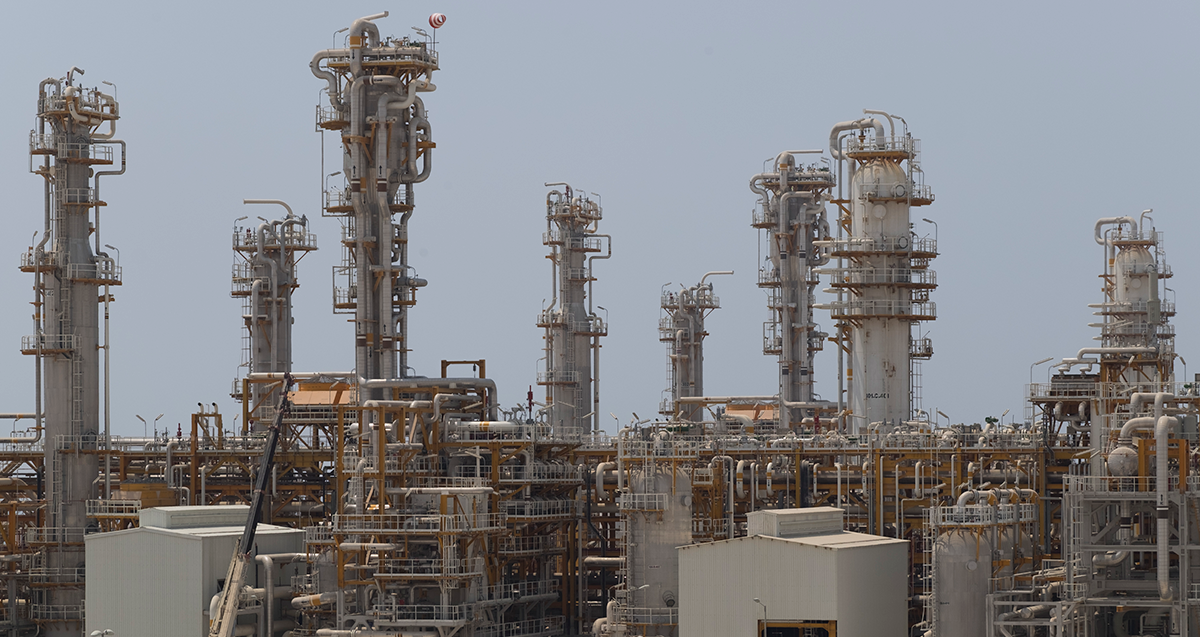
Throughout the month of June, Qatar Energy, the state-owned energy company responsible for delivering the newly named North Field East Project, captivated the attention of global energy players. After more than six months of bid evaluation, the Qataris have selected the partners in the drive to expand their LNG capacity. While all partners have minor interests, the Qataris have publicly secured participation from representative Western energy players.
حزب الله الحجاز: جماعة شيعية سعودية يكتنفها الغموض
تهدف هذه الورقة البحثية إلى مقاربة النفوذ الإيراني داخل المجتمع الشيعي في السعودية من خلال التركيز على أتباع مرجعية المرشد الأعلى والمعروفين بـ “خط الإمام” والجناح العسكري المنسوب للتيار والمعروف دوليًا بـ “حزب الله الحجاز” أو “حزب الله السعودي” والذي تتوجه له أصابع الاتهام بتنفيذ تفجير الخبر ١٩٩٦.
Hezbollah Al-Hejaz: A Saudi Shi’a Group Cloaked in Mystery
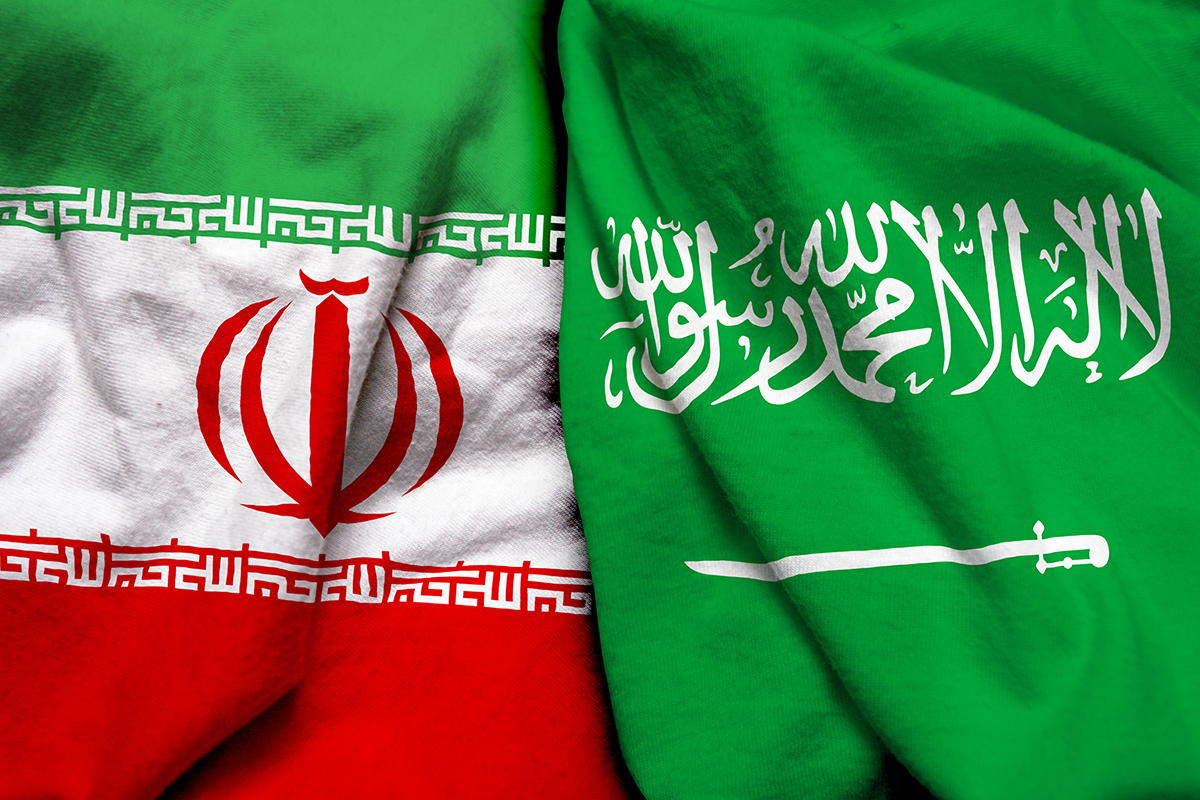
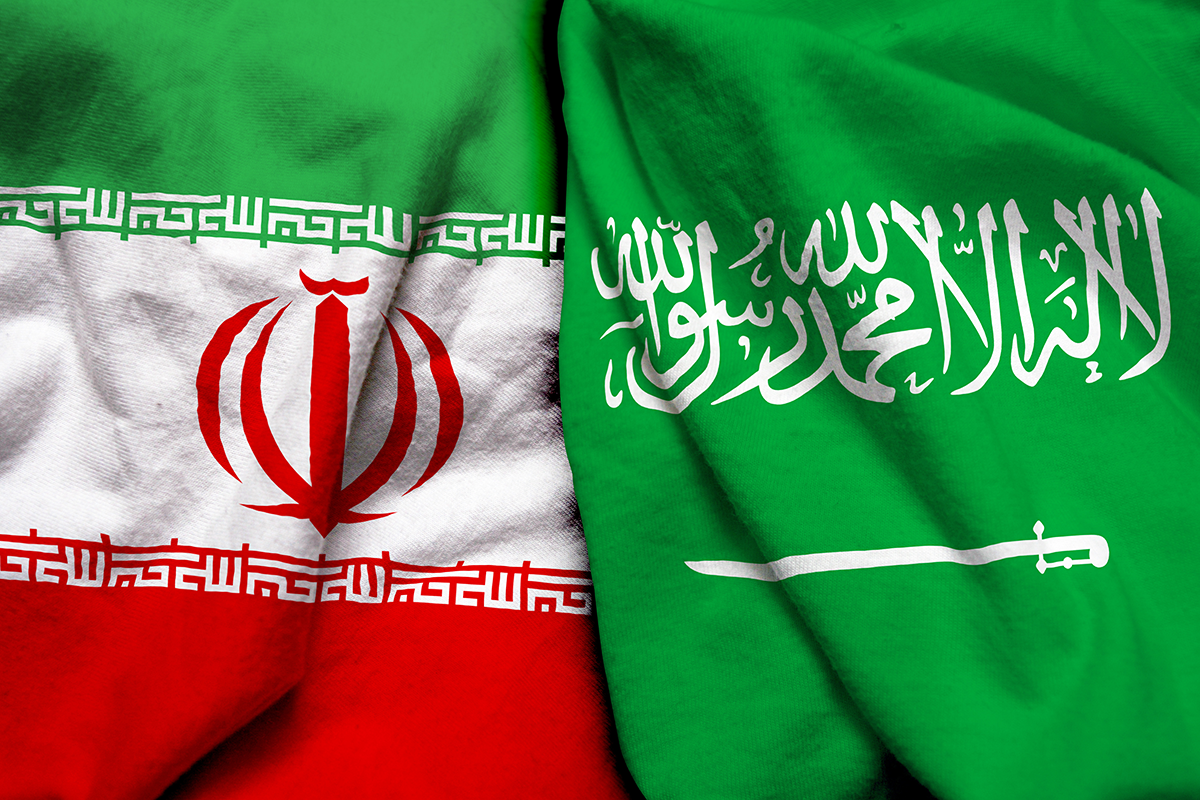
Since the 1979 Islamic Revolution in Iran, Saudi Arabia has been concerned about the potential influence of Iran’s supreme leader among its Shi’a population, especially since Ayatollah Sayyid Ali Khamenei took on the title of Vali-ye faqih, or “guardian-jurist.” Such concern is understandable given that the two countries are both neighbors and rivals: Khamenei is a marj’a, the highest-ranking Shi’a religious authority, but he is also the commander-in-chief of the Iranian Armed Forces. This paper aims to investigate the Iranian influence within the Shi’a community in Saudi Arabia by focusing on the followers of the supreme leader’s marj’aiyyah, known as “Khat al-Imam,” and its military wing, “Hezbollah Al-Hejaz,” often held responsible for carrying out the 1996 Khobar Towers bombing.
Bridging the Cost Gap: Three Labor Policies to Close the Wage Gap Between Saudi and Foreign Labor
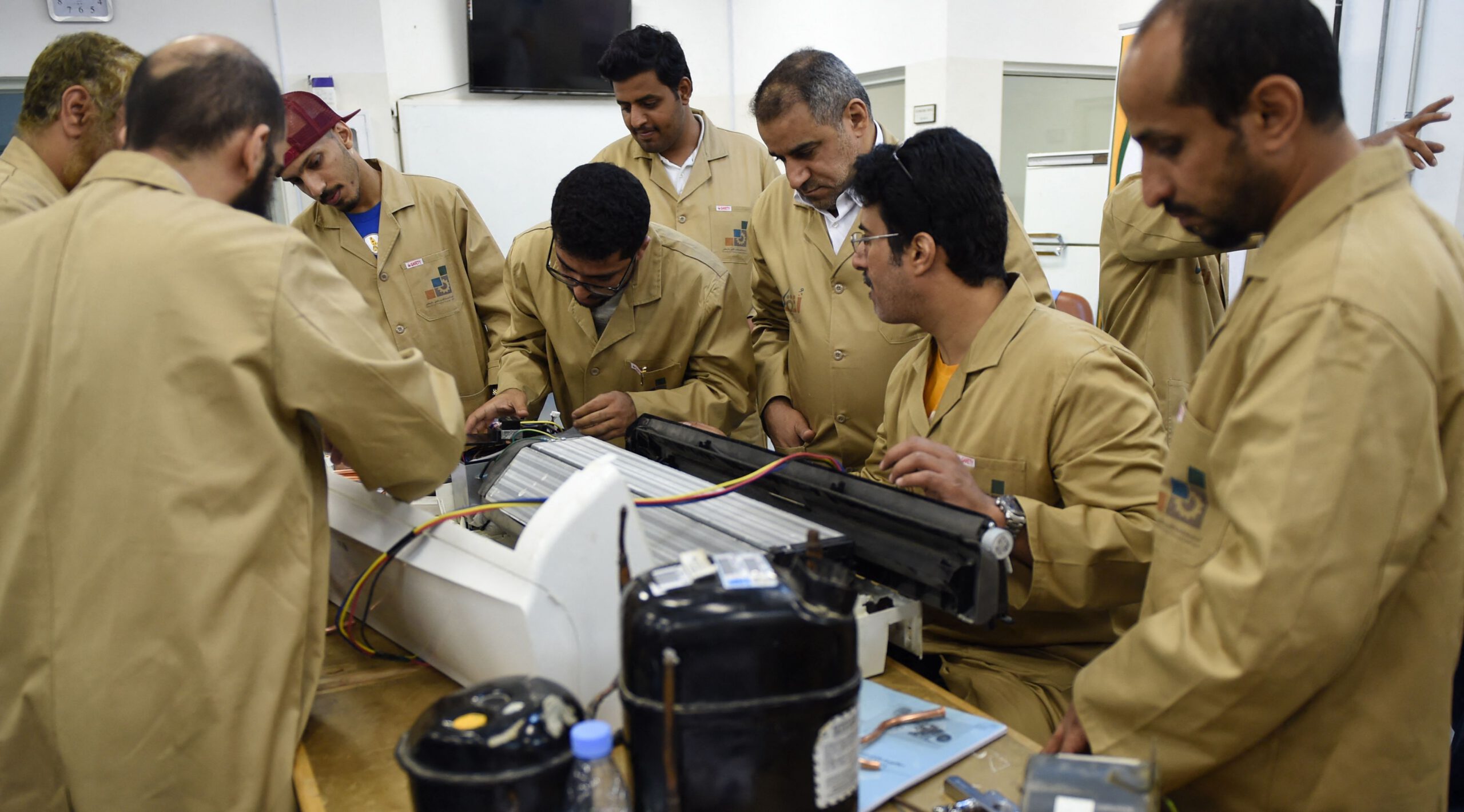
Since the launch of Vision 2030 six years ago, Saudi Arabia has made considerable progress in reducing the labor-cost gap between national and foreign workers in the private sector. While the total unemployment rate has declined recently among nationals, it remains high at 11%. Drawing on evidence from Bahrain’s experience with labor market reform, this can be significantly reduced through policies designed to bridge the cost gap between citizens and foreign labor in the private sector.
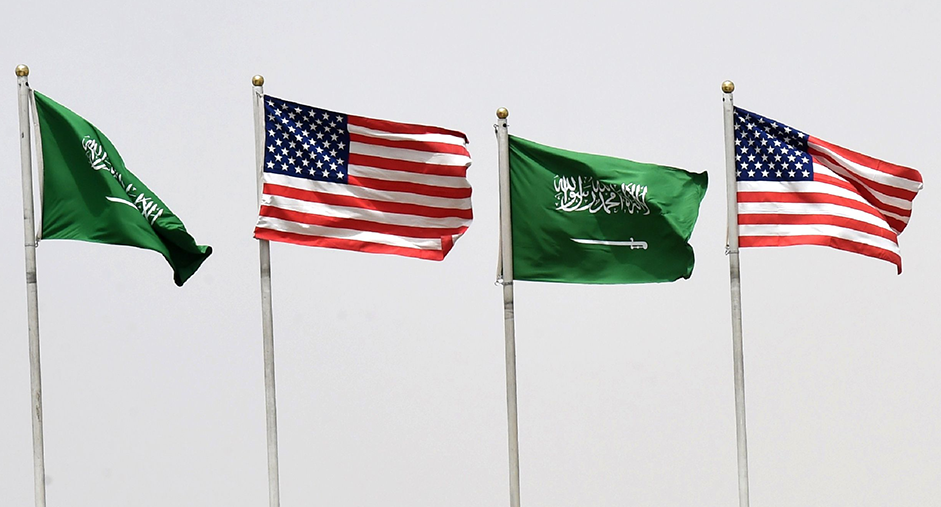
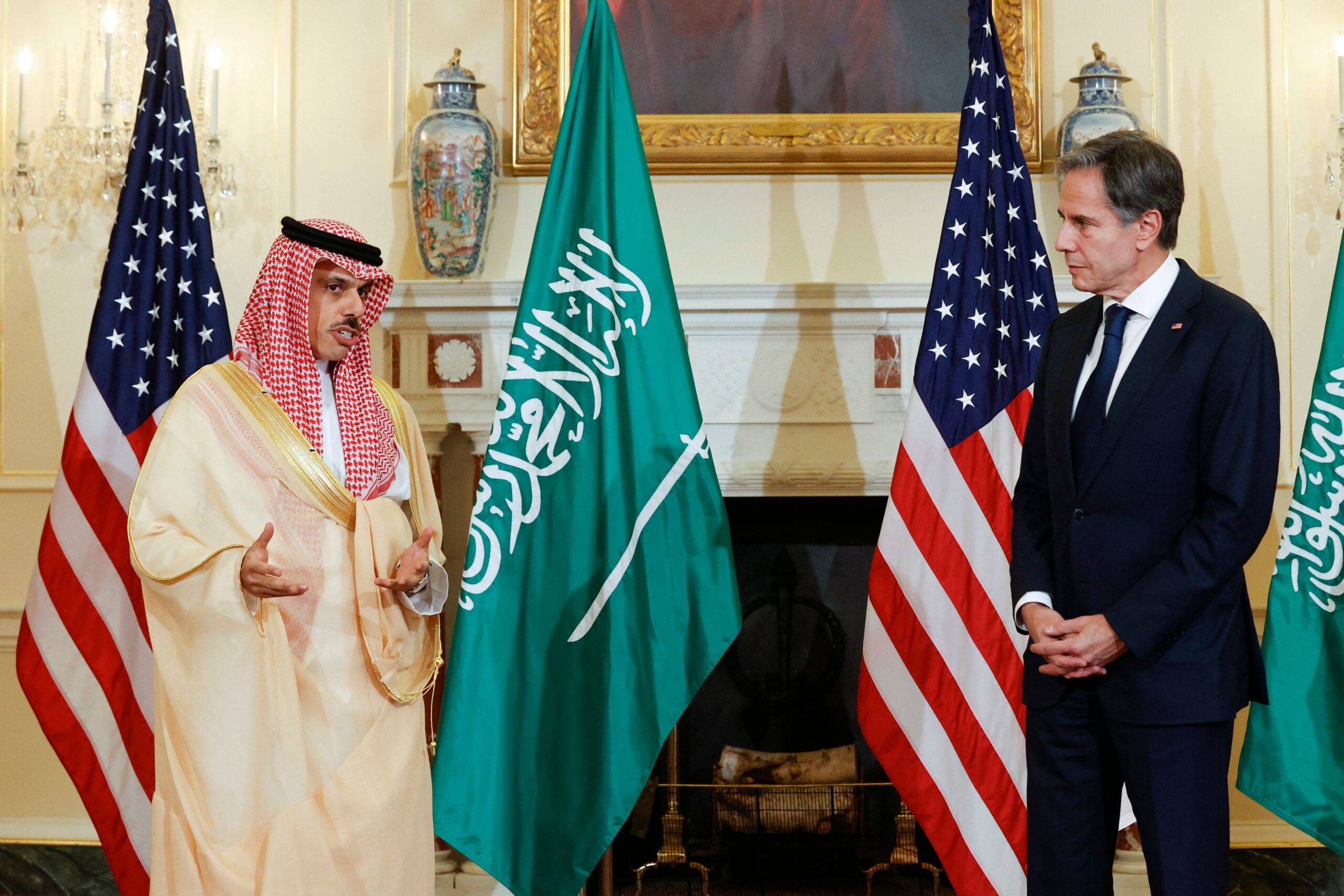
Partnering is a practical necessity for both countries but need not come at the cost of abandoning core values. The U.S. continues to exercise significant leverage and its own interests are better served globally by demonstrating credibility in what it stands for and reliability in its commitments. The U.S.-Saudi relationship has ample room to bend before it risks breaking.
Could Ukraine Offer a Template for Better US-Gulf Security Relations?
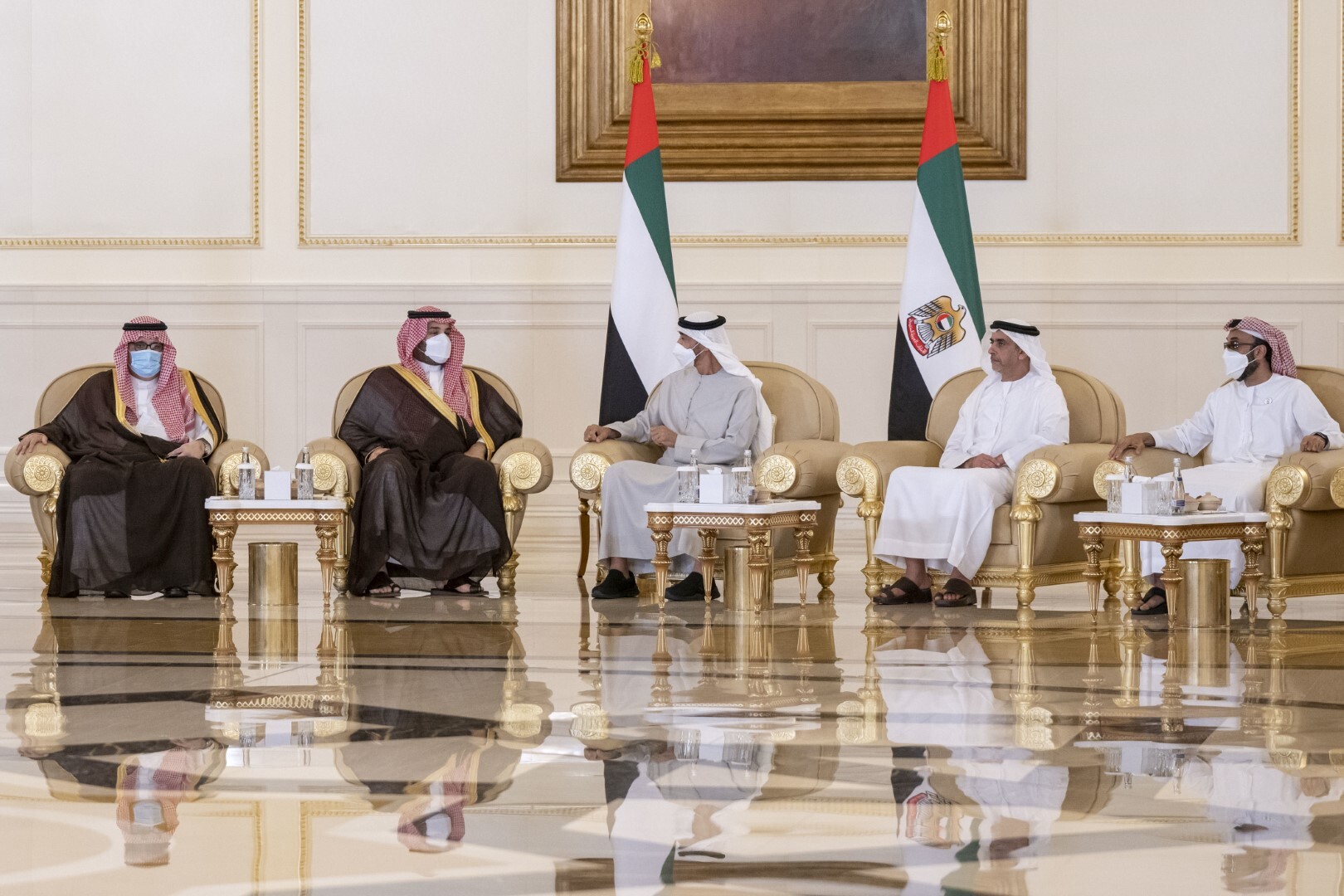
Relations between Washington and some of its traditional Gulf Arab partners, particularly Saudi Arabia and the United Arab Emirates, are at their lowest point in history, which is why the Biden administration on Monday sent a high-level delegation to Abu Dhabi: specifically to pay respects upon the death of former UAE President Sheikh Khalifa bin Zayed Al Nahyan and to congratulate his successor, Mohamed bin Zayed, but more generally to try to heal those ties.
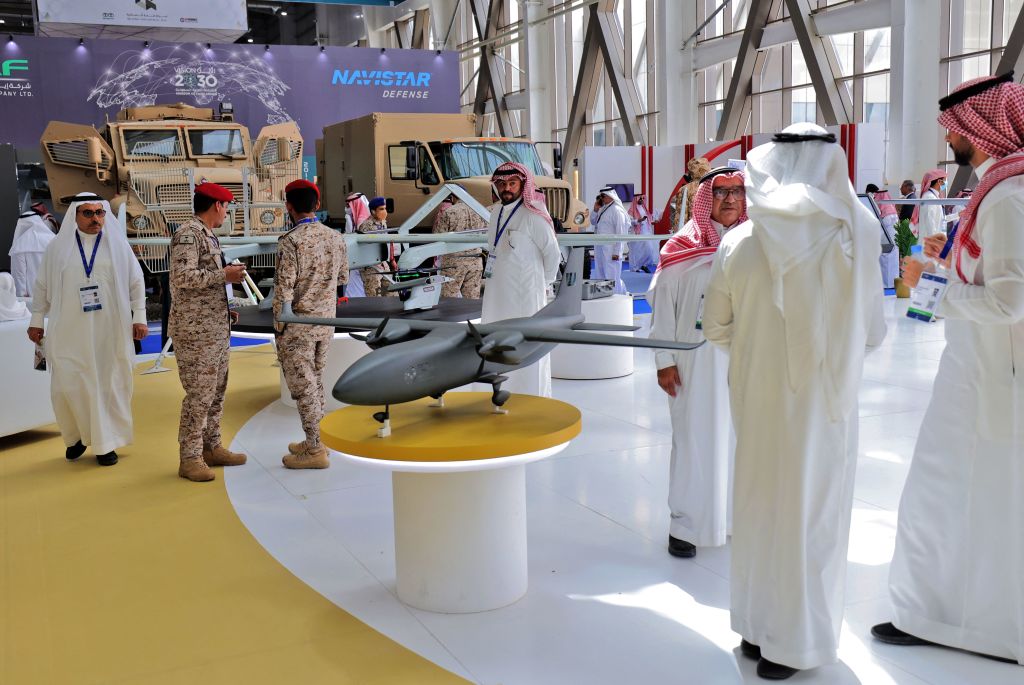
This article describes Saudi Arabia’s historic and arduous journey to national-defense transformation, launched around 2015. It analyzes the challenges and opportunities of defense reform in the kingdom while highlighting the role of the United States in this process. Last, the article discusses the future of US-Saudi defense relations.
The Dorra Field: Global gas market impact or bellwether for regional relations?
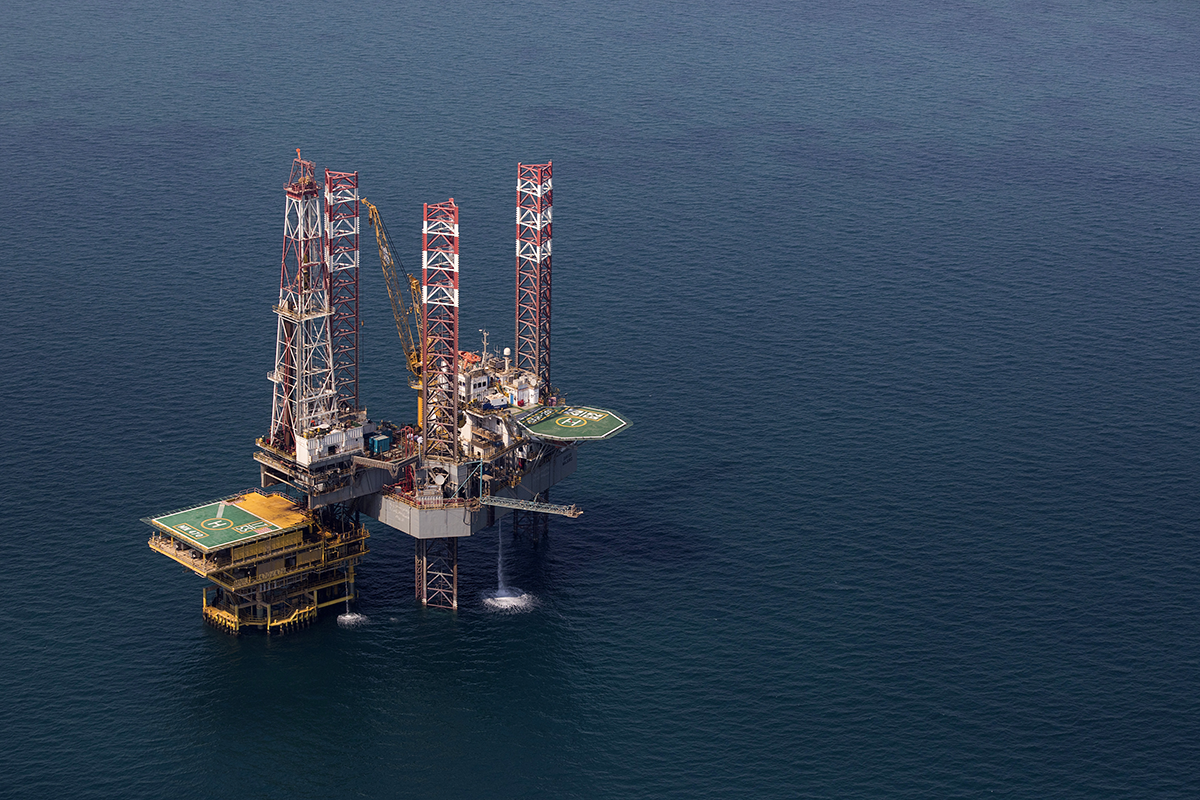
The Dorra Gas Field, located in shallow waters offshore in the northern Arabian Gulf, lies at the junction of competing territorial claims by Kuwait, Iran, and Saudi Arabia. With the growing gas demand in these countries, any production will be absorbed into the domestic network and the impact of production on the global gas and LNG market will be insignificant. However, the development of the field, if it occurs, may serve as a bellwether for regional relations.
Making the most of Iran’s reserves will require it to develop shared fields like Dorra/Arash, a gas field located offshore in the northern Gulf, where Iran must vie with competing claims from neighboring Kuwait and Saudi Arabia. In the past, Iran has often neglected its joint gas fields as a result of sanctions and focused instead on meeting its rapidly growing domestic needs through exploiting non-shared fields, but the country says this must change going forward.
The CMF-153: Rebuilding US-GCC confidence through maritime security
Efforts to restore confidence between the U.S. and the Arab Gulf states took a first step with the recent formation of a new naval task force, known as the Combined Maritime Forces-153 (CMF-153), to improve maritime security in the Red Sea, Bab el-Mandeb, and the Gulf of Aden, including the hotspot of Yemen. Established in mid-April, the new task force intends to target weapons smuggling for Ansar Allah, as the Houthi militias are officially known, as well as human trafficking and the drug trade.
The Biden administration promises US LNG for Europe. How does that work?
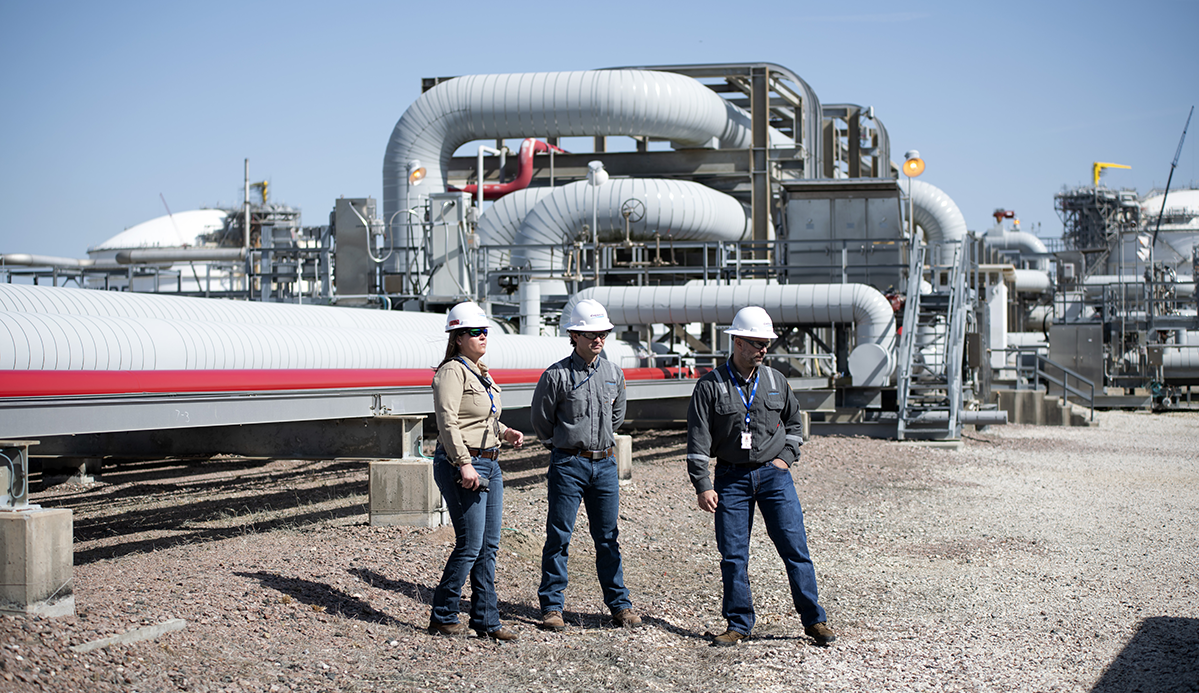
On March 25, 2022, President Joe Biden announced an agreement committing the U.S. LNG industry to supply an additional 15 bcm of LNG to Europe through the remainder of the year. The agreement also envisions U.S. LNG increasing supply to Europe to 50 bcm through 2030, equating to approximately one-third of the EU’s gas imports from Russia in 2021.
Saudi Arabia’s international natural gas aspirations
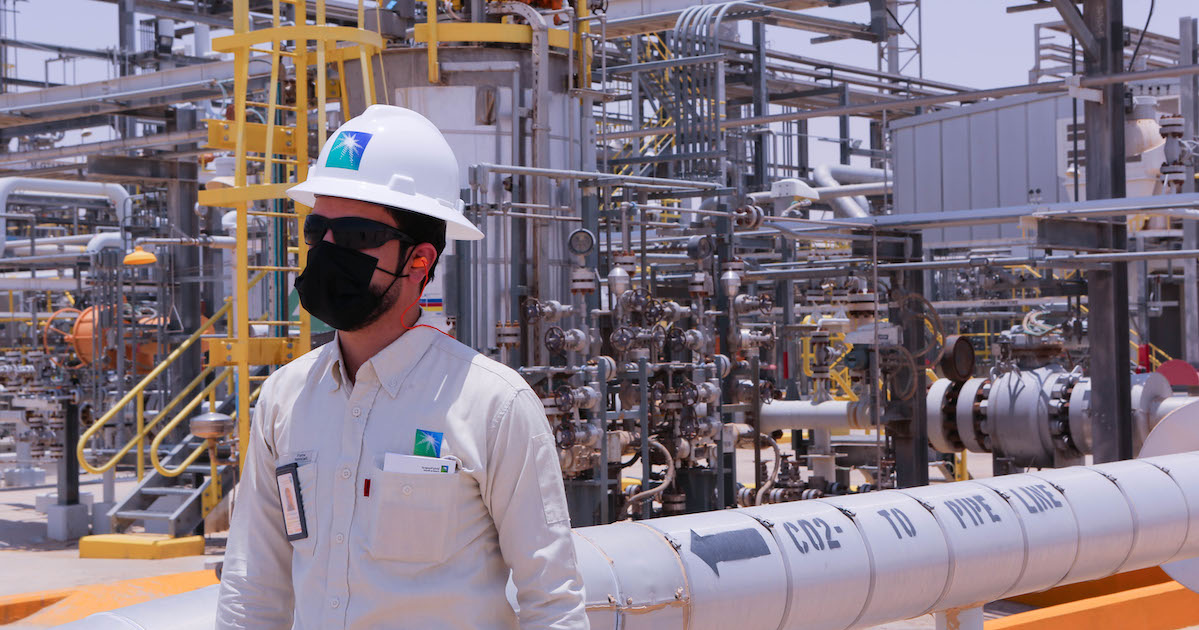
Saudi Aramco seeks to enter the global gas business again. The company aims to build new business opportunities in the hydrogen and CCS sectors utilizing forecasted new domestic gas production. Its main challenges are long-term consistent commodity-cycle-insulated investment and domestic gas resources.
US-Gulf Relations at the Crossroads: Time for a Recalibration
The global response to Russia’s invasion of Ukraine has focused new attention on friction between the United States and its traditional partners in the Gulf and reinforced skepticism regarding the United States’ status as the dominant international partner in the region. It’s time for both sides to identify a realistic way forward that sheds outdated notions of mutual obligation without becoming merely transactional.