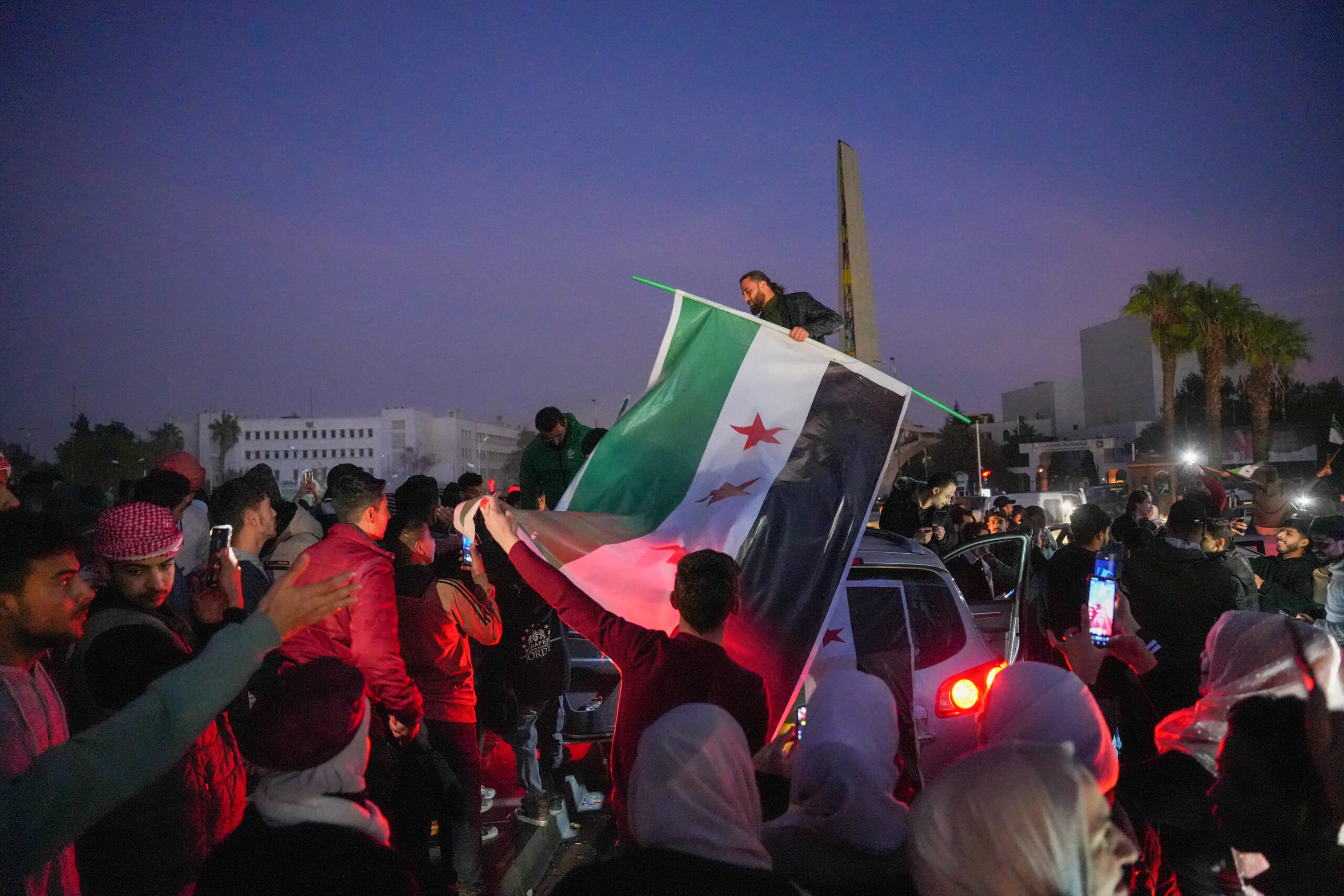
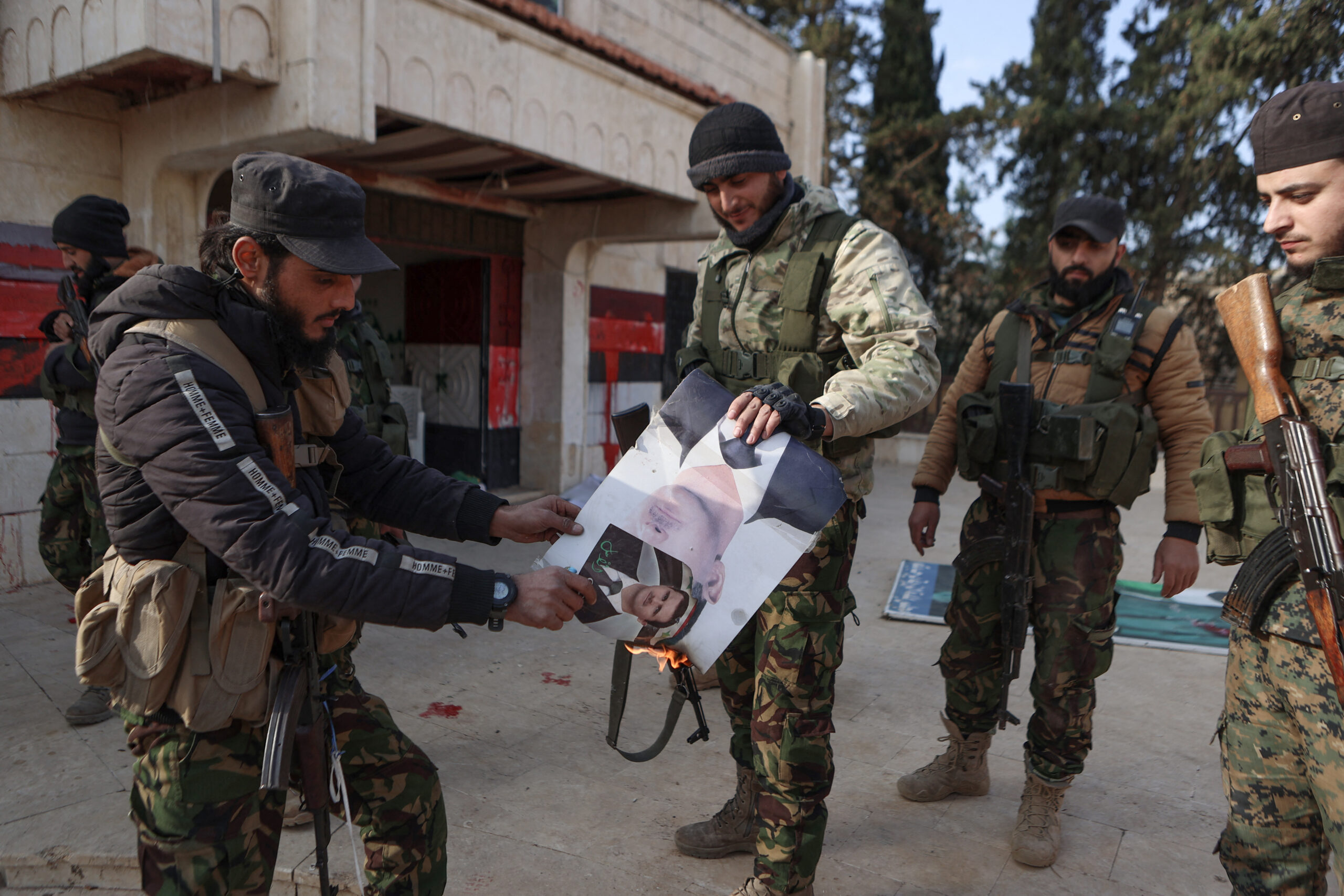
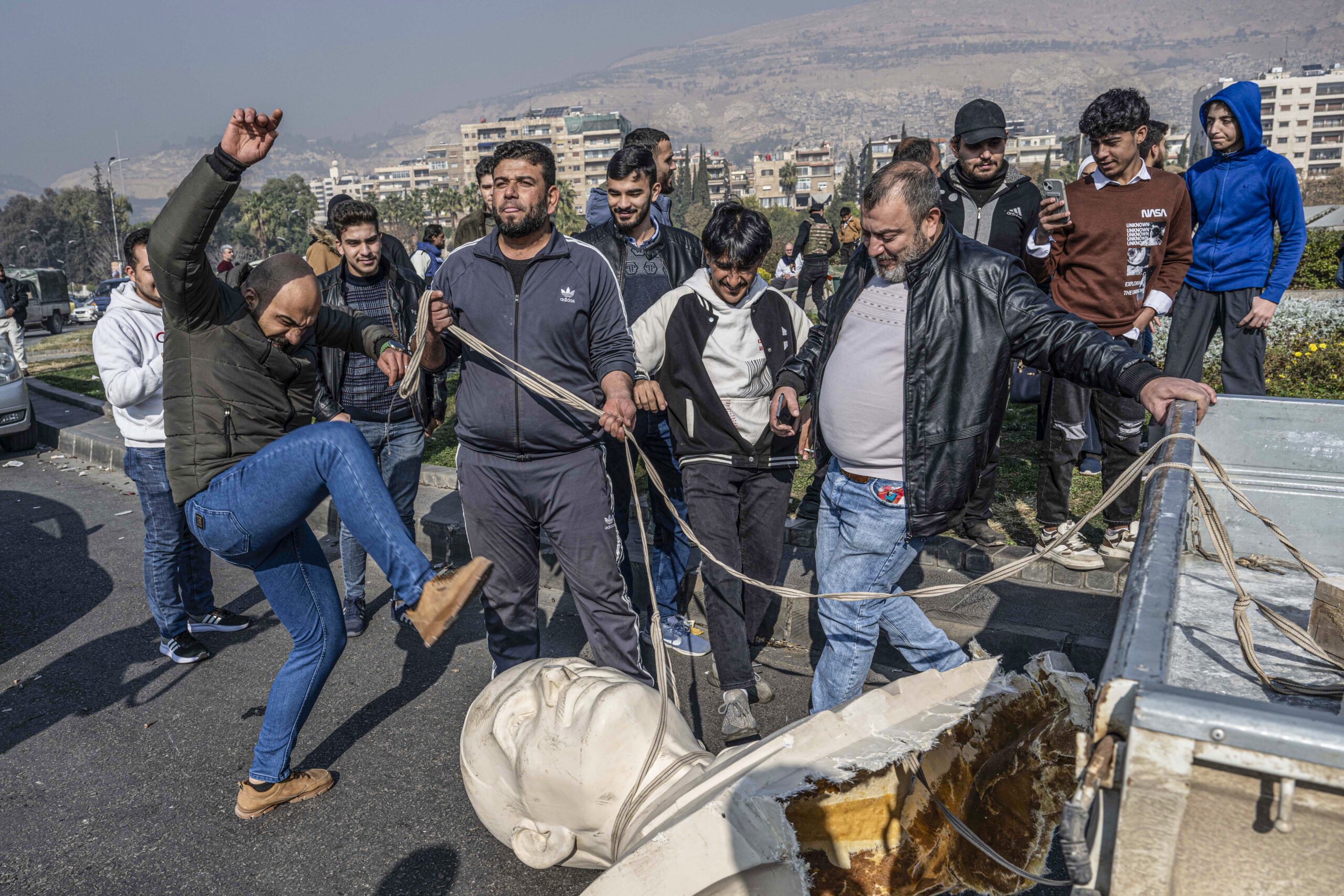
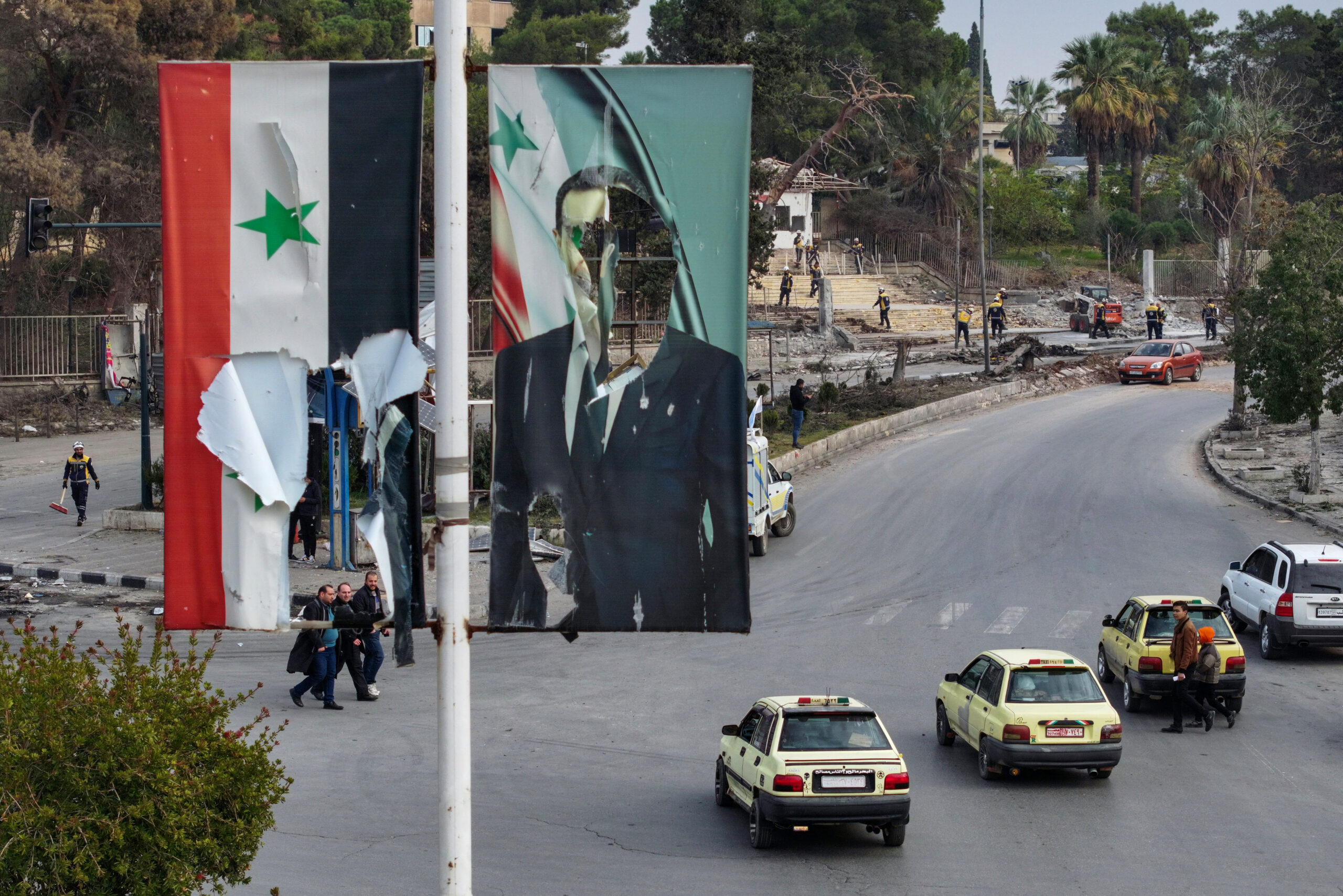
Half a century of rule by the Assad family in Syria collapsed astonishingly quickly after insurgents burst out of a rebel-held enclave and took Damascus in a matter of days. For Turkish president Recep Tayyip Erdoğan, however, it was not fast enough. He has been waiting for this moment since the Syrian uprising in 2011 and is determined to reap the benefits of Bashar al-Assad’s ousting ahead of Turkey’s 2028 elections.
Assad's departure surprised Biden, US leaders. Now America must step up and seize the moment
For nearly 14 years, Bashar al-Assad’s regime pursued a maniacal campaign of brutality against its own people, in order to suppress opposition through terror and mass killing. Beginning very early on, Assad’s military and security apparatus embraced what they called an “Assad or we burn the country” approach – but in truth, it was more Assad and we burn the country.
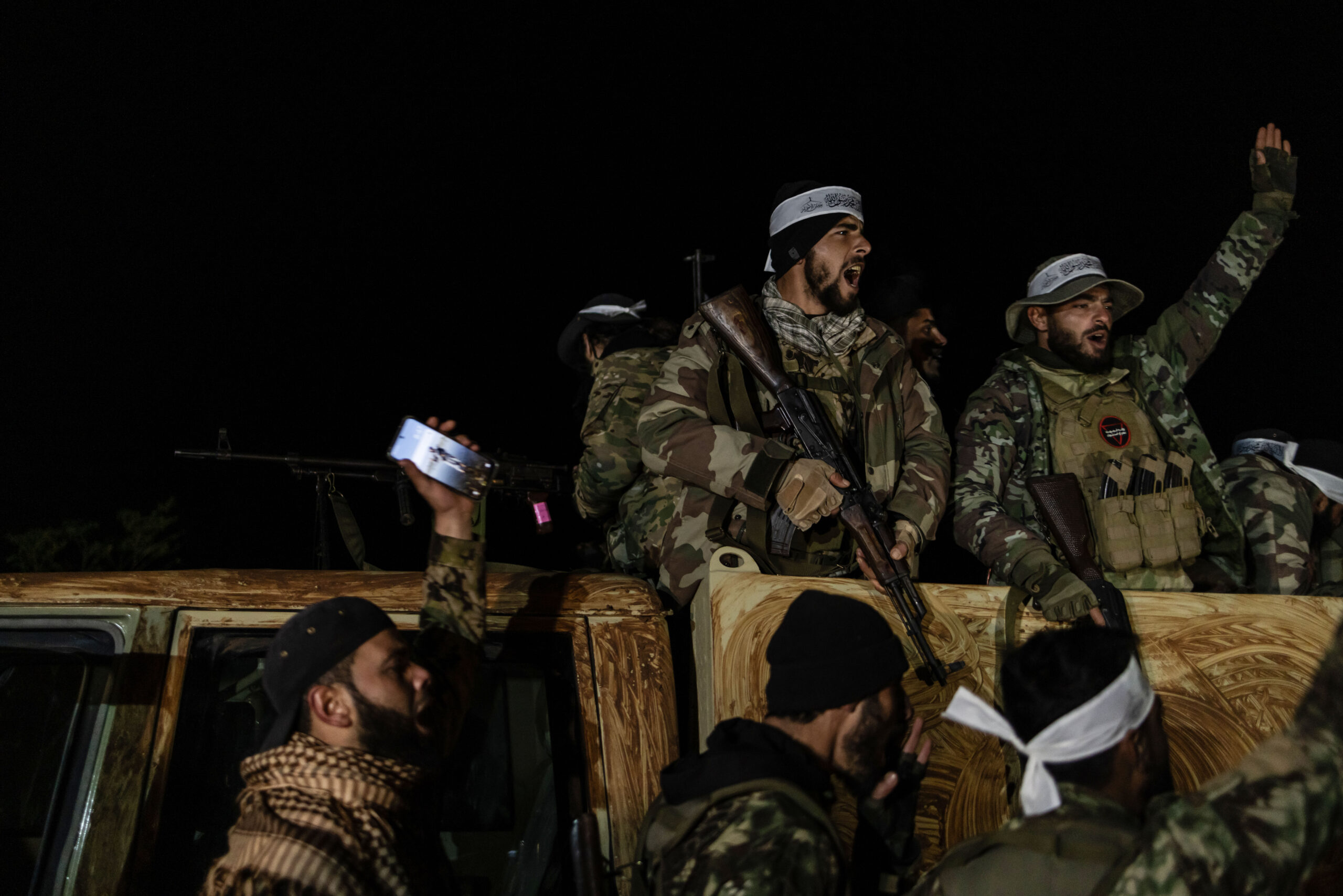
On Dec. 8, President Bashar al-Assad fled Syria, bringing an end to nearly 54 years of his family’s rule and sending millions of Syrians at home and abroad into a state of euphoria and relief. Over a dramatic 12 days, an armed opposition offensive that had begun west of Aleppo on Nov. 27 triggered the precipitous crumbling of regime front lines, one after the other. As rebels began to advance south, Syrians across the country began to rise up. By the night of Dec. 7, Assad’s defeat had been sealed.
Over the past week, the future of Bashar al-Assad’s regime has been placed squarely into question.
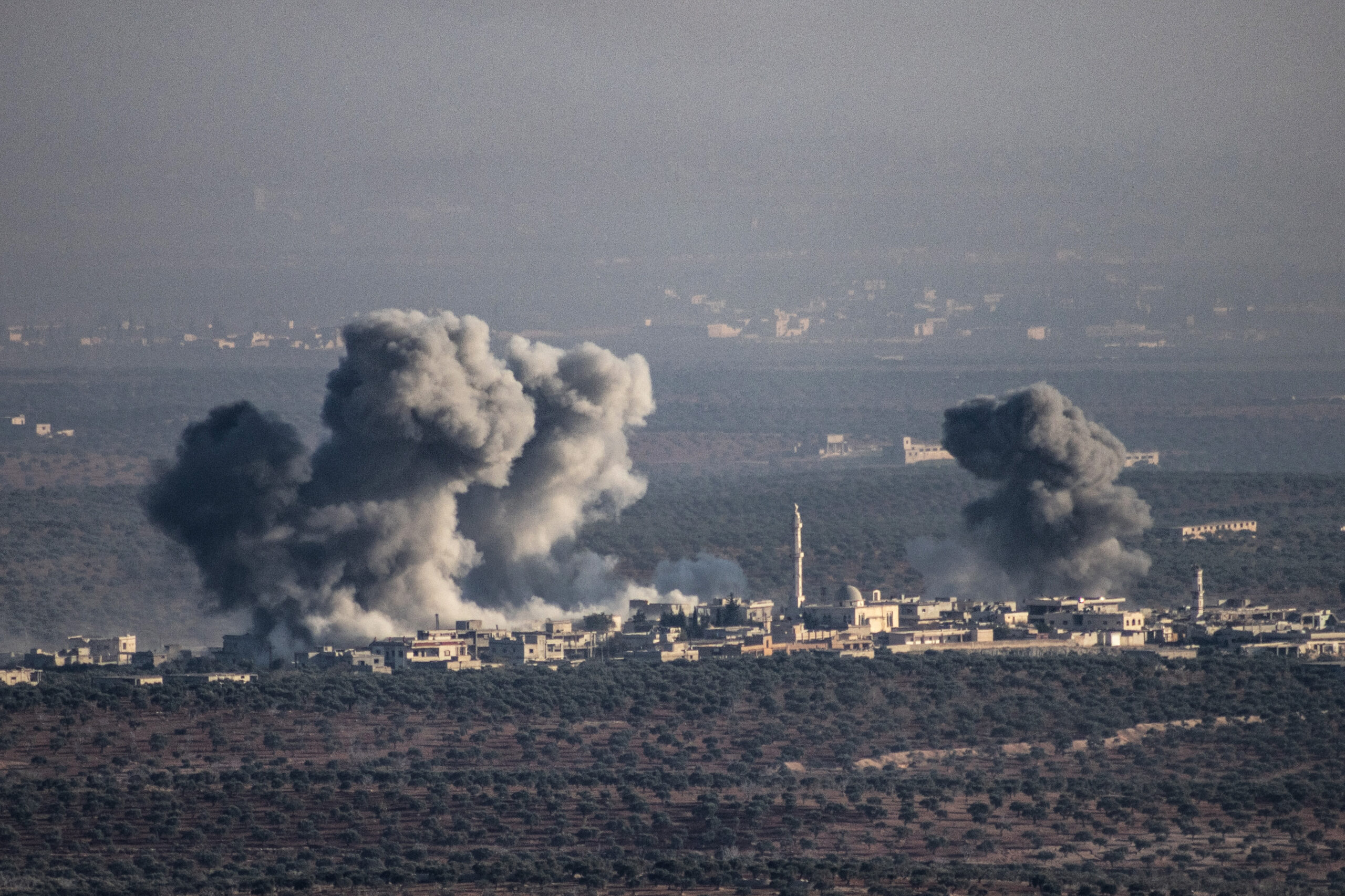
A coalition of armed opposition factions has gone on the offensive in northern Syria, capturing some 250 cities, towns, and villages and more than doubling the territory under its control. Syria’s second-largest city of Aleppo was captured in 24 hours, as Syrian regime front lines collapsed one after the other. After nearly five years of territorial lines of control being frozen across the country, these are dramatic, game-changing developments.
In only six days, a broad coalition of advancing opposition forces coordinated by Hayat Tahrir al-Sham has captured all of Idlib province, almost all of Aleppo province, and a sizeable stretch of northern Hama — a humiliating defeat for Bashar al-Assad and illustrative of the fragility of regime rule in Syria.
Since March 2020, Syria’s conflict lines have been frozen, as Russia, Turkey, Iran and the United States held together a series of ceasefires and security understandings. That all changed this week, when a broad coalition of armed opposition groups launched a surprise and daring offensive west of Aleppo city.
Dilemma for Joe Biden in dying days of his presidency
As they sweep across northern Syria, the advancing rebels are posing fundamental questions not just for the regime of Bashar al-Assad, but for watching neighbours and Western leaders.
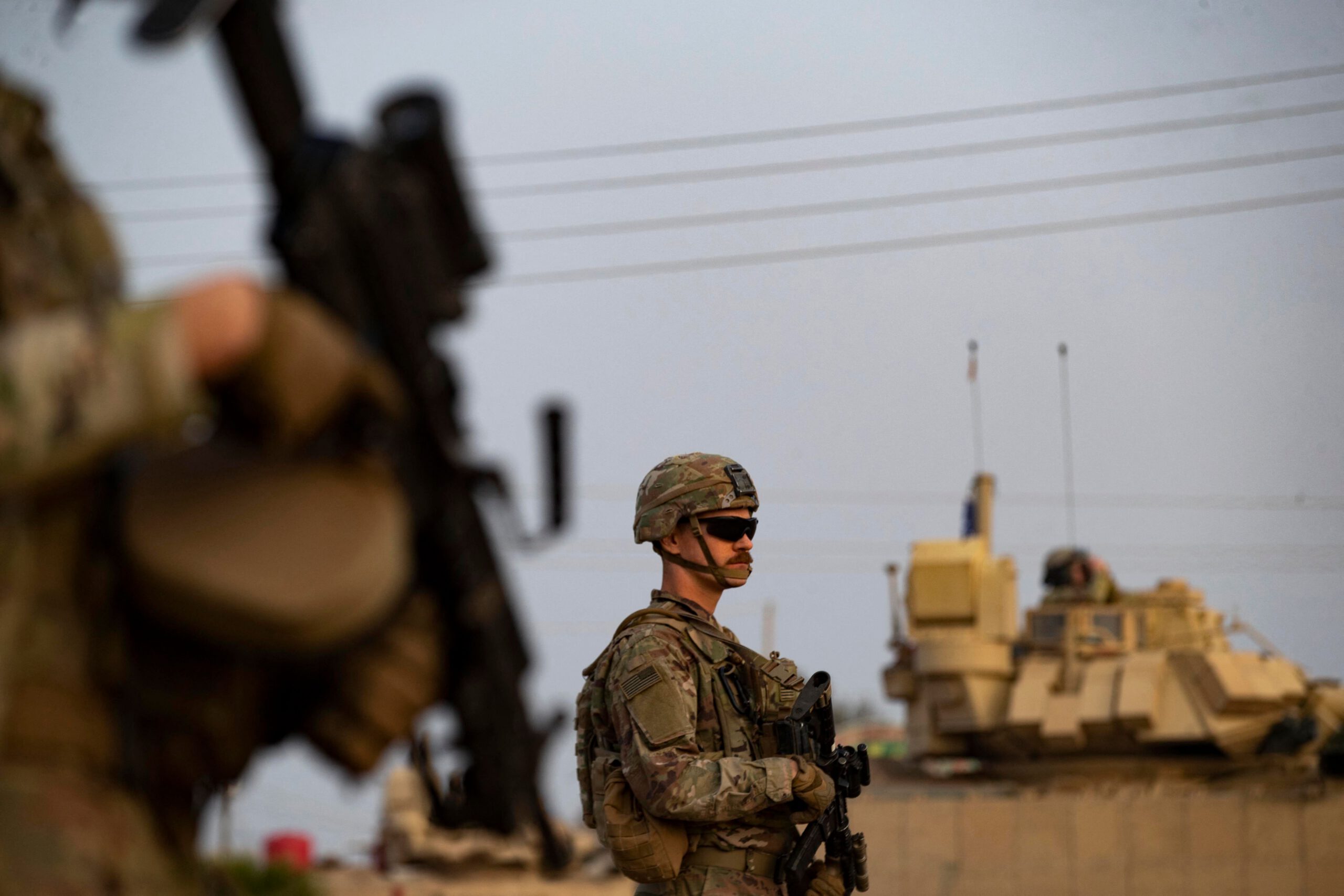
To abandon the Syria mission now would bring no meaningful benefit to the US, but it would swiftly and significantly empower America’s adversaries, like ISIS, Iran, Russia, and Assad’s regime.
How might US-Israeli relations evolve under the Trump administration?
MEI Senior Fellow for Israeli Affairs Nimrod Goren and Associate Research Professor Ilai Saltzman discuss potential shifts in US policy, the outlook for Israeli politics in 2025, and the challenges to advancing peace on the Israeli-Palestinian front. Tune in for expert insights on what lies ahead.
Reshaping the public discourse is key to restoring support for Israeli-Palestinian peace
Supporters of peace, both local civil society actors and international partners, need to make a sustained effort to promote conflict resolution by shifting the public discourse of traditional and new media outlets, especially in Israel.
The Middle East has experienced an extraordinarily tumultuous year, as the ripples from Hamas’ assault on Israel on Oct. 7, 2023, continue to fuel hostilities in Palestine, Lebanon, Syria, Iraq, Yemen, and the waters of the Gulf. Amid all of this, Syria has received very little attention, despite its central role in Iran’s regional agenda. Now the Biden administration is reportedly “hopeful” that Bashar al-Assad will soon permanently block Iran’s ability to support Hezbollah in Lebanon and is postured to reward Damascus for doing so. At best, such calculations should be described as optimistic; at worst, fanciful.
Strained Israel-Jordan ties are further tested by Gaza, but a turnaround is possible
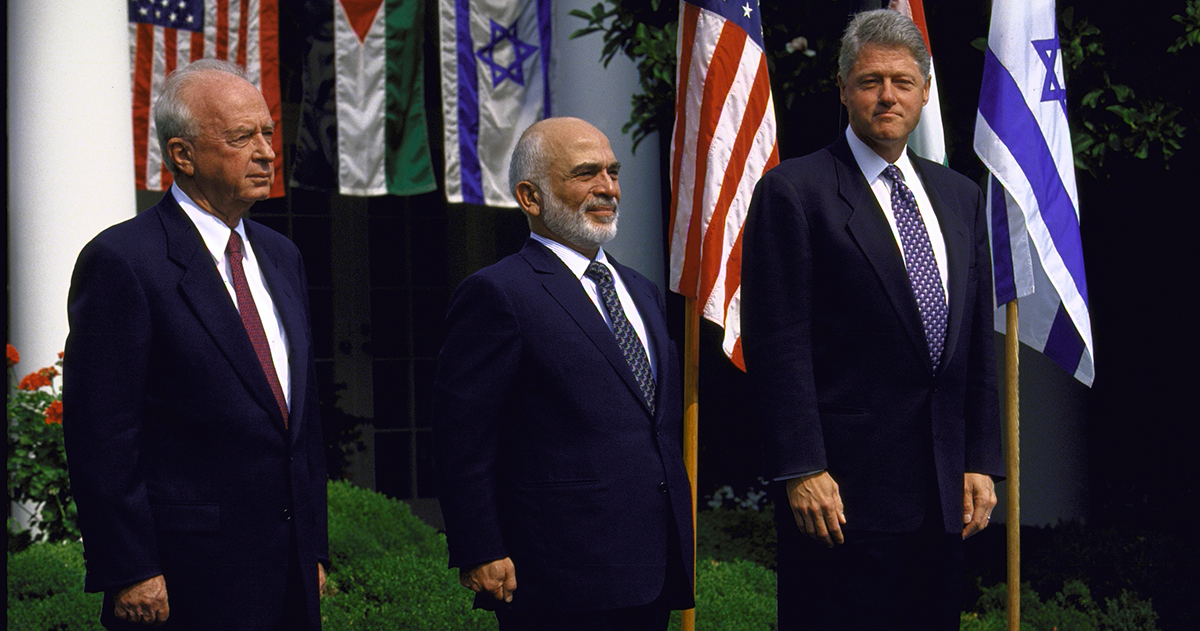
30 years have passed since Israel and Jordan signed a peace treaty on Oct. 26, 1994. But instead of celebrations, this anniversary was largely marked by disappointment and even despair. Relations, it is claimed, are at an all-time low and the future prospects seem bleak, as the war in Gaza continues and peace between Israelis and Palestinians seems more distant than ever. However, Israel-Jordan relations have proven resilient, even in the face of the current crisis, and the two countries continue to advance vital shared interests.