Expert Views: What should be the key outcomes from COP26?
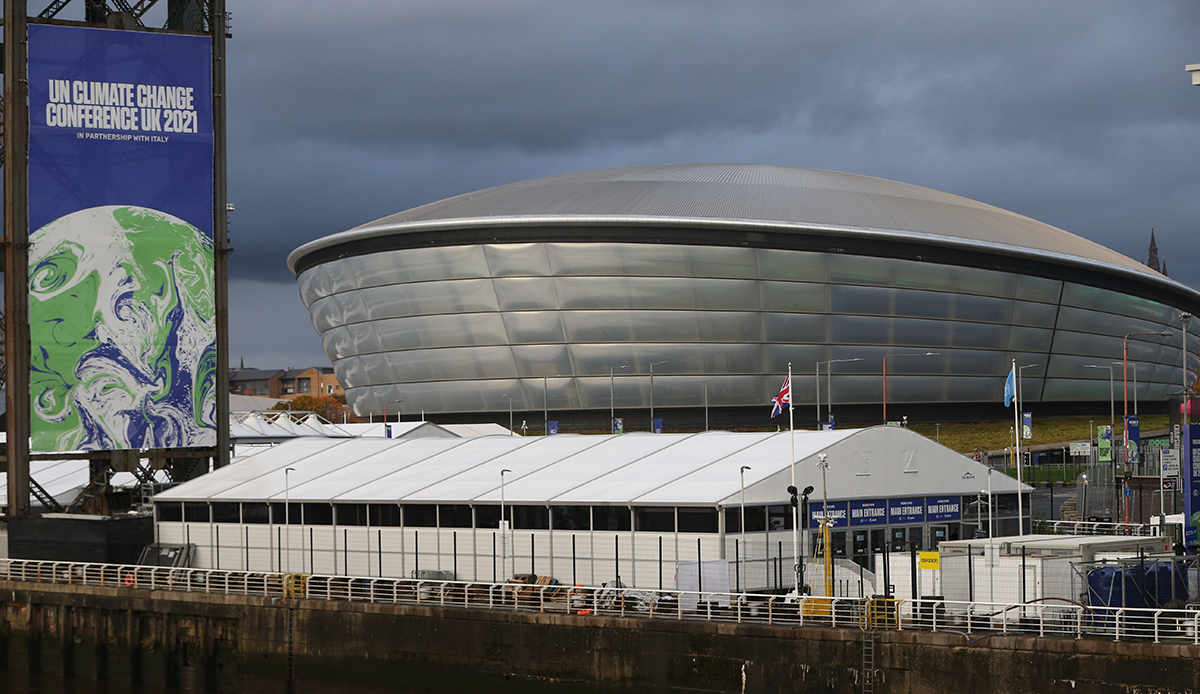
As the U.N. Climate Change Conference (COP26) kicks off in Glasgow, climate change is front and center on the global agenda. Few regions of the world have more at stake than the Middle East and North Africa, given the current environmental and sustainability challenges and potential future scenarios. Experts from across MEI weigh in with their thoughts on what should be the key outcomes from COP26.
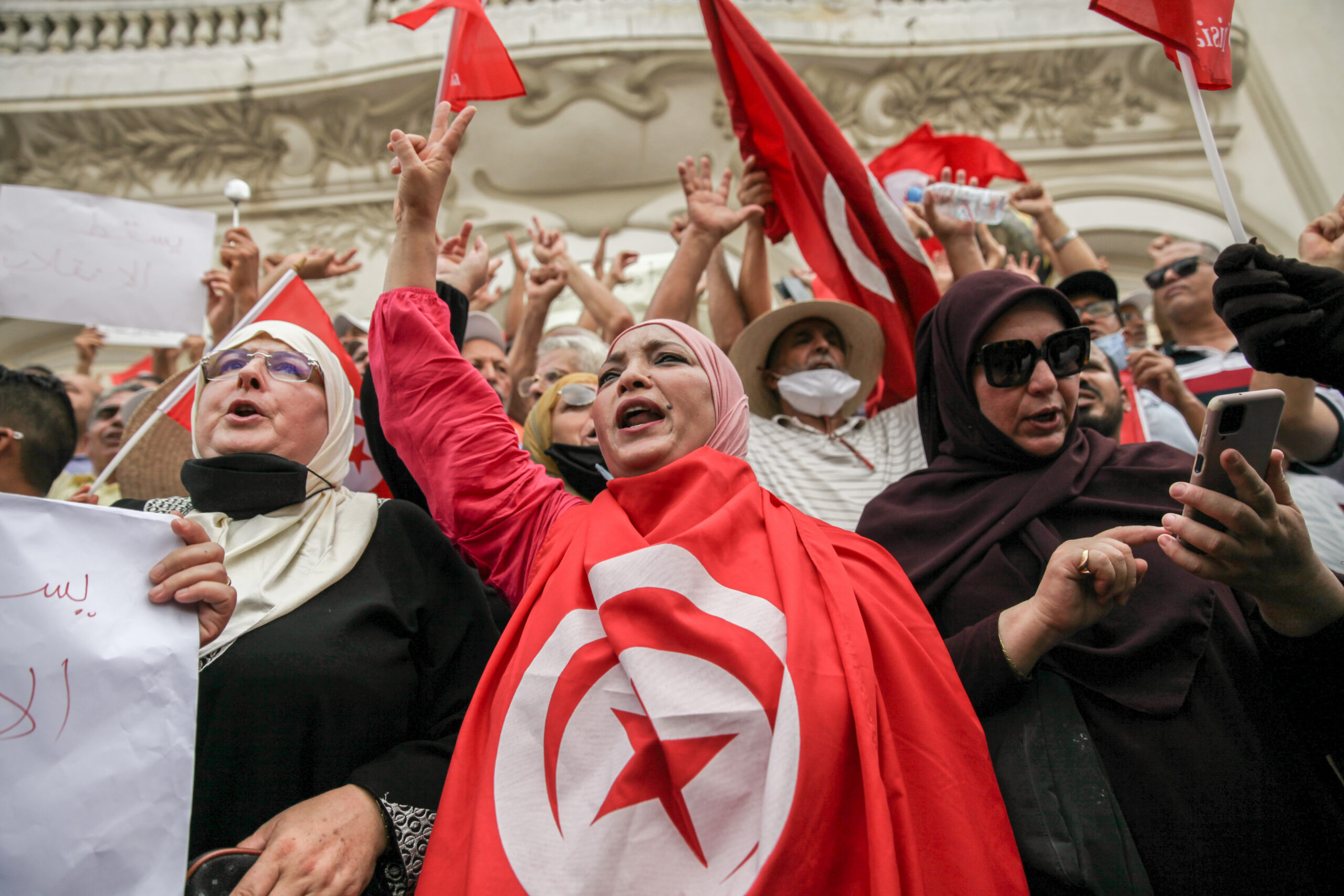
Lilia Blaise and Fadil Aliriza join Intissar Fakir for a discussion on Tunisia’s political turmoil following President Kais Saied’s series of moves since July to reshape the country’s government.
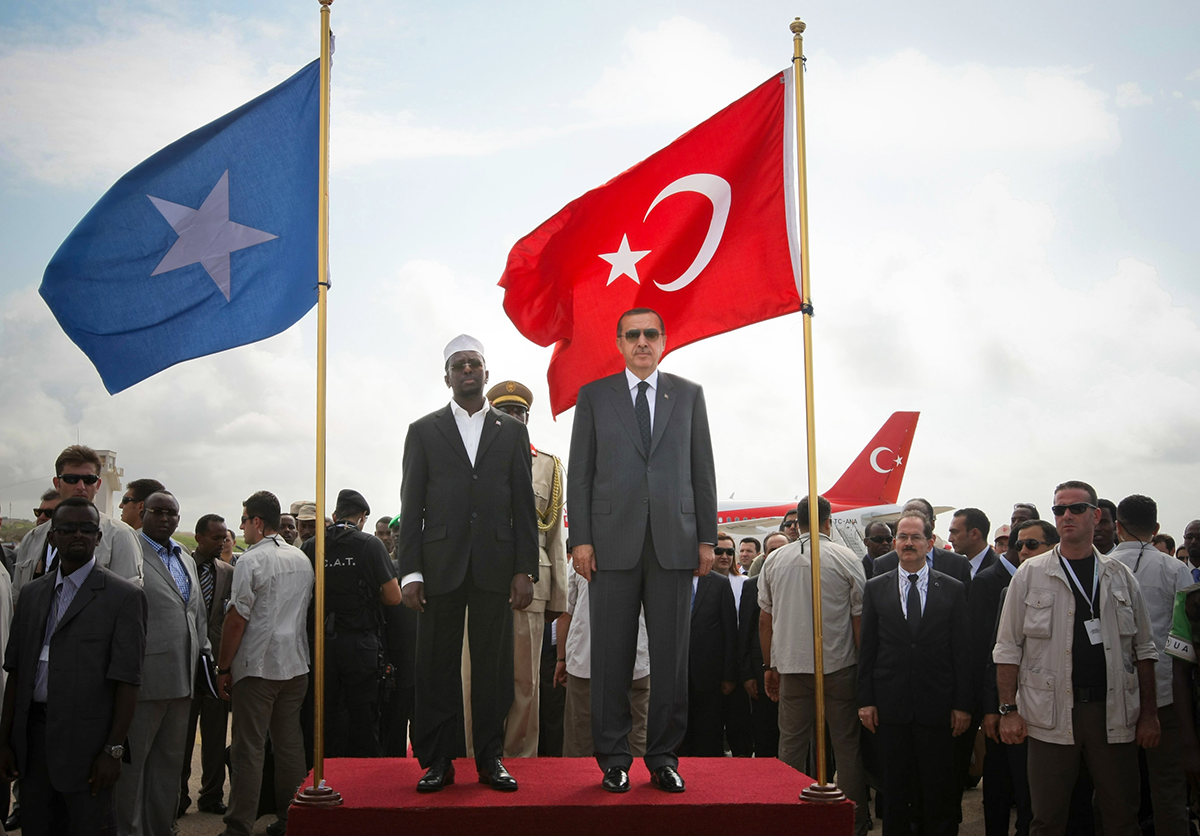
Far from a benefactor, the Turkish government is exploiting Somalia’s fragility
A decade has passed since Turkish President Recep Tayyip Erdoğan landed in Mogadishu at the height of one of Somalia’s worst famines, announcing grandiose projects like the launch of Turkish Airlines flights to the Somali capital, the remodeling of a hospital, and the opening of the biggest embassy in Africa, all designed to show that Turkey’s mission goes well beyond aid and that Ankara is an alternative to Somalia’s traditional donors. Erdoğan’s historic visit earned him high praise throughout Somalia. Although his trip appeared to be a heartfelt humanitarian mission, in reality it was part of a long-term, strategically planned effort. A decade on, Somalis are starting to realize that Turkey has evolved from friend to foe, trade partner to trade protectionist, state builder to outright spoiler.
The Schism of Jihadism in the Sahel: How Al-Qaeda and the Islamic State are Battling for Legitimacy in the Sahelian Context
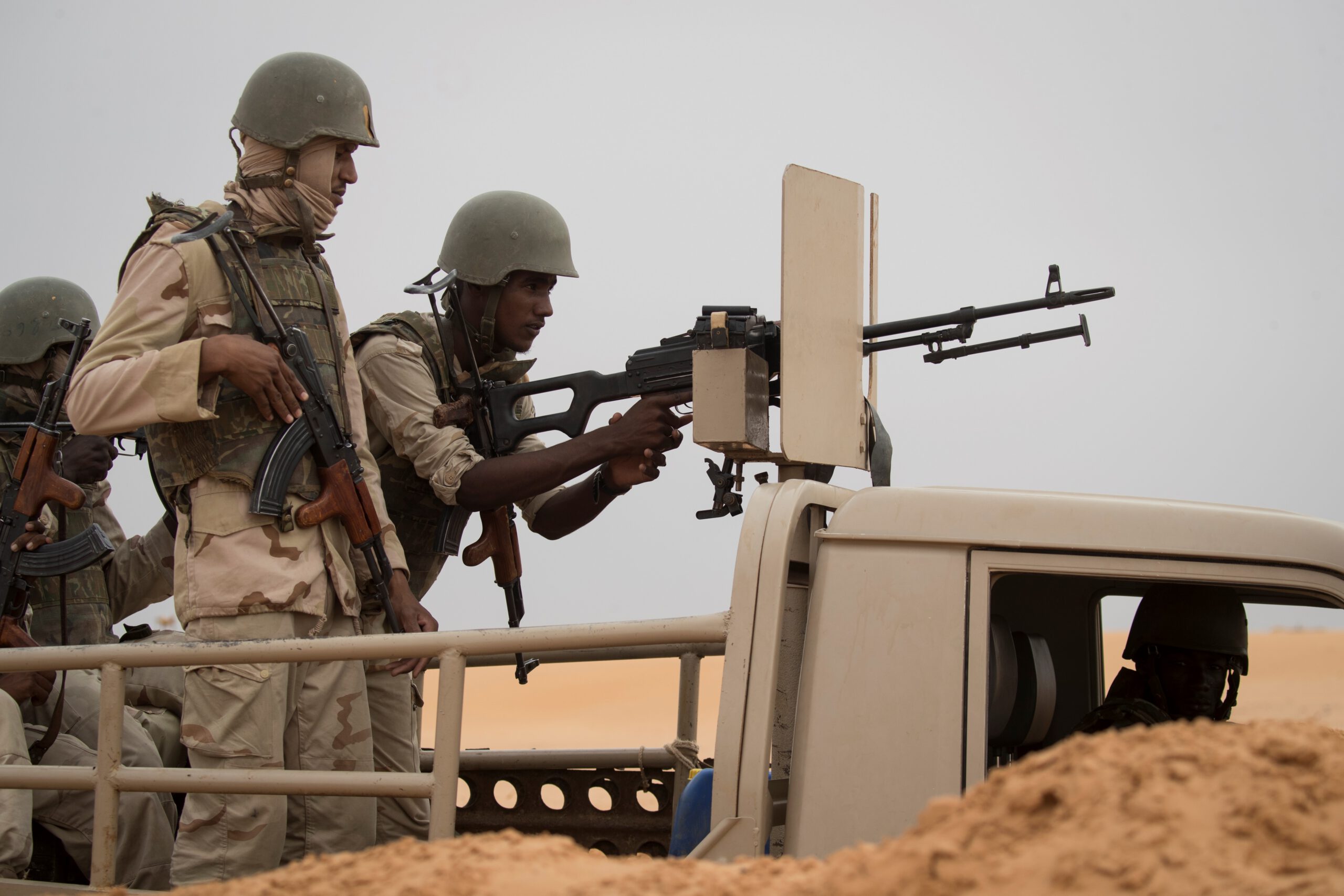
This paper examines the prospects of jihadist expansion in the Sahel region and its implications for security actors and civilian populations alike. It investigates the role of propaganda and public discourse narratives in bolstering jihadist group legitimacy and advancing attempts by groups seeking to generate local embeddedness and mass support. It offers a nuanced perspective of inter-jihadist contestation, one that goes beyond mere focusing on security operations and clashes and delves more deeply into group framing and identity.
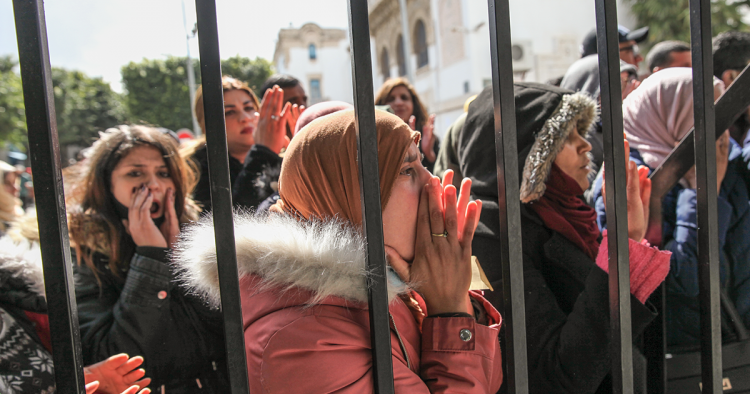
On Oct. 4, MEI hosted a discussion with Dr. James Zogby, president of the Arab American Institute and founder of Zogby Research Services (ZRS); Elizia Volkmann, a British freelance journalist based in Tunis; and Dr. Eya Jrad, researcher and assistant professor of security studies at the Ministry of Higher Education and Scientific Research Tunisia. The conversation revolved around the findings of a ZRS survey of 1,551 Tunisians conducted between Aug. 15 and Sept. 5 covering their attitudes and optimism regarding the future.
Algeria’s foreign policy: Between hope and reality
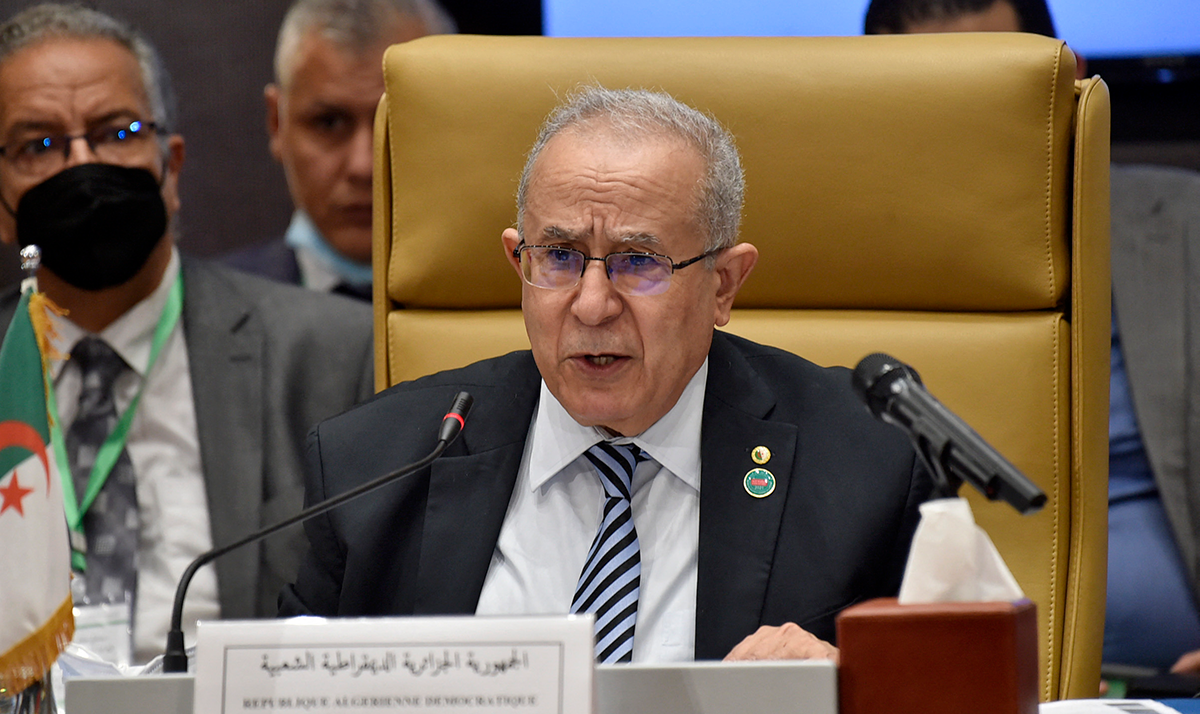
On Oct. 2, Algerian authorities recalled their ambassador to France for consultations amid rising tensions between the two countries. This followed France’s imposition of stricter restrictions on visa quotas for Algerians and critical comments from the French president, Emmanuel Macron. Relations between France and Algeria have long been complicated for historical reasons, but this latest episode comes after a bigger diplomatic crisis between Algeria and Morocco, which resulted in Algiers announcing on Aug. 25 that it was cutting diplomatic relations with Rabat. These actions demonstrate Algeria’s newly assertive foreign policy approach that capitalizes on its military and diplomatic corps. This includes high-level meetings of Army Chief of Staff Said Chengriha and frequent visits by Foreign Minister Ramtane Lamamra to Algeria’s neighbors to rehabilitate the country’s image after years of absence.
Across the Maghreb, support for all outside actors, including China and Russia, remains low
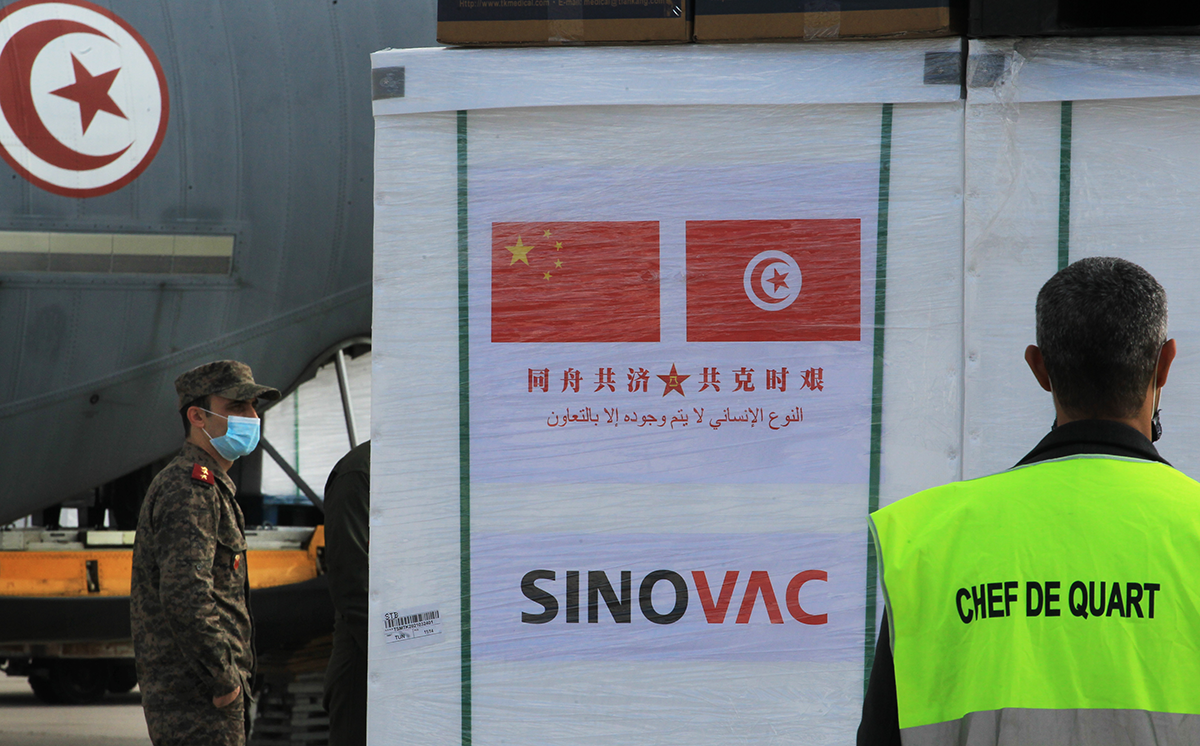
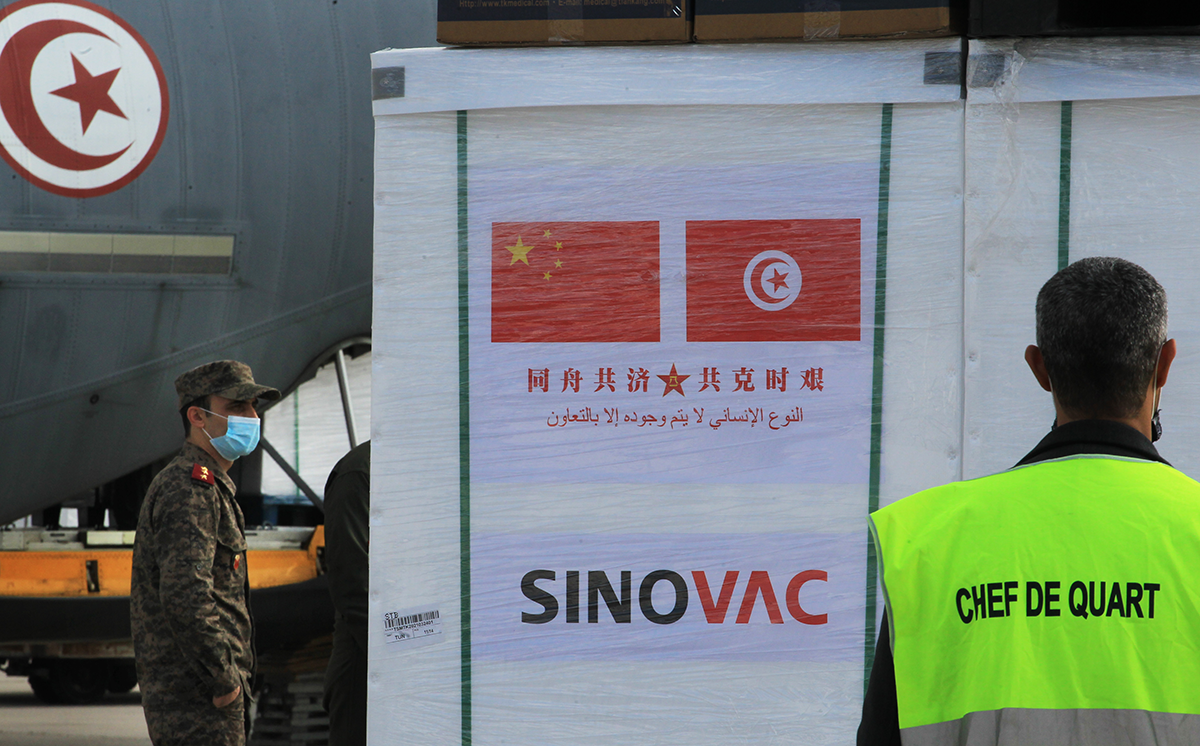
In recent years, China and Russia have gradually increased their influence in the Maghreb. The two powers, relative newcomers to the regional scene compared to Europe and the U.S., have been building stronger commercial, security, and diplomatic ties to the Maghreb countries of Morocco, Algeria, and Tunisia. However, these ties have not yet translated into significant popular approval or support.
Algeria: Amid concerns about the pandemic and its economic impact, some optimism for the future
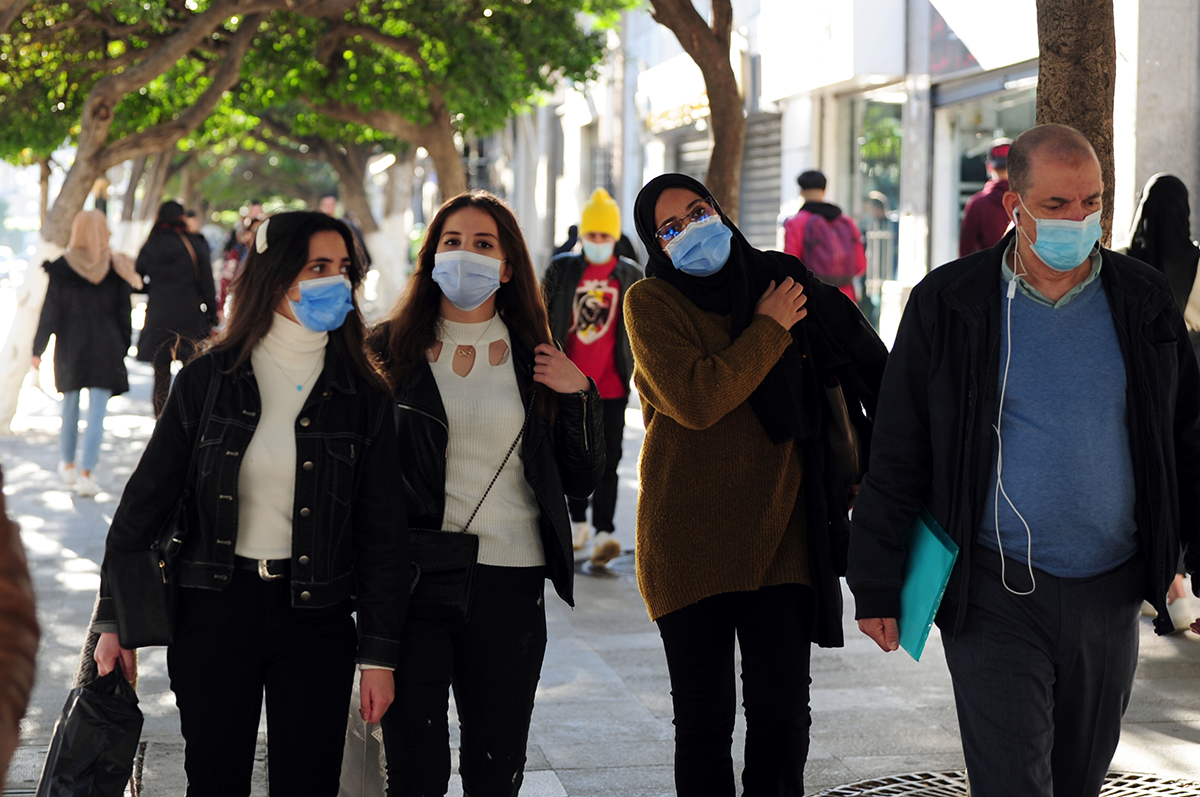
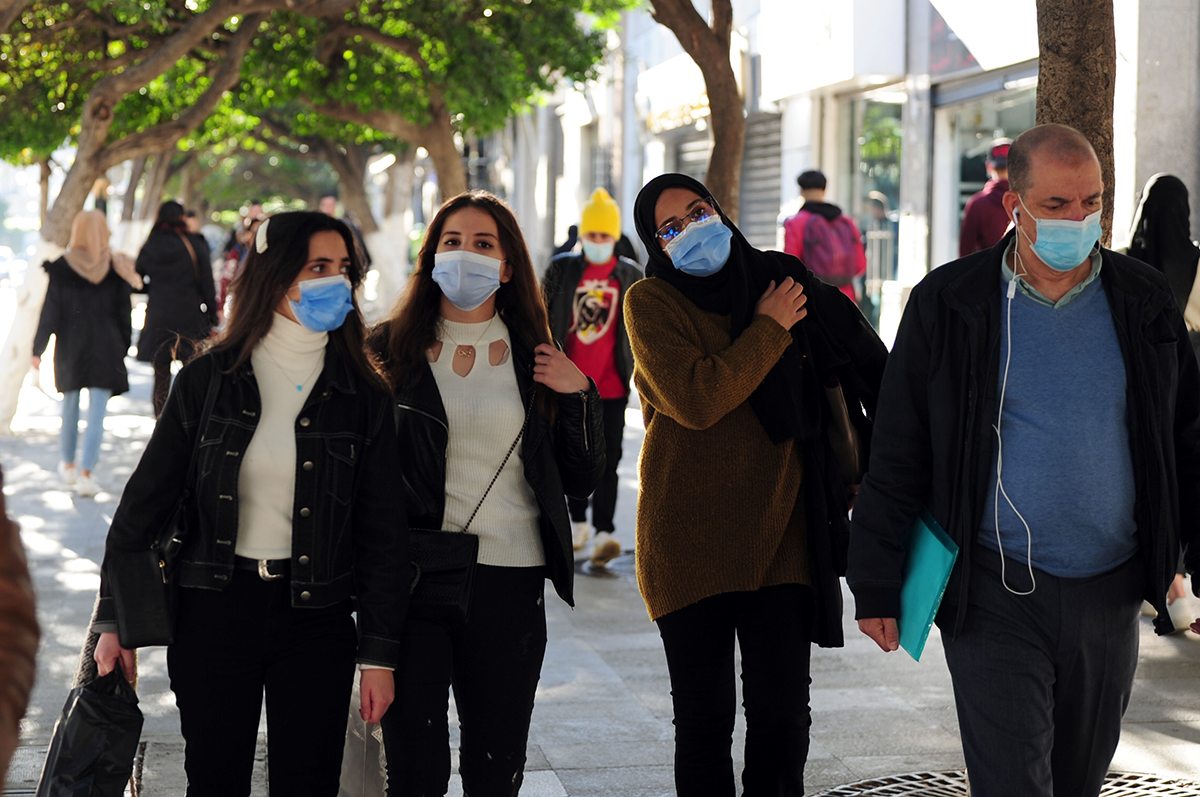
The Arab Barometer’s survey results for Algeria paint the picture of a population understandably worried about the COVID-19 pandemic and its economic impact. In surveys carried out in the country from August 2020 to April 2021, the spread of the virus and the business outlook consistently emerged as the top two challenges ahead, with economic concerns rising to the top position and overtaking the health situation over this period. Because of the spread of the Delta variant, Algiers has been struggling to contain the transmission of the virus. New cases and deaths quickly escalated between July and August 2021, taking the health care system to the brink of collapse.