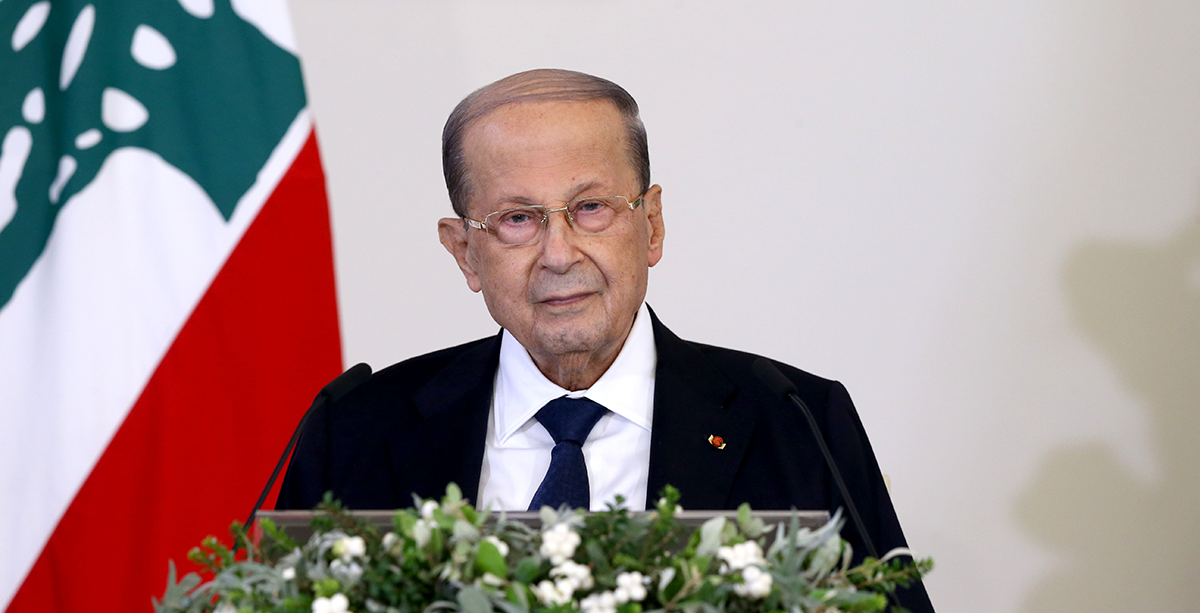
Aoun promised Lebanon a “modern state” — he left it in ruins
Aoun’s talk of a modern state appeared to be a smokescreen to mislead those who followed him into thinking the path to reform lay with the general. As the past six years have made all too clear, his objective seemed squarely fixed on gaining a permanent seat for himself at the table of Lebanon’s sectarian elite and securing his legacy.
Alliance: Lebanon needs “Change” and “Opposition” to work together
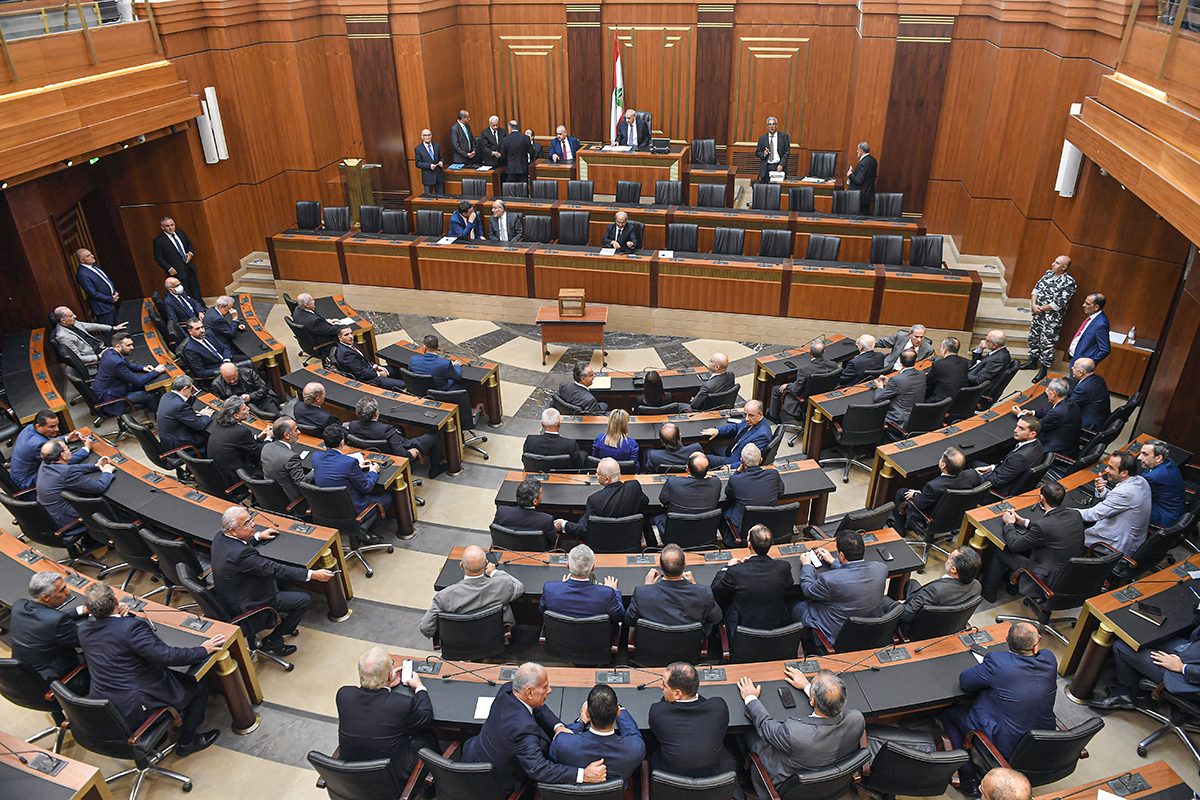
“Change” is an economics-driven pursuit for local accountability and social justice, and “Opposition” is a politically focused mission with geopolitics at its heart. “Change” cannot reform the system on its own, and “Opposition” cannot challenge regional considerations alone. Together, however, they potentially hold a narrow majority — 65 seats, combined — against the 63 belonging to a Hezbollah-led coalition. And there is an opportunity, today, to bring these two movements together through a parliamentary alliance.
Syria and Lebanon at risk from rapidly spreading cholera epidemic
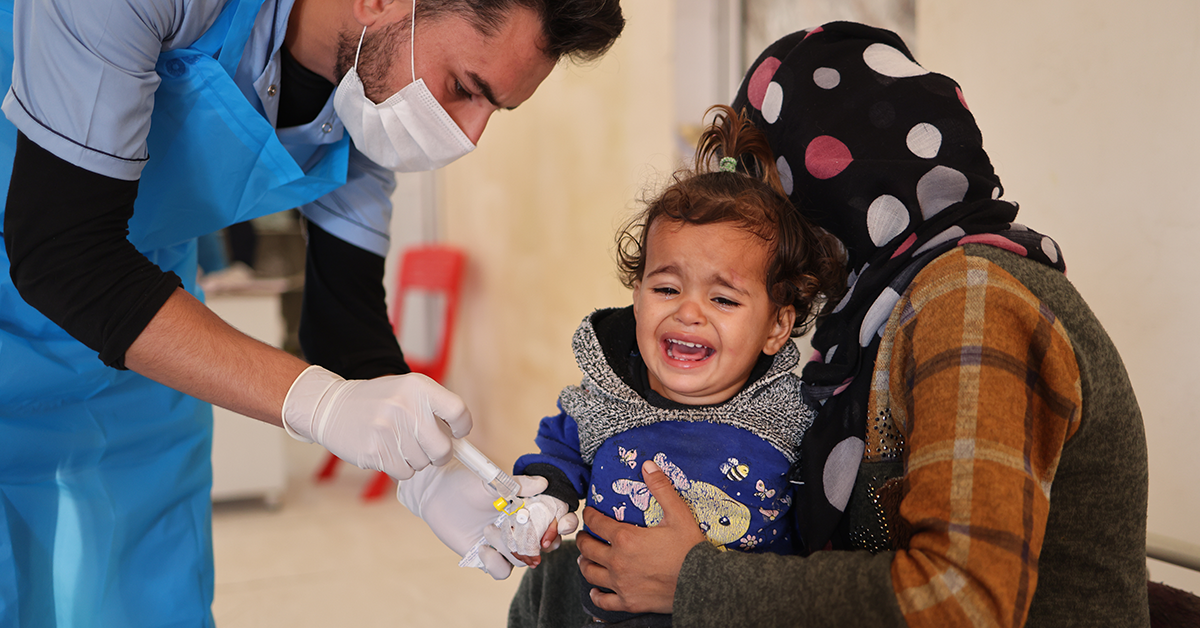
Cholera continues to sweep through Syria and Lebanon at an alarming pace, leaving thousands sick and hundreds dead in its wake, with only a small fraction of cases officially registered in databases.
Amid Lebanon’s perfect storm of crises, water demands attention
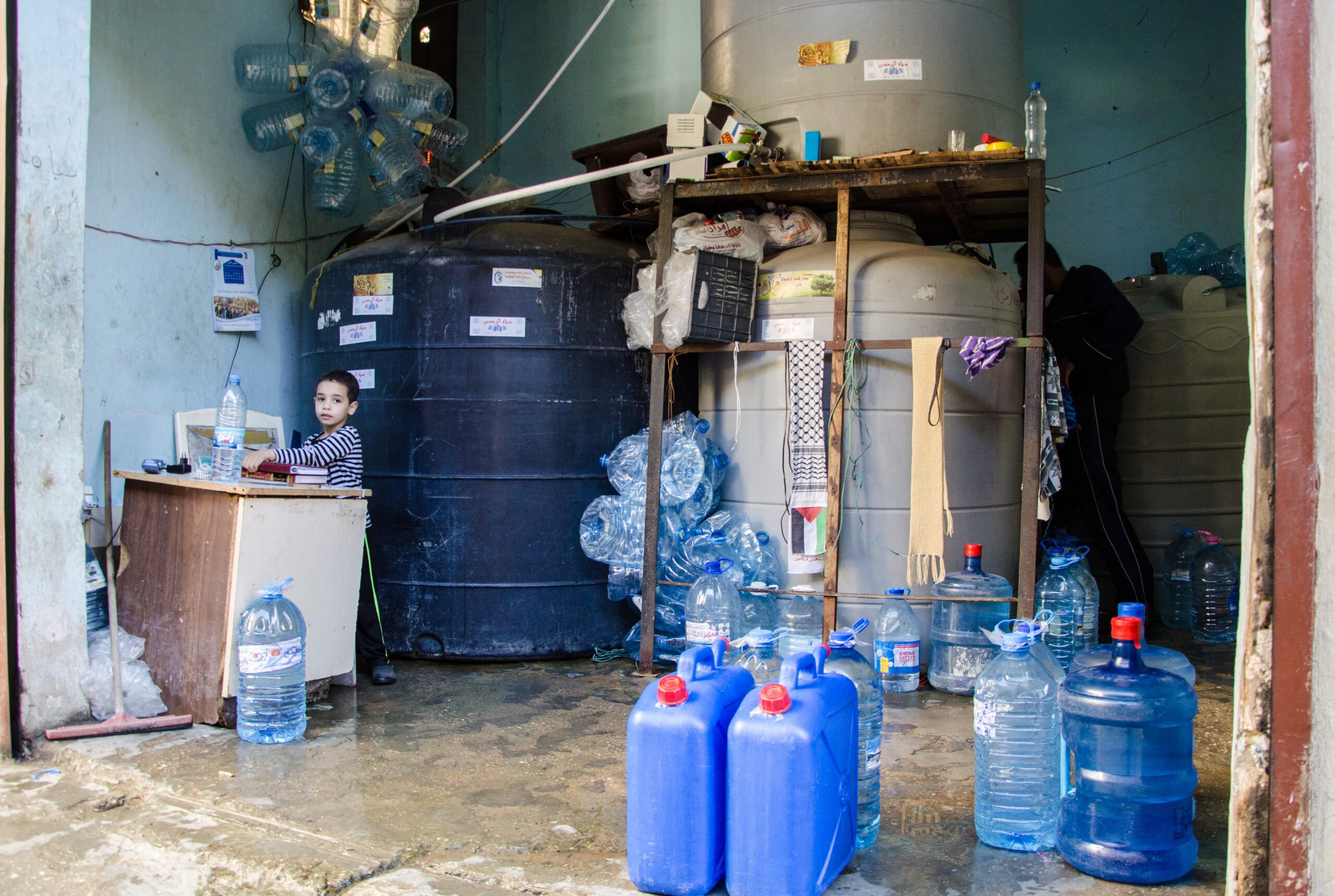
Lebanese crises have repeatedly made international news since October 2019, when the country witnessed the start of a popular revolution against a stagnant and corrupt political elite. Much less discussed but no less critical is the issue of water. The problem has been slumbering for years but has recently come to light along with other failings of the Lebanese government.
Iraq’s crisis of elite, consensus-based politics turns deadly: The Coordination Framework
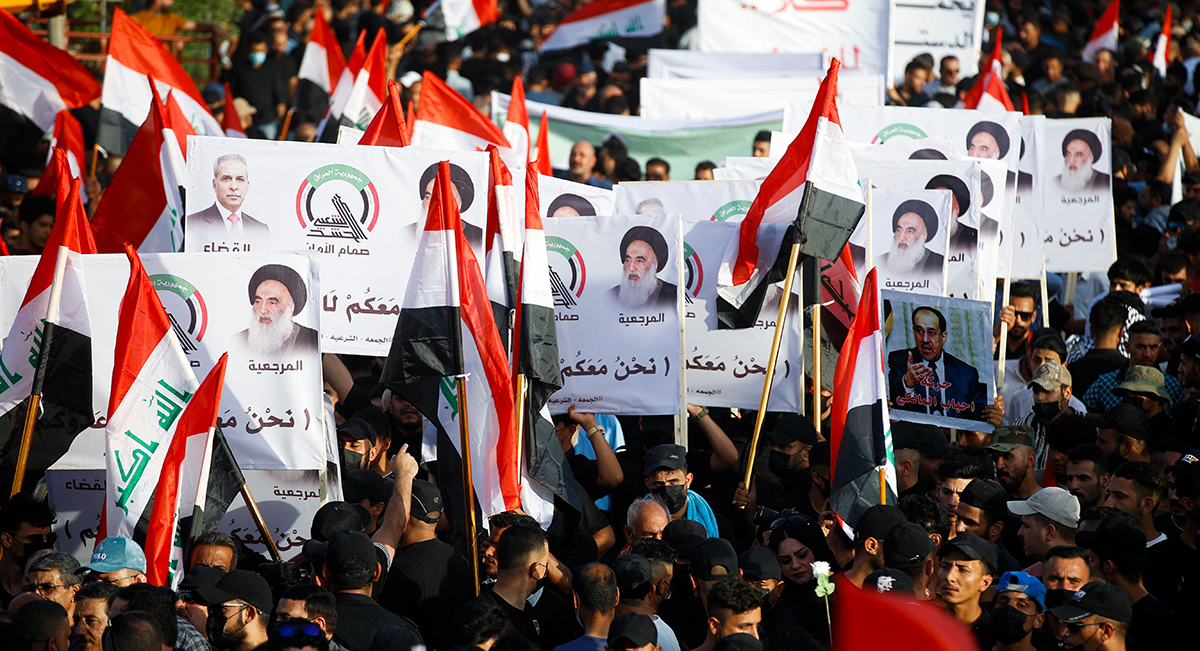
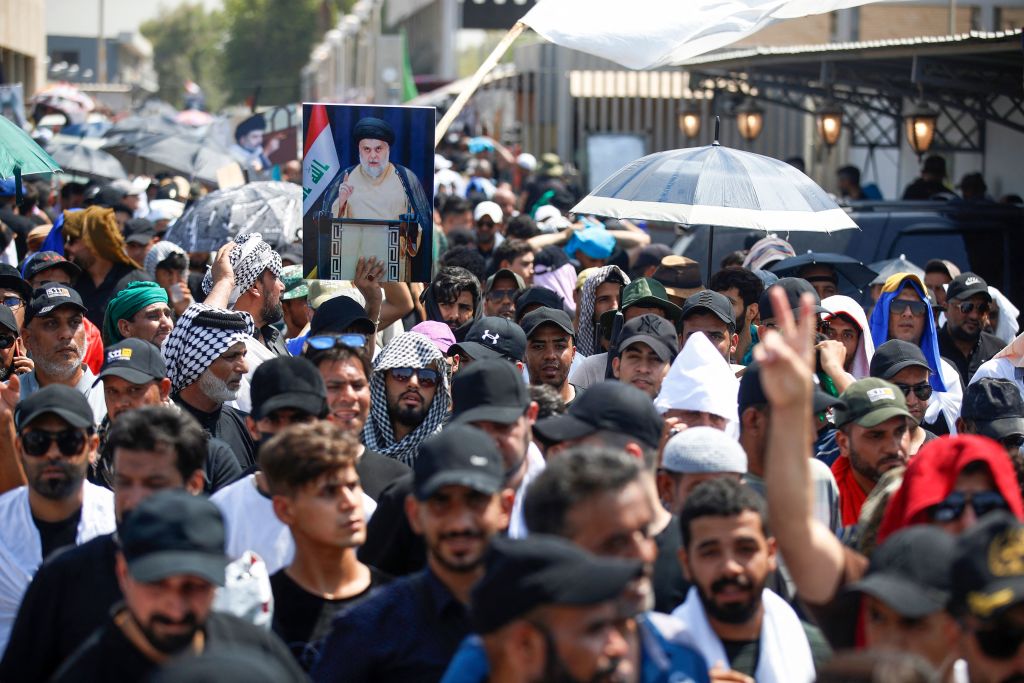
Iraq’s ongoing government formation power struggle pits the Sadrist Movement, led by populist Shi’a cleric Sayyid Muqtada al-Sadr, against the Coordination Framework (CF), a loose association of Shi’a parties, united mostly by their opposition to the Sadrist Movement. This piece explores the perspectives of members of the CF and their supporters toward the crisis.
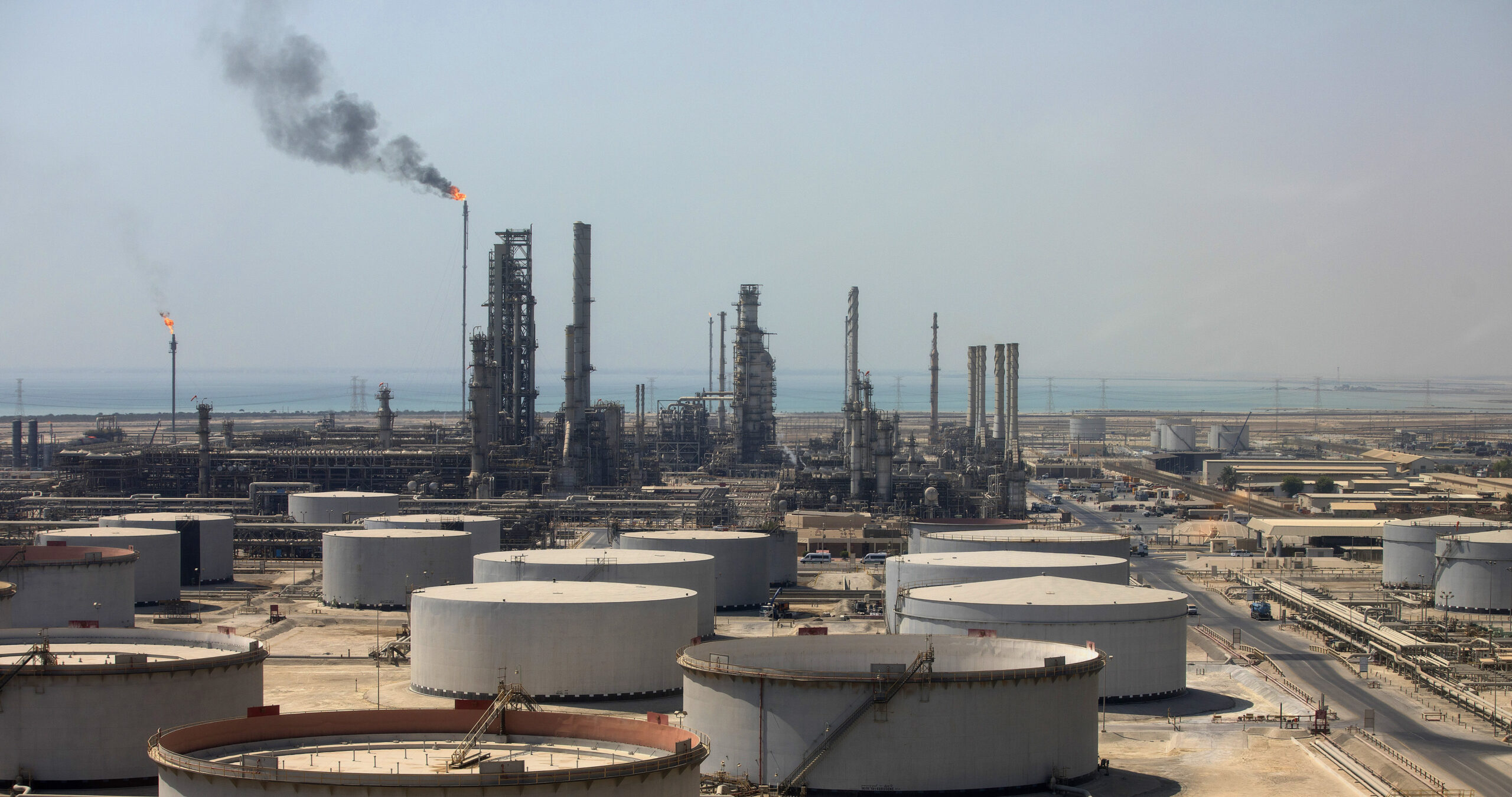
Under current, highly unpredictable market conditions, it is unreasonable for OPEC to make sharp movements to saturate the oil market or withdraw a significant number of barrels from it to meet divergent Western interests of lowering prices and punishing Russia.
Iraq: A crisis of elite, consensus-based politics turns deadly
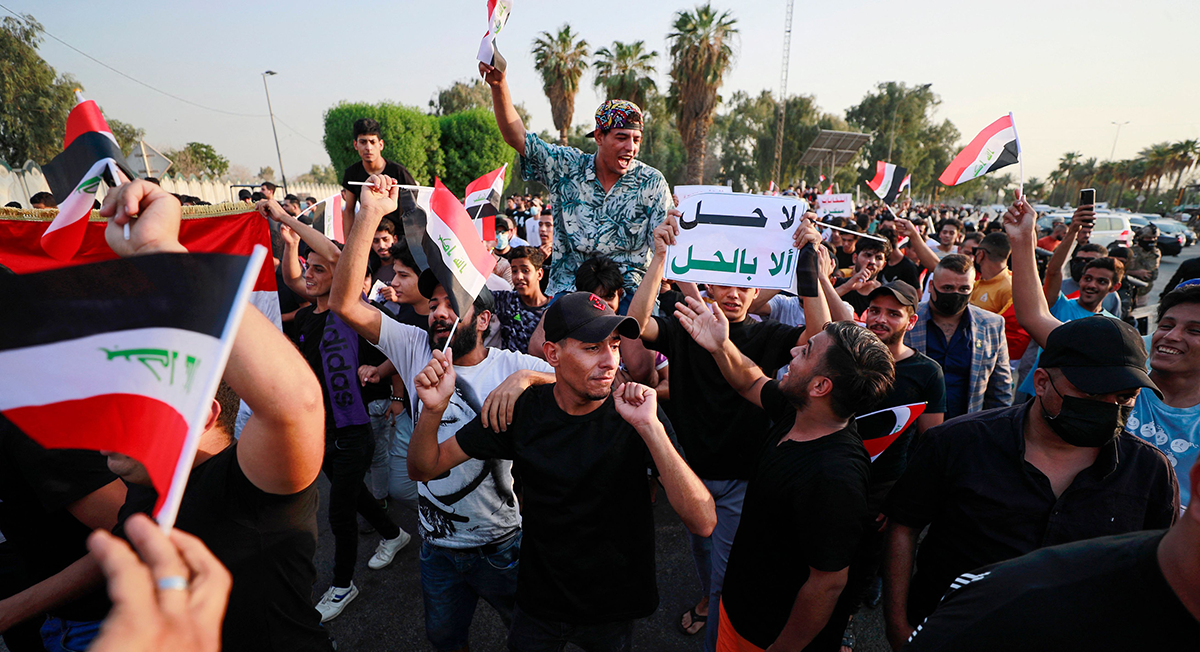
Iraq is facing one of its worst political crises in years. Following the bloody street battles at the end of August that left more than 30 dead, violence has stopped, for now, but the political crisis is far from over, even if superficial solutions may be found in the interim. Iraqis anxiously await the end of the Arba’een holiday on Sept. 17 to see what will happen next.
Domestic Political Chaos Is Not the Only Thing Happening in Iraq
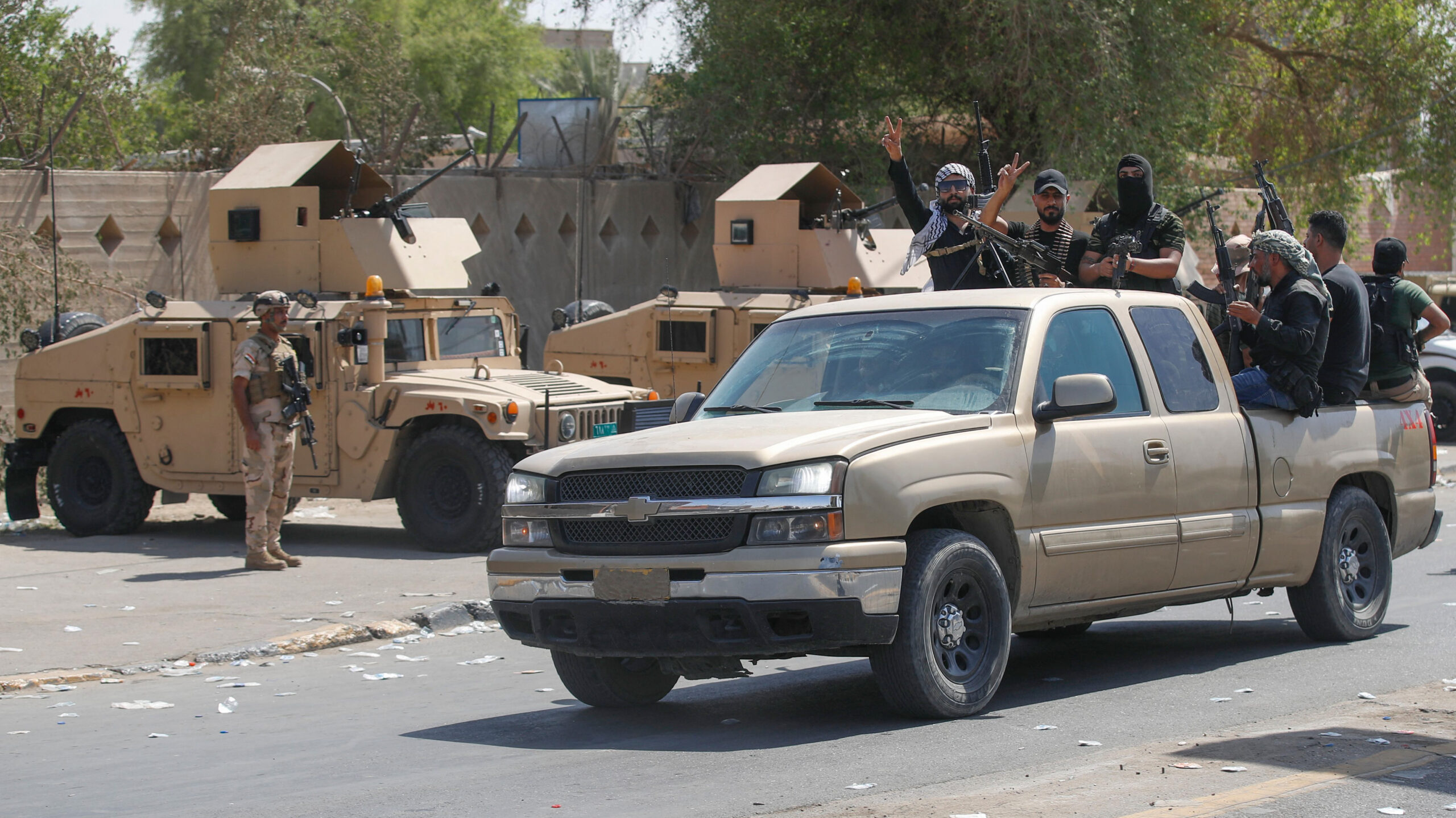
It appears that calm has returned to Iraq after the reported intervention of Ayatollah Ali al-Sistani, the country’s chief and widely respected Shia cleric. In recent weeks, violence had occurred in and near parliament, which has been unable to implement last October’s election results. The clashes involved demonstrators and armed forces loyal to Moqtada al-Sadr, the leading candidate in the elections, and militias loyal to a loose array of rival Shia political parties calling themselves the Coordination Framework.
Followers of Iraqi Shi’a cleric and political leader Muqtada al-Sadr and those of the Iran-aligned Coordination Framework clashed in downtown Baghdad on Aug. 29. Iraqis spent that evening wondering whether the country was descending into an intra-Shi’a civil war.