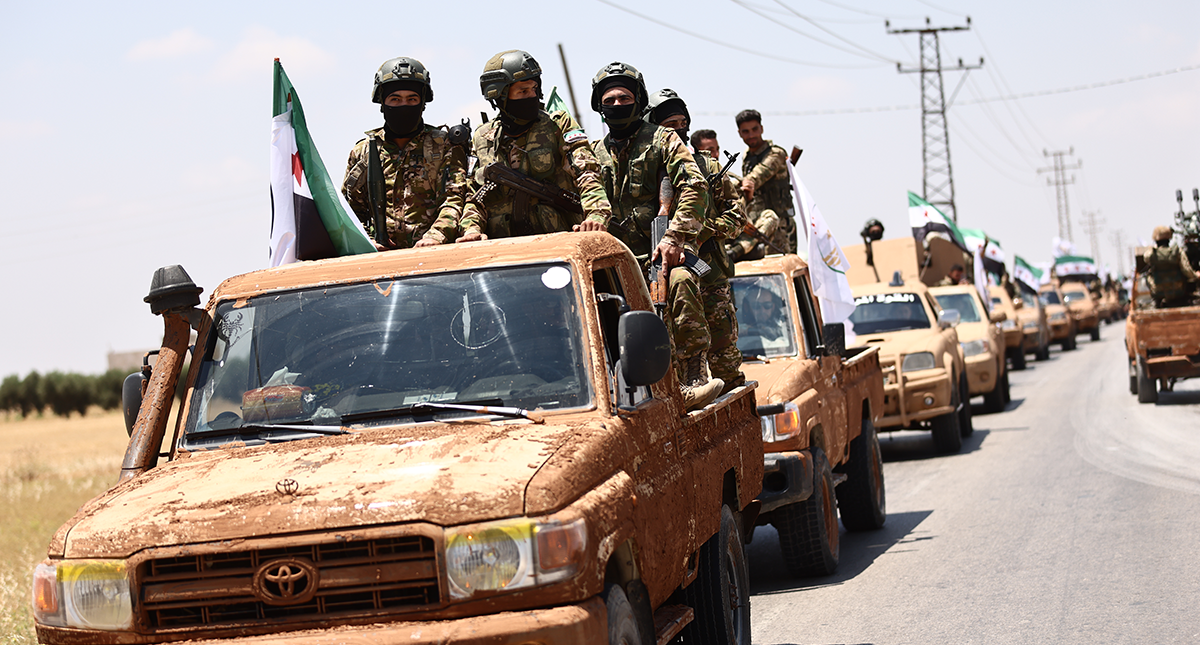
Syrian foreign policy in the Caucasus and Ukraine: An unbalanced, Russia-centered approach
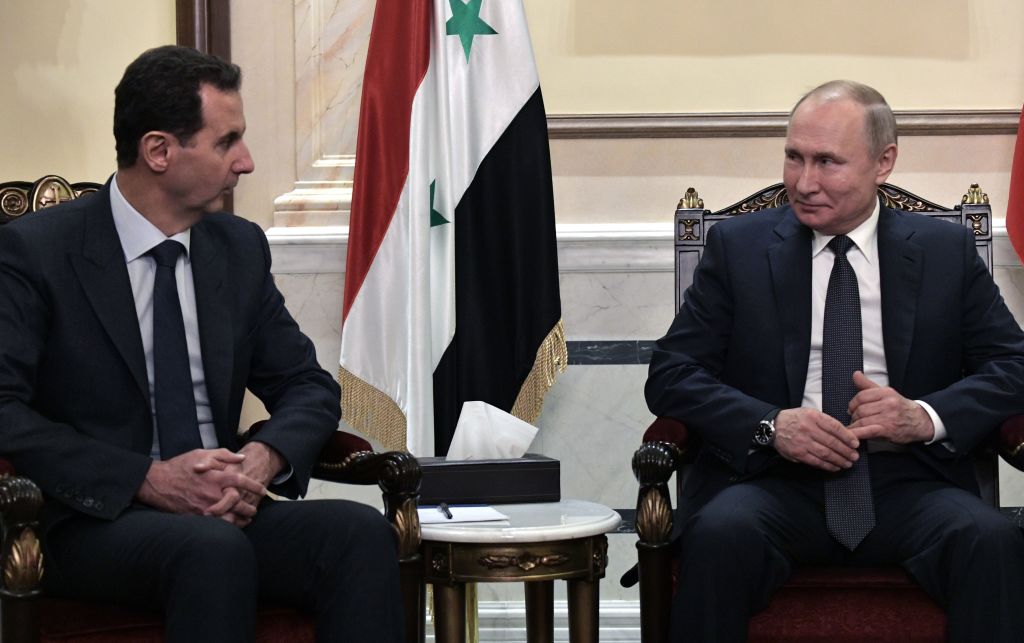
The embattled Syrian regime’s need to preserve Russian military and political support has compelled Damascus to adopt the Kremlin line in its foreign policy positions toward the former Soviet space.
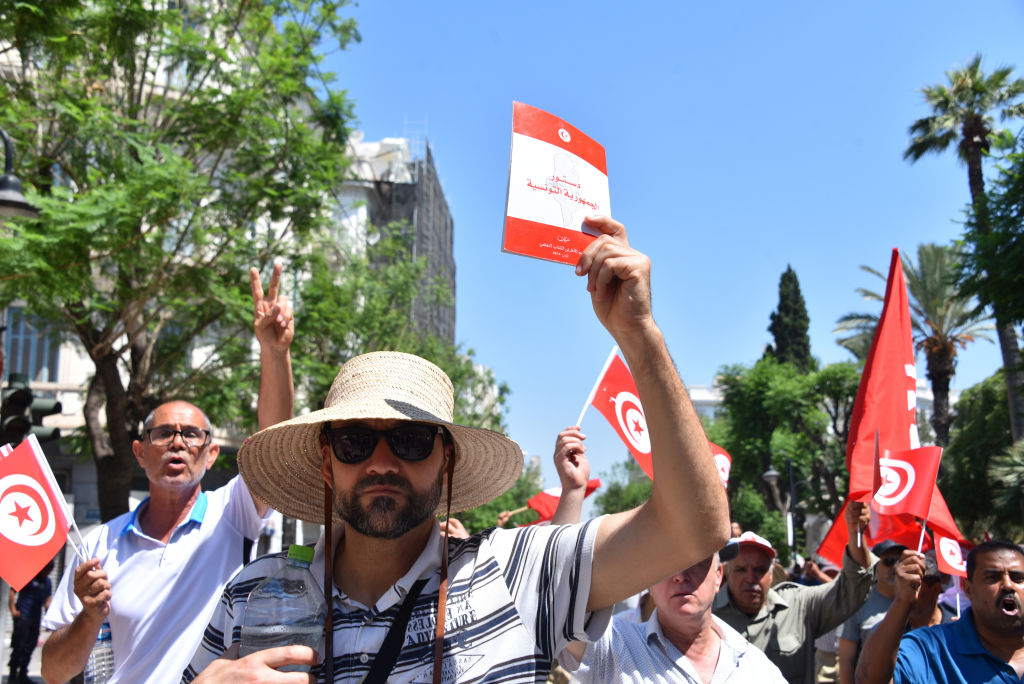
What's next for Tunisia after the constitutional referendum?
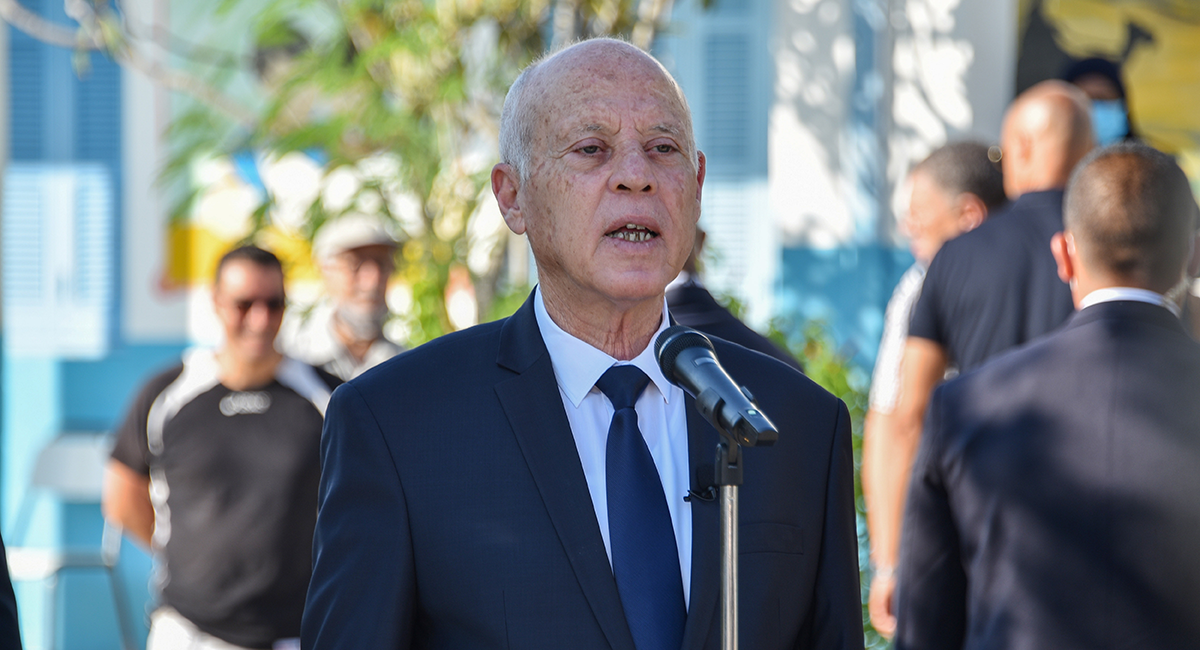
On July 25 Tunisians approved a new constitution that will give the president, Kais Saied, expansive new powers, centralizing control of the country while removing many of the existing checks and balances. According to figures from the state electoral body, an estimated 94% of those who voted in the national referendum approved the measure, although turnout, which officials put at 30.5%, was relatively light. Following on from the vote, here’s what can be expected moving forward.
الأسباب التي تجعل الإدارة الذاتية الخيار المرحلي الأفضل للمجتمع المحلي
هذا يضعنا أمام تسأل مهم، لماذا باتت ردود الفعل للمجتمعات المحلية على الإدارة الذاتية وجناحها العسكري ردود محدودة أو منعدمة في كثير من الأحيان؟، رغم أن هذه المجتمعات خاضت معارك طاحنة ضد النظام و تنظيم “داعش” لذات هذه الأسباب.
Why the AANES is the best interim option for local communities in northeastern Syria
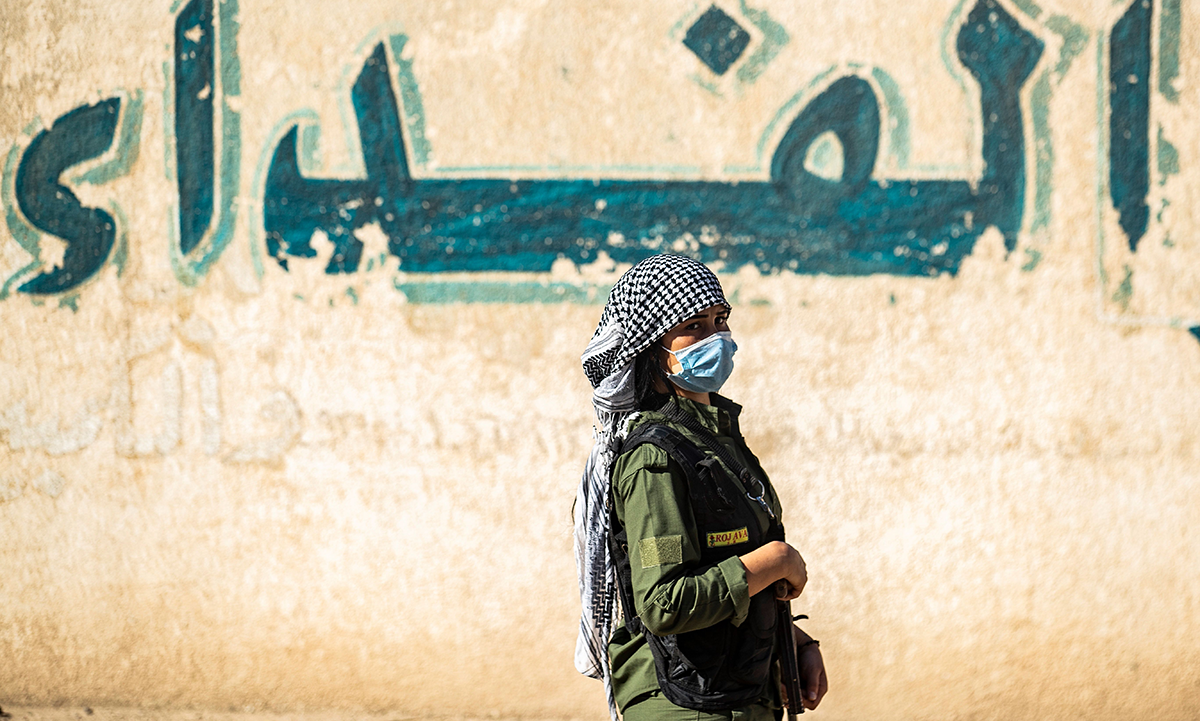
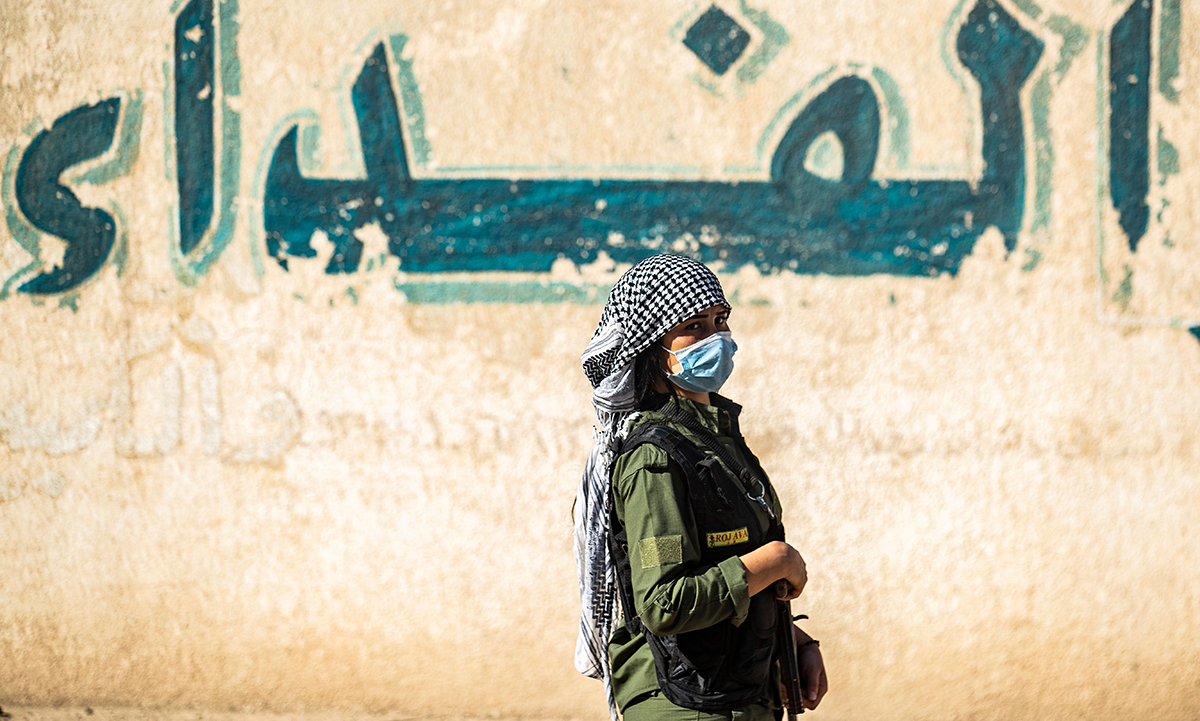
In early June, the SDF, the military wing of the AANES, raided the al-Mouh neighborhood in Abu Hamam in eastern Deir ez-Zor. They burned down several houses under the pretext that their owners were wanted for smuggling oil derivatives to areas under Syrian regime control, but the incident did not provoke any response from the al-Shaitat tribe affected. This raises an important question: Why do local communities respond to attacks by the AANES and its military wing in at most a limited way when these same communities fought fierce battles against the Syrian regime and ISIS when they carried out similar attacks?
Intissar Fakir is joined by Marwa Haddar and Fadil Aliriza to discuss the economic issues Tunisia is facing, international financial institutions’ role in the crisis, and the government’s actions, or lack thereof, to help the country.
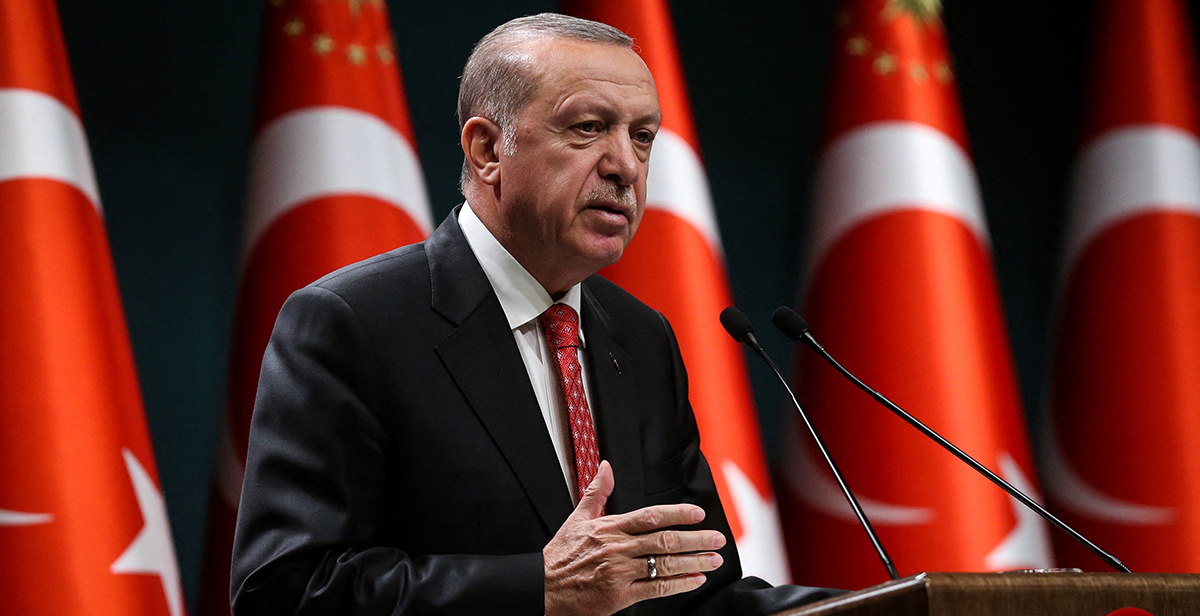
Erdoğan’s opportunism in the wake of the Russia-Ukraine war
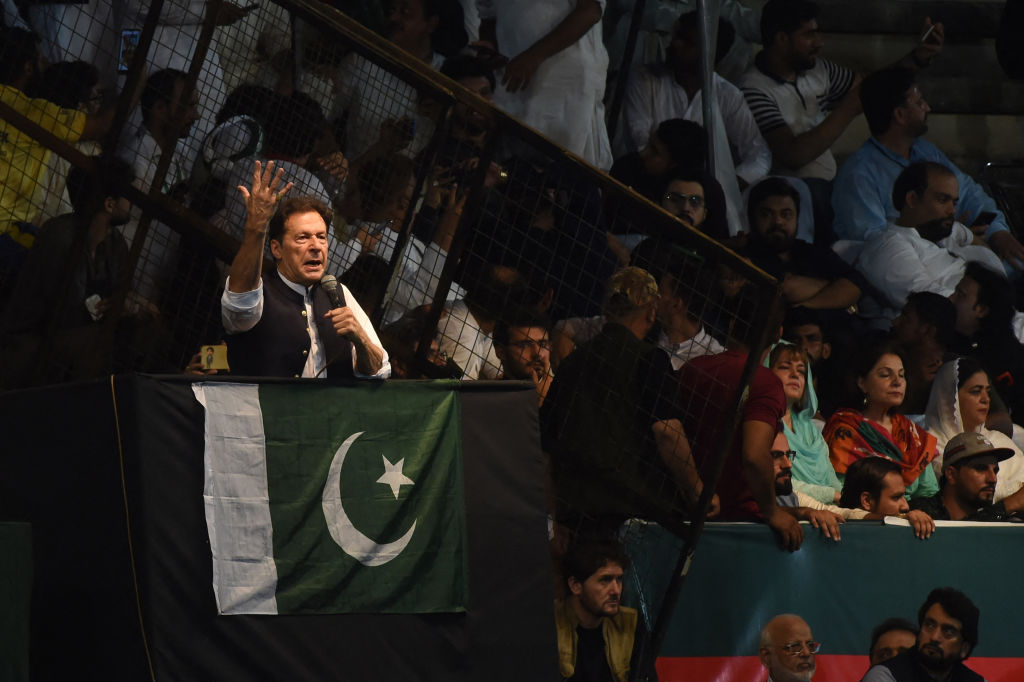
Turkish President Recep Tayyip Erdoğan is notorious for pursuing a one-man foreign policy strategy to consolidate his popularity with his nationalist voter base. He has utilized bold, and sometimes reckless, foreign policy as a vehicle for his political ambitions. Now, Russia’s invasion of Ukraine has opened up new high-risk opportunities for Erdoğan to improve his domestic image, especially as the next Turkish presidential and parliamentary elections approach.
How Iran sees Turkey’s plan for a new military operation in Syria
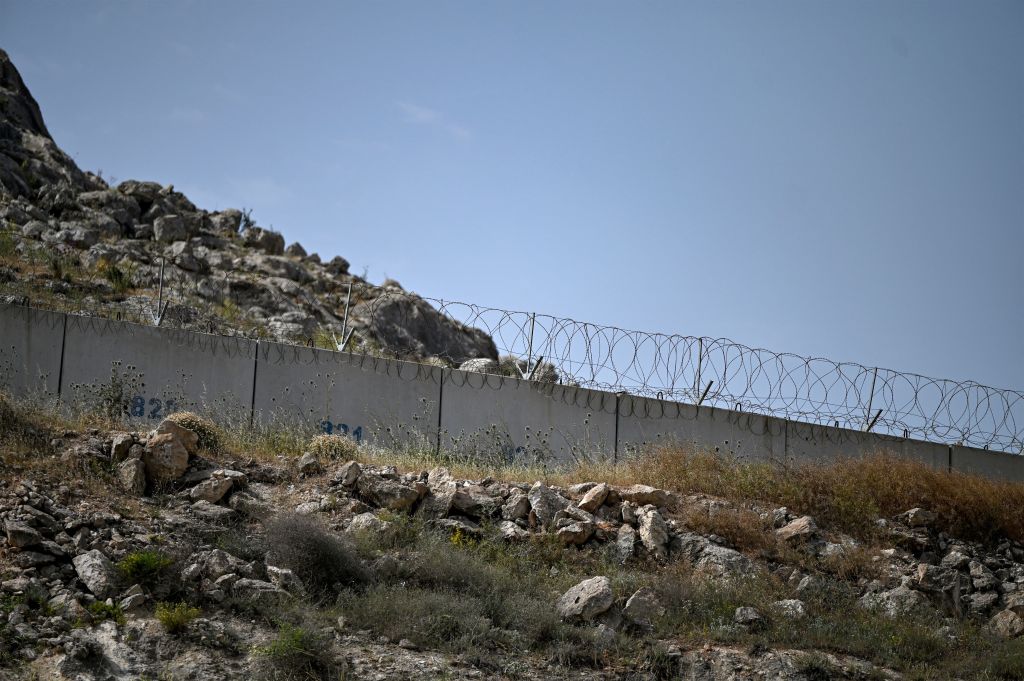
As the threat of a new Turkish military incursion into northern Syria looms, other international stakeholders in the Syrian crisis continue to voice their concerns over Ankara’s ambitions. At odds with Turkey since 2011 over its desire to overthrow the regime of Syrian President Bashar al-Assad and its support for an array of armed opposition factions, Iran has been increasingly vocal of late in opposing a potential new Turkish military operation.
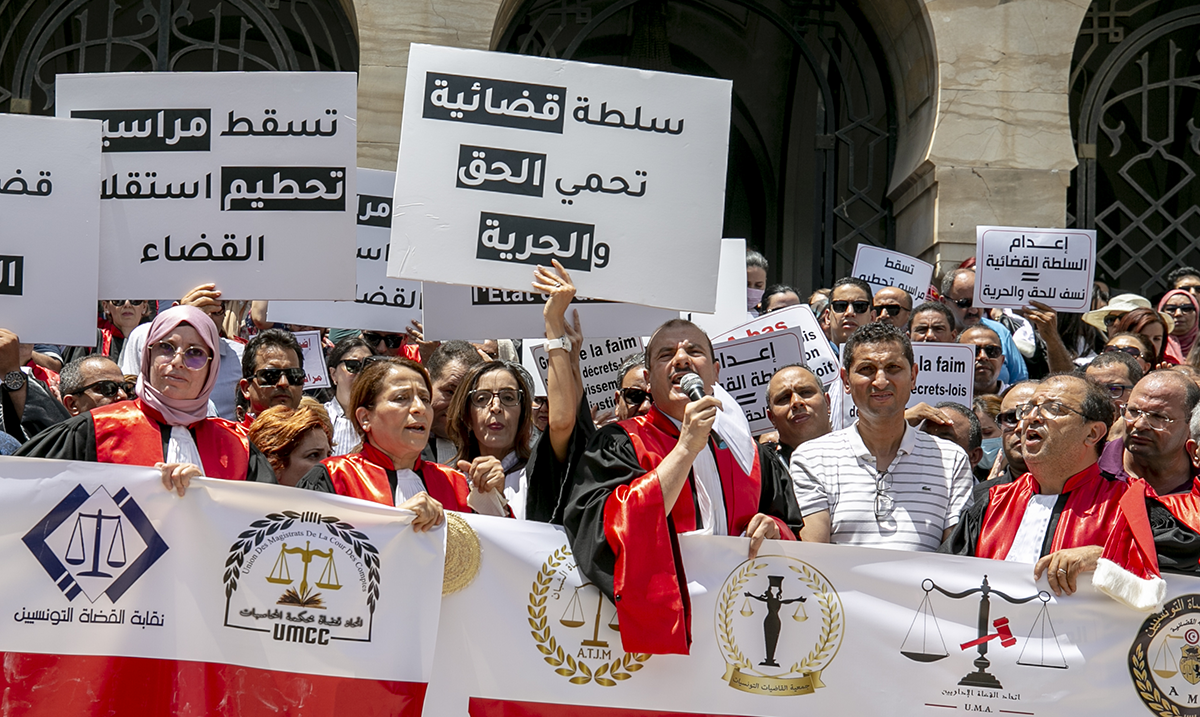
Since the beginning of 2022, Tunisian President Kais Saied has issued decrees reshaping the judiciary in a way that further subordinates it to the executive branch of government. Saied claims that his aim is to “cleanse” it of corruption and other forms of wrongdoing, yet judges counter that the president is interfering in the judiciary and intimidating judges.
أُخُوة يخنقها العداء: التنافس الجزائري المغربي وتحديات الاندماج المغاربي
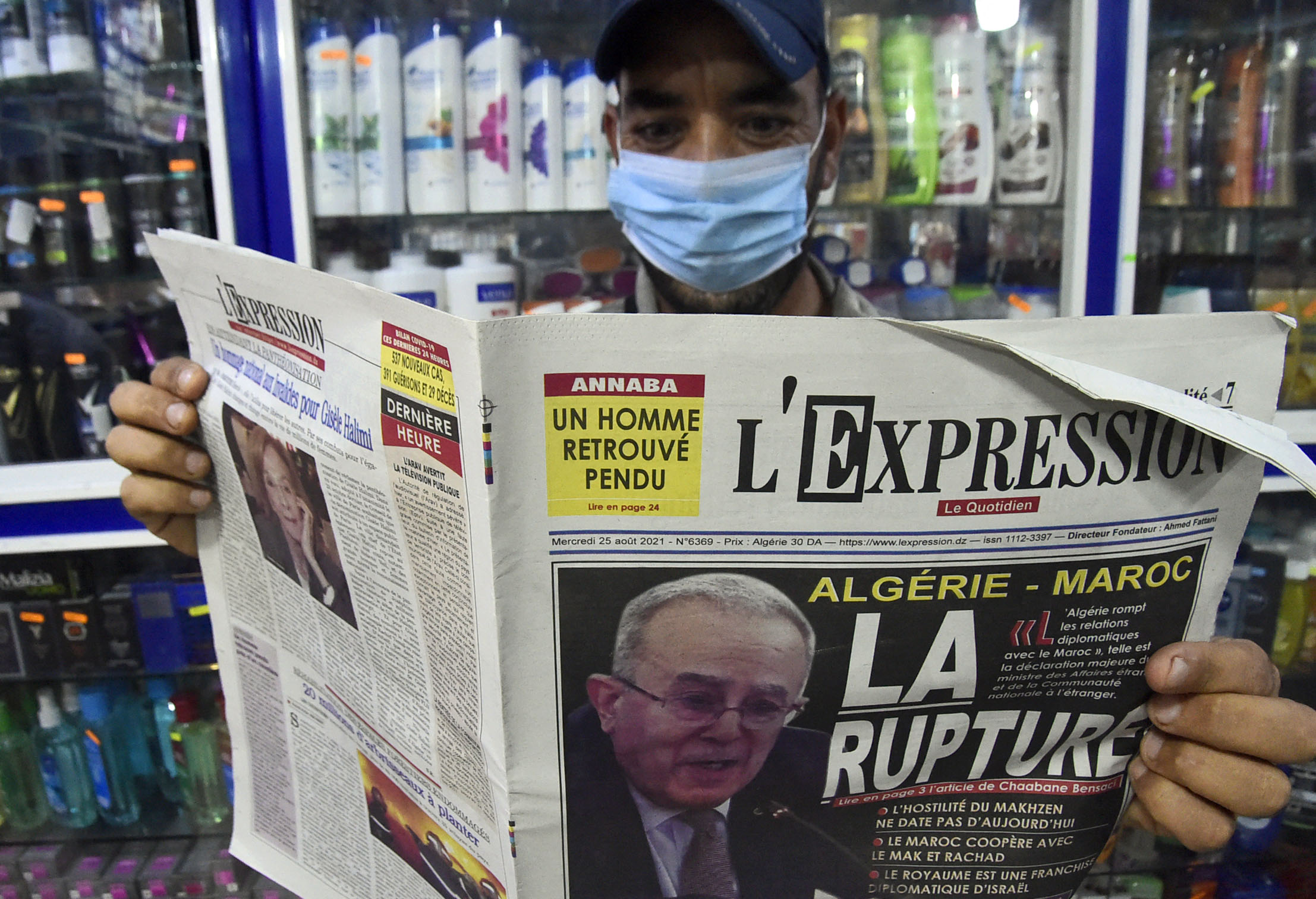
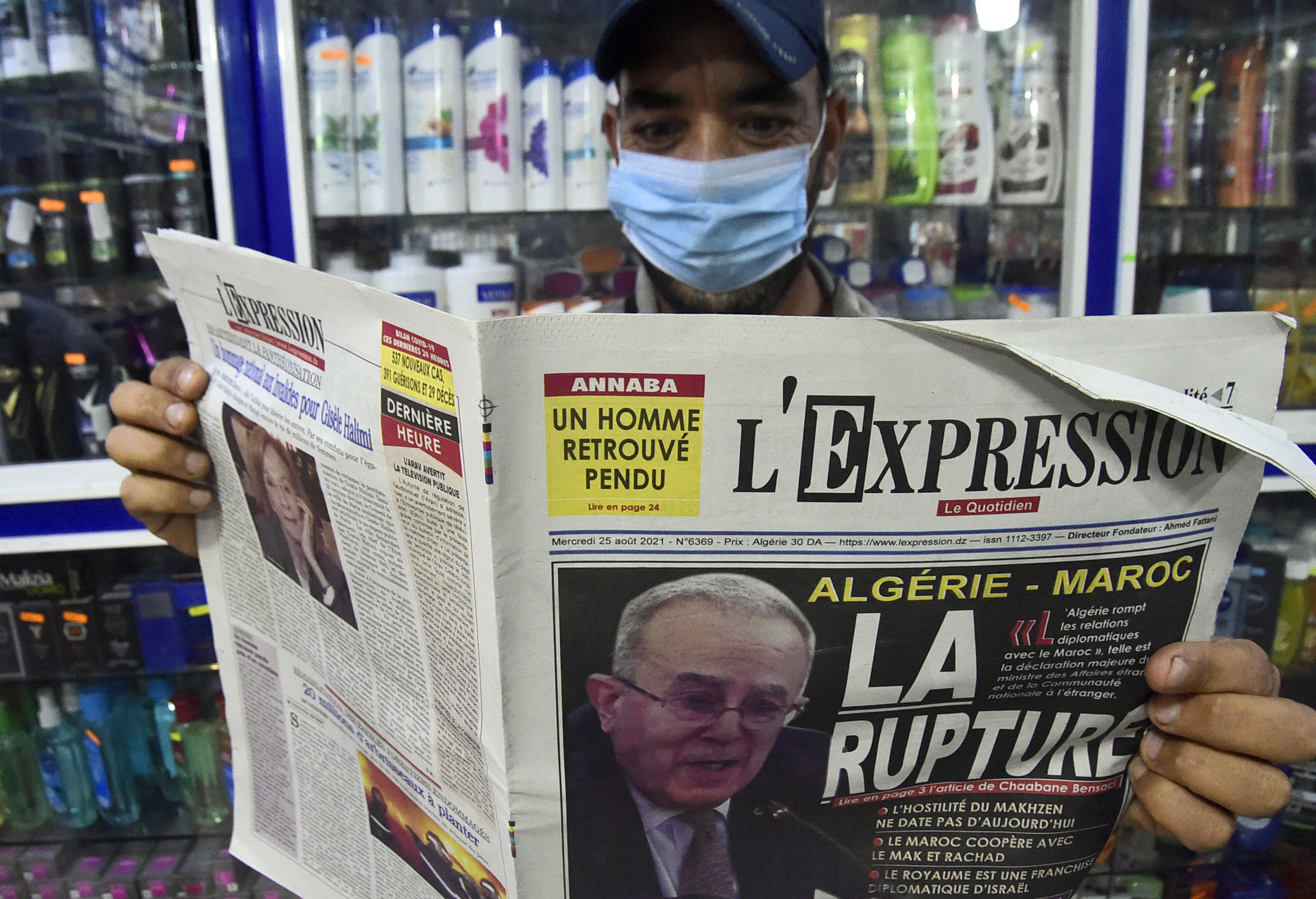
صَدم وزير الخارجية الجزائري، رمطان لعمامرة، العالم بإعلانه القطع المفاجئ للعلاقات الدبلوماسية بين الجزائر والرباط، بعد ثلاثة عقود من تجاور بارد بين القوتين المغاربيتين. واتهم لعمامرة، في بيان رسمي، تلاه أواخر أغسطس/آب 2021، المغرب بالتخلي عن التزامه بتنظيم استفتاء لتقرير المصير في الصحراء الغربية، من بين ما أسماه “أعمال عدائية ومشينة” أخرى ارتكبها ضد الجزائر.
Brothers at arm’s length: Moroccan-Algerian rivalry and the challenge of Maghrebi integration
In late August 2021, Algerian Minister of Foreign Affairs, Ramtane Lamamra, shocked the world by abruptly severing diplomatic relations with Rabat after three decades of a cold modus vivendi between the two Maghrebi powerhouses. In an official statement, Lamamra accused Morocco of abandoning its commitment to organizing a referendum for self-determination in Western Sahara, among other “hostile and despicable acts” against Algeria.