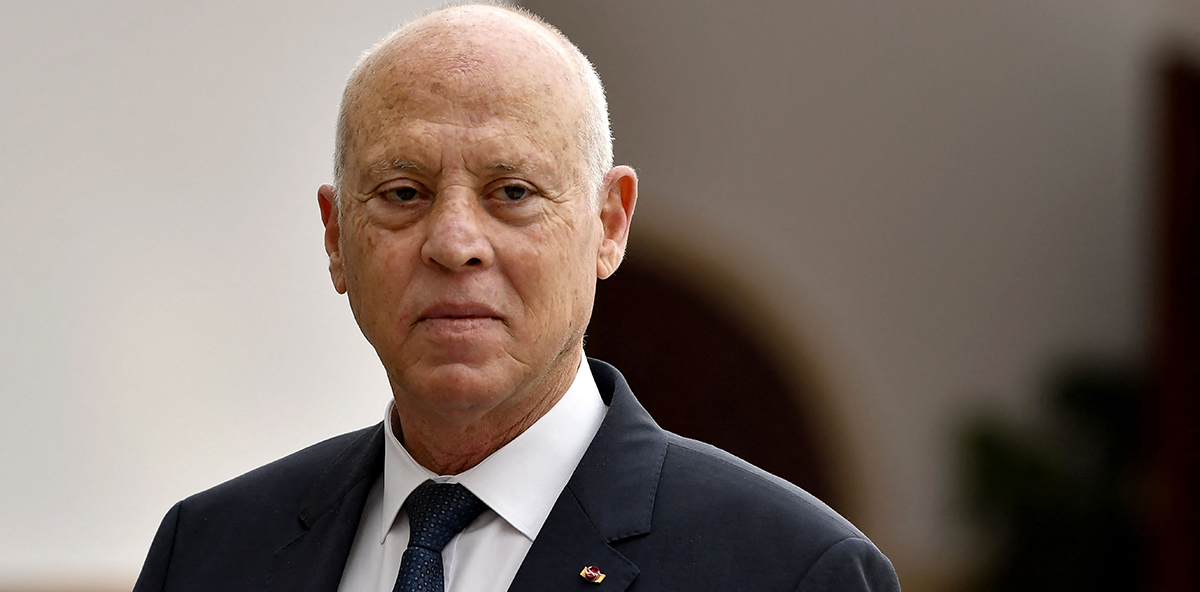
الانتخابات المحلية في تونس عام 2023: كيف ستعزز "الهيكلية التصاعدية" حكم كيس سعيد الفردي
من المقرر إجراء الانتخابات المحلية المقبلة في تونس، وهي الأولى التي تجرى بموجب الدستور الجديد للبلاد، في 24 ديسمبر 2023. وجاء الإعلان عن الموعد بعد حوالي ستة أشهر من نشر المراسيم الرئاسية، في مارس 2023، التي قضت بحل أول مجالس بلدية منتخبة ديمقراطياً في تونس، مما وضع حداً لعملية اللامركزية التي بدأت في عام 2018.
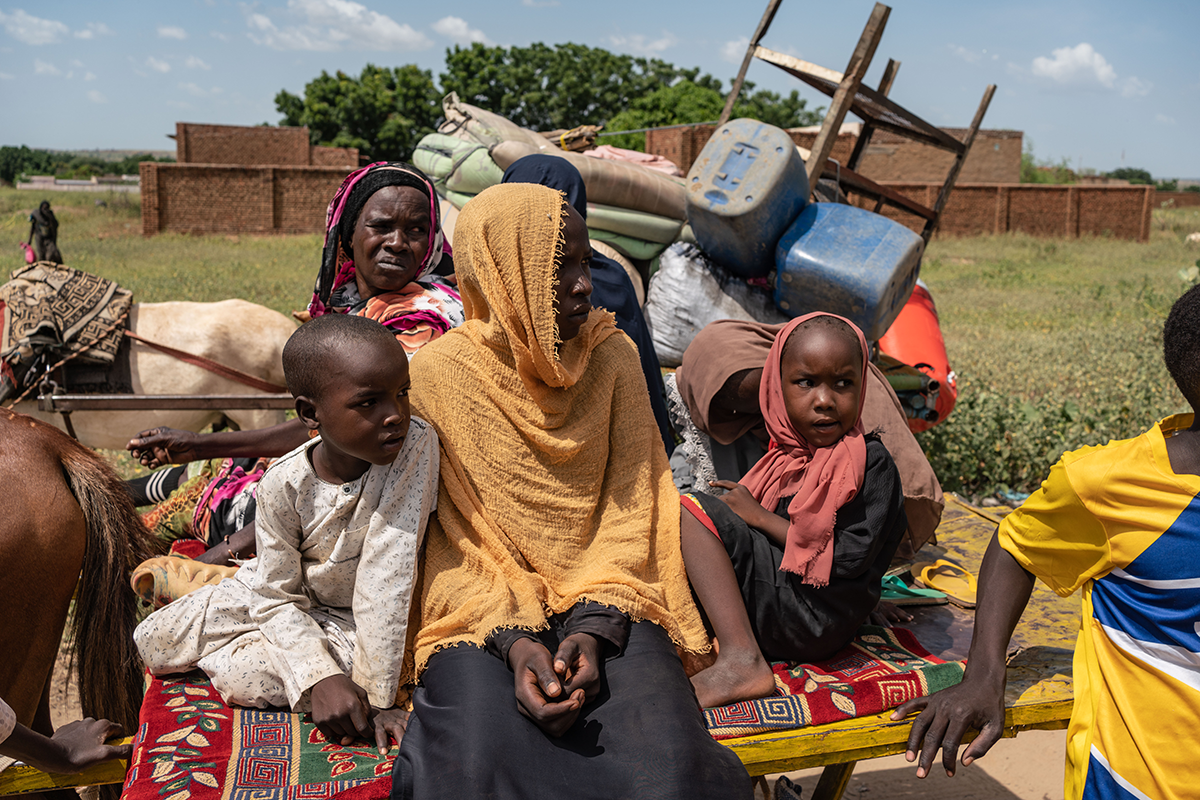
It isn’t a surprise that Sudan’s two warring sides — the Sudanese Armed Forces and its sprawling paramilitary Rapid Support Forces — did not agree to a ceasefire. When they resumed talks in Jeddah, mediated by the U.S. and Saudi Arabia in late October, the RSF was busy launching a major offensive on the vast western region of Darfur.
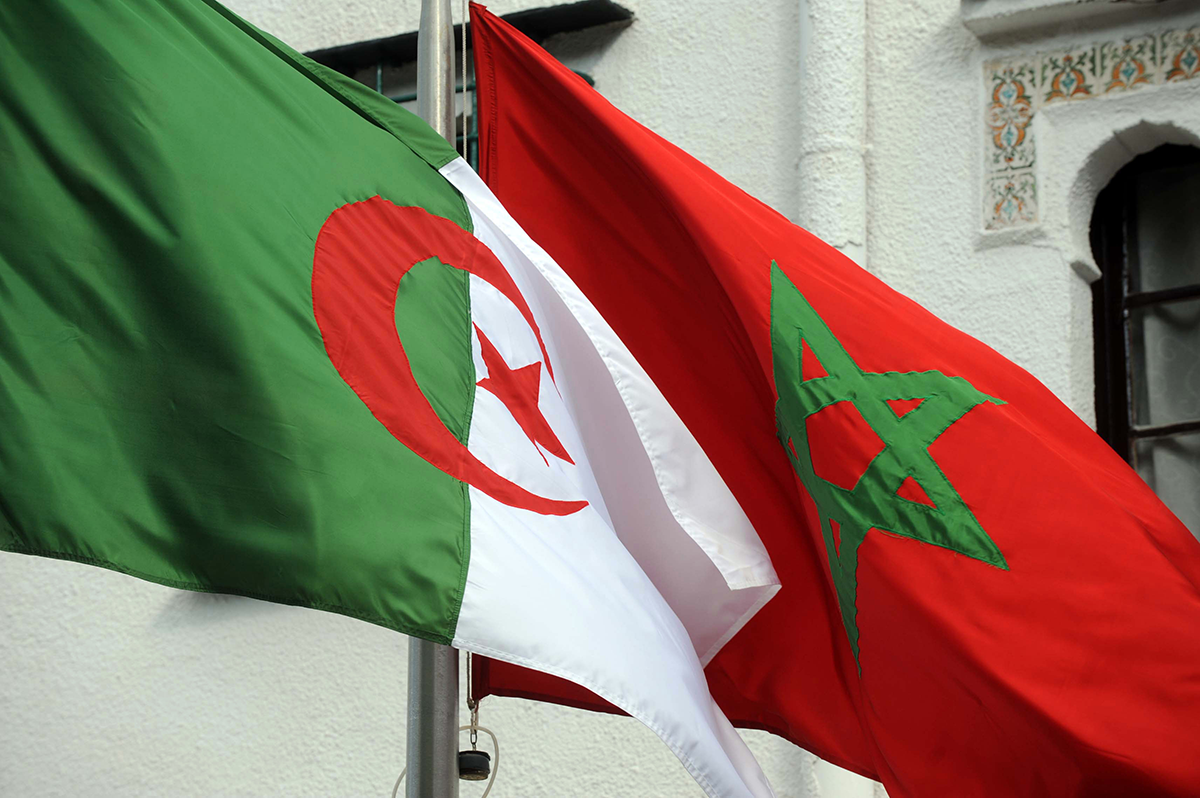
Morocco and Algeria’s regional rivalry is about to go into overdrive
The rivalry pitting Rabat against Algiers has been intensifying for years. But there are increasing risks that the political and economic competition between the two North African neighbors will accelerate into new and more challenging directions.
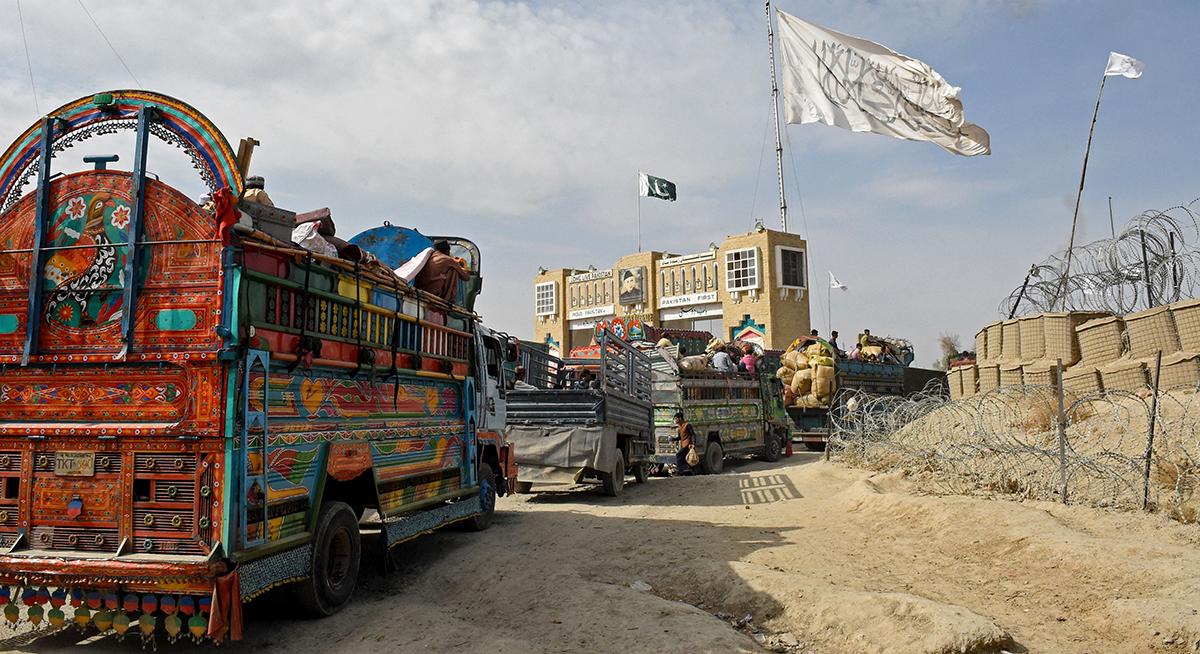
Afghan refugees as victims of Pakistan and Afghanistan’s clashing security interests
For decades Pakistan has threatened to deport its undocumented Afghan refugees, but Islamabad has never undertaken a campaign to oust Afghans on anything like the scale now underway. Whether voluntarily or through force, Pakistan’s interim administration, backed by the senior military leadership, seems determined to rapidly uproot 1.7 million of the estimated 3.5 million Afghans believed to be in the country. The government’s decision comes at a terrible time given the conditions in Afghanistan and the feared humanitarian impact.
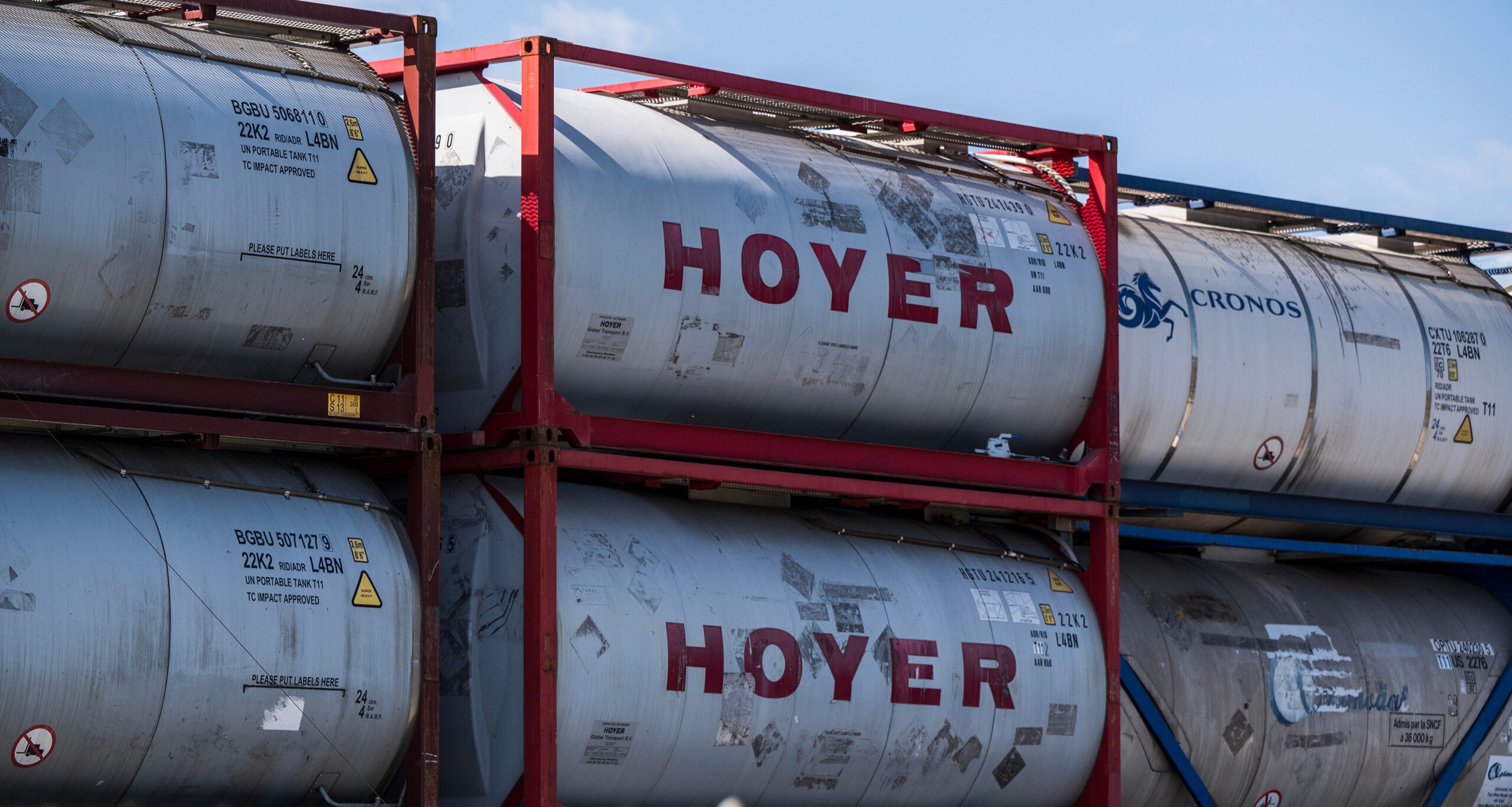
Enhancing Morocco's energy supplies with ISO tank and small-scale LNG
With no new interregional or international gas pipelines currently planned, gas-poor Morocco should consider alternative import schemes, such as LNG import via ISO tank containers, utilizing its well-developed port, rail, and road infrastructure.
Earthquake in Afghanistan: Natural disasters, international isolation, and Taliban incapacity
On Oct. 15, a third earthquake hit western Afghanistan’s Herat province within the span of roughly one week. The Taliban’s international isolation has neither compelled the Taliban to change its behavior nor improved its capacity to respond to such disasters. A new policy for Afghanistan is long overdue and must place Afghans at the center of the debate. It’s time for the international community to wake up to that stark reality and respond to thehumanitarian crises turning Afghanistan into a black hole.
Myths and realities of ‘gender apartheid’ in Afghanistan under the Taliban
The dire state of girls and women in Afghanistan under the Taliban, a tragedy that has featured frequently in international media reports in the last two years, came up for discussion in the United Nations Security Council (UNSC) on September 27. The UNSC convened for an open briefing, followed by consultations focusing on the severe restrictions imposed on the rights of women and girls in the country.
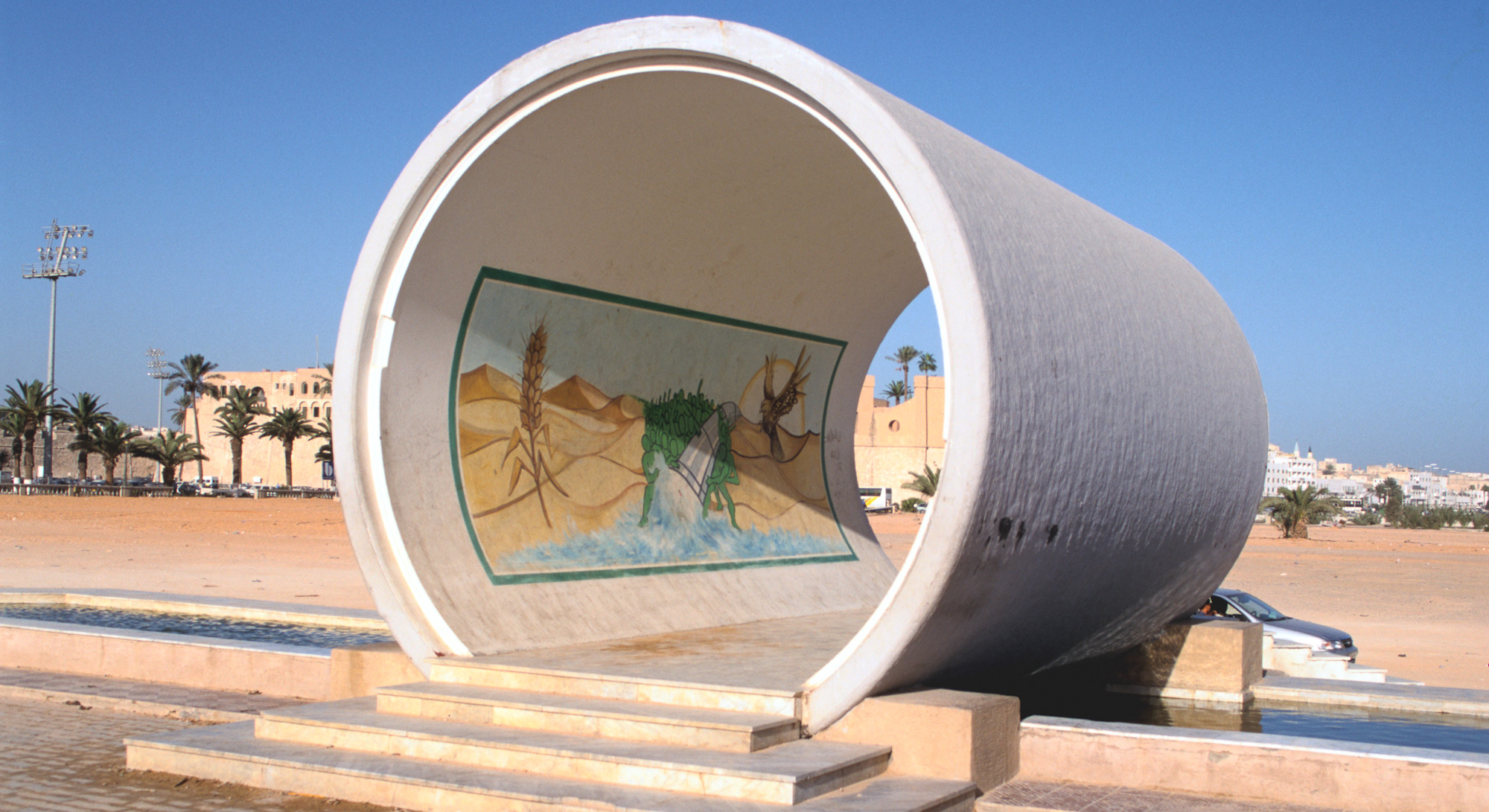
Shared governance of groundwater resources: The case of the Nubian Sandstone Aquifer System
Groundwater resources are critical for the MENA region as much of it suffers from high water scarcity, and for some countries, groundwater aquifers are the only sources of available freshwater supply. The Nubian Sandstone Aquifer System in northeastern Africa is one of the most prominent examples, and must be managed properly in order to maintain regional security and avoid transboundary conflicts.
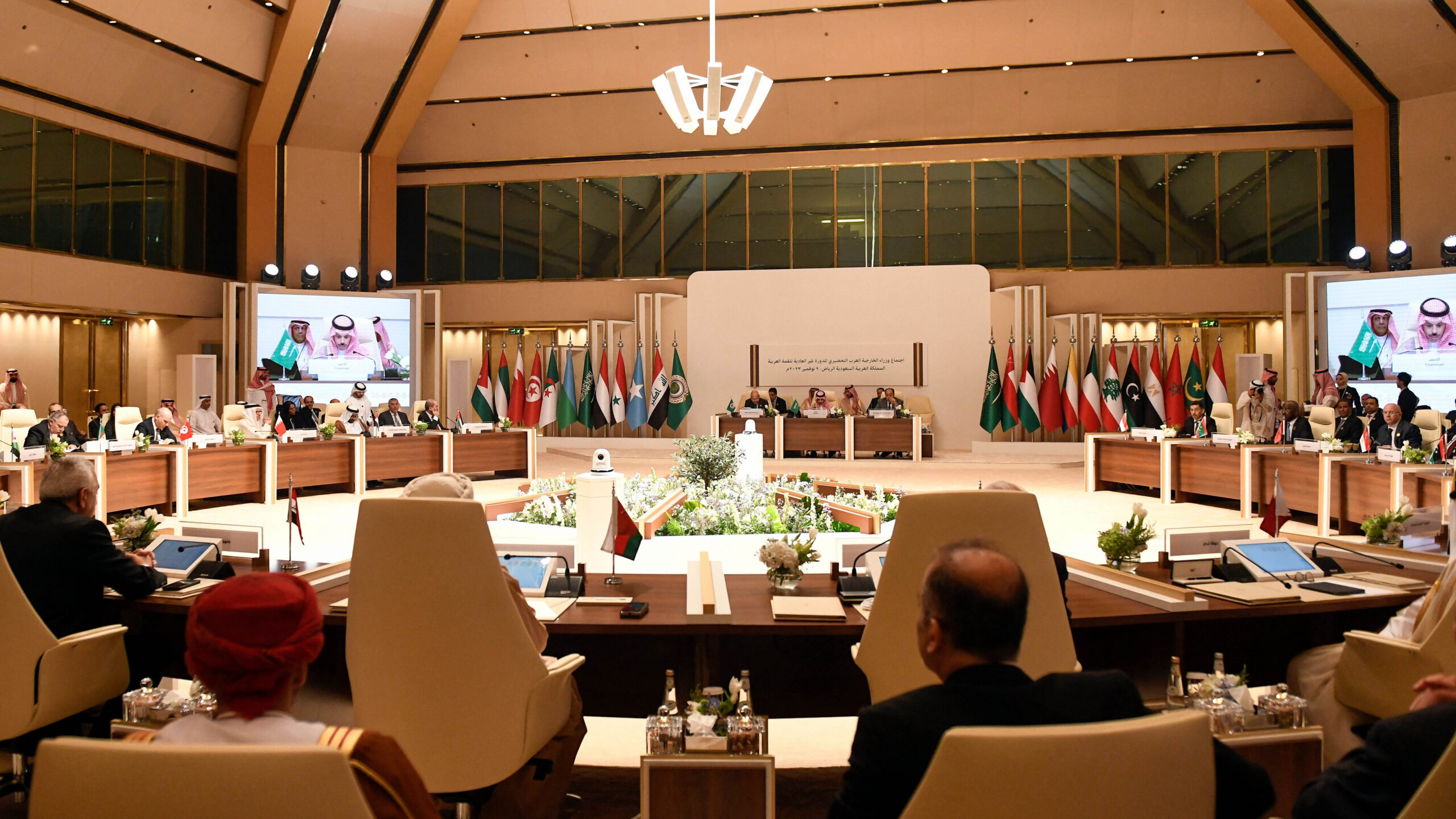
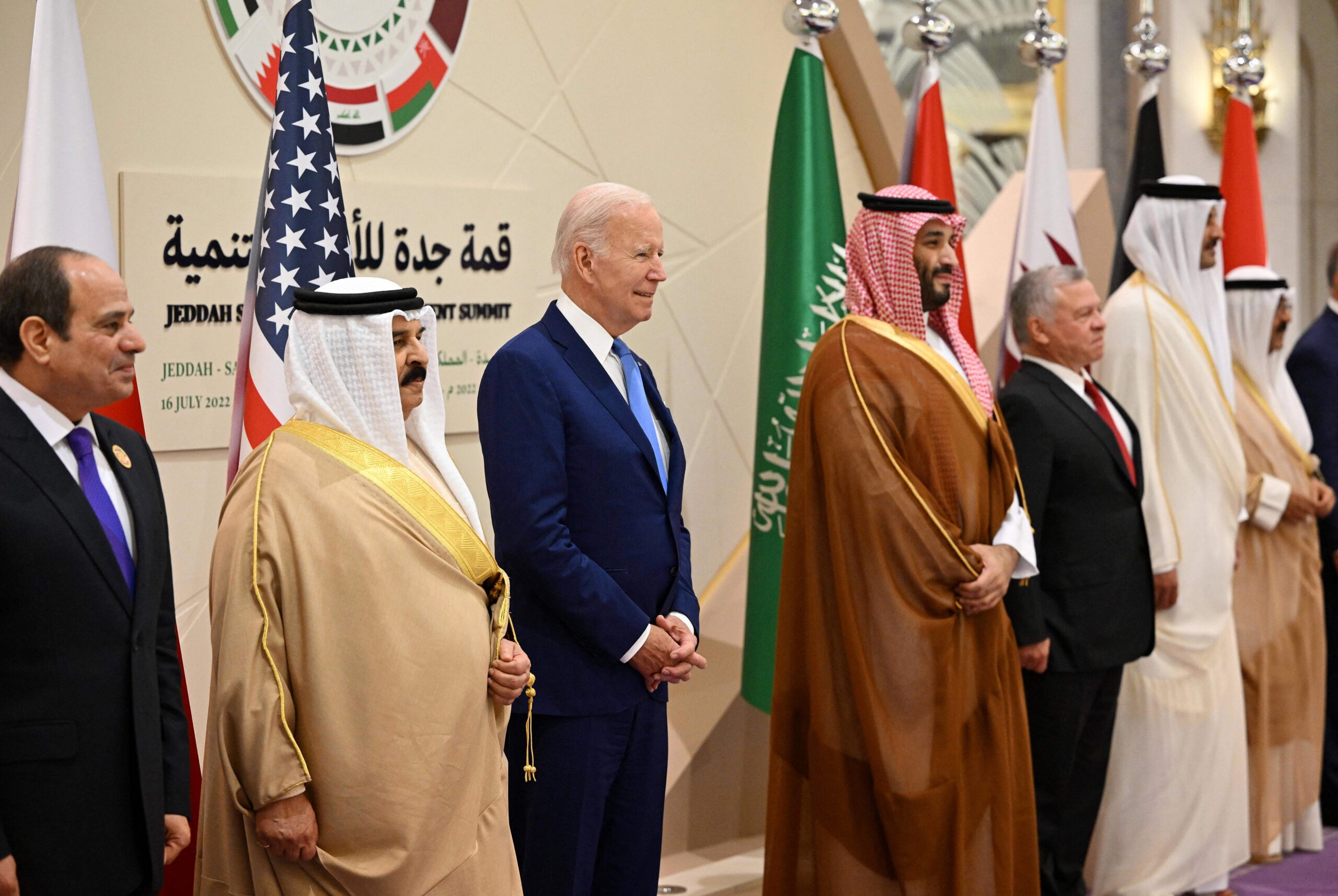
التحرك بحذر على رمال متحركة: تقييم نهج بايدن في سياسة الشرق الأوسط، 2021-2023
يقدم هذا التقرير تقييماً مؤقتاً لاستراتيجية إدارة بايدن الشاملة تجاه الشرق الأوسط، ويبحث الفرص والمخاطر الاستراتيجية للسياسة الأمريكية في المنطقة بشكل عام.
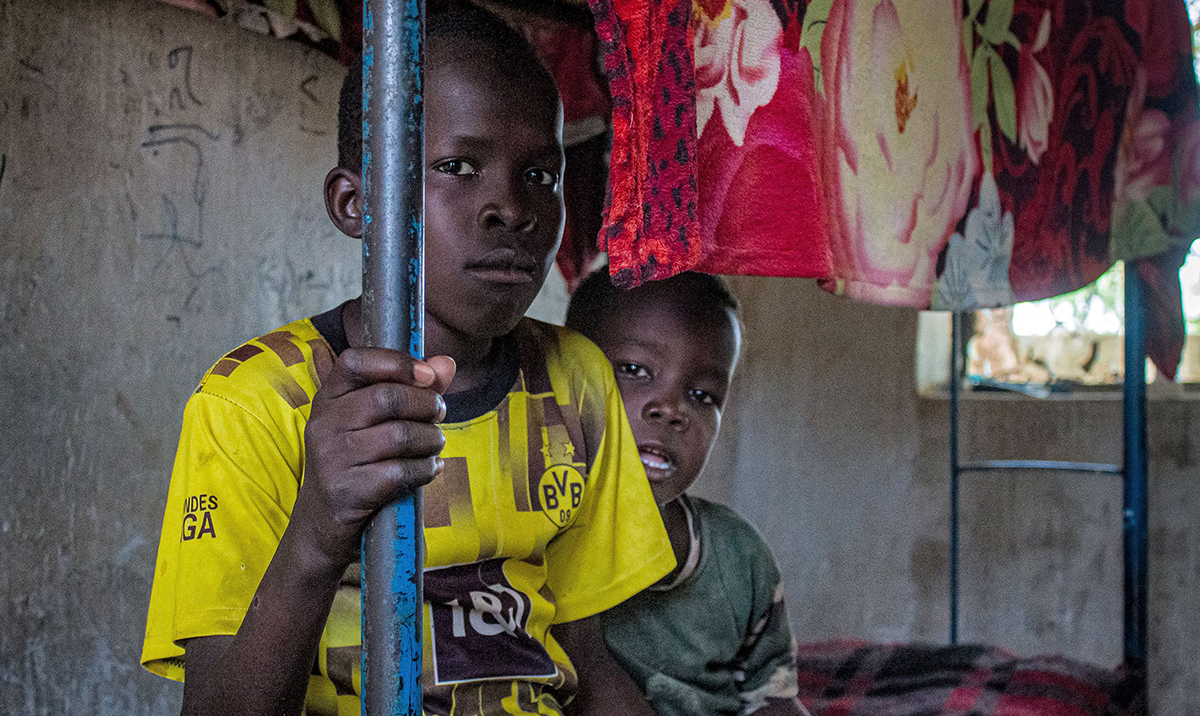
Nearly five months on, Sudan’s war between its army and largest paramilitary force has destroyed much of Khartoum, the adjacent cities of Bahri and Omdurman, as well as key towns in Darfur. The warring forces have killed thousands of civilians, destroyed critical infrastructure, and forced a staggering 4.9 million people to flee their homes. The U.N. is providing important humanitarian assistance, but it should be doing far more, especially to advance accountability and improve coordination in the messy diplomatic arena. Both the high-level week in New York and the Human Rights Council session in Geneva present opportunities that it should not squander.
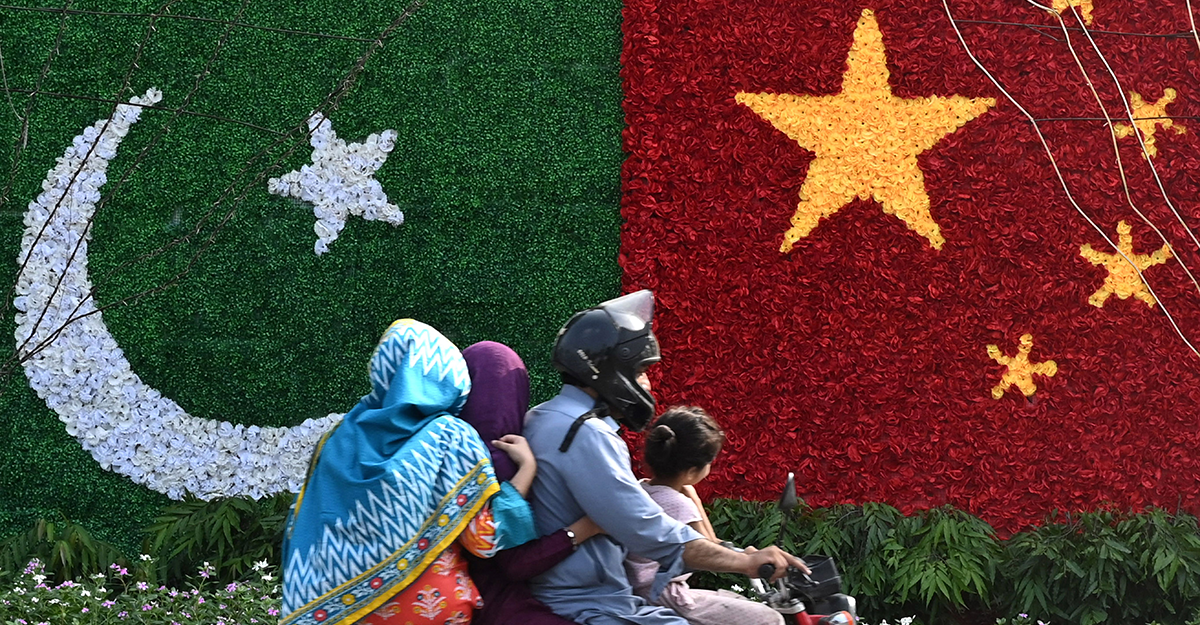
Beyond diplomacy: Charting China's multifaceted partnership with Pakistan
Pakistan’s intensifying economic, political, and security instability is not good news for China’s strategic investments. So, what are Beijing’s options?