Pakistan at 75: The clock has run out for business as usual
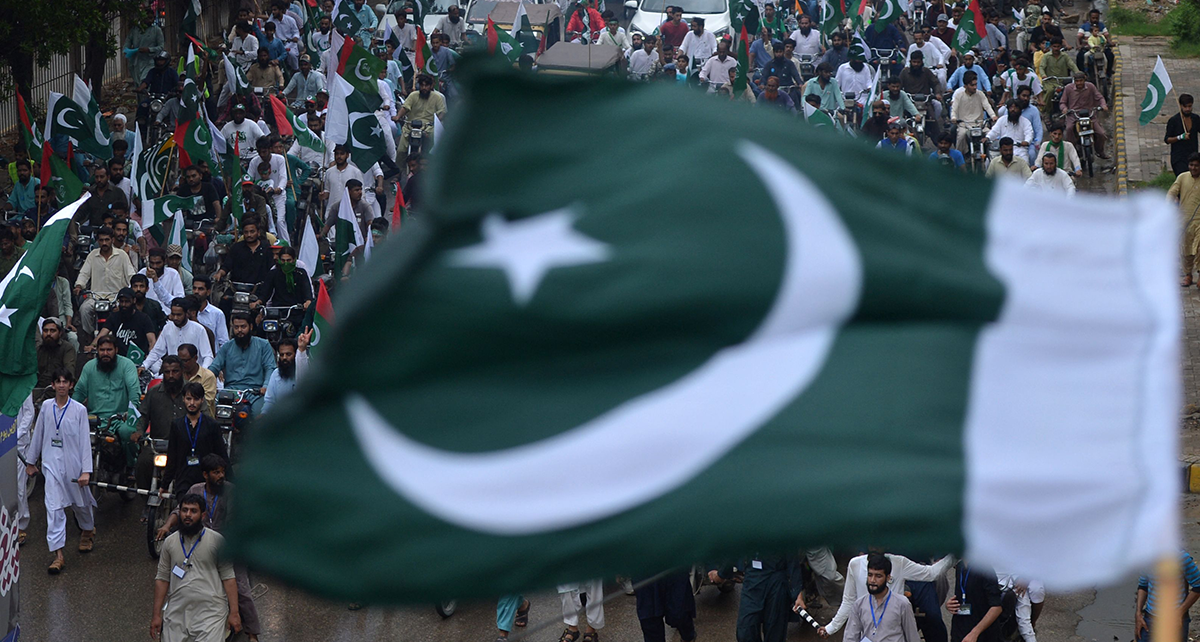
On Aug. 14, Pakistan marked its 75th independence day, like many of the preceding 74, in a state of political and economic crisis. Days later, epic floods would befall the country, submerging a third of it under water. Pakistan can no longer afford business as usual.
Dysfunctional centralization and growing fragility under Taliban rule
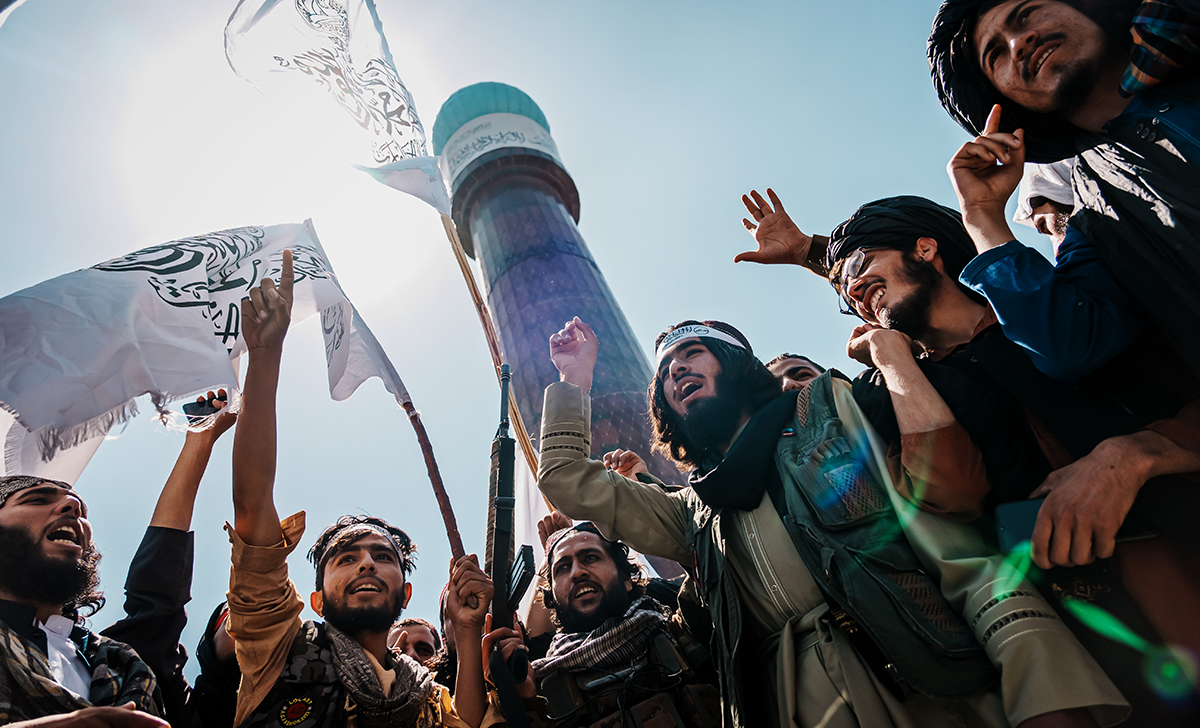
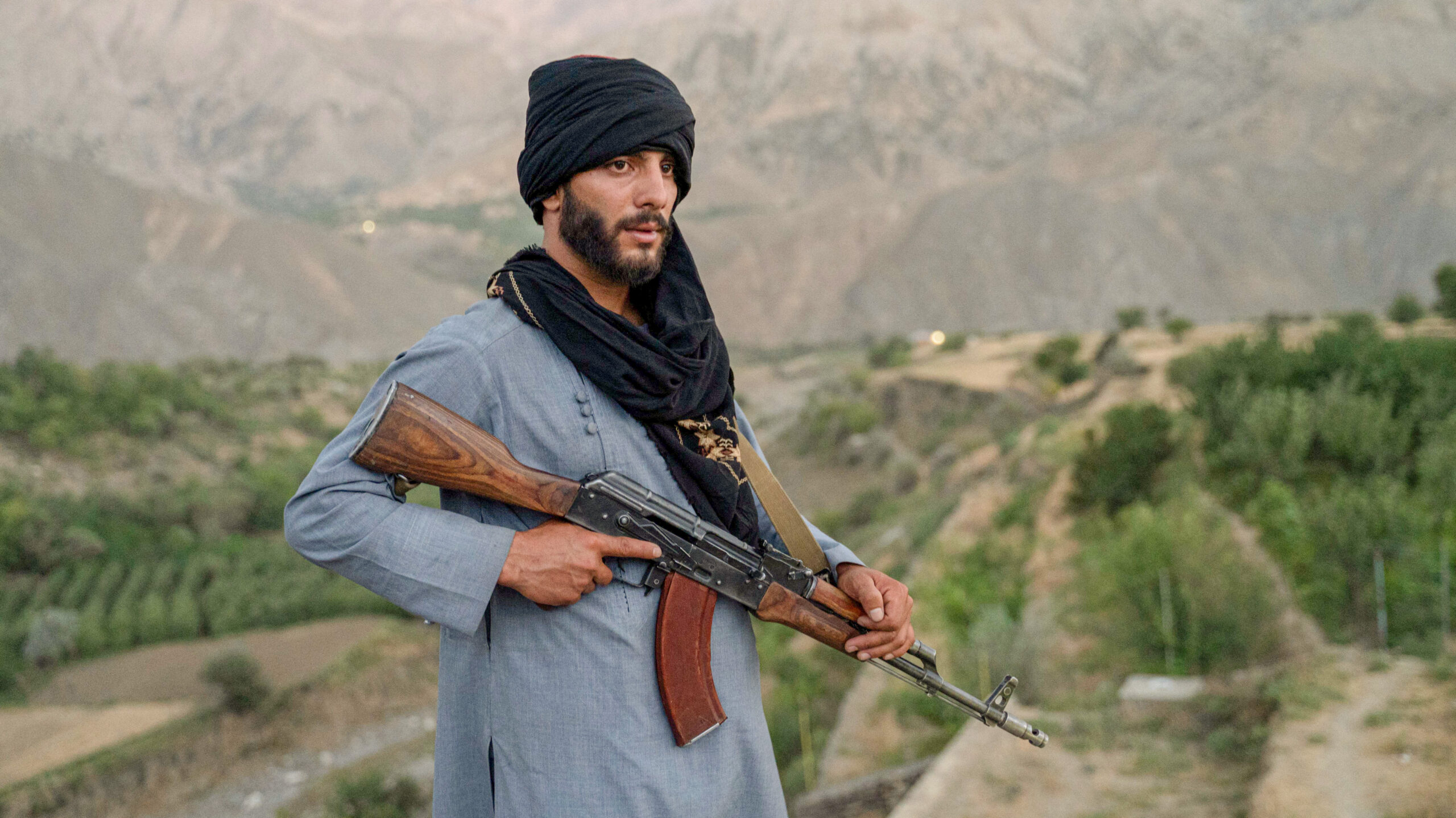
One year ago, on Aug. 31, 2021, the last foreign soldier left Afghanistan. Since then, the situation in the country has only grown more fragile, marked by deteriorating living conditions, widespread human rights violations, and increasing political instability. One key contributing factor to the crisis is a dysfunctional centralized governance structure that has become more paralyzed and unresponsive under Taliban control.
On the anniversary of the US withdrawal from Afghanistan
On Aug. 30, 2021, the commander of the 82nd Airborne Division, Maj. Gen. Chris Donahue, boarded the last U.S. military flight out of Hamid Karzai International Airport in Kabul. For many, the image of the final American soldier stepping onto a C-17 military transport plane marked the end of the war. But even as we remember the chaotic end of America’s longest war, we should also recall the sublime acts of loyalty and resolve that took place simultaneously.
Why the Afghan peace process failed, and what could come next?
Multiple factors converged to derail the peace process prior to the U.S. withdrawal from Afghanistan. The lessons from this failure can inform policymakers on how to successfully pursue a new round of political peace talks involving the Taliban and all major segments of Afghan society.
On this week’s episode, host Alistair Taylor explores the ramifications of the CIA drone strike that killed al-Qaeda leader Ayman al-Zawahiri in Kabul, Afghanistan on July 31. Joining the program are three MEI experts — Mick Mulroy, Javid Ahmad, and Douglas London — who bring with them a variety of perspectives, from intelligence to diplomacy.
Afghanistan adrift one year after the Taliban takeover
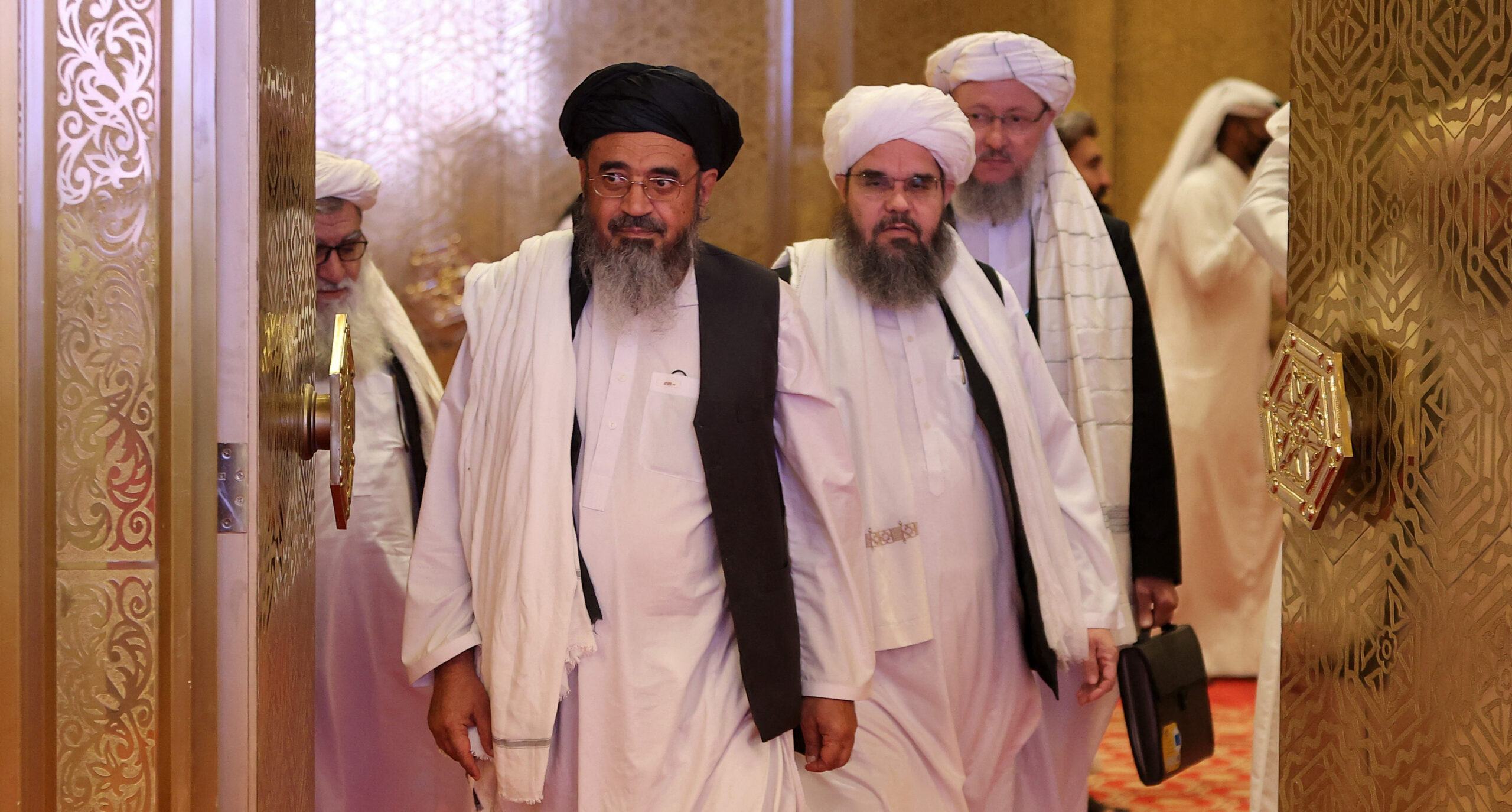
Even prior to al-Qaeda leader Ayman al-Zawahiri’s death in a CIA drone strike on July 31, the last few months have mostly underscored the Taliban’s global isolation and the anguish of the Afghan people. A year on from the Taliban’s takeover of Kabul in August 2021, no foreign government has officially recognized the regime.
Urban pollution across the Middle East and Black Sea regions: Causes and mitigation measures
The latest IPCC reports clearly indicate that cities — responsible for up to 72% of global emissions — need to be redesigned to stand a chance against the climate crisis. The urban communities of the Middle East and Black Sea regions face some of the most difficult climate change effects. To properly address their challenges, a comprehensive analysis of drivers and strategies to follow is needed.