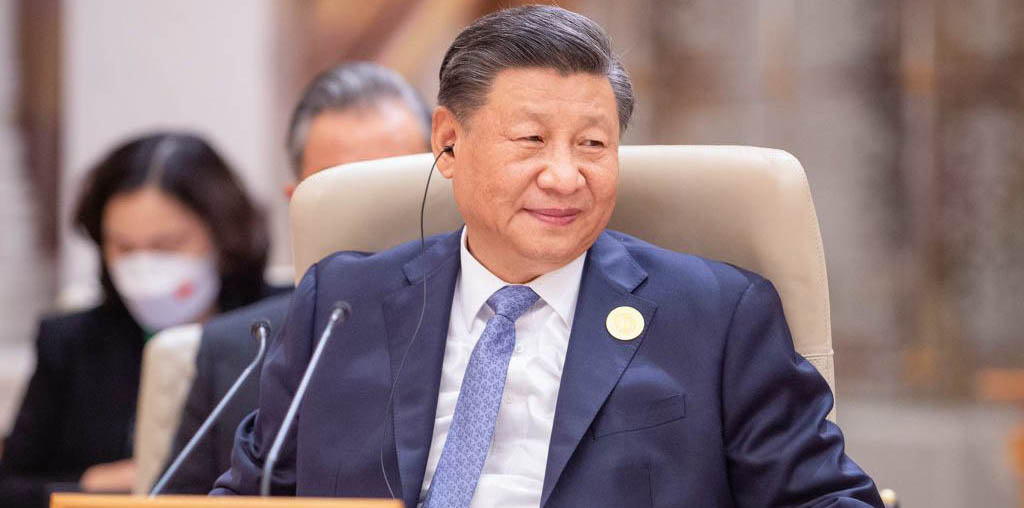
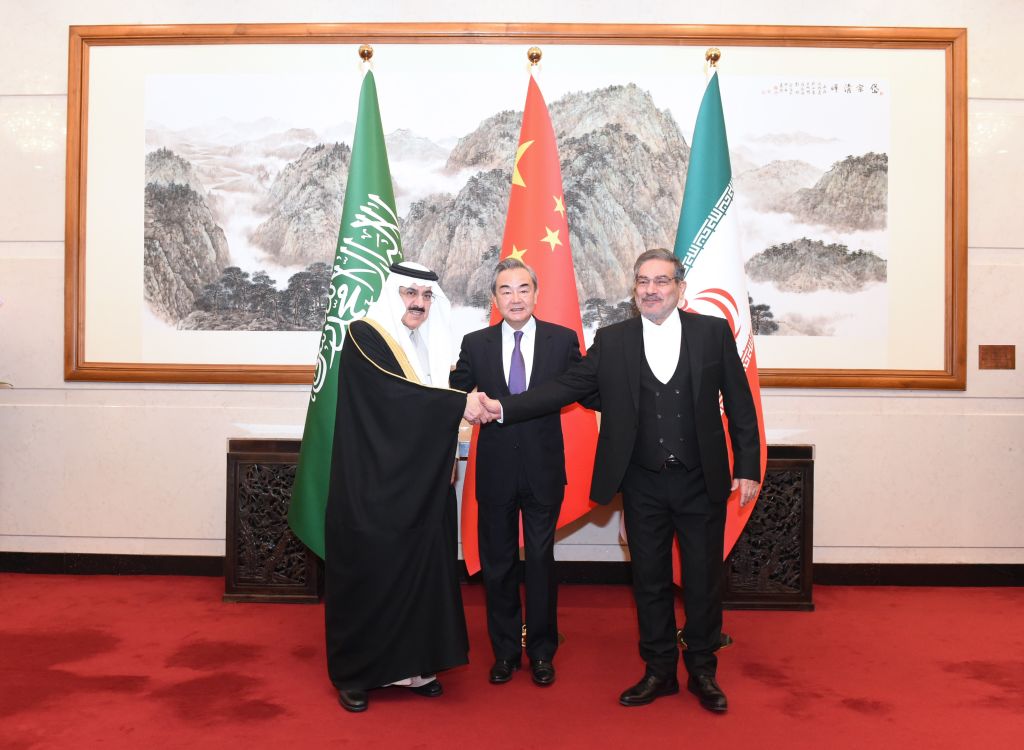
Unexpected beneficiary: The implications of the China-brokered Saudi-Iran deal for Pakistan
The implications of the apparent rapprochement between Saudi Arabia and Iran are likely to have significant consequences for vital neighboring regions like South Asia and other populous Muslim countries, including, notably, Pakistan.
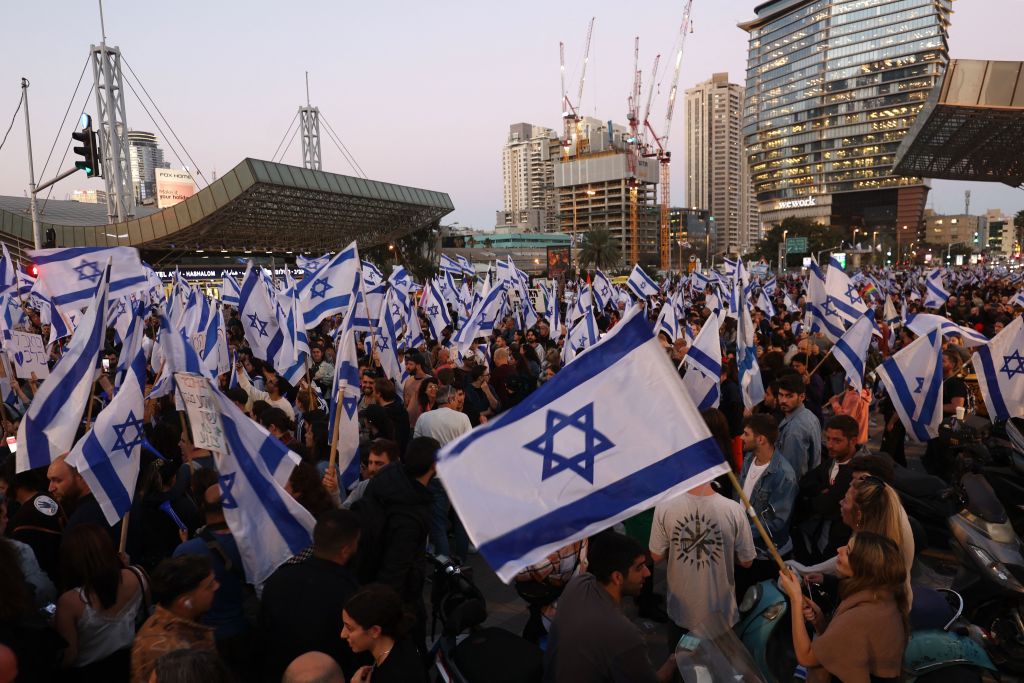
Why the Iranian public remains silent in the face of Israeli attacks
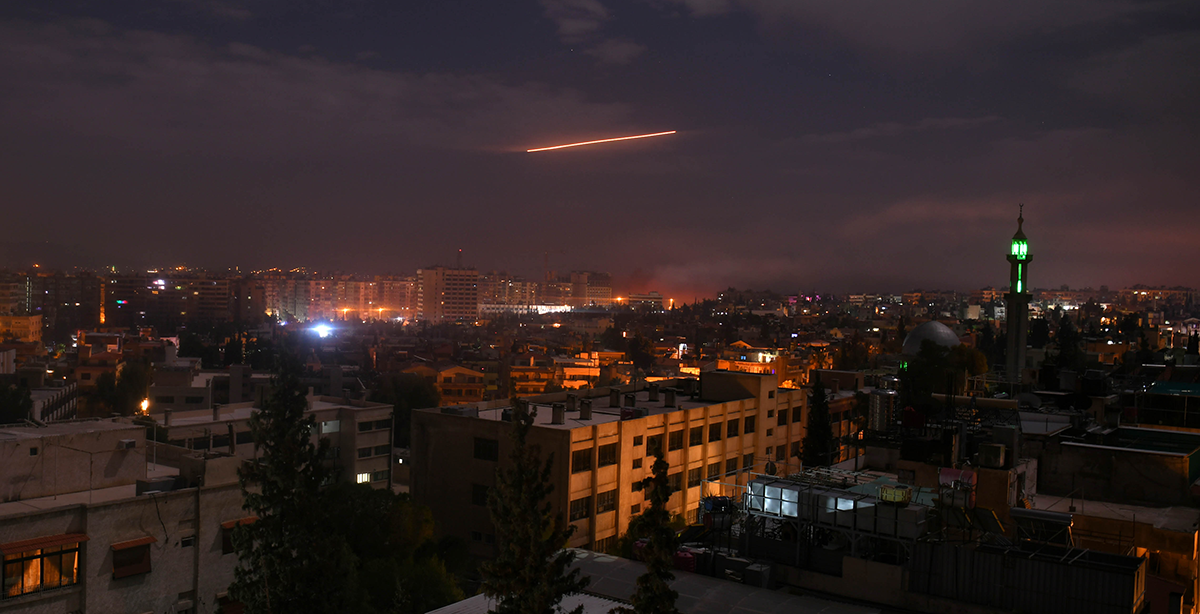
The silence from Iran is deafening. Judging by social media reactions and media reports from Iran, few, if any, members of the Iranian public seem to care that, since 2011, the Israeli air force has attacked Iranian and Iranian-affiliated positions in Syria on more than a thousand occasions, reportedly killing a number of Iranian members of the IRGC.
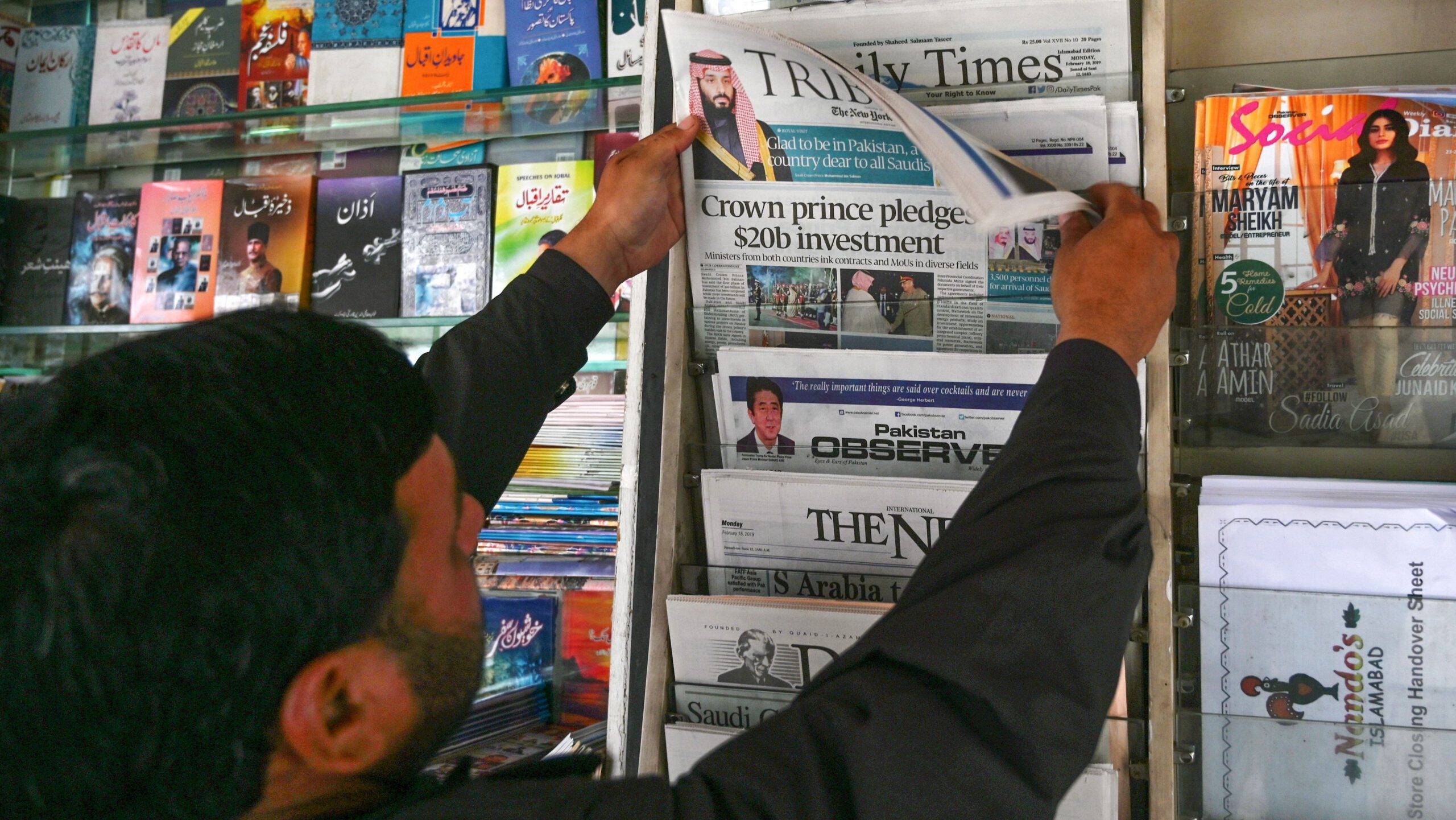
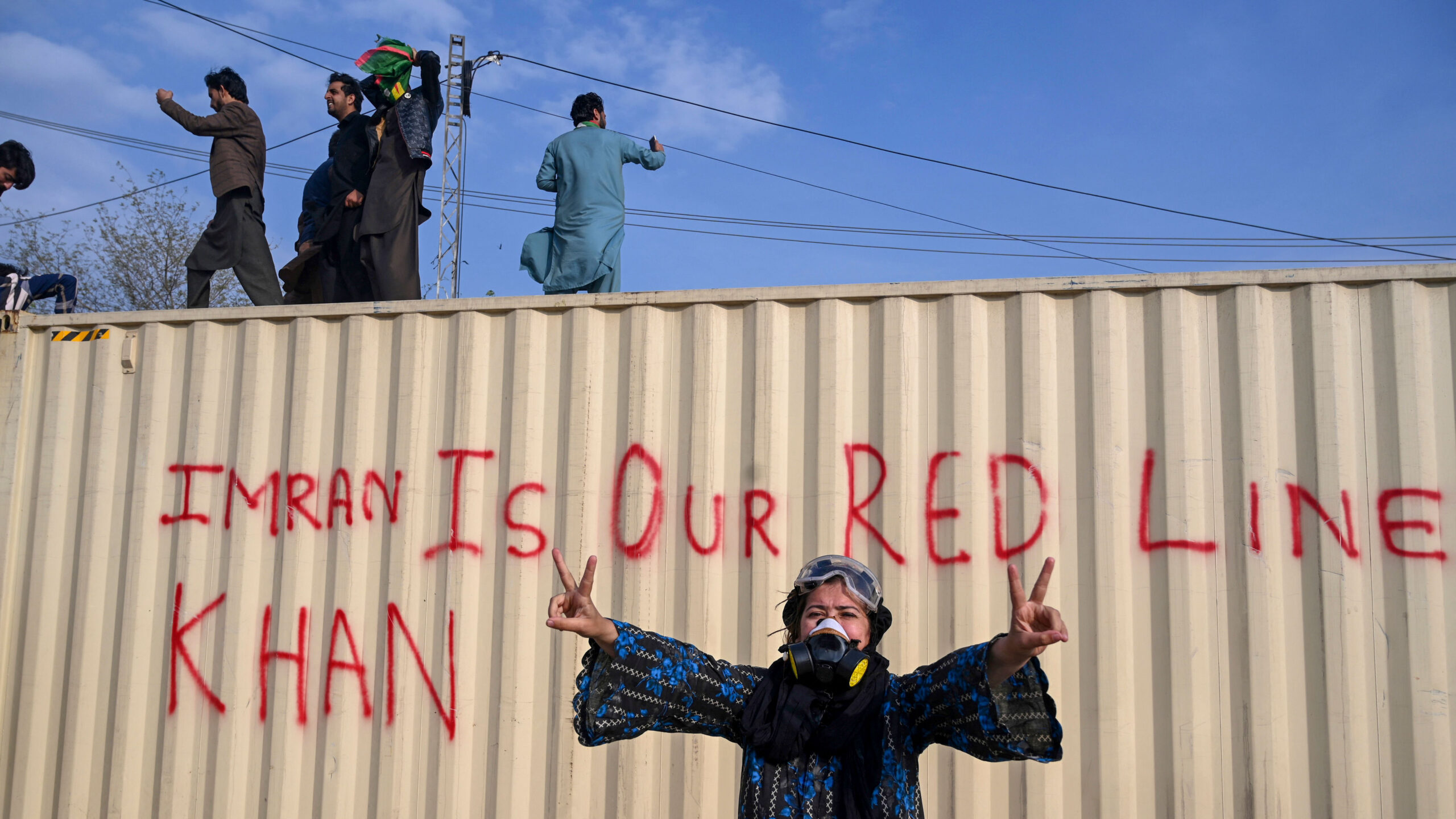
Pakistan’s democratic dilemma at the edge of a political precipice
The ongoing conflict in Pakistan between Imran Khan’s Pakistan Tehreek-e-Insaf (PTI) and Prime Minister Shehbaz Sharif’s coalition government has escalated to new heights, widened the political chasm even more, and multiplied social fragmentation in the face of public hostility to state institutions. It has also increased the likelihood of anarchy and civil war.
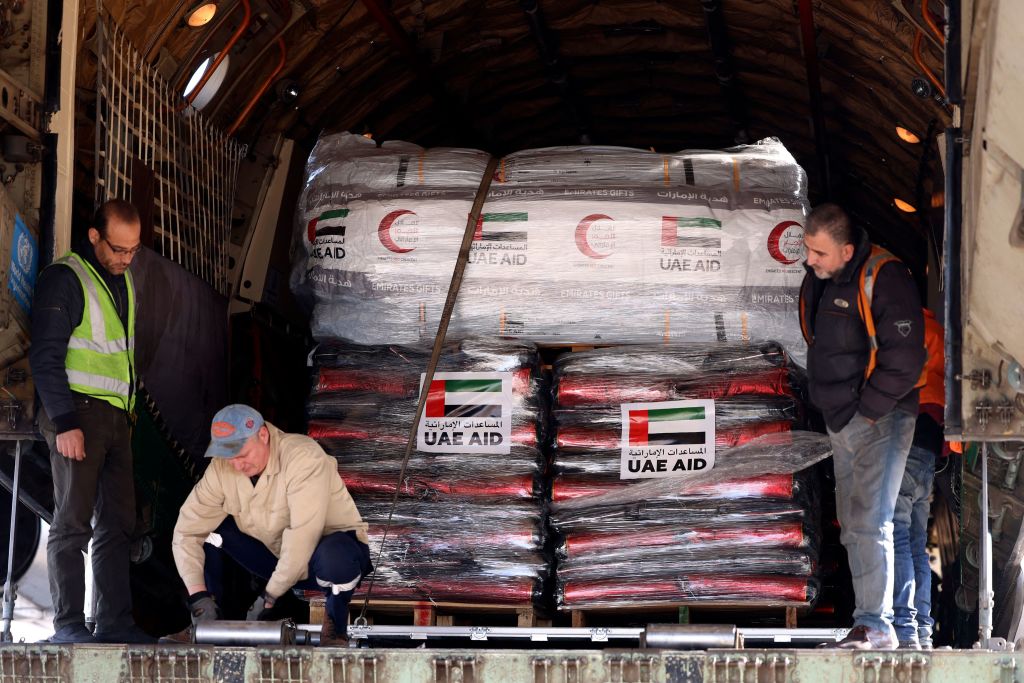
A message to the donors convening in Brussels to aid Syria’s earthquake recovery
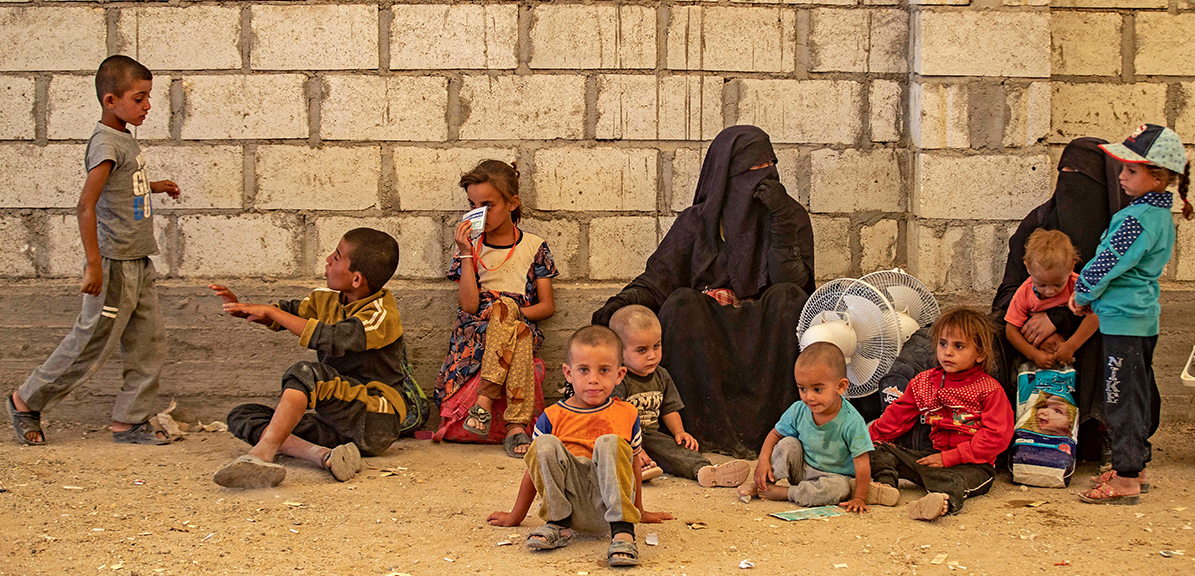
On March 20, the EU will hold an international donors’ conference in Brussels to raise funds for Turkey and Syria’s recovery from the devastating earthquakes that struck in early February. While Turkey’s foreign minister will speak before the pledging session, no one will represent or even speak on behalf of Syrians.
Russia's Influence in MENA After a Year of War in Ukraine
MEI Managing Editor Matthew Czekaj speaks with scholars Iulia-Sabina Joja, Alex Vatanka, Yörük Işık, Charles Lister, and Roger Kangas on Russia’s current standing in the Middle East a year since re-invading Ukraine.
How has Russian aggression in Ukraine redrawn Moscow’s relationships in the MENA region? And as the Middle East increasingly becomes a key area of global great power competition, is Russia still a meaningful player there, politically, economically, militarily, and diplomatically?
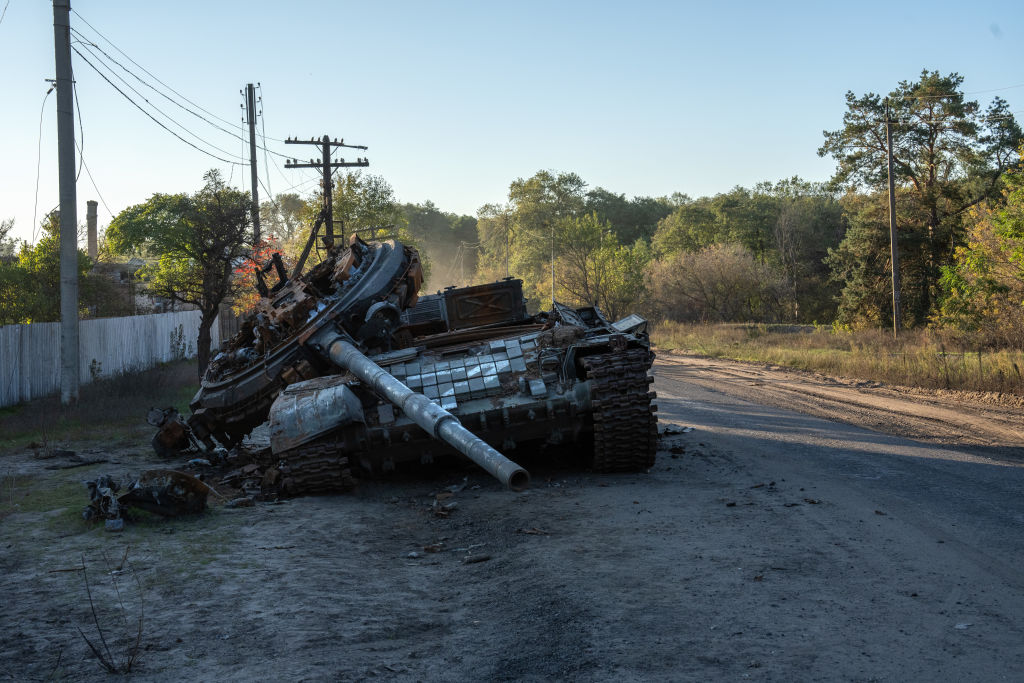
Challenges of mechanized and combined arms warfare: Lessons for Ukraine from Syria and Iraq
The difficulty of quickly providing mechanized and armored equipment to Ukraine, training Ukraine to employ this equipment in combined arms operations, and ensuring Ukraine can maintain and sustain combat power should not be underestimated. As the examples of Turkey’s 2016 military operation in Syria and the U.S. operation in Fallujah in 2004 illustrate, dislodging Russia from its prepared defensive positions will be a daunting task for the Ukrainian Armed Forces.
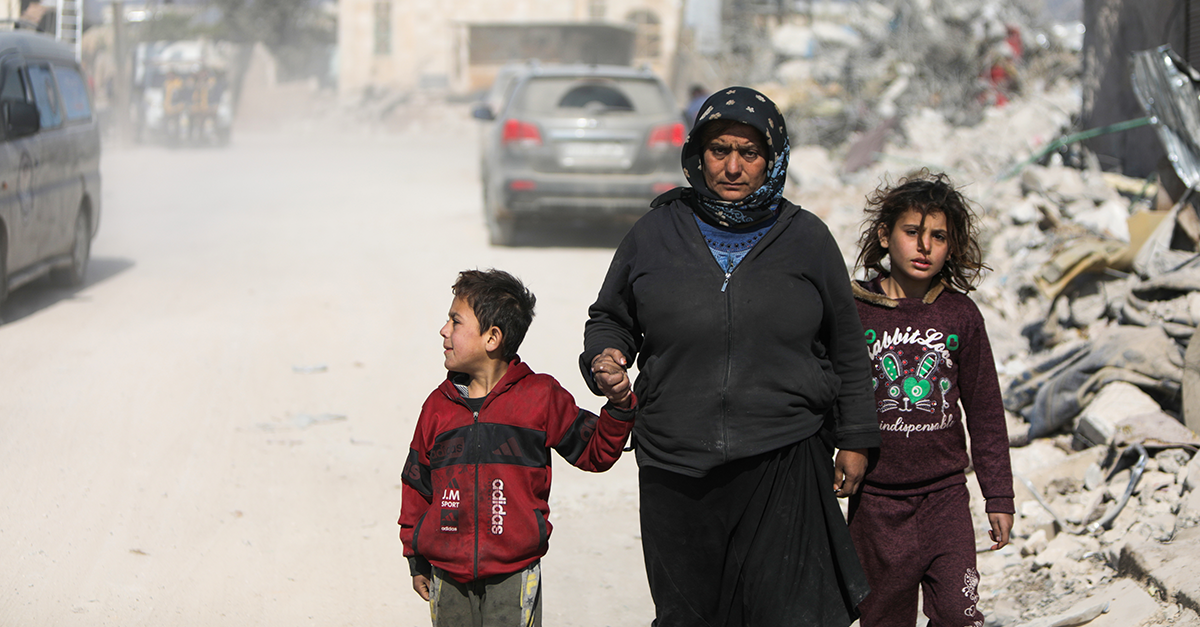
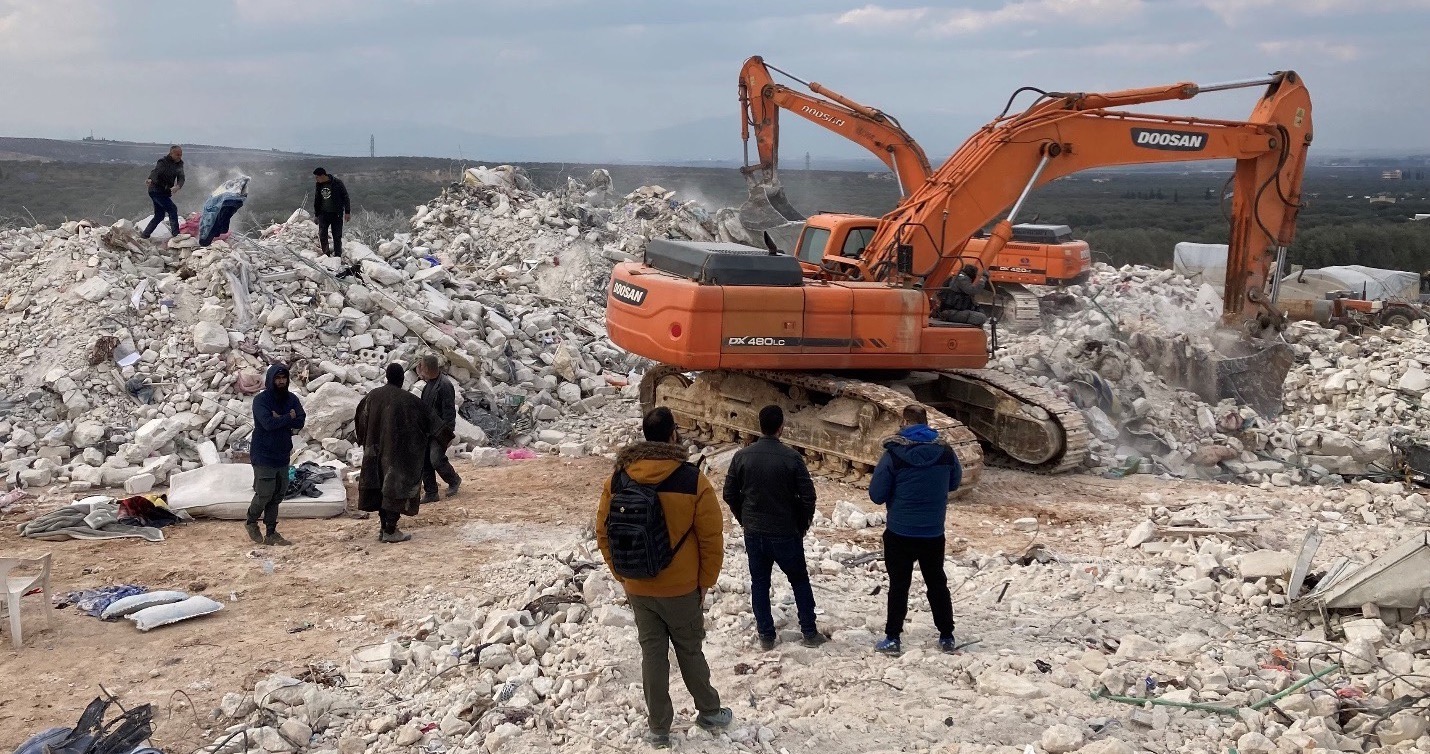
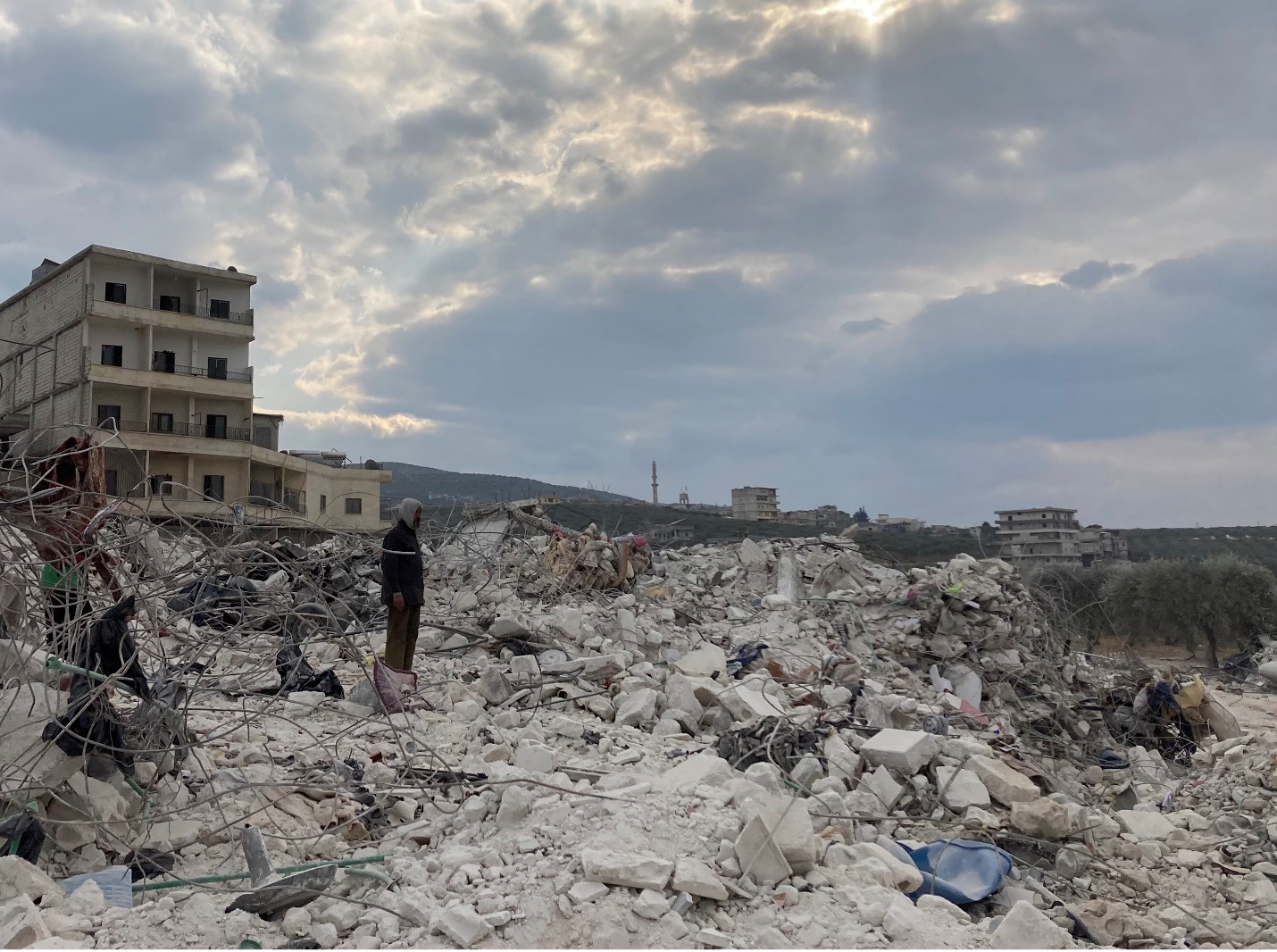
“Idlib is under siege” — this is the common sentiment shared with me by both local leaders and residents alike. The dual earthquakes on Feb. 6 not only rocked the physical foundations of the cities in Syria’s last opposition-held region, it cracked the social foundation of trust Syrians had with the international aid community.
“Please send tents and blankets”: A desperate plea from Syria’s survivors
In the center of Harem, Idlib, hundreds of Syrian families huddle around stoves and in tents as they look on at the row of collapsed apartments they used to call home. “This disaster hasn’t happened to Syria in a thousand years,” says Abu Ahmed, the director of the new camp. “The international community must witness what is happening to us and help.”