Expert Views: US diplomacy and the Israel-Hamas war
What further diplomatic steps should the U.S. take to respond to the Israel-Hamas war and its broadening regional reverberations? MEI has asked a group of former U.S. ambassadors and senior government officials specializing in the region to weigh in.
Dehumanization, lack of empathy for Palestinians is alarming—and dangerous
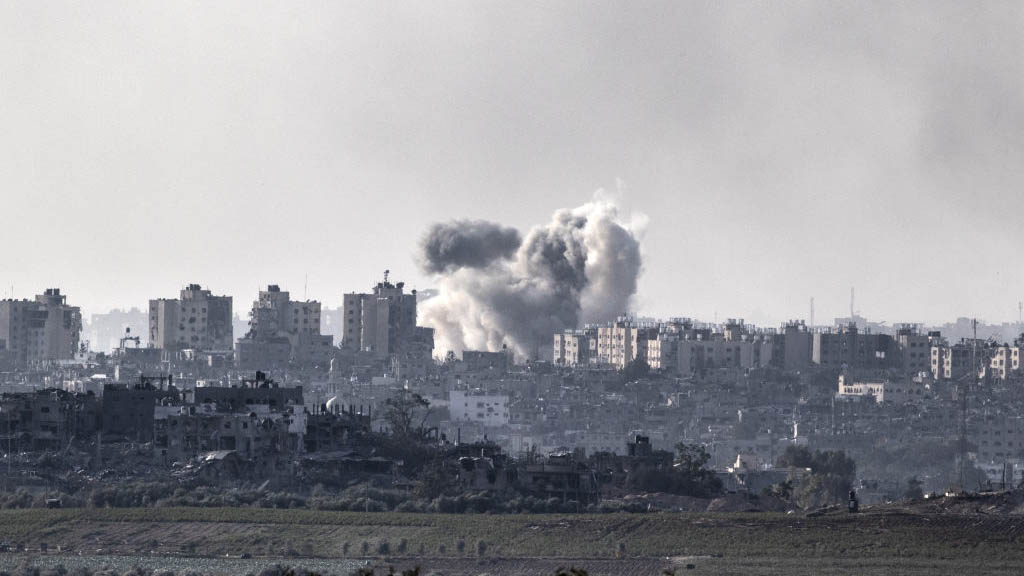
The scale and brutality of Hamas’s grisly attack on Israel last Saturday has understandably triggered a massive outpouring of sympathy and solidarity with Israel. And yet, there has been no similar outpouring of sympathy for Palestinians, who are now also dying in disturbingly large numbers.
As Israel-Hamas war begins, it’s not too late to shape this historic inflection point
Hamas’ murderous raid on Oct. 7, resulting in the deaths of more than 1,300 Israelis, mostly civilians, may well turn out to be a consequential inflection point, having unleashed political and popular forces that could lead in a positive or, just as likely, extremely negative direction.
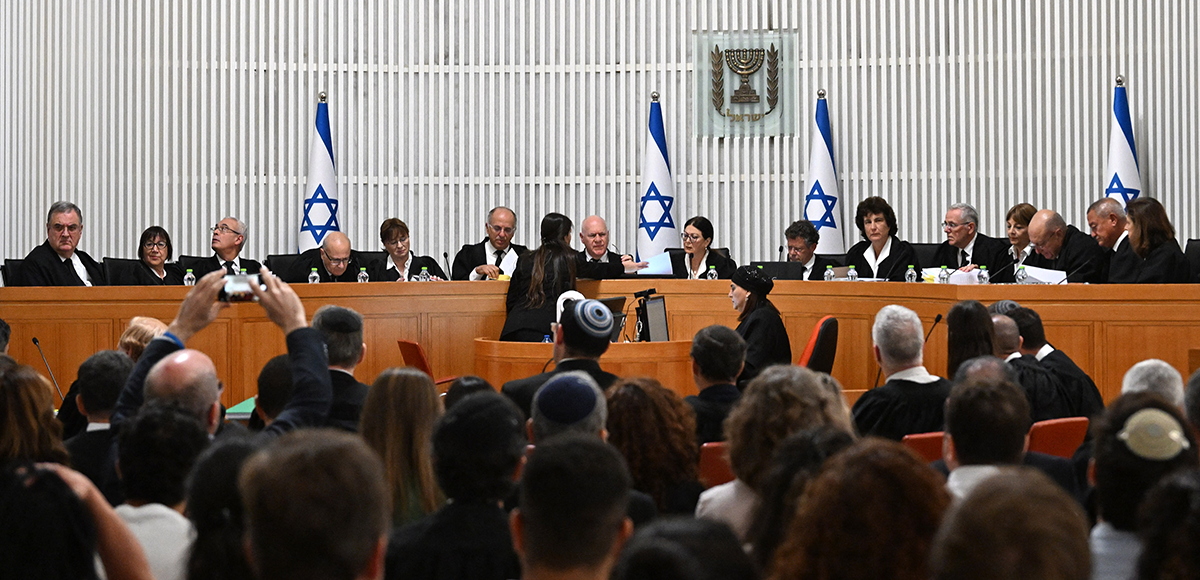
Understanding the legal drama in Israel: Will the Supreme Court prevent a constitutional crisis?
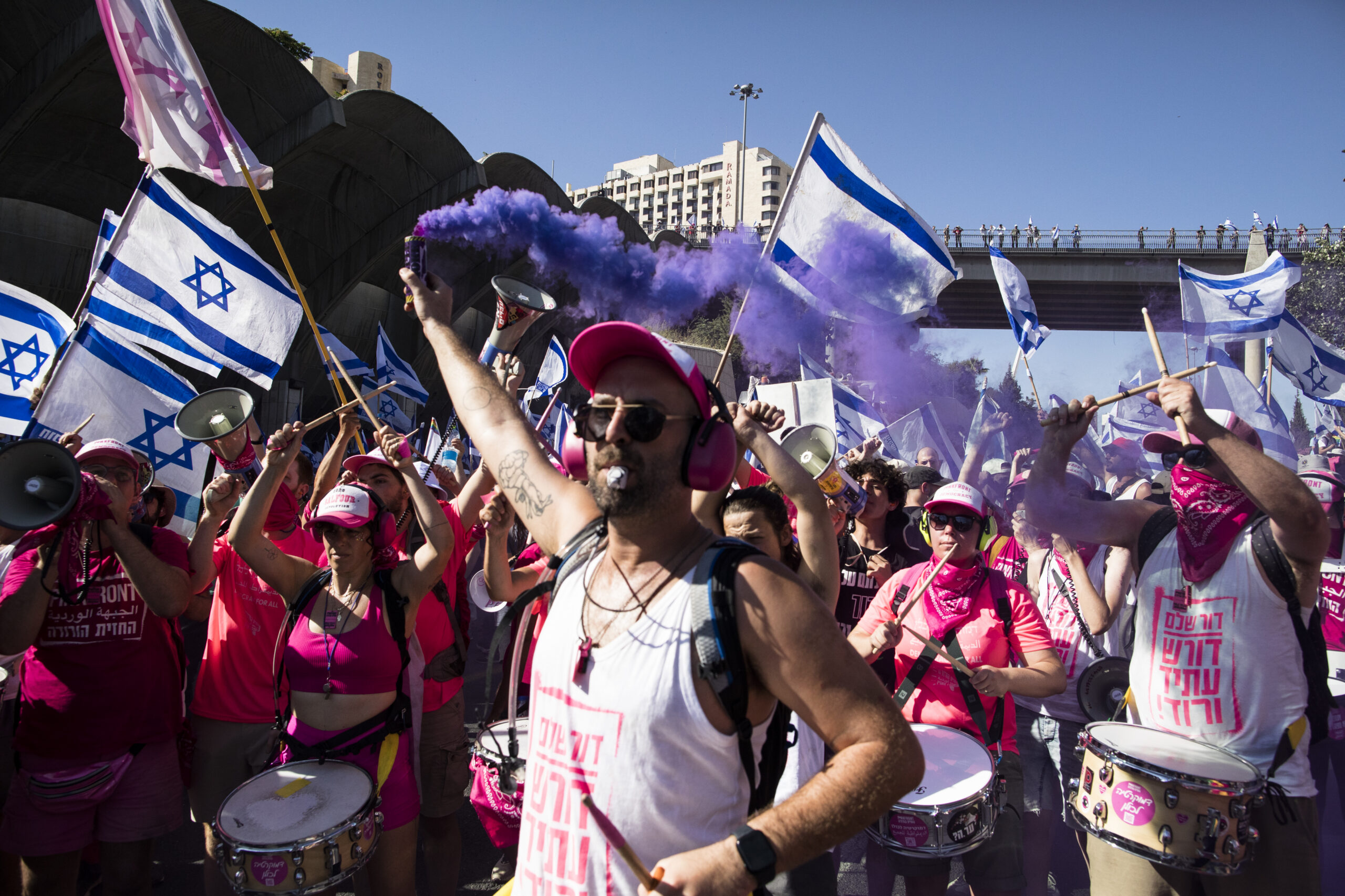
After a year of unprecedented events, Israel’s political and constitutional turmoil came to a head on Sept. 12, when the Supreme Court heard oral arguments in a critical case that will determine the future of the Netanyahu government’s judicial overhaul. The arguments concern the so-called Reasonableness Amendment, passed by Israel’s parliament in late July; this amendment to the country’s Basic Laws would partially strip the Supreme Court of its authority to review governmental acts.
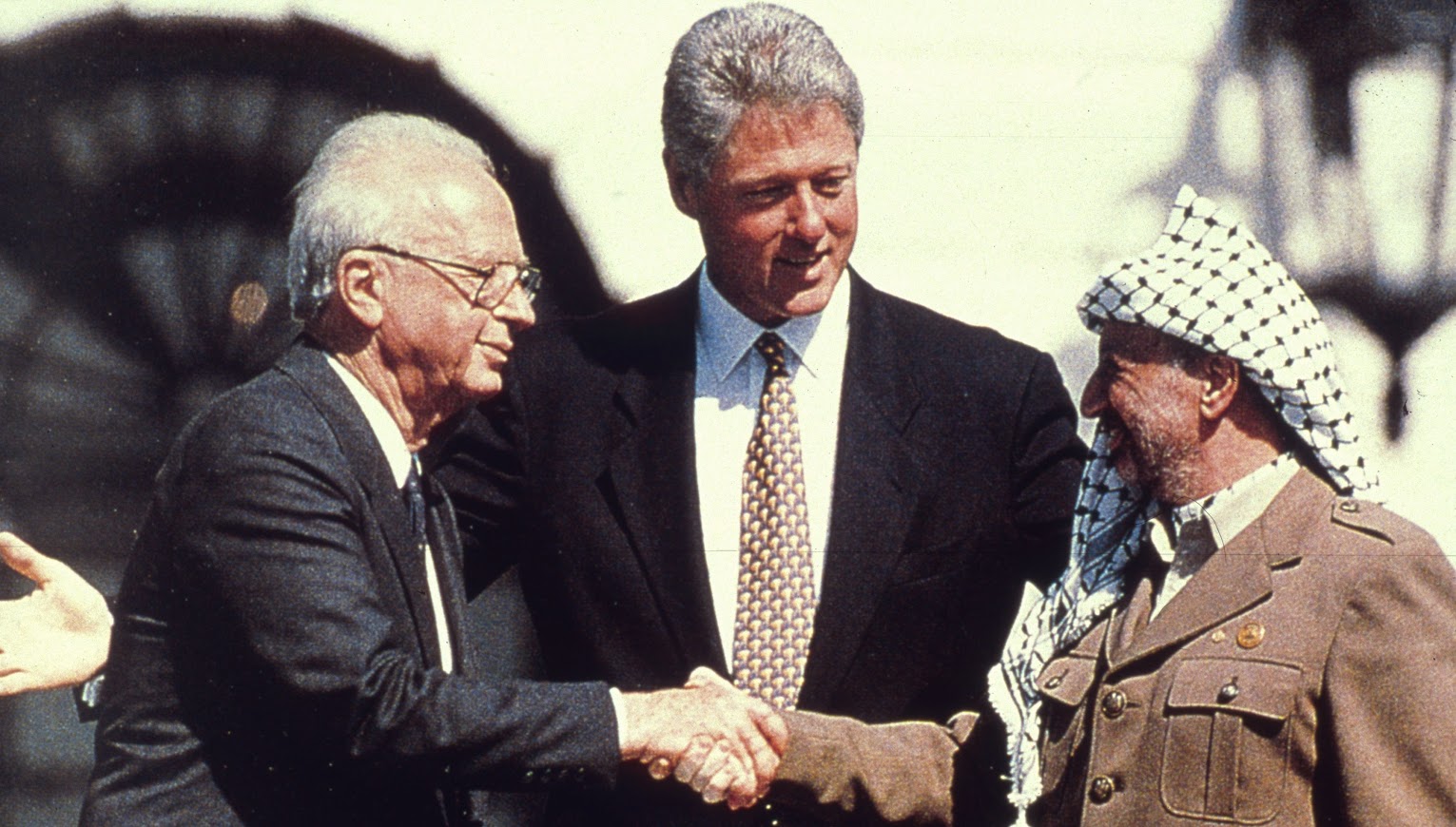
Thirty years on since its historic signing, the Oslo Accords framework continues to define virtually all aspects of Israeli-Palestinian relations as well as America’s and the broader international community’s approach to the peace process. Yet Oslo’s extraordinary longevity stands not as a testament to its utility but to its unmitigated and ongoing failure.
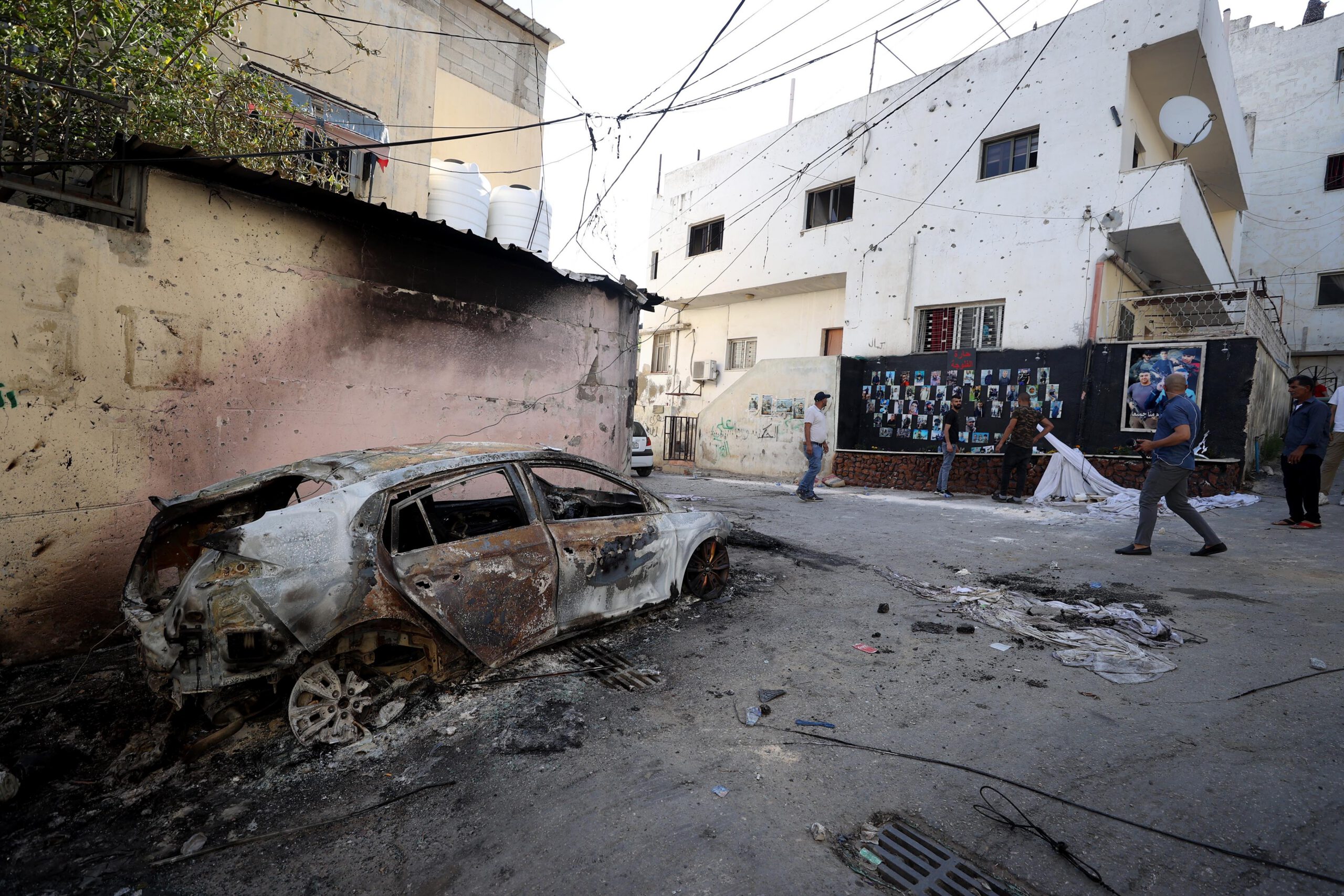
No real winners, only losers, following Israeli assault on Jenin
In the wake of Israel’s deadly assault on the Jenin refugee camp, the largest military operation in the West Bank in nearly two decades, Israeli military officials have been quick to declare victory. But contrary to such bluster, the attack produced no real winners and only losers.