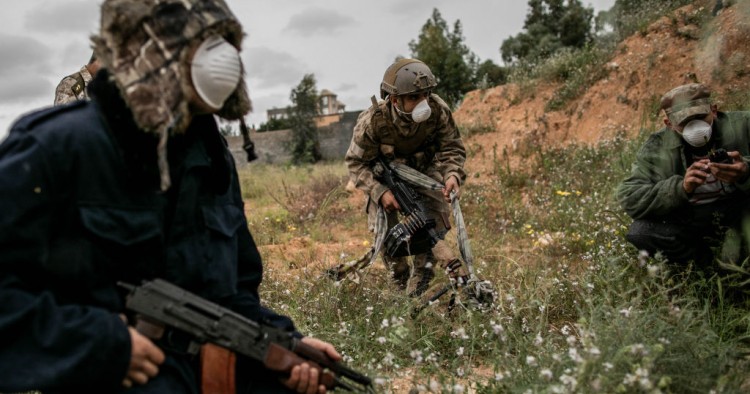
Jonathan Winer and Mirette Mabrouk join host Alistair Taylor to discuss the latest developments in Libya and the regional dynamics in play, including the role of Egypt.
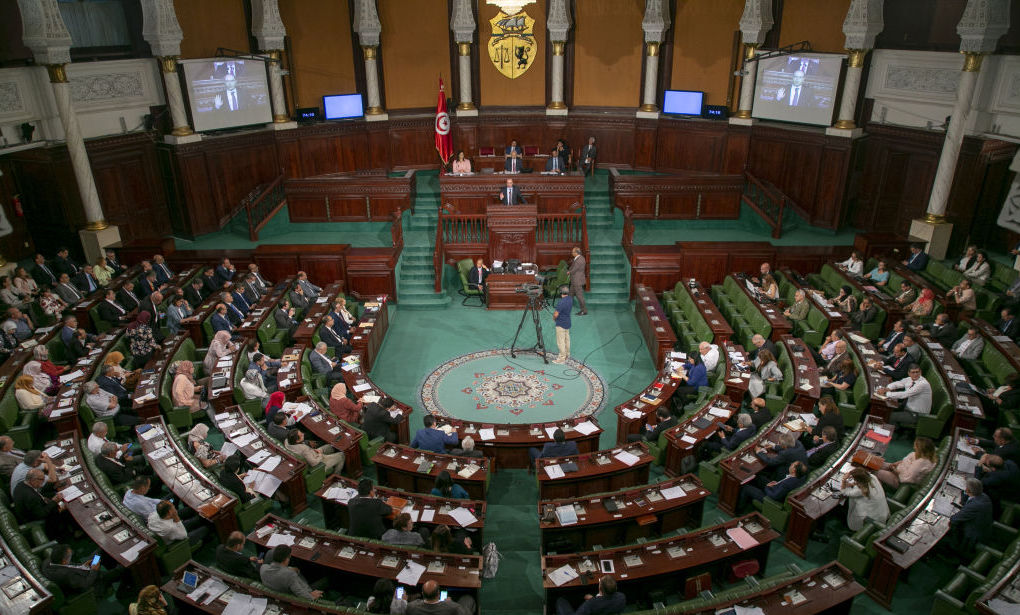
After successfully managing COVID-19, Tunisia gets back to its old problems
Tunisia seems to have avoided the worst of the first phase of the global coronavirus crisis. And yet whatever the final tally of the pandemic might be, its consequences will only add to a host of existing problems that have beset the North African country in recent years, including political instability, a stalled economy, security threats, and financial woes.
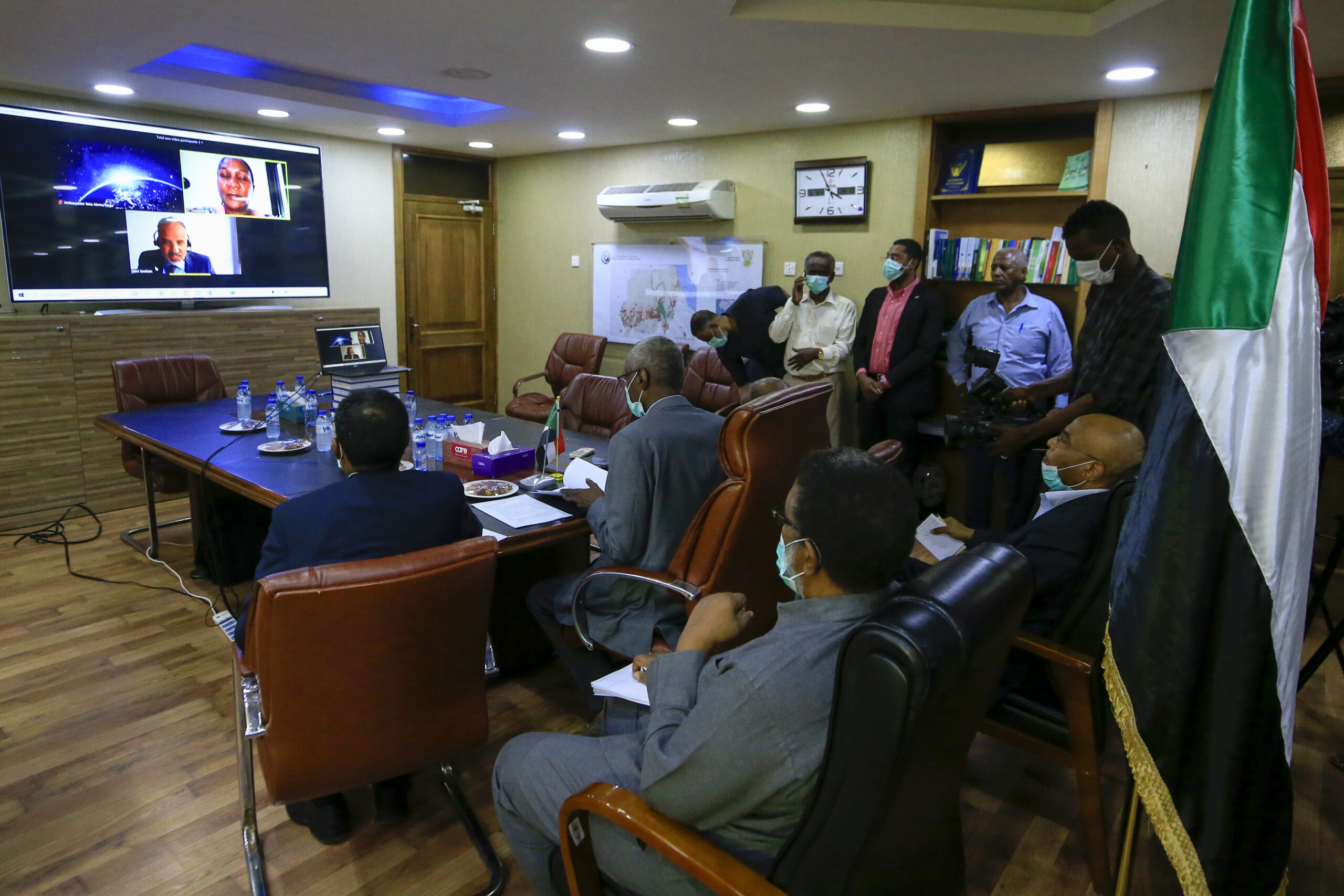
MEI’s Mirette Mabrouk and Guled Ahmed join host Alistair Taylor to discuss the ongoing dispute between Egypt, Sudan, and Ethiopia over the Grand Ethiopian Renaissance Dam (GERD), recent developments in Somaliland, and changing dynamics in the Horn of Africa.
Monday Briefing: GERD talks continue, but political will is still lacking
This week’s briefing on recent news and upcoming events in the region featuring Mirette F. Mabrouk, Marvin G. Weinbaum, Gonul Tol, Alex Vatanka, and Gerald Feierstein.
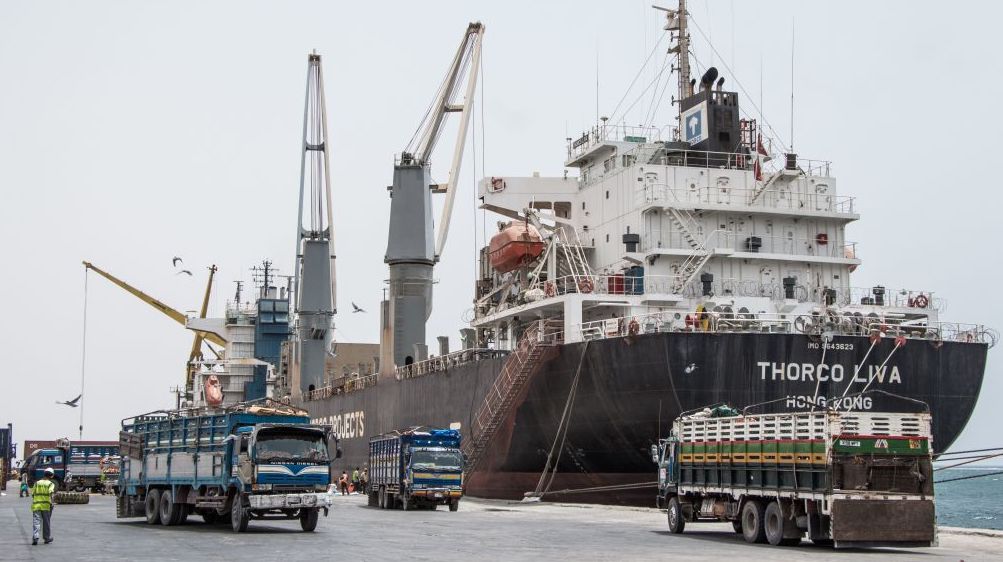
Somaliland’s ports: The Horn of Africa’s most valuable real estate
Berbera and Zeila, two of the Horn of Africa’s ancient trading cities, have long attracted the interest of global powers because of their strategic location near the Bab el-Mandeb Strait connecting the Gulf of Aden and the Red Sea. This location makes Somaliland’s coastal ports among the region’s most valuable real estate.
Monday Briefing: Red lines and rising tensions in Libya
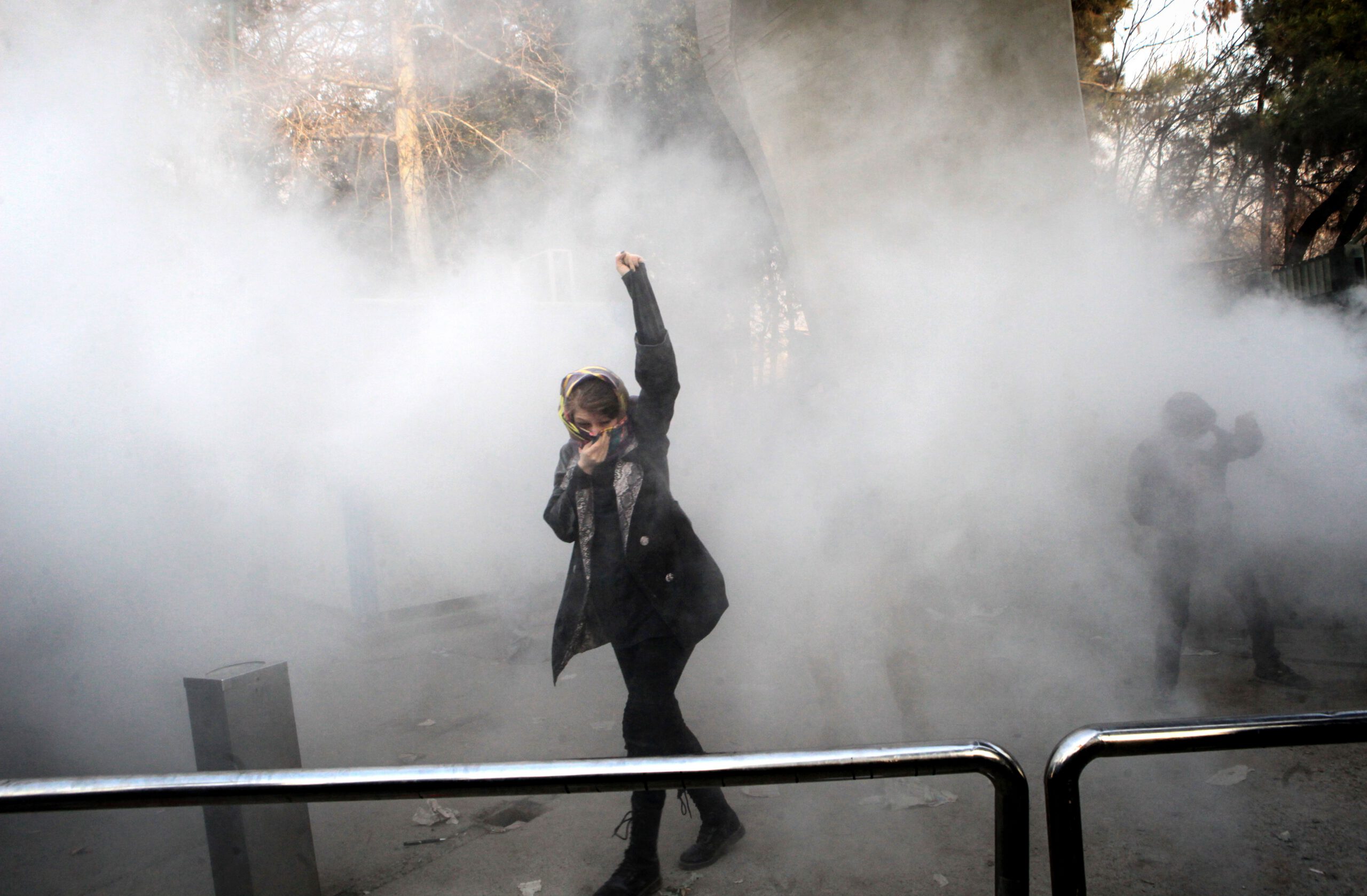
In this week’s Monday Briefing, MEI experts Mirette F. Mabrouk, Robert S. Ford, Nazila Fathi, and Marvin G. Weinbaum provide analysis on recent and upcoming events including rising tensions in Libya, economic turmoil and anti-regime protests in Iran, and the Jordanian high court’s decision to dissolve the Muslim Brotherhood.
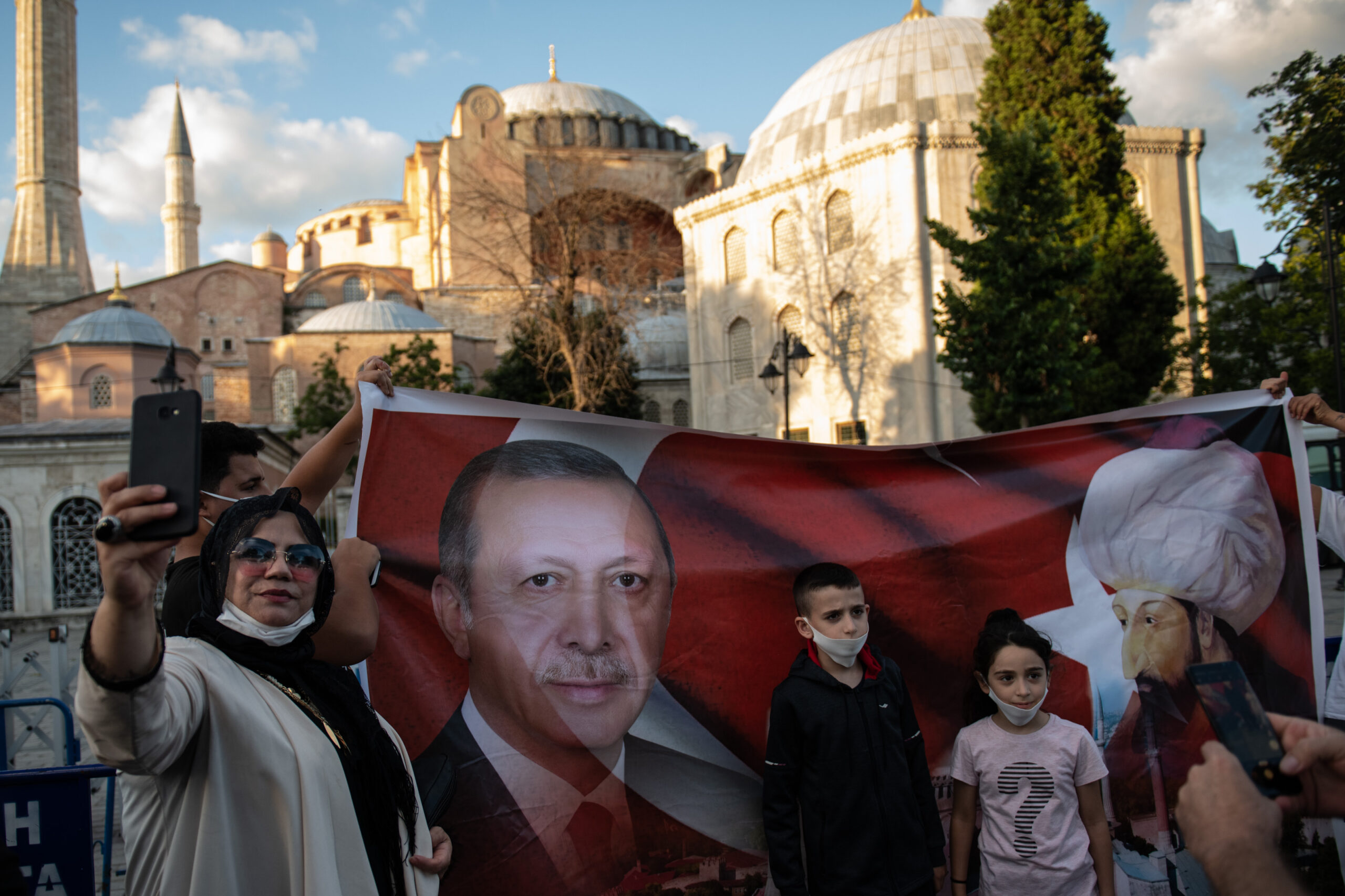
Monday Briefing: Erdoğan and the “symbolic war” over Hagia Sophia
This week’s briefing on recent news and upcoming events in the region featuring Seren Selvin Korkmaz, Marvin G. Weinbaum, Mirette F. Mabrouk, Robert S. Ford, and Nilsu Goren.
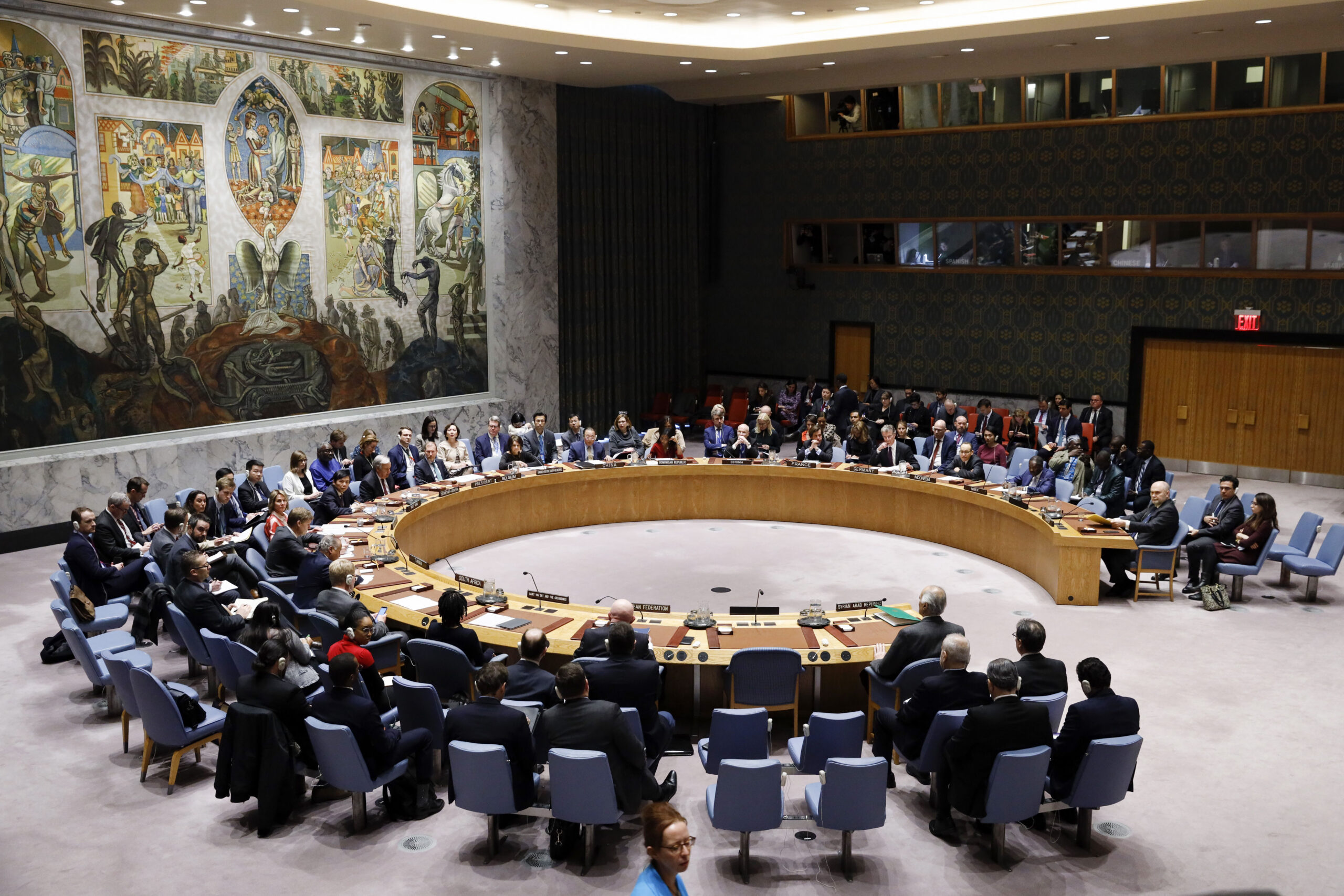
Monday Briefing: The UN Security Council must act now to save northwest Syria
This week’s briefing on recent news and upcoming events in the region featuring Dara Conduit, Marvin G. Weinbaum, Mark Heller, Syed Mohammad Ali, Gonul Tol, and Guled Ahmed.
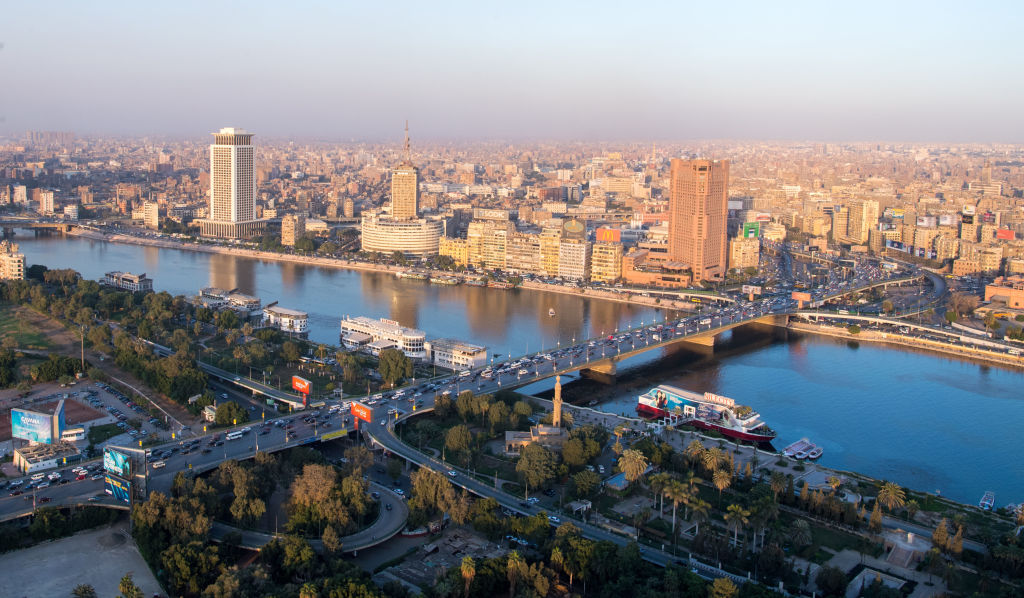
Egypt’s path forward from the pandemic’s economic fallout
Today marks almost three months of a global shutdown to curb the spread of the COVID-19 pandemic, and the Middle East and North Africa region faces a double whammy from the resulting economic fallout and the sharp decline in oil prices this spring. While Egypt is rightly focused on its short-term response to the crisis, it should take advantage of the international and regional shock caused by the pandemic to change its growth model for the longer term and implement much-needed structural reforms on a variety of fronts.
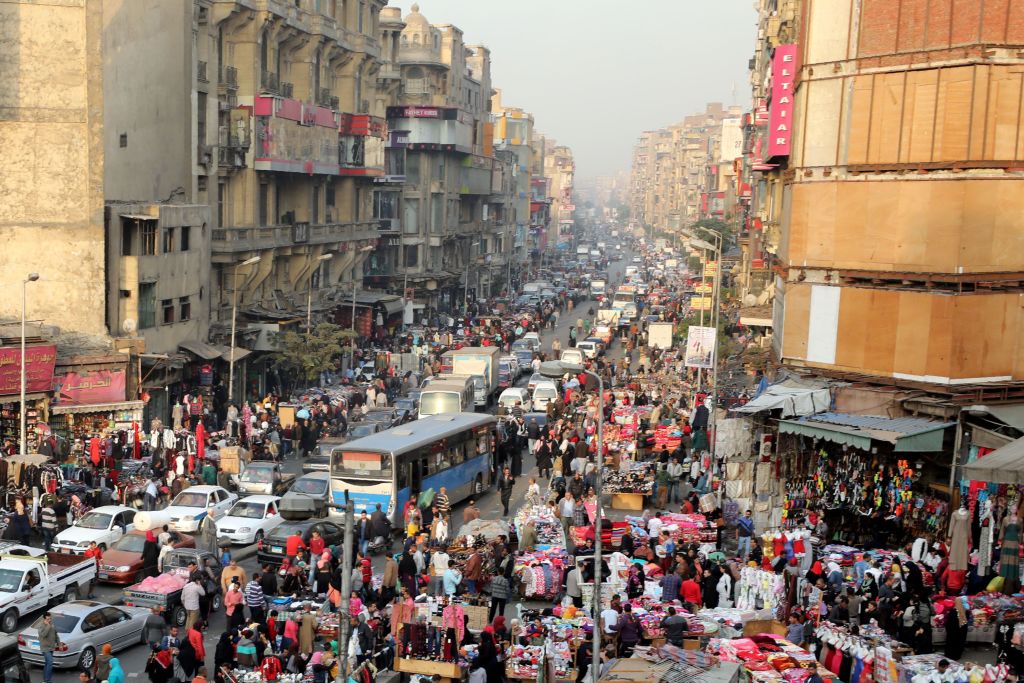
Egypt’s sizeable informal economy complicates its pandemic response
The lockdown conditions have meant that demand for the services of informal market laborers has declined, leaving them with no means of making a living and no form of insurance or savings to fall back on.
Are the foreign patrons of the Libyan war ready to end it?
Absent major military escalation by his foreign patrons, Khalifa Hifter has now lost the war he initiated against Libya’s internationally recognized government in Tripoli. The question remains, however, of how to end Libya’s proxy war and restart the necessary political process to bring about sustained peace.
Mirette Mabrouk and Dr. Sherif Kamel join host Alistair Taylor to discuss Egypt’s economy and the role of entrepreneurship. Like countries across the Middle East and North Africa, Egypt has been hit hard by the coronavirus pandemic and the economic fallout is likely to be severe.
Egypt’s potential perfect storm: Pandemic, recession, returnees, and remittance losses
A possible influx of returnees from the Gulf swelling the ranks of the unemployed is bad enough, but it also comes with a serious complication — the possible loss of remittances.
Salafism Meets Populism: The Al-Karama Coalition and the Malleability of Political Salafism in Tunisia
The nascent research on political Salafism suggests that it can often be much more pragmatic, flexible, and malleable than both the quietist and the jihadist Salafist strand and can sometimes show a certain openness to other political actors and ideologies. The case of the Tunisian al-Karama Coalition (Dignity Coalition) indicates that the new (tactical) openness of some politicized Salafists can also extend to populism. In this article, the authors locate the rise of al-Karama within the context of Tunisia’s successful but still incomplete and “bumpy democratic transition.”