Making sense of the Taliban’s counterterrorism assurances
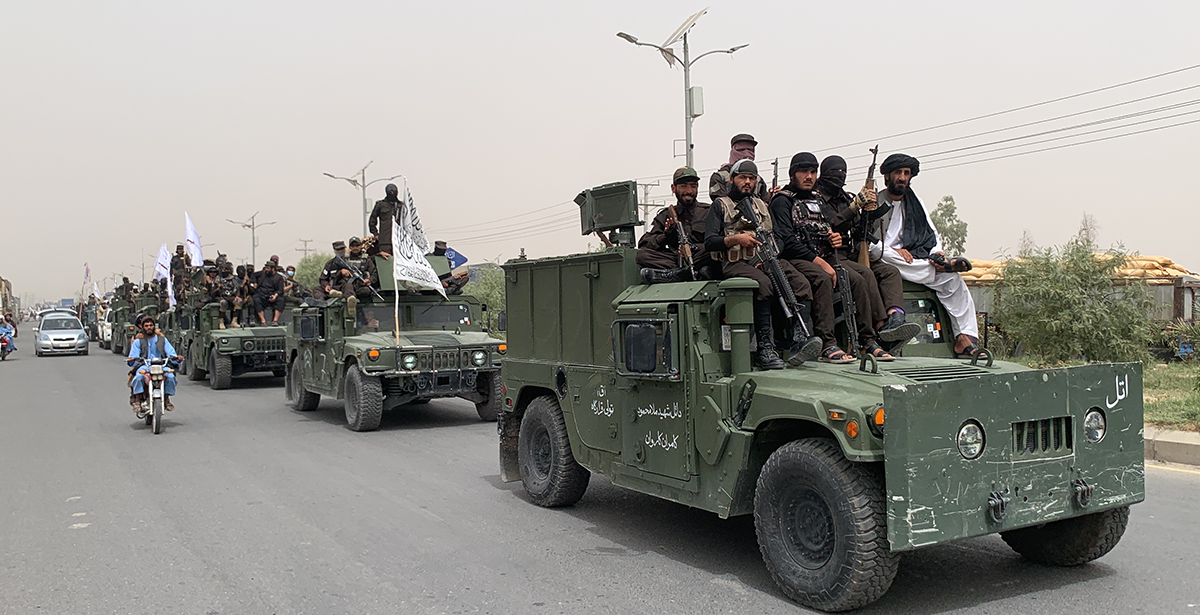
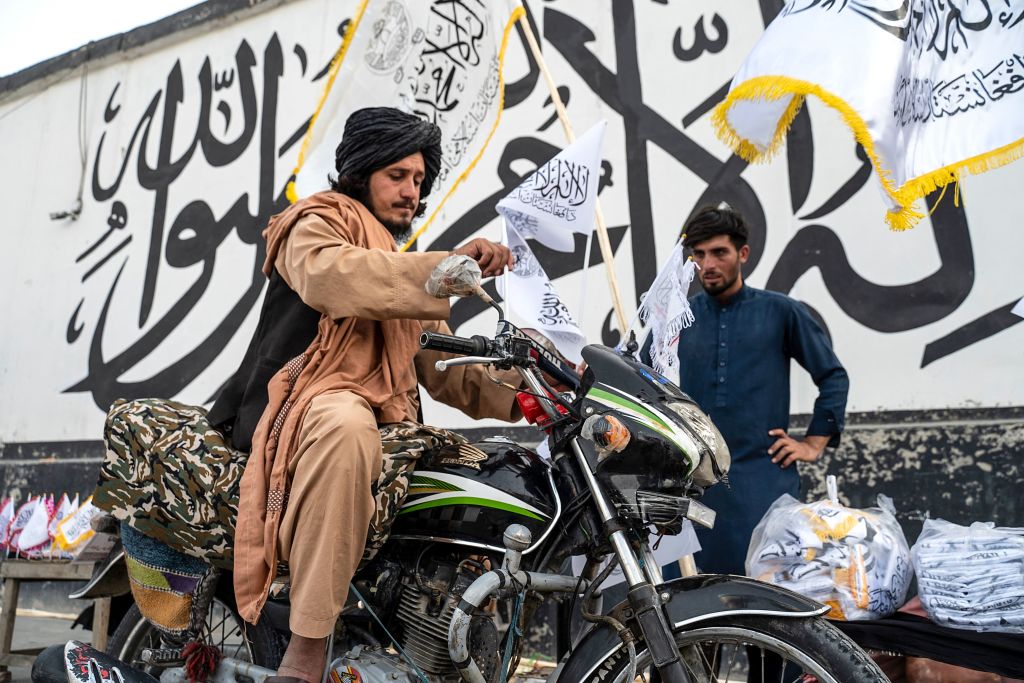
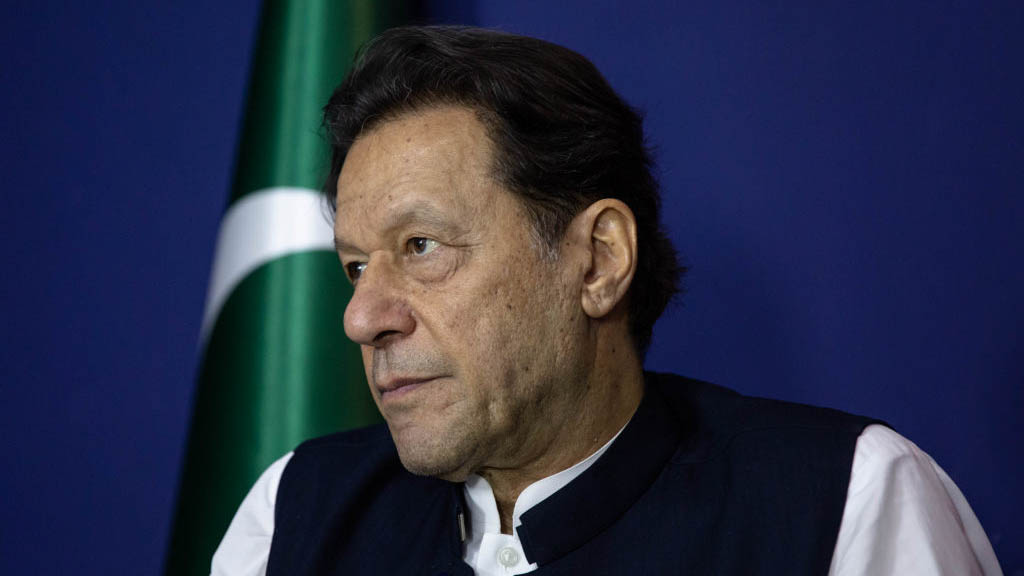
Two years on from the Taliban’s takeover of Kabul, Afghanistan’s neighbors are increasingly concerned that their return to power has emboldened terrorist groups and networks, which are using the hospitable environment to regroup, rearm, and recruit substantially. The main question now for Afghanistan’s neighbors in the region, and the international community more broadly, is just how reliable the Taliban’s counterterrorism assurances to other states really are.
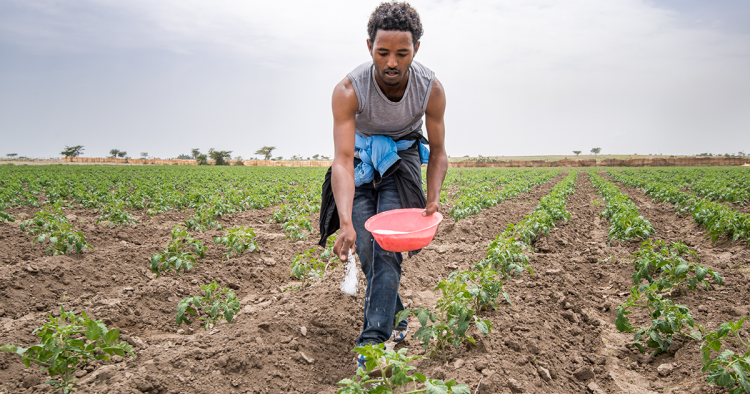
It is Niger's food crisis that requires international intervention
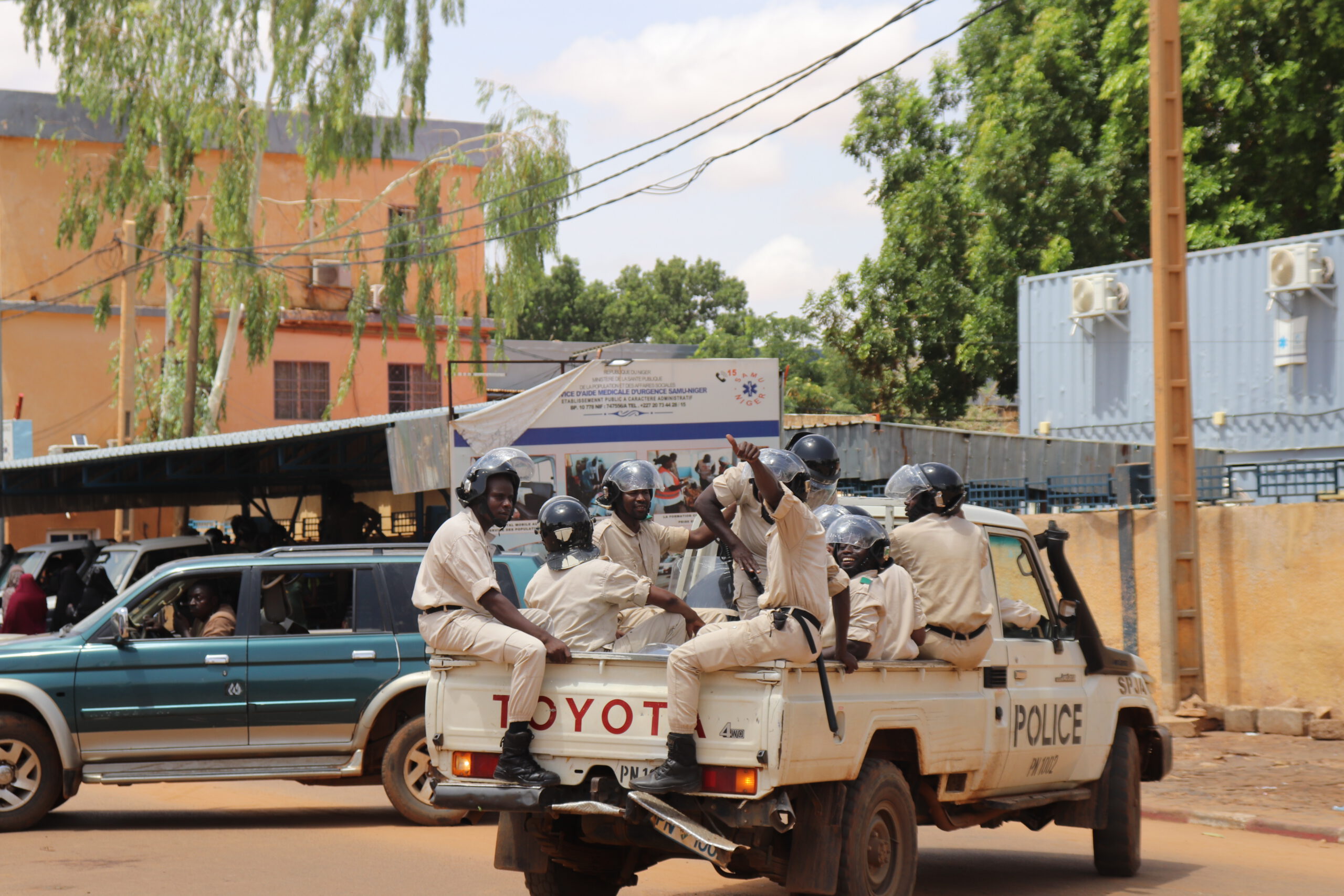
Niger’s new junta may be days away from facing an intervention force from its neighbours, as the Economic Community of West African States, or Ecowas, backed by France and other western nations, seeks to restore Niger’s ousted President, Mohamed Bazoum.
In North Africa, Startups and NGOs Drive Local Innovation. What Is Missing?
Innovation is often cited as the prerequisite for development, growth, and prosperity. New ways to improve on existing practices and approaches, curiosity, and the ability to carry that forward into new ideas, discoveries and inventions help economies thrive, populations develop, and lives prosper. In the North African context, innovation is charting an uneven course. This human ability to improve, build, and innovate is at times fed by state institutions or hindered by them.
Regional Environmental Cooperation Between Israel and Its Neighbors
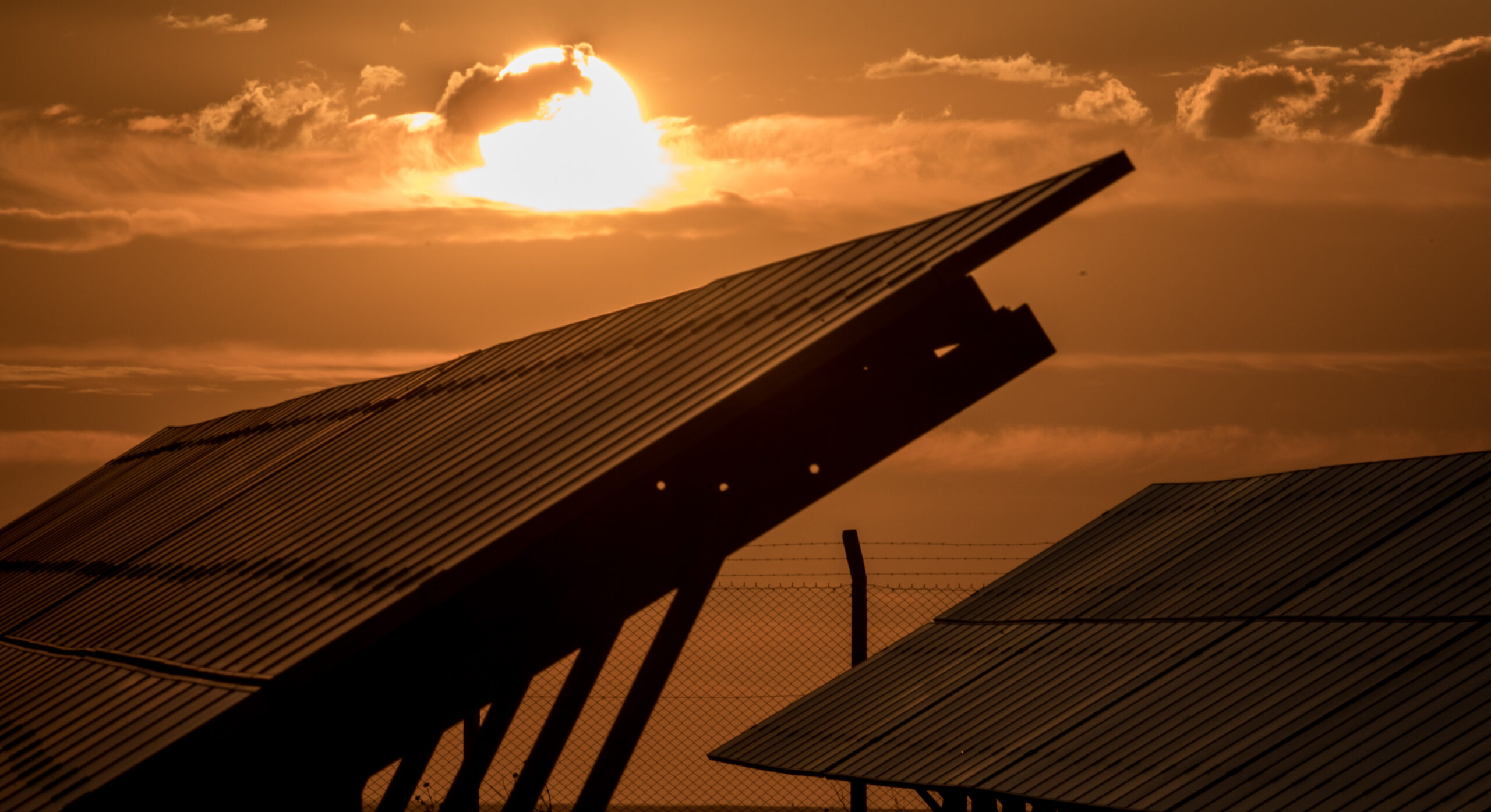
As environmental challenges become a priority for countries across the Middle East and the Mediterranean, this creates new opportunities for regional environmental cooperation, including between Israel and its neighbors. Despite being limited in scope and facing several key obstacles, regional cooperative endeavors are taking place, including on both the bilateral and multilateral levels, and efforts to sustain and expand them are underway. This new report, written under the auspices of the Israel Climate Forum, addresses the importance of regional environmental cooperation in the Middle East and Mediterranean, examines the scope of such cooperation between Israel and its neighbors, and spells out opportunities, obstacles, and recommendations for increased coordination and joint action, including the role the U.S. and Europe can play.
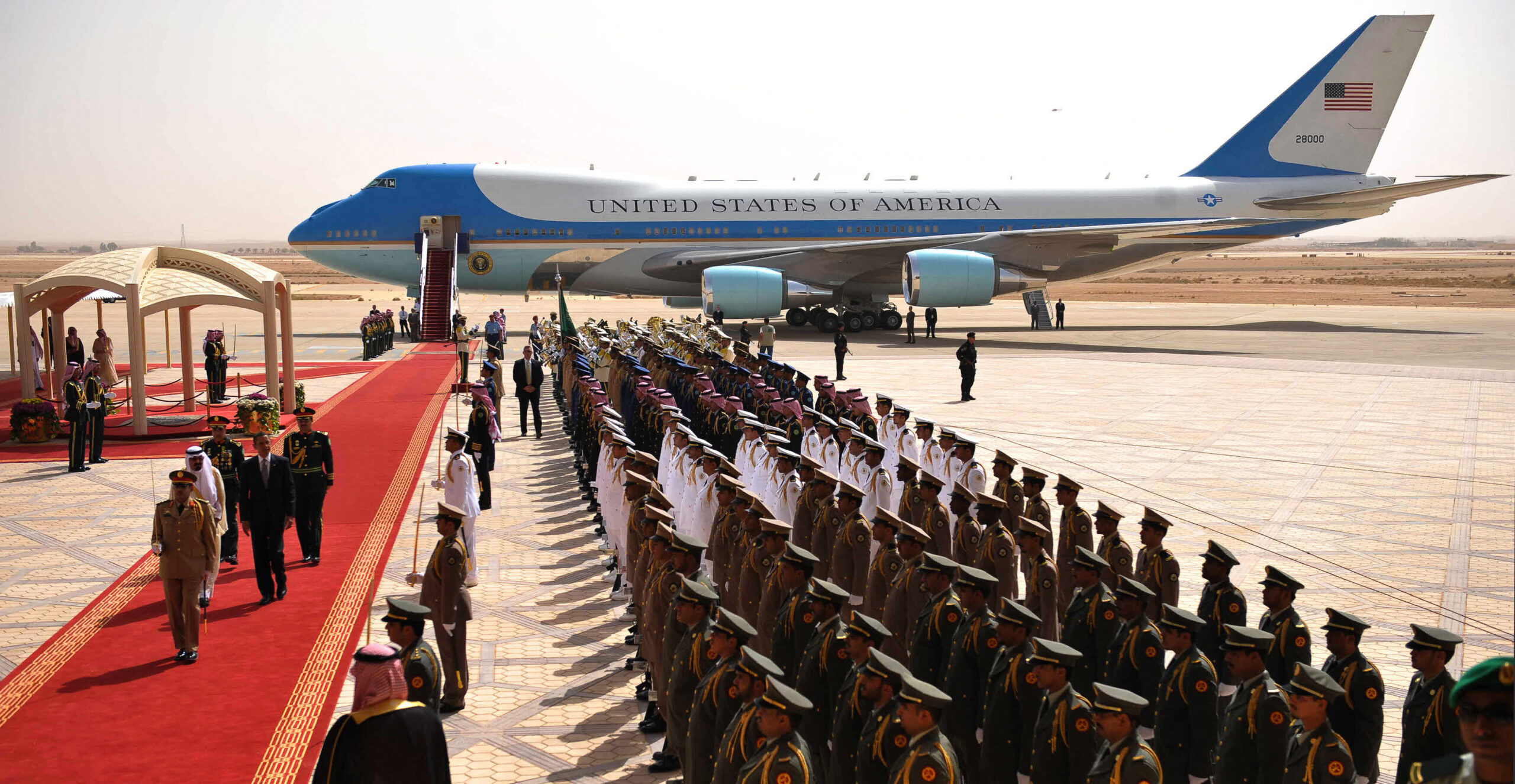
July 4 from abroad: The many ages of America in the Arab world
From the past century until today, the U.S. has cast a long shadow in the Middle East region and relations have gone through many highs and lows. It is important to be aware of this trajectory to better understand the relationship today; and perhaps there are lessons to inform the future of the relationship in the coming century.
Gender parity in the Middle East is still many decades away, but it will largely determine the future of economic, social, cultural, and political development in the region.
According to multiple media reports, Taliban anti-narcotics units have managed to effect a drastic reduction in opium cultivation in Afghanistan. Assisted by armed Taliban soldiers, stick-wielding personnel are hopping from one opium-growing field to another, destroying standing crops in a large number of provinces. Overseen by international media, such operations may have resulted in an almost 80 percent reduction in opium cultivation this year in the country, which not long ago accounted for 85 percent of the world’s opium.