Could Russia support US-Iran negotiations? An indirect opportunity worth exploring.
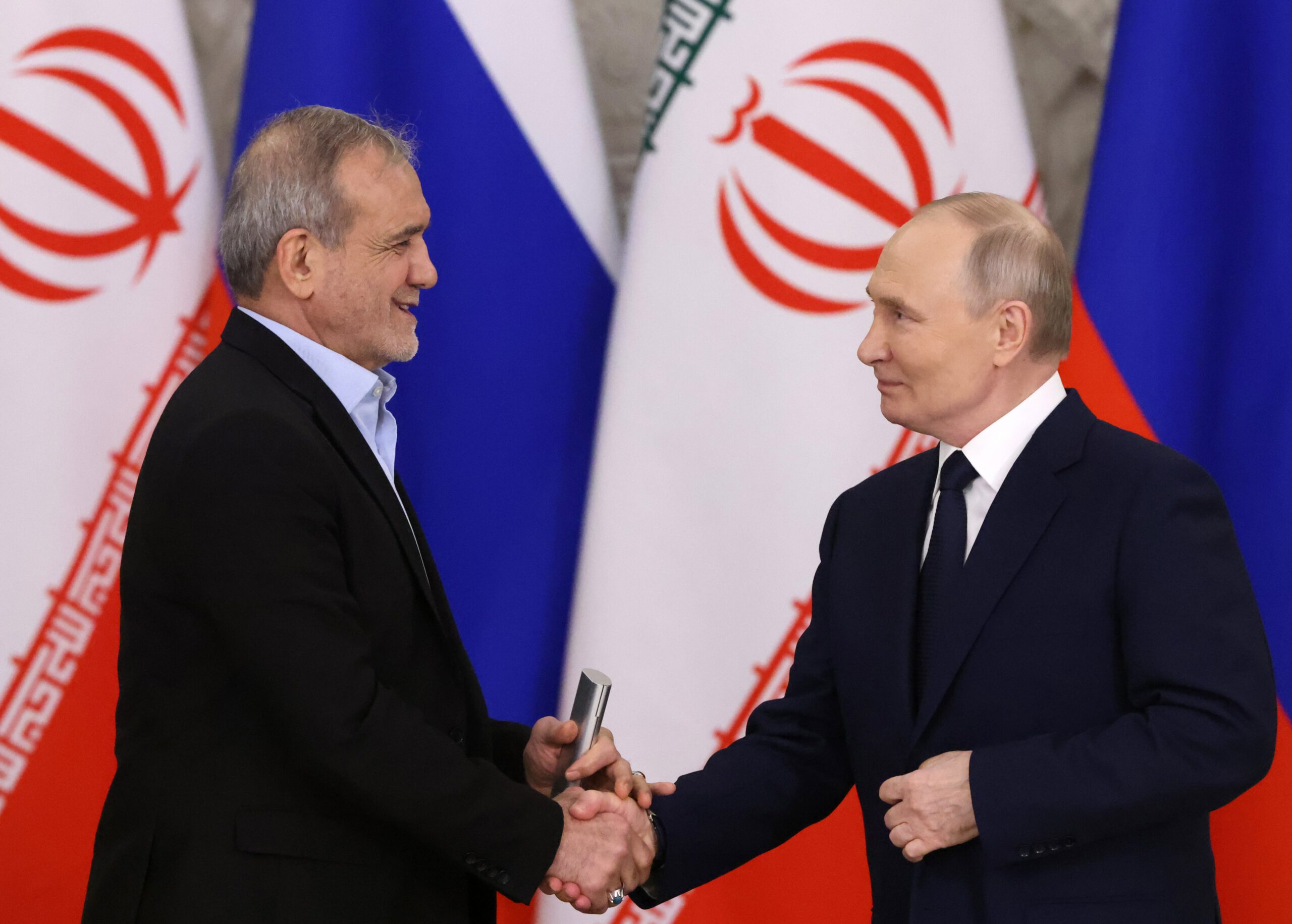
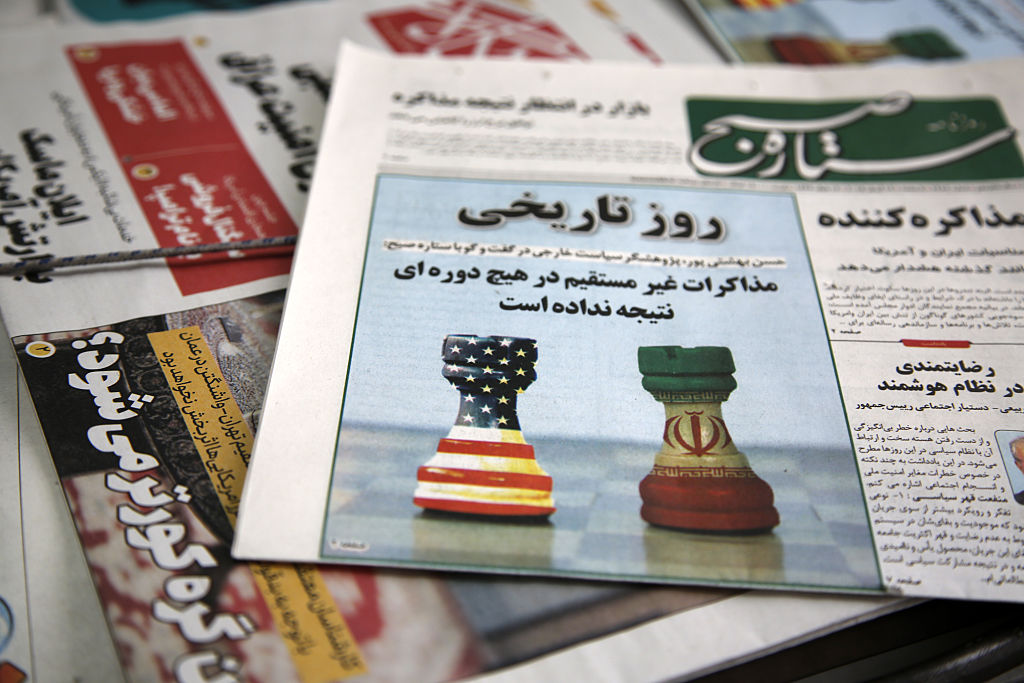
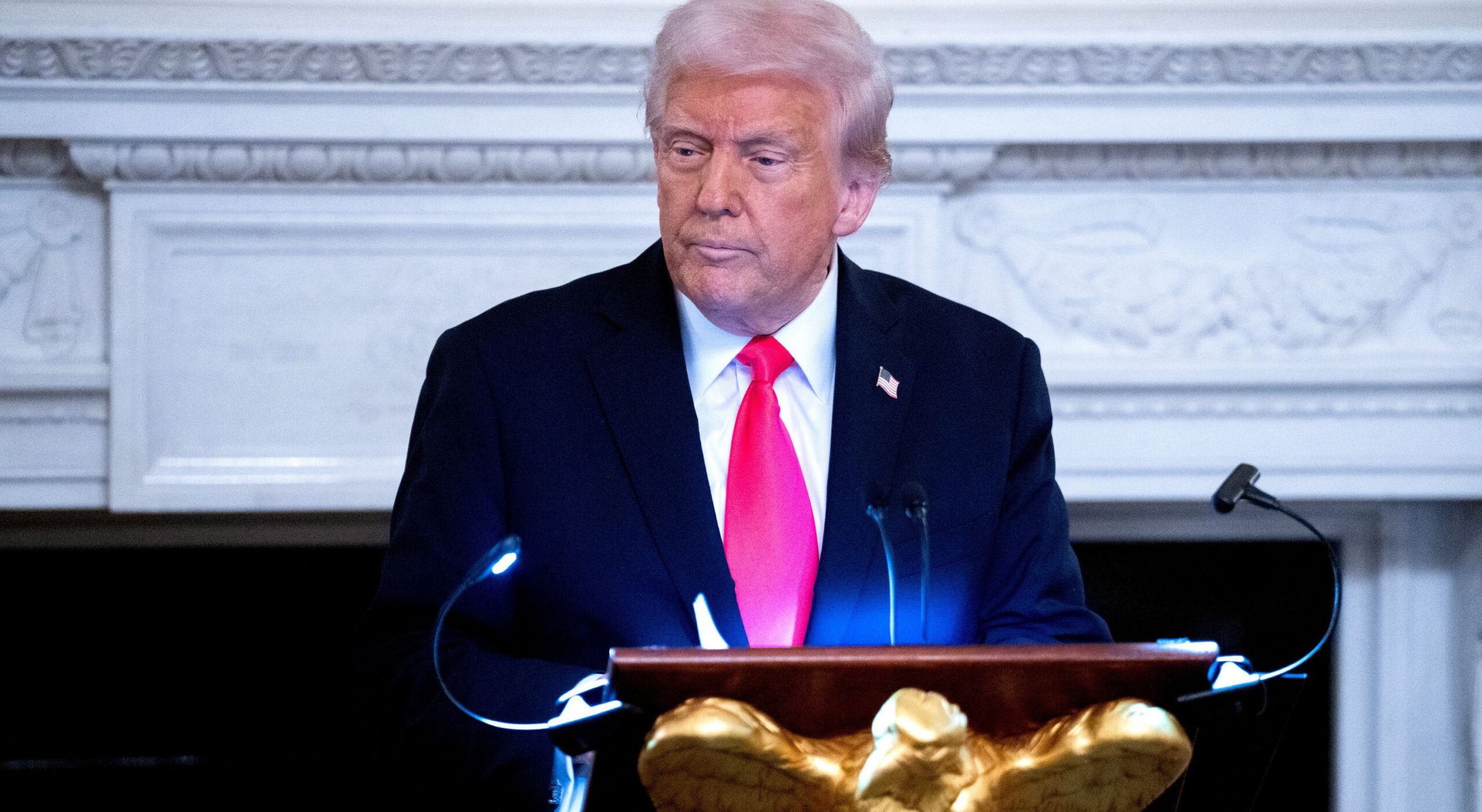
On April 12, the United States and Iran wrapped up their first round of renewed diplomatic talks in Muscat, with round two set for April 19, in Rome. In the interim, Iranian Foreign Minister Abbas Araghchi is in Moscow to coordinate with the Russians. But the real breakthrough will not come from nuclear talks alone — it will require confronting the region’s most explosive fault line: the Iranian-Israeli standoff. Russia claims it can help.
Thinking the unthinkable: Improved US-Iran relations under Trump?
It is no surprise that both Iran and the United States have approached their first diplomatic engagement in four years with wariness. There are plenty of reasons to be skeptical about the probability of the negotiations culminating in a deal. But it would be a mistake to assume that the conditions in 2025 are the same as existed in 2015. Time is not on the Iranians’ side now and changes afoot in the Middle East and the broader global community give Iran an incentive to move toward an agreement, assuming that Washington is sincere and realistic in its negotiations with Tehran.
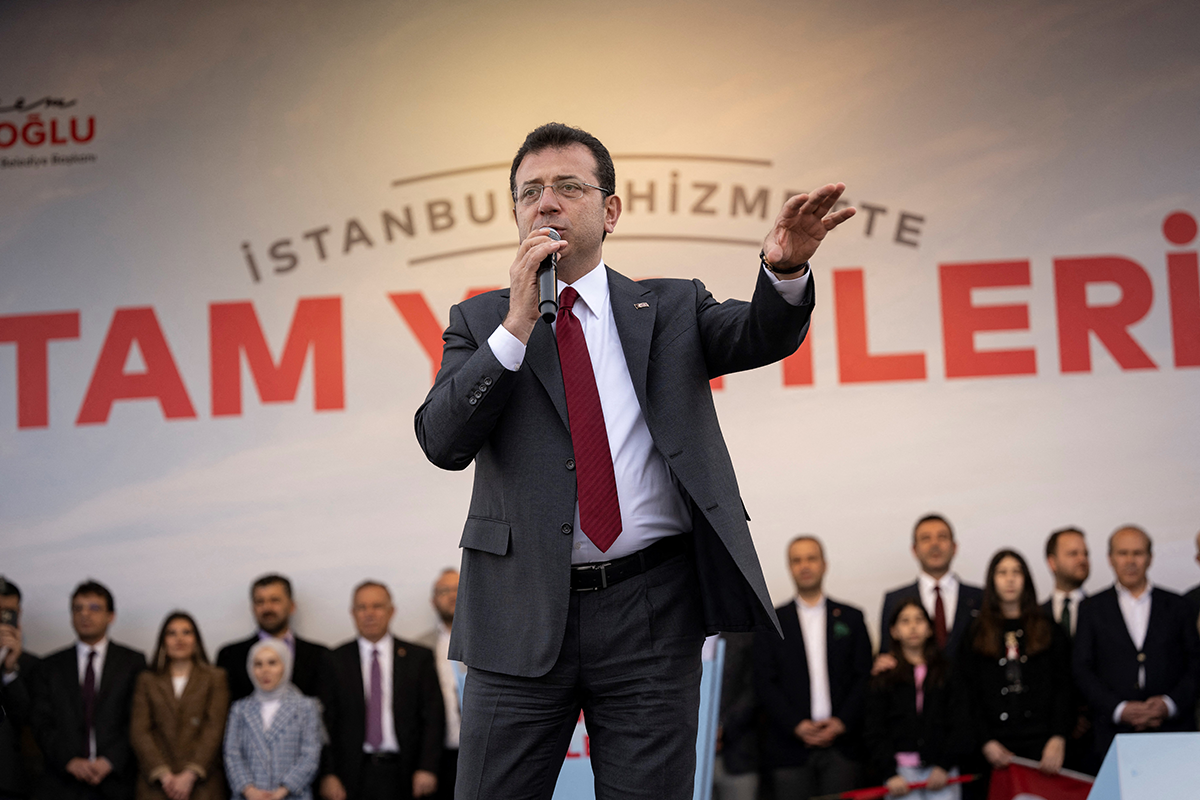
لعدة أشهر، حاولت الحكومة التركية تحقيق ثلاث مهام رئيسية في وقت واحد أو تقريبًا لترسيخ قبضتها على السلطة في الداخل وتعزيز نفوذها في المنطقة بشكل عام. ويتألف نهجها الثلاثي لتحقيق هذا الهدف من السعي إلى 1) سحق الديمقراطية وتدمير المعارضة السياسية في تركيا من خلال توجيه تهم جنائية خطيرة ضد إكرم إمام أوغلو، عمدة إسطنبول الشهير؛ 2) ضم الحزب التركي المؤيد للأكراد إلى ائتلاف للفوز في الانتخابات الوطنية المقبلة مع استمرار الرئيس الحالي رجب طيب أردوغان في حكمه الذي دام 22 عامًا؛ و 3) الاستفادة من نفوذها الجديد والقوي في سوريا لتحييد القوة الكردية في الشمال الشرقي وفي الحكومة الوطنية السورية.
سنتان من الحرب في السودان والطريق الصعب نحو السلام
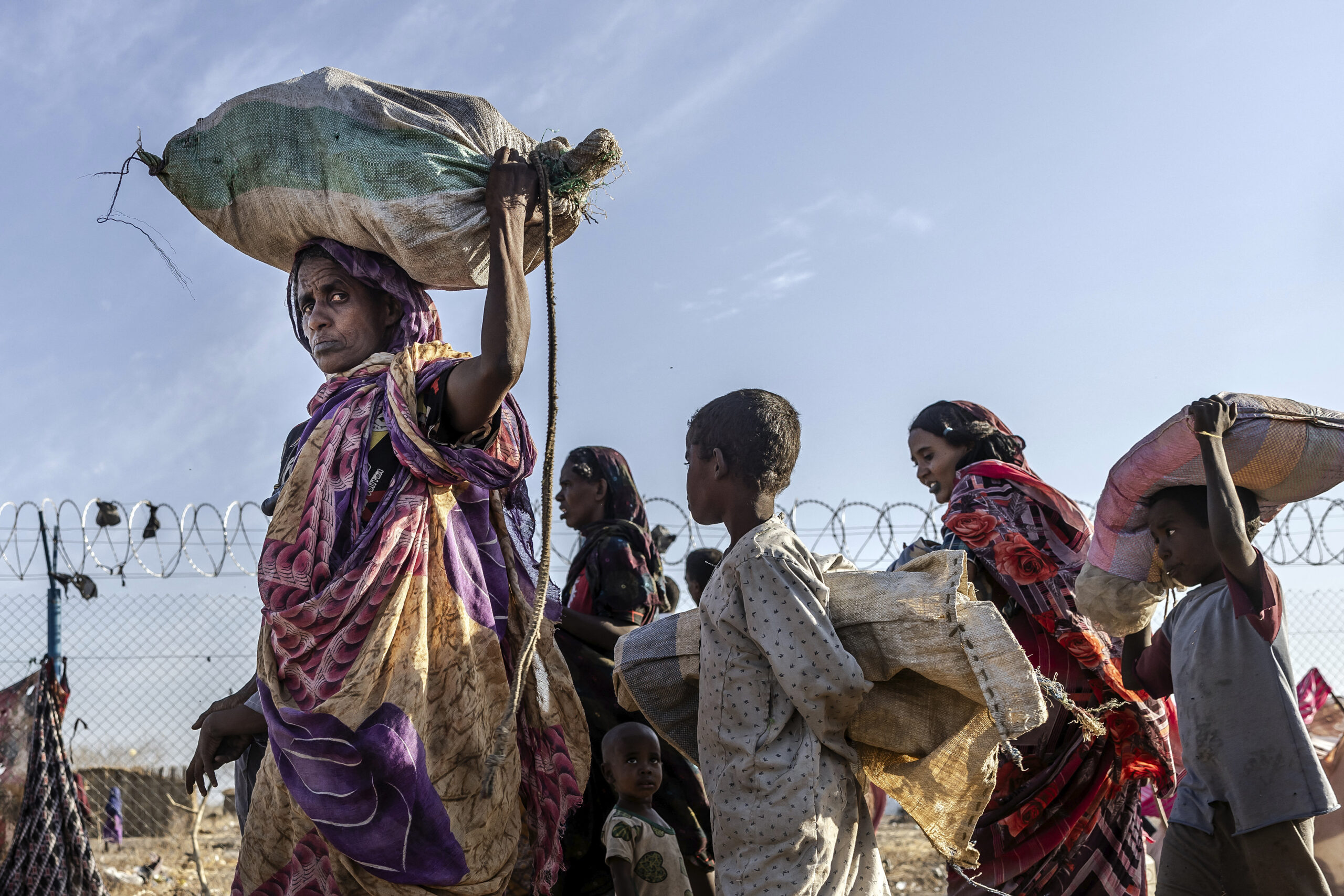
مع دخول الحرب الأهلية في السودان عامها الثالث، تستمر الكارثة الإنسانية في التفاقم، حيث نزح أكثر من 12.7 مليون شخص ولا يوجد أمل كبير في التوصل إلى حل في المستقبل القريب.
تنضم جيهان هنري، زميلة في معهد الشرق الأوسط (MEI) ومديرة سابقة لقسم أفريقيا في منظمة هيومن رايتس ووتش، إلى المضيفين أليستر تايلور وماثيو تشيكاي لتقييم آخر التطورات على الأرض. وتلخص حجم الدمار، والآثار الجانبية الإقليمية، والاقتصاد الحربي الذي يغذي القتال.
Three issues to watch in Trump’s emerging Iran policy approach
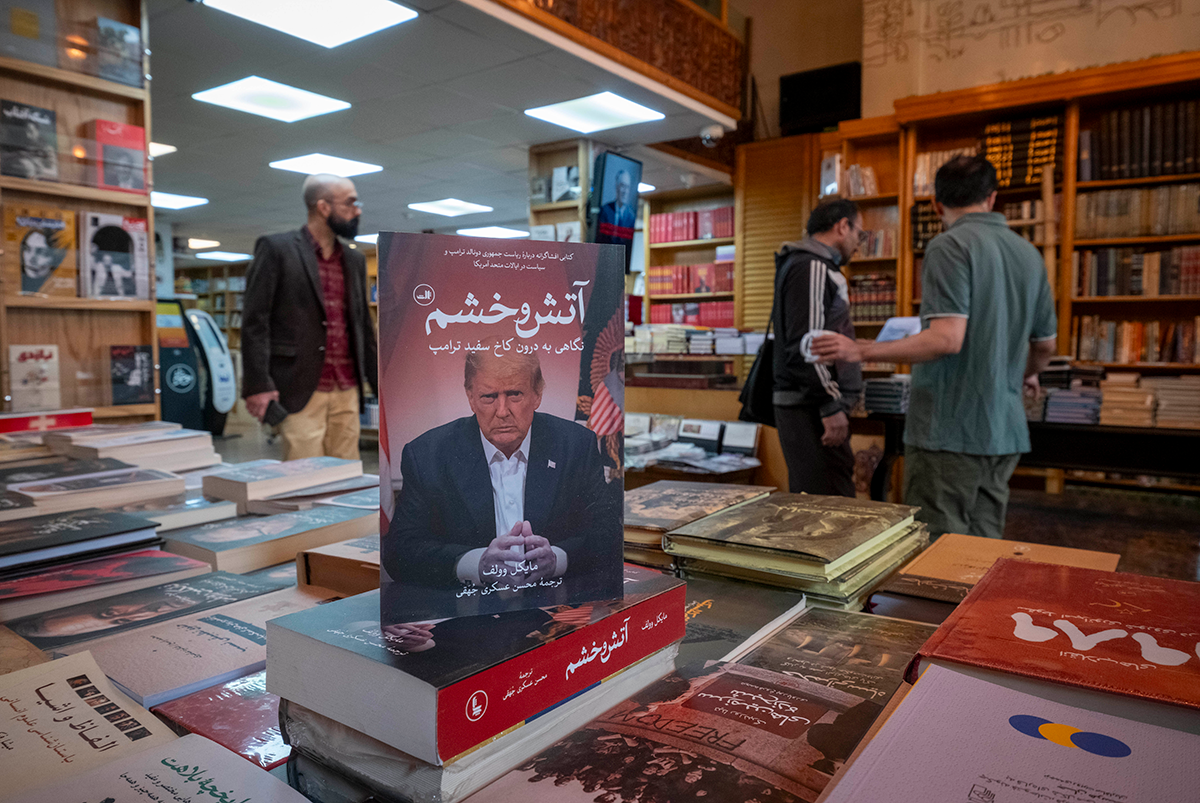
The biggest development this past week in the Middle East policy of Trump’s second administration was the initiation of talks between the United States and Iran. This small sign of hope for diplomatic progress comes at a time when the administration continues to implement an assertive and unpredictable economic unilateralism that has roiled global markets and reduced trust and confidence between the United States and most close international partners. Brian Katulis unpacks three things to watch closely as Trump’s Iran policy evolves and his broader national security approach unfolds.
الشيخ طحنون في واشنطن: إعادة تصور العلاقات بين الإمارات والولايات المتحدة في القرن الحادي والعشرين مع التركيز على التكنولوجيا
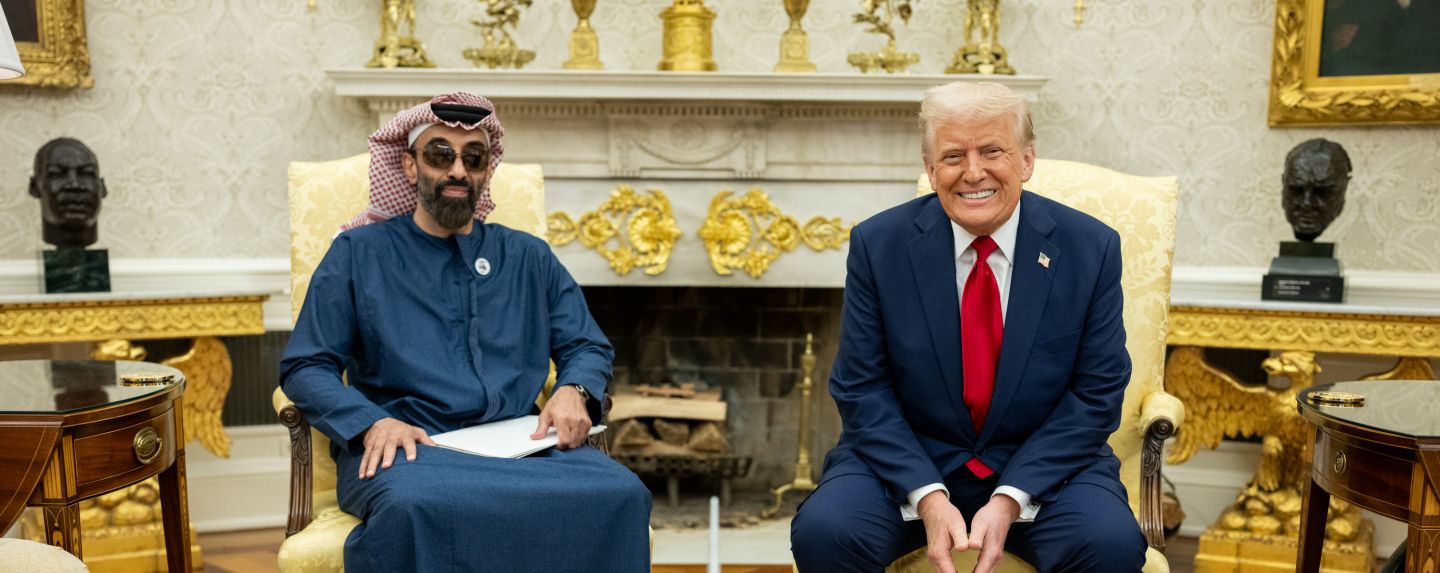
زار الشيخ طحنون بن زايد، مستشار الأمن القومي لدولة الإمارات العربية المتحدة والشخصية المركزية في مجال التكنولوجيا والأمن في الدولة، واشنطن في أواخر الشهر الماضي لإجراء محادثات رفيعة المستوى مع فريق الرئيس دونالد ترامب، في إشارة إلى تحول جذري في العلاقات بين الإمارات والولايات المتحدة.
MENA Energy Recap, Q1-2025: Tariffs and Sanctions Loom Large as Trump Returns
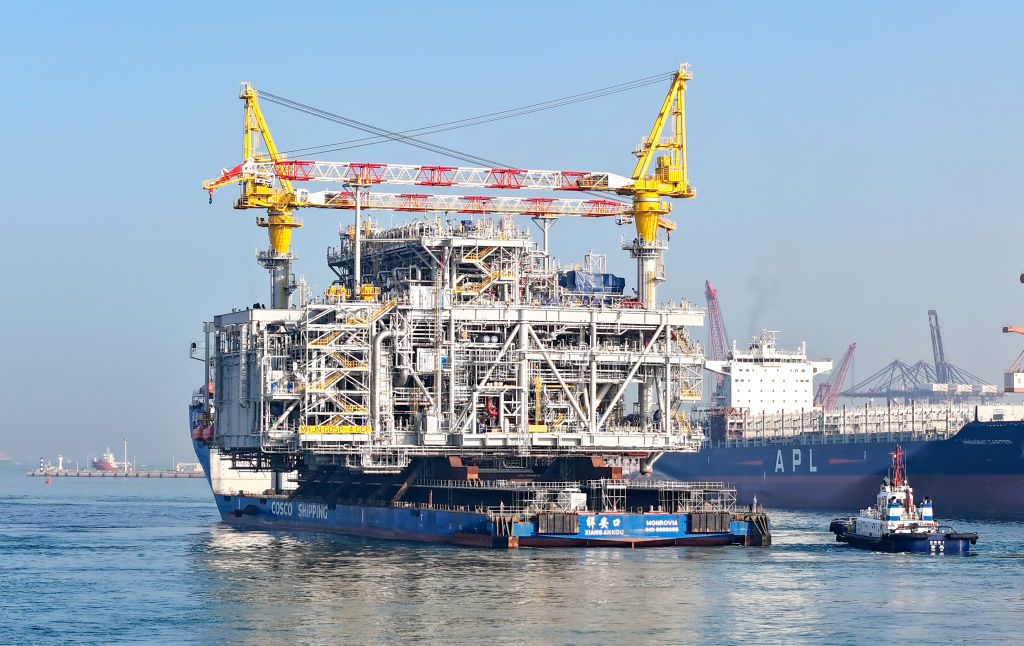
The MENA Energy Recap is a quarterly review of key energy developments that took place in the Middle East and North Africa region from January to March 2025 and what they signal for the months ahead. The Recap views these developments through the lenses of policy and strategy, energy security, and markets.
ISIS is on the ropes in Syria. A successful transition in Damascus could deliver a knockout blow
For much of the past two decades, ISIS has enjoyed favorable conditions in Syria, but since the fall of Bashar al-Assad’s regime in December 2024, dynamics have changed. With Assad’s departure, ISIS lost its long-standing and vitally important safe haven in Syria’s central desert and its most significant driver for recruitment. The results — so far — have been dramatic.
Trump’s whirlwind of uncertainty and chaos hits the global economy and the Middle East
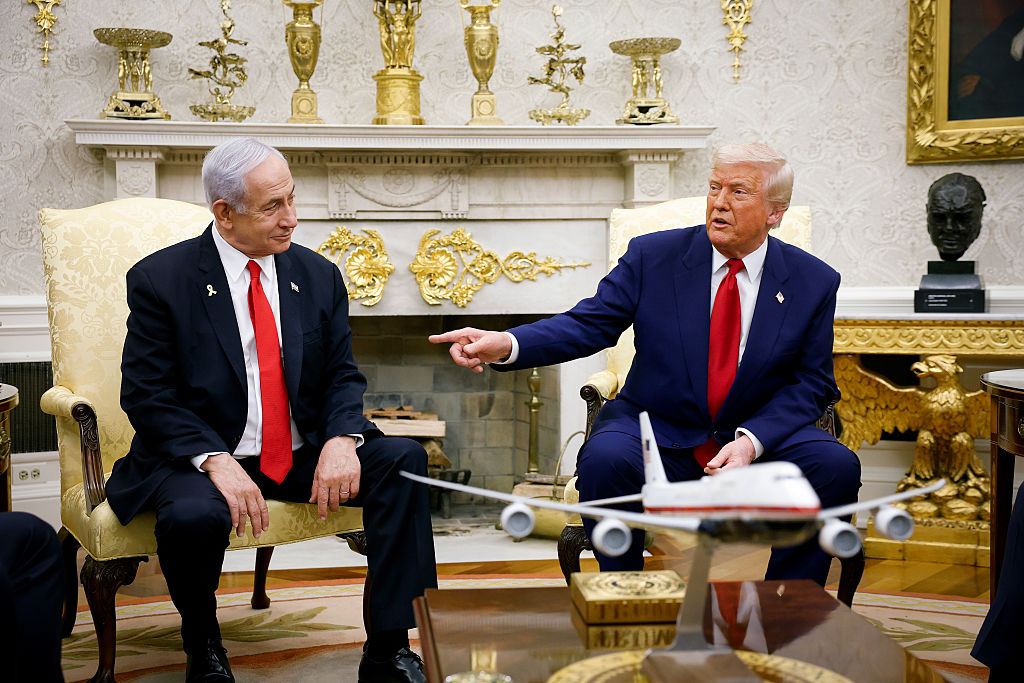
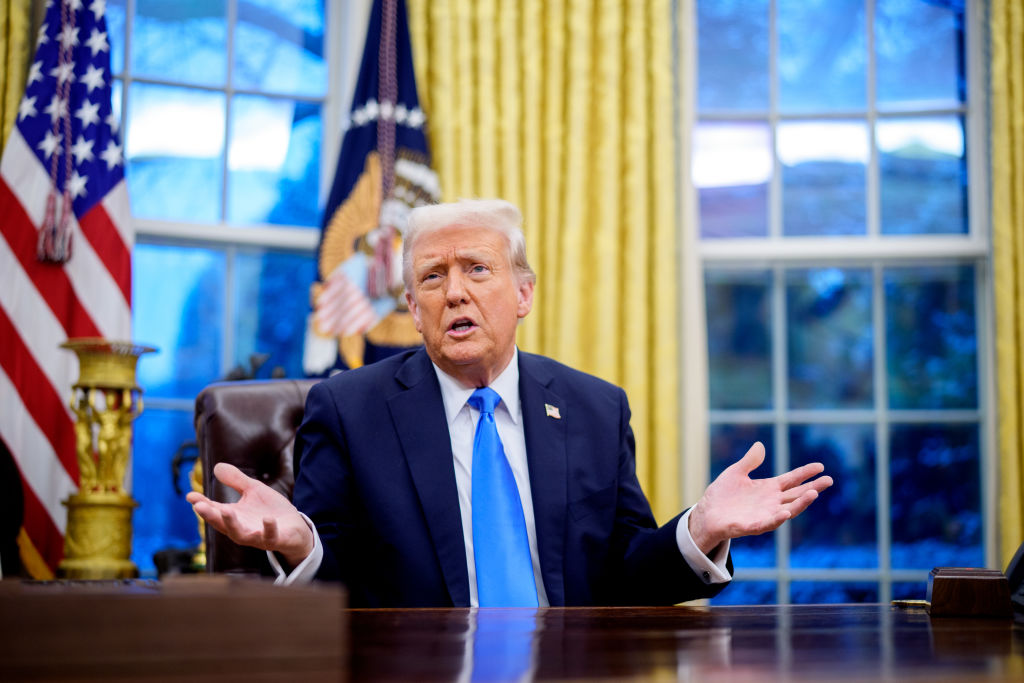
US President Donald Trump surprised Israeli Prime Minister Benjamin Netanyahu by publicly announcing “direct” talks between the United States and Iran set to take place later this week. The American president also unleashed global economic uncertainty by announcing simultaneous, unexpectedly high tariffs on dozens of countries around the world — including a 17% duty on Israel — and kicking off an escalating global trade war.
The impact of climate variability on Morocco’s agriculture
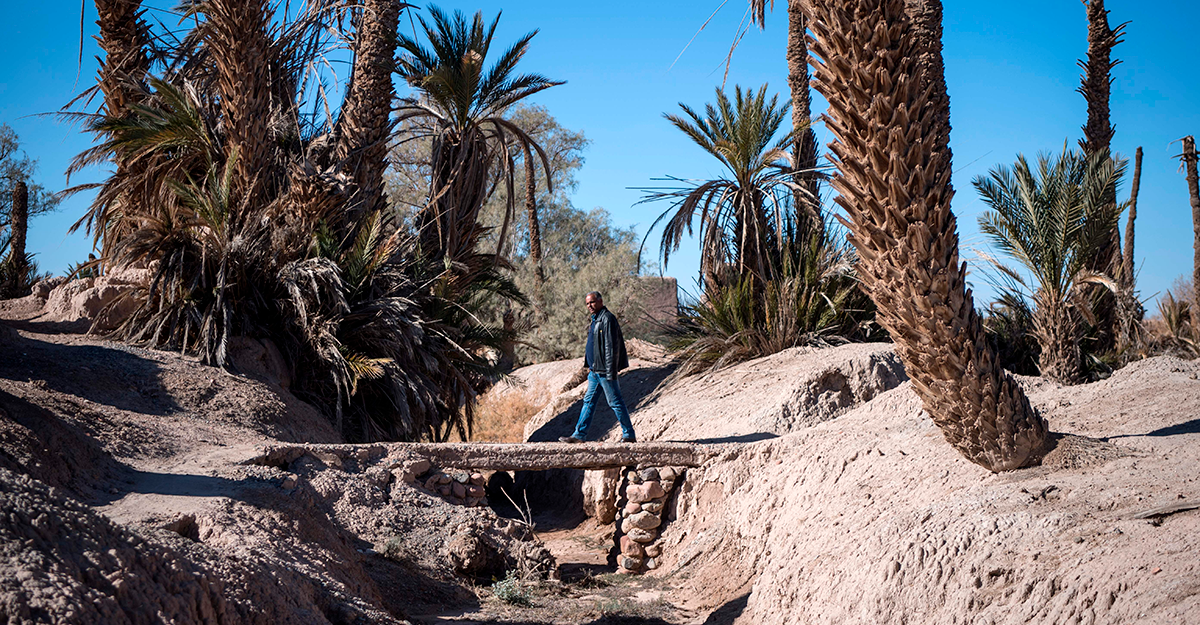
Climate variability is becoming a key factor in shaping economic stability, agricultural productivity, and water security worldwide. Periods of prolonged drought and sudden shifts in precipitation can have far-reaching consequences, particularly for countries that rely heavily on natural water sources for farming and economic growth. As weather patterns become increasingly unpredictable, there is a need to navigate both the immediate impacts of climate change and the long-term strategies needed for climate resilience. Finding the right balance between short-term relief and sustainable adaptation is a fundamental challenge for economies dependent on agriculture and water availability. Nowhere is this more evident than in Morocco.
لوبان مقابل إيماموغلو؟ لماذا الفشل في المقارنة — ولماذا هو مهم
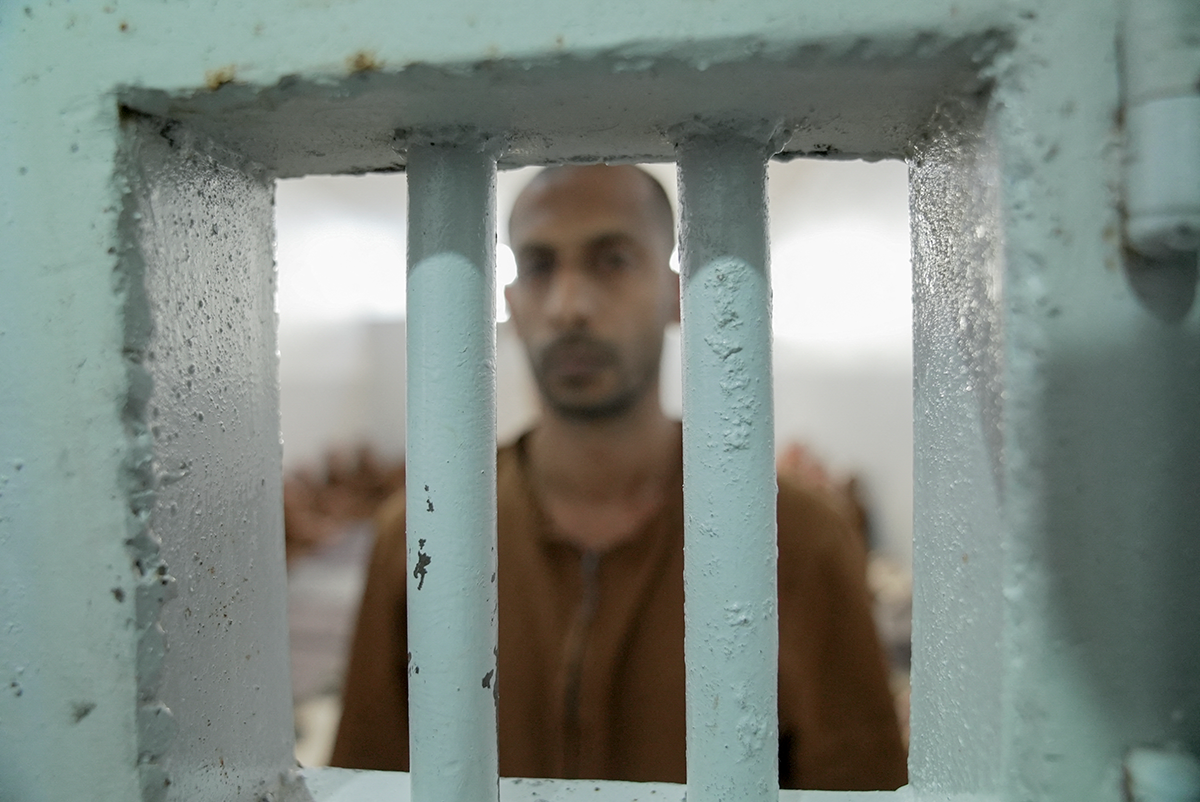
أدينت مارين لوبان، زعيمة حزب التجمع الوطني اليميني المتطرف في فرنسا، بتهمة اختلاس أموال من الاتحاد الأوروبي ومنعت من الترشح للمناصب العامة لمدة خمس سنوات، مما أدى فعليًا إلى استبعادها من سباق الرئاسة عام 2027. وفي الوقت نفسه، في تركيا، تم اعتقال إكرم إمام أوغلو، عمدة إسطنبول وأقوى منافس للرئيس رجب طيب أردوغان، بتهمة الفساد وسجنه، في الوقت الذي كان على وشك أن يصبح مرشح المعارضة للرئاسة. وتقوم كل من لوبان والمسؤولون الأتراك الآن بتوجيه أصابع الاتهام إلى بعضهم البعض لتبرير أفعالهم.
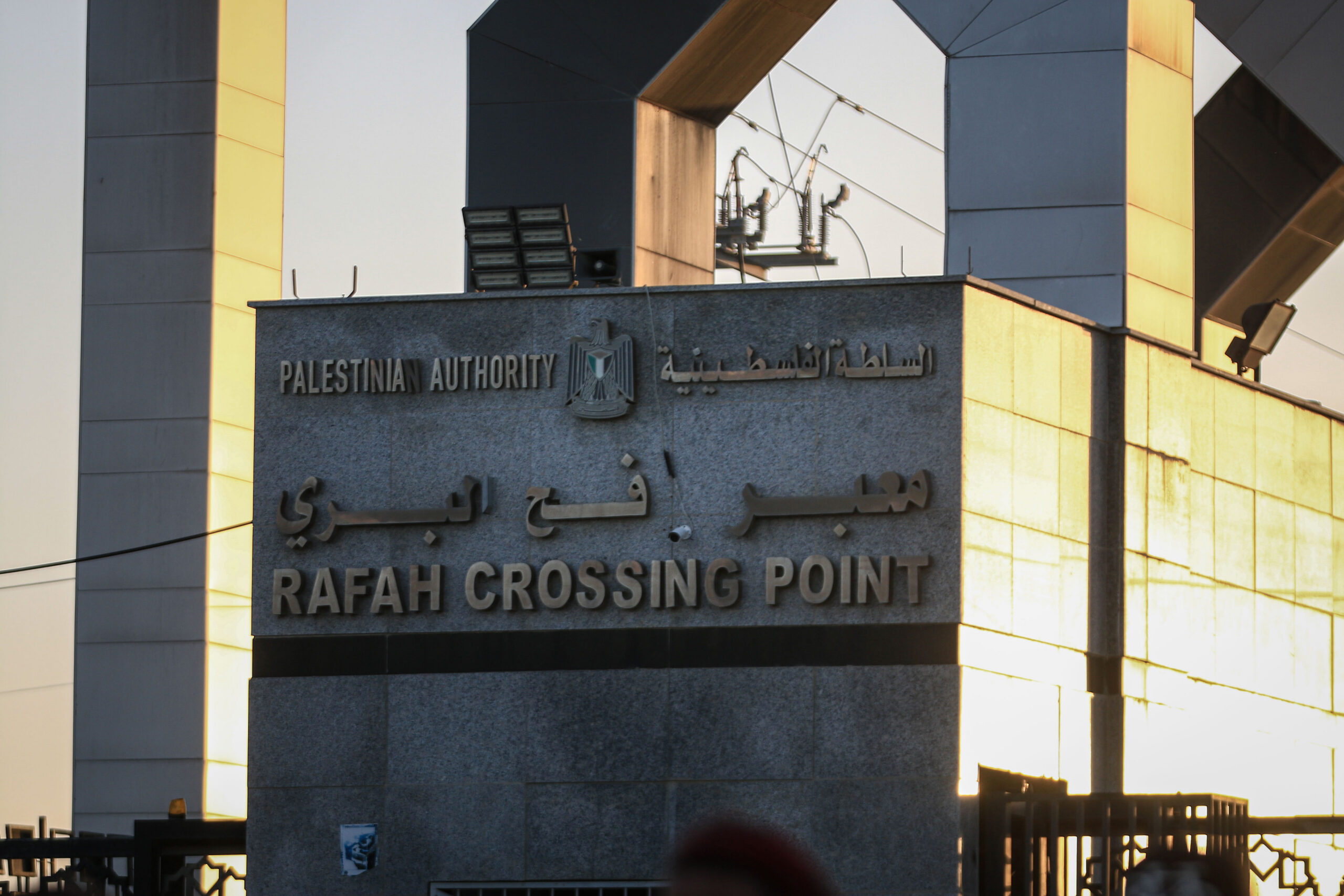
Pressuring Egypt over Gaza will not work and is not in the US interest
Almost immediately after the start of the conflict in Gaza, Israeli Prime Minister Benjamin Netanyahu and his governing coalition began a concerted effort to persuade first the European Union and then the United States to pressure Egypt to accept Palestinian refugees. Egypt refused and continues to do so. Capitulating is not in Cairo’s national interest and bullying it will only backfire.
رحلة ترامب المرتقبة إلى الشرق الأوسط توفر فرصًا في وقت تتزايد فيه المخاطر
أكد الرئيس دونالد ترامب هذا الأسبوع أنه يخطط للسفر إلى المملكة العربية السعودية ودول أخرى في الشرق الأوسط في أواخر الربيع الحالي. وستسلط هذه الزيارة الضوء على المنطقة في وقت تركز فيه أولويات ترامب على الشؤون الداخلية وعلى أسلوبه الفريد في الحرب الاقتصادية.
الشهران الأولان من عهد ترامب 2.0 في الشرق الأوسط: ضغوط شديدة لتحقيق إنجازات صعبة المنال
يركز الرئيس دونالد ترامب على تحقيق إنجازين تحويليين فشل أسلافه في تحقيقهما: إنهاء الصراع العربي الإسرائيلي، الذي يتمحور حول اتفاق ثلاثي بين الولايات المتحدة والسعودية وإسرائيل، واتفاق بين الولايات المتحدة وإيران. وكلاهما سيكون إنجازًا تاريخيًا. لكن حتى الآن، ثبت أن التقدم في كلتا الحالتين صعب ومتعثر.