The Dorra Field: Global gas market impact or bellwether for regional relations?
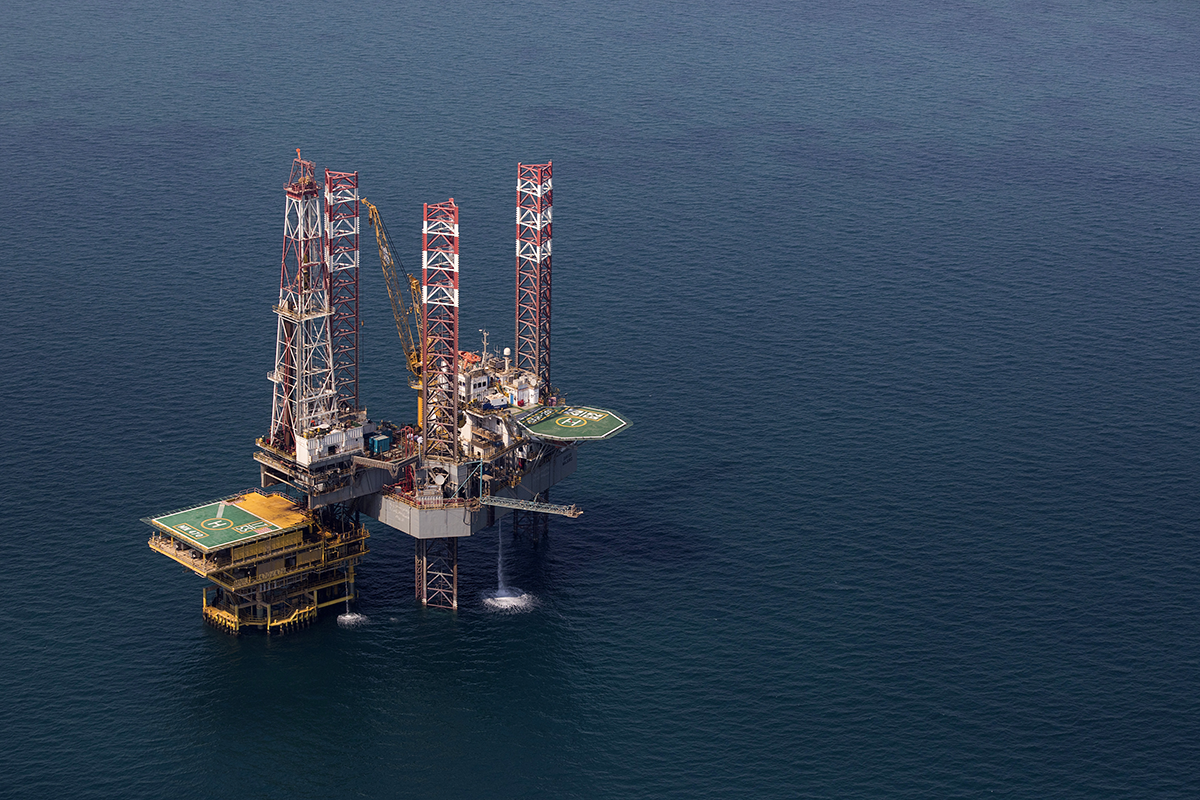
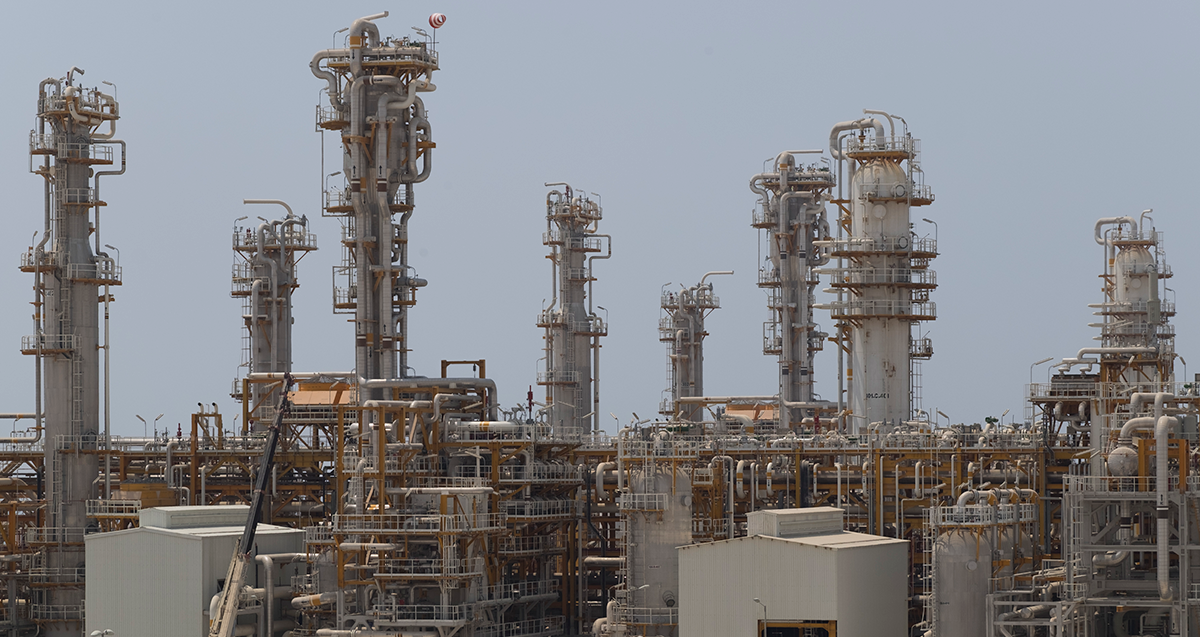
The Dorra Gas Field, located in shallow waters offshore in the northern Arabian Gulf, lies at the junction of competing territorial claims by Kuwait, Iran, and Saudi Arabia. With the growing gas demand in these countries, any production will be absorbed into the domestic network and the impact of production on the global gas and LNG market will be insignificant. However, the development of the field, if it occurs, may serve as a bellwether for regional relations.
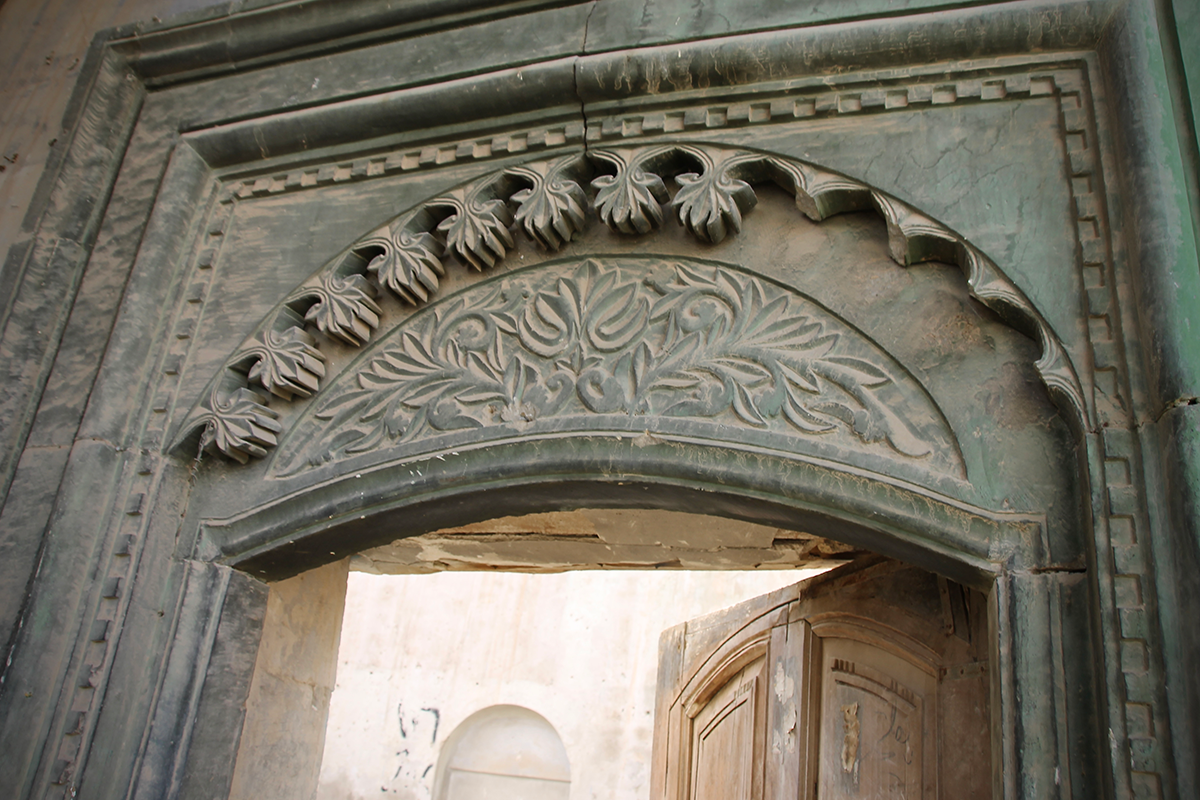
A portal to the past: The restoration of Erbil’s architectural heritage
When architect Mustafa Mofaq first started working on heritage restoration at Erbil’s citadel last year, it was with a great sense of personal connection. “My great-grandfather had a house here,” explains the 27-year-old, who is employed by an EU-UNESCO partnership aimed at supporting livelihoods through cultural heritage development in Iraq and Jordan.
Making the most of Iran’s reserves will require it to develop shared fields like Dorra/Arash, a gas field located offshore in the northern Gulf, where Iran must vie with competing claims from neighboring Kuwait and Saudi Arabia. In the past, Iran has often neglected its joint gas fields as a result of sanctions and focused instead on meeting its rapidly growing domestic needs through exploiting non-shared fields, but the country says this must change going forward.
The CMF-153: Rebuilding US-GCC confidence through maritime security
Efforts to restore confidence between the U.S. and the Arab Gulf states took a first step with the recent formation of a new naval task force, known as the Combined Maritime Forces-153 (CMF-153), to improve maritime security in the Red Sea, Bab el-Mandeb, and the Gulf of Aden, including the hotspot of Yemen. Established in mid-April, the new task force intends to target weapons smuggling for Ansar Allah, as the Houthi militias are officially known, as well as human trafficking and the drug trade.
Former Iraqi Prime Minister Dr. Haider al-Abadi joins the program to discuss the country’s fight against ISIS, Iraqi politics and the challenges of reform. Dr. al-Abadi has a new book out, entitled “Impossible Victory: How Iraq Defeated ISIS” (Biteback Publishing, April 2022).
In a room at the old Mosul Museum, a young Moslawi singer closes his eyes in a moment of rapture. Singing next to the museum’s modernist 1974 incarnation still being restored after ISIS’s pillage of it treasures, his voice lifts the hearts of listeners.
Saudi Arabia’s international natural gas aspirations
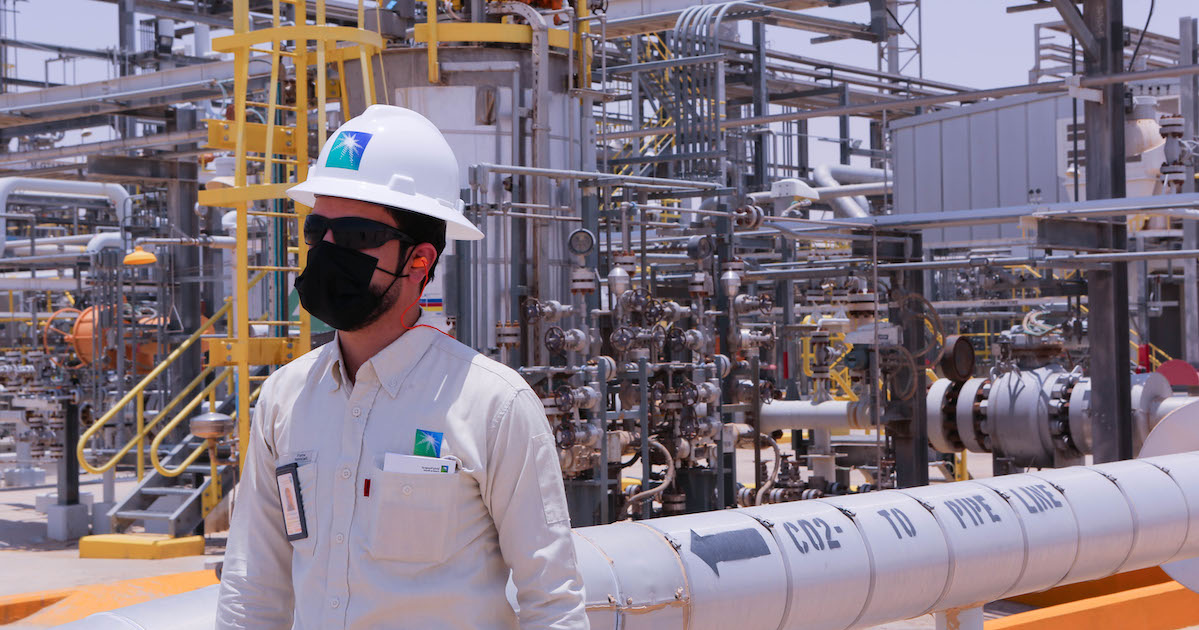
Saudi Aramco seeks to enter the global gas business again. The company aims to build new business opportunities in the hydrogen and CCS sectors utilizing forecasted new domestic gas production. Its main challenges are long-term consistent commodity-cycle-insulated investment and domestic gas resources.
US-Gulf Relations at the Crossroads: Time for a Recalibration
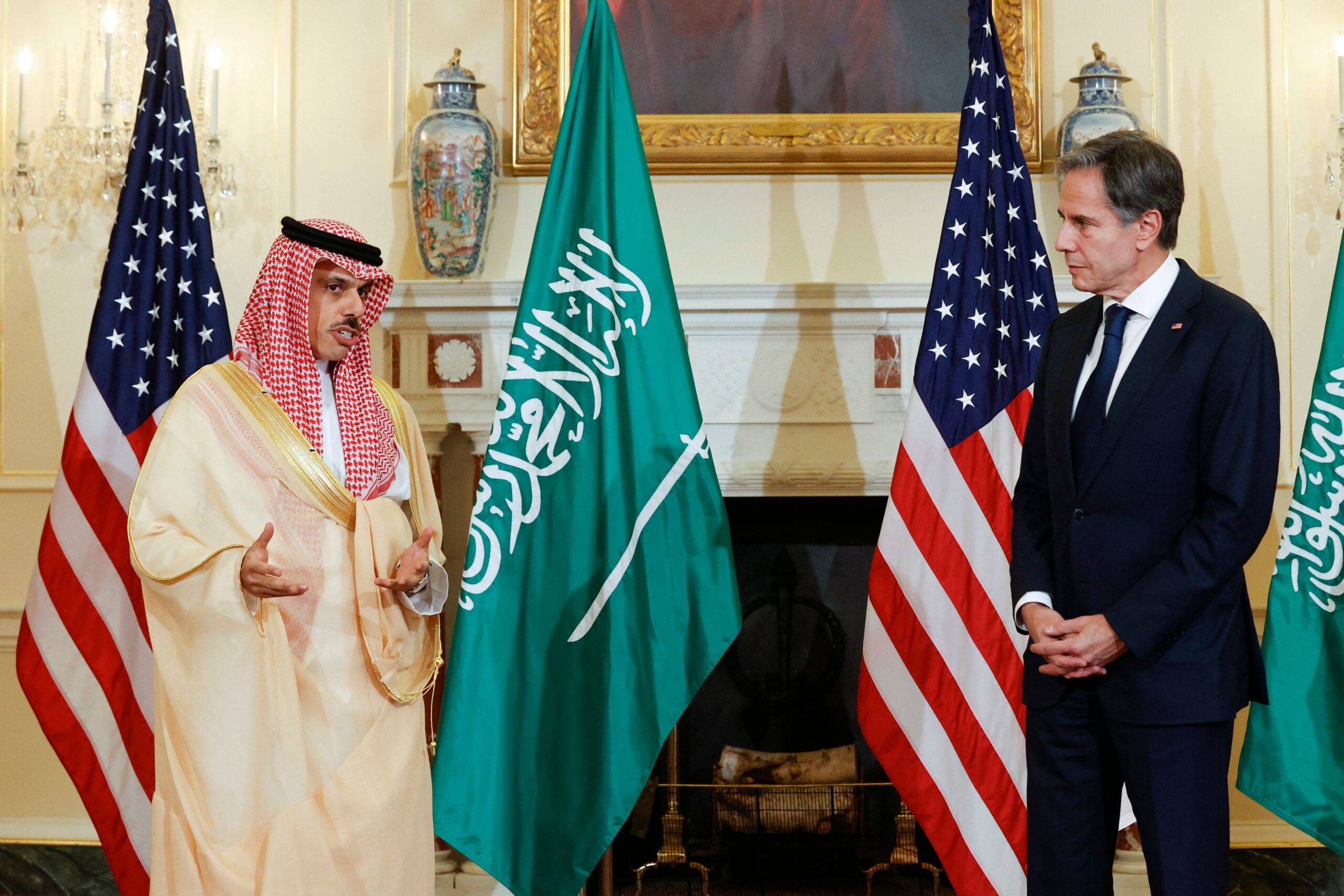
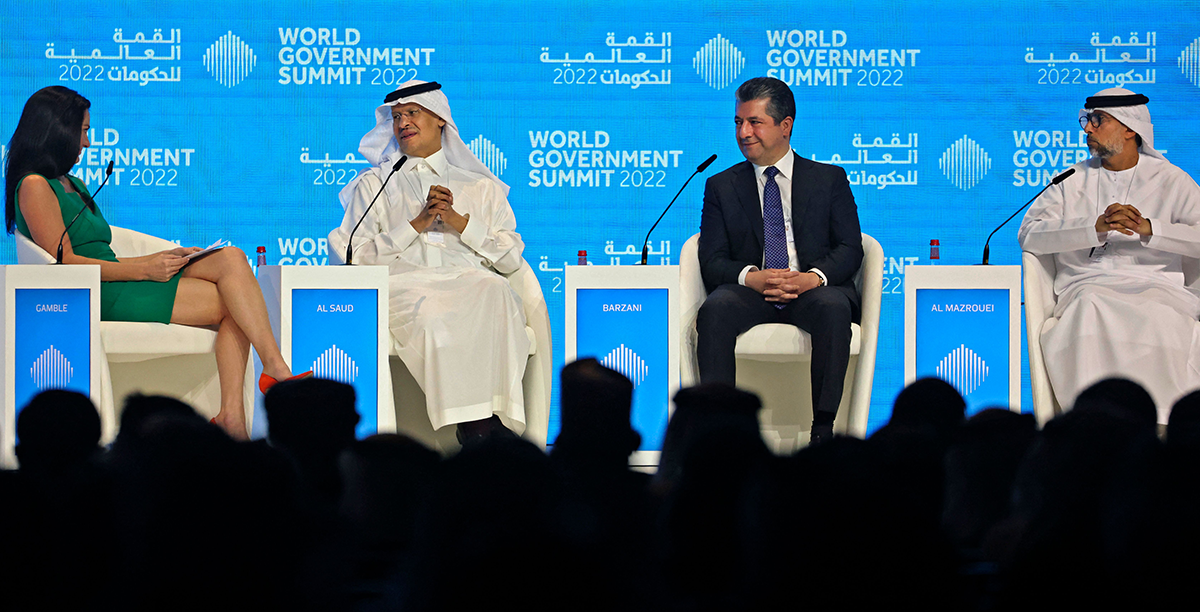
The global response to Russia’s invasion of Ukraine has focused new attention on friction between the United States and its traditional partners in the Gulf and reinforced skepticism regarding the United States’ status as the dominant international partner in the region. It’s time for both sides to identify a realistic way forward that sheds outdated notions of mutual obligation without becoming merely transactional.
Iraq has refrained from taking a firm position on the war and political opinion on Russia’s conduct is divided along partisan and factional lines. The imposition of sanctions against Russia has complicated its energy investments in Iraq and prospective arms purchases from Moscow and could have a long-lasting adverse impact on the Iraqi economy.
Gulf oil producers feel vindicated, but don’t expect them to turn on Russia
The war in Ukraine has brought back to the forefront the conversation about the need for new investments in oil and gas for the foreseeable future. As the calls multiply for Gulf producers to step in and fill the gap in gas and oil supplies as Russia faces sanctions, producers now feel vindicated after being shunned, and even targeted, at the COP26 in Glasgow last year.
Yemen: Ending the War, Building a Sustainable Peace
Seven years on from the launch of the Saudi-led coalition’s military campaign on March 26, 2015, the civil war in Yemen remains stalemated. The fundamental realities of the conflict have not changed substantially in over five years. Meanwhile, the conditions under which the majority of innocent Yemenis are living continue to deteriorate. It’s time to consider measures that can promote an end to the conflict and lay the groundwork for post-conflict reconstruction.
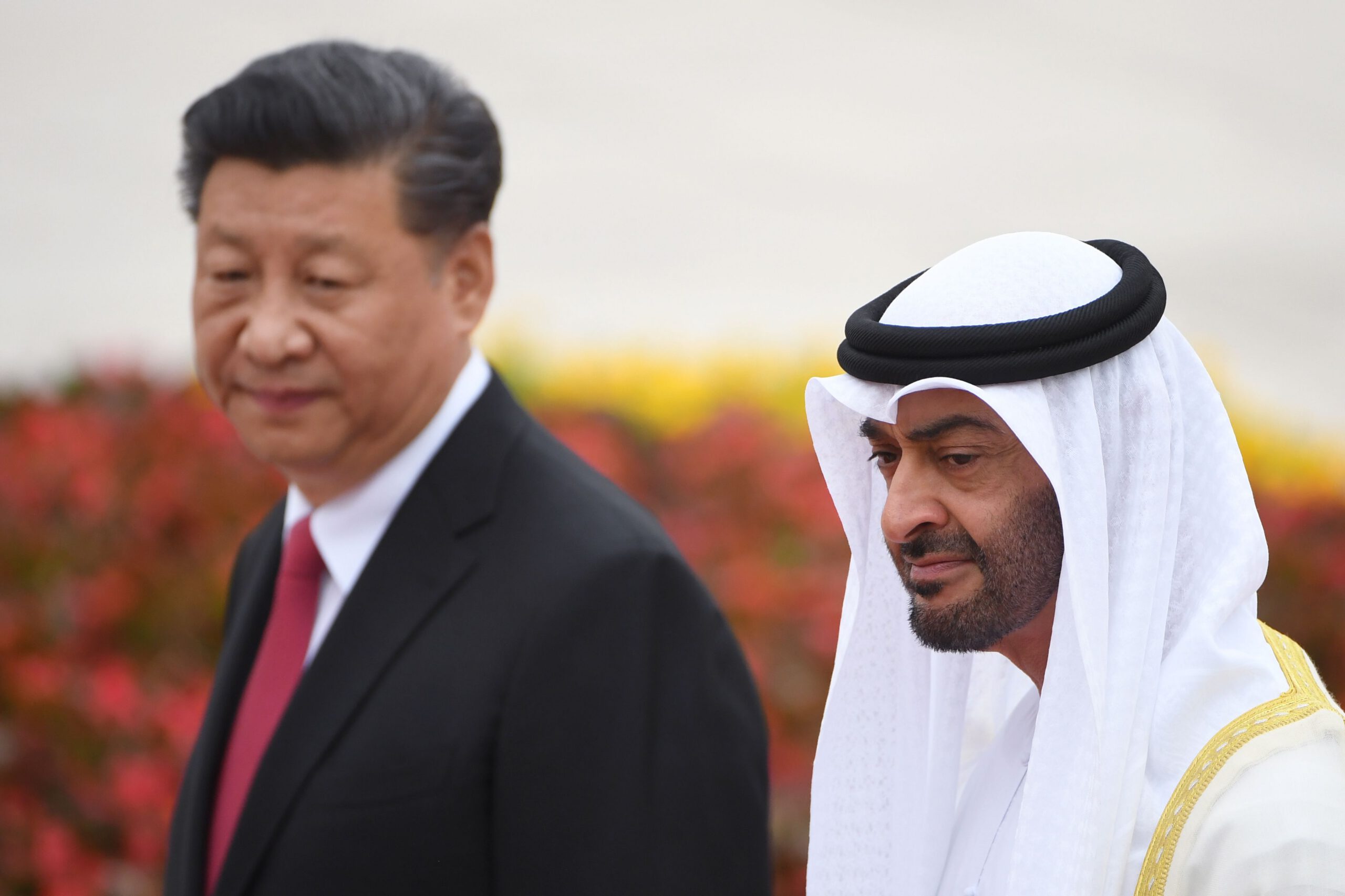
When the leaders of Saudi Arabia and the United Arab Emirates decline phone calls from the president of the United States, rebuff his requests to help lower oil prices, and shy away from condemning Russia’s invasion of Ukraine, and when the U.A.E. hosts Syrian dictator Bashar al-Assad in Abu Dhabi, there is no doubt that a major crisis in U.S.-Arab Gulf relations is under way.