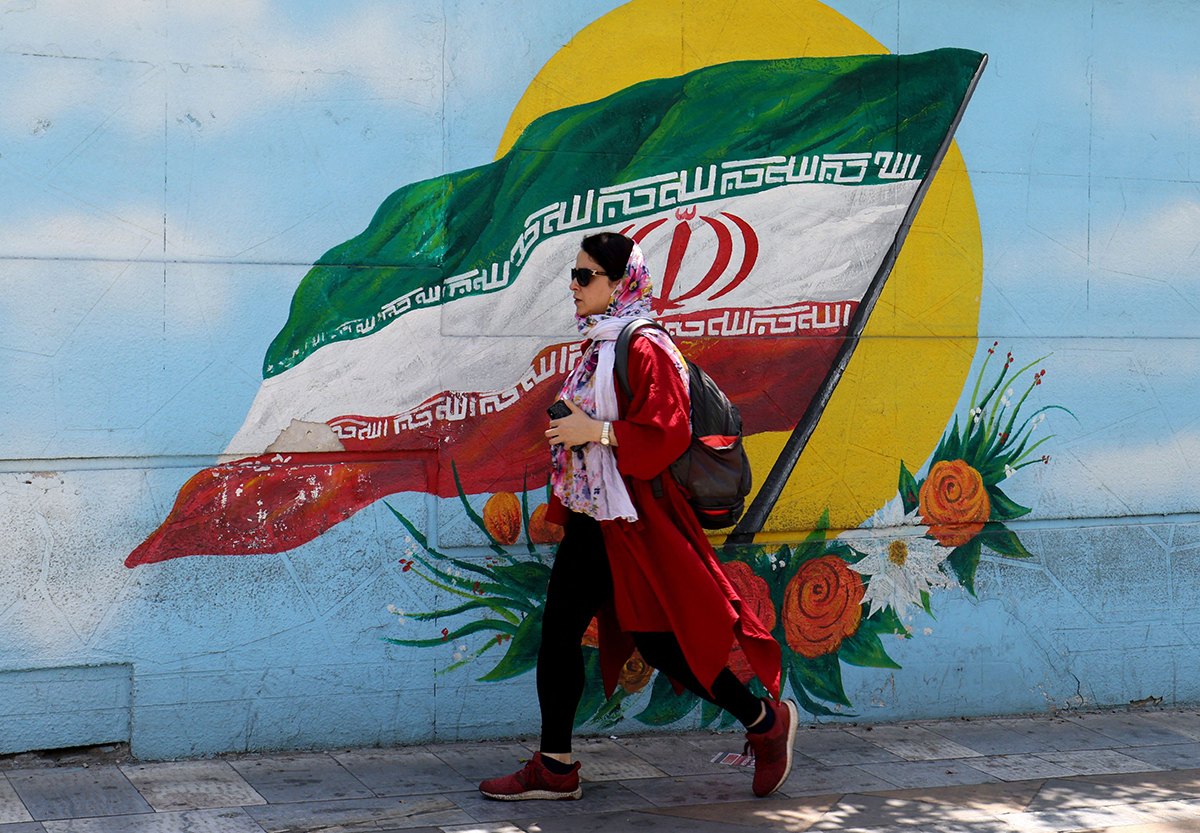
Iranian women both within the country and in the diaspora are working together to usher in real social and political change in Iran. Women-led grassroots organizations are leading an effort to promote democracy and human rights through a collaborative, non-ideological approach.
Sanctions won’t move Putin — we must bolster Ukraine’s air defenses
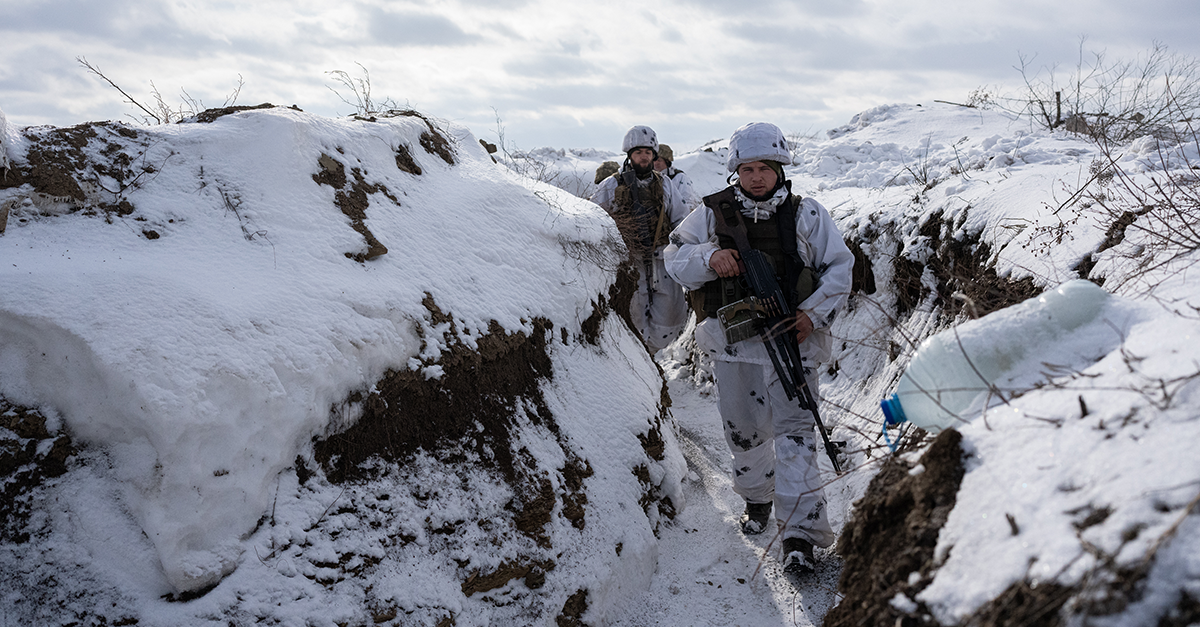
Attempts at deterrence by sanctions have failed. The question now is: Does the West expect sanctions to change Russian President Vladimir Putin’s actions? We think not — and the world should have given up years ago on expecting them to dissuade him.
Connecting Beijing’s global infrastructure: The PEACE Cable in the Middle East and North Africa
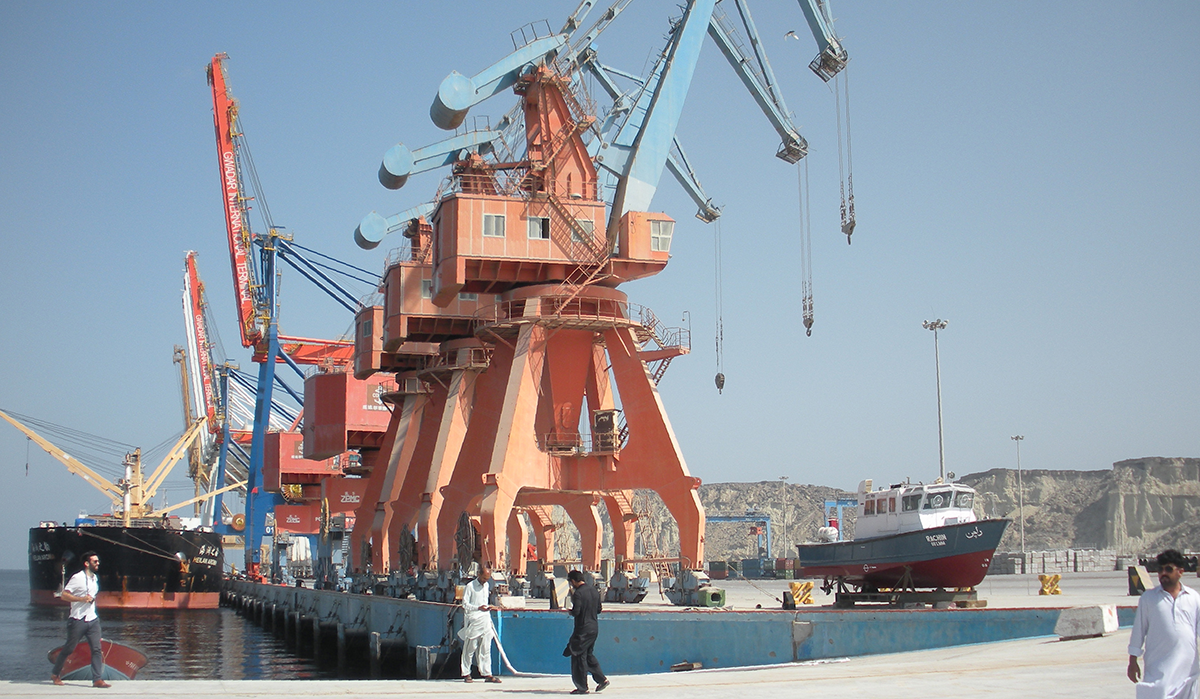
One of the most ambitious elements of China’s Digital Silk Road is the Pakistan & East Africa Connecting Europe (PEACE) fiber-optic cable. China has long expressed its ambition to connect the greater Middle East, Africa, and Europe with Chinese fiber optics in order to expand its presence in the region, and Beijing now boasts strategic infrastructure assets in geopolitical hotspots, such as the Pakistani port of Gwadar.
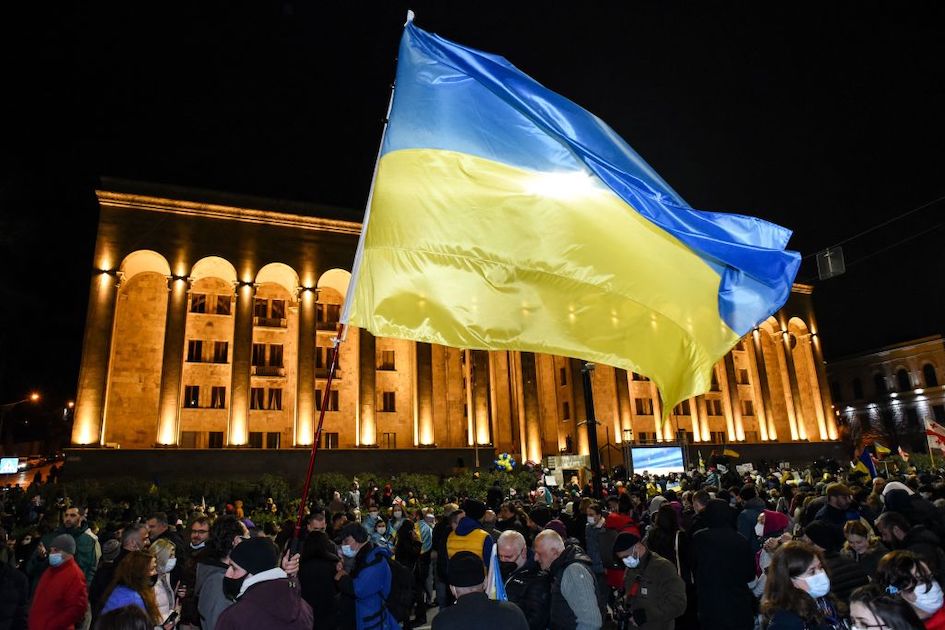
While there are similarities between Georgia in 2008 and Ukraine today, we argue that overstating them leads to a deeper misunderstanding of both conflicts and leaves out significant differences that need to be addressed.
Russia doesn't see Israel as a preferred strategic partner over Iran
Iranian observers argue that Russia is willing to sacrifice Iranian interests when expedient, and some might even think that Russia is pivoting toward Israel in its Middle East policy. Nonetheless, the big picture of Russo-Iranian relations over the last decade reveals security cooperation between Tehran and Moscow that stands on a strong and reliable foundation, with both countries benefitting.
Is the Middle East next on Putin’s agenda? What the US can do to prepare
Conventional wisdom has it that the conflict in Ukraine will lead the U.S. to bolster its military presence along NATO’s boundary in Eastern Europe, with a concomitant downscaling in the Middle East. While presenting a robust front in support of NATO is of course critical, it would be a mistake to do so at the expense of the U.S. military presence in the Middle East at a time when it appears likely that Russian President Vladimir Putin has chosen the region as the venue for the next moves in his campaign to marginalize the U.S.
ليس شرقًا ولا غربًا: حسابات تركيا في أزمة أوكرانيا
تحمل الأزمة في أوكرانيا، من وجهة نظر أنقرة، مخاطر كبيرة، لكنها تنطوي أيضًا على بعض الفرص. إنها ليست أزمة من صنعهم، ولا أزمة رحبوا بها. ومع ذلك، من الواضح أن أنقرة جهَّزت مخططًا أساسيًا لتجاوز العاصفة. من وجهة نظر صانعي السياسة في واشنطن، من المرجح أن تجلب استراتيجيتهم إحباطًا أكثر من تطمينًا.
وفي نفس الوقت، فإن الفهم الأفضل لكيف تأمل تركيا أن تتجاوز الأزمة الأوكرانية يمكن أن يساعد في توضيح بعض النقاشات الجارية داخل واشنطن حول كيفية تصور السياسة الخارجية الجديدة لأنقرة ومكانها داخل حلف الناتو.
Neither East nor West: Turkey’s calculations in the Ukraine crisis
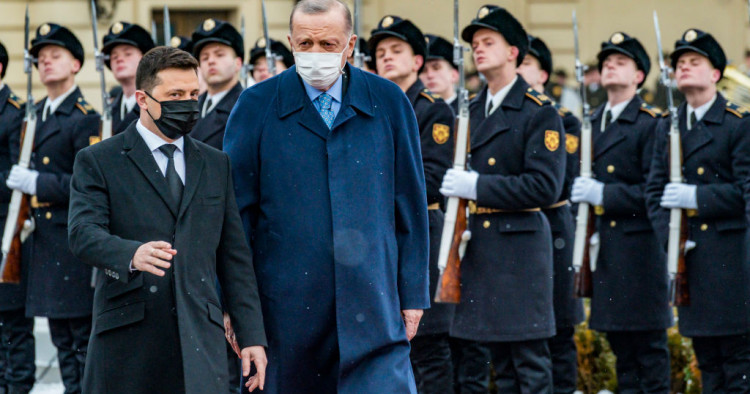
The crisis in Ukraine, from the perspective of Ankara, carries significant risks, but also some opportunity. It is neither a crisis of their own making, nor one that they welcomed; nevertheless, Ankara has clearly developed a basic blueprint for weathering the storm. From the perspective of Washington policymakers, their strategy is likely to hold more frustration than reassurance.
حتى كتابة هذه السطور، ليس من الواضح ما هو النهج الذي ستتخذه روسيا في أوكرانيا: الضغط، أو التقسيم، أو البلع. يمكن للرئيس فلاديمير بوتين أن يواصل ويُصعّد من سياسة الضغط الشديد على أوكرانيا، دون غزو كبير، الأمر الذي يمكن أن يجعل أوكرانيا تخضع وتستسلم، ويفرض تغييرًا في سياسات كييف أو مساراتها، ويضمن هدف بوتين المتمثل في مواءمة أوكرانيا مع روسيا. أو يمكنه أن يواصل ما بدأه في دونباس وشبه جزيرة القرم وأن يستولى ببساطة على قطعة أخرى من أوكرانيا، مما يزيد الضغط على كل من كييف والغرب. الاحتمال الثالث الواضح هو غزو شامل لابتلاع البلد كله.
Algeria rings in the old: Civil society under assault
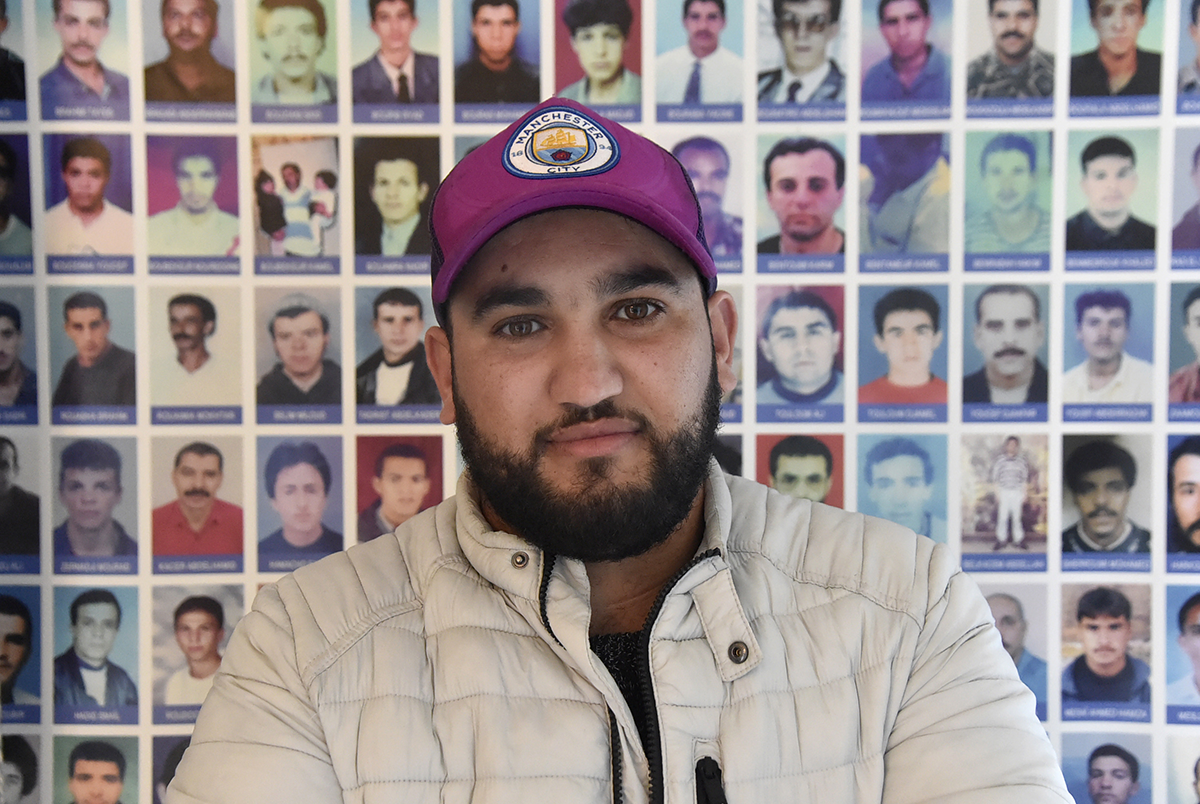
The Algerian authorities are intensifying repression against the last voices of dissent, hoping to put an end to the Hirak once and for all. Human rights in Algeria are under serious threat; the pattern toward a more authoritarian, less competitive regime is clear.
Fragile promise: The prospects for Turkish-Armenian normalization
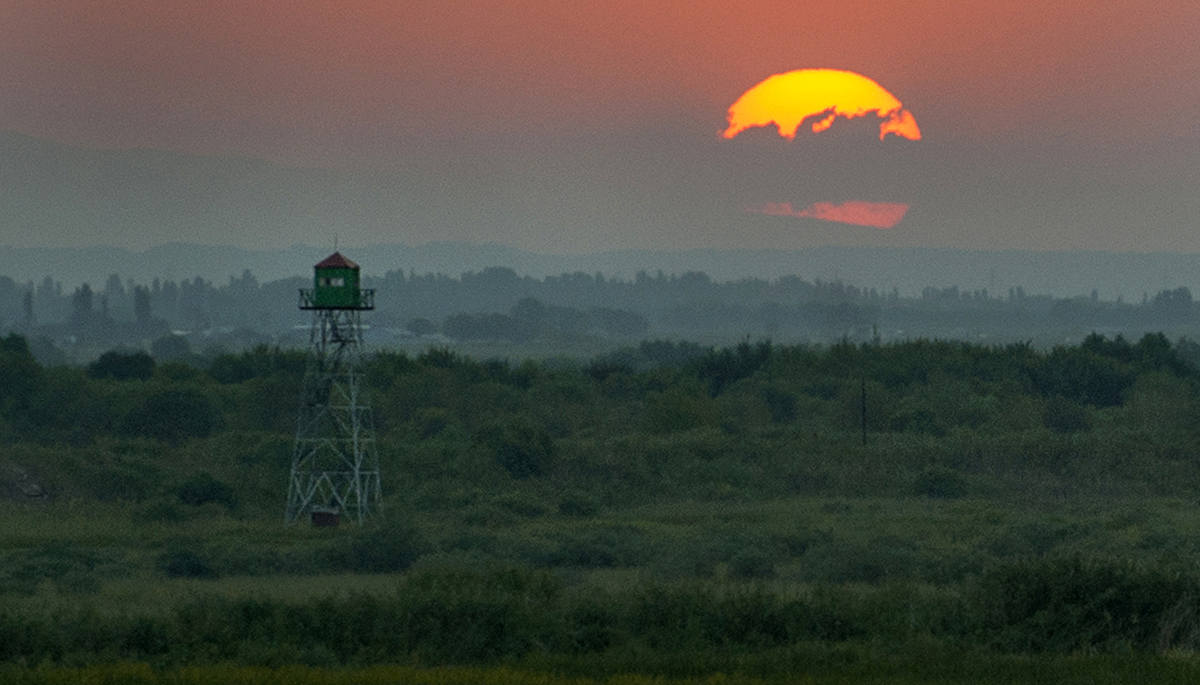
Now, after decades of animosity, Turkey and Armenia are taking steps to normalize ties, and the prospects for restoring relations and reopening the border have never been brighter.
The potential impact of Ukraine-Russia conflict on the MENA region
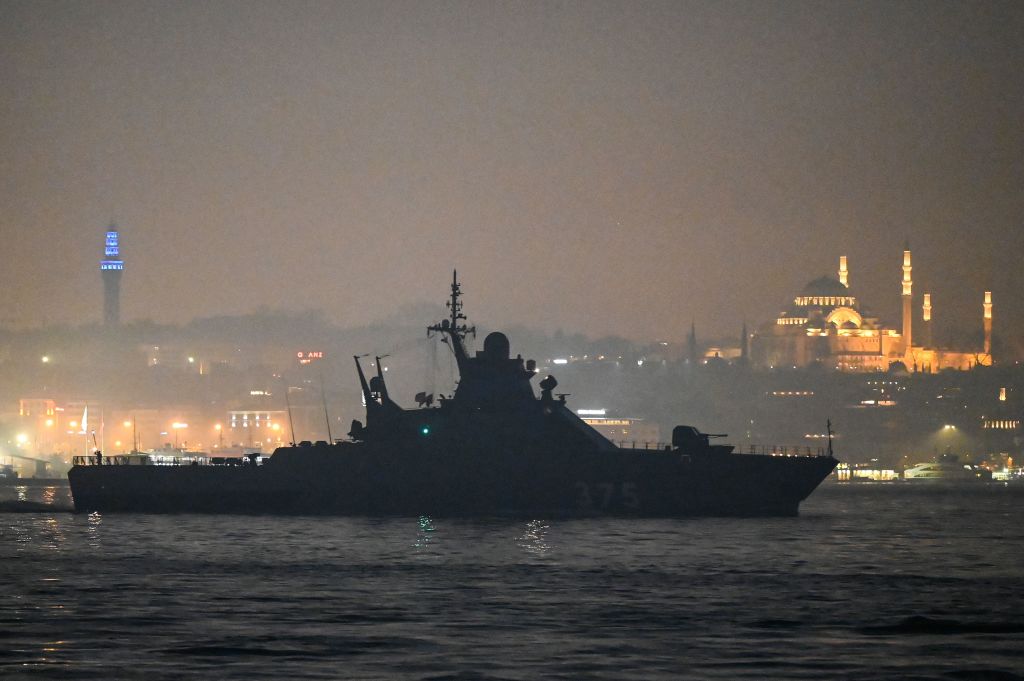
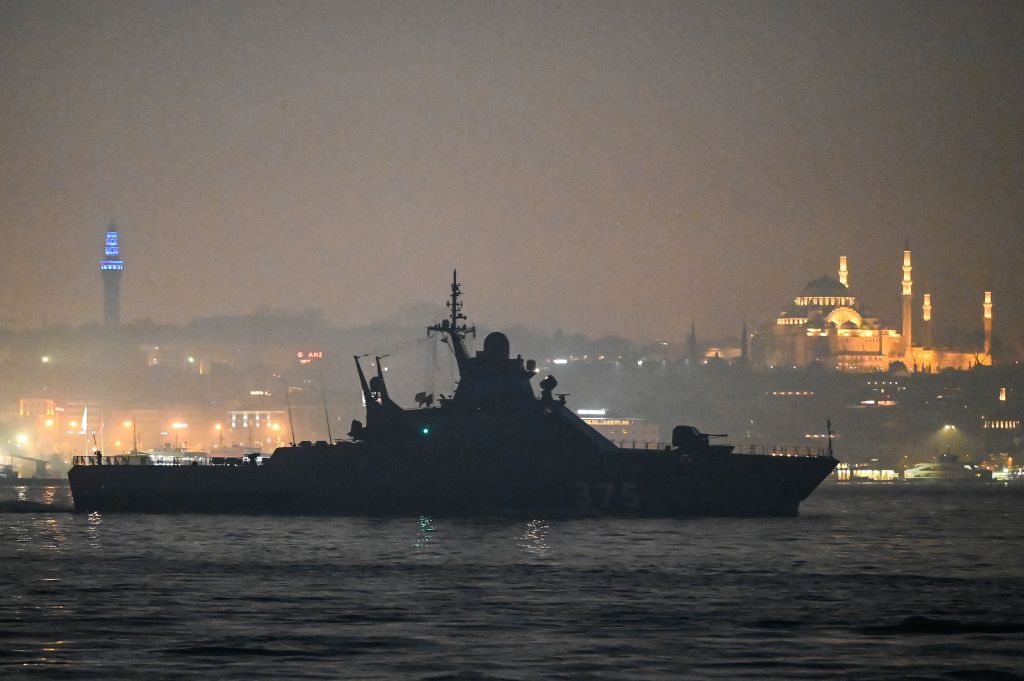
The Black Sea basin has become a flashpoint due to Russia’s interventions in Georgia and Ukraine. This has implications not only for European security, but also for Mediterranean security as well. There are three key areas where the MENA region will be affected by a large-scale confrontation between Russia and Ukraine: energy, agriculture, and refugees.