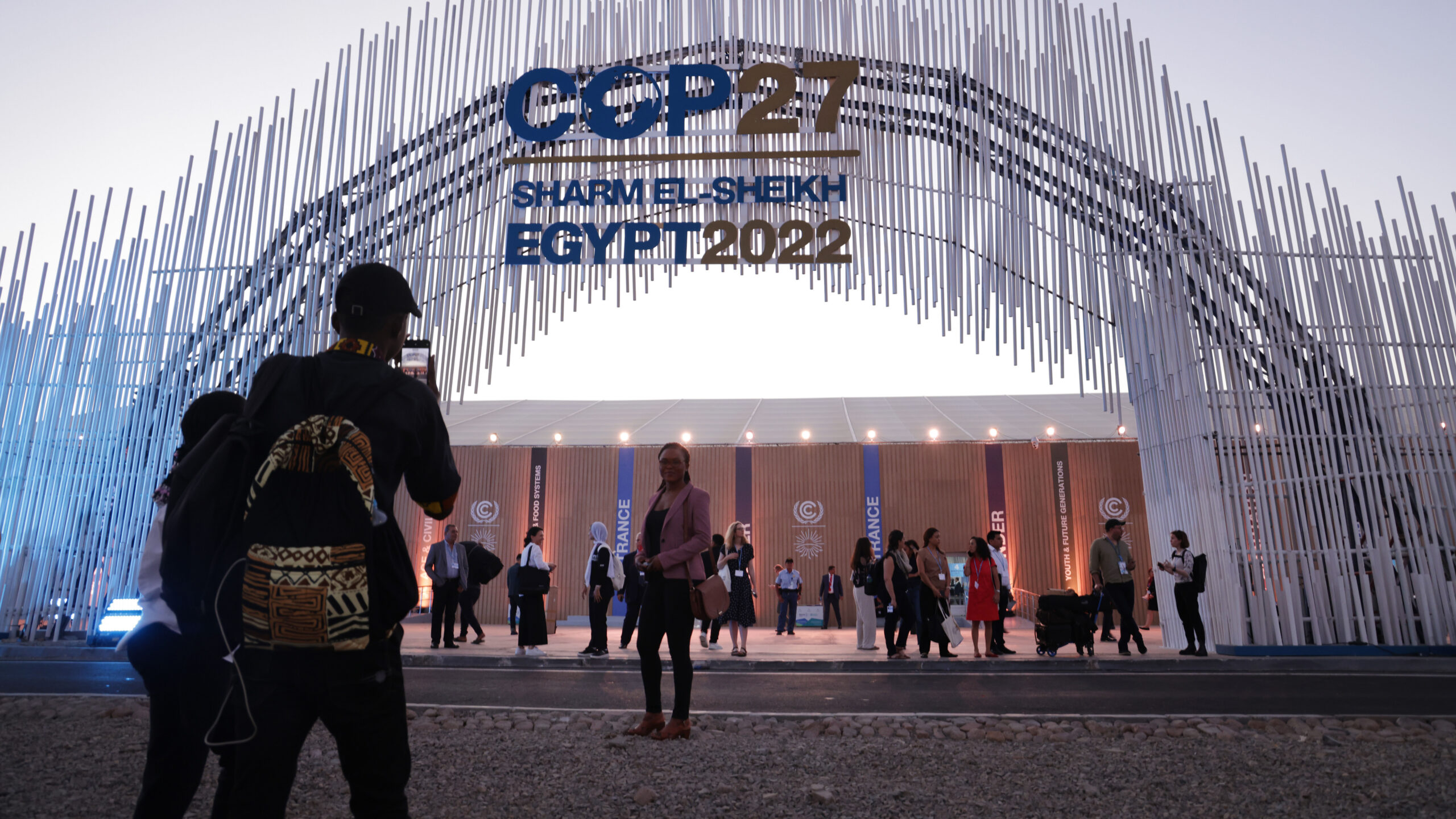
Dispatches from Sharm el-Sheikh: Reviewing COP27 from the MENA perspective
Participating in COP27 provided a unique opportunity to view the proceedings firsthand and evaluate the effectiveness of the meeting in advancing critical climate priorities that can alter the alarming trajectory of future climate change.
War crimes in Ukraine: Failure to prosecute Russia will damage international security for years to come
Historically, Russia has escaped accountability for the war crimes it has committed. The war in Ukraine must not follow the same path. Otherwise, the entire international security architecture will bear the consequences of such impunity.
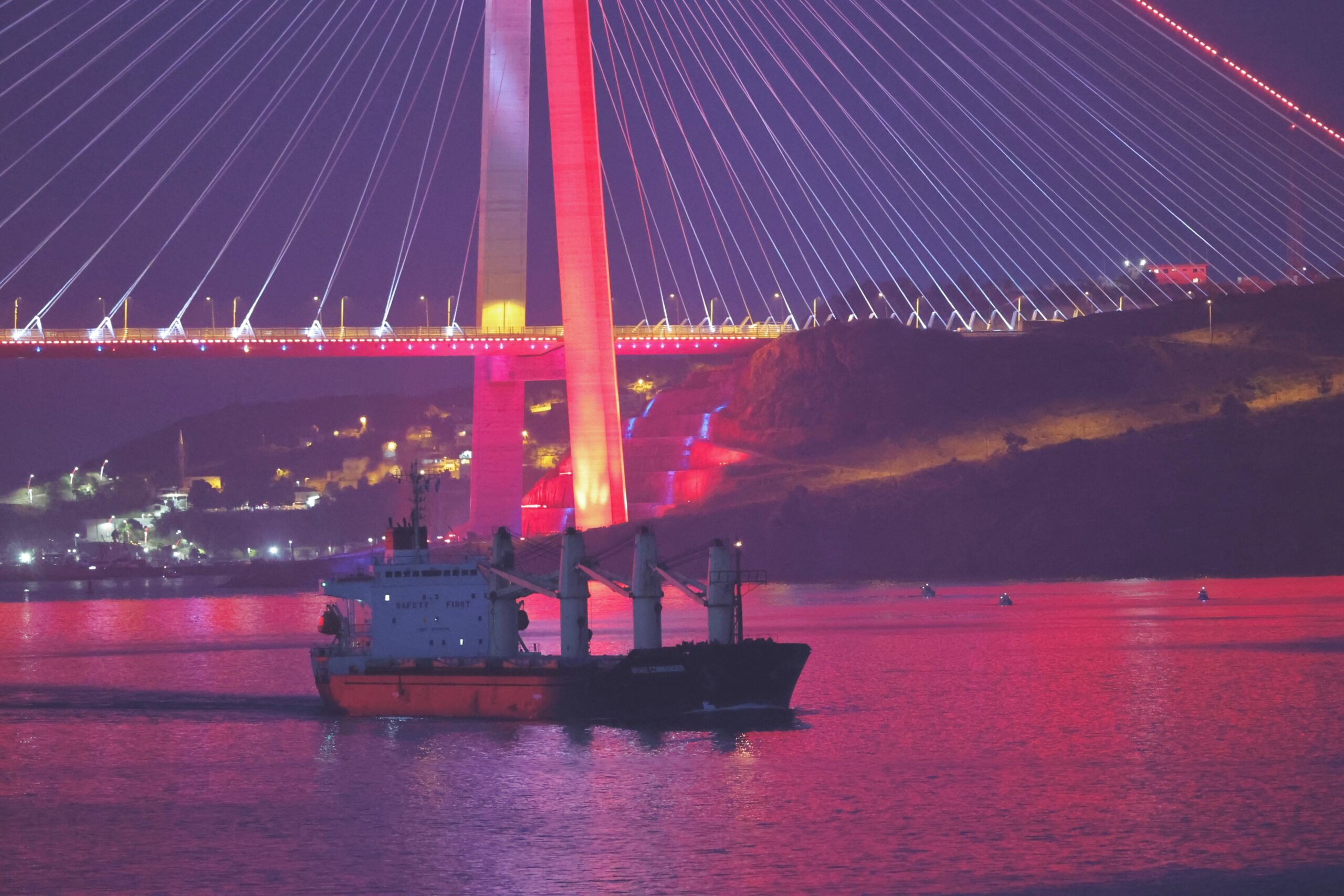
In Turkish-Russian relations, the Ukraine grain deal is not the point
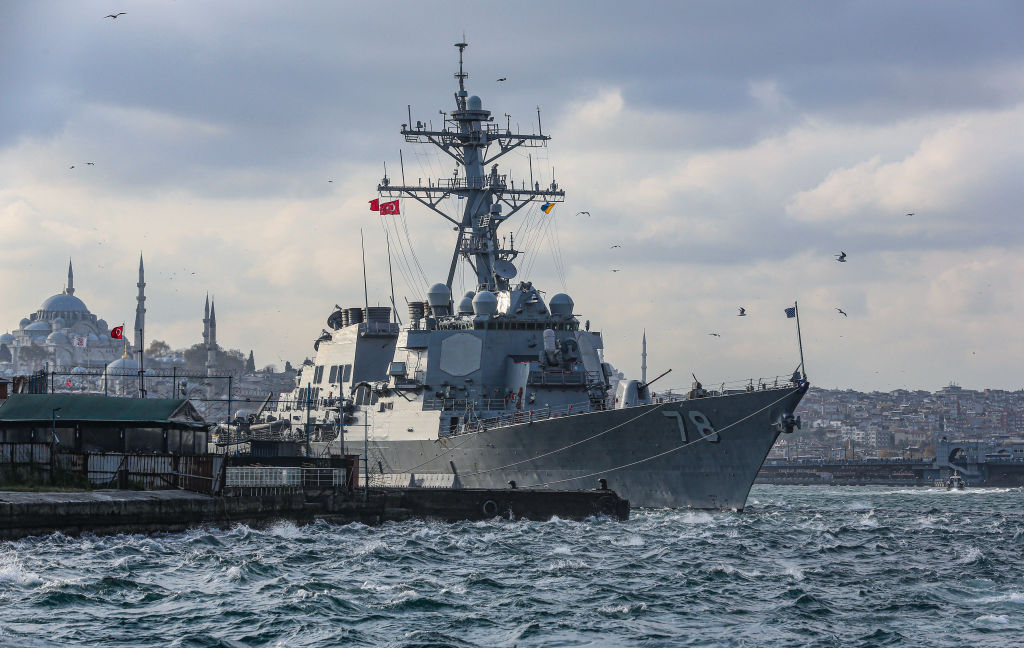
The Ukraine grain export deal, which Turkey helped mediate over the summer, was saved last week to much fanfare; but the central unaddressed issue remains lifting Russia’s illegal blockade of Ukrainian ports, so Ukraine can freely trade with the world.
The SCO Summit in Samarkand: Reviving Iran and Uzbekistan relations on an oil and transit axis
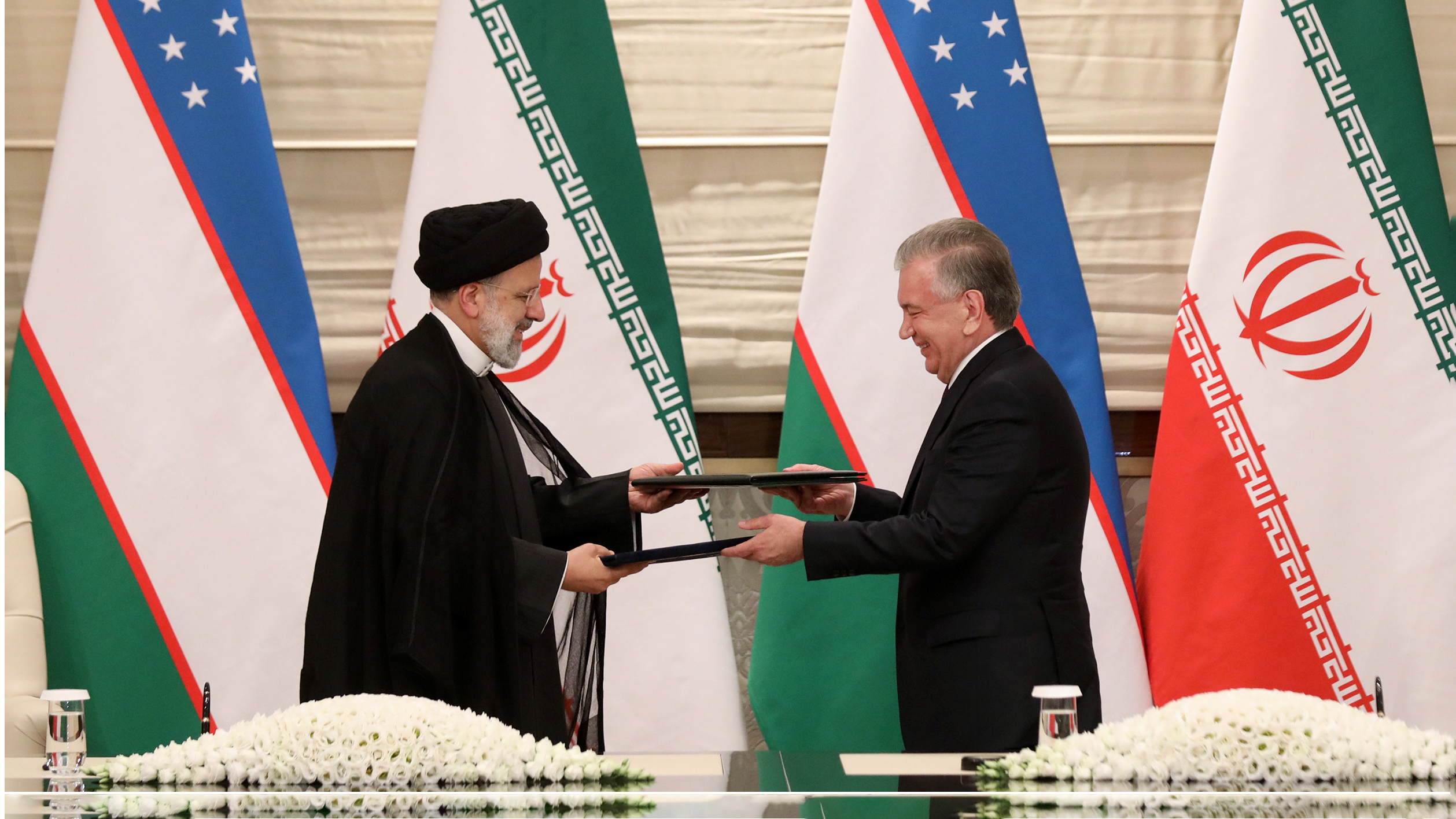
The 22nd Shanghai Cooperation Organization (SCO) summit in the Uzbekistani city of Samarkand this past September turned out to be a boon for Iran’s regional policy. Not only was the Islamic Republic extended a roadmap to join the grouping, but the meeting also offered a convenient opportunity to revive and strengthen ties with Uzbekistan.
Russia’s War on Ukraine: Iran’s Growing Role and the Nuclear Threat
In today’s episode, Alistair Taylor sits down with experts from MEI’s Frontier Europe Initiative to assess the trajectory of Russia’s war on Ukraine. They discuss Russia’s growing attacks on critical infrastructure, its recent deployment of Iranian drones and their impact on the battlefield, the potential nuclear threat, and where things might be headed from here.
Lukashenka’s visit to Abkhazia: A prelude to recognition?
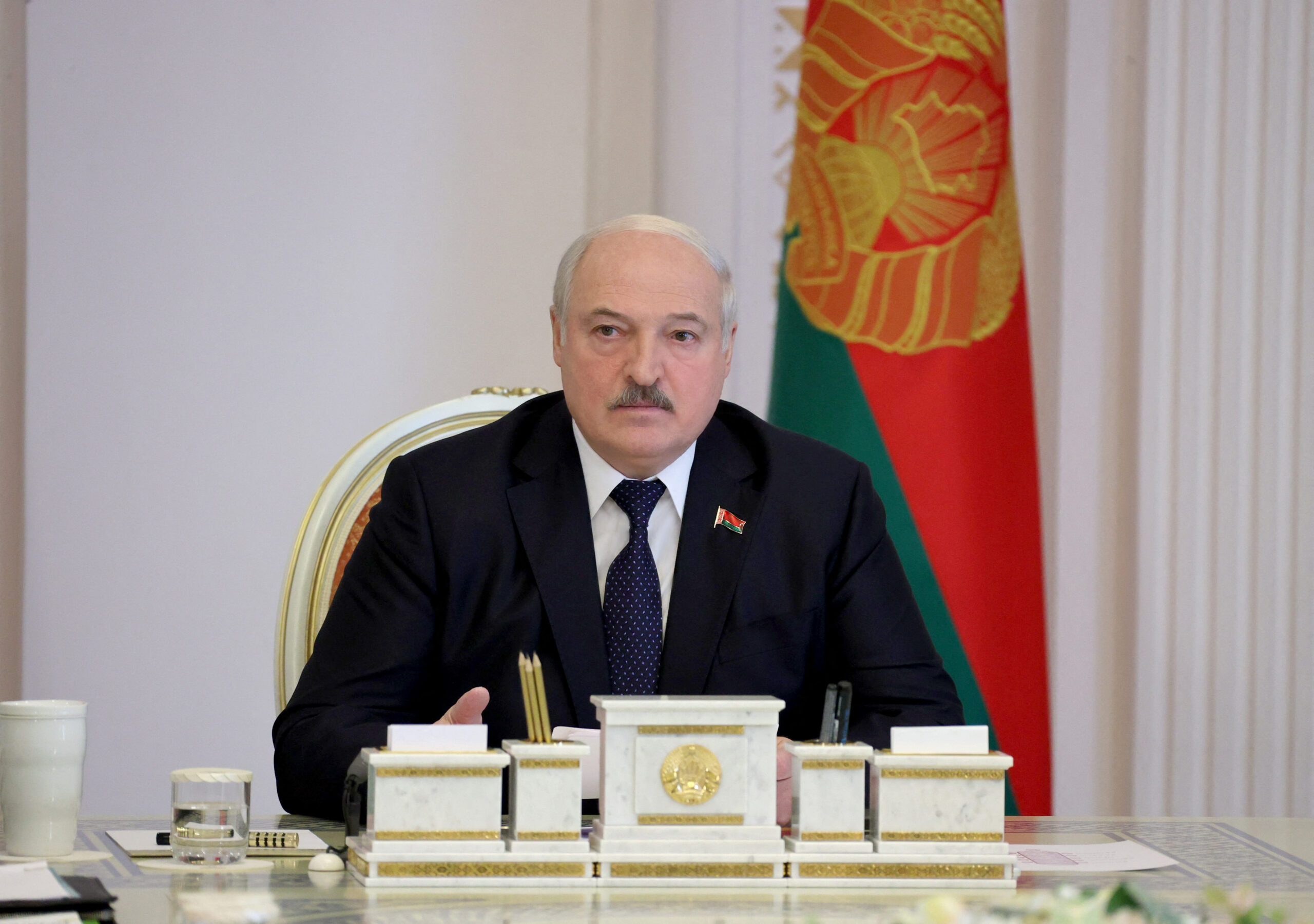
Almost immediately following a meeting with Vladimir Putin in Sochi, Belarusian President Alyaksandr Lukashenka quietly traveled to the Russian-occupied Georgian region of Abkhazia for the first time. Given Belarus’s isolation from the West and deep dependency on Russia, it is highly likely that Lukashenka’s visit to Abkhazia was directed by his Kremlin counterpart.
Albania finds itself caught in the middle as Iran and the West square off
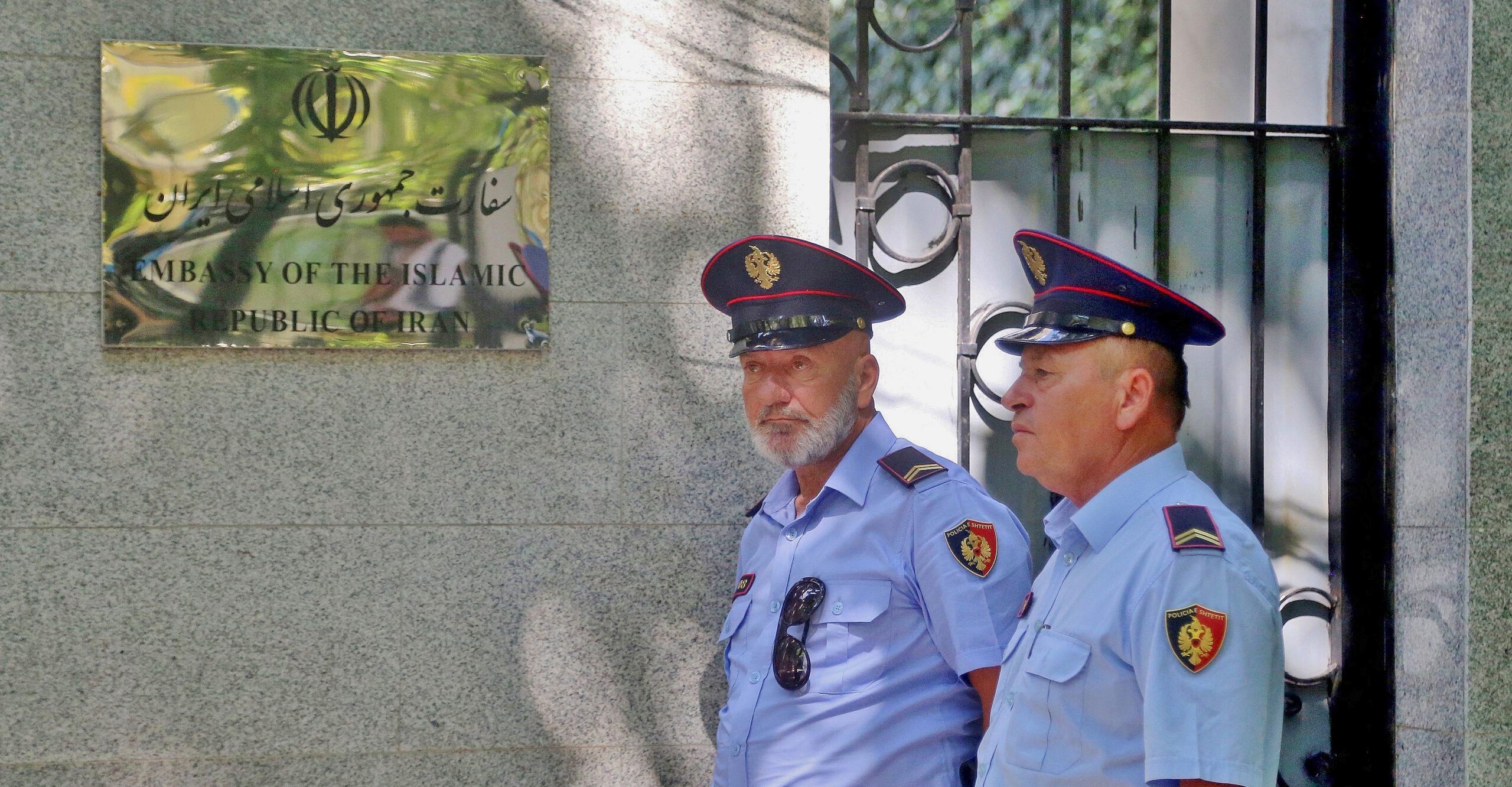
Albania, a close U.S. ally, has found itself on the front line of the clash between the West and Iran. Though angered by the MEK’s presence in Albania, to date, there is little evidence to suggest that Tehran intends to further fuel the conflict with Tirana. This could change, however, If the Iranian proxy war with the U.S. and Israel intensifies.
As protesters’ slogans and chants have made clear, the current protests are definitely not about the economy, but about opposition to the regime more broadly and its political and social oppression. Yet Iran’s economic problems have created an atmosphere that encouraged and fueled protesters’ anger and have done nothing to help the regime.
Iulia Joja interviews Henry Sokolski, the executive director of the Nonproliferation Policy Education Center, about how tactical nuclear weapons might play into Vladimir Putin’s Ukraine strategy.
Opinion: Meet the tough women leaders taking on Vladimir Putin
It’s striking, the large number of brave women who are leading the protests against Iran’s violent and vicious theocratic regime. It’s likewise notable that young women lead the Ukrainian organization just awarded the Nobel Peace Prize. Arguably less noticed yet equally important: Across Europe, it’s women who are transcending political and geographic boundaries to call for an end to Russia’s brutal aggression.