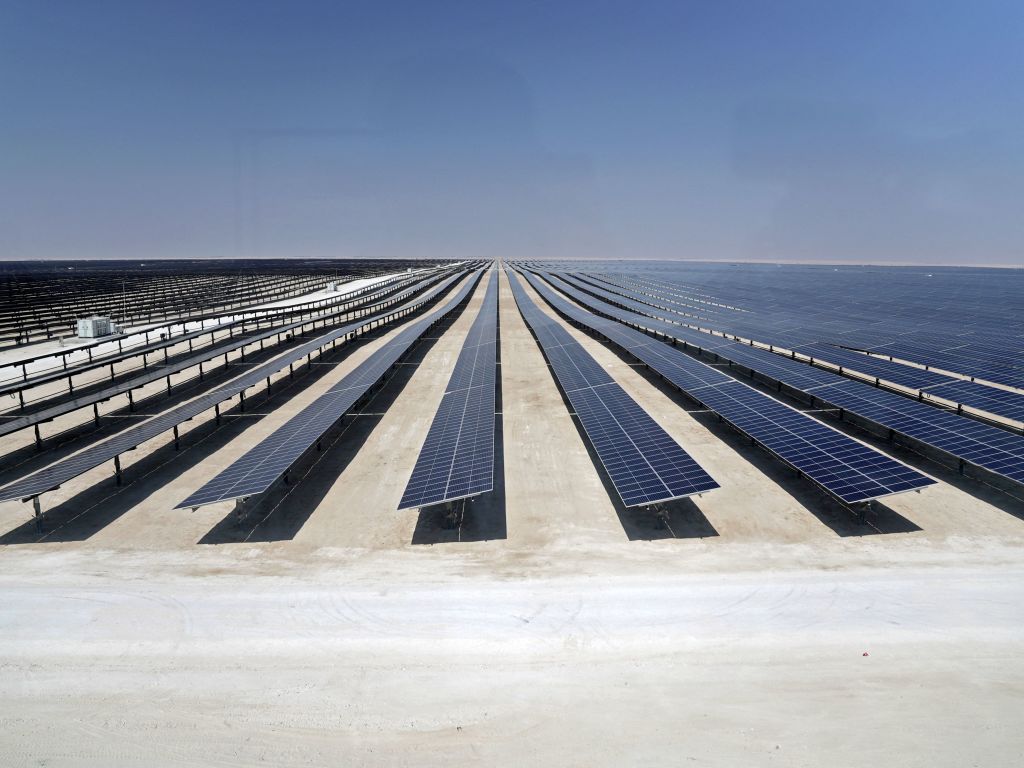
في السنوات القليلة الماضية، تغيرت التوقعات العالمية في مجال الطاقة. فقد أدى صعود السياسات الشعبوية وتزايد الشعور بضرورة اتخاذ إجراءات عاجلة بشأن تغير المناخ إلى إثارة جدل حول سياسات الطاقة في البلدان الغنية، مما أدى إلى ظهور مزيج مربك من السياسات الصناعية الجديدة. وجعلت جائحة كوفيد-19 من الصعب للغاية التنبؤ بأسعار الوقود وأنماط الاستهلاك، وأجبرت العديد من البلدان على مواجهة ارتباطاتها بسلاسل التوريد الهشة التي تشمل عدة دول وبالدول النفطية القديمة.
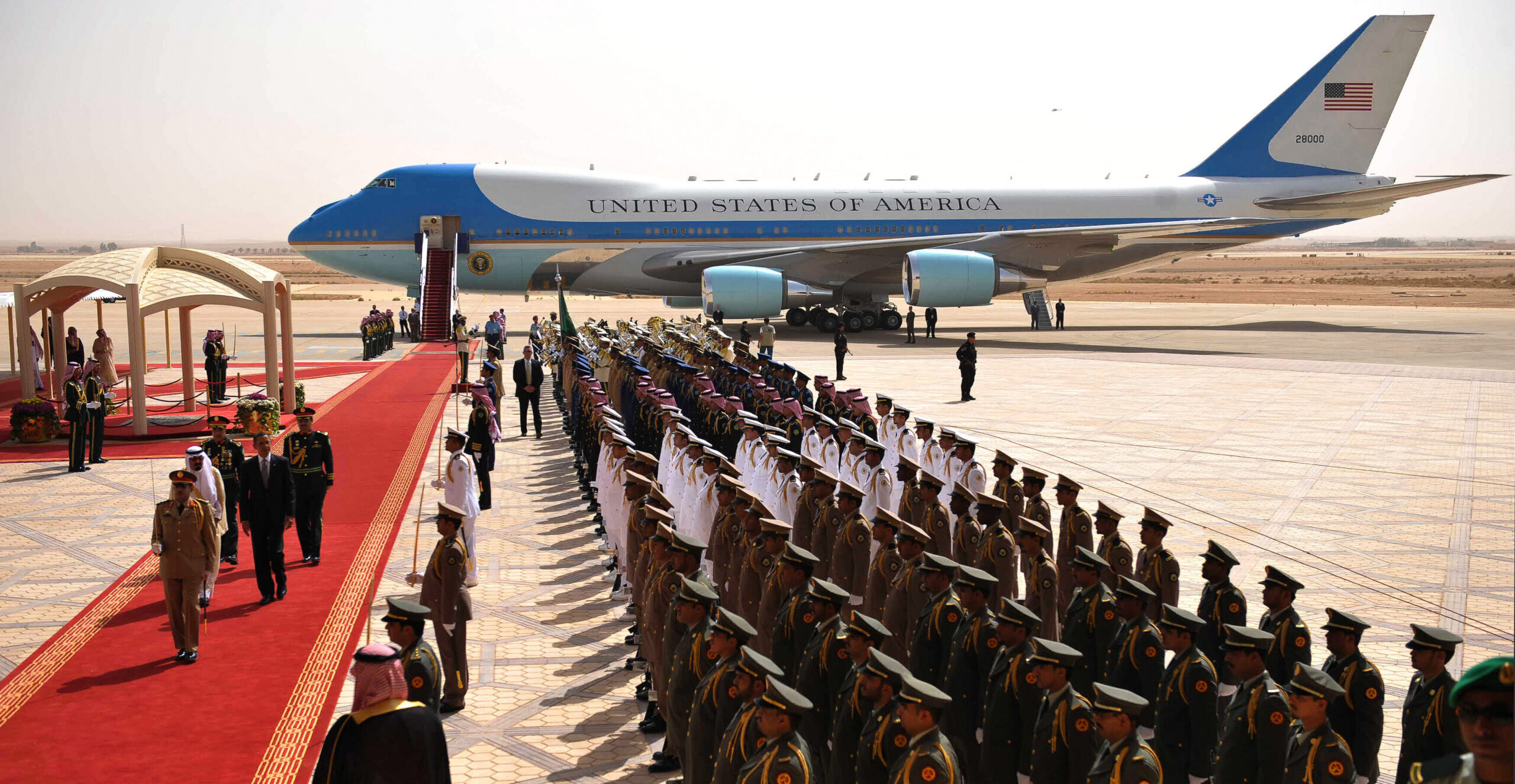
July 4 from abroad: The many ages of America in the Arab world
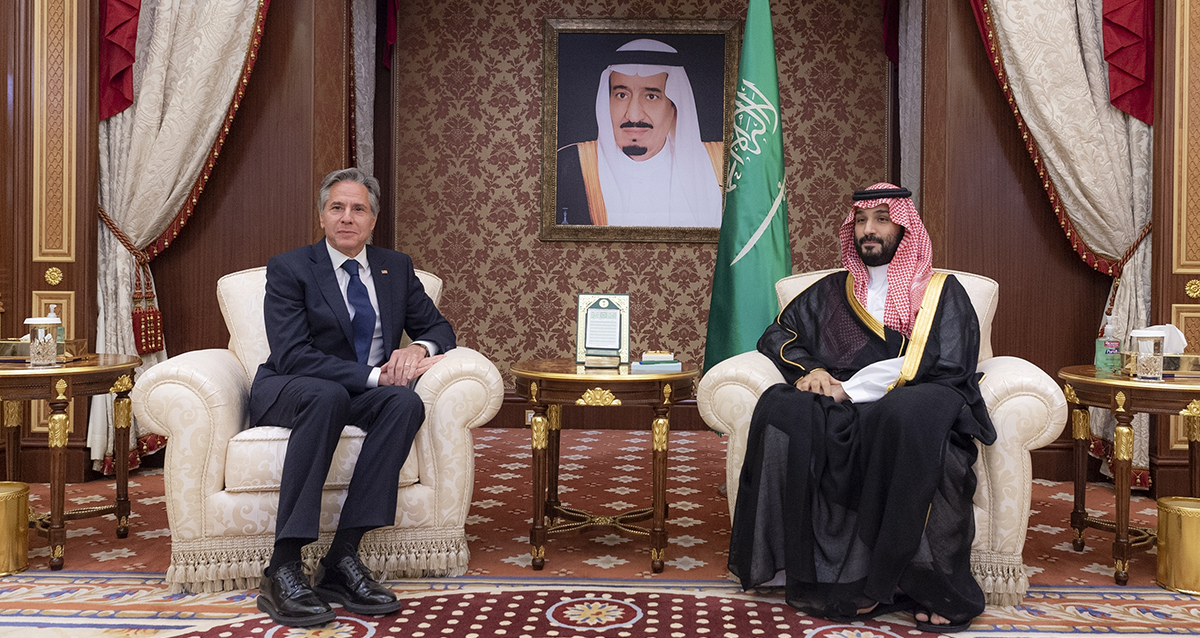
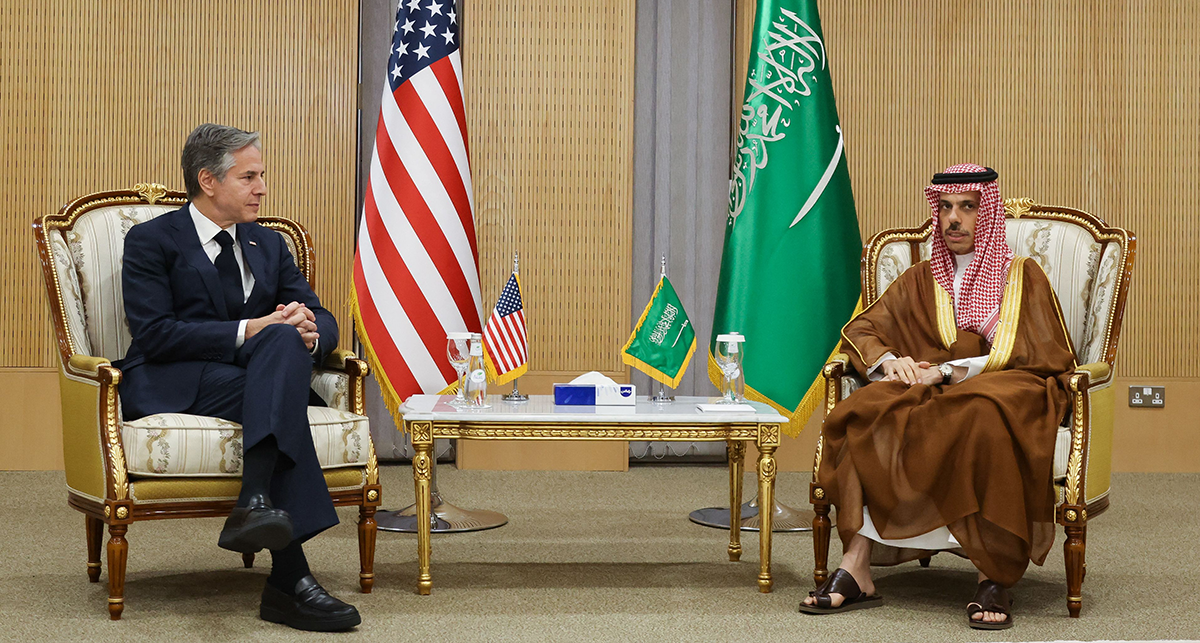
From the past century until today, the U.S. has cast a long shadow in the Middle East region and relations have gone through many highs and lows. It is important to be aware of this trajectory to better understand the relationship today; and perhaps there are lessons to inform the future of the relationship in the coming century.
إخفاقا الخليج المزدوجان: الابتكار وتوظيف المواطنين في القطاع الخاص
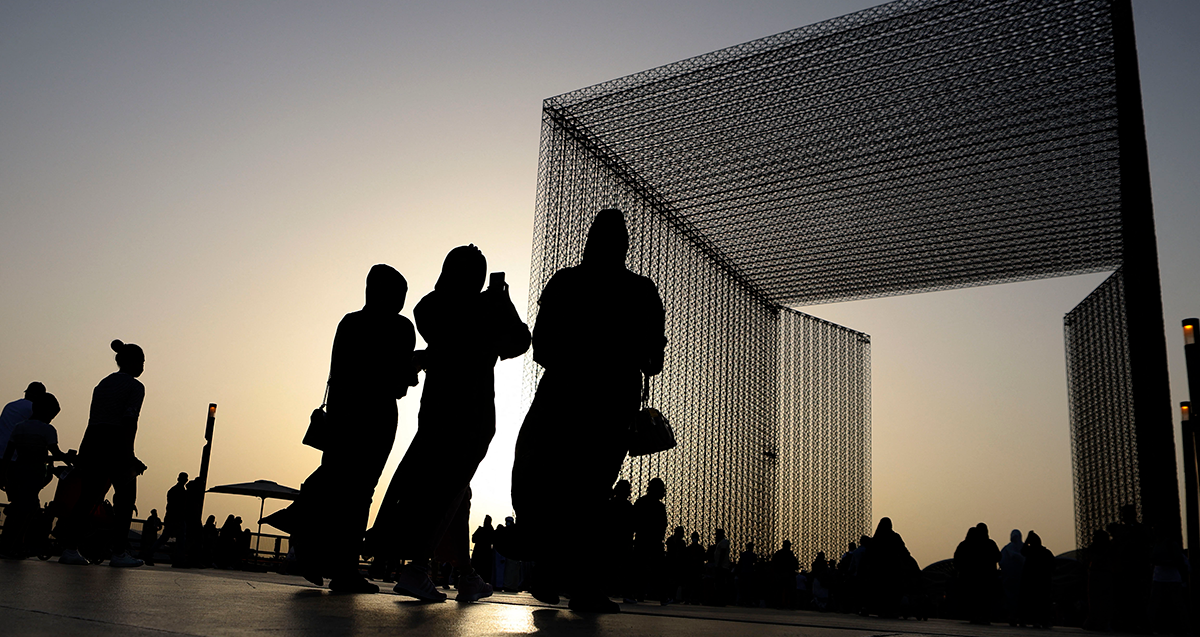
خرجت دول الخليج من الجائحة العالمية برياح اقتصادية مواتية. لكن الأحداث البارزة مثل استضافة قطر لكأس العالم لكرة القدم وإكسبو الدولي في الإمارات العربية المتحدة استمرت في إخفاء نقطتي ضعف خفيتين ولكنهما مهمتين عانت منها هذه الدول لعقود. لماذا تفتقر اقتصادات الخليج إلى الابتكار؟ ولماذا تكافح من أجل خلق فرص عمل في القطاع الخاص للمواطنين؟
Saudi Arabia can alleviate US concerns over its civilian nuclear energy program. Here’s how.
Saudi leaders have stepped up their plans for developing peaceful nuclear energy, inviting technical bids to the planned construction of two 1.4 gigawatt-electric nuclear reactors and restating the kingdom’s intention to use domestic uranium resources for producing low-enriched uranium as nuclear fuel.
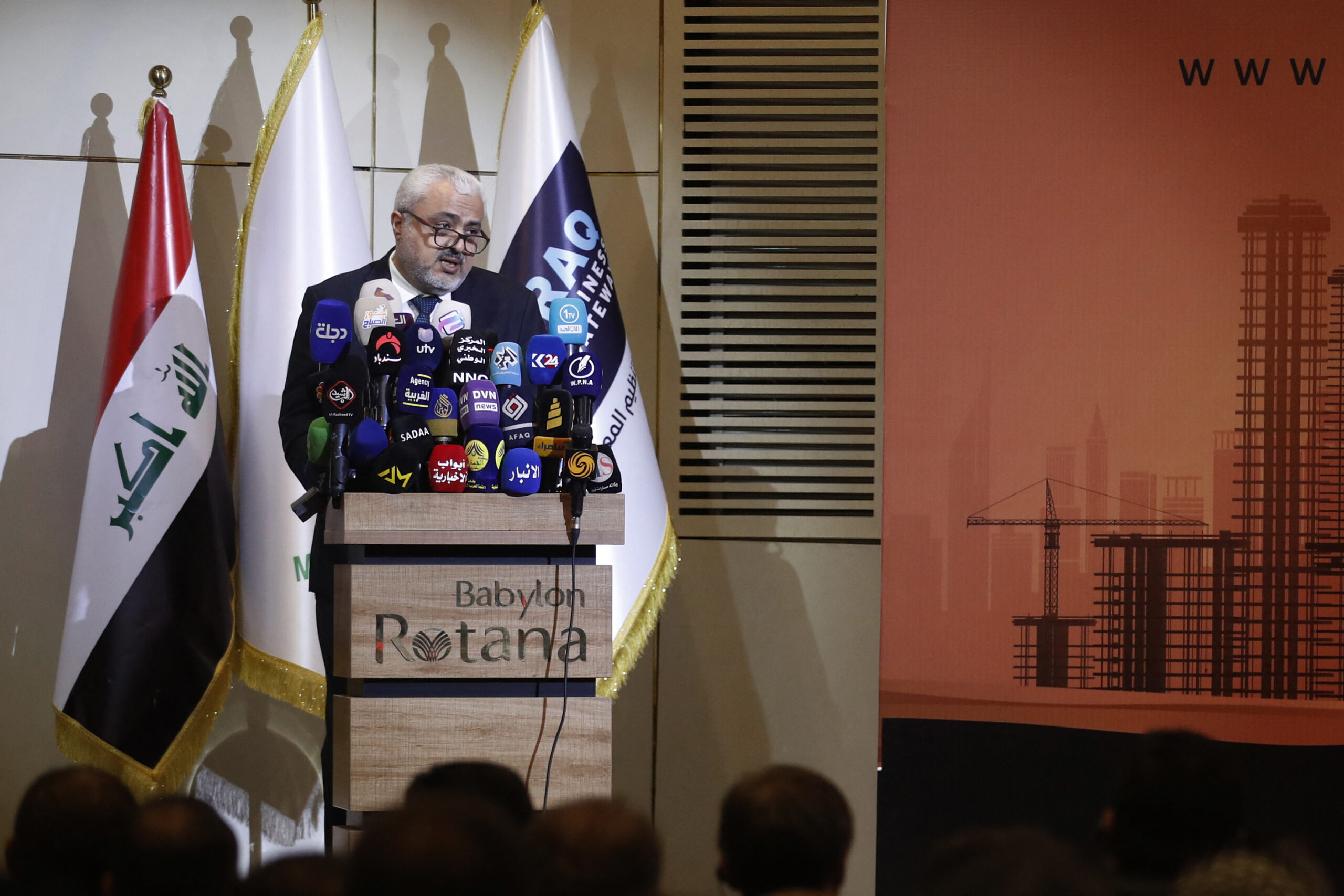
Addressing challenges to tolerance and religious diversity in Iraq
Iraq has long had a troubled history with its ethno-religious minorities, one full of oppression and violence. This was true under the Ba’athist regime and continued after the 2003 U.S.-led invasion, reaching a nadir with the rise of the Islamic State terrorist group. Although Iraq is now enjoying its most stable period in the past two decades, it is also a case study of the pernicious effects of structural violence, especially toward the more marginalized and vulnerable segments of society.
The current complex situation in the global oil market seriously tests the abilities of OPEC+ to play the role of a regulator, forcing Saudi Arabia to assume the main burden of responsibility for keeping oil prices from declining further and for shoring up the cartel ranks.
Gender parity in the Middle East is still many decades away, but it will largely determine the future of economic, social, cultural, and political development in the region.
Saudi LNG exports: Overcoming challenges to commercial success
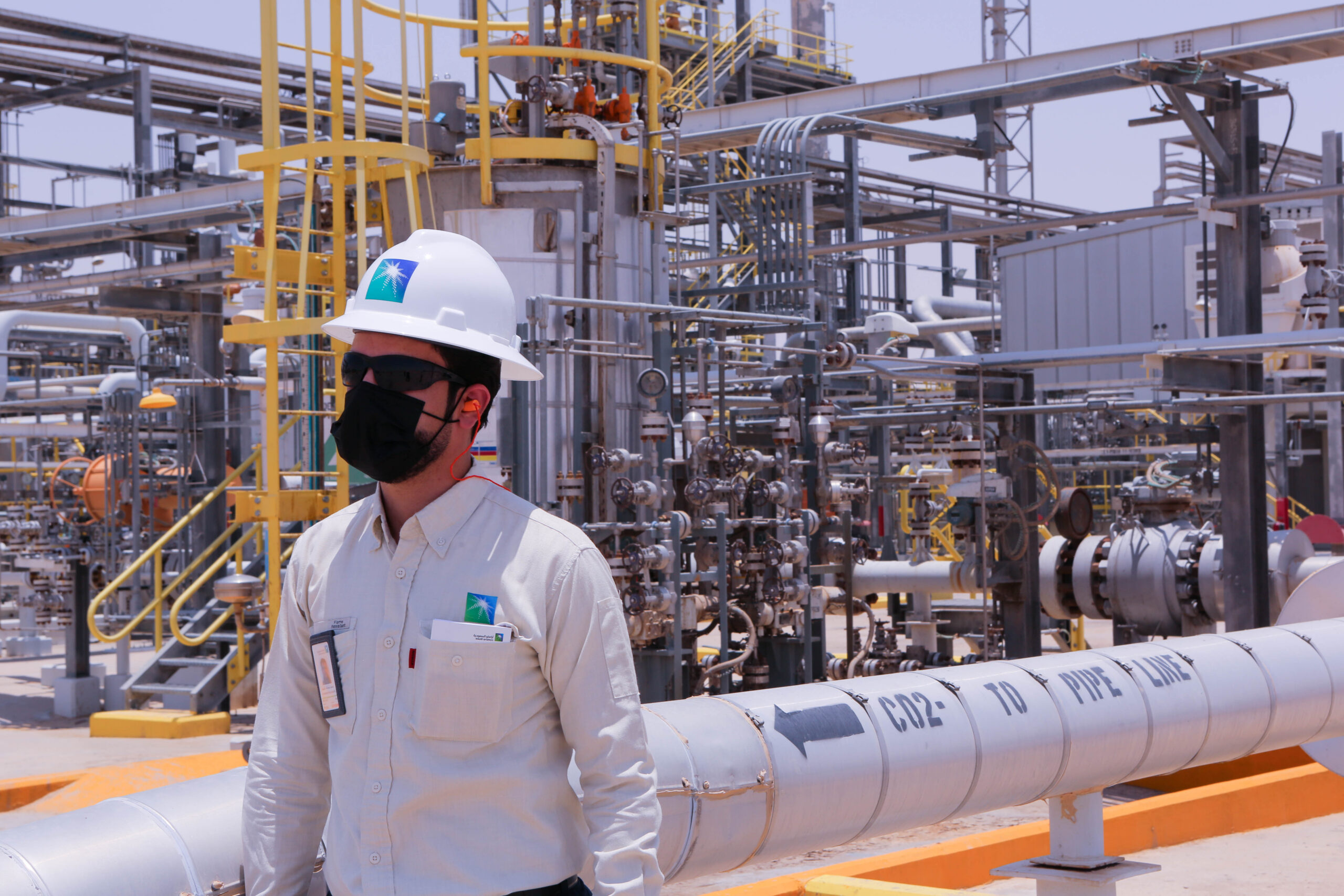
After issuing positive statements around greenfield blue hydrogen projects in late 2022, the company, Bloomberg now reports, may be migrating away from the hydrogen scheme and toward LNG exports. Both would require significant capital investment. Assuming the company decides to pursue an LNG export project, it will face many potentially value-erosive challenges and risks that must be overcome before achieving economic success.
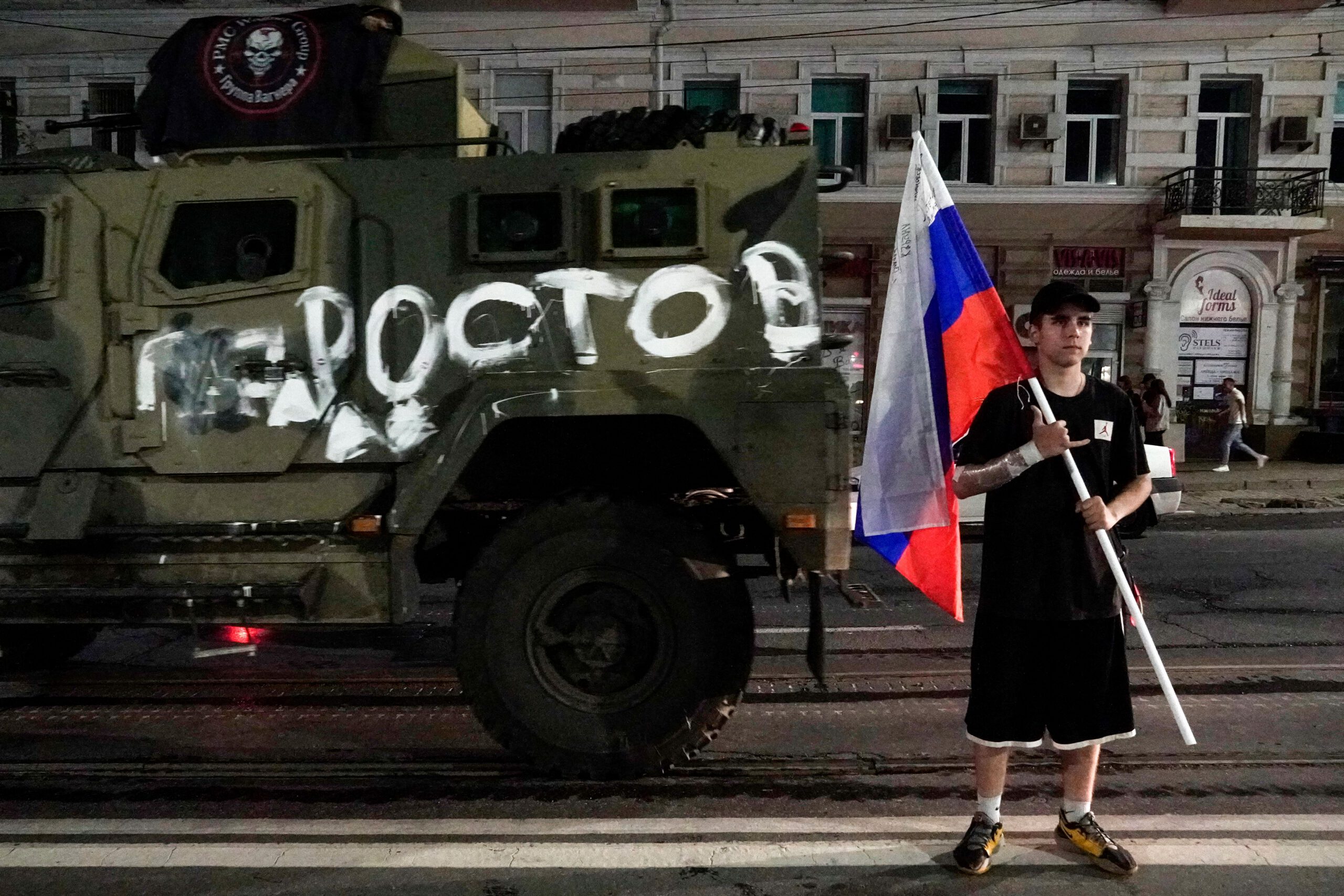
How the rumble in Russia reverberates around the Middle East
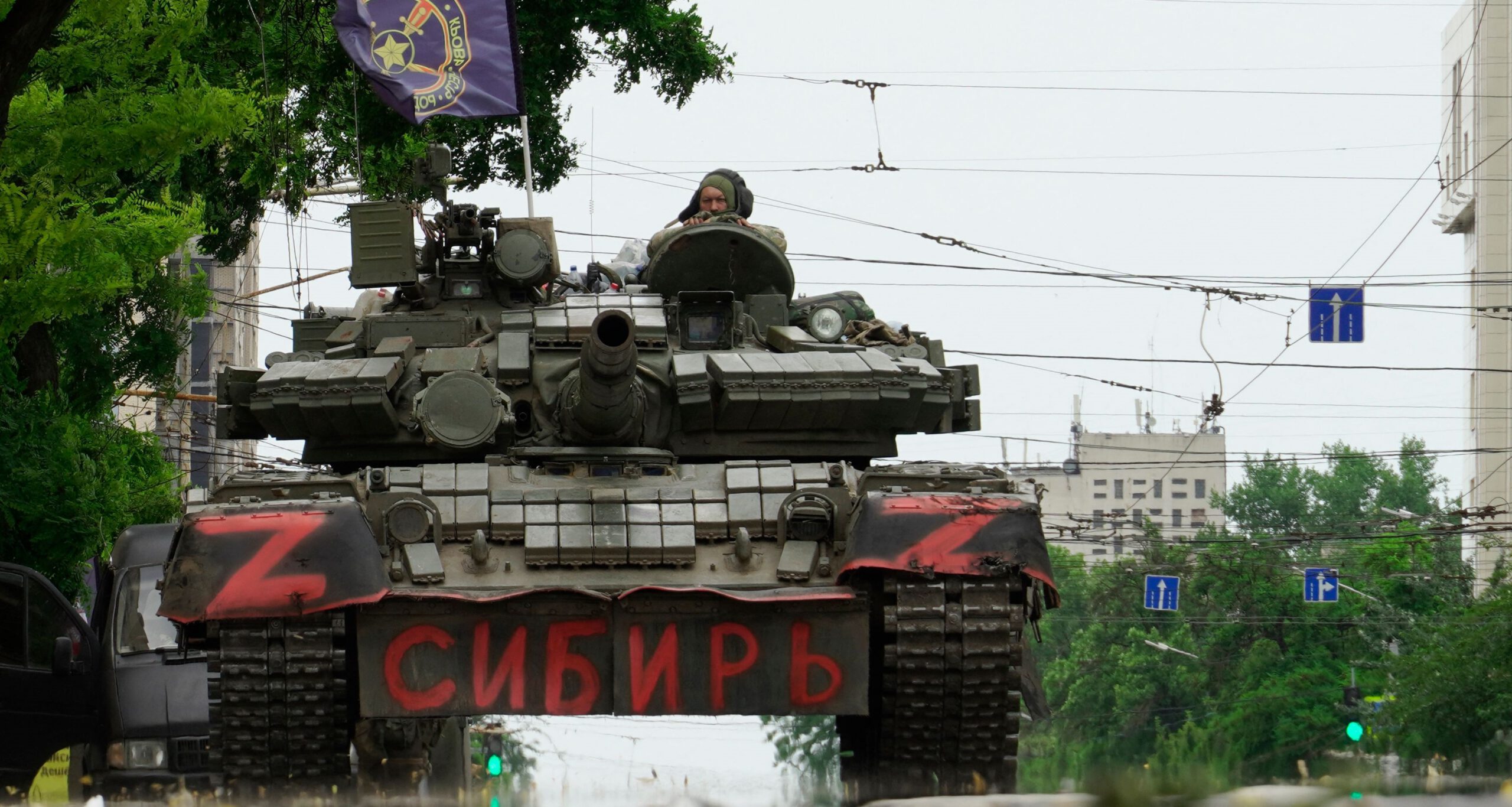
It is too early to tell whether the Wagner “uprising” is a one-off or foreshadows further cracks and the eventual collapse of Putin’s presidency, but the latter outcome would have lasting consequences in the MENA region.
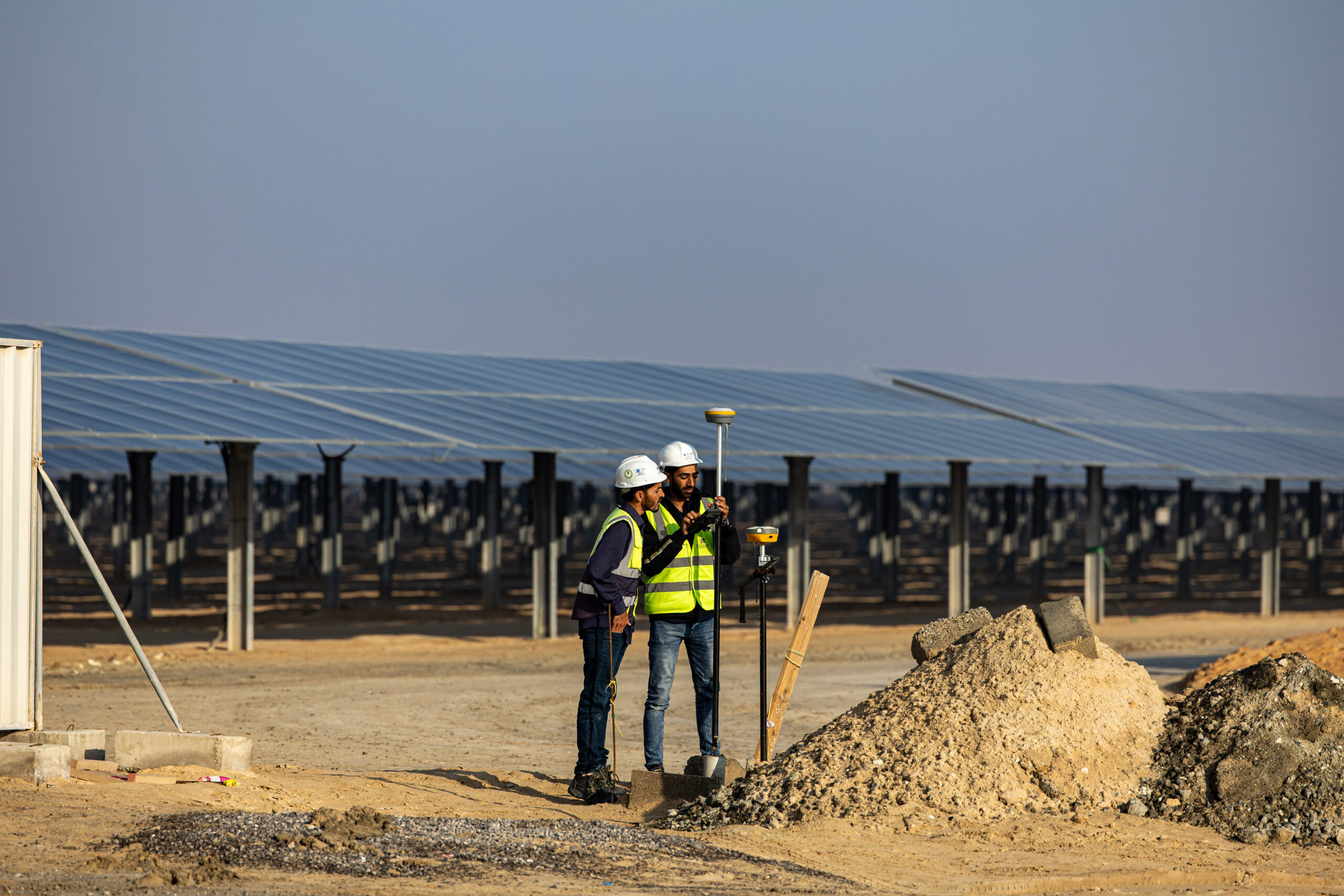
Measure, verify, certify: How to future-proof Gulf companies in the energy transition
Several Gulf states have introduced renewable energy certificates into their low-carbon energy eco-system. What are RECs and how can they help companies navigate the energy transition?
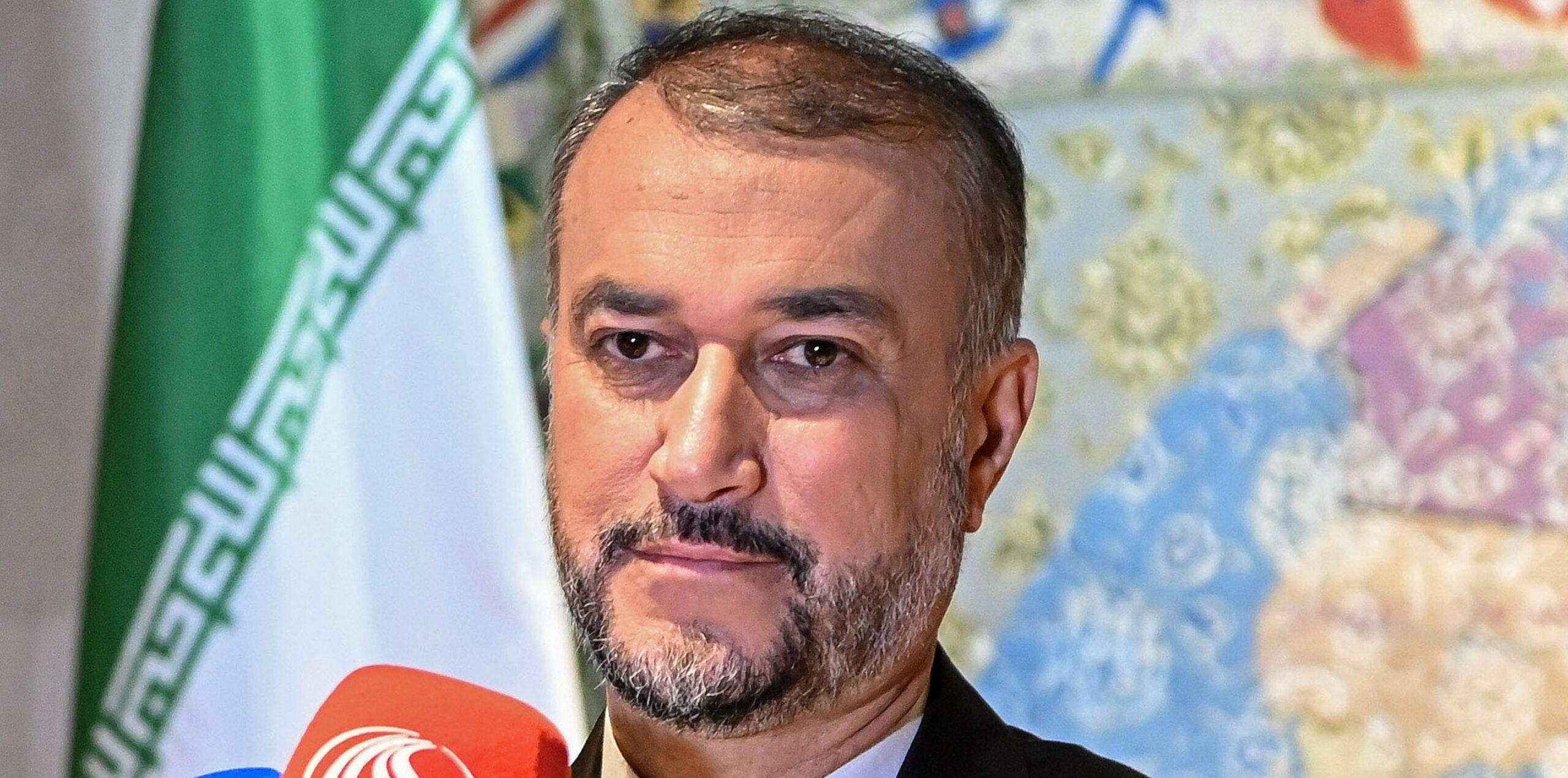
Iran and the GCC connectivity agenda: Implication for Washington’s Iran policy
The prevailing political spirit in the Gulf region is presently one of de-escalation. In the case of the UAE and Iran, a number of existing connections could help hasten the process of de-escalation and enable it to happen faster than anywhere else in the region.The outcome should be of interest not only to the UAE and Iran but also to the U.S. given the latter’s long-standing efforts to shape Iranian policies.
Disease, destruction, flooded fields, and hunger: The far-reaching consequence of the Kakhovka dam collapse in Ukraine
Last week’s collapse of the Nova Kakhovka dam on the Dnipro River in Ukraine is one of the largest environmental disaster the Black Sea region and Europe has faced in decades. Its far-reaching environmental, economic, and humanitarian consequences will affect not just Ukraine and the Black Sea region, but also the Middle East and Africa.