How Donald Trump might tackle the Middle East in 2025
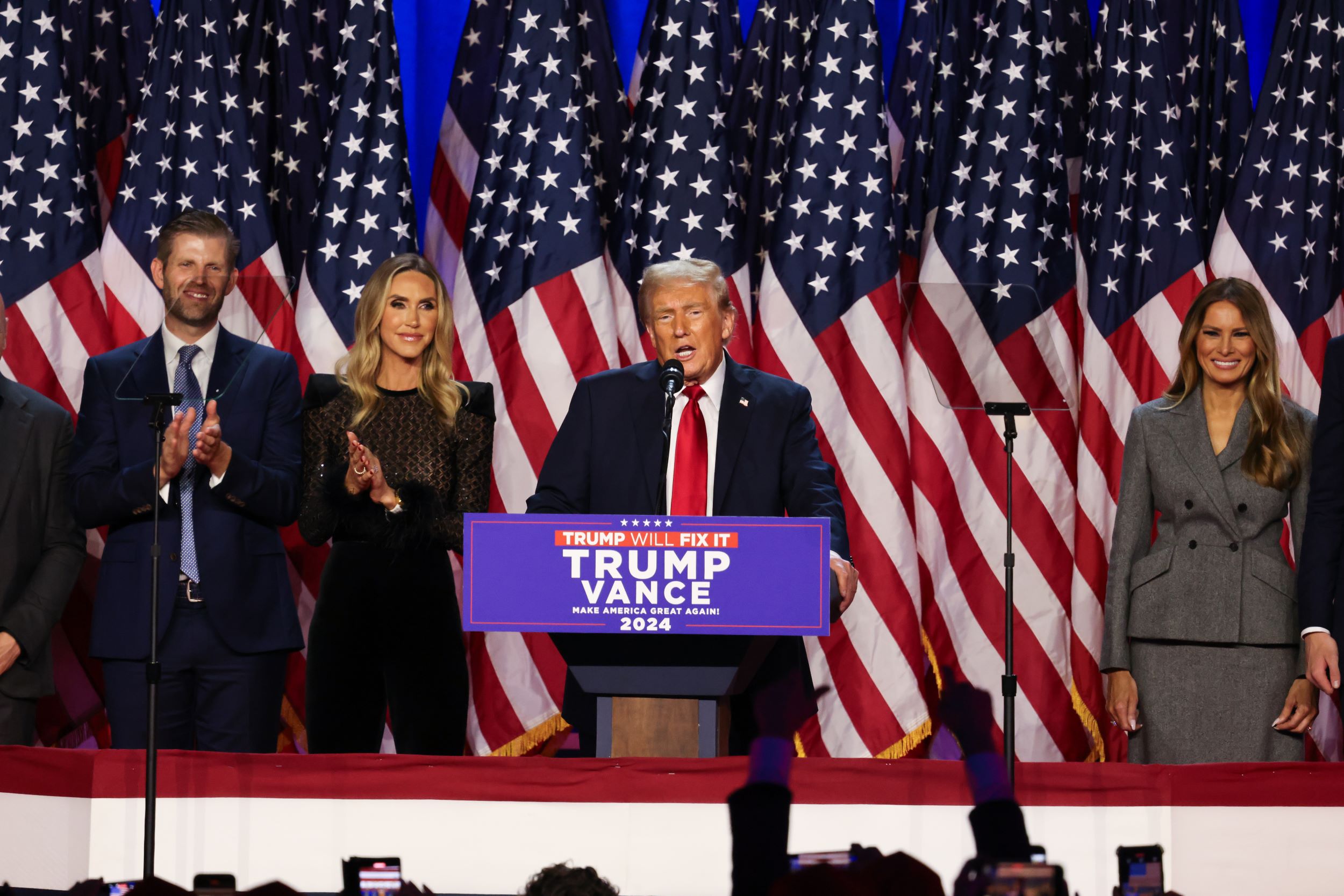
it is possible to extrapolate how the incoming second Trump administration may respond to the complex situation in the Middle East by examining the president-elect’s record during his first term, what he has said since, as well as public statements of his running-mate, Sen. J. D. Vance. Two main issues are likely to dominate Donald Trump’s regional agenda when he comes to power: Iran and Israeli-Palestinian affairs.
Early recovery and rehabilitation in regime-controlled areas of Syria: An assessment
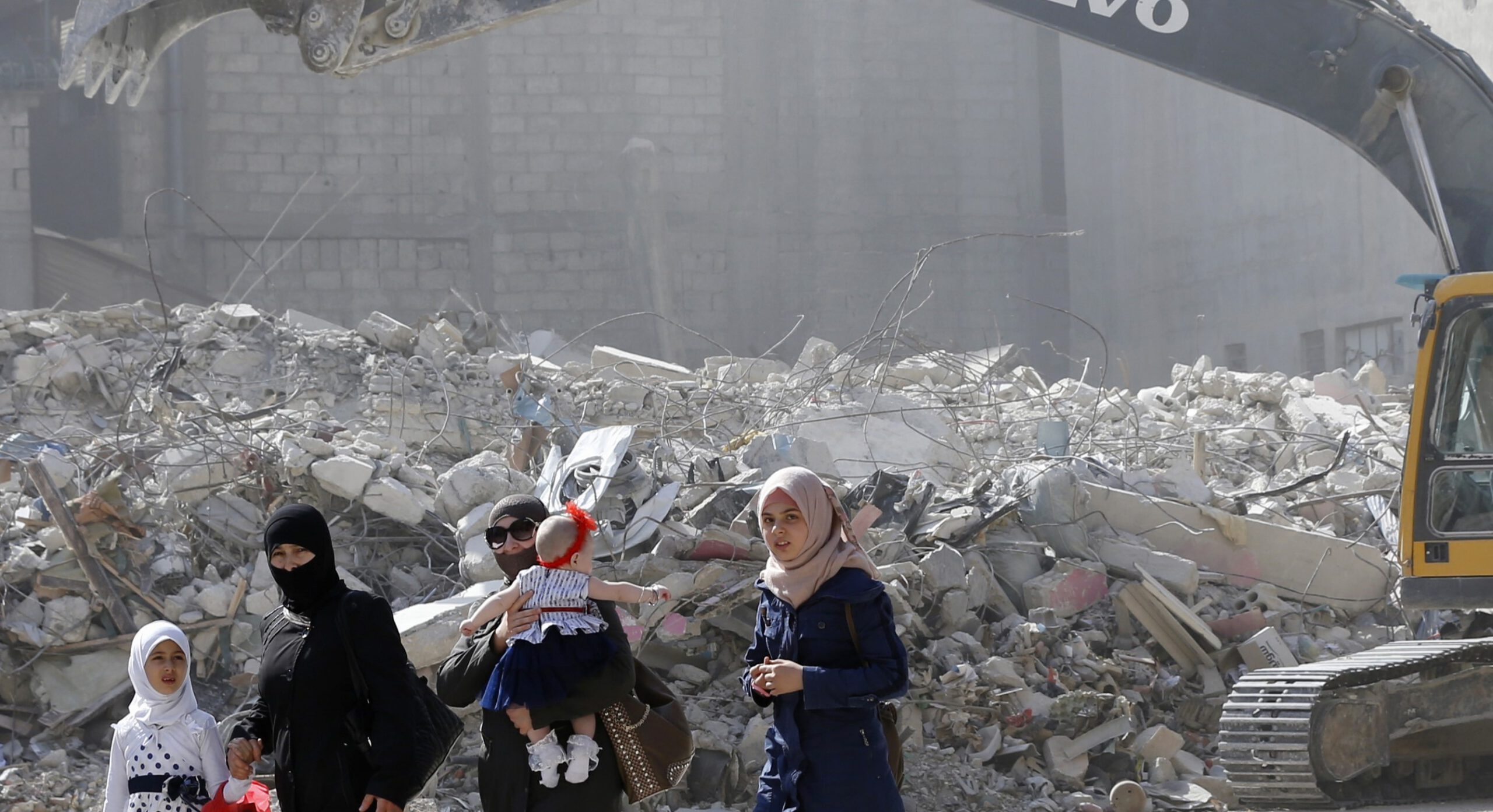
The following is a short abstract, offering the main analytical findings and policy takeaways from a newly released Middle East Institute report on post-war reconstruction in Syria.
Assad’s economic fragility exposed by Israel’s war on Lebanon
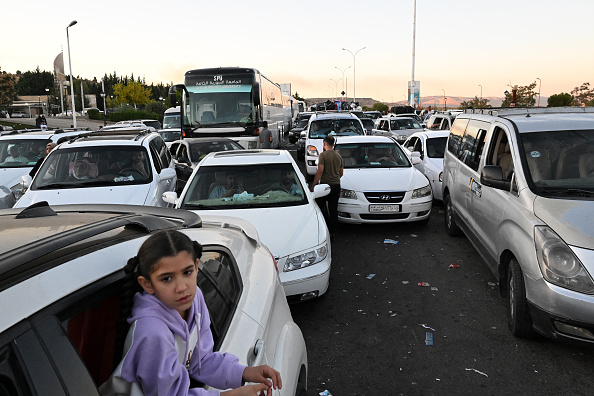
Israel’s escalation of its military campaign against Hezbollah in Lebanon has severely disrupted the cross-border flow of goods into Syria that have long served as a critical lifeline for Damascus. These interruptions have worsened existing shortages, triggering sharp increases in the prices of essential commodities for Syrian who were already struggling economically.
There is no alternative to Hezbollah’s disarmament
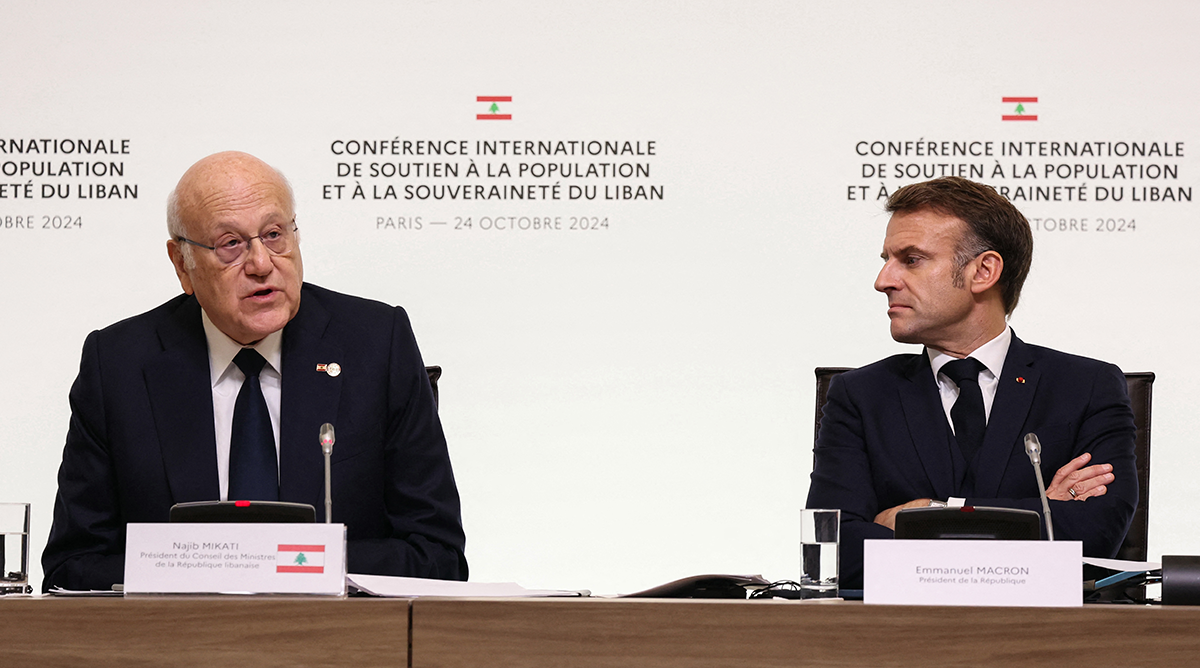
Last week, representatives from around 70 countries convened in Paris to pledge nearly $1 billion in aid for Lebanon. Moving forward, France and the US should work together to summon the political will needed to craft and implement a lasting political solution — one that can effectively safeguard against future wars between Israel and Lebanon.
Harris vs. Trump on the War and Crisis in the Middle East
This policy assessment examines the statements and positions staked out by the Harris and Trump campaigns on the Middle East. The spotlight is on the past few weeks, with a stronger focus on two main issues that are likely to dominate the regional agenda of the next US administration: Iran and Israeli-Palestinian affairs.
Over the past month, Iran and its regional network of allies and proxies – the Axis of Resistance – has suffered a string of dramatic losses and defeats. What is the future of the Axis and its members, and what can the US and its allies do to confront and disrupt this Iranian-led network?
MEI Managing Editor Matthew Czekaj speaks to Meir Javedanfar and Alex Vatanka on Iran’s role in keeping its network of proxies together and the conflicting interests that may force the country to rethink its antagonistic regional strategy.
Last month marked the second anniversary of the death of 22-year-old Kurdish-Iranian Mahsa Amini and the “Women, Life, Freedom” movement born of her murder. The authorities’ subsequent brutal crackdown on the protesters is but one flagrant example of the government’s appalling human rights record. The regime’s disdain for international human rights norms is not the recent result of Iran’s transition from Islamic theocracy to nationalistic military-security state. Rather, it has been a feature of the regime from the beginning, as shown by (inter alia) the 1988 mass executions of Iranian prisoners.
The Islamic Republic, the most unpatriotic in Iranian history?
It is no exaggeration to say that the Islamist political system in Tehran is on the brink of experiencing perilous blowback for the foreign policy choices it has made. Whether Tehran continues to prioritize the fight against Israel or decides to look for ways to deprioritize the conflict as a national security matter will not be settled in the foreseeable future — or perhaps the matter will be taken out of Iran’s hands.
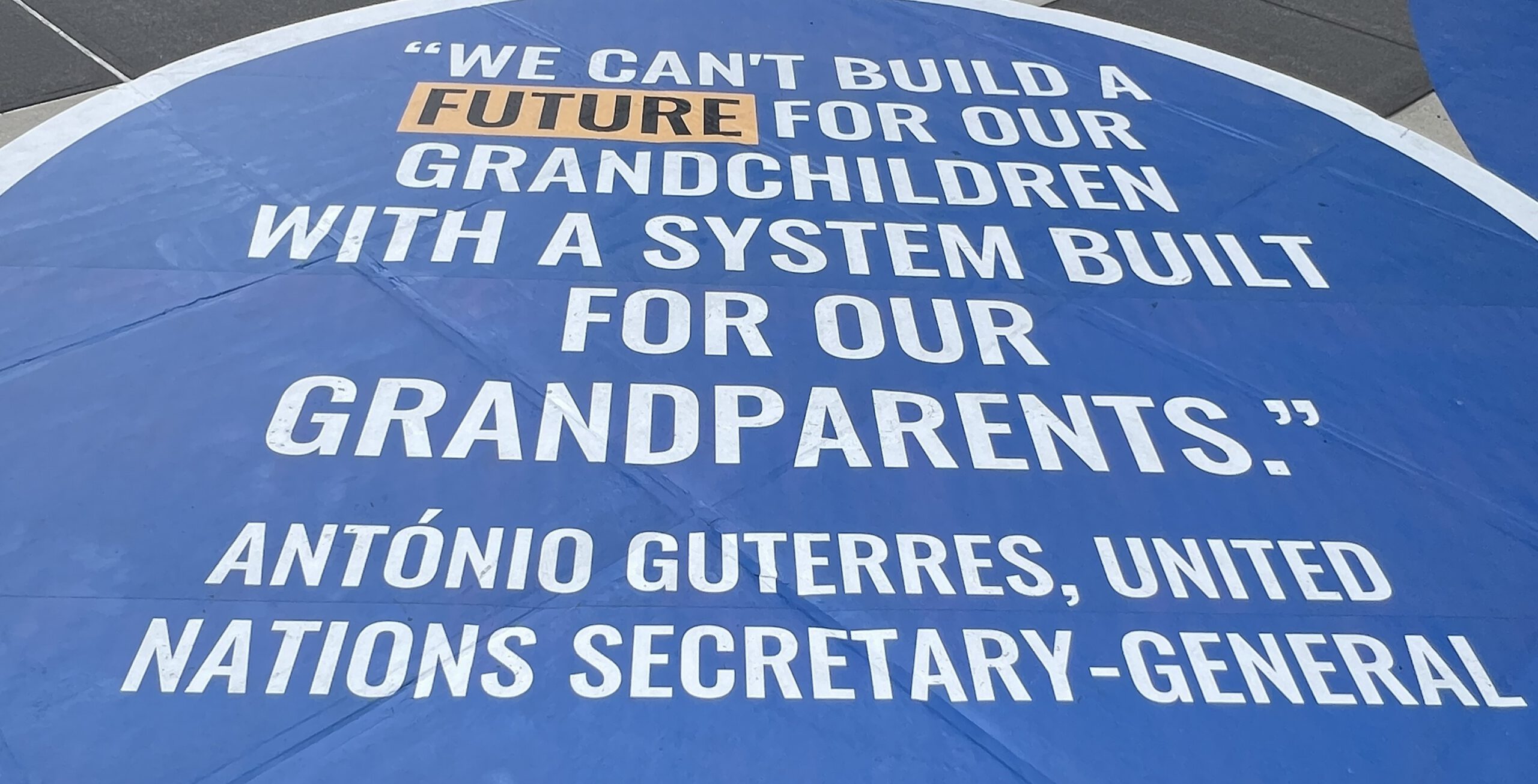
At last month’s Summit of the Future, the more than 190 UN member countries agreed to unprecedented new commitments on behalf of future generations, and they pledged to build a long-term future perspective into their mechanisms of governance, domestically and multilaterally. MEI’s Strategic Foresight Initiative program director Steven Kenney reflects on attending the summit and its outcomes.
Over the past month, Iran and its regional network of allies and proxies – The Axis of Resistance – has suffered a string of dramatic losses and defeats. What is the future of the Axis and its members, and what can the US and its allies do to confront and disrupt this Iranian-led network?
Key takeaways from new polling on Iran’s foreign policy and regional role
Arash Ghafouri and Alex Vatanka break down key takeaways from a new survey conducted by Stasis Consulting among Iranians living in Iran on Tehran’s foreign policy, regional influence, and diplomatic relations.
New polling highlights Iranians’ views on Iran’s foreign policy and regional role
The results of the latest public opinion survey from Stasis Consulting provide key insights into how Iranians view Tehran’s foreign policy, regional influence, and diplomatic relations at a time of heightened tensions in the Middle East, including how they perceive the economic costs of Iran’s current approach and its support for its regional proxy groups.