Syrian foreign policy in the Caucasus and Ukraine: An unbalanced, Russia-centered approach
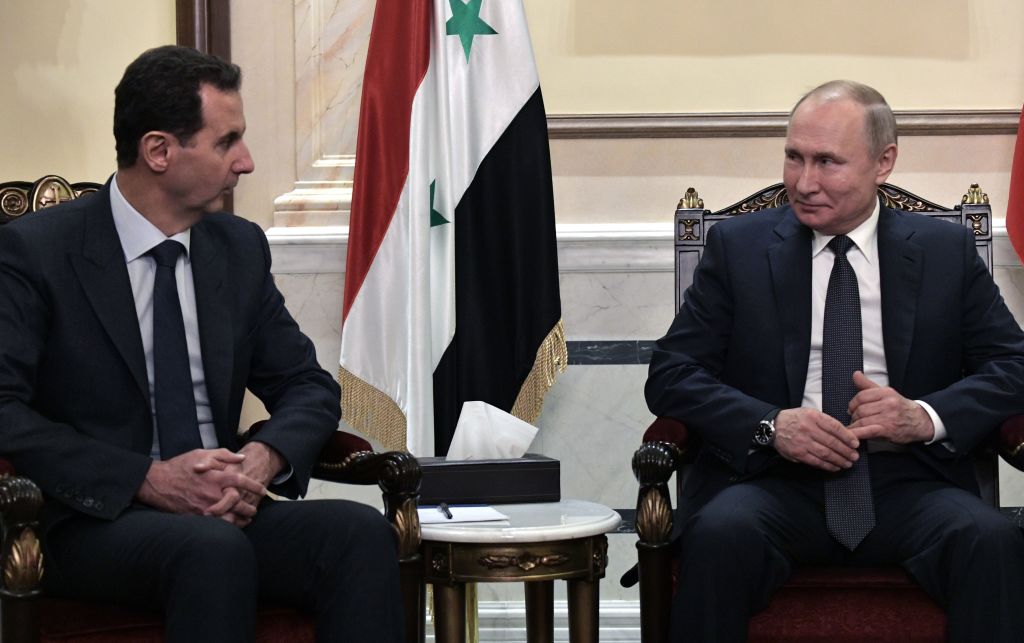
The embattled Syrian regime’s need to preserve Russian military and political support has compelled Damascus to adopt the Kremlin line in its foreign policy positions toward the former Soviet space.
Is Chechnya’s leader a ticking time-bomb for Russian-Turkish relations?
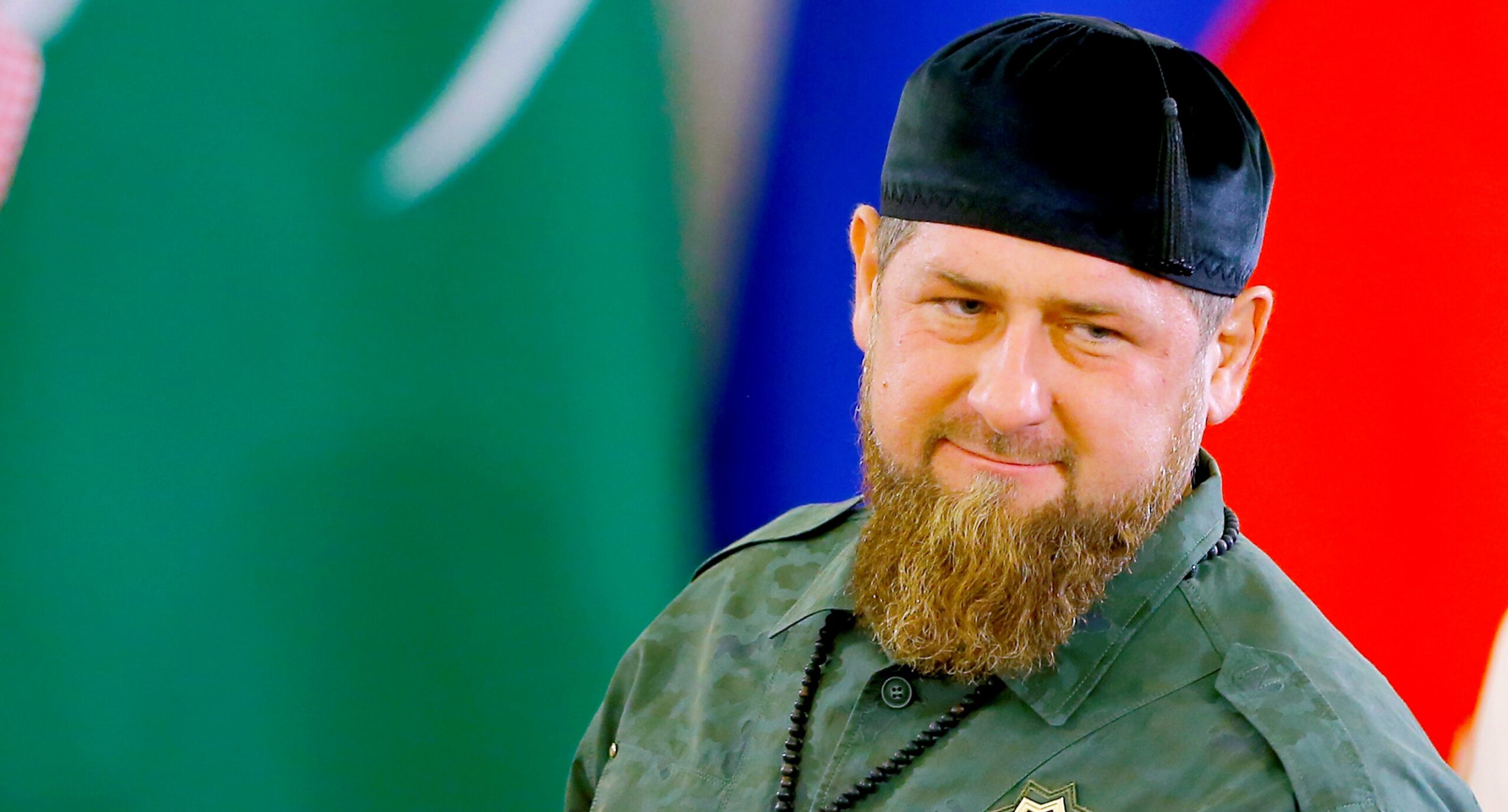
Chechen strongman and close Putin ally Ramzan Kadyrov claims he met with Turkish officials to discuss cooperation. If true, the claim would signify Turkey’s possible backsliding on some of its previous commitments as well as trigger a negative reaction from Ukraine.
Despite official hype of a “strategic partnership,” Iranian public is skeptical of Russia
The Iranian government has invested heavily in trying to sway public attitudes to embrace closer relations with Russia; but a plurality of Iranians would like to see balanced ties with all nations and for Tehran to pursue a mature, pragmatic overseas agenda.
“Fauda” is the name of the gripping Israeli television series about to launch its fourth season on Netflix. Fauda means “chaos” in Arabic and is the word Israeli special forces use when they lose control of an operation. Russian President Vladimir Putin is now creating chaos to snatch victory from the jaws of defeat.
Russia Created a Refugee Crisis, and Now Putin Is Weaponizing It
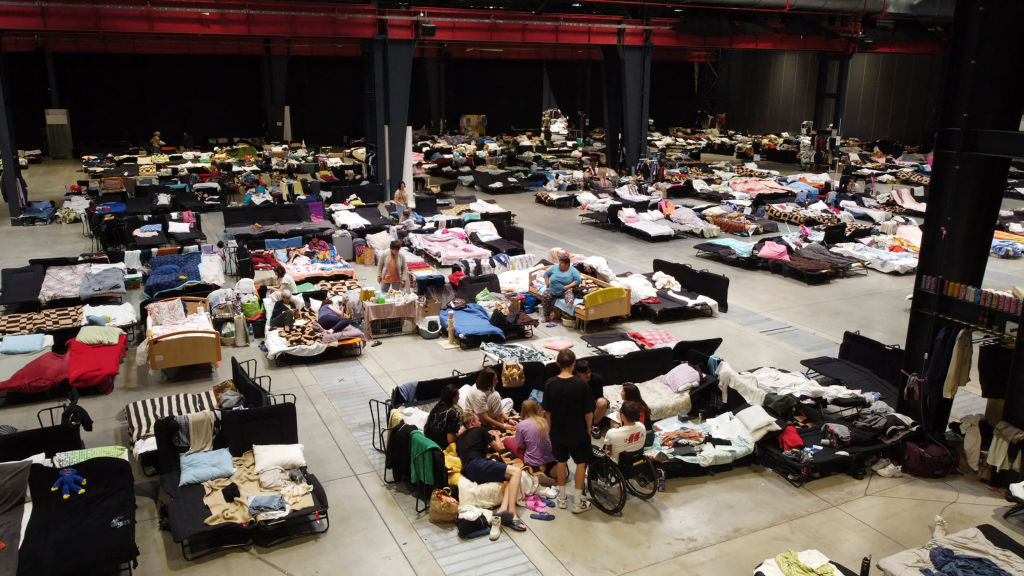
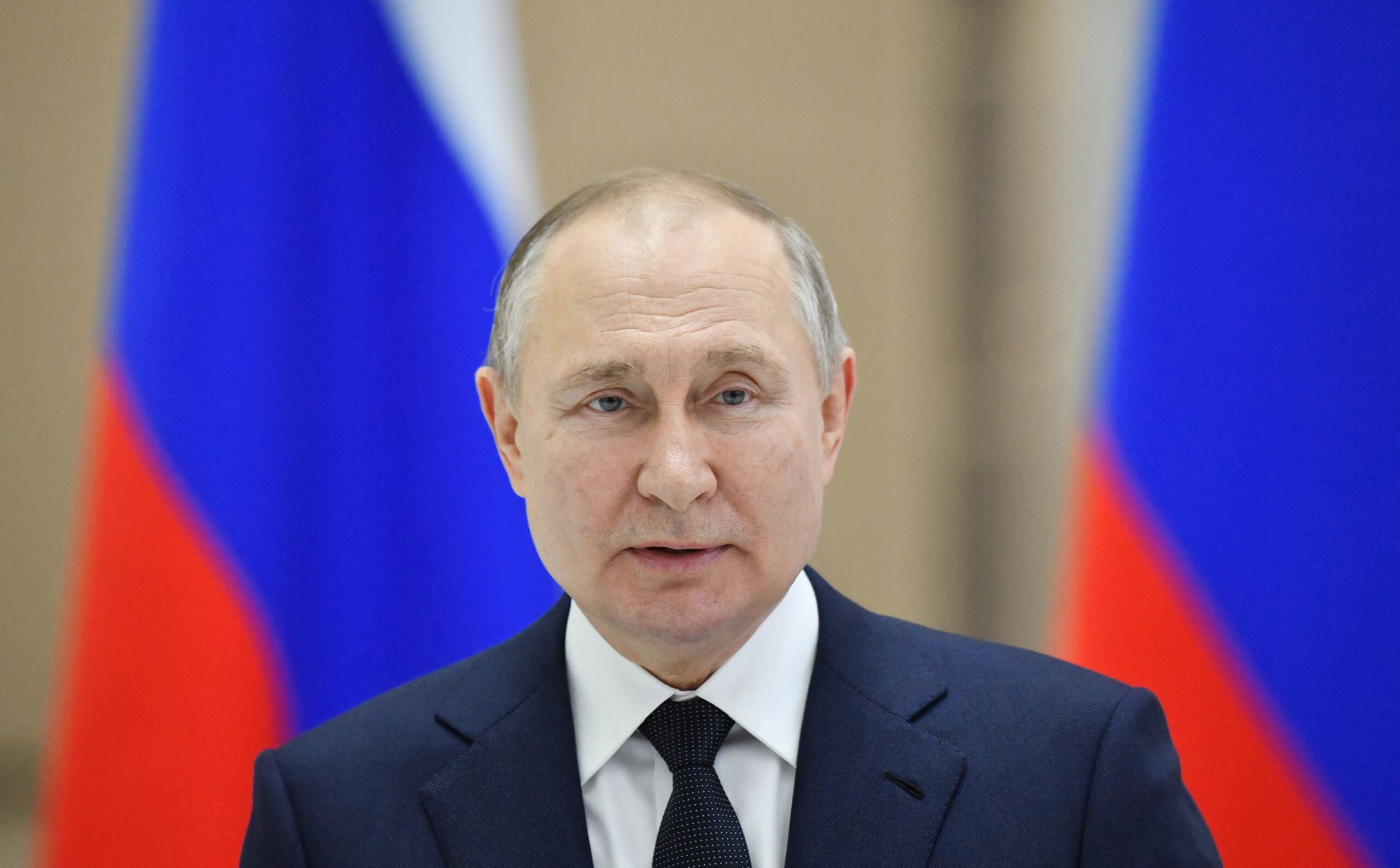
Vladimir Putin’s hybrid war in Ukraine has created a multifaceted humanitarian crisis that the Kremlin plans to weaponize against the West to further provoke instability and chaos. Refugees have poured out of Ukraine since his February 24 invasion, and Russia’s attacks on Ukraine’s agricultural sector—from grain-export blockades to theft to strikes on agricultural facilities—are creating disruptions to the global food supply that are likely to create even more refugees worldwide. Foreign Minister Sergei Lavrov is touring Africa this week, blaming the West for the food crisis. Western leaders must realize the full destabilizing potential of Russia’s weaponization of the refugee crisis. In response, the United States should combine conventional military support with multilateral information operations to counter Russia’s plans.
Biden v. Putin: Rival roadshows in an increasingly assertive Middle East
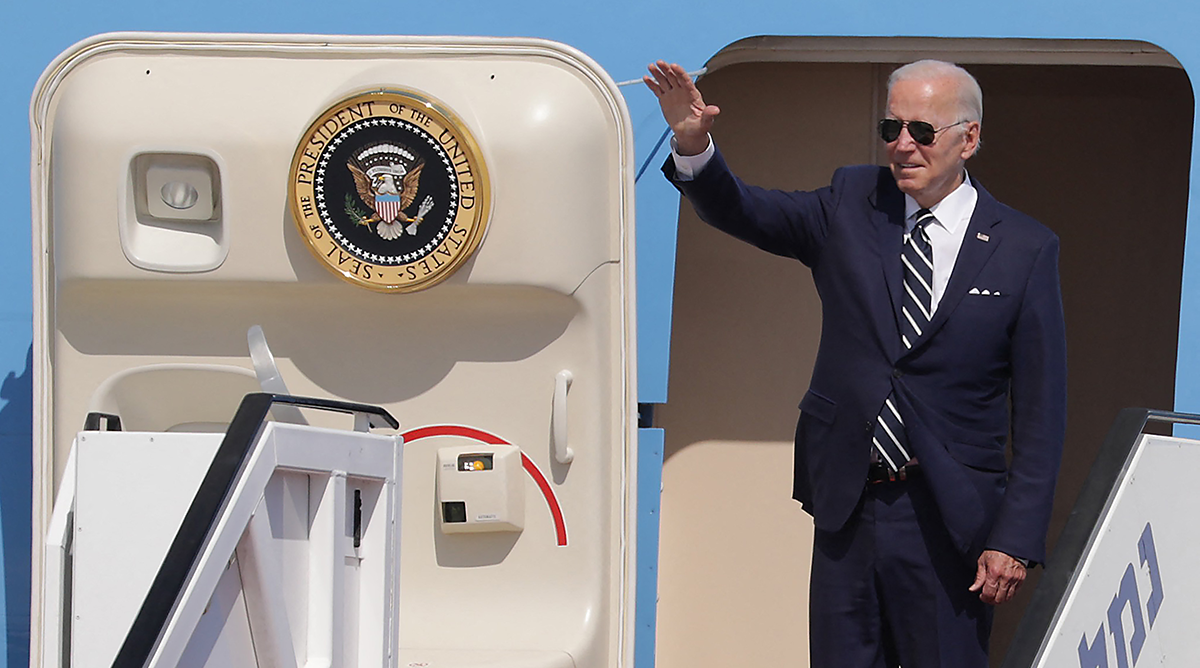
The U.S. and Russian presidents staged high visibility visits to the Middle East in the past week and a half. The visits were designed to assert each great power’s influence in the region at a time of escalating great power conflict. But both presidents cut a diminished figure on the regional stage at a time when leaders in Turkey, Iran, and Saudi Arabia are feeling increasingly empowered.
Ukraine’s critical minerals and Europe’s energy transition: A motivation for Russian aggression?
Russia’s war launched on February 24, 2022, may have partly been motivated by Ukraine’s large reserves of critical metals and their global strategic importance in the production of advanced “green” energy technologies. The cutoff of access to Ukrainian sources, combined with the nature of the partnership between Moscow and Beijing — with China being the largest supplier of the necessary critical minerals — could endanger the very notion of the West’s energy transition.
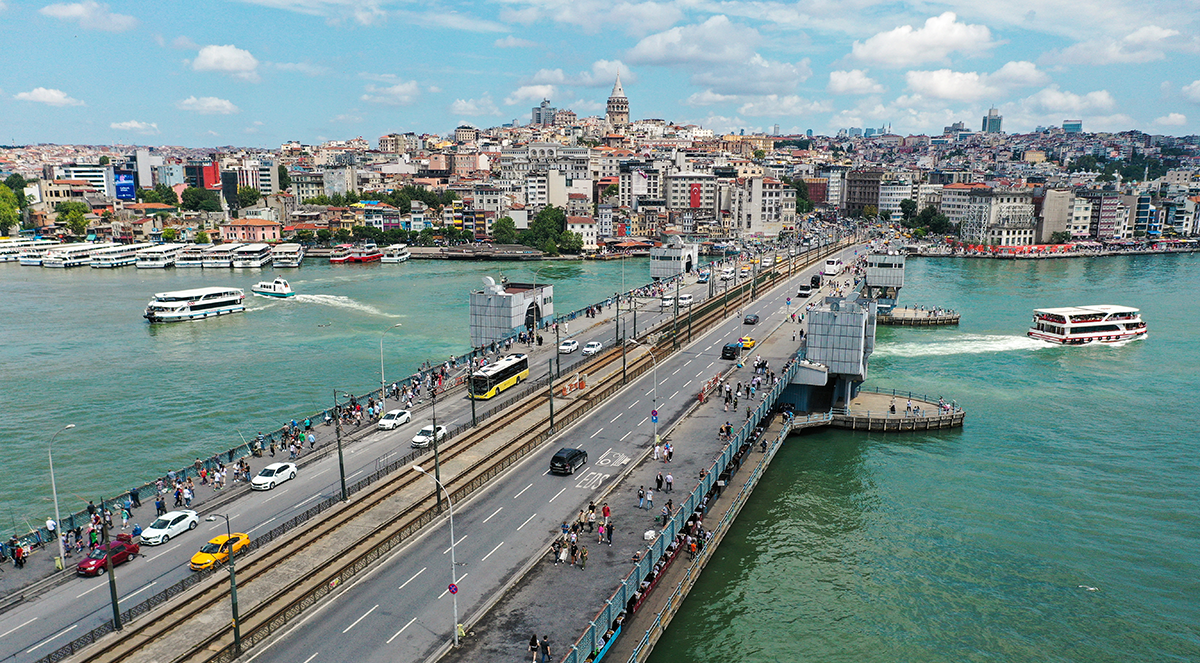
During two days of meetings in May 2022, members of the Middle East Dialogue, convened by MEI, met in Istanbul, Turkey to discuss pressing issues relating to: i) the effects of the war in Ukraine on the MENA region; ii) current and future projections regarding Gulf relations with Iran, amid the stalemate over a revival of the 2015 JCPOA; iii) the future pathways and security framework for the MENA region; and iv) the Baghdad Declaration of Good Neighborhood Principles for the Middle East. This meeting brought together policymakers, academics, and experts from across the MENA region. This report provides an analytical understanding of the issues discussed and recommendations shared during the meeting.
Opinion: War in Europe, famine in Africa . . . Why we must defeat Russian imperialism now
Russia’s invasion of Ukraine is about more than Ukraine. It’s about frontline states in Europe’s east that fear they’re next; it’s about Europe whole and free.
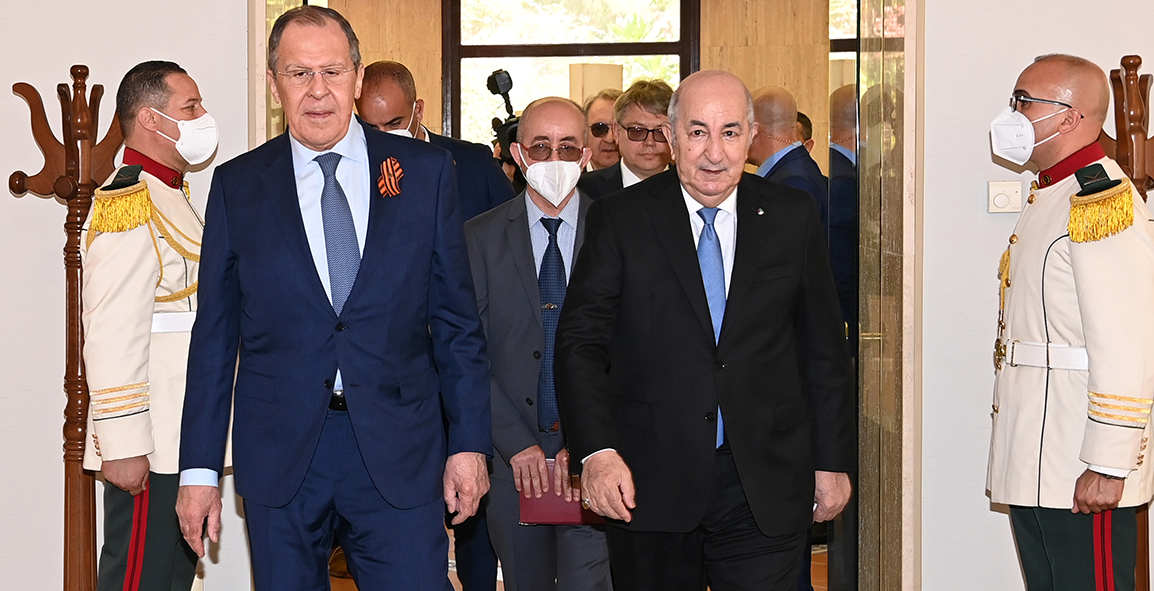
The war in Ukraine: A test for Algiers’ non-alignment doctrine
Russian President Vladimir Putin’s decision to invade Ukraine in late February could have unprecedented consequences for North Africa. Algeria will be swept up in the resulting shifts, forcing the country’s civilian and military leadership to make difficult international calculations.
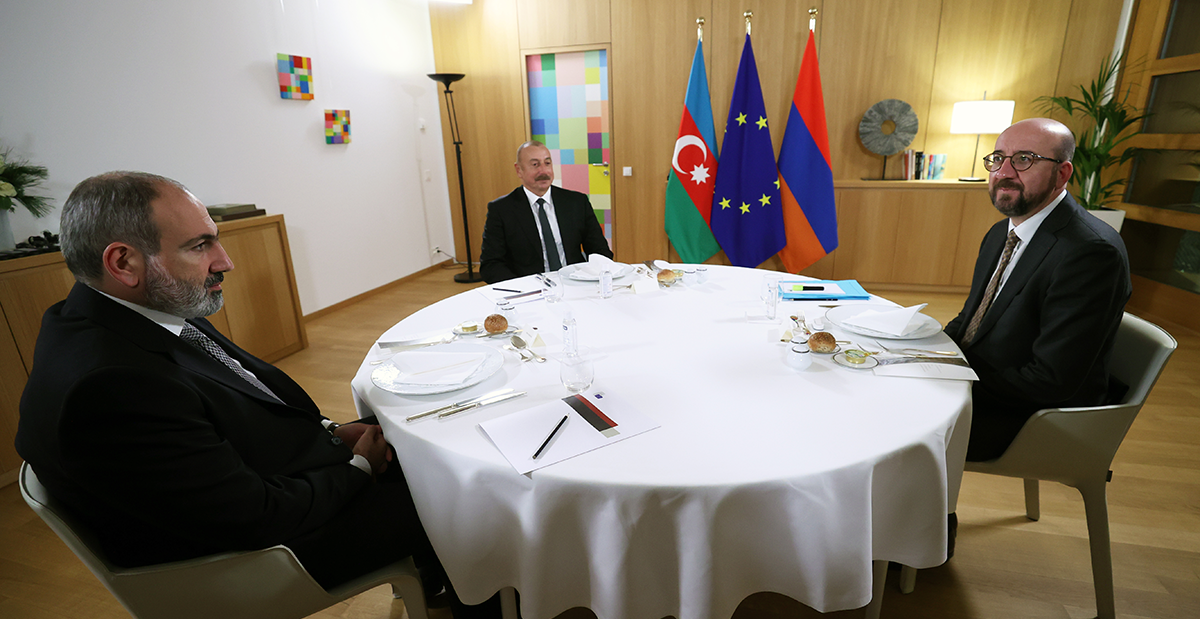
Overshadowed by war in Ukraine, Armenia and Azerbaijan edge closer to a peace deal
Armenia and Azerbaijan, two long-standing adversaries in the South Caucasus, are edging closer to a peace deal that could potentially alter regional geopolitics. The prospective reconciliation also coincides with a nascent rapprochement between Armenia and Turkey. Yet there are significant constraints too, in terms of both wider geopolitics and domestic Armenian politics, that could hinder the process.