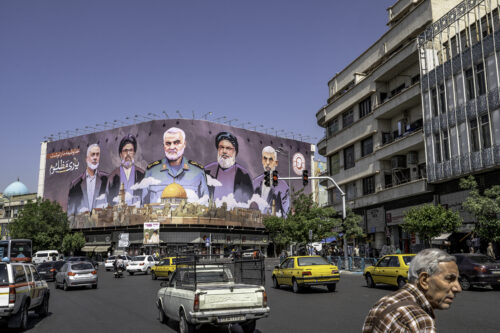
Despite claiming they are poised to attack, the Yemeni Houthis have yet to join Iran and its other proxies in their fight against the United States and Israel. Hosts Alistair Taylor and Matthew Czekaj speak to MEI Associate Fellow Nadwa Al-Dawsari to unpack why the Houthis continue to stay on the sidelines of the Iran war and what might prompt them to join the fray. They also discuss the Houthis’ evolving role within the Axis of Resistance, what the Yemeni group has learned from its earlier rounds of direct conflict with Israel and the US, as well as whether its actions could precipitate a renewed flareup in Yemen’s civil war.
Surviving October 7th: Amir Tibon on Trauma, War, and Israel’s Future
Brian is joined by Amir Tibon, a journalist for Haaretz and the author of The Gates of Gaza: A Story of Betrayal, Survival, and Hope in Israel’s Borderlands and The Last Palestinian: The Rise and Reign of Mahmoud Abbas. On October 7, 2023, the Tibon family’s lives were changed forever when Hamas militants invaded Nahal Oz kibbutz, destroying their community, brutally killing their neighbors, and taking others hostage. Together, Brian and Amir examine the fallout from the events of October 7th, how public opinion in Israel and the United States has shifted over the past two and a half years, Israeli Prime Minister Benjamin Netanyahu’s political strategy, and what this all means for the future of Israel and its relationship with Palestinians and the broader region.
Lebanon on the Brink: Hizballah, Iran, and the War’s Spillover
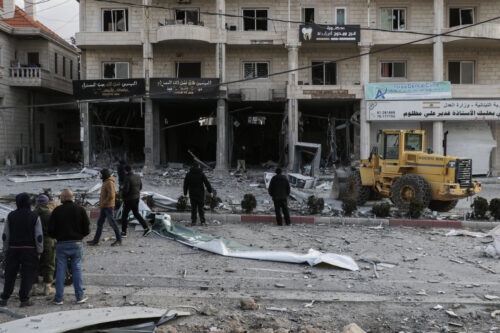
Hosts Alistair Taylor and Matthew Czekaj are joined by MEI Senior Fellow Fadi Nicholas Nassar to discuss Hizballah’s role in the escalating conflict in the Middle East and the implications for Lebanon. A day after the United States and Israel launched a joint military campaign against Iran, Tehran’s Lebanese proxy fired missiles at northern Israeli territory. Israel responded swiftly and forcefully, and Lebanon’s government and population now fear the Iranian-backed militia is dragging the country back into war. The conversation explores the broader repercussions of Hizballah’s actions against the backdrop of a widening war in Iran and Lebanon’s quickly evolving political climate. Nassar also outlines recommendations for how Lebanon can move forward as a sovereign and effective state.
How Lebanon’s authorities can keep the Iran war from engulfing the country
Today’s decision taken by the Lebanese government — to declare all of Hizballah’s security and military activities illegal — is a landmark development. But how the government and the Lebanese Armed Forces implement this directive now that a new round of attacks has actually taken place will be the ultimate test of their credibility.
Ambiguous Uncertainties: Phase Two of Trump’s Plan for Gaza
MEI Senior Fellow Lucy Kurtzer-Ellenbogen joins hosts Alistair Taylor and Matthew Czekaj to discuss the latest developments in Gaza. Nearly four months after the Israeli government and Hamas agreed to President Donald Trump’s 20-point plan, Washington has announced that phase two of the process is now underway. Kurtzer-Ellenbogen, Taylor, and Czekaj examine the humanitarian situation in the devastated coastal strip, assess what phase two could entail, break down how international actors are responding, and explore what would need to happen to realize the plan’s aspirations.
Iran’s Axis of Resistance After the 12-day War: Adaptation, Restructuring, and Reconstitution
منذ حرب إسرائيل التي استمرت 12 يوماً ضد إيران، دخلت طهران وشبكة وكلائها الإقليميين وحلفائها غير الحكوميين، ما يُعرف باسم محور المقاومة، في مرحلة من السكون الاستراتيجي — هدوء ظاهري يخفي إعادة التسلح والتكيف المالي والتجديد الأيديولوجي.
تقدم هذه الوثيقة المعلوماتية لمحة عامة عن محور المقاومة، وهو شبكة غير منظمة من الجماعات المسلحة والجهات الفاعلة الحكومية التي تقودها وتدعمها إيران بهدف بسط نفوذها وقوتها العسكرية في جميع أنحاء الشرق الأوسط.
تقدم هذه الوثيقة المعلوماتية لمحة عامة عن تاريخ حركة حماس، وأيديولوجيتها وقيادتها، وقدراتها العسكرية وأهدافها، وهجوم 7 أكتوبر، والسياسات والتشريعات ذات الصلة للحكومة الأمريكية، ومستقبل الحركة في غزة.
فخ الشرعية: كيف تدعم المؤسسات الدولية سيطرة الحوثيين على اليمن
لسنوات، كان الافتراض السائد هو أن بقاء الحوثيين يعتمد على الانتصارات في ساحة المعركة والدعم الإيراني. وكلاهما ضروريان، ولكن هناك عامل ثالث حاسم وغالباً ما يتم تجاهله: تسليح المشاركة الدولية. وفي نمط يتكرر باستمرار، فإن المشاركة دون مساءلة تقوي سلوك الحوثيين بدلاً من أن تخففه.
كانت العملية المشتركة في الدمير في منتصف أكتوبر هي الخامسة من نوعها بين التحالف العالمي لمحاربة داعش والحكومة السورية لمواجهة تنظيم الدولة الإسلامية، وسط دعوات غربية لدمشق للانضمام رسمياً إلى الجهود الدولية. ما هو على المحك وما هي السيناريوهات المحتملة في المستقبل؟
من وقف إطلاق النار في غزة إلى السلام في الشرق الأوسط؟
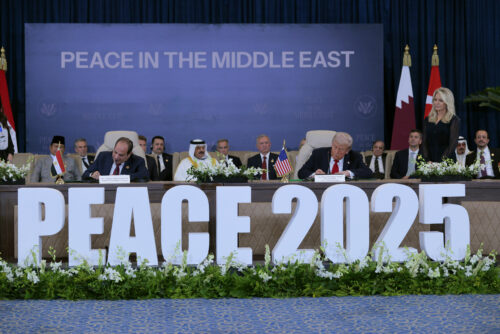
The October 2025 cease-fire and hostage-release deal that ended the Israel-Hamas conflict marks the beginning of a complicated post-war phase. The agreement has created important opportunities to advance stability in the Middle East and build a lasting and sustainable peace marked by enhanced regional security and integration, but there are considerable risks to manage. Achieving these goals will require coordinated international action along multiple lines of effort: security, rule of law, recovery and reconstruction, responsive governance, and steady and focused diplomacy to build confidence among key parties.
A Moveable Feast of MENA Pop Art at the MEI Gallery
معرض جديد في معرض الفنون التابع لمعهد الشرق الأوسط بعنوان "الفن الشعبي العربي: بين الشرق والغرب" يقدم تذكيراً في الوقت المناسب بأنه على الرغم من الصراع والاضطرابات في المنطقة، هناك ثقافة حيوية ومتنوعة وعالمية تزدهر في جميع أنحاء الشرق الأوسط وشمال أفريقيا.
لبنان وولاية اليونيفيل: نزع سلاح حزب الله واستعادة السيادة
مع مرور نصف عام على تشكيل الحكومة الجديدة في لبنان، وانتهاء ولاية قوة الأمم المتحدة المؤقتة في لبنان (يونيفيل) في نهاية الشهر، يمر لبنان بمرحلة حاسمة. في هذه الحلقة منبرنامج "ميدل إيست فوكس"، ينضم إلى المضيفين أليستر تايلور وماثيو تشيكاي فادي نيكولاس نصار، زميل أول في معهد الشرق الأوسط، لتقييم ما إذا كان بإمكان الدولة اللبنانية استعادة سيادتها، بدءاً بنزع سلاح حزب الله وفرض وقف إطلاق النار.
ISIS is on the ropes in Syria. A successful transition in Damascus could deliver a knockout blow
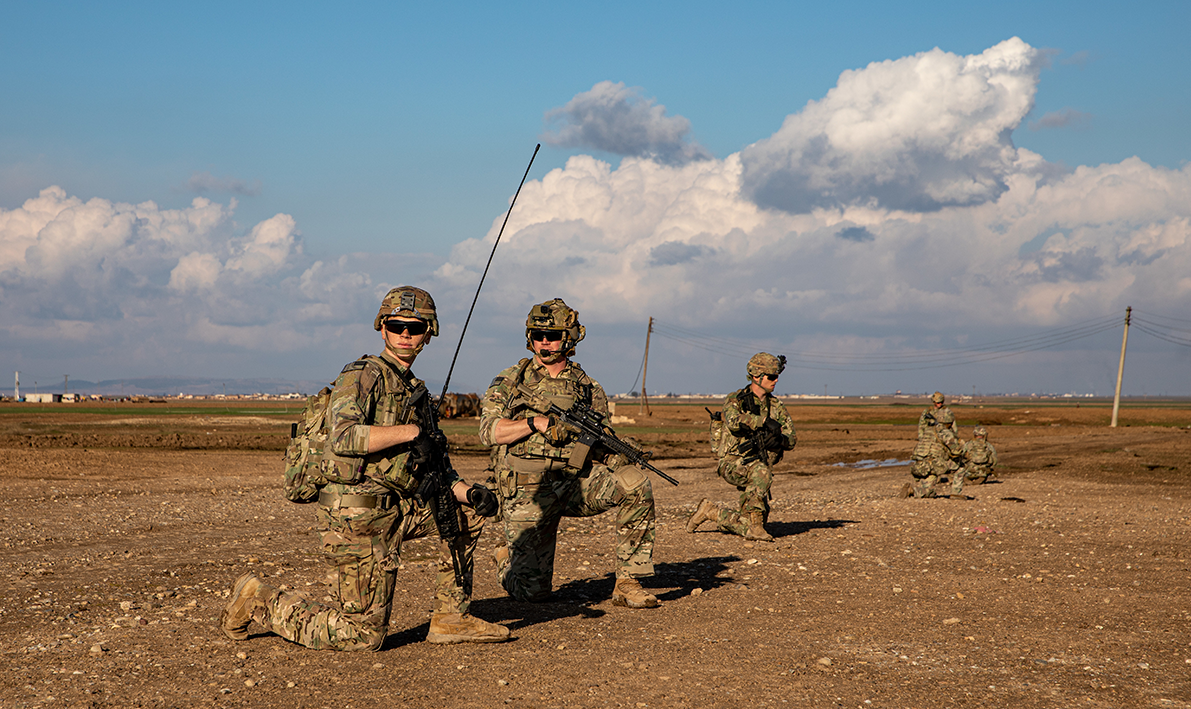
For much of the past two decades, ISIS has enjoyed favorable conditions in Syria, but since the fall of Bashar al-Assad’s regime in December 2024, dynamics have changed. With Assad’s departure, ISIS lost its long-standing and vitally important safe haven in Syria’s central desert and its most significant driver for recruitment. The results — so far — have been dramatic.
Reimagining Syria: A Roadmap for Peace and Prosperity Beyond Assad
The work of the Syria Strategy Project and the considerable policy recommendations found in this report present a realistic and holistic vision for Syria’s recovery and reintegration into the international system.