Turkey’s earthquakes: A monumental crisis and a political test for Erdoğan
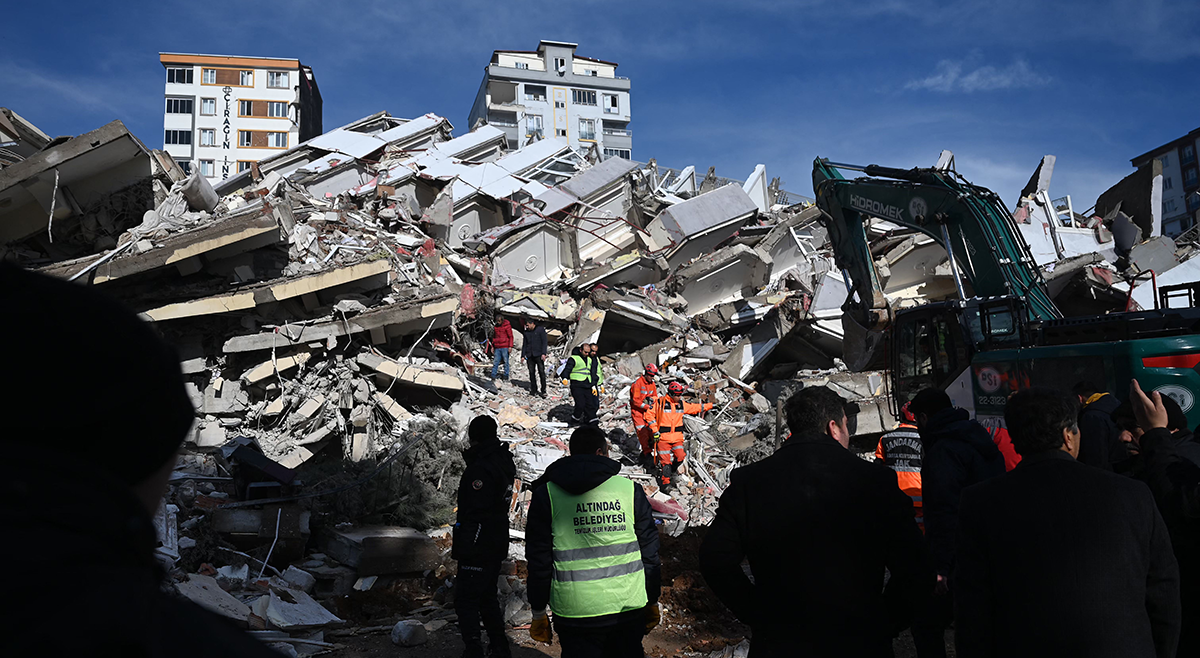
The earthquakes that shook Turkey and Syria in the early hours of Feb. 6 represent a shocking human tragedy, with casualties already in the thousands. Hundreds of thousands, if not millions, have been rendered homeless in the cold and wet of winter. There is no overstating the human suffering. This natural disaster is, at the same time, a clear political test for the current AKP-MHP government, one that will gauge its efficacy and legitimacy only months before critical elections, set to be held on May 14.
The Middle East in an era of great tech competition
With the acute impacts of US-Chinese global tech decoupling becoming clearer, MENA is slowly emerging as an important region to watch. Economic and geopolitical ties with the West have long dictated the shape of the region’s digital environment, but more recent great power competition and Middle Eastern countries’ pursuit of economic and technological sovereignty have slowly deconstructed these dynamics.
Earthquake devastates southern Turkey, brings calamity to war-torn Syria
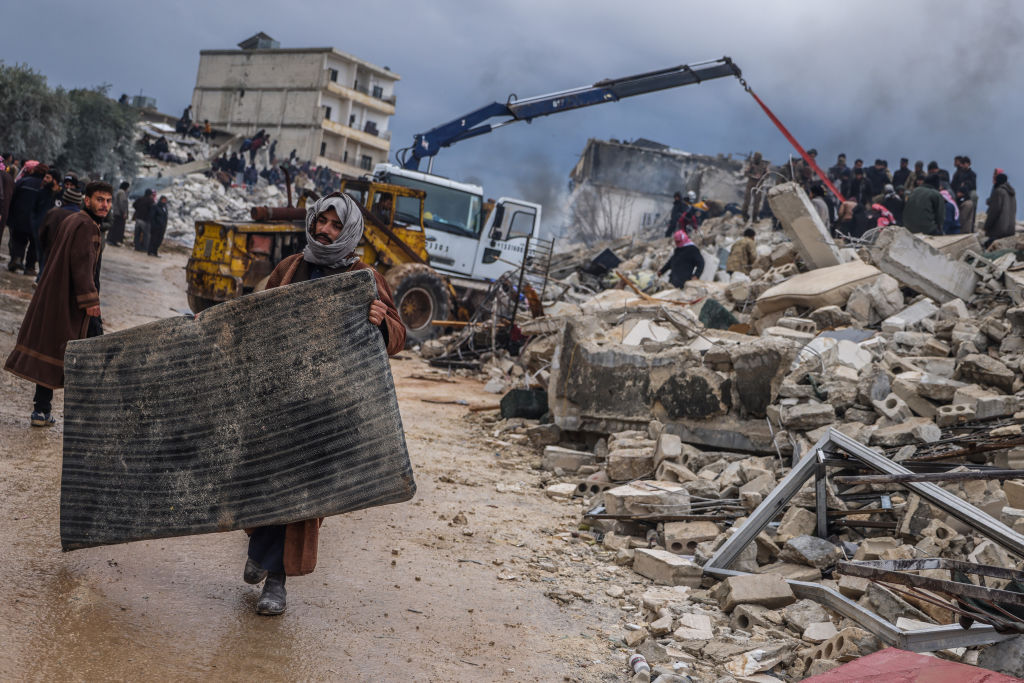
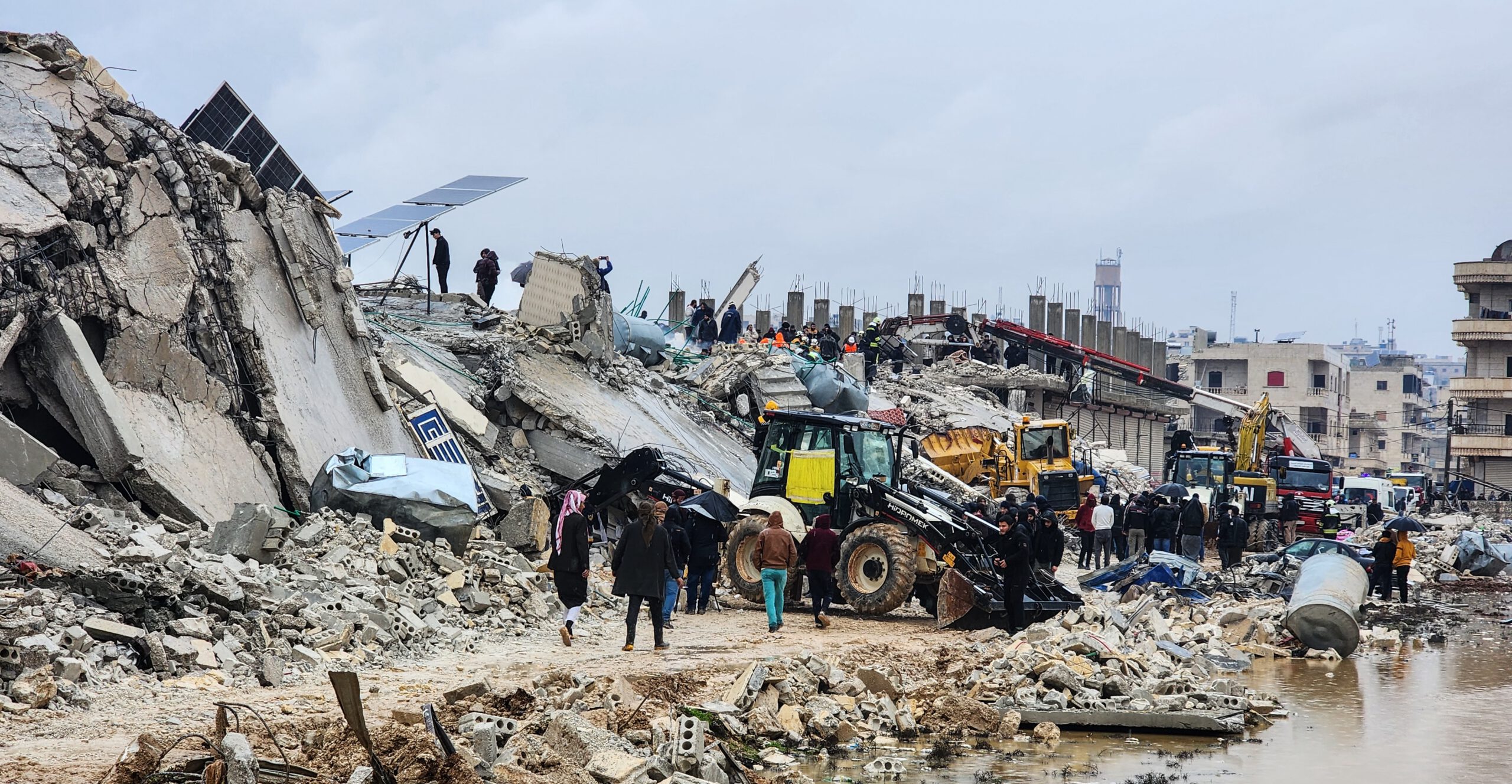
Southern Turkey and northern Syria were struck by a crippling 7.8 magnitude earthquake at 4:17 AM, on Feb. 6. Twelve hours later, at least 2,400 people are known to have perished, with death tolls rapidly rising. This natural disaster could not have come at a worse time or struck a more vulnerable region — with notoriously poor construction in southern Turkey and the effects of more than a decade of brutal conflict still afflicting northern Syria.
Turkish-Syrian Re-engagement: Drivers, Limitations, and US Policy Implications
A little over two weeks ago, the defense and intelligence chiefs of Turkey and Syria met face-to-face in Moscow — the first such meeting in over a decade. On the surface, this latest flurry of engagement with Assad’s regime is a major development. Were Turkey to decisively shift its Syria policy, the effects would be dramatic. Beyond the hype and speculation, Turkey’s decision to participate in the Moscow meetings is not altogether surprising and it does not represent a wholesale policy reversal. What has changed more recently is Turkey’s impending elections — and with them Erdoğan’s political calculations.
Eastern Mediterranean gas discoveries, progress, and what to watch in 2023
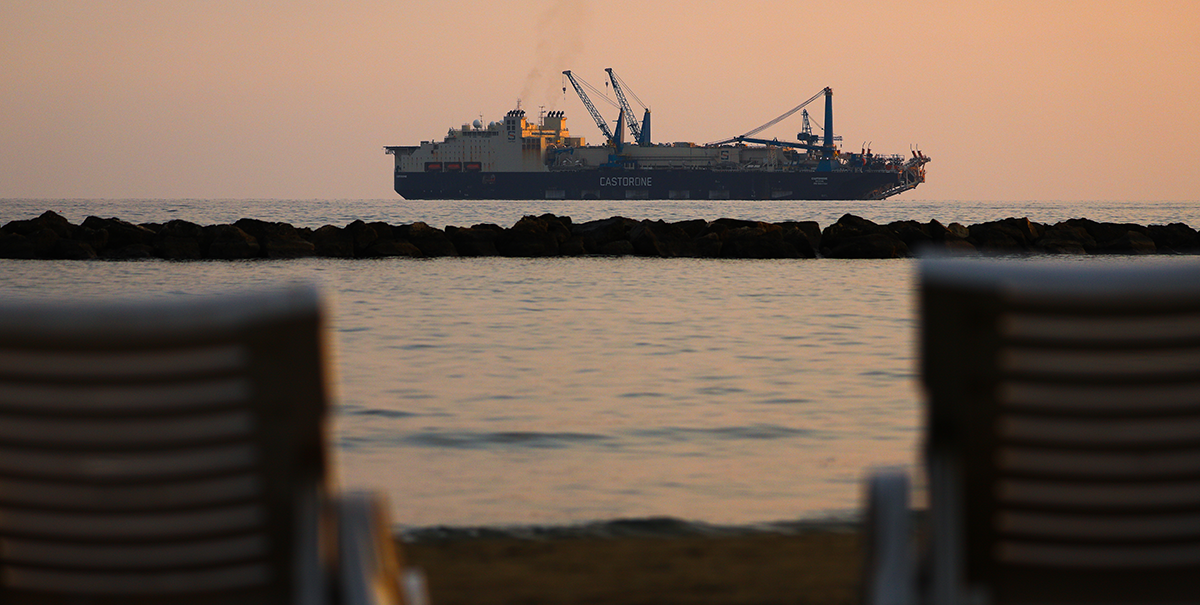
The challenge of developing export strategies for the offshore natural gas resources concentrated in the Eastern Mediterranean predates the Russo-Ukrainian war. Yet over the course of 2022, Europe’s intensifying energy crisis created a new and more immediate incentive to solve those export challenges, despite a great deal of work still to be done.
What the United Nations’ 6th Climate Assessment tells us about the Mediterranean’s climate future
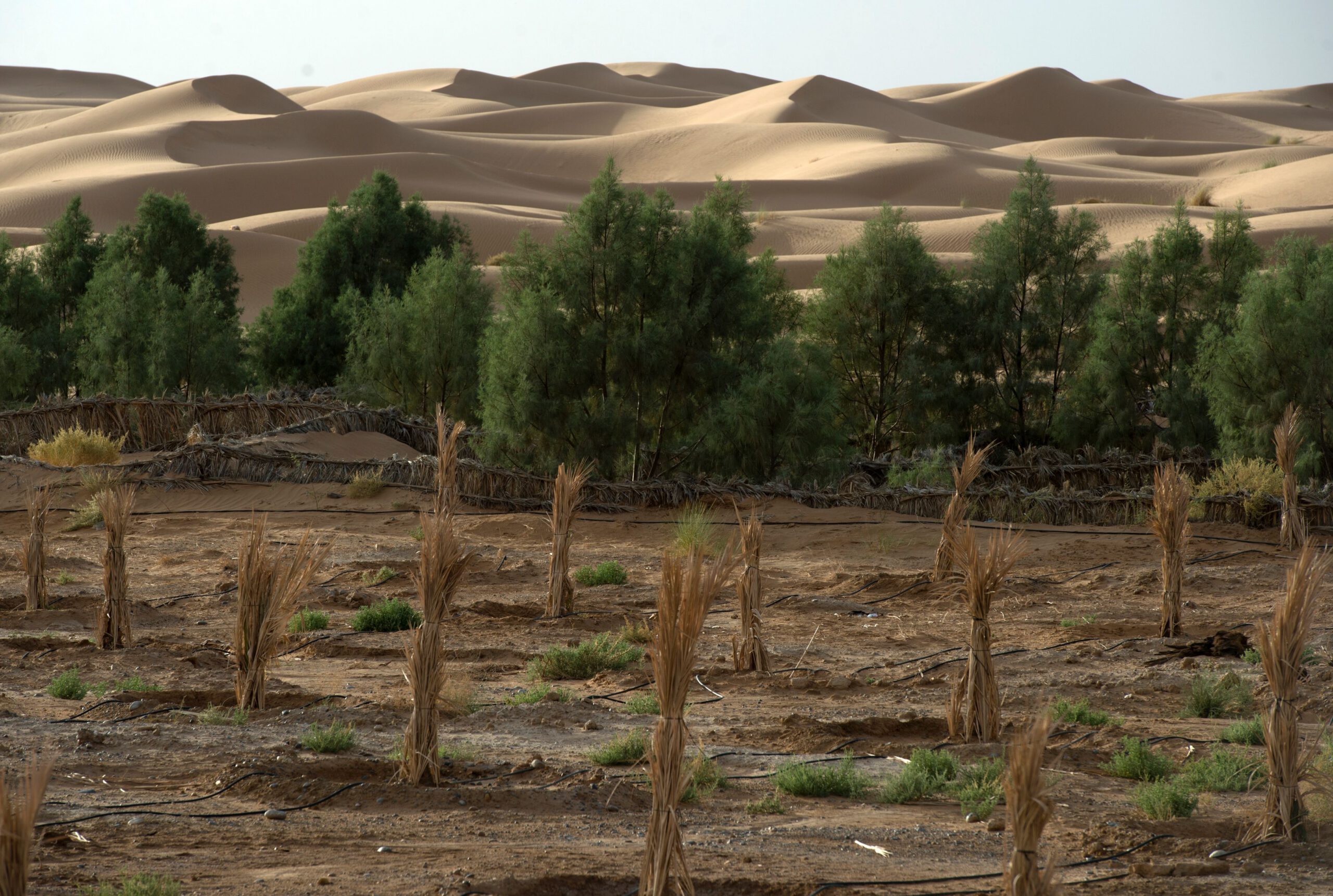
The latest U.N. IPCC report details the alarming changes that Mediterranean countries will experience in the coming decades due to climate change, highlighting three critical areas — warming and droughts, declining ecosystems, as well as socioeconomic and public health risks.
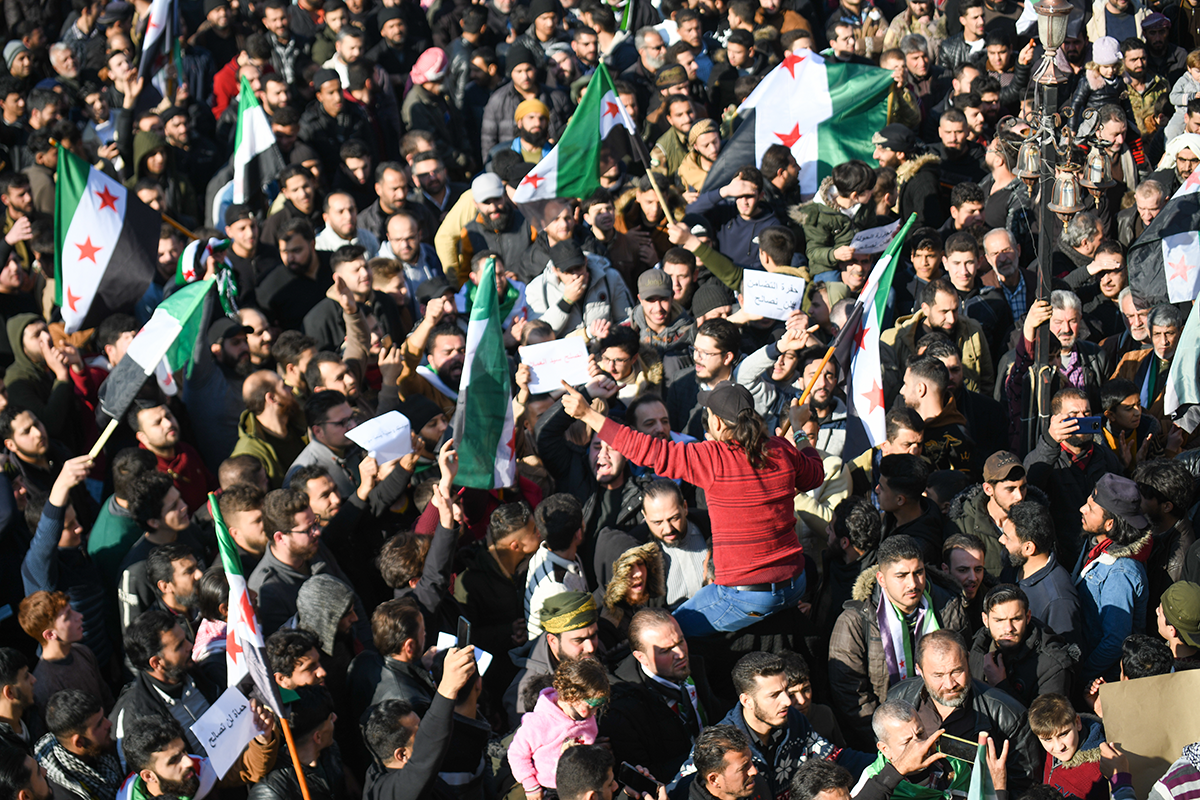
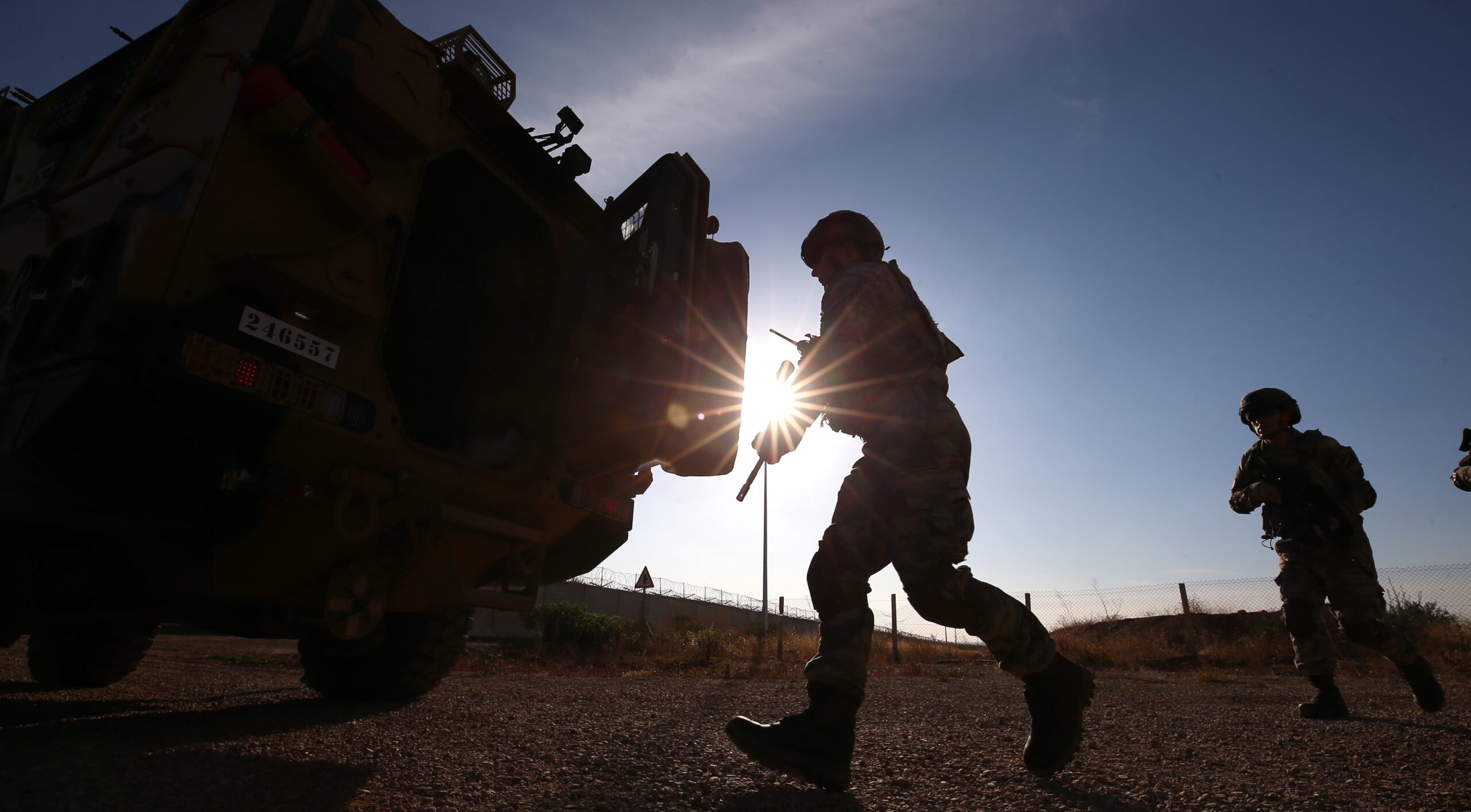
Should the Turkish government make good on its threats to launch yet another military incursion into northern Syria, it would lead to a sharp escalation in violence in a country afflicted by a more-than-decade-long brutal conflict. Not only would Turkey’s military incursion have significant immediate effects on civilians and combatants in Syria, but it could also reverberate further throughout the region and world.
Alliance: Lebanon needs “Change” and “Opposition” to work together
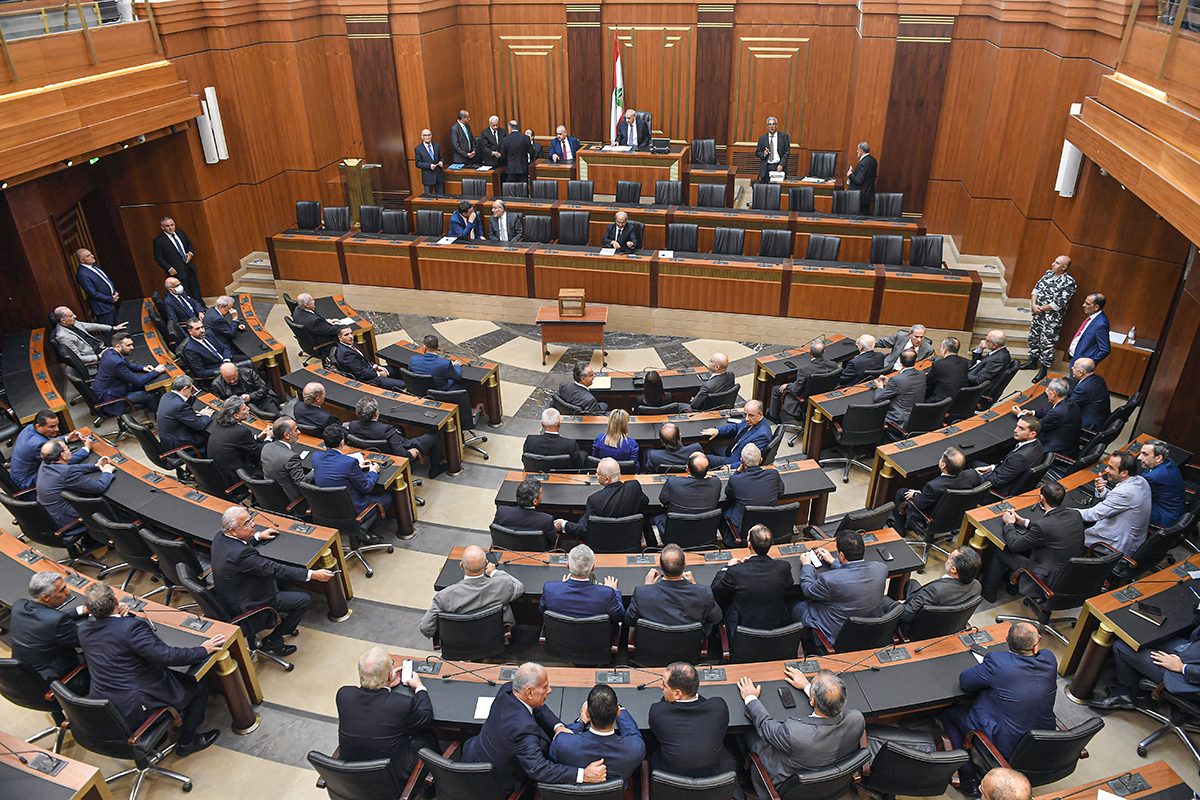
“Change” is an economics-driven pursuit for local accountability and social justice, and “Opposition” is a politically focused mission with geopolitics at its heart. “Change” cannot reform the system on its own, and “Opposition” cannot challenge regional considerations alone. Together, however, they potentially hold a narrow majority — 65 seats, combined — against the 63 belonging to a Hezbollah-led coalition. And there is an opportunity, today, to bring these two movements together through a parliamentary alliance.
Up for debate again: Politics and the headscarf in Turkey
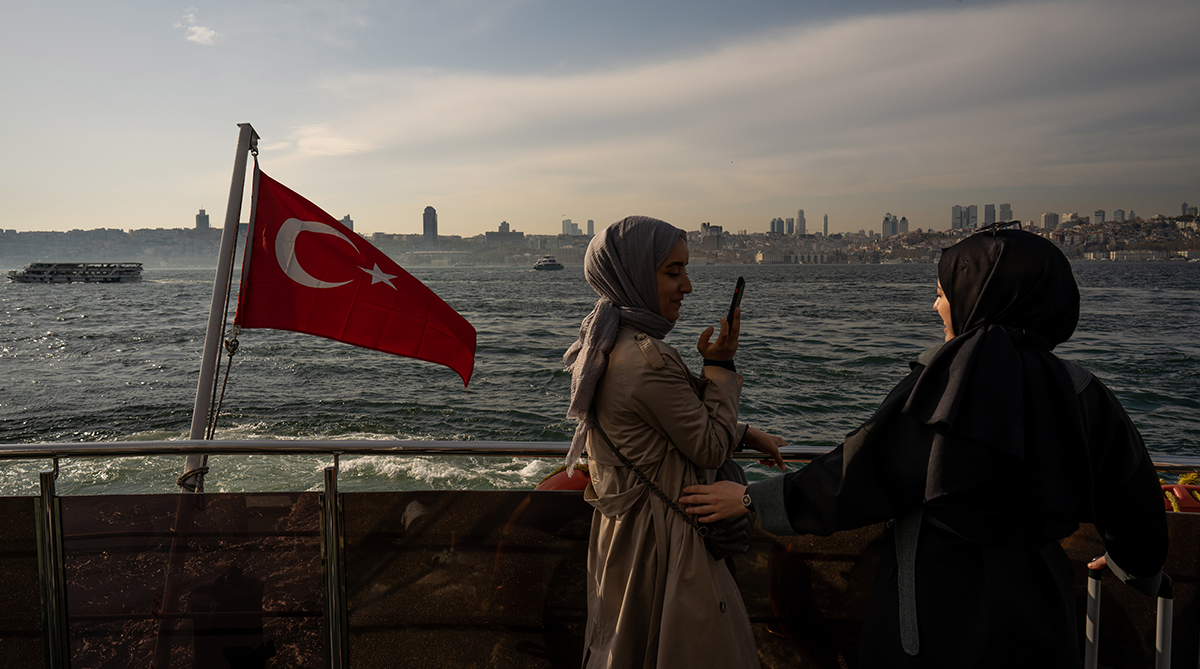
On Sept. 30, 2013, then Prime Minister Recep Tayyip Erdoğan announced what he termed a “democratization package,” which lifted the decades-old ban on women wearing headscarves in many state institutions. A month later, when four female MPs wearing headscarves walked into the Turkish parliament, many thought the long-running controversy on the issue was finally over. But the headscarf recently returned to the center of the Turkish political debate when the leader of the main secularist opposition party, Kemal Kılıçdaroğlu, announced that he would introduce legislation to protect that right.
Syria and Lebanon at risk from rapidly spreading cholera epidemic
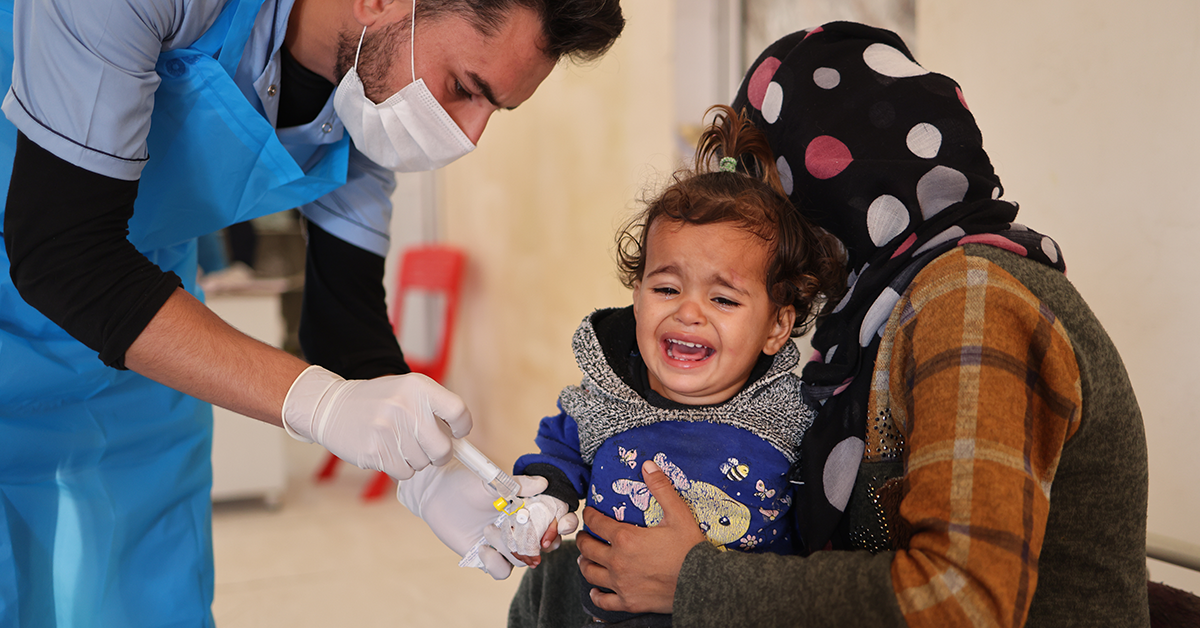
Cholera continues to sweep through Syria and Lebanon at an alarming pace, leaving thousands sick and hundreds dead in its wake, with only a small fraction of cases officially registered in databases.
Frozen Syria? Assessing the state of play and opportunities for engagement
Russia’s Feb. 24 invasion of Ukraine has given rise to speculation that it might fully withdraw from Syria, creating a power vacuum that could ignite new fighting. Yet these fears are likely misplaced and a deeper examination of the current state of Syria reveals unique opportunities for engagement from the international community.
In Turkish-Russian relations, the Ukraine grain deal is not the point
The Ukraine grain export deal, which Turkey helped mediate over the summer, was saved last week to much fanfare; but the central unaddressed issue remains lifting Russia’s illegal blockade of Ukrainian ports, so Ukraine can freely trade with the world.