2022 trends and drivers to watch in the Middle East
Look to the people of the region first, then the evolving competition among regional states and global powers, for signs on what to expect.
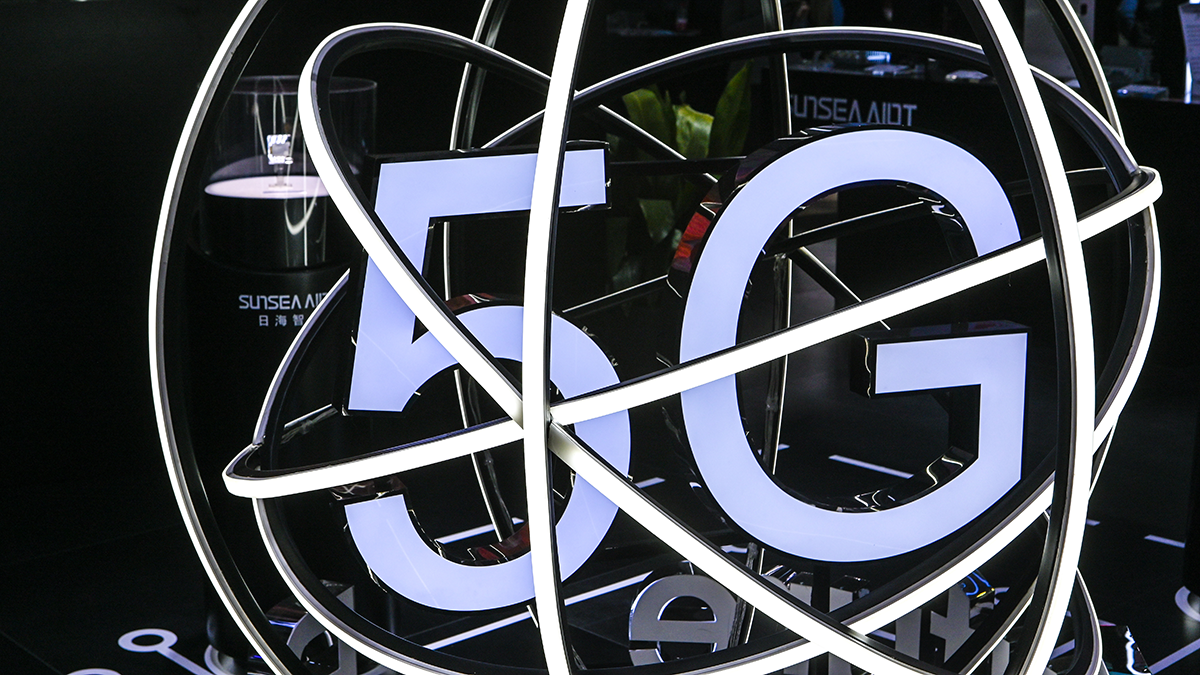
Long-simmering economic and political tensions between the U.S. and China have continued to spill over into the technology sector, where the two superpowers have made this ever-more vital industry the site of a new Cold War. The acrimony looks poised to only get worse moving forward, potentially leading to a tech decoupling, and 5G is at the heart of it. Some third parties have sought to find a way to navigate this divide and the dilemma is particularly acute for the Gulf states. As they seek to balance their relationships with both Washington and Beijing, several have chosen to stake out their own territory by building an Open Radio Access Network (RAN). This initiative could be a potential solution to the current conundrum that would give states 5G sovereignty in an era of great power competition, with a digital twist.
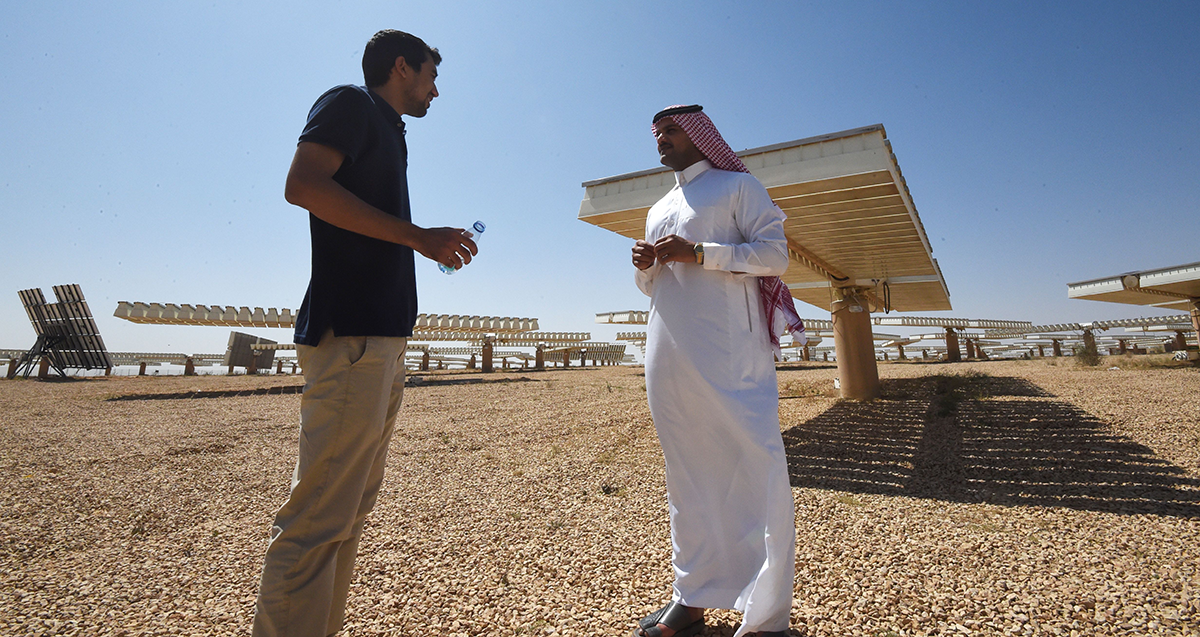
إن استراتيجية المملكة العربية السعودية لزيادة محفظتها من الأصول النظيفة والمتجددة قد تم تعزيزها في عام 2021، حيث شهدت المملكة العديد من عمليات تمويل المشاريع في قطاع الطاقة الشمسية وأطلقت صندوق البنية التحتية الوطني لتنويع اقتصادها.
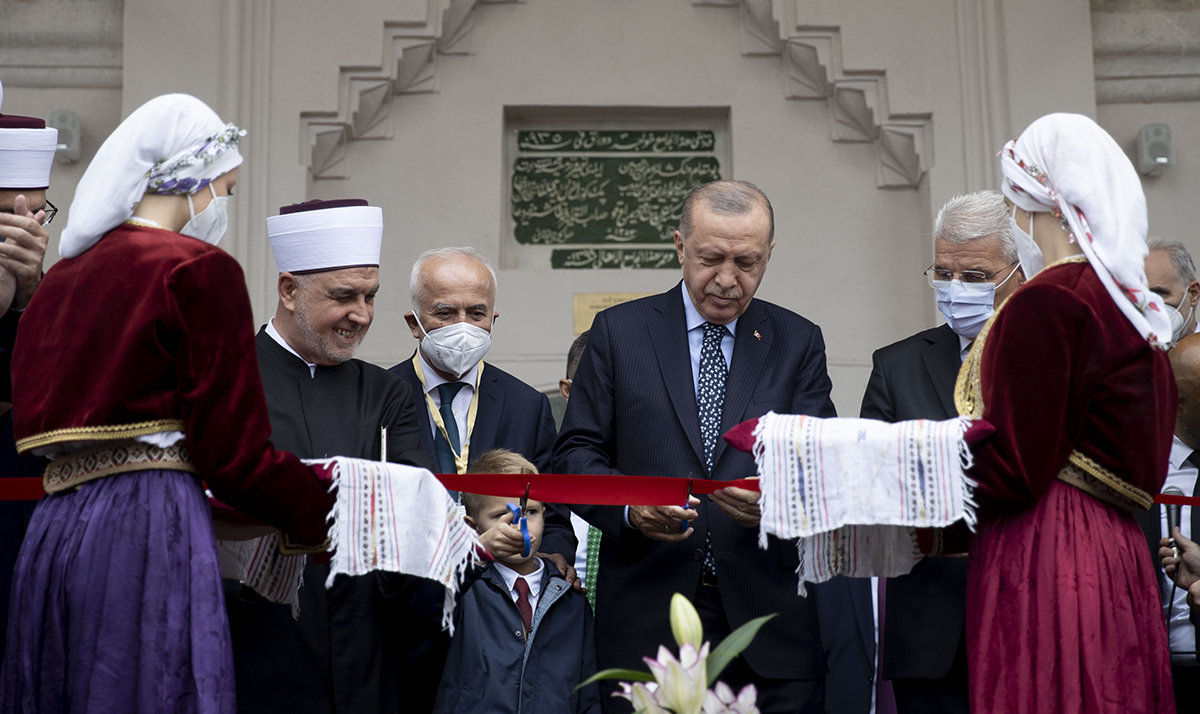
Turkey, Saudi Arabia, and Iran have been the main competitors in a struggle over who — and in what manner — should act as the patron of Muslims in the Balkans. These three countries are very different in terms of their historical footprint, economic and political presence, and local networks. What they share, however, is the use of Islam to exert soft power. This paper will discuss how they are seeking to wield influence, how regional actors respond to their overtures, and whether these three countries are meeting their objectives in the region.
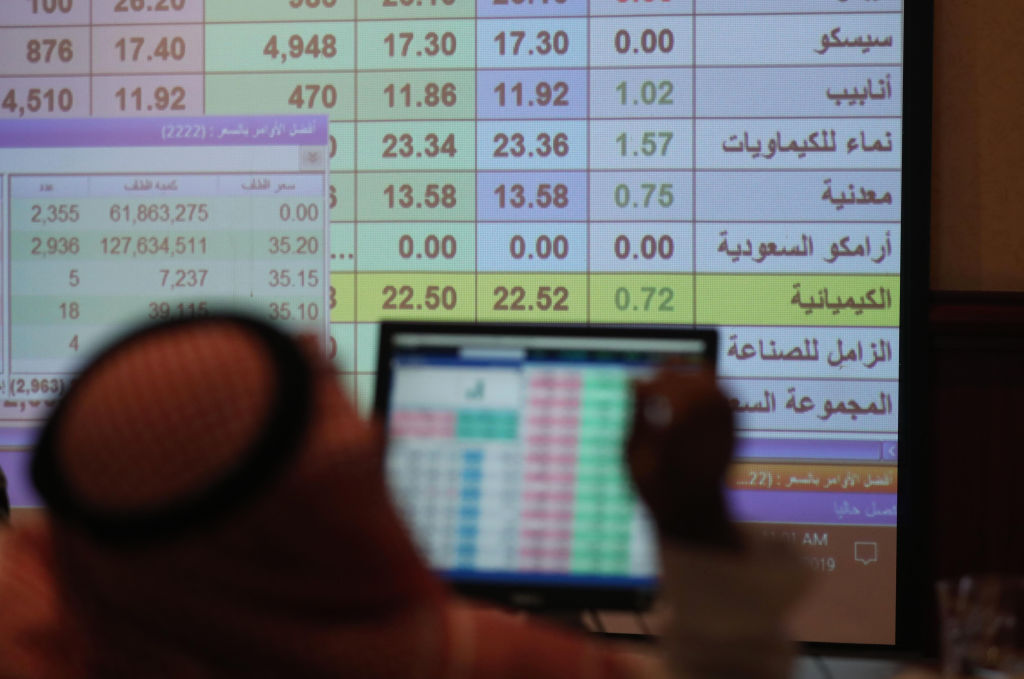
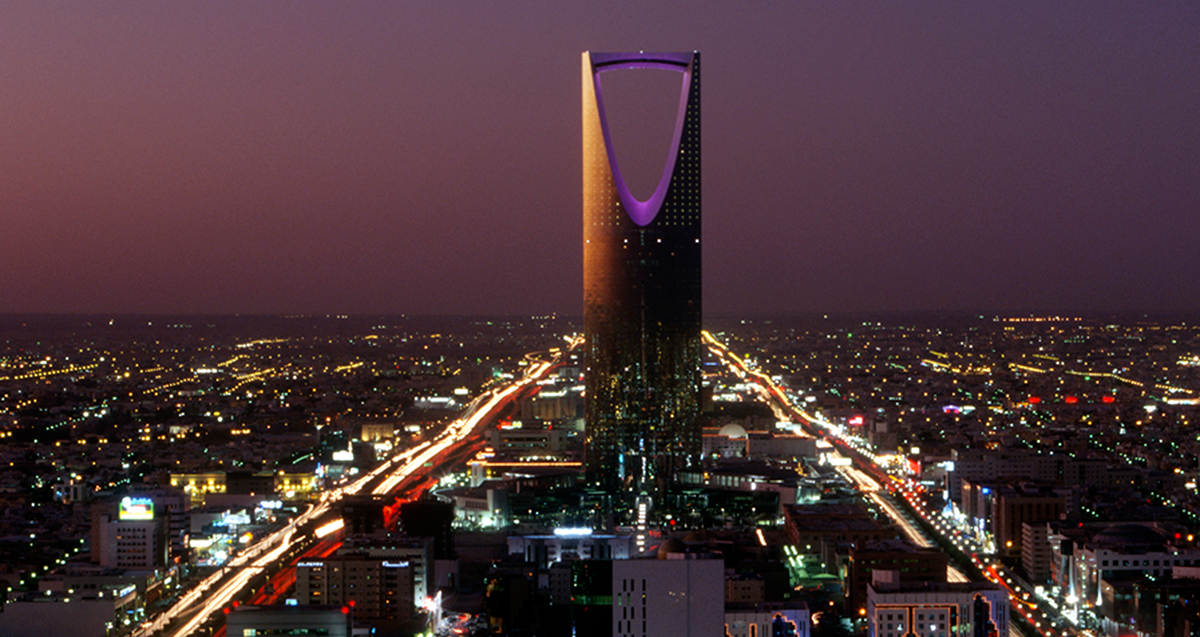
Saudi Arabia’s leviathan sovereign wealth fund, the Public Investment Fund (PIF), has recently sold a 5% stake in the Saudi Telecom Company (STC). The firm is the largest and most profitable in the regional telecoms sector. The 3.2B USD sale, completed in early Dec. 2021, is yet another step in Riyadh’s privatization drive as part of its Vision 2030 agenda, and highlights the growing role of the Kingdom’s domestic financial sector.
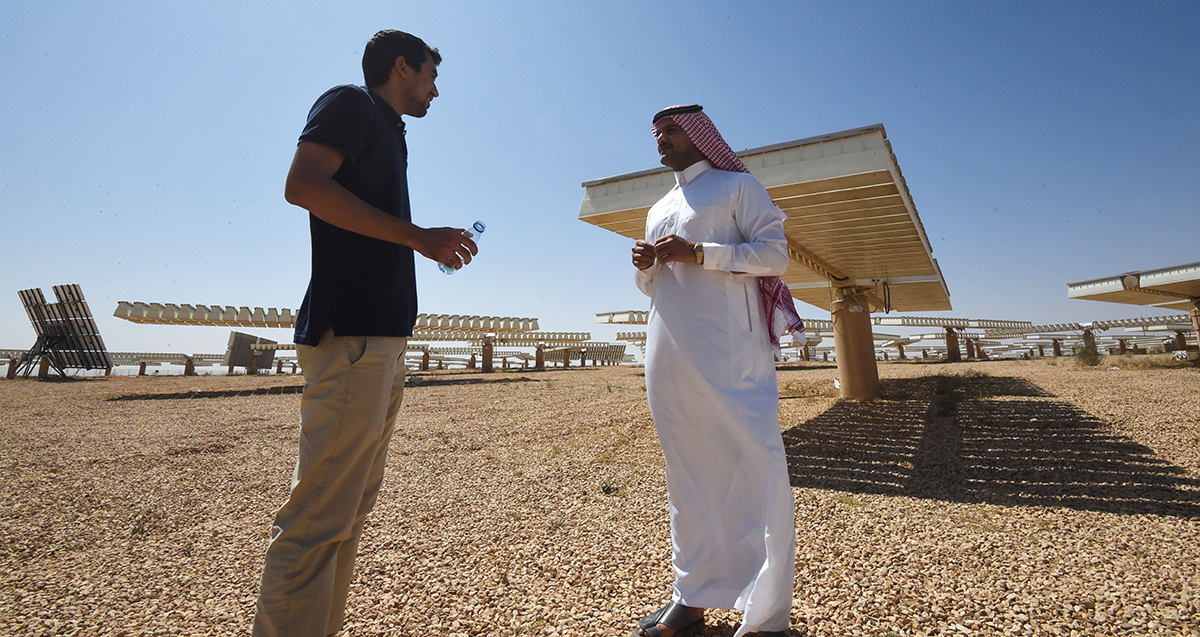
Saudi Arabia’s strategy to push through its portfolio of clean and renewables assets was further strengthened in 2021 as the kingdom witnessed several project financings in the solar sector and launched the National Infrastructure Fund (NIF) to diversify its economy.
اقرأ تقرير MEI الأسبوعي الذي يتضمن تحليلات الخبراء للتطورات الإقليمية الرئيسية للأسبوع المقبل.
The events of recent months, including a series of critical statements by international players about the reluctance of OPEC+ to raise output beyond its established quotas, have clearly demonstrated the changing realities in the oil market. In addition to global uncertainty, the dynamics between Saudi Arabia, Russia, and the U.S., as well as the actions of Asian oil consumers, have become other key factors shaping the cartel’s behavior.
As the countries of the Gulf Cooperation Council (GCC) work to transform from hydrocarbons-driven to data-driven economies, they will need to make significant and well-planned invest-ments in digital infrastructure, particularly when it comes to the complex issue of data govern-ance. They must take the lead in establishing regulatory and legal frameworks aligned with international standards in terms of data gathering, processing, and storing procedures. This report highlights the existing laws and regulations that govern data protection in the GCC while addressing their potential and limitations, along with the similarities and differences between the GCC’s legislative frameworks and the EU’s General Data Protection Regulation, and the impact of the GCC’s current data protection laws on individuals, the private sector, regulators, and governments.
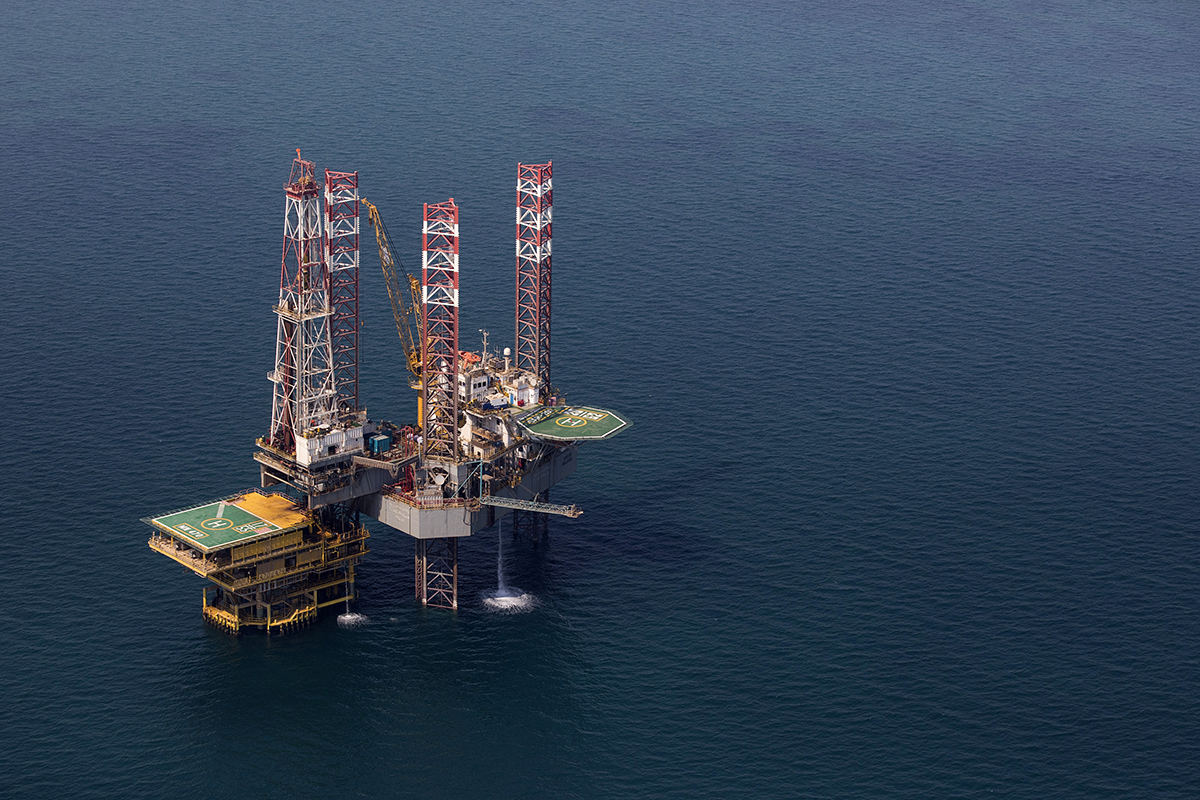
While oil prices have rebounded before soaring since the depths of collapse in the spring of 2020 — with Brent crude prices skyrocketing from $19 per barrel in April 2020 to a three-year high of $86 per barrel in October 2021 — the prospects for a sustained high oil price for Gulf producers is unlikely.
اقرأ تقرير MEI الأسبوعي الذي يتضمن تحليلات الخبراء للتطورات الإقليمية الرئيسية للأسبوع المقبل.
Despite great diplomatic efforts, progress on reaching a comprehensive agreement between Egypt, Ethiopia, and Sudan over the Grand Ethiopian Renaissance Dam (GERD) has remained elusive. While these states have long resorted to legal and political means to protect their share of the Nile, the battle over the dam is increasingly playing out in the global theater of public opinion: social media.
Integrated air and missile defense will make America’s partners in the Persian Gulf safer and bolster America’s policy against Iran. It’s past time to make IAMD a priority.
As the U.N. Climate Change Conference (COP26) kicks off in Glasgow, climate change is front and center on the global agenda. Few regions of the world have more at stake than the Middle East and North Africa, given the current environmental and sustainability challenges and potential future scenarios. Experts from across MEI weigh in with their thoughts on what should be the key outcomes from COP26.