Climate-induced migration in the GCC states: A looming challenge
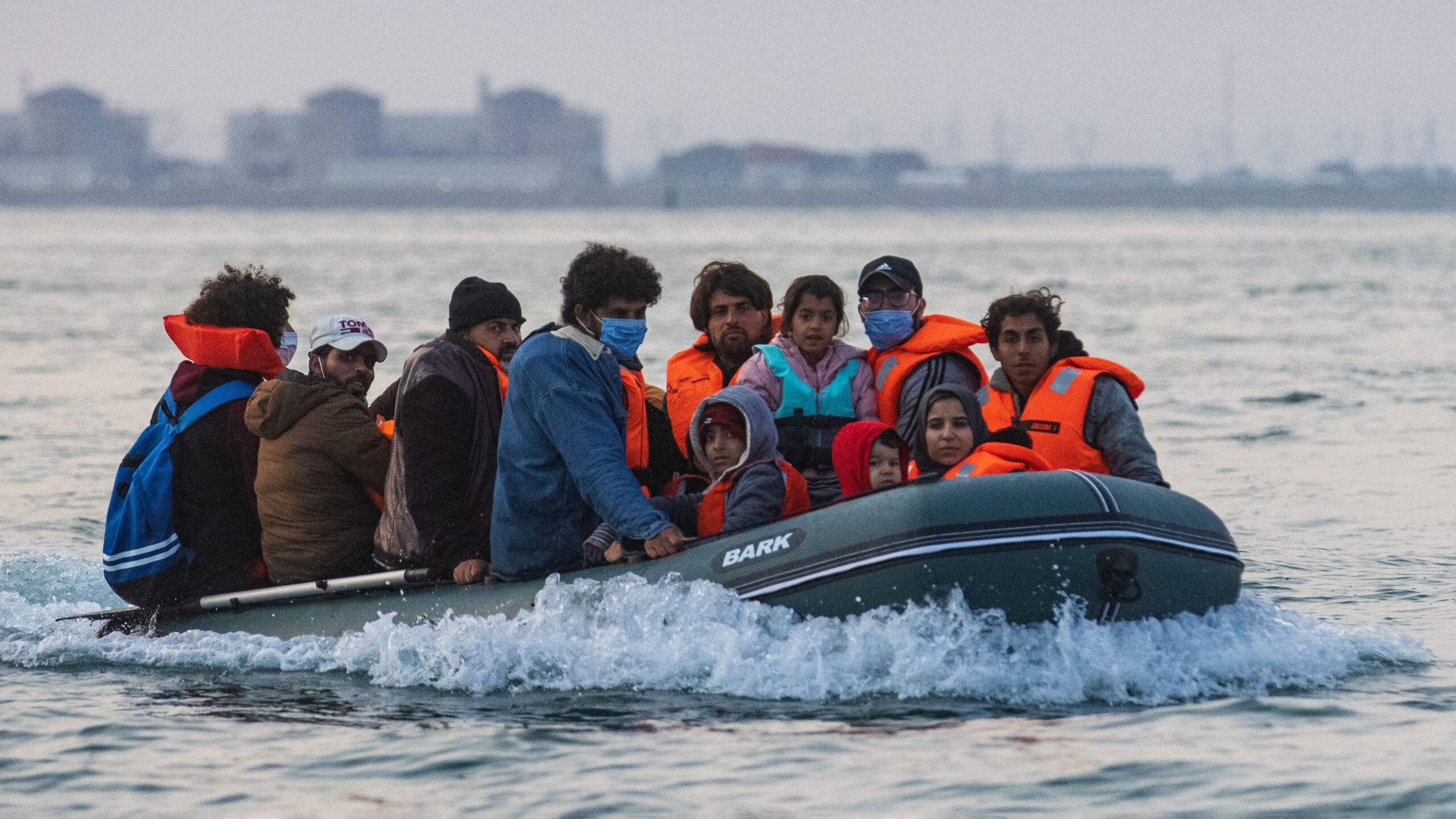
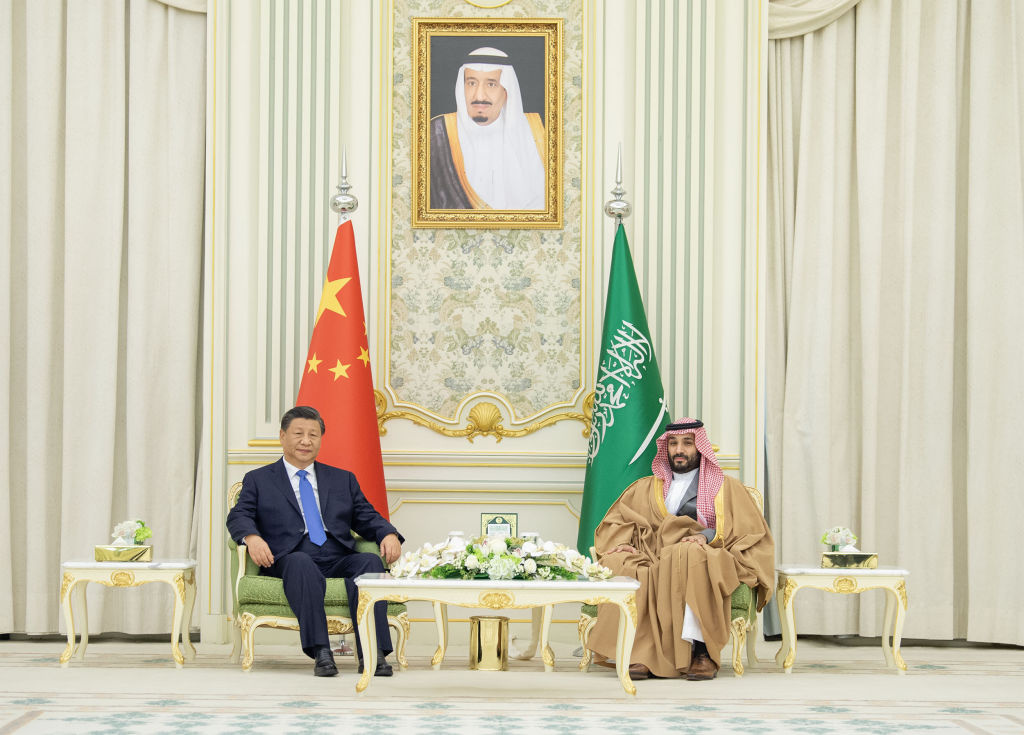
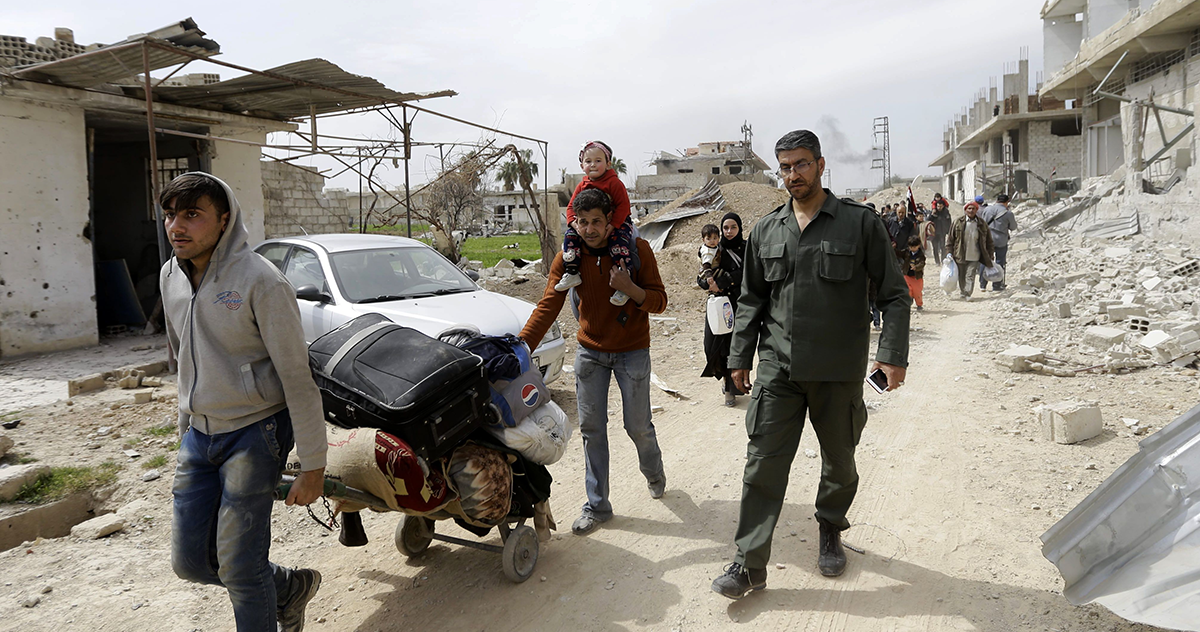
Gulf states are collectively investing billions of dollars in developing renewable energy. Yet climate change patterns in neighboring regions, combined with rising average temperatures, could eventually trigger more serious climate migration problems for the Gulf countries themselves.
The Gulf states: Beneficiaries of the Russia-Europe energy war?
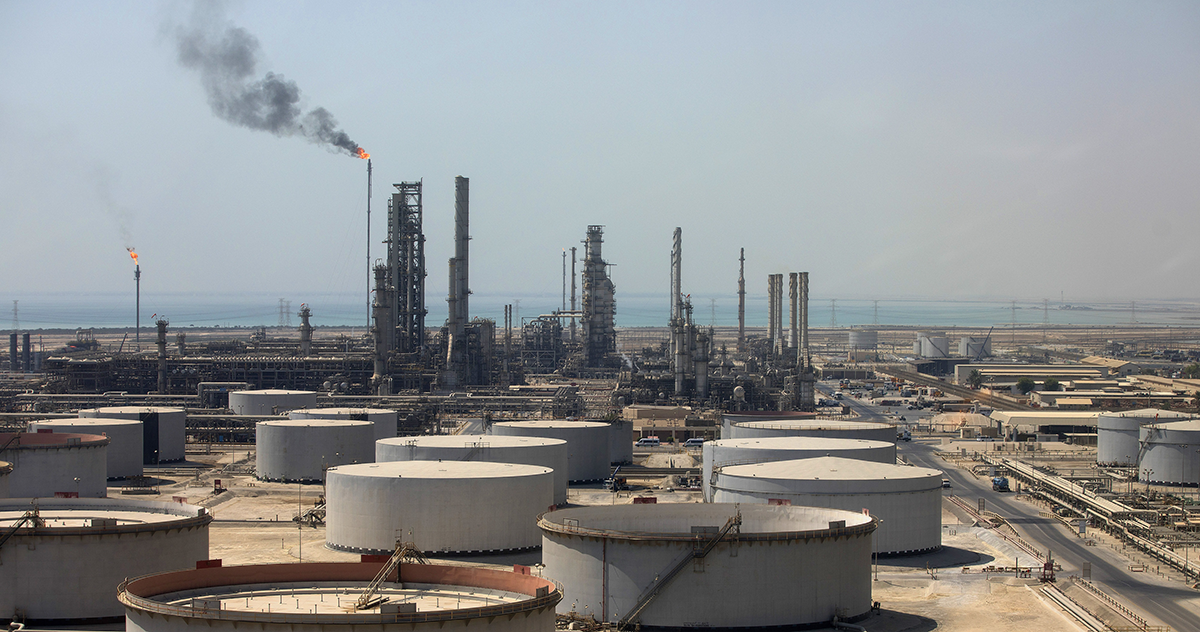
The Gulf states are often overlooked as indirect beneficiaries of the Russia-Europe energy war. In what ways and to what extent have they leveraged it? Are these benefits sustainable?
Keeping up appearances: The Ukraine war’s effect on Russian deployments in Syria
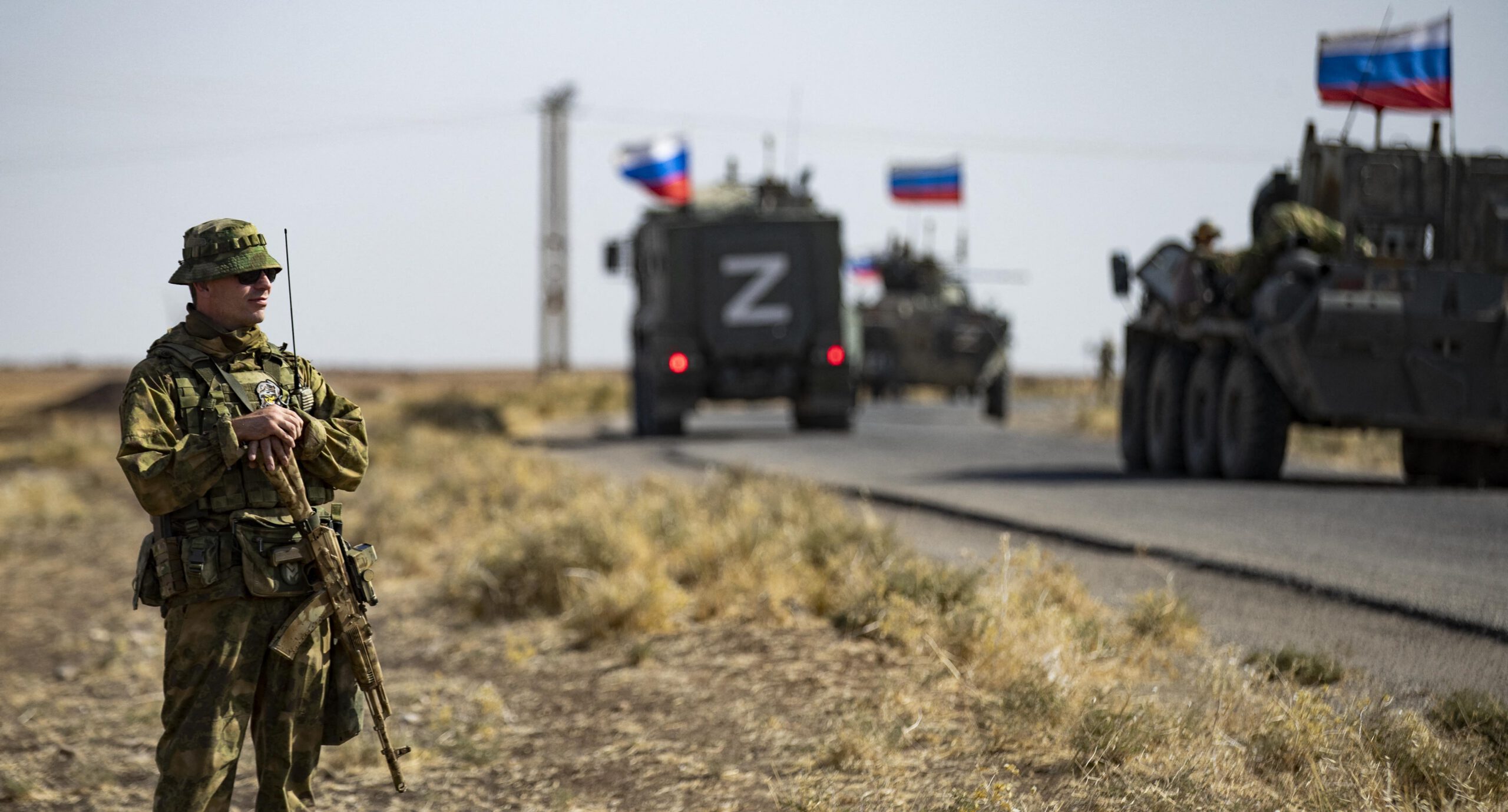
As Russia’s 2022 invasion of Ukraine turned into protracted positional and attrition warfare, often speculative reports emerged about the imminent reduction of the Russian military presence in Syria. Several factors may explain the changes in the Russian military presence in Syria and its future.
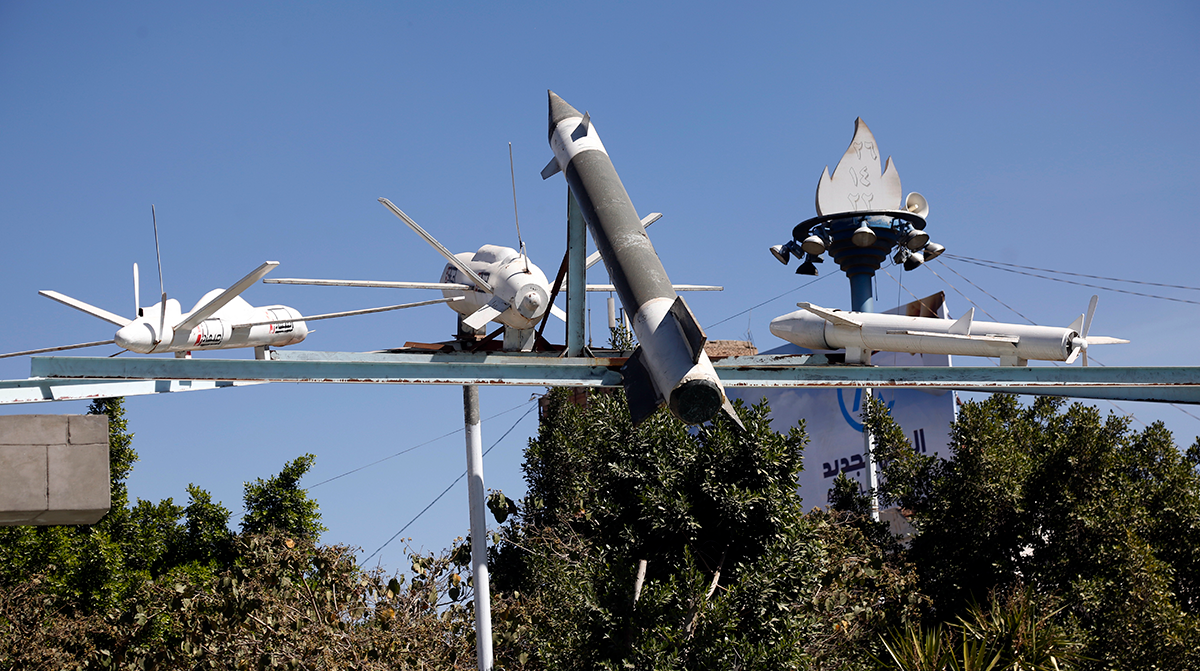
On Nov. 21, the Iranian-backed Houthi militia launched a drone attack against the Dhabba Oil Terminal in Yemen’s Hadramawt Governorate. The threat of further attacks on oil ports and military targets remains high as the militant group tests the tolerance and response of Yemen’s government and the international community while increasing its demands.
The spider of Khanasir and the rising star of Syria’s Hussam Luka
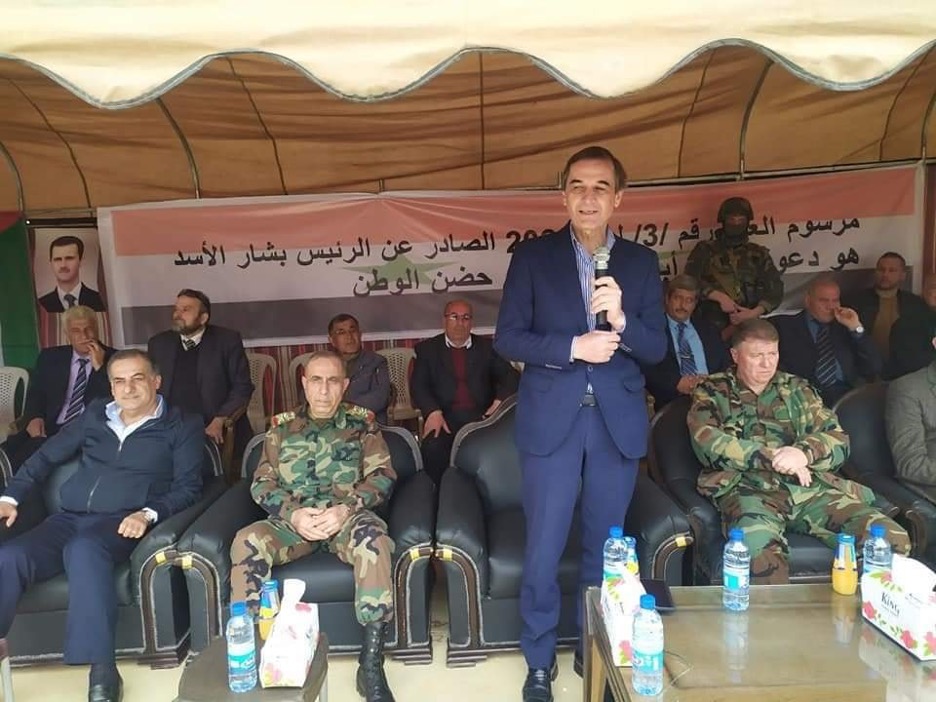
Despite his rural Sunni roots, one general has managed to play a part in nearly every step of the regime’s counter-revolution, all while building a web of networks across much of Syria as he worked his way up the complex internal ladders of the mukhabarat: Maj. Gen. Hussam Luka.
On Nov. 30, the Islamic State announced that its leader, Abu al-Hassan al-Hashimi al-Qurayshi, had been killed in battle and that his successor, Abu al-Hussein al-Husseini al-Qurayshi, was now in place. Hours later, the United States military’s Central Command confirmed the death of Abu al-Hassan, adding that it had occurred in Daraa, in southern Syria, in mid-October at the hands of “the Free Syrian Army.”
أطلقت المجموعات المحلية في مدينة درعا البلد ، وهي مجموعات عسكرية كانت تتبع للجيش السوري الحر، و بقيت في المحافظة بعد توقيع أتفاقية المصالحة مع النظام السوري برعاية روسية في يوليو / تموز عام 2018، عملية عسكرية واسعة على مجموعات هفو _ الحرفوش في أحياء طريق السد والمخيم داخل درعا البلد.
On Oct. 31, local units previously affiliated with the FSA launched a large-scale military operation against the al-Hafo-Harfoush group in the southern Syrian city of Daraa al-Balad. The operation followed a suicide bombing targeting the house of Ghassan al-Akram Abazid, a former FSA leader, that left four dead and several others wounded, on Oct. 28, in Daraa al-Balad. The attack was only the latest in a string of similar operations in southern Syria conducted by the group over the past year targeting military factions affiliated with the opposition.
على الرغم من التوثيق الجيد لاضطهاد الدولة السورية وعنفها ضد السكان من خلال الكم الهائل من شهادات الضحايا طوال النزاع المسلح الذي استمر أكثر من ١١ عامًا في عموم البلد، يبقى المنطق خلف هذا العنف مفهوماً بشكل أقل – من هم المستهدفين من قبل النظام وما هي الأضرار الناتجة هذا الاستهداف؟ ولماذا يستمر العنف والاضطهاد ضد بعض الجماعات حتى بعد انخفاض الأعمال العدائية المباشرة، أو حتى بعد لجوء هذه الجماعات خارج البلاد؟
Understanding the logic behind the Syrian regime’s violence
The Syrian state’s persecution of the population has been well documented throughout the country’s more than 11-year conflict. Less well understood is the logic behind the violence — who the regime targets and why they inflict such harm. Why do violence and persecution continue against some groups, even after a reduction in immediate conflict hostilities or when they now live as refugees outside of the country?
Syria and Lebanon at risk from rapidly spreading cholera epidemic
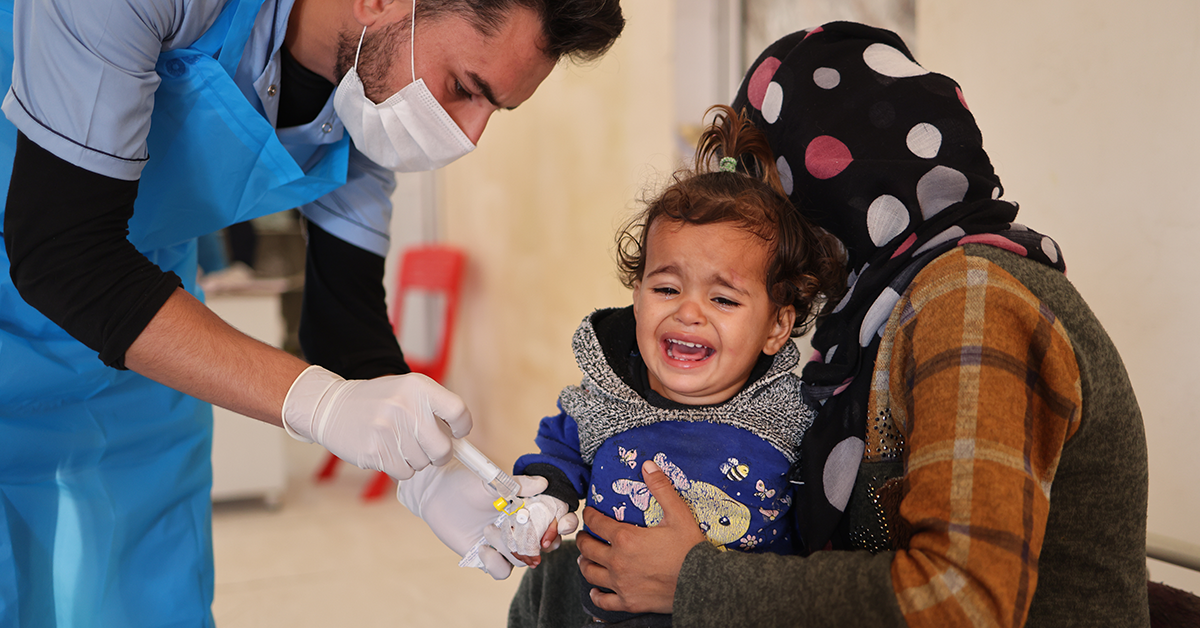
Cholera continues to sweep through Syria and Lebanon at an alarming pace, leaving thousands sick and hundreds dead in its wake, with only a small fraction of cases officially registered in databases.