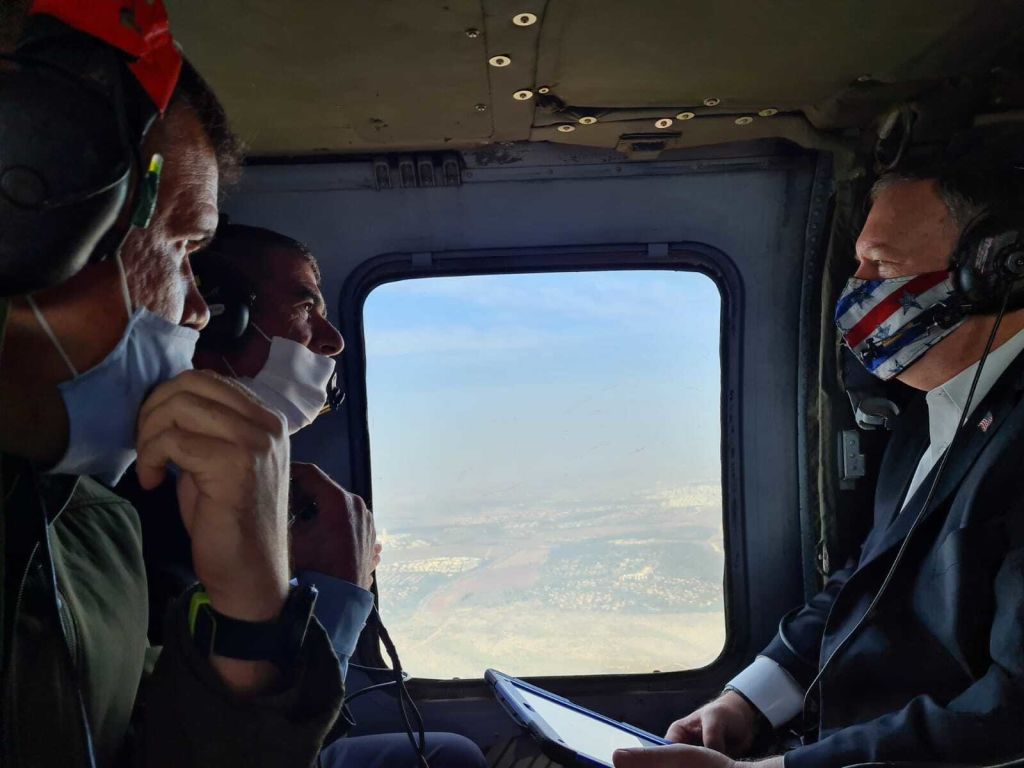
Monday Briefing: Pompeo’s Middle East farewell tour
This week’s briefing on recent news and upcoming events in the region featuring Gerald Feierstein, Mirette F. Mabrouk, Fatima Abo Alasrar, Marvin G. Weinbaum, and Yesar Al-Maleki.
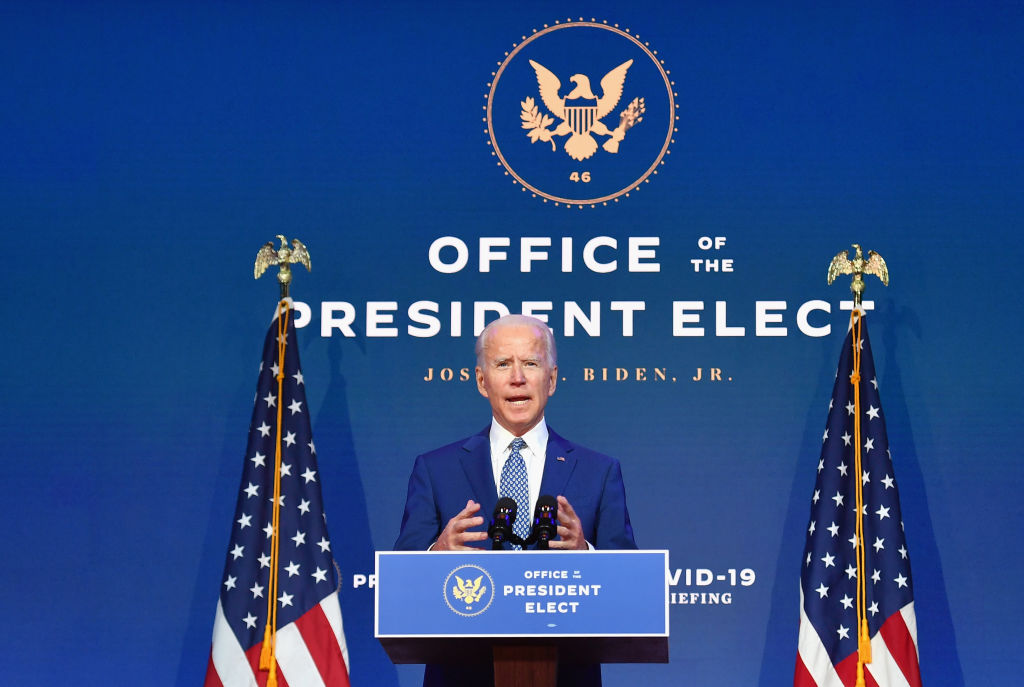
Monday Briefing: The reverberations of the US election in the Middle East
This week’s briefing on recent news and upcoming events in the region featuring Paul Salem, Alex Vatanka, Gonul Tol, Gerald Feierstein, Randa Slim, Khaled Elgindy, Charles Lister, Mirette F. Mabrouk, and Marvin G. Weinbaum.
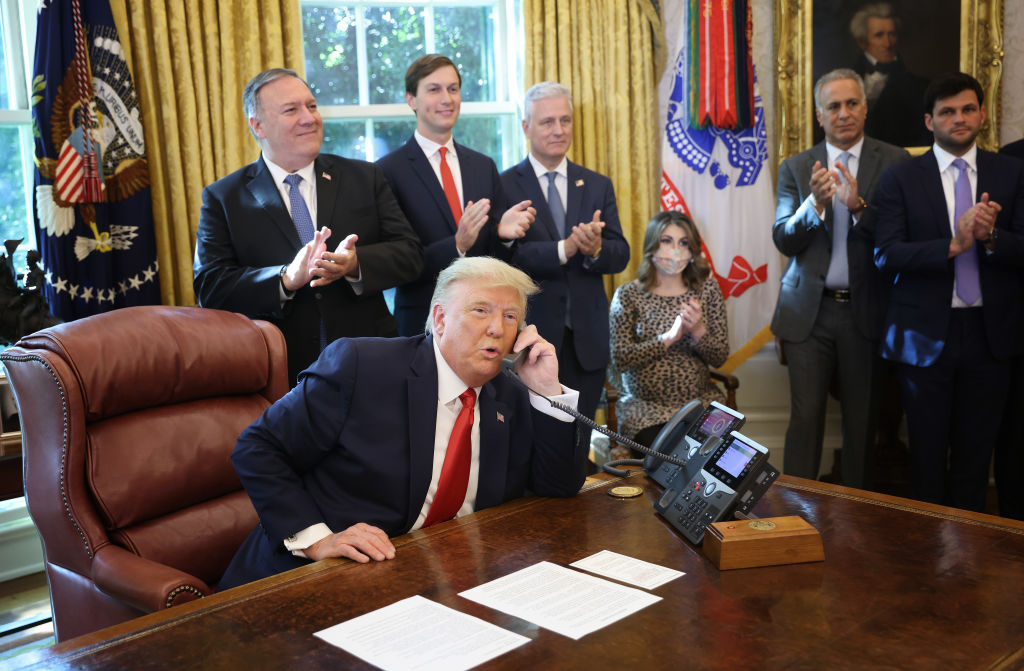
Monday Briefing: Regional reverberations of the Sudan-Israel announcement
This week’s briefing on recent news and upcoming events in the region featuring Paul Salem, Jonathan M. Winer, Gonul Tol, Mohammed Soliman, Marvin G. Weinbaum, Elizabeth Dent, Mirette F. Mabrouk, and Robert S. Ford.
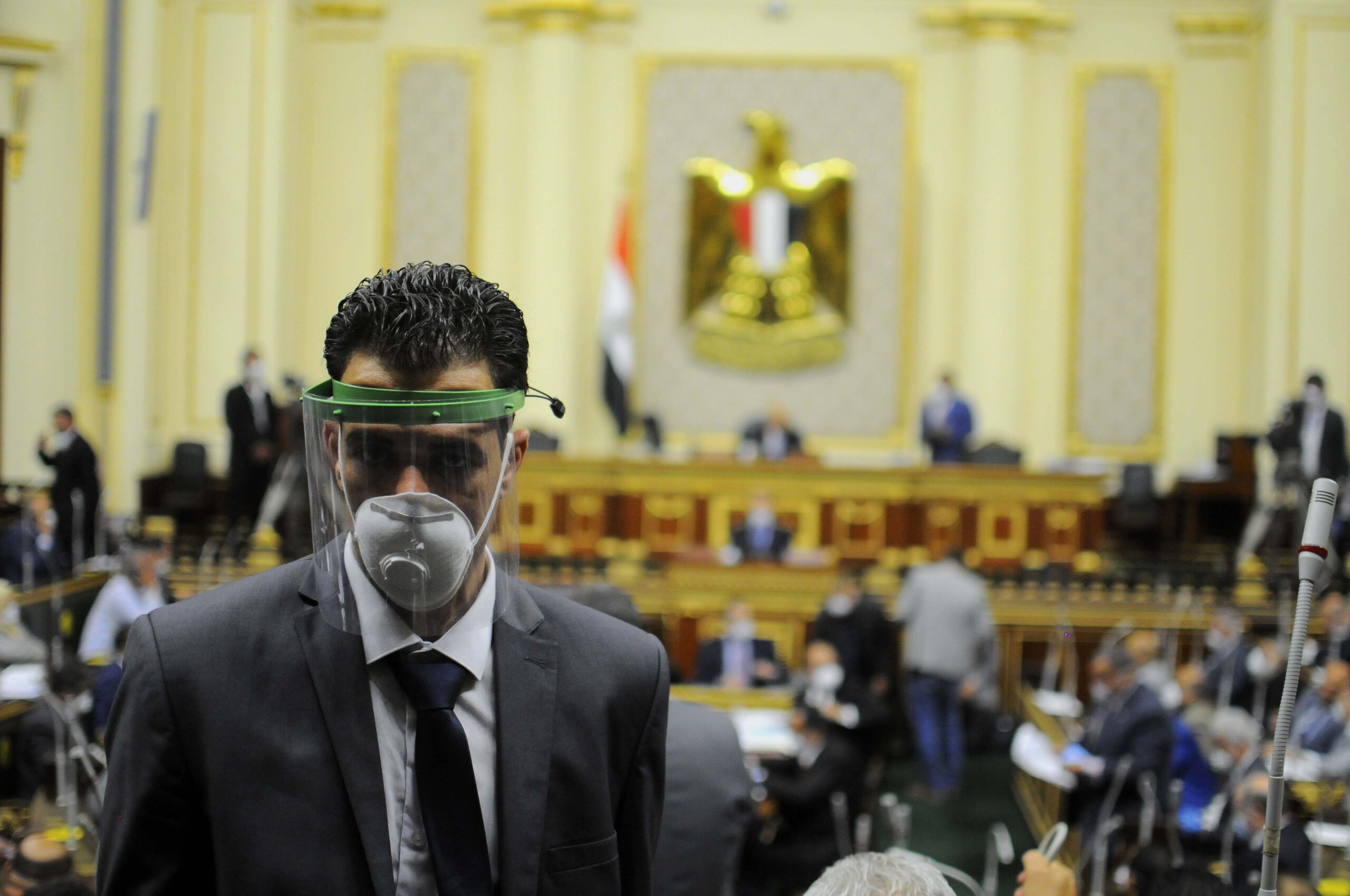
Egypt is not alone in having been knocked into a pit by the fallout from the COVID-19 pandemic, but it will have to dig itself out on its own. However, if Egypt is going to do so, it needs to rethink its approach to development, starting with looking for the silver lining to the pandemic. Is it possible to address existing issues that have been brought home by the exceptional circumstances? In this report, contributors dissect the weaknesses that make Egypt particularly vulnerable to external threats and examine ways in which to address these vulnerabilities and shore up the economy and the business and developmental environment.
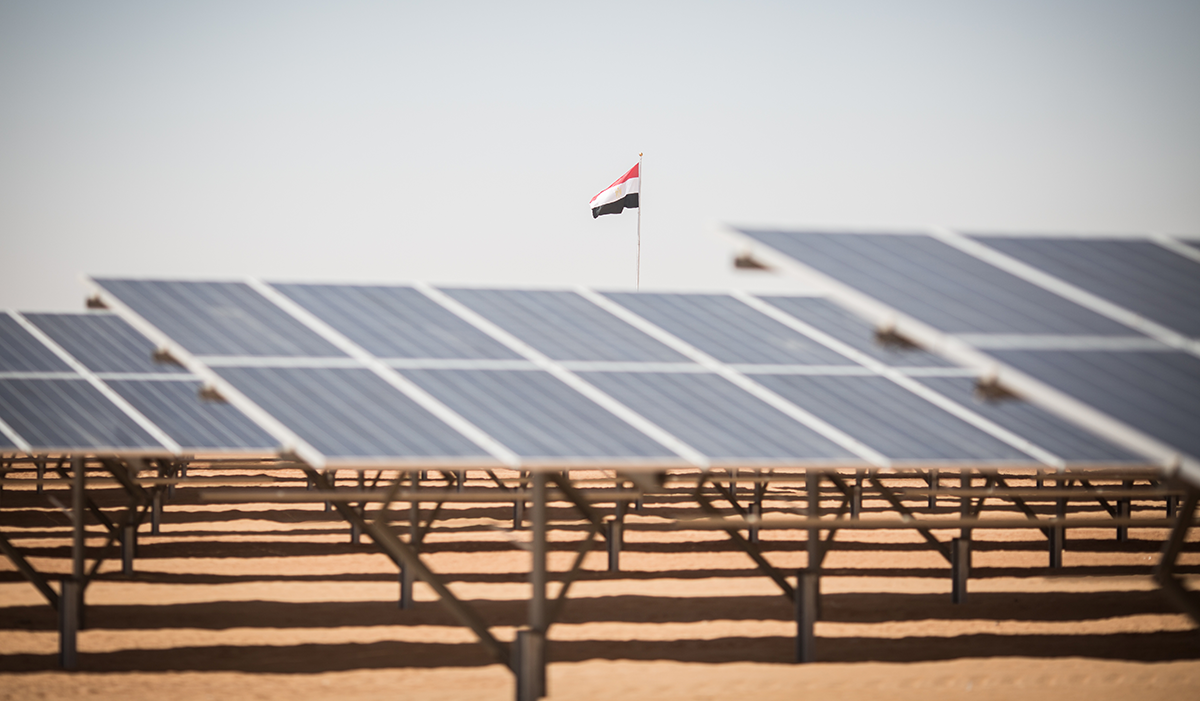
With its successful turnaround, strategic location, and extensive infrastructure, Egypt is repositioning itself as a regional energy hub for not only Europe and the Middle East, but also for Africa. It is useful to reflect on the successful transformation of Egypt’s energy sector while also evaluating where the sector stands today and how it will react to the twin challenges of the COVID-19 global pandemic and the oil price shock.
Towering Ambitions: Egypt and China Building for the Future
Over the past decade, Egypt and China — the former a traditional US partner and the latter America’s strategic competitor — have forged ever-deeper ties. During that time, Beijing has sought to leverage its relationship with Egypt to advance the Belt and Road Initiative (BRI), while Cairo has looked to China as a critical partner in the revitalization of the Egyptian economy. Entering 2020, Egypt was one of the fastest-growing emerging markets, and the Sino-Egyptian economic relationship was thriving. However, the fallout from the pandemic could undermine Egypt’s recent success in restoring growth and regaining investor confidence. It could also test the resilience and delay the further expansion of Sino-Egyptian economic ties.
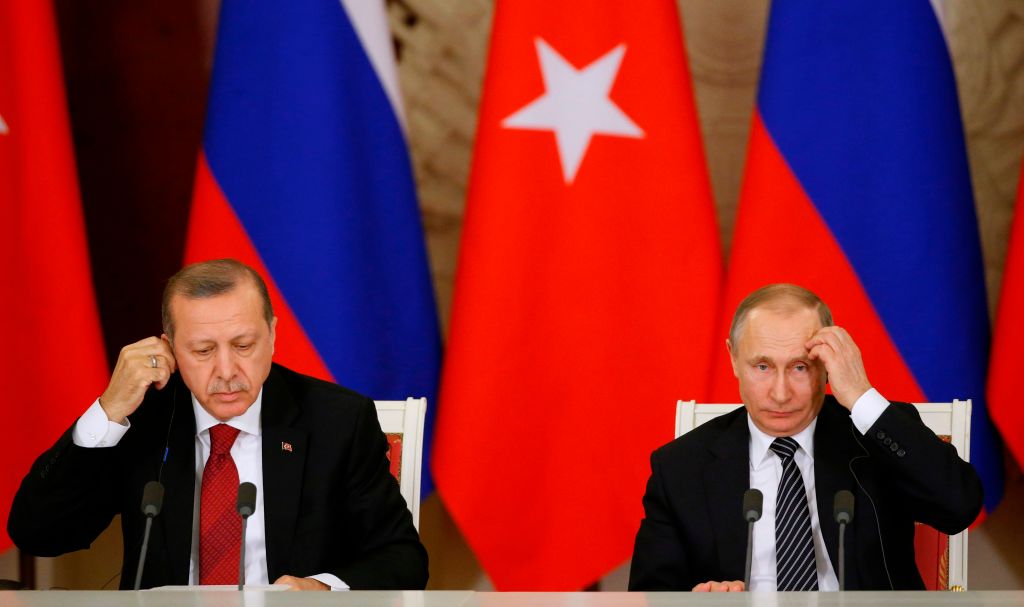
Monday Briefing: Will Russia and Turkey face off over Nagorno-Karabakh?
This week’s briefing on recent news and upcoming events in the region featuring Maxim A. Suchkov, Ibrahim Jalal, Eliza Campbell, Alex Vatanka, and Marvin G. Weinbaum.
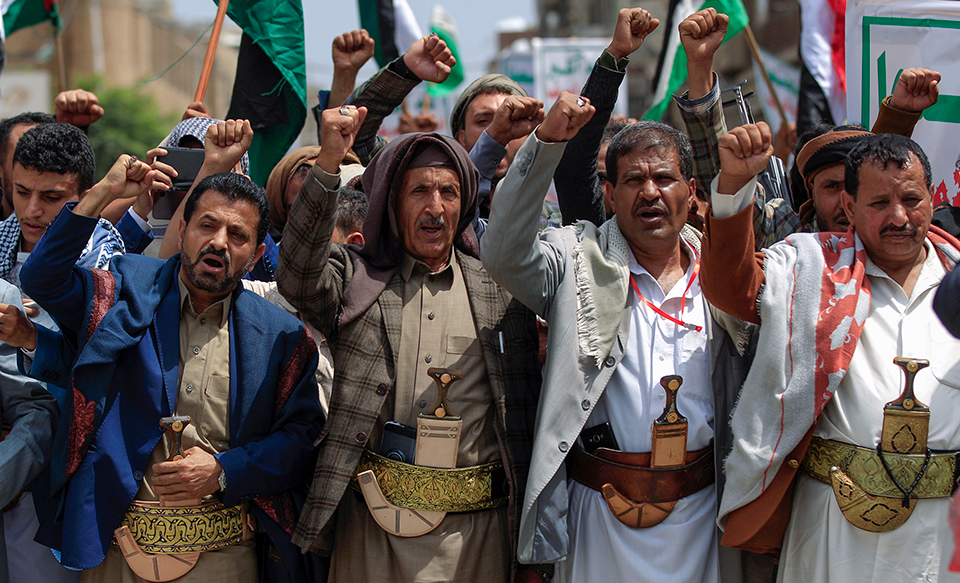
UAE-Israel normalization gives rise to new risks for Yemen and the region
As unimportant as the move may seem for Yemen, the UAE’s normalization of relations with Israel and patronage of the STC, if left unaddressed, may ultimately lead to undesirable outcomes for both Yemen and the broader Arab world
Election 2020: Challenges and Opportunities for US Policy in the Middle East
In a new briefing book released ahead of the U.S. elections in November, entitled Election 2020: Challenges and Opportunities for US Policy in the Middle East, MEI scholars lay out key issues across the region, highlight the U.S. interests at stake, and provide policy insights and recommendations for the path forward.
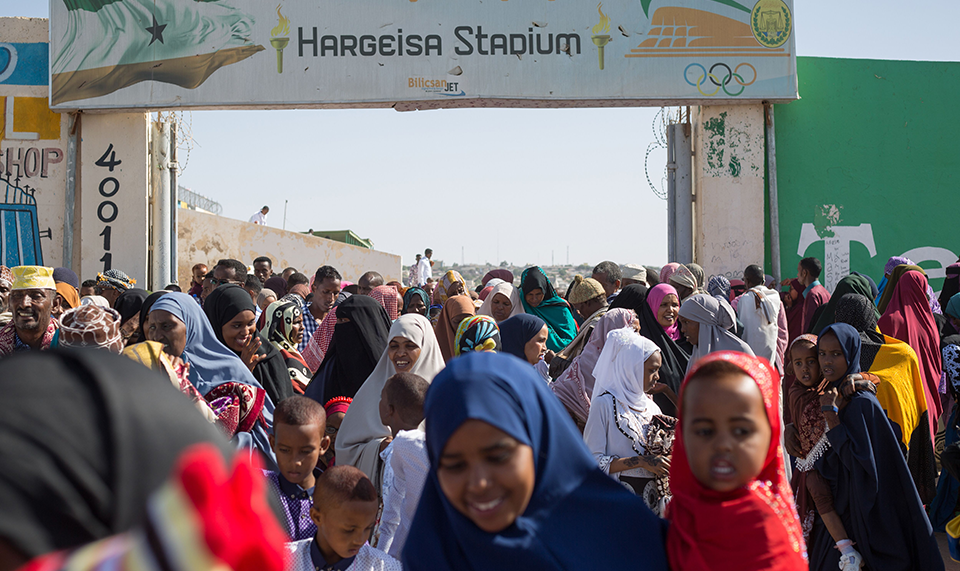
Taiwan should implement the “Economic Miracle” model in Somaliland to win Africa’s goodwill
Countries in the Horn of Africa can draw lessons from the Taiwanese because they are themselves attempting to make the same political transition Taiwan did, but have not yet achieved the needed reforms such as ensuring good governance, eradicating corruption, and developing economic self-reliance to reduce dependency on aid. Taiwan may not have the financial resources to win against the PRC’s checkbook-driven One-China policy in Africa, but it could overcome that disadvantage by convincing African nations that it can help them replicate the sustainable growth model of the “Taiwan Economic Miracle.” Taiwan’s recent diplomatic overtures in Somaliland seem like a step in that direction and could be a game-changer, not only for the Horn of Africa but for the continent as a whole.
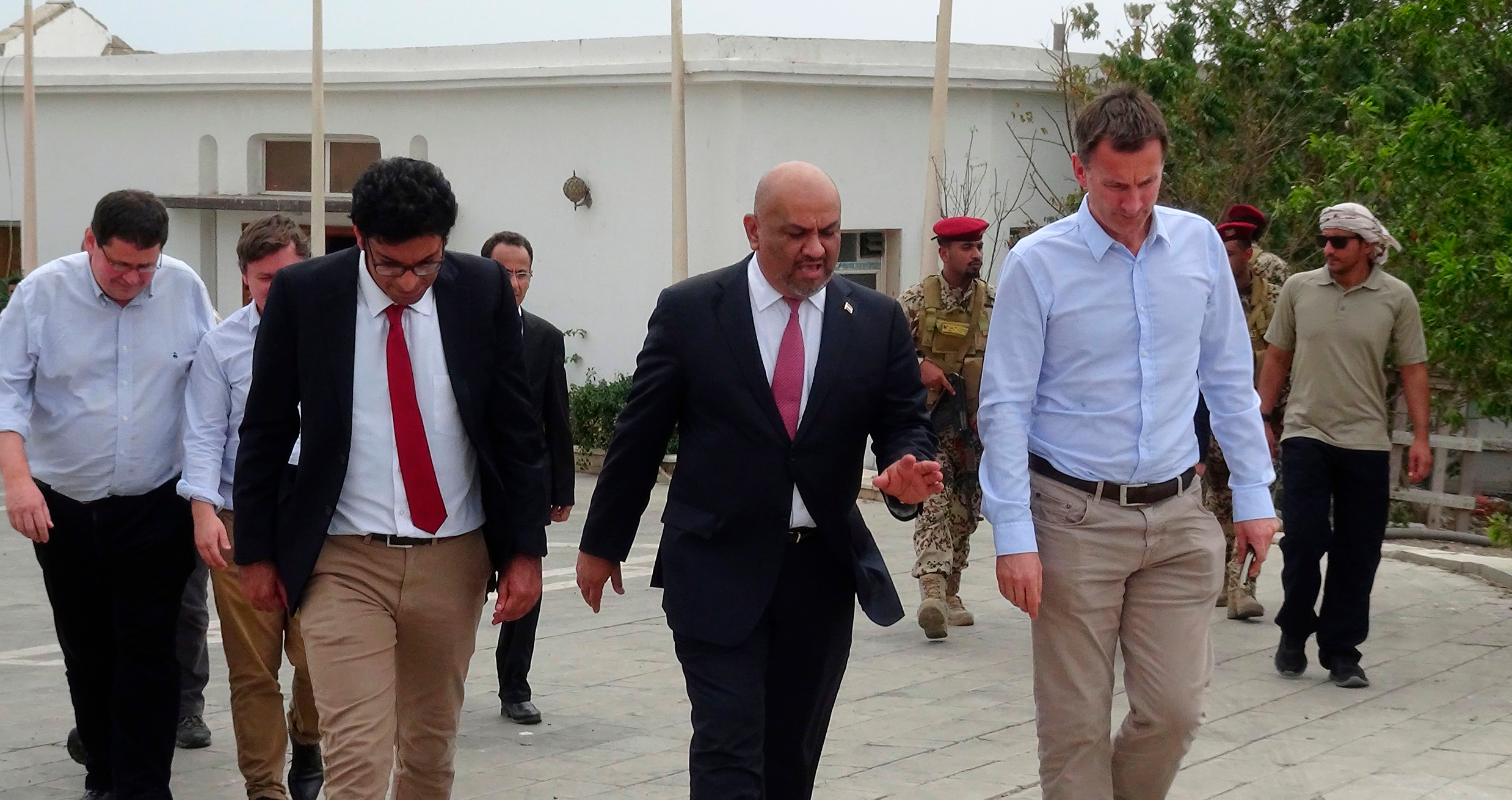
Continuity and change in British foreign policy toward Yemen
On Feb. 16, 2015, then British Ambassador to Yemen Jane Marriott wrote an article titled “Yemen: the ball is in the Houthis’ court,” asserting that the future of the country and its stability were dependent on the Houthis.
MEI’s Gerald Feierstein and Mick Mulroy join host Alistair Taylor to discuss the ongoing conflict in Yemen and the country faces crises on multiple fronts, from the unchecked spread of COVID-19 and widespread hunger to renewed fighting and a lack of international funding.
This week’s briefing on recent news and upcoming events in the region featuring Charles Lister, Randa Slim, Jonathan M. Winer, Alex Vatanka, Marvin G. Weinbaum, Robert S. Ford, Mirette F. Mabrouk, and Syed Mohammad Ali.
Jonathan Winer and Mirette Mabrouk join host Alistair Taylor to discuss the latest developments in Libya and the regional dynamics in play, including the role of Egypt.
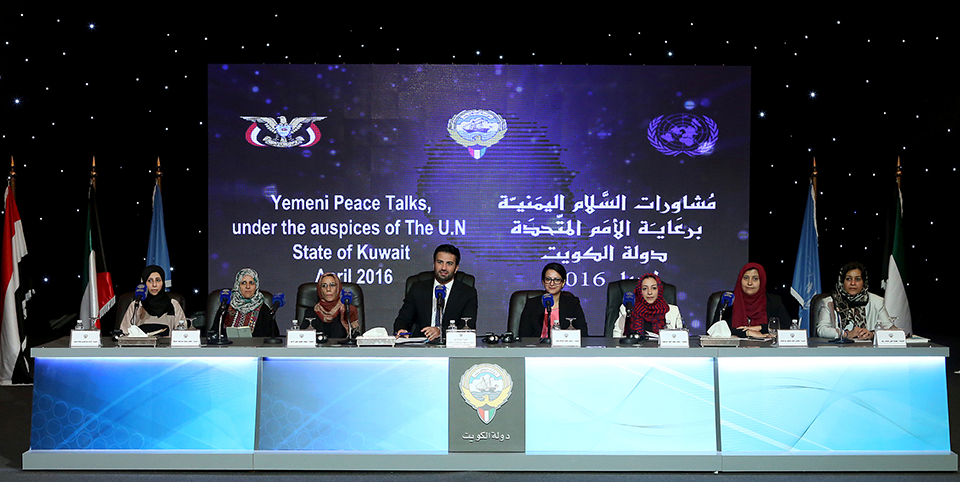
When the Saudi-led coalition launched military operations against the Houthi insurgents on March 26, 2015, all of the Gulf Cooperation Council (GCC) states, except for Oman, joined the multinational force. As has become clear, each of the Arab Gulf sheikdoms has its own national interests and unique history of relations with Yemen and Yemeni factions, and these have shaped their changing perceptions of the war over the past five and a half years. Kuwait’s role in Yemen’s multidimensional conflict is a case in point.