Afghanistan adrift one year after the Taliban takeover
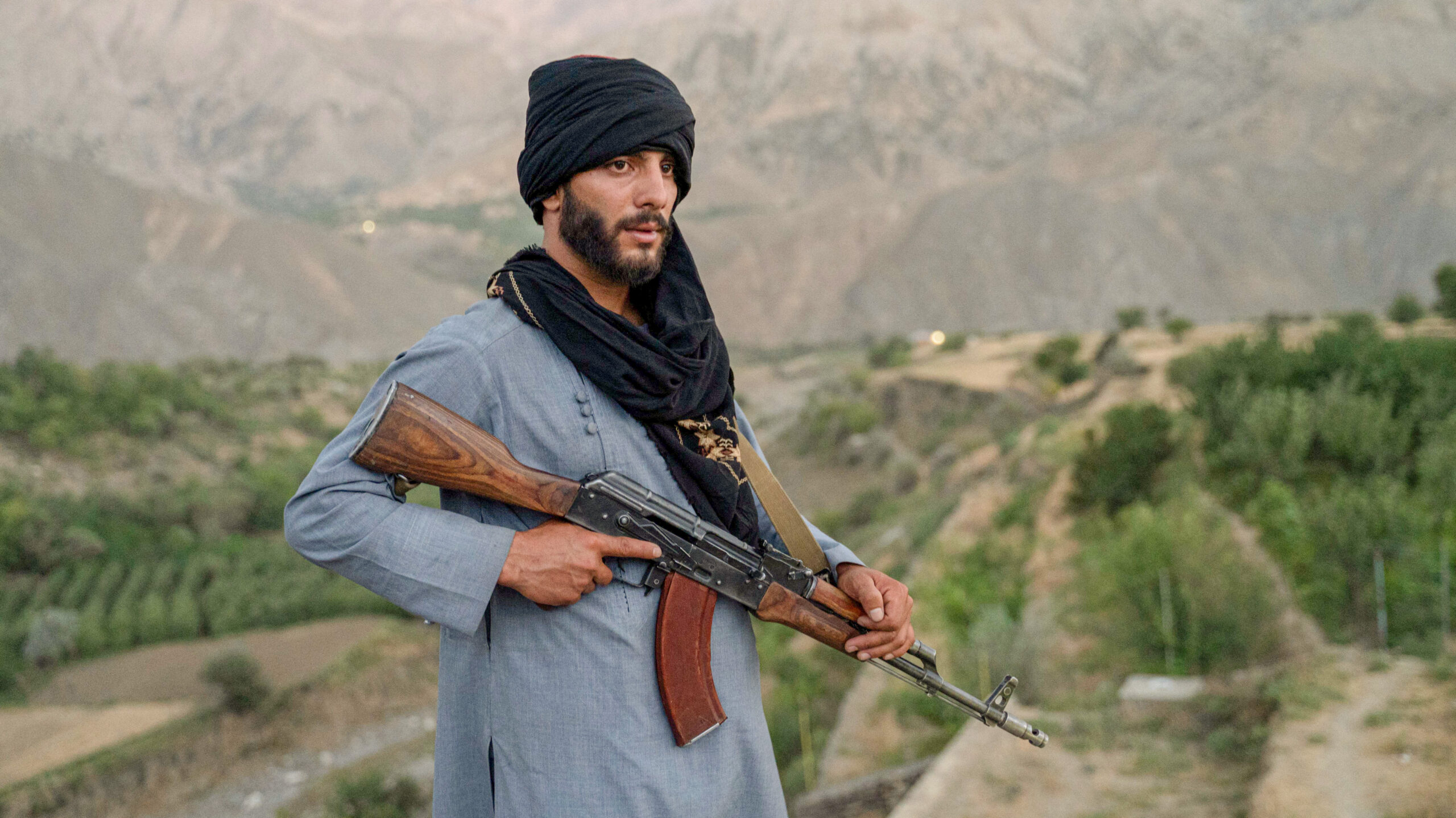
Even prior to al-Qaeda leader Ayman al-Zawahiri’s death in a CIA drone strike on July 31, the last few months have mostly underscored the Taliban’s global isolation and the anguish of the Afghan people. A year on from the Taliban’s takeover of Kabul in August 2021, no foreign government has officially recognized the regime.
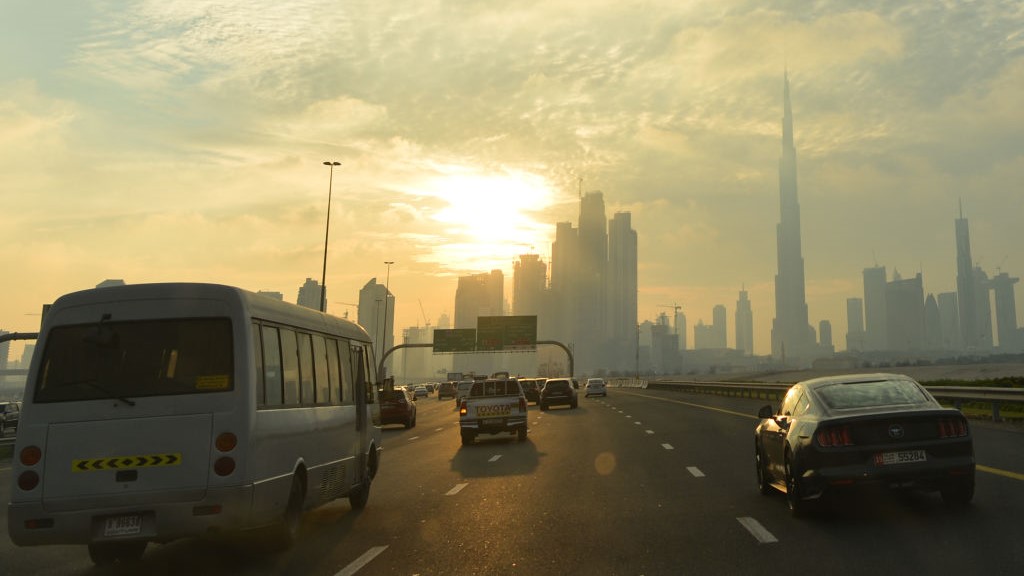
Urban pollution across the Middle East and Black Sea regions: Causes and mitigation measures
The latest IPCC reports clearly indicate that cities — responsible for up to 72% of global emissions — need to be redesigned to stand a chance against the climate crisis. The urban communities of the Middle East and Black Sea regions face some of the most difficult climate change effects. To properly address their challenges, a comprehensive analysis of drivers and strategies to follow is needed.
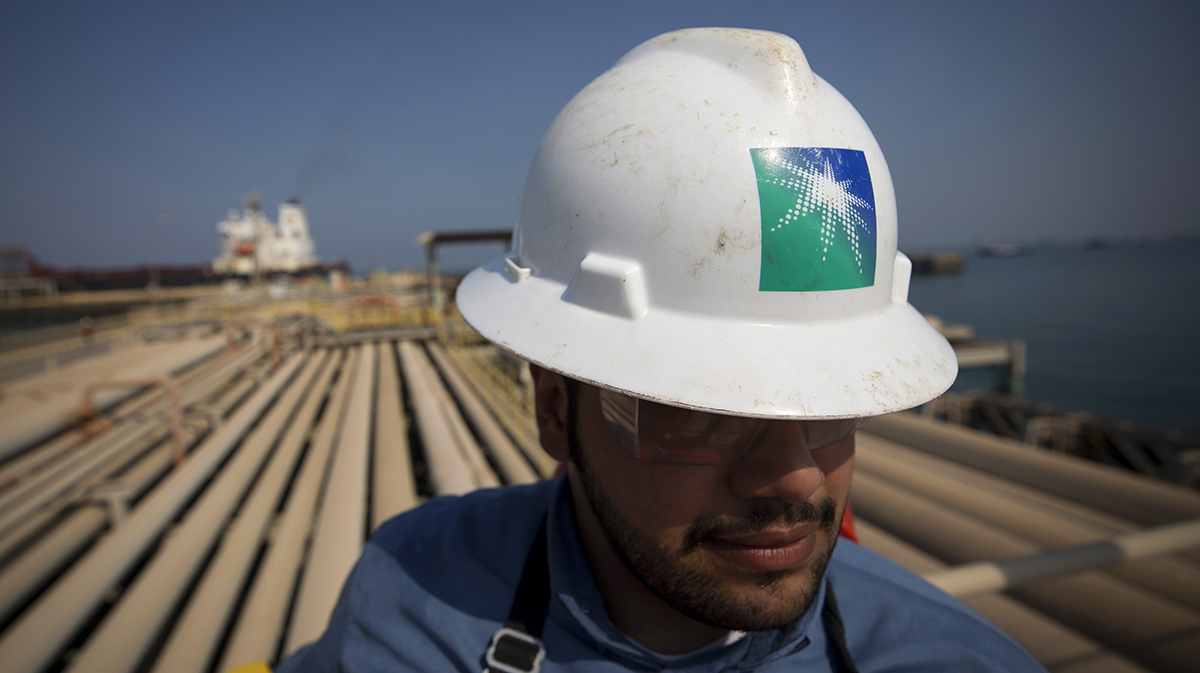
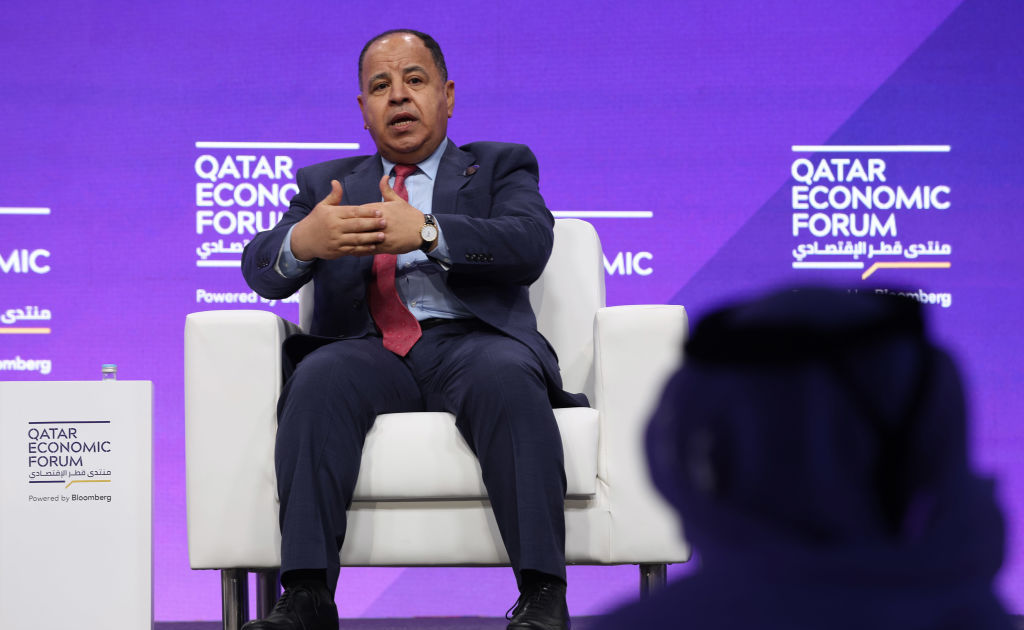
Industry analysts widely agree that OPEC+ production levels are currently well below the members’ authorized quotas and that any production increases will mainly be met by Saudi Arabia and the UAE. The challenges facing the group are daunting, but if met, seven major OPEC countries could feasibly raise crude oil production while utilizing existing infrastructure, significantly narrowing the global demand-supply gap.
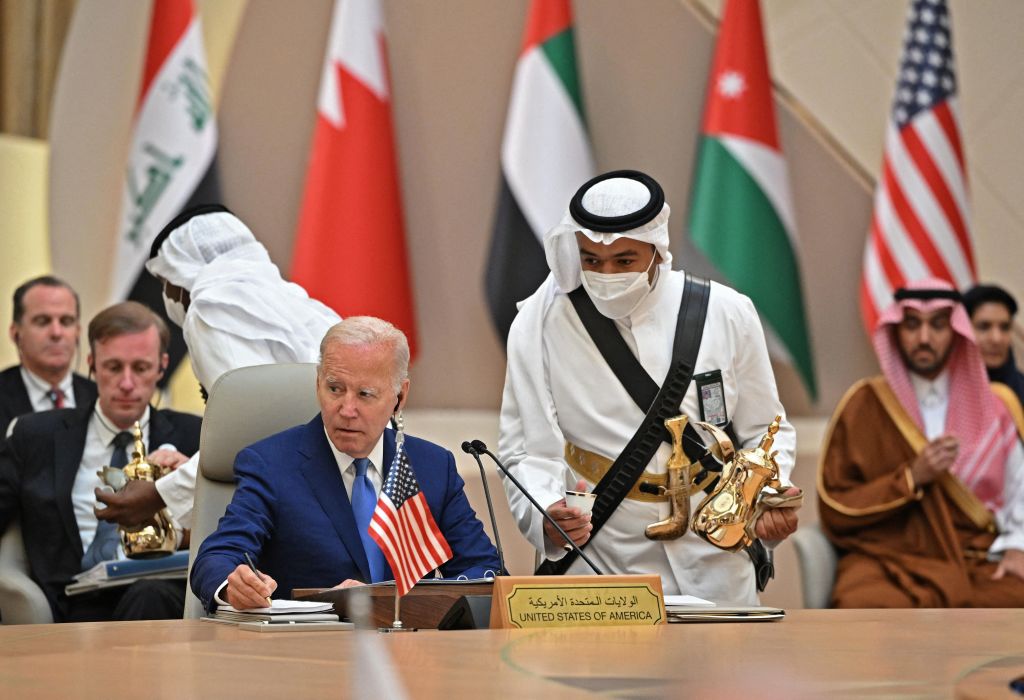
Randa Slim is joined by Farhad Alaadin and Marsin Alshamary to discuss the latest political events in Iraqi Parliament, Muqtada al-Sadr, and what the future of Iraqi politics could look like moving forward.
Economic Diversification and Energy Transition in Iraq and the Gulf
To identify pathways to deal with demands for economic reform and volatility in resource revenue in Iraq, in November 2021 the Middle East Institute (MEI) and Iraq Policy Group (IPG) convened a high-level workshop on the side-lines of the American University of Kurdistan’s annual Middle East Peace and Security Forum. This report provides the insights and analyses of a select group of participants, and forms part of a series of forthcoming Iraq- and Gulf-focused reports and initiatives that MEI and IPG will be convening.
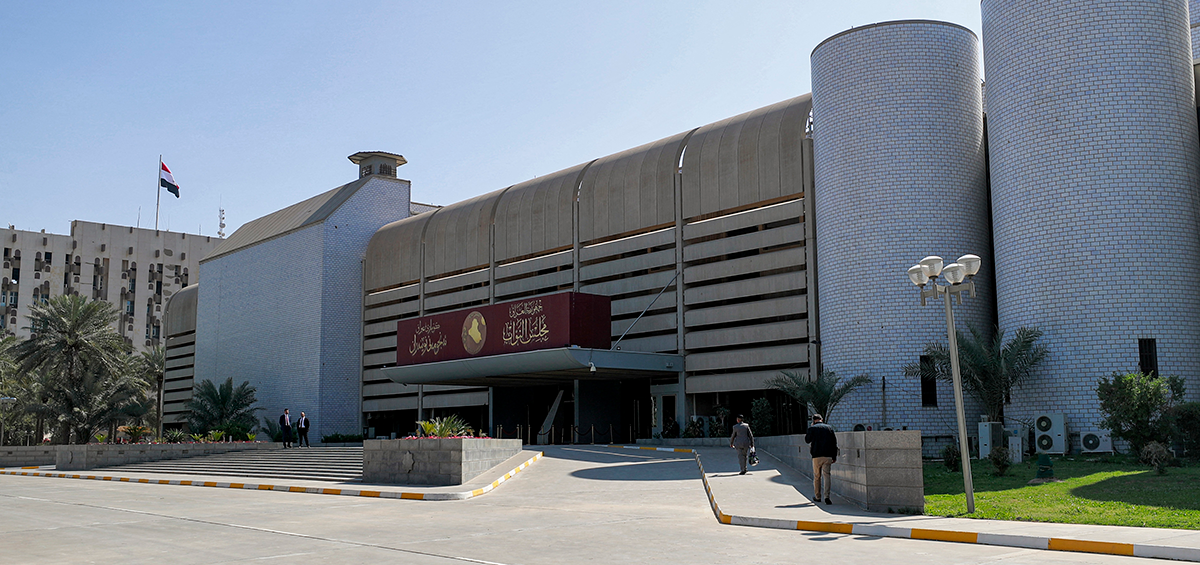
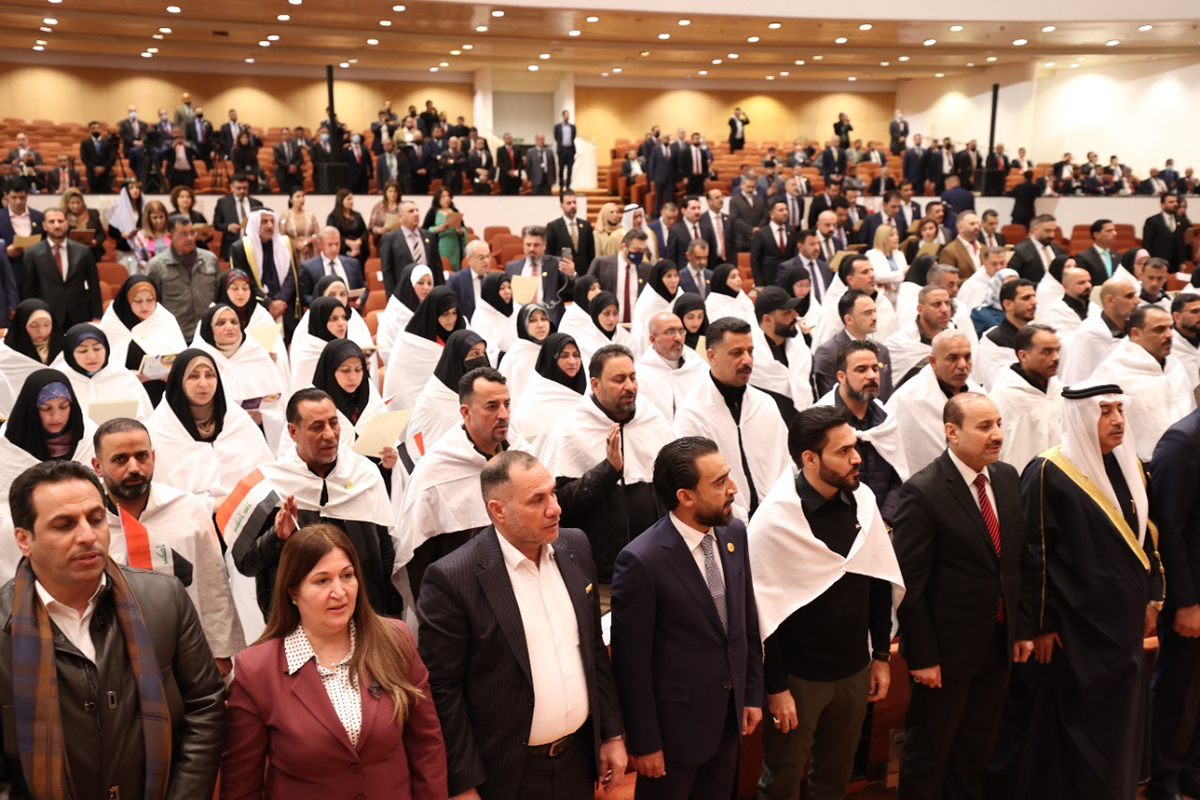
Iraq once again leaps into the void, but not before political elites secure funding
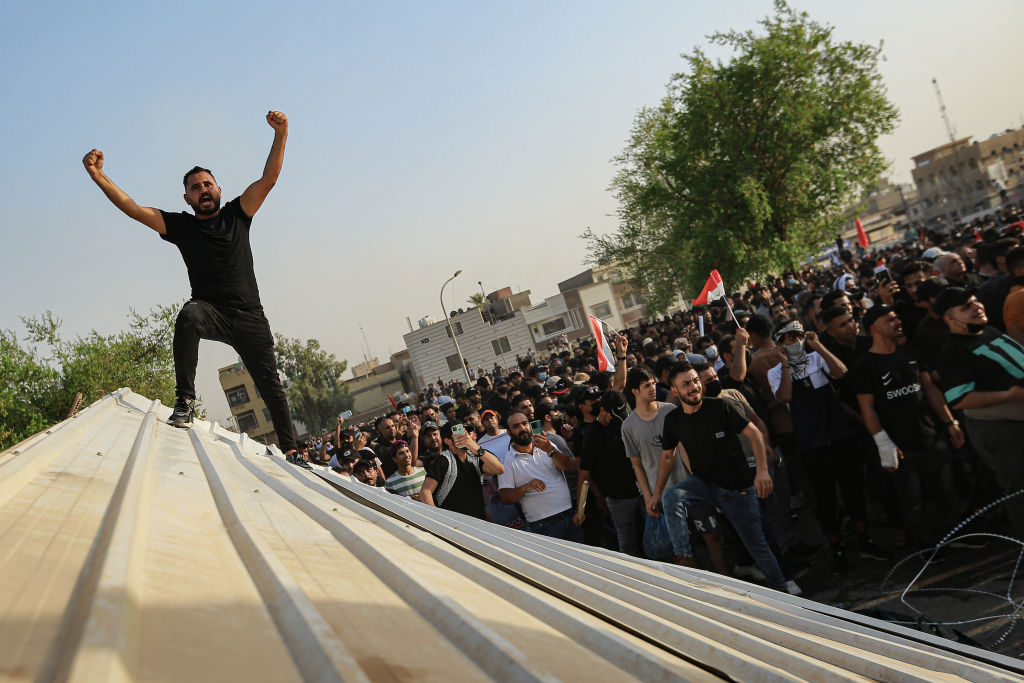
For Iraqis, two key events last week will shape the rest of this year, but hopefully not many more to come. First, on June 8 the divided parliament voted in surprising harmony to pass the so-called “Food Security and Development Bill,” a controversial piece of legislation with a $17 billion price tag. Second, this was followed, almost overnight on June 9, by a call from firebrand populist Shi’a cleric Muqtada al-Sadr to lawmakers loyal to his movement to “prepare their resignations.” On June 12, the 73 MPs of the Sadrist Movement tendered their resignations, and Iraq leapt even deeper into the void of political uncertainty.
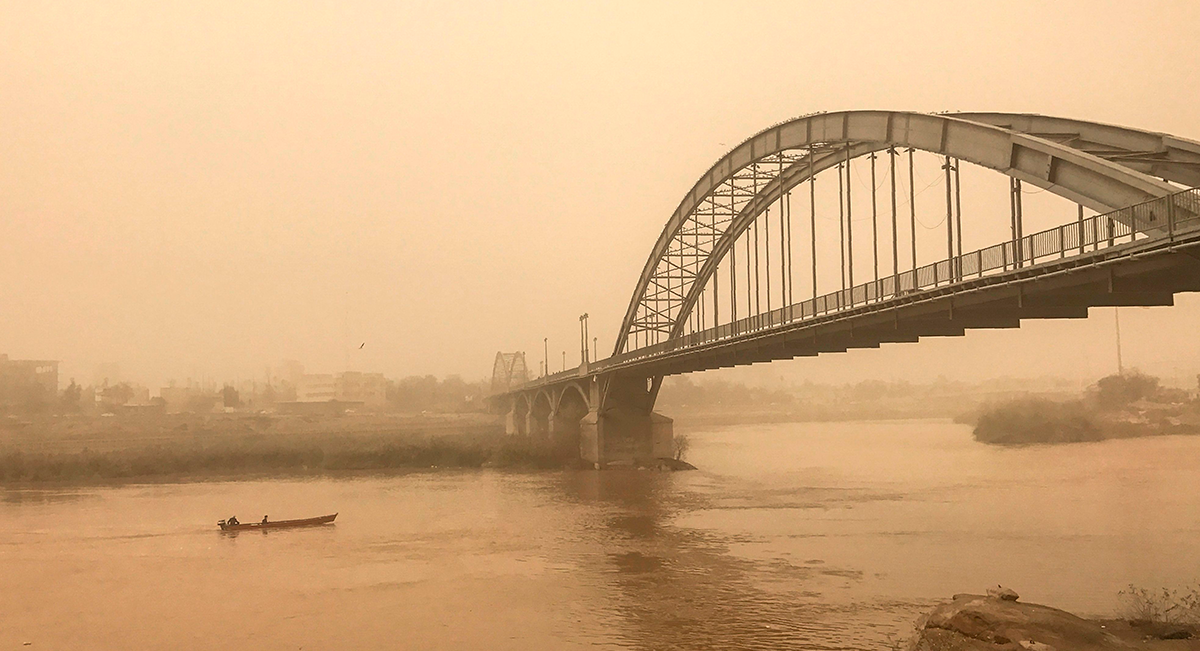
Amid dust storms and drought, Turkey and Iran are at odds over transboundary water management
Water is slowly emerging as yet another potential cause for dispute between Ankara and Tehran. As of late, the two neighboring states have been at loggerheads over a number of issues, including Syria and Iraq, where they have opposing interests. After years of quiet diplomatic juggling, the issue of transboundary water management is gradually taking center stage in the two countries’ relations, a development that could, in the medium run, have serious repercussions for regional security.
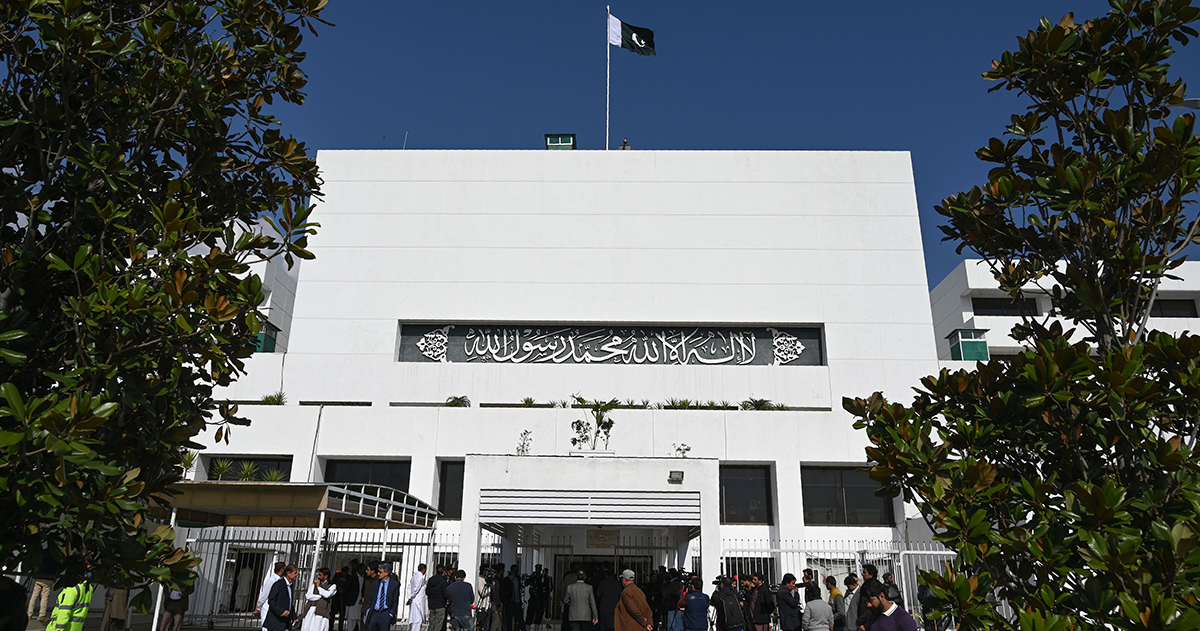
Pakistan’s political crisis and the imperatives of economic reform
Beyond short-term austerity measures, Pakistan’s current federal and provincial governments need to push forward essential reforms — including in agriculture, energy, and local governance — that are key to ensuring the country’s political and economic stability and long-term growth prospects.