What the United Nations’ 6th Climate Assessment tells us about the Mediterranean’s climate future
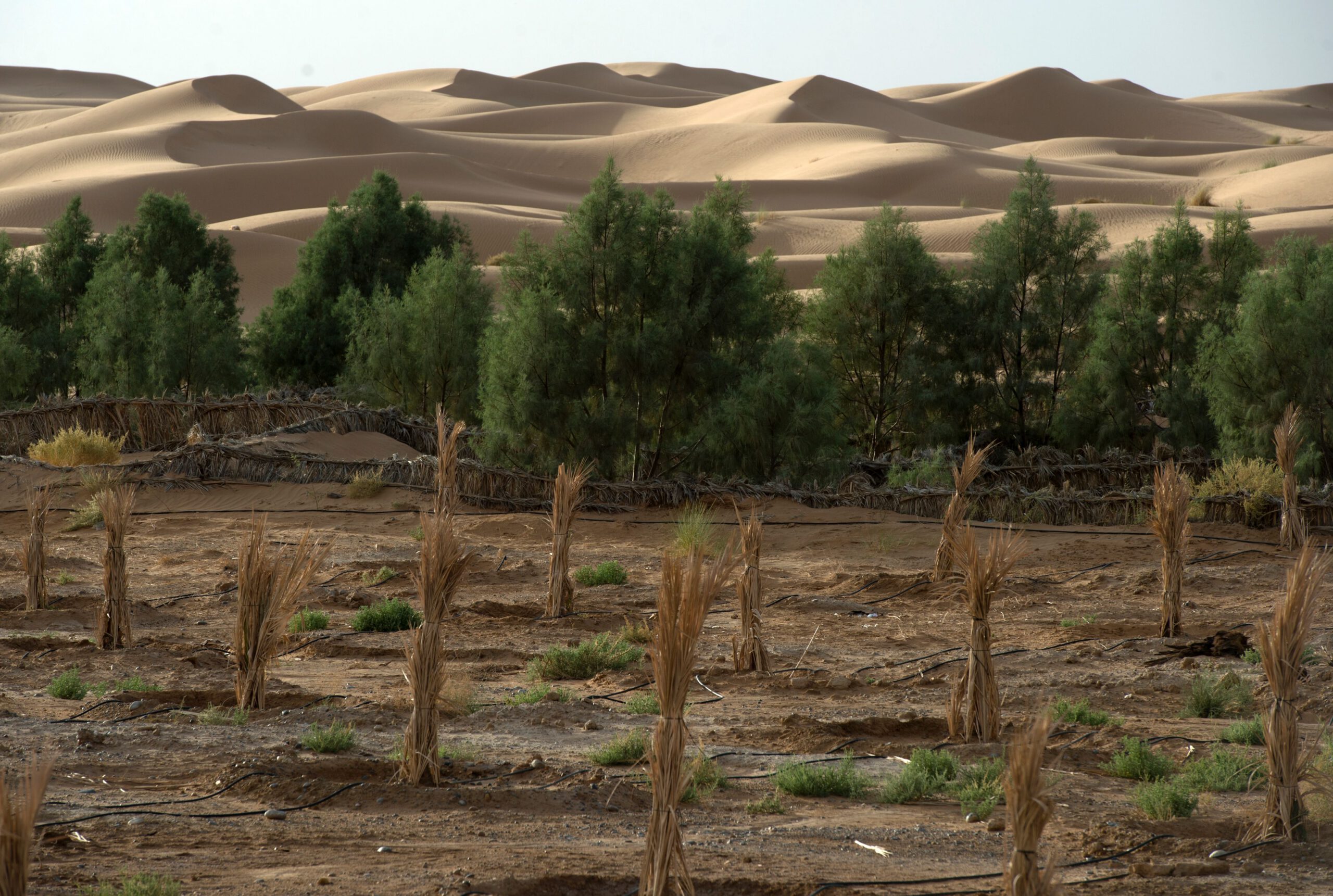
The latest U.N. IPCC report details the alarming changes that Mediterranean countries will experience in the coming decades due to climate change, highlighting three critical areas — warming and droughts, declining ecosystems, as well as socioeconomic and public health risks.
As terrorist groups expand in the Sahel, is Algeria the missing link?
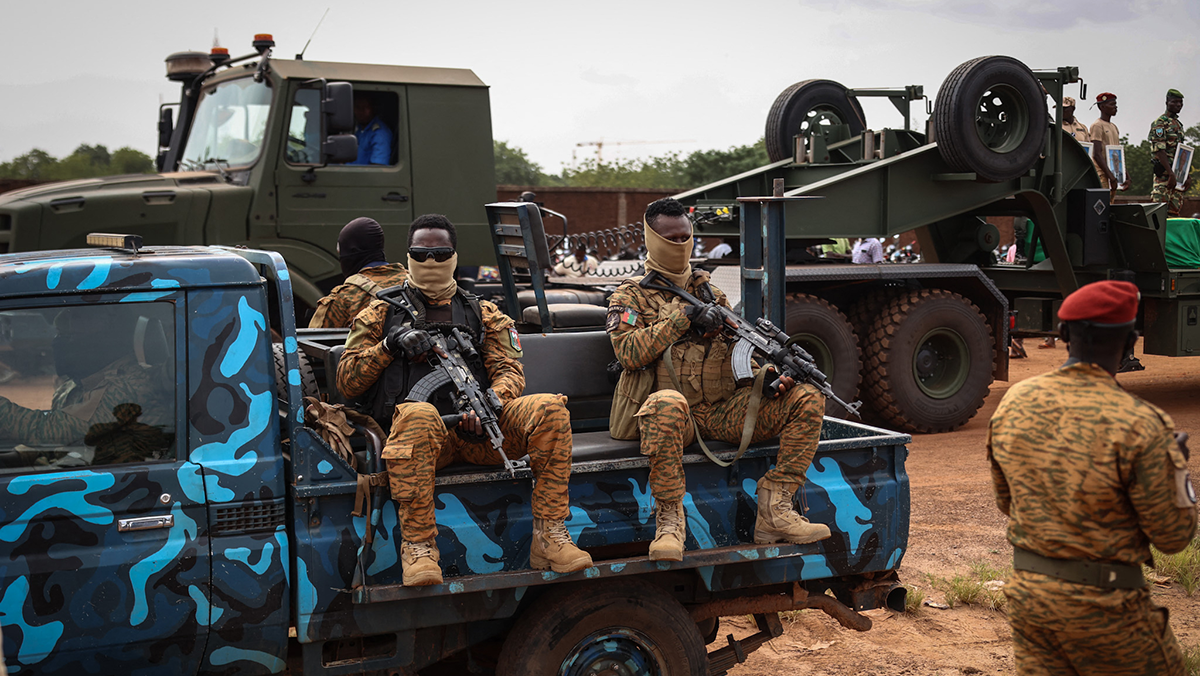
Over the past two years, the steady expansion of terrorist and fundamentalist threats in the Sahel has not gotten the attention it deserves. Algeria’s regional diplomatic clout, military might, and experience in fighting terrorism could help Sahelian states ward off an imminent political and security collapse.
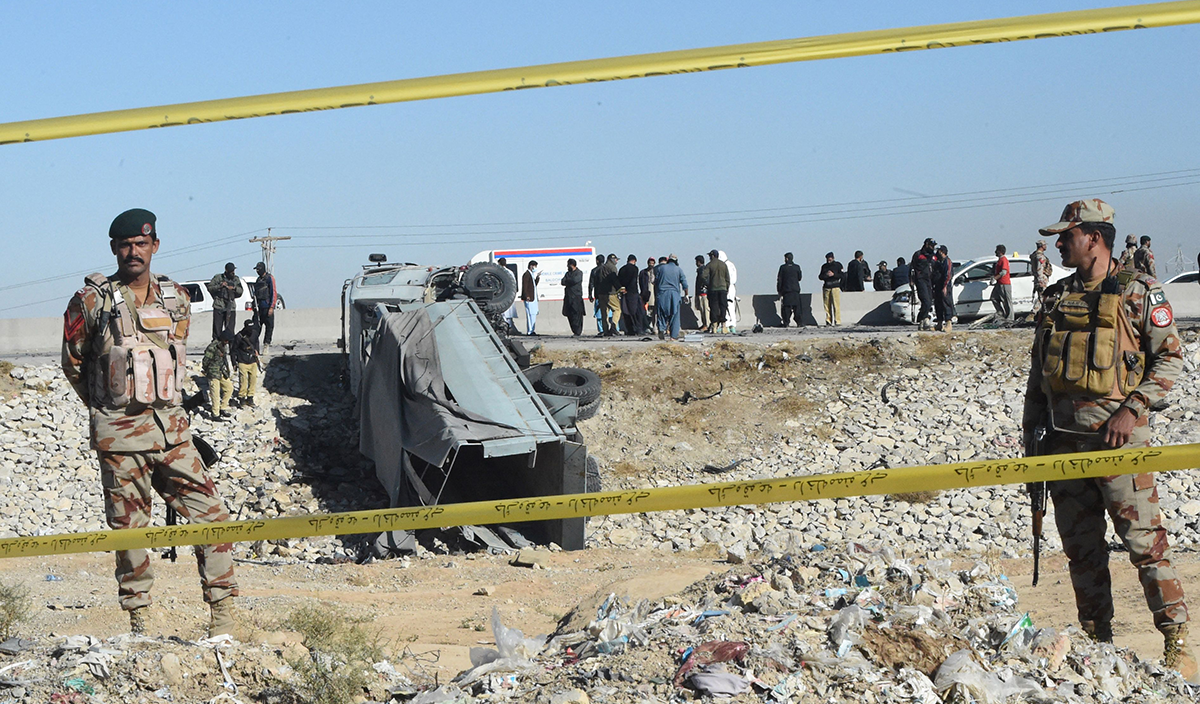
Pakistan-Afghan Taliban relations face mounting challenges
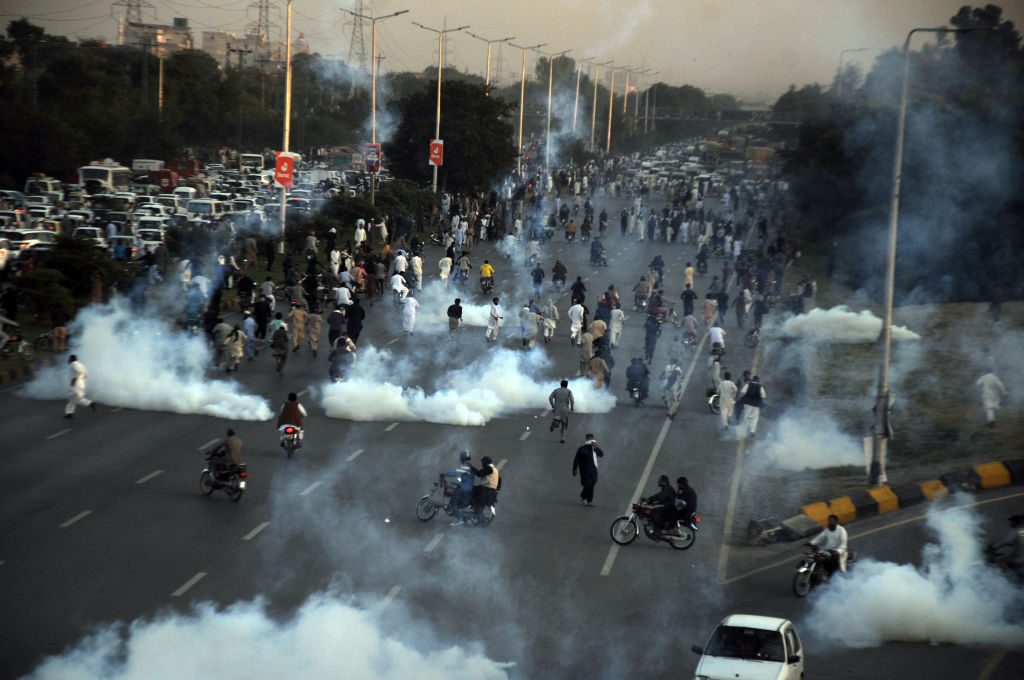
Tensions between Islamabad and Kabul continue to rise. While Pakistan has made efforts to smooth over the growing rift, reopening a key border crossing closed following cross-border gunfire that killed a Pakistani security guard and sending its minister of state for foreign affairs on an official visit to the Afghan capital, there are clear signs that Pakistan’s leverage with the Afghan Taliban seems to be slipping fast.
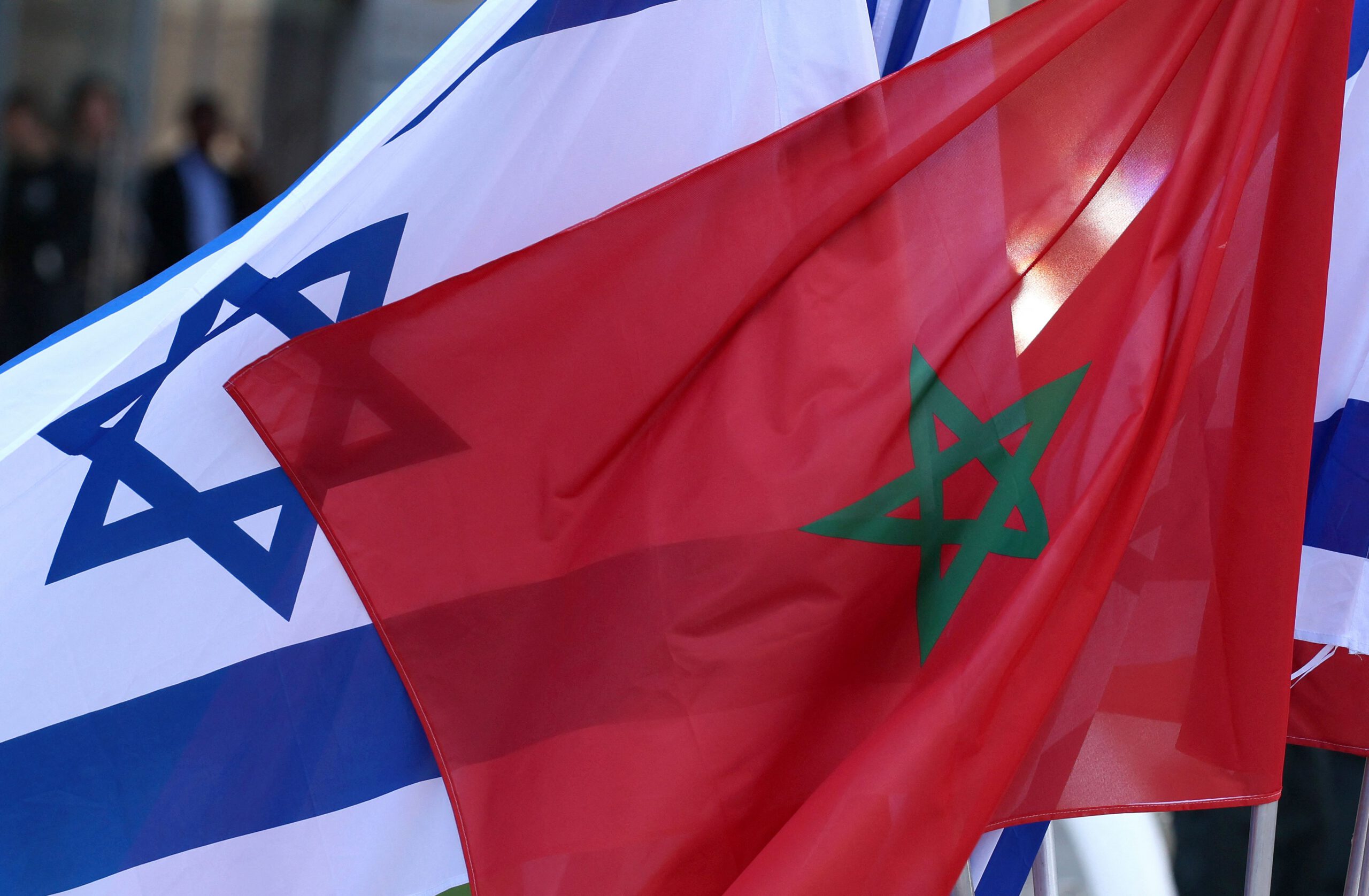
Morocco and Israel: Economic Opportunities, Military Incentives, and Moral Hazards
The December 2020 Moroccan-Israeli normalization deal has evolved from a vehicle enabling Morocco to gain long-sought U.S. recognition of its claims on Western Sahara to a broader strategic partnership with Israel. But the relationship further strains relations with neighboring rival Algeria.
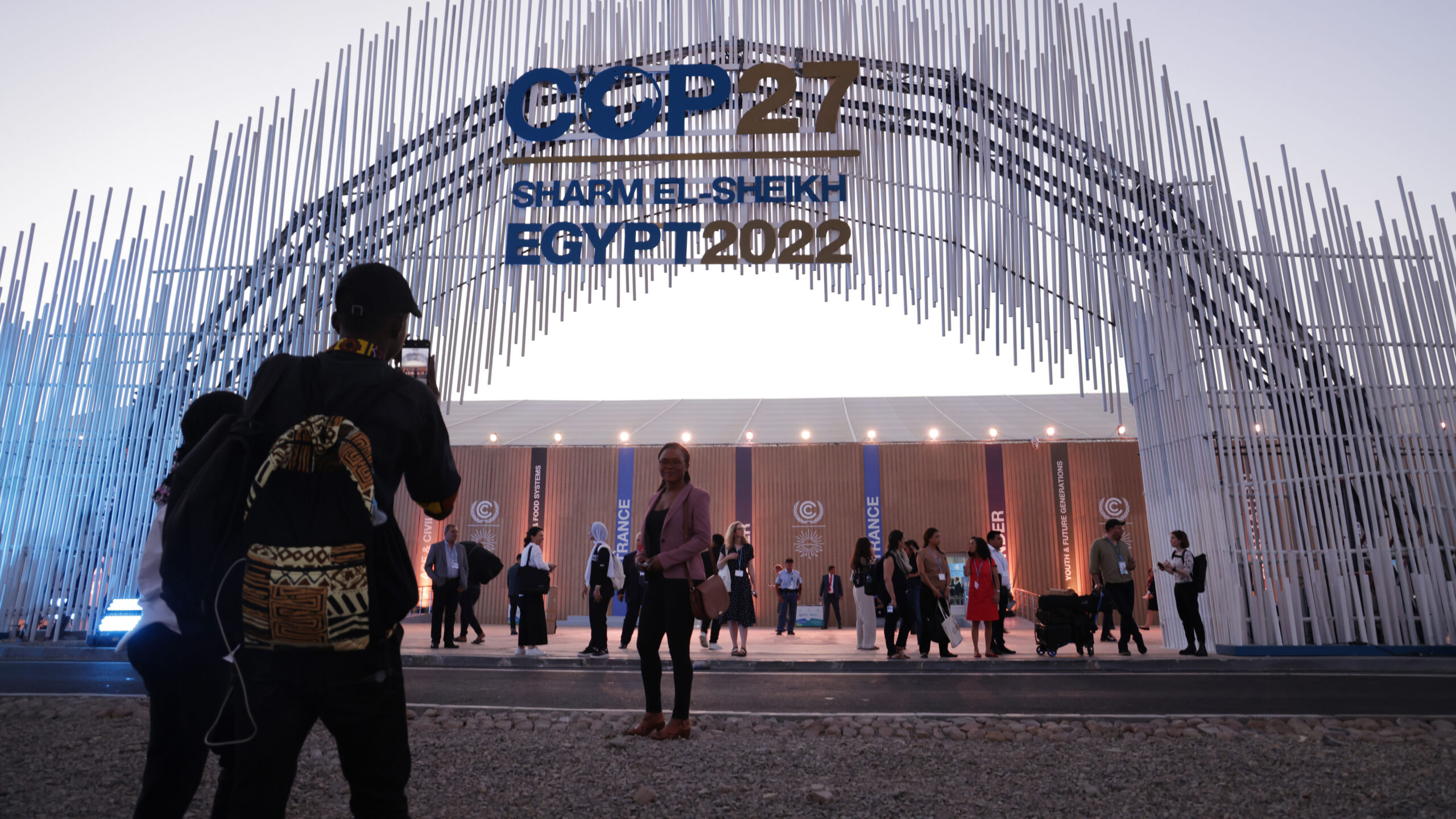
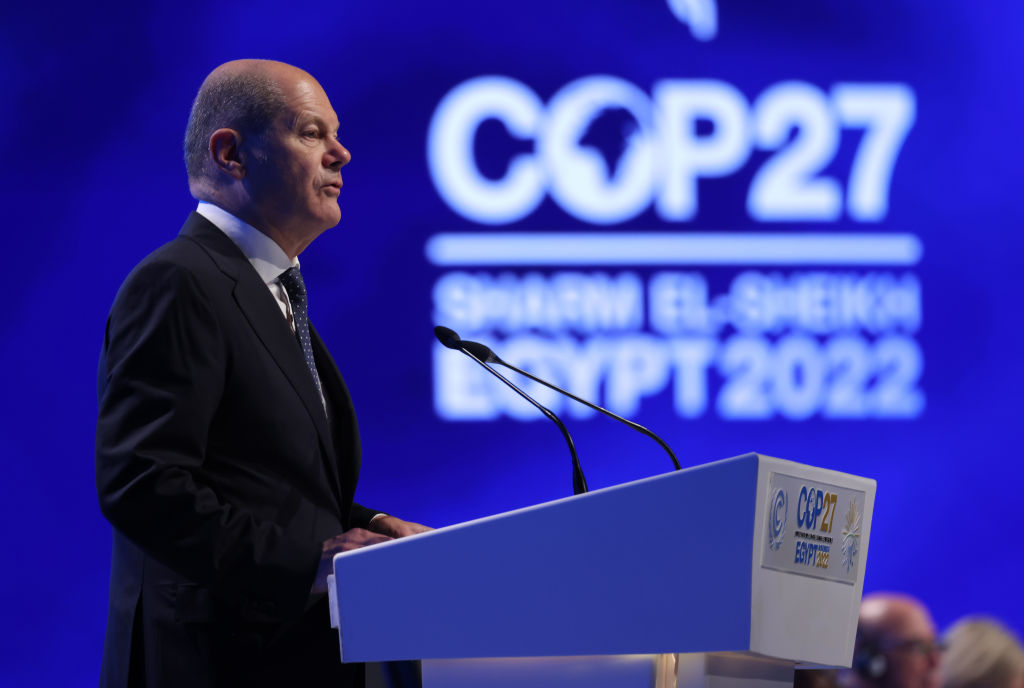
Dispatches from Sharm el-Sheikh: Reviewing COP27 from the MENA perspective
Participating in COP27 provided a unique opportunity to view the proceedings firsthand and evaluate the effectiveness of the meeting in advancing critical climate priorities that can alter the alarming trajectory of future climate change.
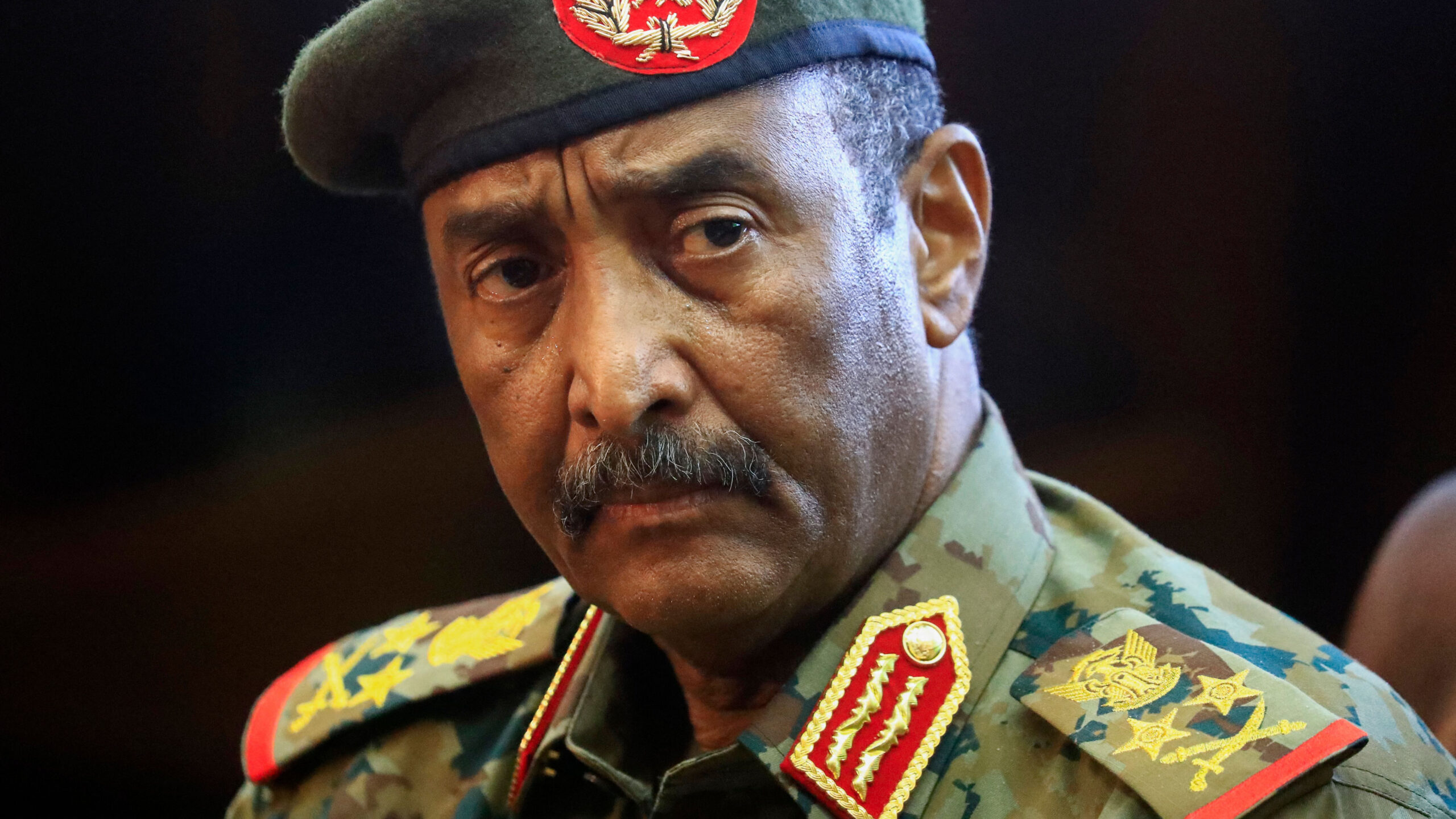
Sudan is geostrategically important to U.S. interests in both Africa and the Middle East. The country’s military rulers, Lt.-Gen. Abdel Fattah al-Burhan and his deputy Lt.-Gen. Mohamed Hamdan Dagalo (also known as “Hemedti”), are banking on that fact as they seek to press the Biden administration to focus its Sudan policy on stability, rather than supporting calls for democracy.
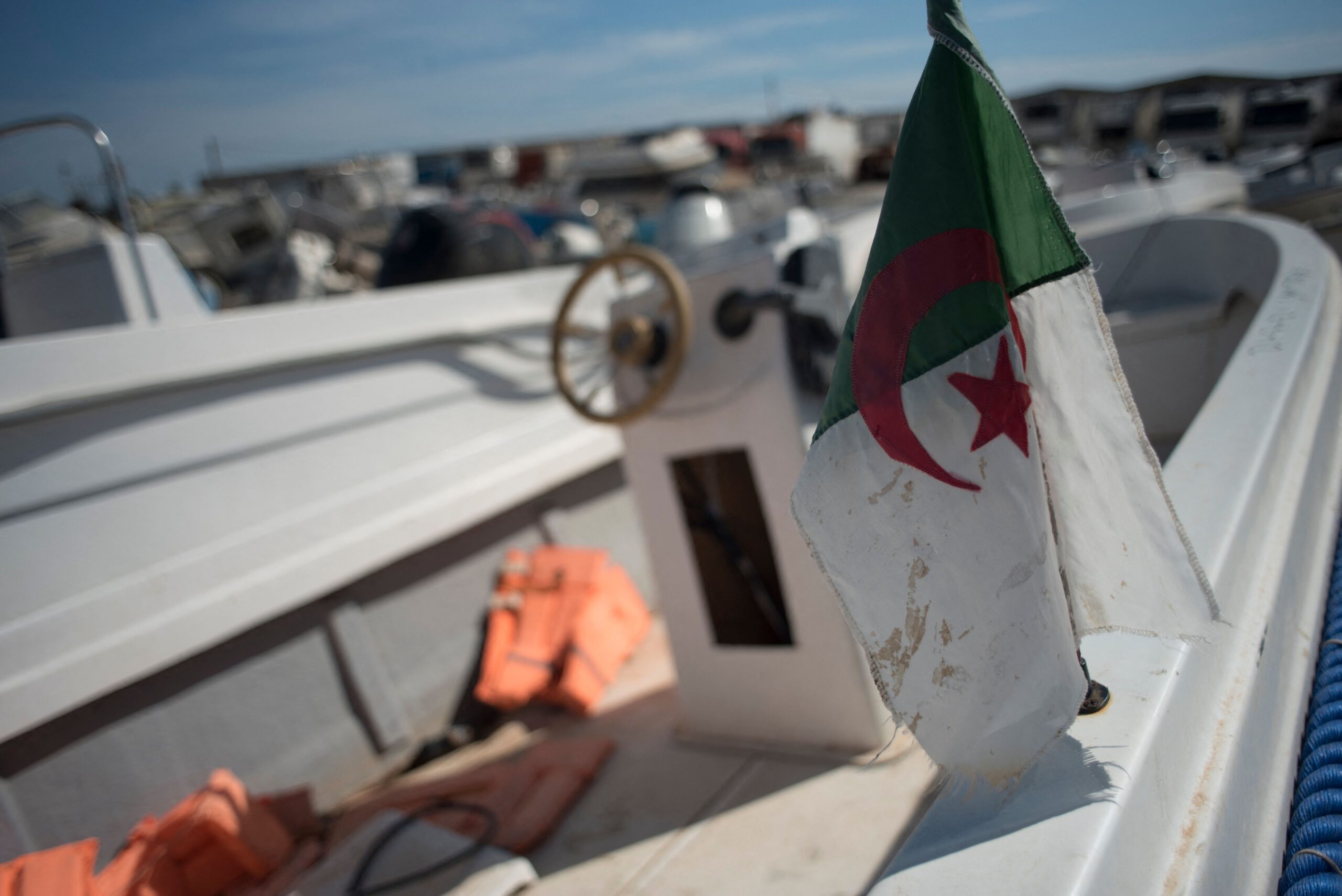
Algerians’ clandestine exodus: A complex national tragedy
The growing wave of Algerians illegally trying to reach Southern European shores while risking death is by no means a new development. But these perilous trans-maritime voyages are also a reminder of the bleak political and economic situation in which Algeria finds itself three years after the 2019 protest movement sparked hope for fundamental change.
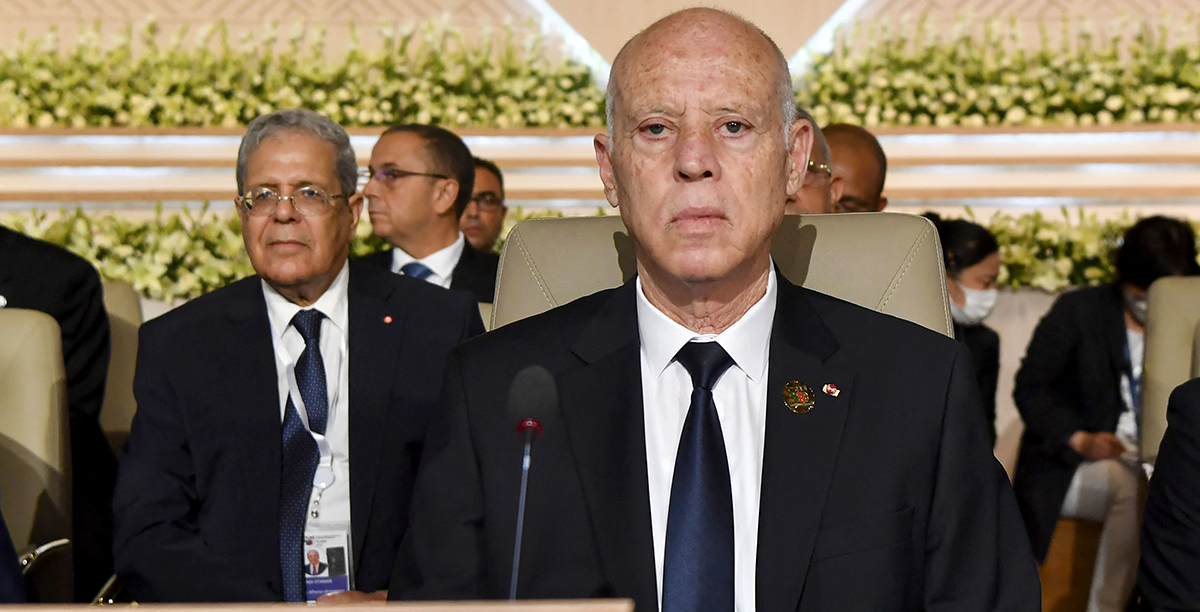
With the decree of a new election law on Sept. 15, President Kais Saied continues rebuilding the formal political mechanisms of the Tunisian state — what some see as a “third republic.” The new law sets the terms for the legislative elections scheduled to be held on Dec. 17, 2022, and it comes only shortly before nominations for candidacies for those elections begin on Oct. 17.