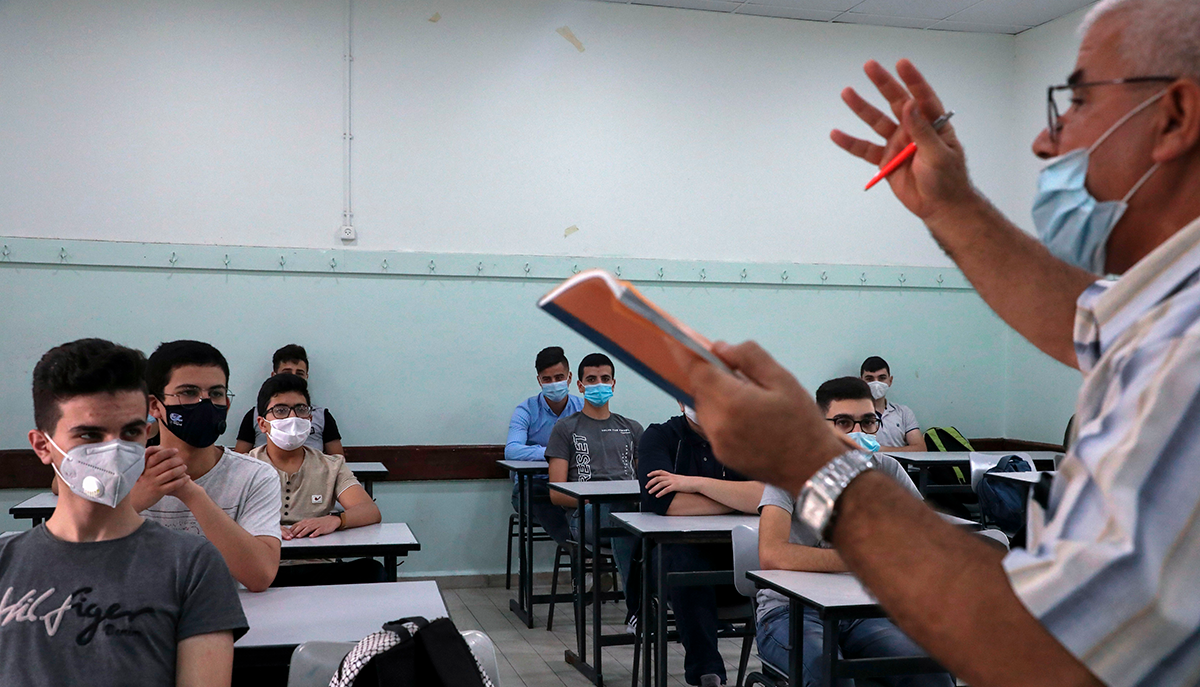
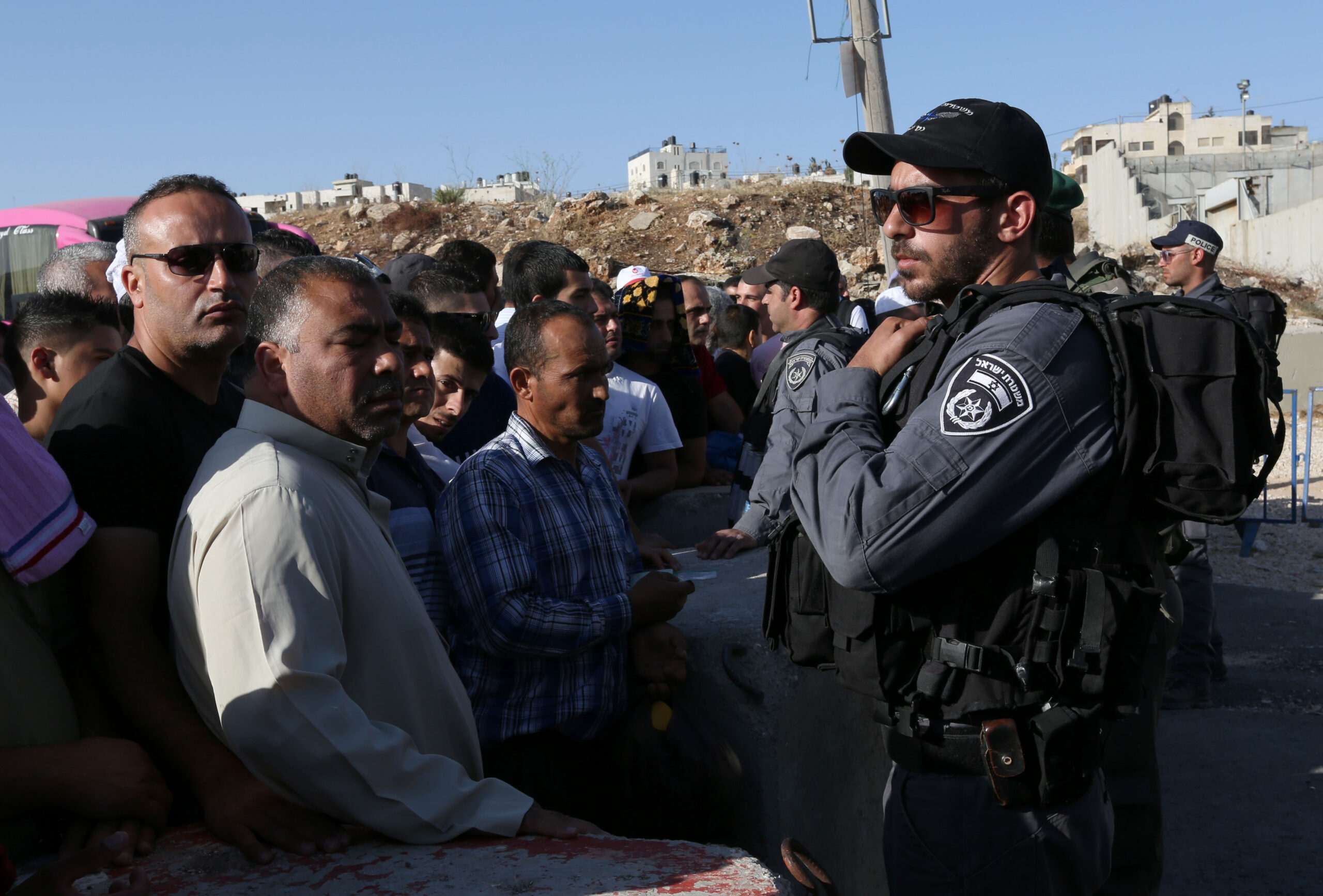
It would be an understatement to say that the Georg Eckert Institute for International Textbook Research in Germany has written the book on how to analyze textbooks. The Institute has actually published many books — ones that are meticulous, detailed, and dispassionate. Now the Institute has published one more, this time on Palestinian textbooks.
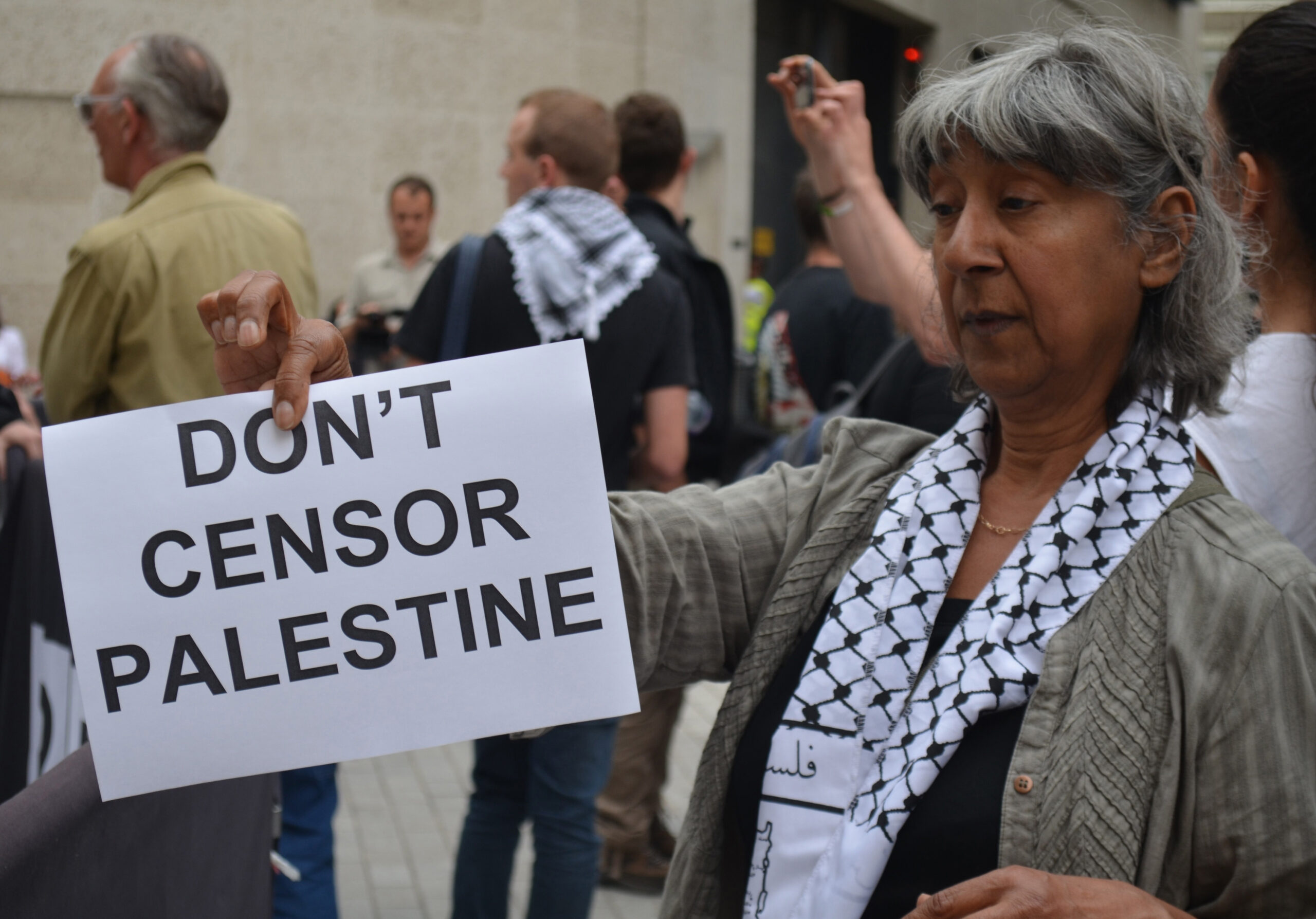
The “Palestinian exception”: Social media censorship of Palestinian activism
In a landscape of suppression and retaliation against Palestinian journalists and activists at the hands of Israel, social media networks have been at once critical organizing platforms and tools for exacerbating censorship.
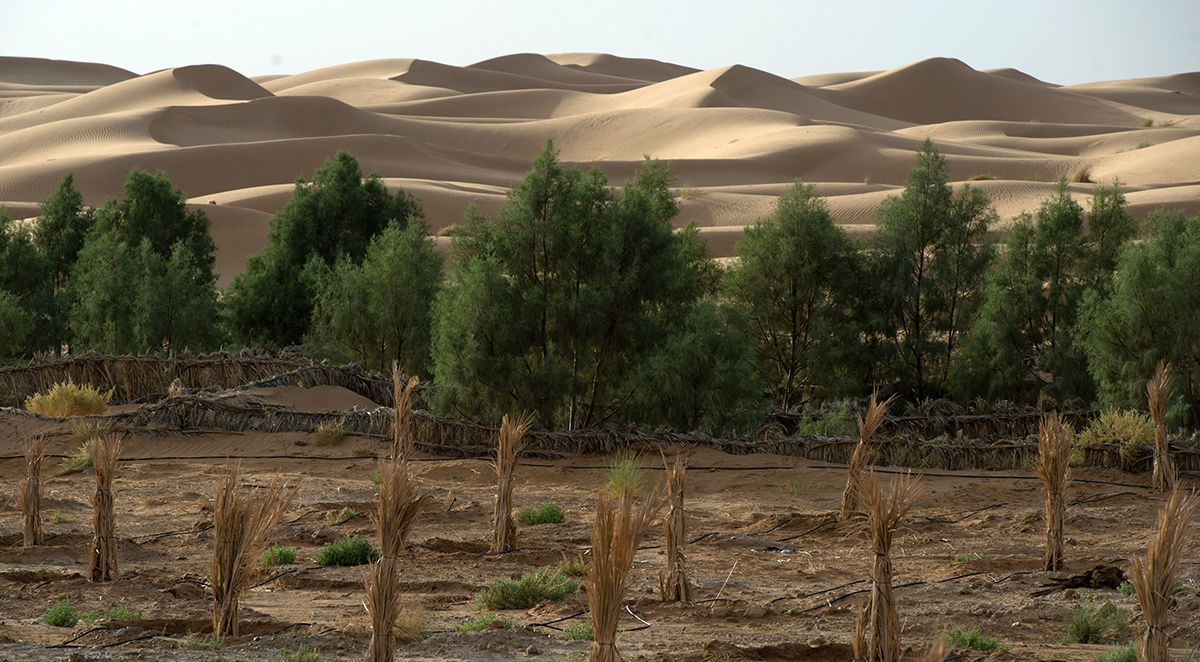
Could climate risk insurance reduce the cost of climate change adaptation in the Middle East?
As one of the hottest and driest spots globally, the Middle East region faces some of the worst impacts of climate change. Many of these events have not only been socially and politically devastating but have also resulted in huge financial losses for countries already experiencing economic insecurity. Countries in MENA have found themselves increasingly exposed to extreme weather events and natural disasters, which have affected more than 40 million people and cost more than $20 billion over the past 30 years, according to the World Bank. During the last five years alone, 120 disasters were recorded in the region, resulting in an average of $1 billion annually in damages and losses.
The Trilemma of Power, Aid, and Peacebuilding in the Israeli-Palestinian Context
On Dec. 21, 2020, the United States Congress passed the Nita M. Lowey Middle East Partnership for Peace Act. The new law provides $250 million over five years to expand peace and reconciliation programs between Israelis and Palestinians as well as to support projects bolstering the Palestinian economy. But such programs are unlikely to be effective because the whole approach on which they are based is structurally flawed in two critical ways: first, because it is disconnected from local political, social, cultural, and economic processes and expectations; and second, because it tends to reinforce the inequalities that sustain the conflict between the two sides while undermining the declared goals of this intervention.
Up for Debate: The Biden administration's approach to Israel/Palestine
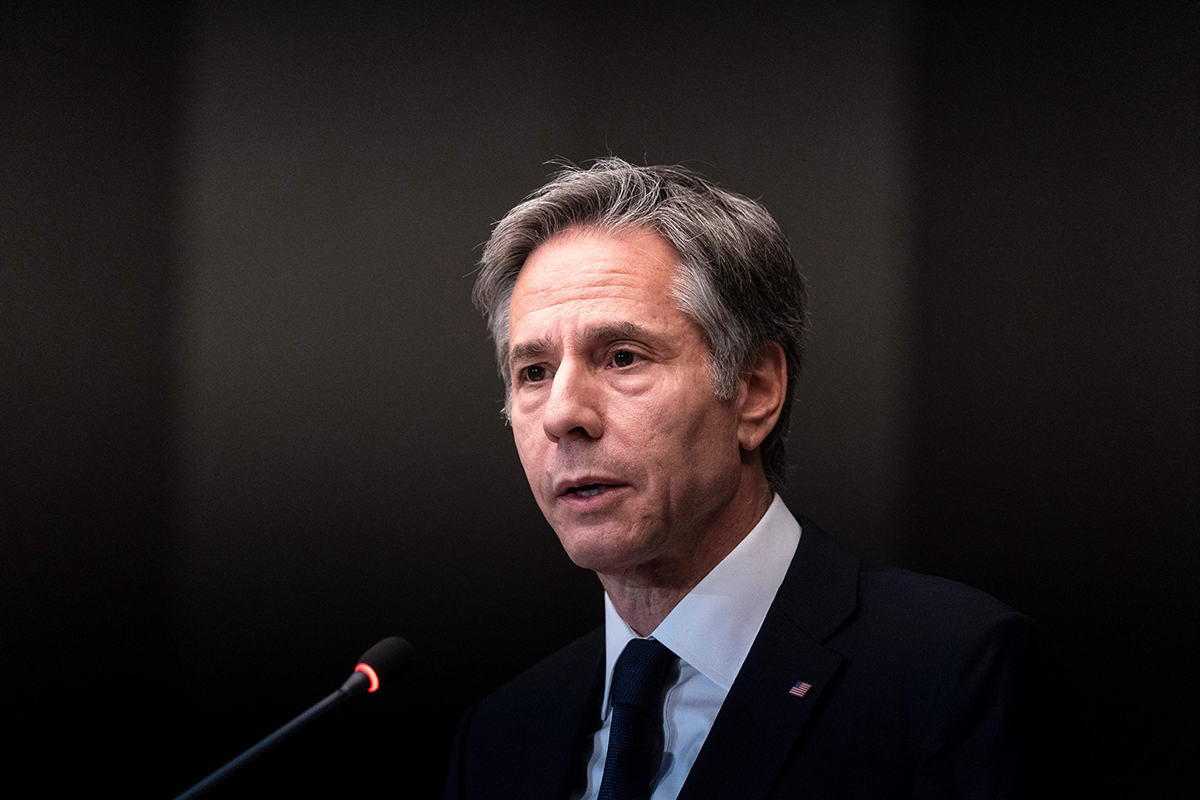
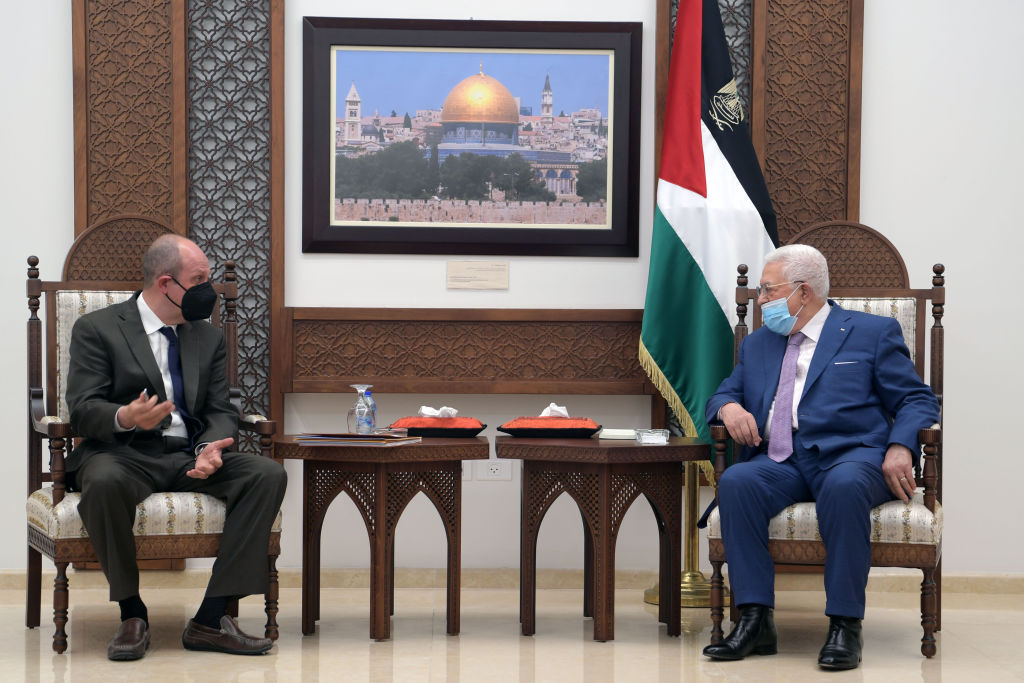
The Biden administration has repeatedly said that Israelis and Palestinians “deserve equal measures of security, freedom, opportunity and dignity” (sometimes expressed as “equal measures of freedom, security, dignity and prosperity”). Since the recent crisis in Gaza and East Jerusalem, Secretary of State Antony Blinken and other U.S. officials have reiterated this formula in one form or another. What is its significance? What does (or should) it mean in the context of the Biden administration’s approach to Israel/Palestine — particularly given the dire humanitarian situation in Gaza, pending expulsions in East Jerusalem, and ongoing settlement expansion in the occupied West Bank and East Jerusalem? We asked eight experts to weigh in with their thoughts.
With the Hope Line, Iran aims to boost seawater transfer to fight growing drought
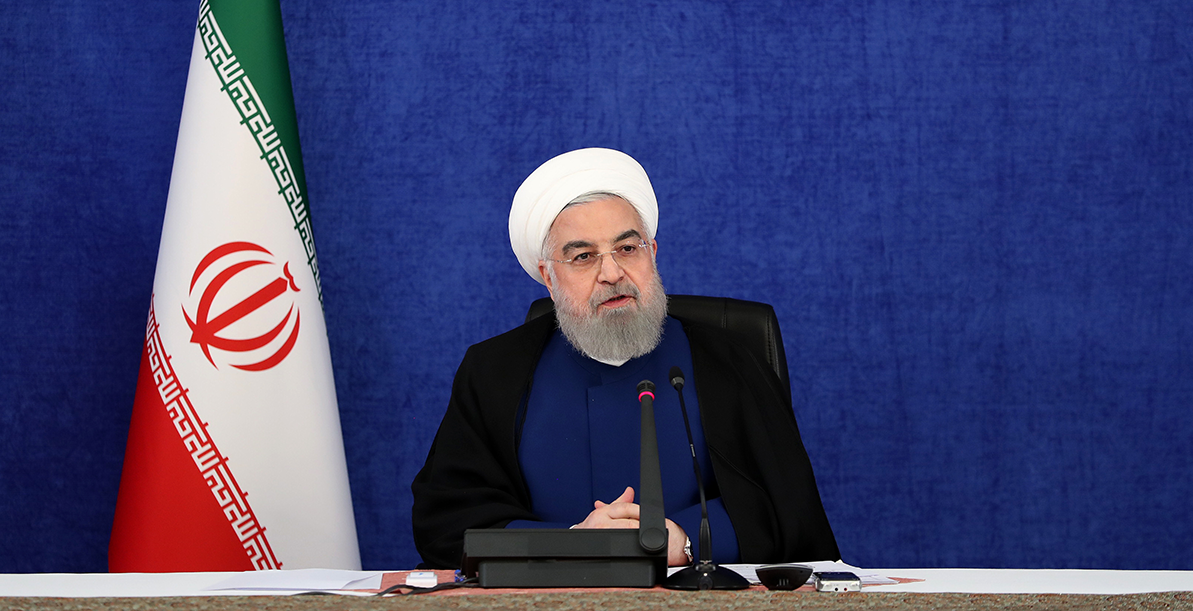
Blessed with milder temperatures than its Gulf neighbors as well as abundant rain and snow fall, Iran is one of the last countries in the region to introduce a seawater transfer plan to fight unprecedented levels of drought. The plan, once fully implemented, could help build water corridors linking the shores of Iran’s southern Gulf to those of its northern Caspian Sea. Named the Hope Transfer Line, the plan promises prosperity for farmers and industrialists, and potable water for communities in some 10,000 villages and urban areas located in so-called Red Zones, a category that applies to regions coping with severe water scarcity.
The nascent Israeli government: The thread that binds?
There is only one thread holding together the unprecedentedly disparate parties that will establish and support the nascent Israeli government announced on the night of June 2, an hour before the midnight deadline. That thread is, of course, a shared loathing for Benjamin Netanyahu. Whether that thread will even get the new government past its first hurdle, which is a vote of confidence in the Knesset, much less to its theoretical four years, is an open question. Until recently no one could have imagined such a political monstrosity might be conceived, let alone gestated, but there’s a decent chance this government will get off the ground.
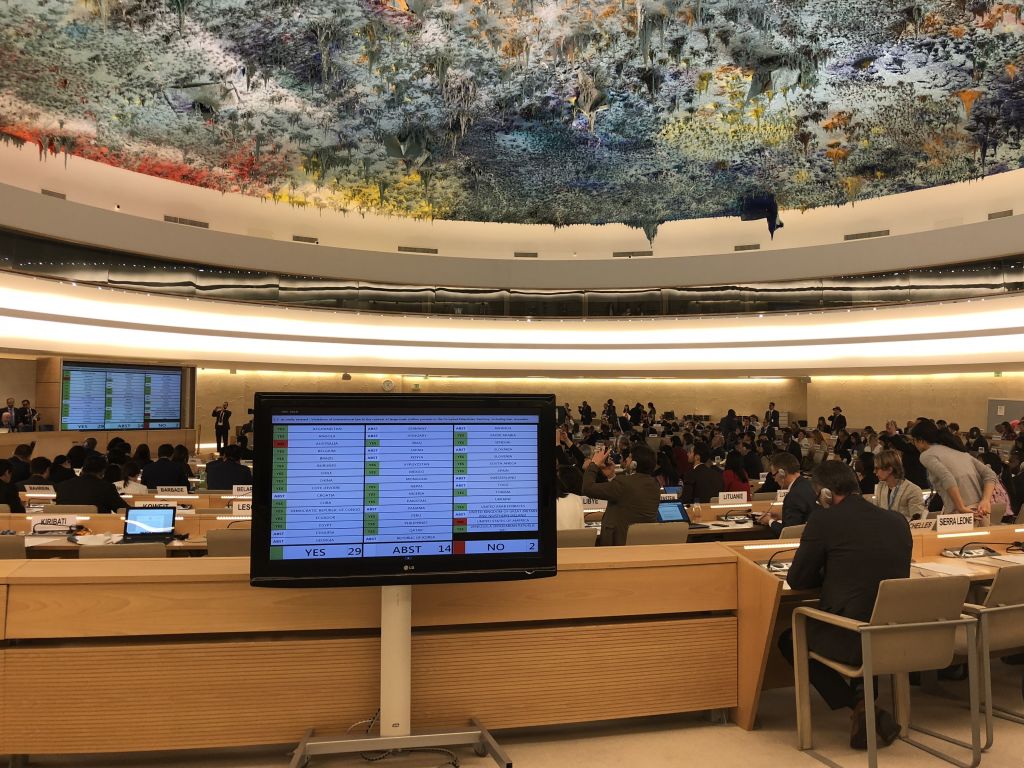
مجلس حقوق الإنسان التابع للأمم المتحدة يوافق على لجنة غزة لتقصي الحقائق
“إن استعداد مجلس حقوق الإنسان لإنشاء لجنة دائمة ذات تفويض شامل يشير إلى مدى التغيير في التصورات الدولية للصراع الإسرائيلي الفلسطيني في السنوات القليلة الماضية”.
Greece and Cyprus can play a modest role in advancing Israeli-Palestinian peace
In March 2021, the Eastern Mediterranean Gas Forum held its first meeting as a recognized international organization. Delegations from member countries – including Cyprus, Egypt, Greece, Israel, Italy, Jordan, and Palestine – gathered in Cairo to organize a regional gas market. The forum is a unique space that offers a platform for dialogue between European and Middle Eastern countries. Furthermore, it is rare that Israeli and Palestinian delegations cooperate on the international stage. Yet, as the inaugural meeting demonstrated, the conflict is never too far away. When the delegates voted on whether to grant the United Arab Emirates observer status in the forum – a privilege given to the United States and European Union – Palestine vetoed, a clear demonstration of Ramallah’s frustration with the normalization process that started a few months ago.
Agricultural technology in the Middle East: Sowing the seeds of the future
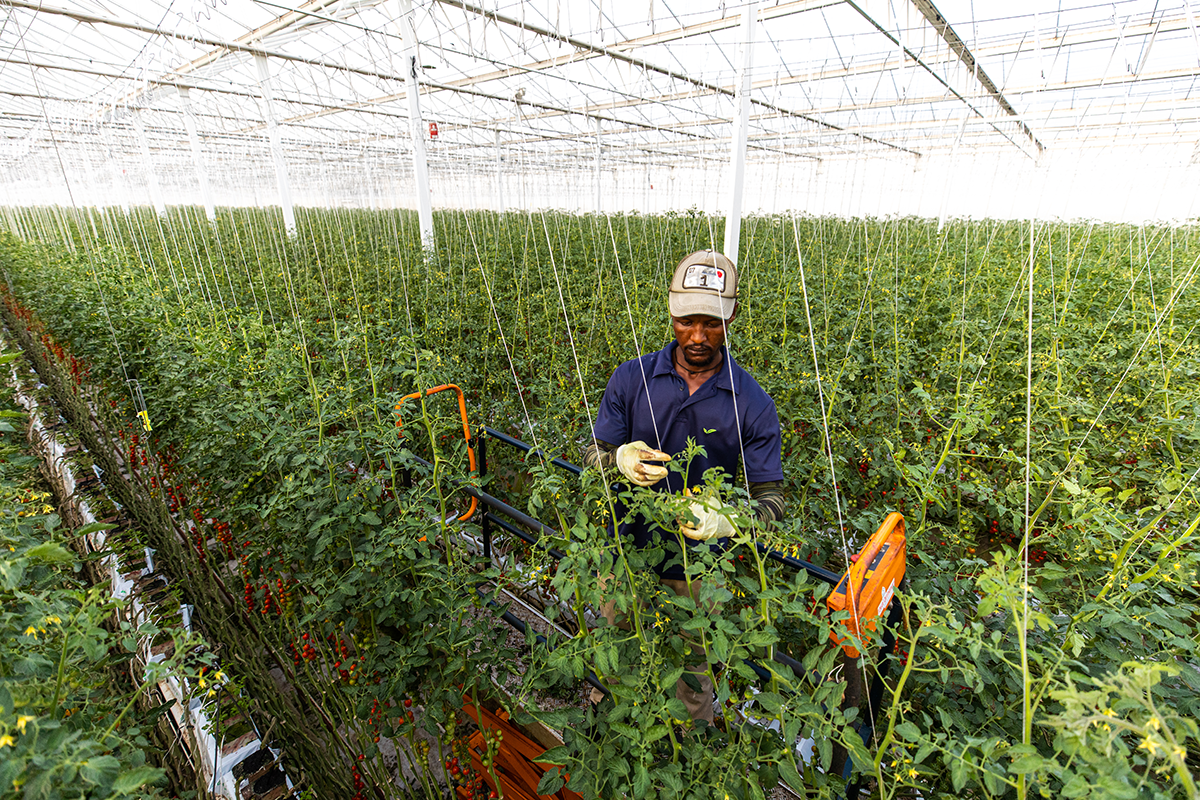
Over the last decade, new technology has been developed to address agriculture’s longstanding structural problems related to unproductive farming soils and water shortages. Such initiatives could potentially play a pivotal role in promoting food systems’ resilience across the region. These technologies are designed to increase and improve the outputs of the agricultural sector, while using less energy and more sustainable methods. Responding to the need to promote sustainable agricultural growth, agricultural technology (or “agritech”) today aims to reduce agrarian waste and the use of chemical fertilizers. Looking to the future — while taking cues from the past — may unlock the solutions to the region’s desperate food insecurity.
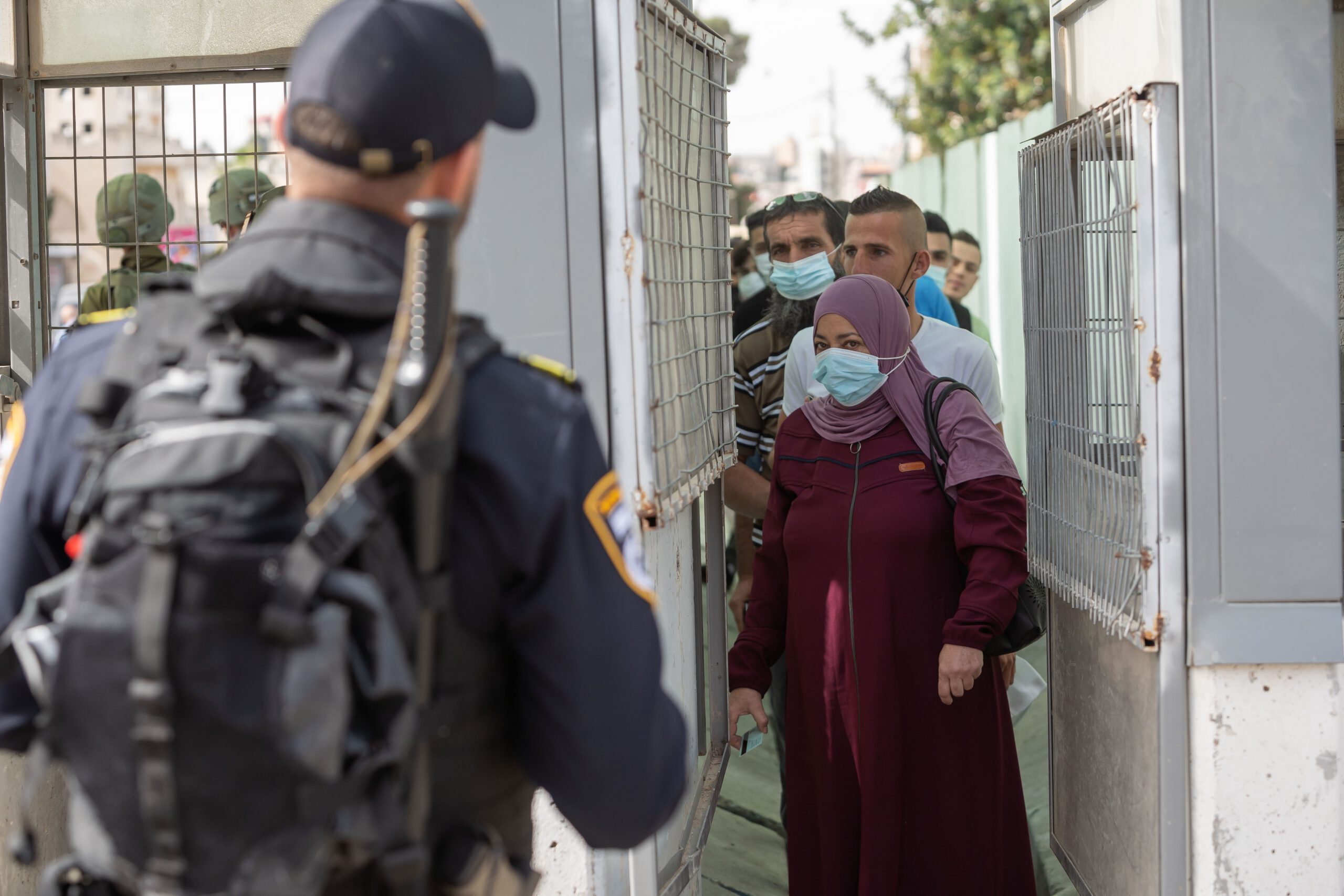
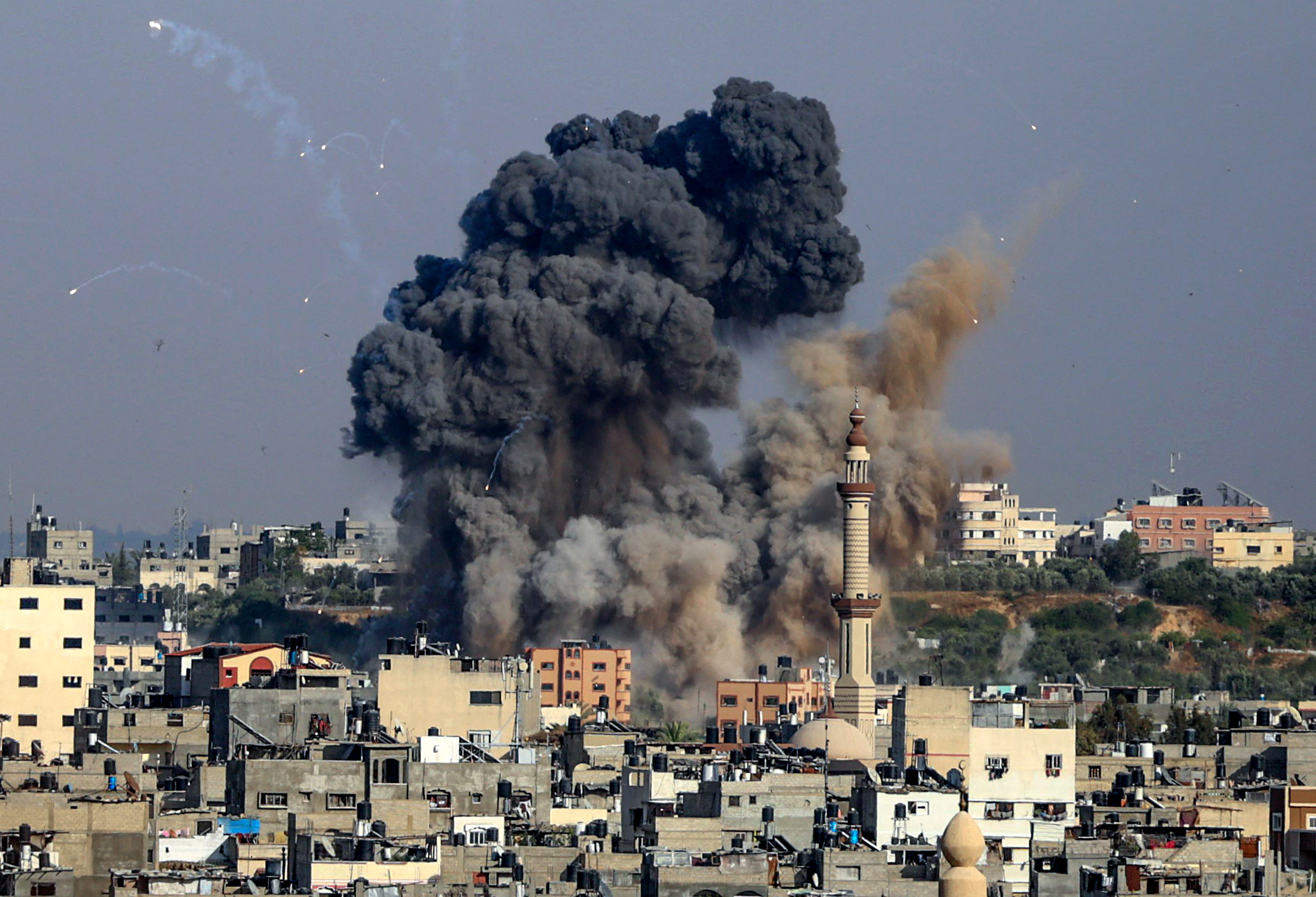
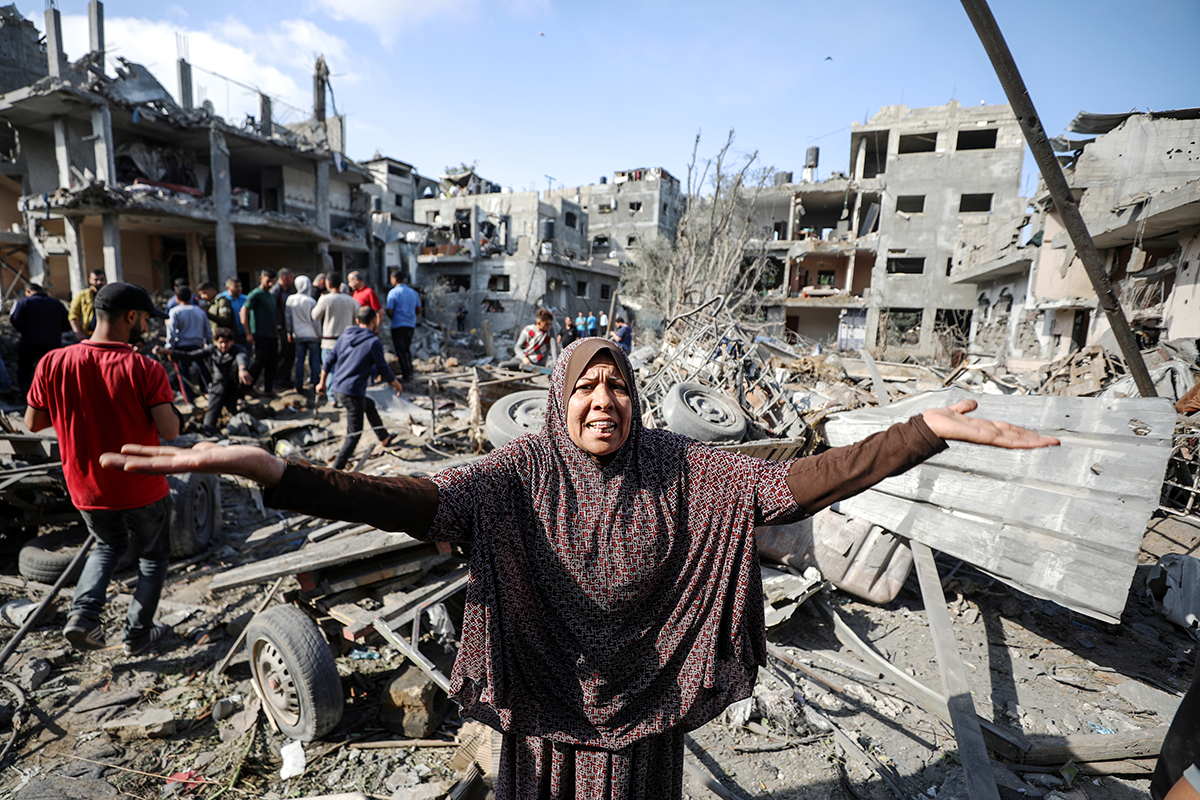
Israeli repression links the violence in Gaza and Jerusalem
Even as it pays lip service to a two-state solution, the international community—particularly the United States—has largely acquiesced to the Israeli-imposed status quo in Gaza and East Jerusalem by exempting both areas from the political and diplomatic process.