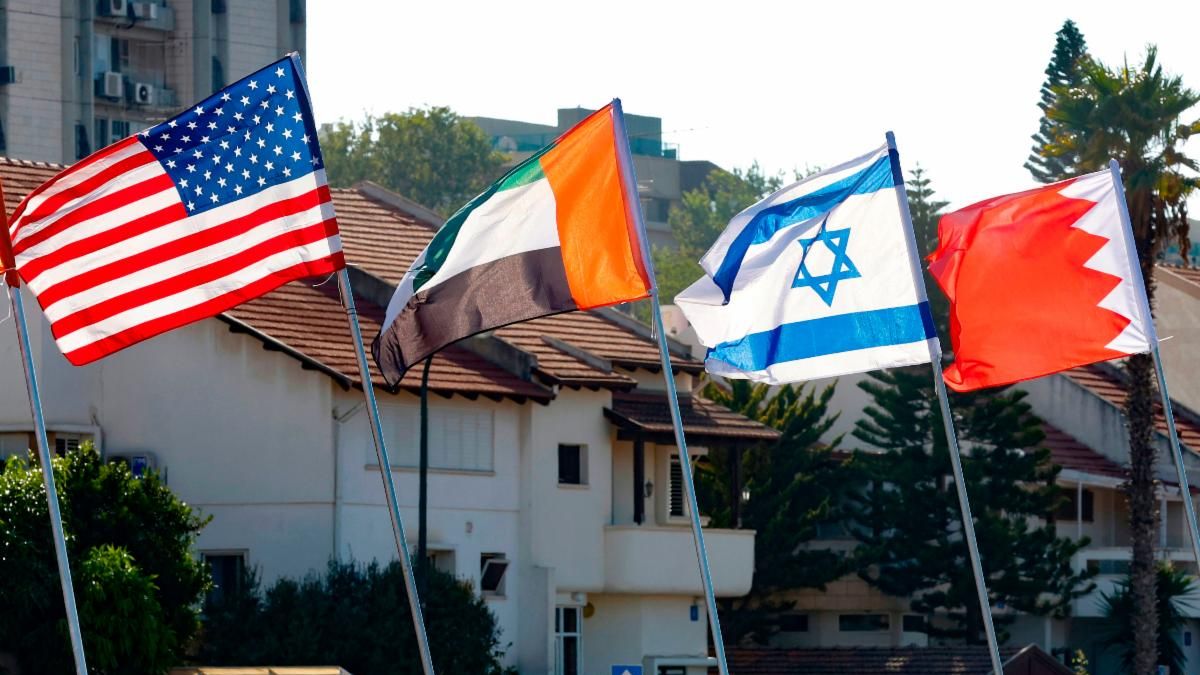
Monday Briefing: Despite strains, the Abraham Accords have proved resilient, but what’s next?
اقرأ تقرير MEI الأسبوعي الذي يتضمن تحليلات الخبراء للتطورات الإقليمية الرئيسية للأسبوع المقبل.
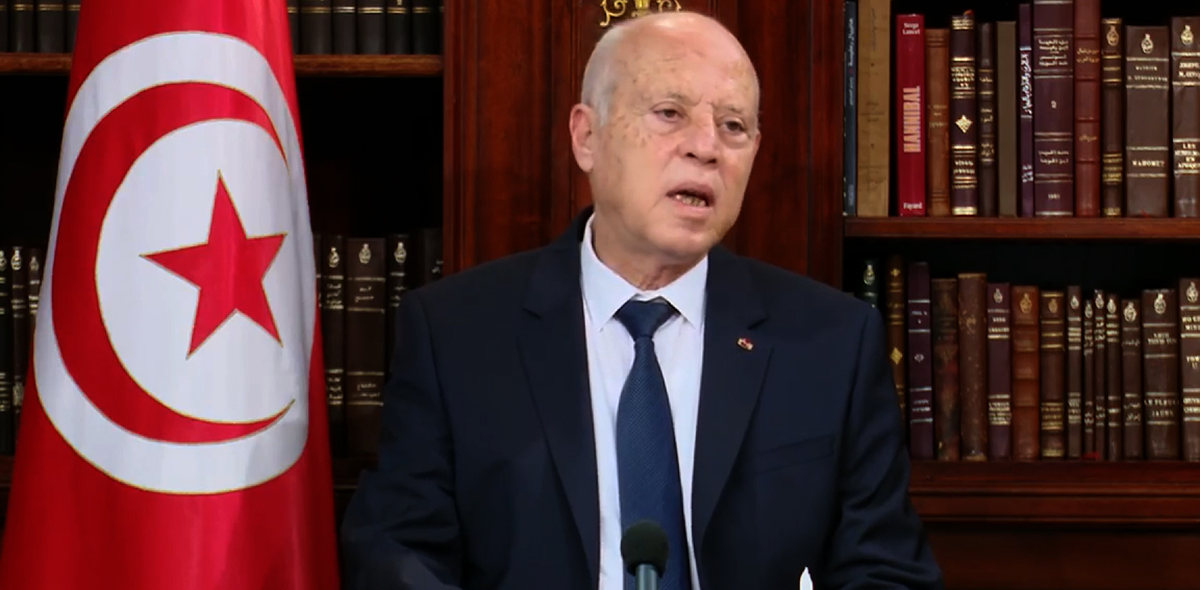
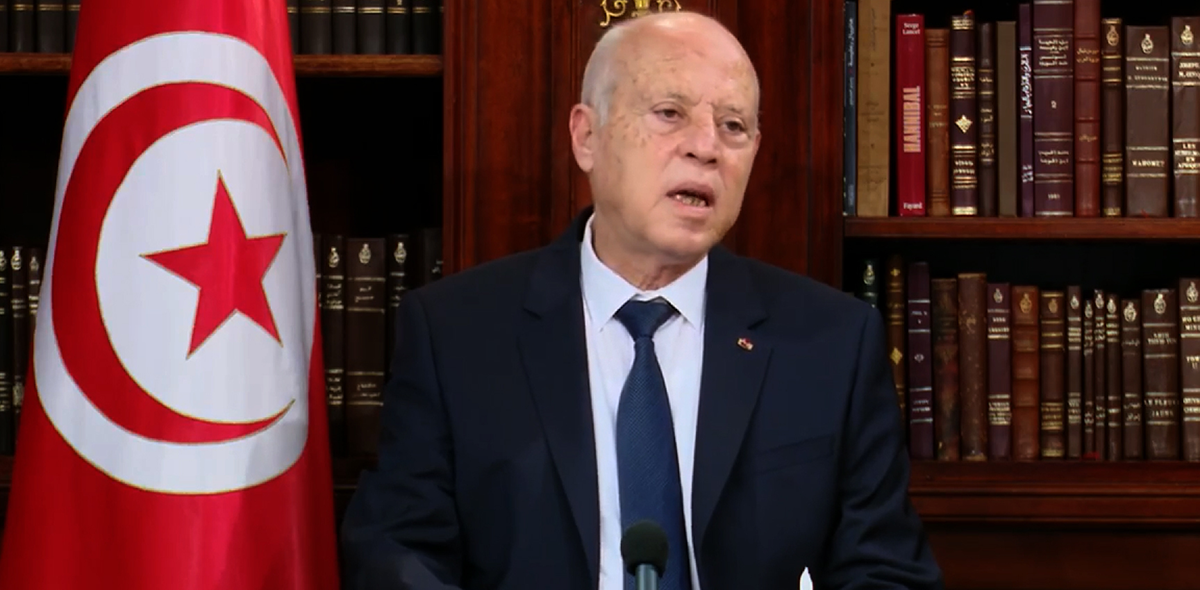
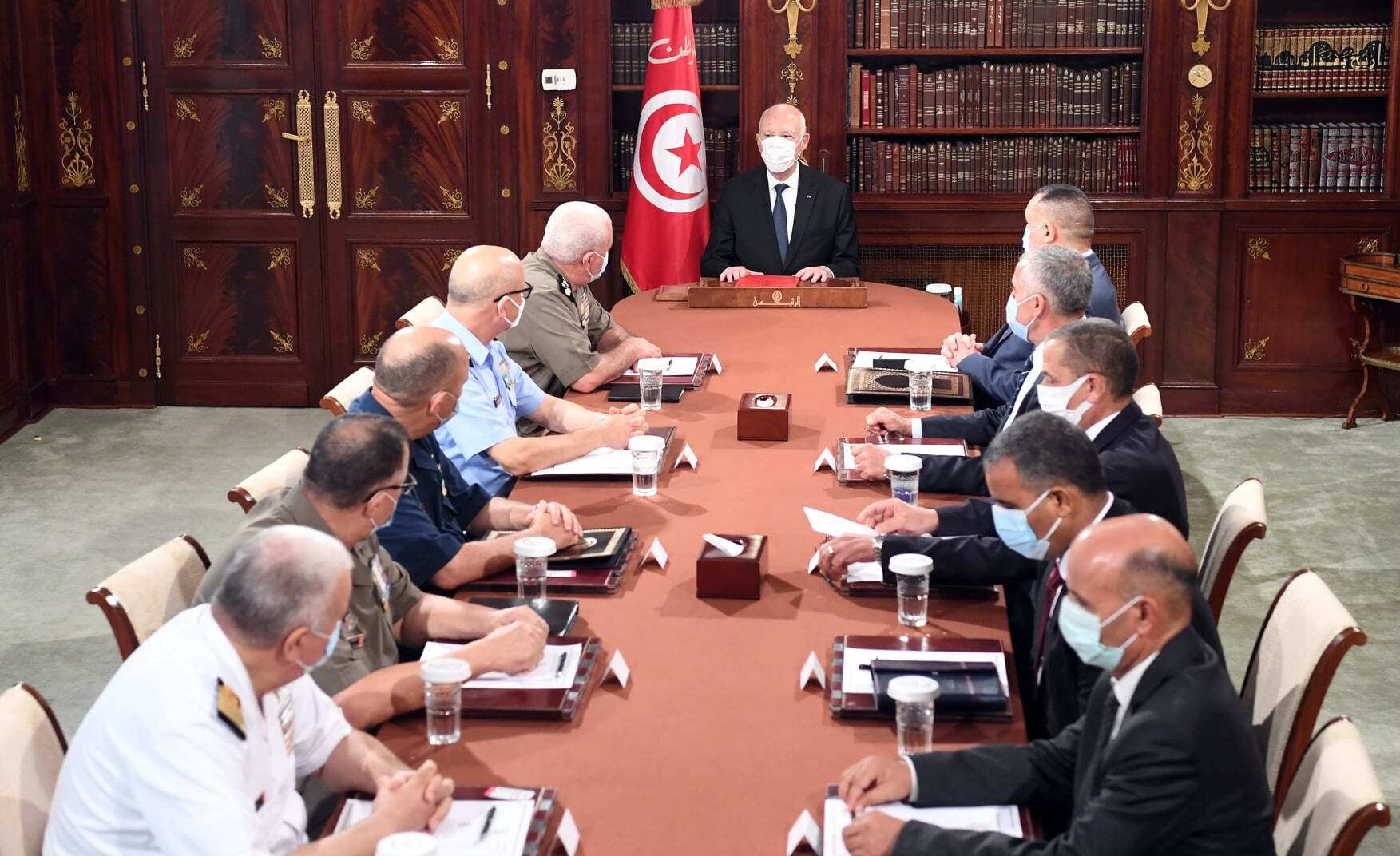
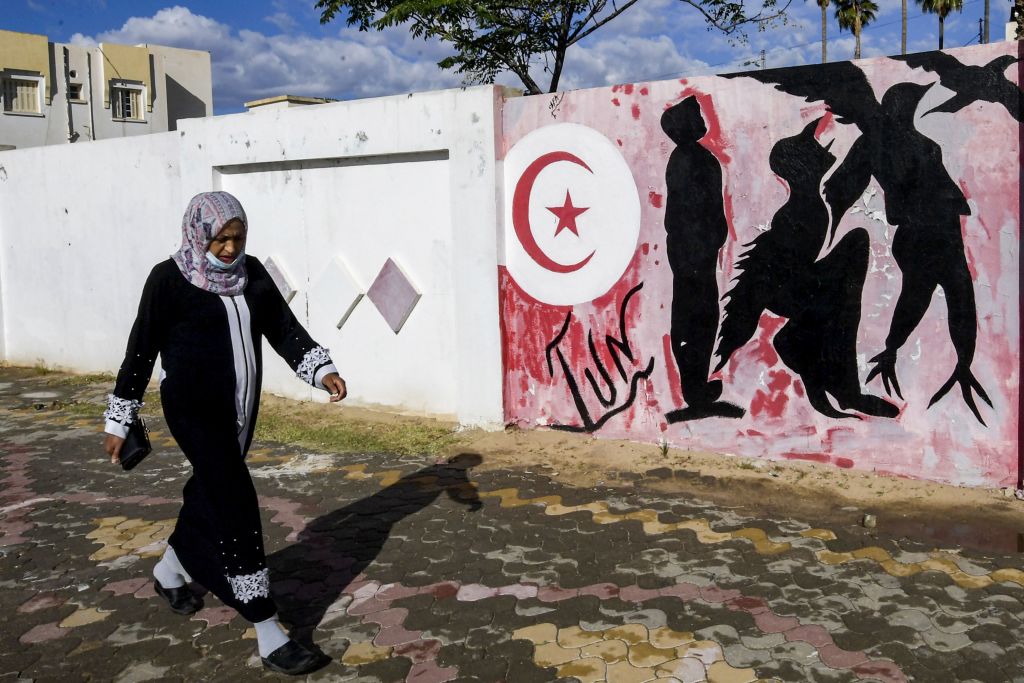
The debate over what Saied did, while important because of the legal and political implications, obscures the way in which his actions are themselves an indication of how Tunisian democracy has not been working for Tunisians. And what Saied did is, in the short term, unlikely to yield the results Tunisia needs.
تجنبت الدول الغربية تسمية استيلاء الرئيس قيس سعيّد على الحكومة في تونس بـ”الانقلاب”، كما امتنعت عن اتخاذ خطوات لتعليق المساعدات الاقتصادية لهذا البلد. ففي 27 يوليو/تموز، أجرى وزير الخارجية أنتوني بلينكن اتصالًا هاتفيًا بالرئيس التونسي للحث على احترام المبادئ الديمقراطية والحوار المفتوح مع جميع الفاعلين السياسيين في تونس.
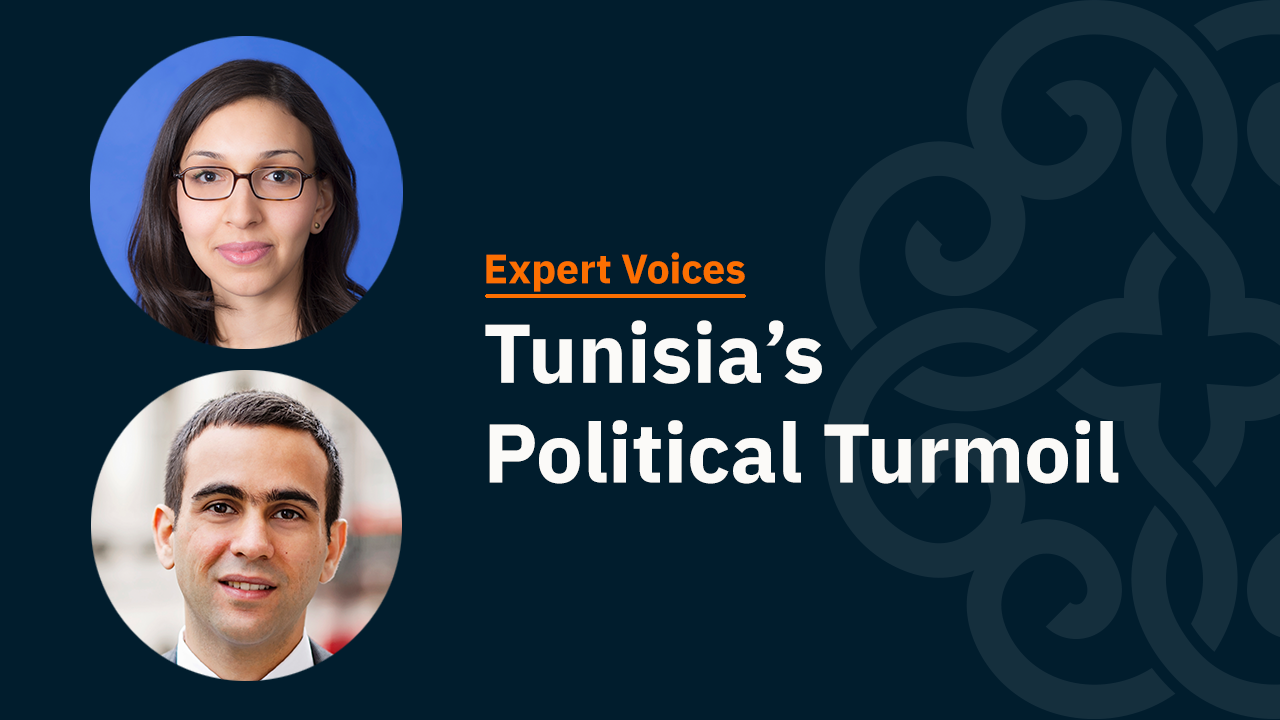
Intissar Fakir and Fadil Aliriza of MEI’s Program on North Africa and the Sahel discuss the context and consequences of Tunisian President Kais Saied’s political maneuvers earlier this week, which opponents were quick to label a “coup.”
سارع خصوم الرئيس التونسي قيس سعيّد والمعلقون الدوليون الأكثر دراية بمصر إلى إدانة ما وصفوه بـ “الانقلاب”. هنا، إلى جانب الحاجة إلى تقييم الوضع التونسي وفقًا لطبيعته الخاصة، قد يكون من المفيد تنحية التصنيفات القانونية وتلك المرتبطة بالعلوم السياسية جانبًا في الوقت الحالي والتفكر بدلًا من ذلك في سبب احتفال الكثيرين في تونس بقرارات الرئيس الأخيرة.
اقرأ تقرير MEI الأسبوعي الذي يتضمن تحليلات الخبراء للتطورات الإقليمية الرئيسية للأسبوع المقبل.
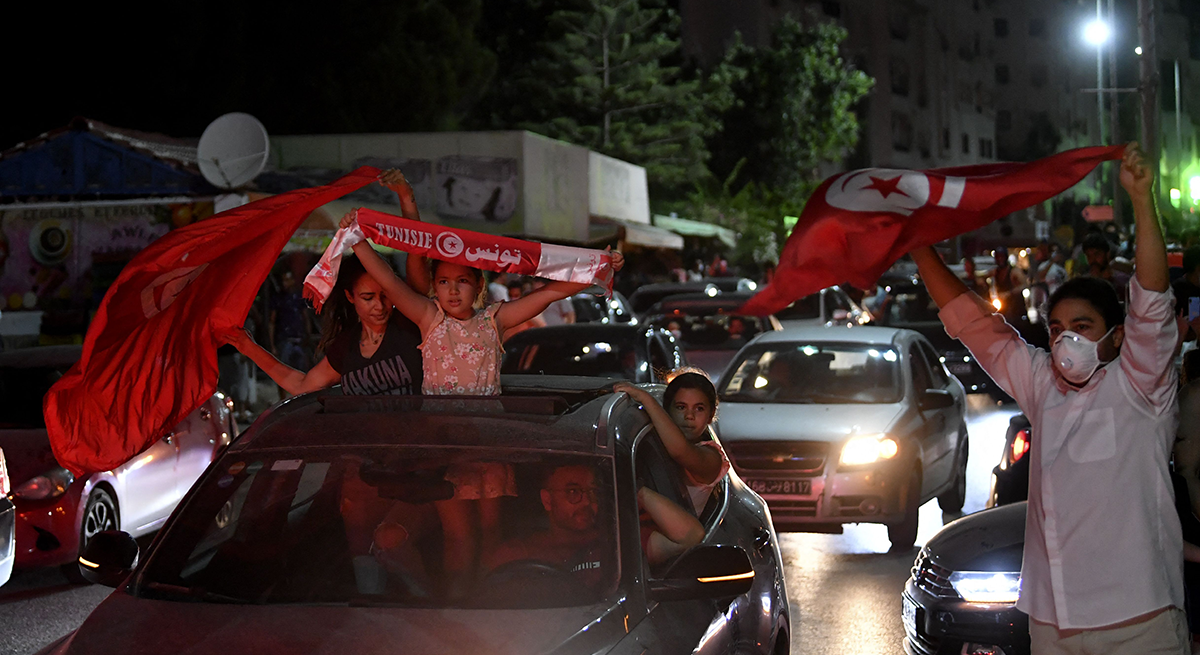
Tunisian President Kais Saied’s opponents and international commentators more familiar with Egypt have been quick to condemn what they are calling a “coup.” In addition to the need to assess the Tunisian situation on its own unique terms, it may be useful to set aside legalistic and political science taxonomy for the moment and consider instead why many in Tunisia have celebrated the president’s recent decisions.
Although it is home to the Horn of Africa’s main transshipment hub, a host of foreign military bases, and a booming local service sector, Djibouti faces a number of major economic challenges, including new and growing competition, dangerous reliance on Ethiopian power and water supplies, climate change, and high levels of debt. This is why Djibouti needs a Plan B for what comes next after the presidency of its long-time leader, Ismail Omar Guelleh, in power since 1999.
STMicroelectronics, one of Europe’s leading semiconductor manufacturers, will very shortly inaugurate a new production line in Morocco to manufacture electronic chips for American electric car pioneer Tesla. The production line is the latest example of a larger trend among international firms to look to Morocco as an attractive location for “nearshoring.” Through Rabat’s smart infrastructure investments and careful management of its foreign partnerships, Morocco has already exploited this trend to emerge as Africa’s leading automaker. Now with an auto chip production line dedicated to electric vehicles (EVs), Morocco is positioning itself to become a center for EV production while turning itself into a strategic component of Western semiconductor supply chain resilience.
Guled Ahmed, Mirette Mabrouk, and Mohammed Soliman join host Alistair Taylor to discuss the latest developments for the Grand Ethiopian Renaissance Dam (GERD), Egypt’s African diplomatic outreach, and the creative solutions required to meet the region’s growing energy needs.
“في النهاية، كانت النتيجة متوقعة: دعّم أعضاء مجلس الأمن جهود وساطة الاتحاد الإفريقي وأوصوا باستئناف المفاوضات بأسرع ما يمكن”.
In Zarzis, on Tunisia’s southern coast, Algerian artist Rachid Koraichi has created a moving memorial to the thousands of migrants who have died crossing the Mediterranean. A hybrid of graveyard, garden, and art installation, Jardin d’Afrique has become the final resting place for over 300 souls whose bodies washed up on the shore of this tourist town.
تخوض مصر وإثيوبيا والسودان في مأزق خطير بشأن نهر النيل، وعلى الرغم مما يعتقده المجتمع الدولي، فإن خطر المواجهة العسكرية بين الدول الثلاث ليس مستبعدًا على الإطلاق. إذ بدأت أديس أبابا في المرحلة الثانية لملء الخزان خلف سد النهضة الإثيوبي العملاق في أوائل مايو/أيار دون اتفاق مع الدول المشاطئة – مصر والسودان. غير أن الكثير قد تغير خلال العام الماضي والملء الثاني يتم في ظروف مختلفة نوعًا ما عن الملء الأول في يوليو/تموز الماضي. ففي الأشهر الماضية، عززت مصر من تواجدها الدبلوماسي وظهرت كلاعب مؤثر في حوض النيل والقرن الإفريقي وشرق ووسط إفريقيا.
Sunday was a festive day in Baghdad. The last time Iraqis had received an Egyptian president 30 years ago, the region was gearing up for war and uncertainty as the late President Hosni Mubarak shuttled between Baghdad and Gulf capitals prior to Saddam Hussein’s invasion of Kuwait in 1990. The circumstances were quite different on June 27, when Egyptian President Abdel-Fattah el-Sisi and King Abdullah II of Jordan were given the red-carpet treatment at a tripartite summit marking the fourth meeting between the leaders of the three countries aiming to form a new regional alliance.
Egypt, Ethiopia, and Sudan are caught in a dangerous deadlock over the Nile River and despite what the international community seems to think, the risk of military confrontation among the three nations is not at all far-fetched. Addis Ababa began the second phase of filling the reservoir behind its giant Grand Ethiopian Renaissance Dam (GERD) in early May without an agreement with the riparian nations — Egypt and Sudan. However, much has changed over the past year and the second filling has played out rather differently from the first last July. In the intervening months Egypt has ramped up its diplomatic outreach and emerged as an influential player in the Nile Basin, the Horn of Africa, and East and Central Africa. Cairo succeeded in forging strategic alignment with Khartoum to exert diplomatic pressure on Addis Ababa, forming webs of alliances with different regional powers across East and Central Africa and the Horn of Africa to project power and influence, and exerting geopolitical forward pressure on Ethiopia in parallel with the diplomatic track to solve the GERD dispute.