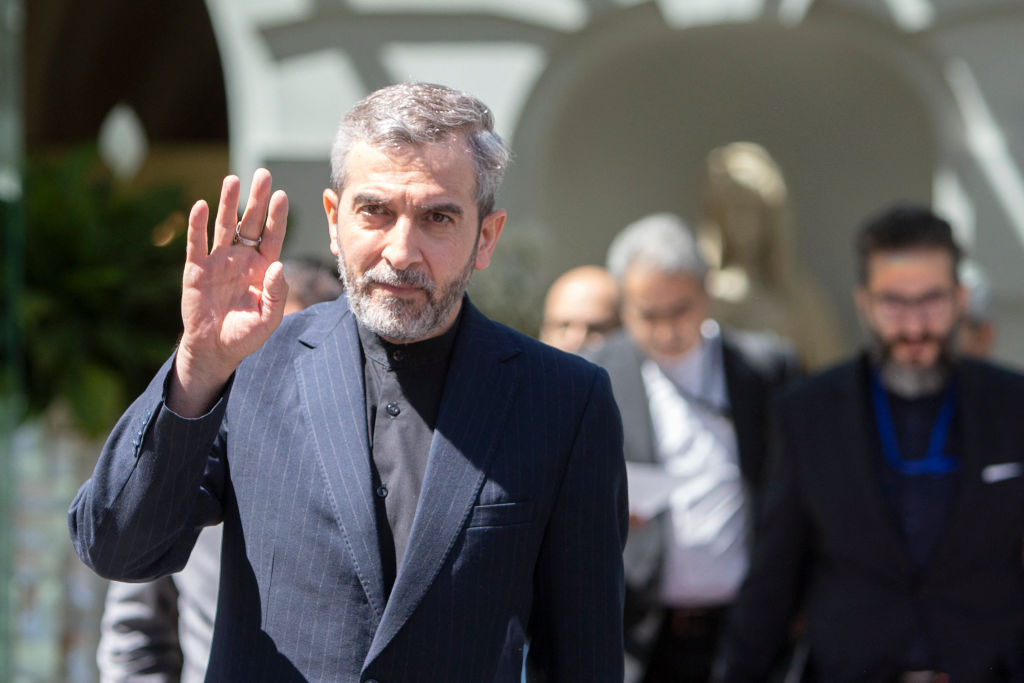
Monday Briefing: Restart of Iran nuclear program negotiations in Vienna brings cautious optimism
اقرأ تقرير MEI الأسبوعي الذي يتضمن تحليلات الخبراء للتطورات الإقليمية الرئيسية للأسبوع المقبل.
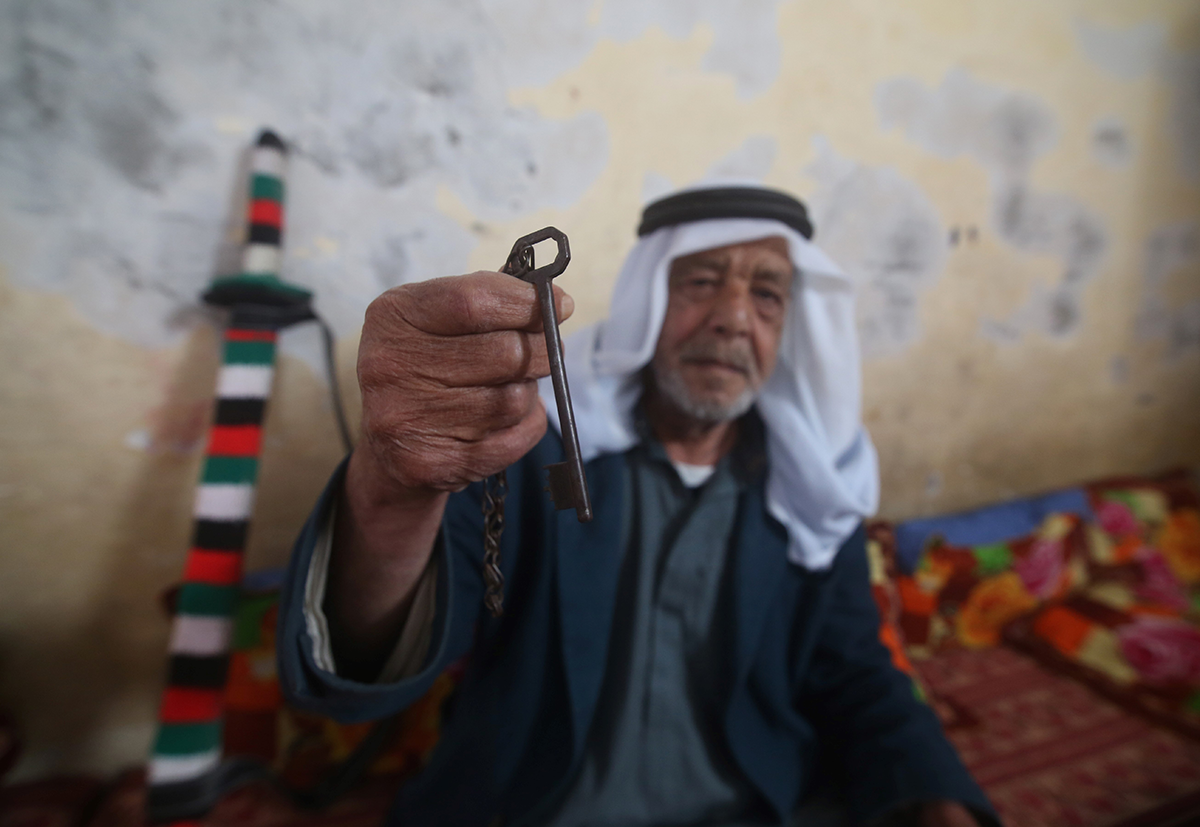
According to UNRWA, there are approximately 6.3 million registered Palestinian refugees across the Arab world. The majority of these are the descendants of the 750,000 Palestinians who were displaced between 1947 and 1949 over the course of Israel’s creation, an event known among Palestinians as the Nakba or “catastrophe.” This paper aims to evaluate past proposals on the refugee question and promote a new refugee-first framework that could produce tangible solutions for Palestinian refugees and for the conflict at large.
اقرأ تقرير MEI الأسبوعي الذي يتضمن تحليلات الخبراء للتطورات الإقليمية الرئيسية للأسبوع المقبل.
تحليل إقليمي متخصص من قبل باحثي ومساهمي معهد الشرق الأوسط.
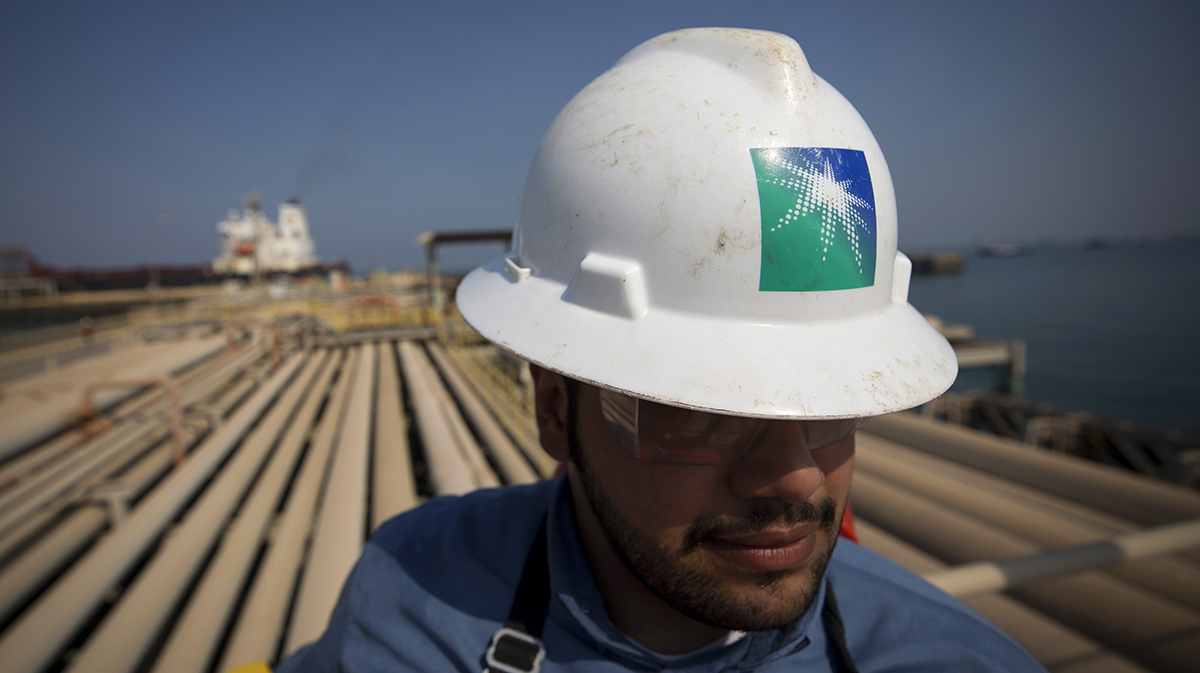
Industry analysts widely agree that OPEC+ production levels are currently well below the members’ authorized quotas and that any production increases will mainly be met by Saudi Arabia and the UAE. The challenges facing the group are daunting, but if met, seven major OPEC countries could feasibly raise crude oil production while utilizing existing infrastructure, significantly narrowing the global demand-supply gap.
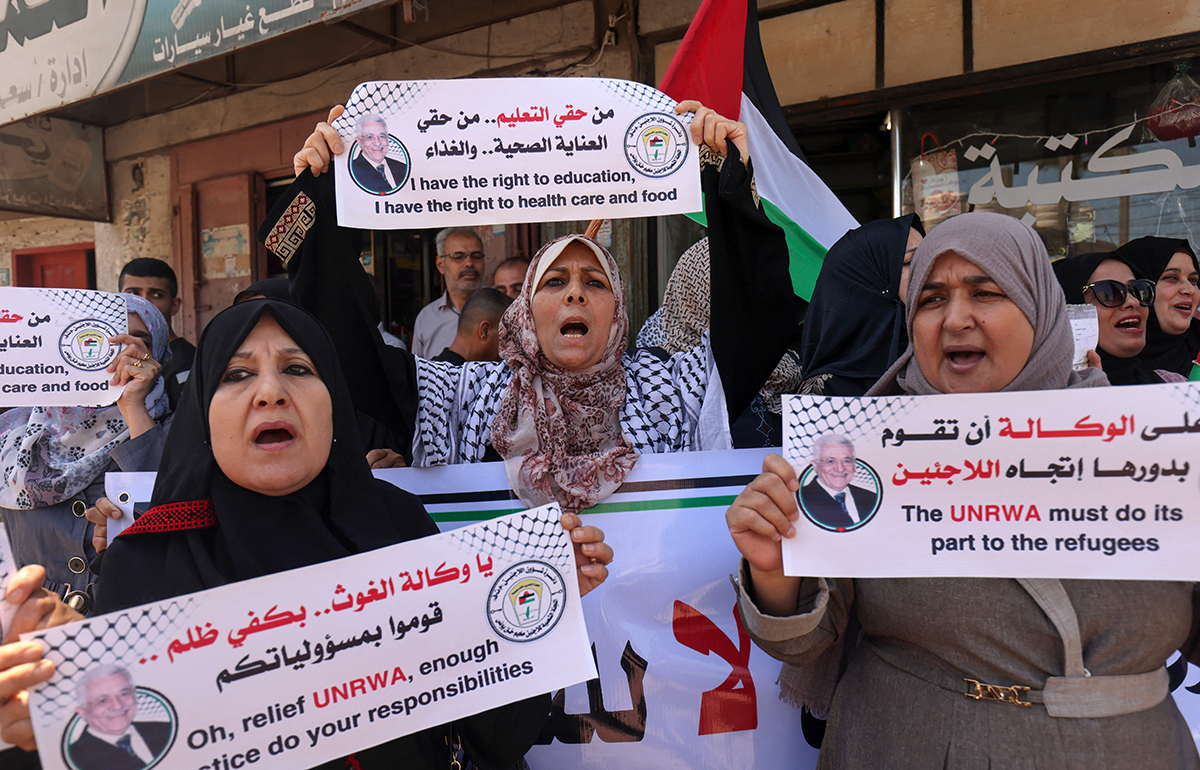
In early June 2022, the Advisory Commission of the United Nations Relief and Works Agency for Palestinian Refugees in the Near East met in Beirut. Facing a $100 million budget deficit and the indifference of donor countries, UNRWA’s future is uncertain.
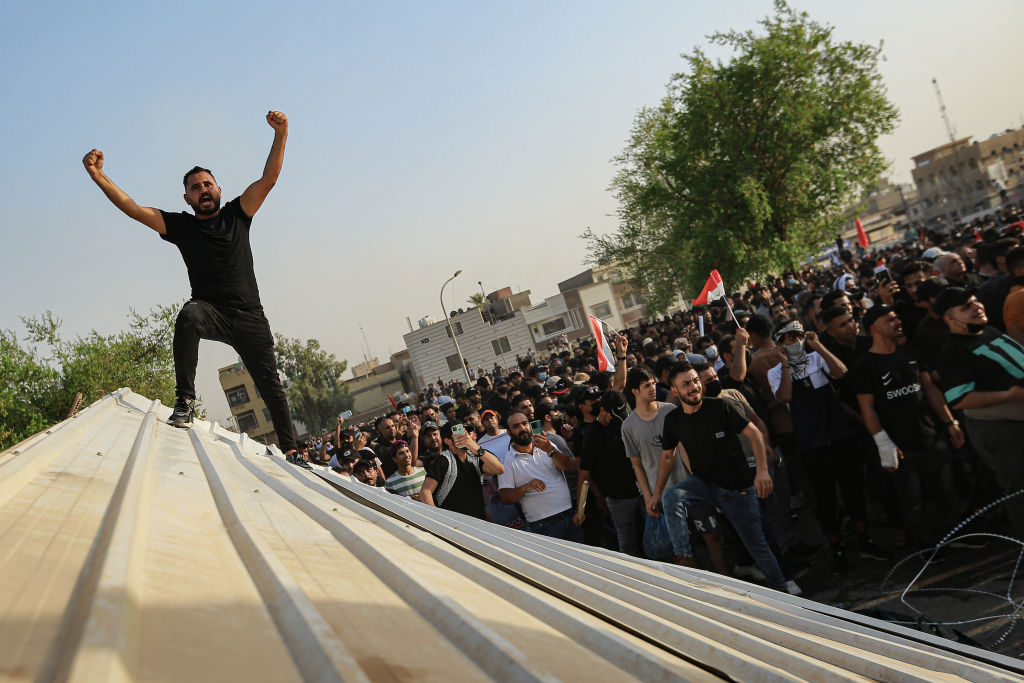
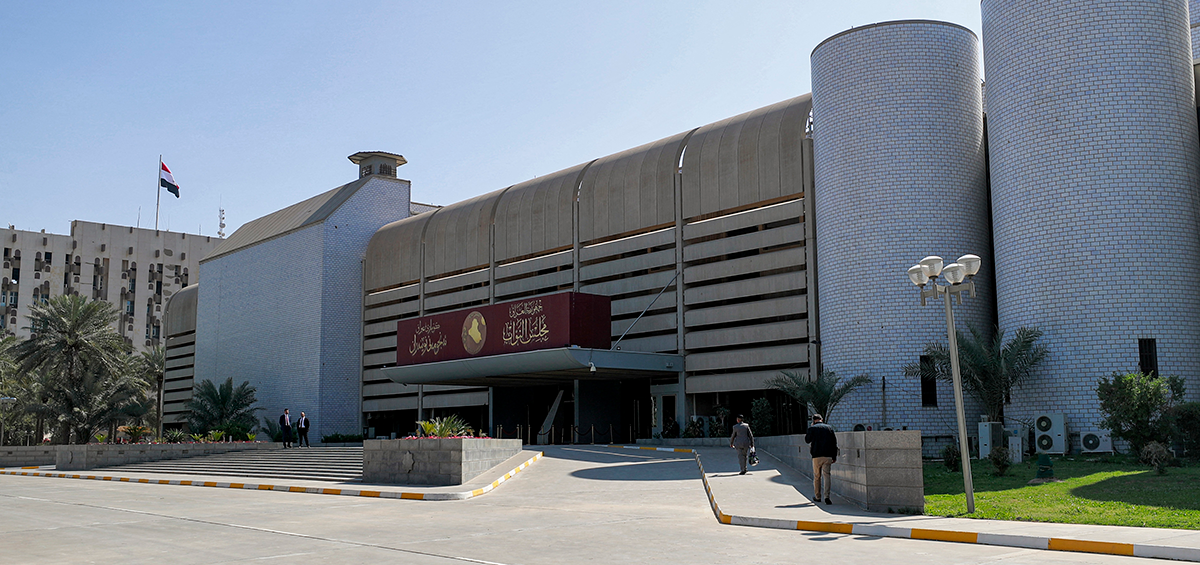
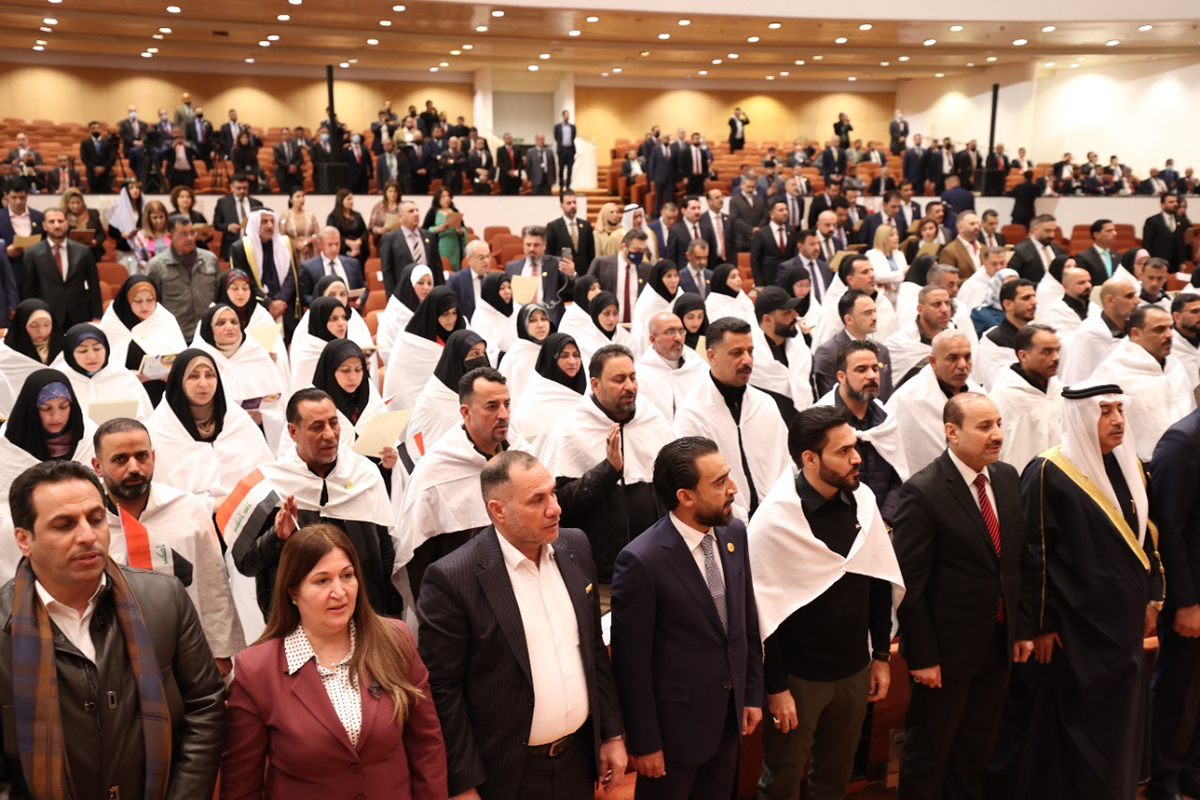
Randa Slim is joined by Farhad Alaadin and Marsin Alshamary to discuss the latest political events in Iraqi Parliament, Muqtada al-Sadr, and what the future of Iraqi politics could look like moving forward.
اقرأ تقرير MEI الأسبوعي الذي يتضمن تحليلات الخبراء للتطورات الإقليمية الرئيسية للأسبوع المقبل.
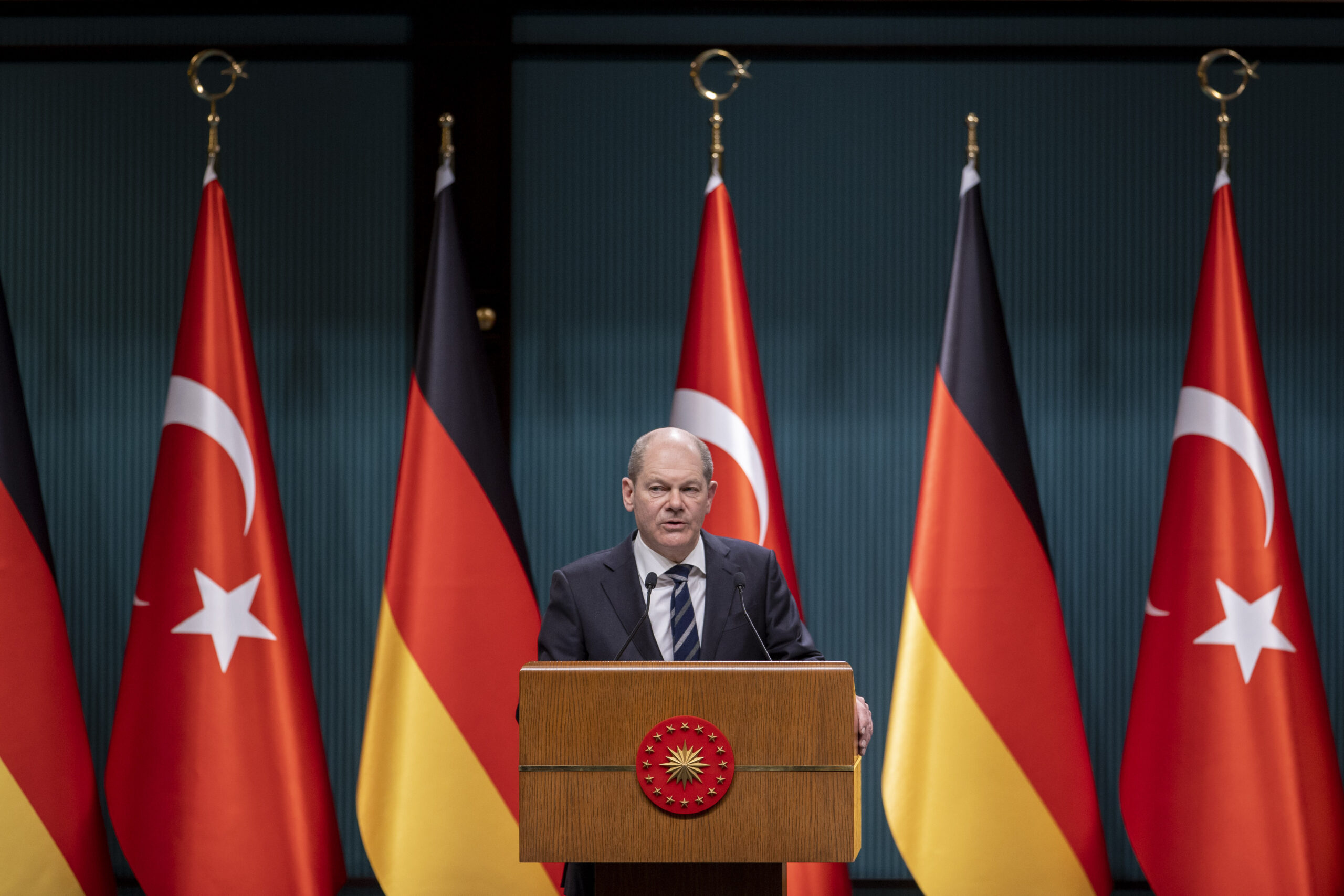
After 16 years under Angela Merkel, Olaf Scholz’s assumption of Germany’s chancellorship on Dec. 8, 2021 marked a new chapter in the nation’s politics. Within the “traffic light” coalition government formed by the Social Democrats, the Free Democratic Party, and the Greens, Annalena Baerbock heads the Ministry of Foreign Affairs. Before taking office, the co-leader of Alliance 90/The Greens was known for both her welcoming attitude toward immigrants and her full-throated condemnation of human rights violations by authoritarian governments. The Middle East and North Africa (MENA) region has no shortage of the latter: According to the Economist Intelligence Unit’s Democracy Index, 17 out of the 20 countries in the region are “authoritarian” and not one is characterized as a “full democracy.” Beyond human rights, other key MENA policy issues for the new government include Iran, Turkey, ongoing conflicts in the region, and immigration. The challenges are numerous, if well-known, but how will Berlin respond? Is Germany’s policy toward MENA likely to change or remain the same under the new government?
To identify pathways to deal with demands for economic reform and volatility in resource revenue in Iraq, in November 2021 the Middle East Institute (MEI) and Iraq Policy Group (IPG) convened a high-level workshop on the side-lines of the American University of Kurdistan’s annual Middle East Peace and Security Forum. This report provides the insights and analyses of a select group of participants, and forms part of a series of forthcoming Iraq- and Gulf-focused reports and initiatives that MEI and IPG will be convening.
For Iraqis, two key events last week will shape the rest of this year, but hopefully not many more to come. First, on June 8 the divided parliament voted in surprising harmony to pass the so-called “Food Security and Development Bill,” a controversial piece of legislation with a $17 billion price tag. Second, this was followed, almost overnight on June 9, by a call from firebrand populist Shi’a cleric Muqtada al-Sadr to lawmakers loyal to his movement to “prepare their resignations.” On June 12, the 73 MPs of the Sadrist Movement tendered their resignations, and Iraq leapt even deeper into the void of political uncertainty.
اقرأ تقرير MEI الأسبوعي الذي يتضمن تحليلات الخبراء للتطورات الإقليمية الرئيسية للأسبوع المقبل.
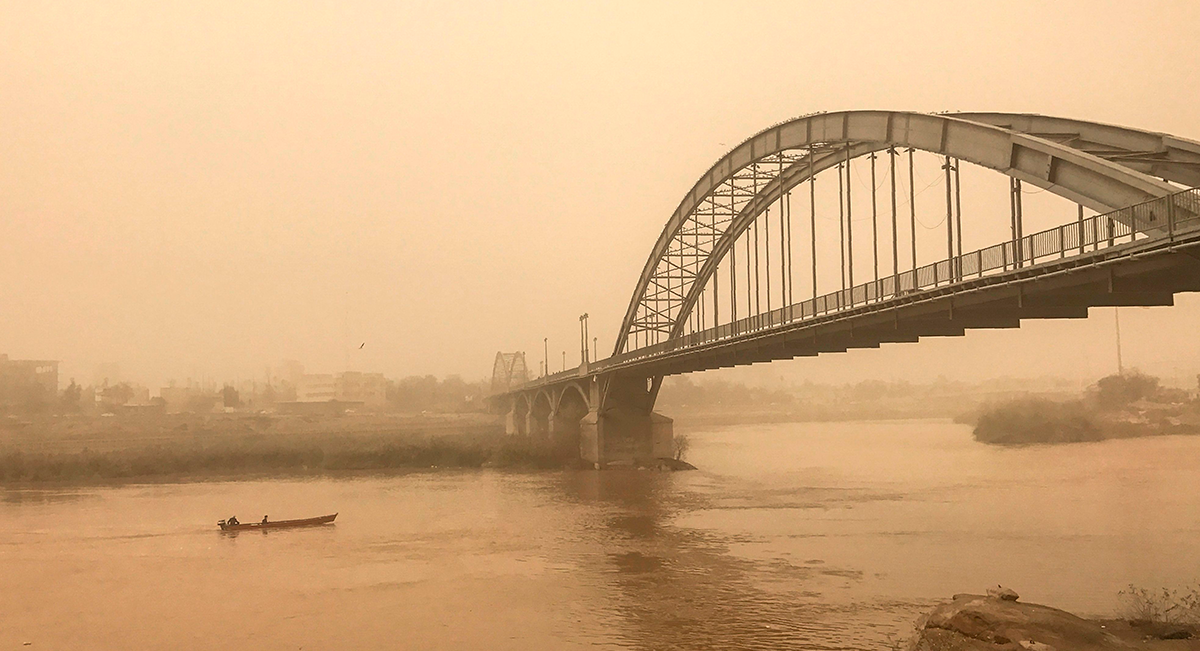
Water is slowly emerging as yet another potential cause for dispute between Ankara and Tehran. As of late, the two neighboring states have been at loggerheads over a number of issues, including Syria and Iraq, where they have opposing interests. After years of quiet diplomatic juggling, the issue of transboundary water management is gradually taking center stage in the two countries’ relations, a development that could, in the medium run, have serious repercussions for regional security.
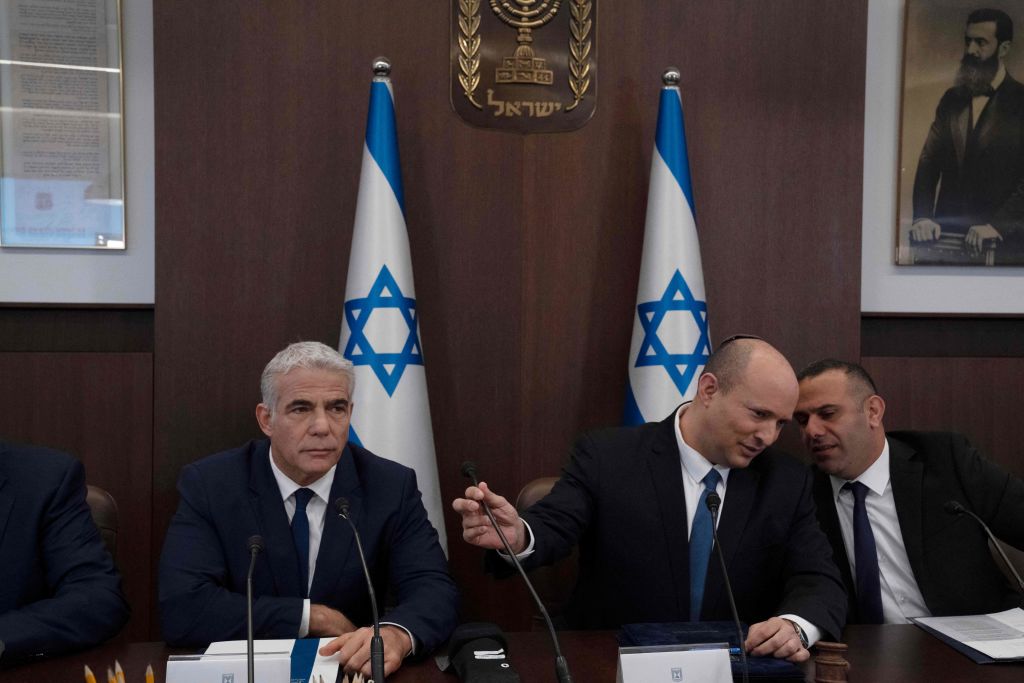
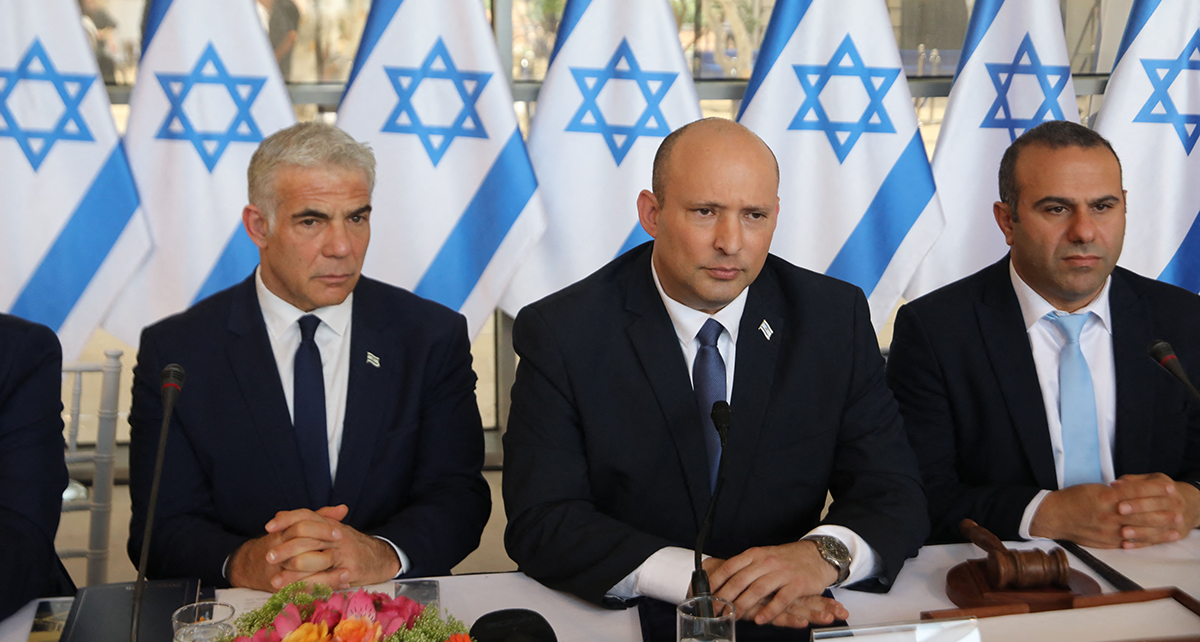
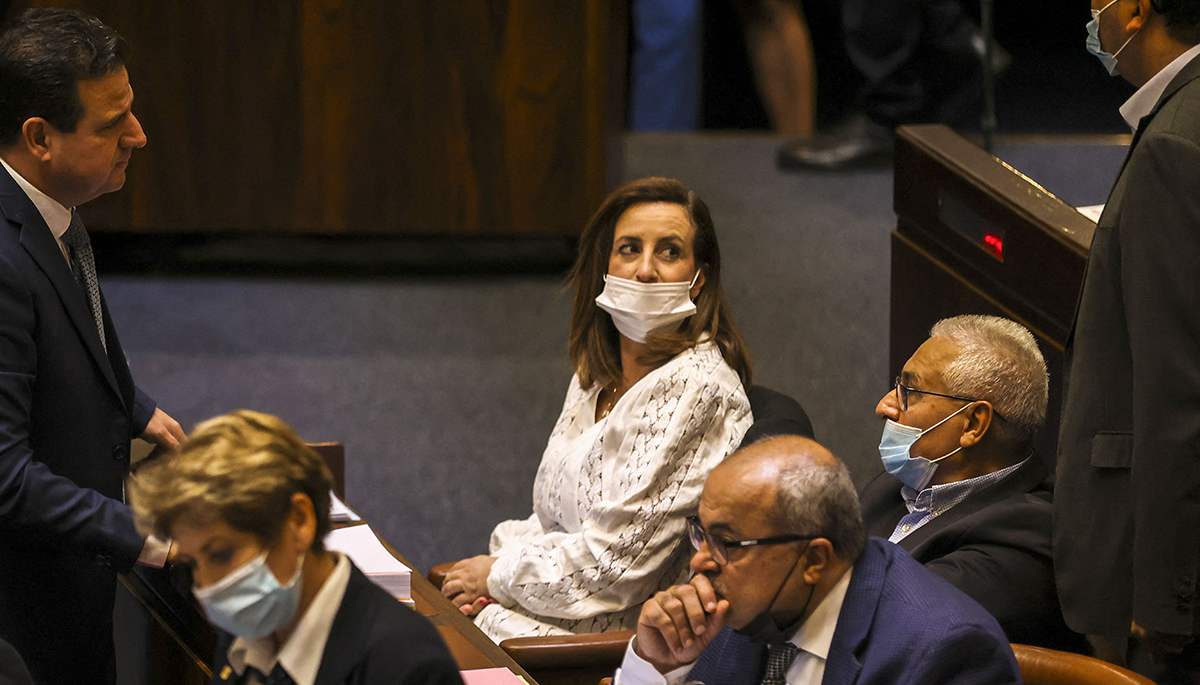
On June 6 Israel’s coalition government lost an important vote, in which more than half of the Knesset members on both sides voted against their own most fundamental beliefs in a desperate effort to either bring down the coalition or to save it. The substance of the legislation was barely more than a pretext, but the opposition smelled blood and was willing to do virtually anything to regain power.
On May 19, Ghaida Rinawi Zoabi, one of Meretz’s two Arab Knesset members, announced she was leaving the governing coalition and her party. On May 22, however, it was announced that she had rejoined both. What happened and what does it tell us about the state of Israel’s fragile coalition government?