Erdoğan’s opportunism in the wake of the Russia-Ukraine war
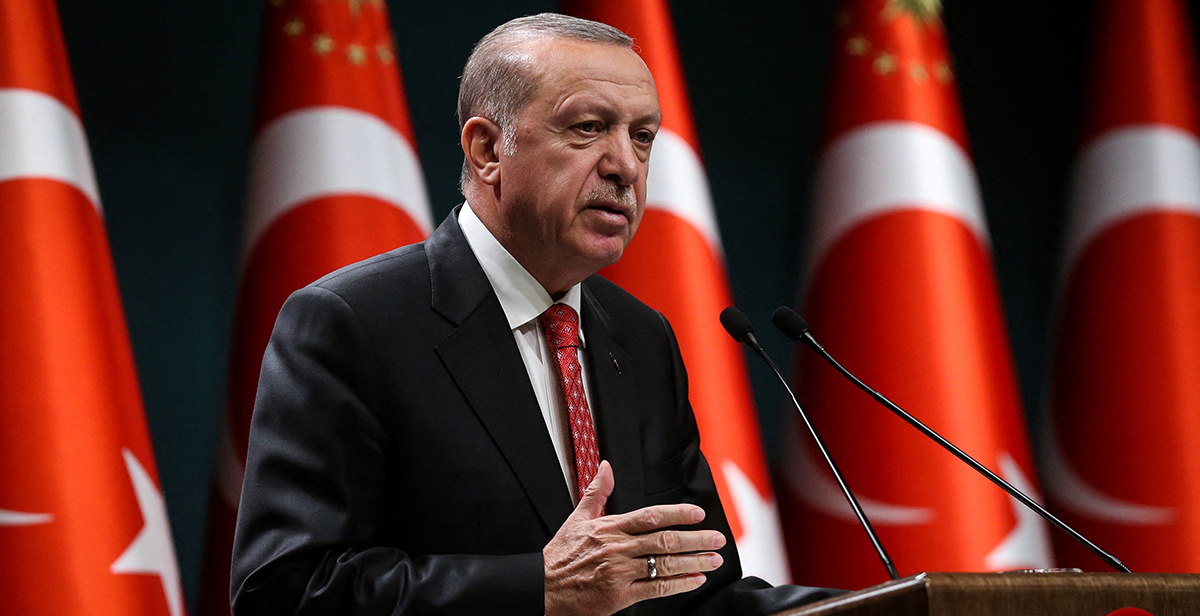
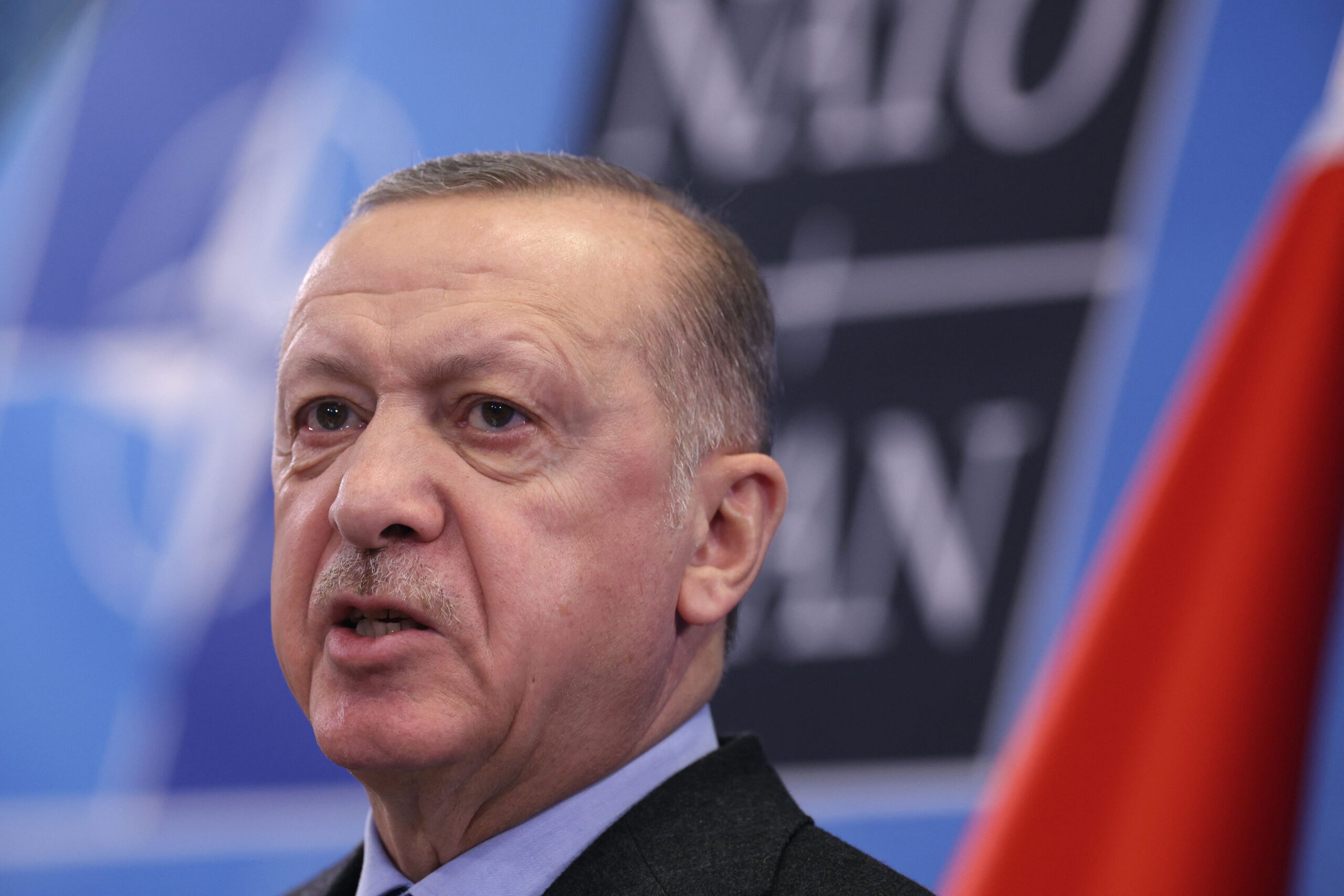
Turkish President Recep Tayyip Erdoğan is notorious for pursuing a one-man foreign policy strategy to consolidate his popularity with his nationalist voter base. He has utilized bold, and sometimes reckless, foreign policy as a vehicle for his political ambitions. Now, Russia’s invasion of Ukraine has opened up new high-risk opportunities for Erdoğan to improve his domestic image, especially as the next Turkish presidential and parliamentary elections approach.
How Iran sees Turkey’s plan for a new military operation in Syria
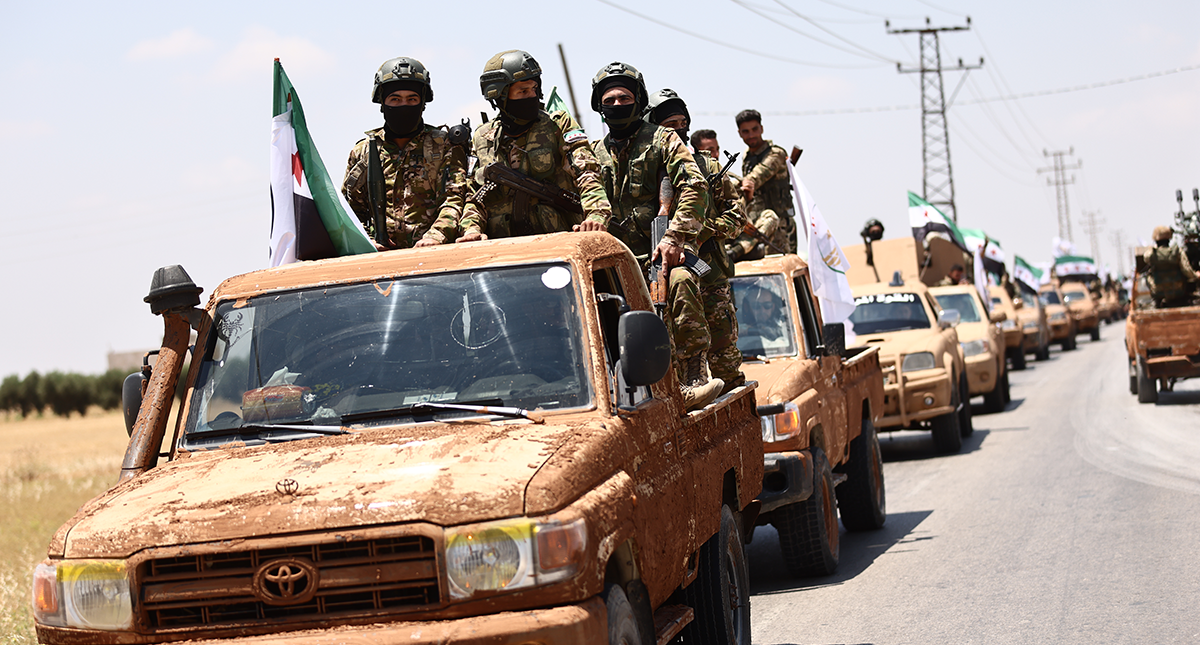
As the threat of a new Turkish military incursion into northern Syria looms, other international stakeholders in the Syrian crisis continue to voice their concerns over Ankara’s ambitions. At odds with Turkey since 2011 over its desire to overthrow the regime of Syrian President Bashar al-Assad and its support for an array of armed opposition factions, Iran has been increasingly vocal of late in opposing a potential new Turkish military operation.
حزب الله الحجاز: جماعة شيعية سعودية يكتنفها الغموض
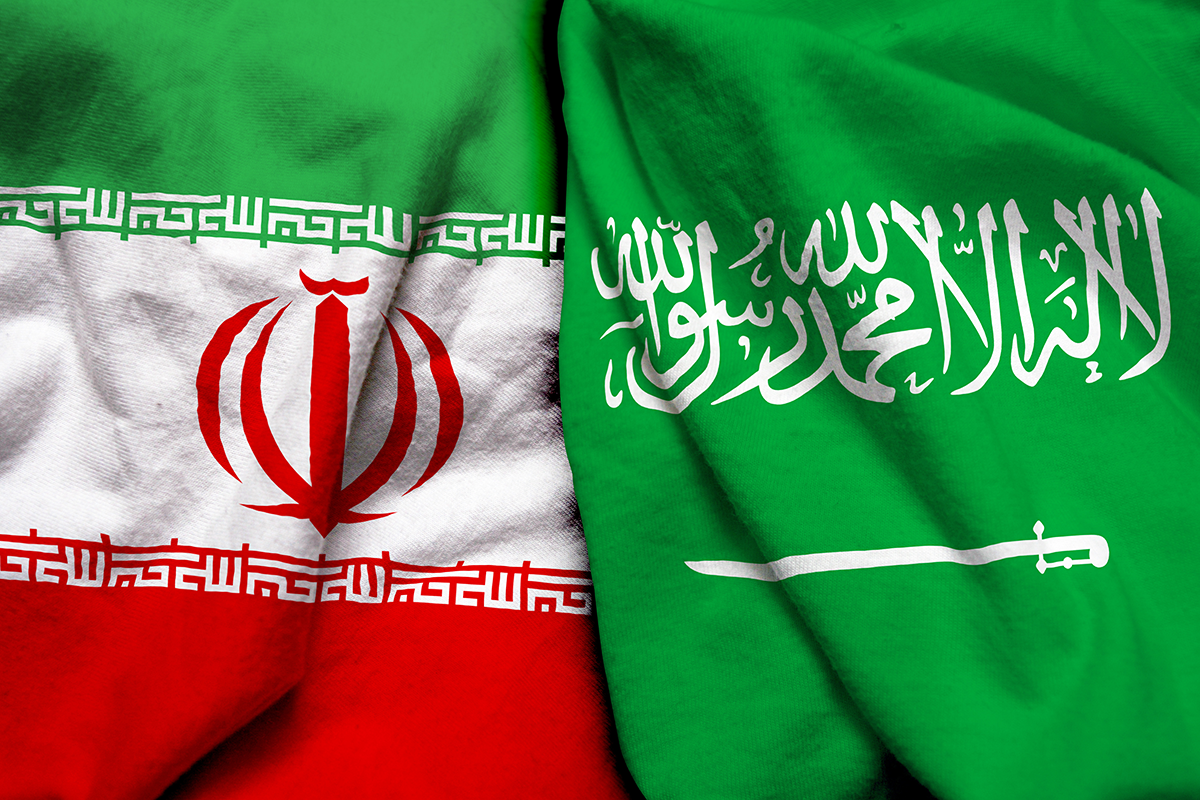
تهدف هذه الورقة البحثية إلى مقاربة النفوذ الإيراني داخل المجتمع الشيعي في السعودية من خلال التركيز على أتباع مرجعية المرشد الأعلى والمعروفين بـ “خط الإمام” والجناح العسكري المنسوب للتيار والمعروف دوليًا بـ “حزب الله الحجاز” أو “حزب الله السعودي” والذي تتوجه له أصابع الاتهام بتنفيذ تفجير الخبر ١٩٩٦.
Hezbollah Al-Hejaz: A Saudi Shi’a Group Cloaked in Mystery
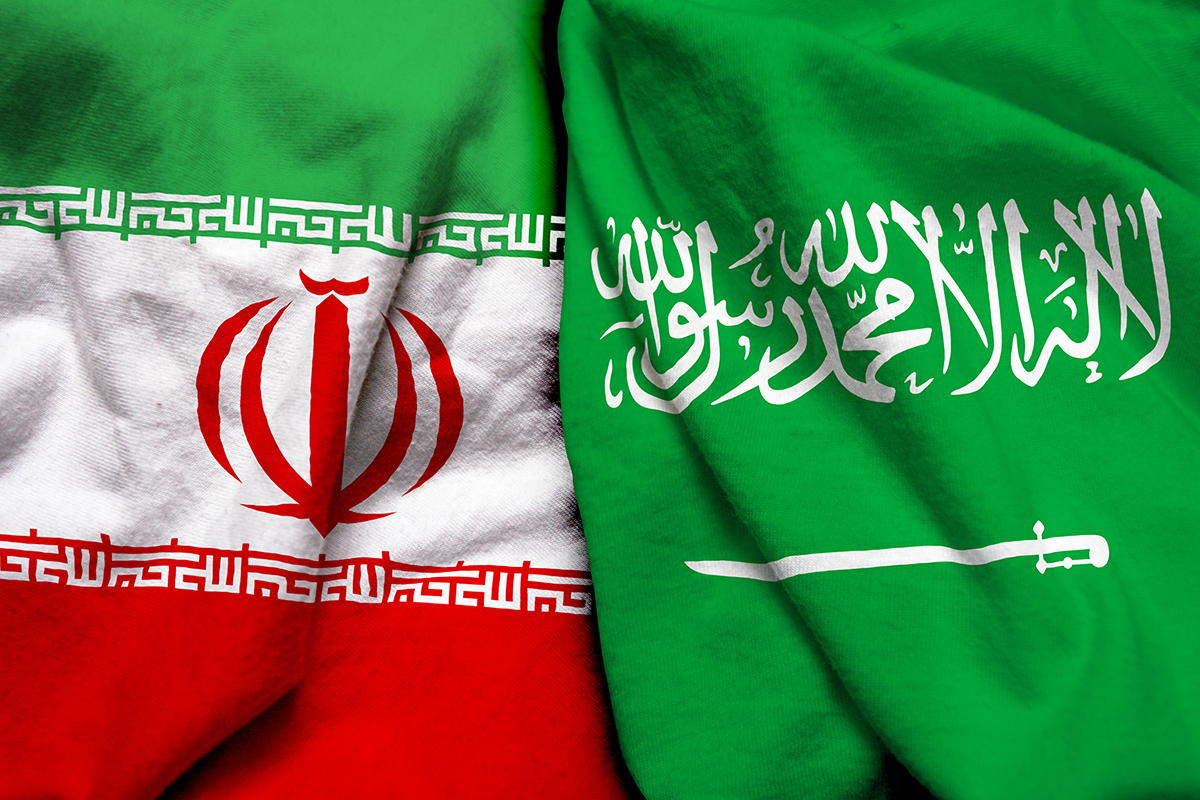
Since the 1979 Islamic Revolution in Iran, Saudi Arabia has been concerned about the potential influence of Iran’s supreme leader among its Shi’a population, especially since Ayatollah Sayyid Ali Khamenei took on the title of Vali-ye faqih, or “guardian-jurist.” Such concern is understandable given that the two countries are both neighbors and rivals: Khamenei is a marj’a, the highest-ranking Shi’a religious authority, but he is also the commander-in-chief of the Iranian Armed Forces. This paper aims to investigate the Iranian influence within the Shi’a community in Saudi Arabia by focusing on the followers of the supreme leader’s marj’aiyyah, known as “Khat al-Imam,” and its military wing, “Hezbollah Al-Hejaz,” often held responsible for carrying out the 1996 Khobar Towers bombing.
Staying the course … for now: Germany’s MENA policy under the Scholz government
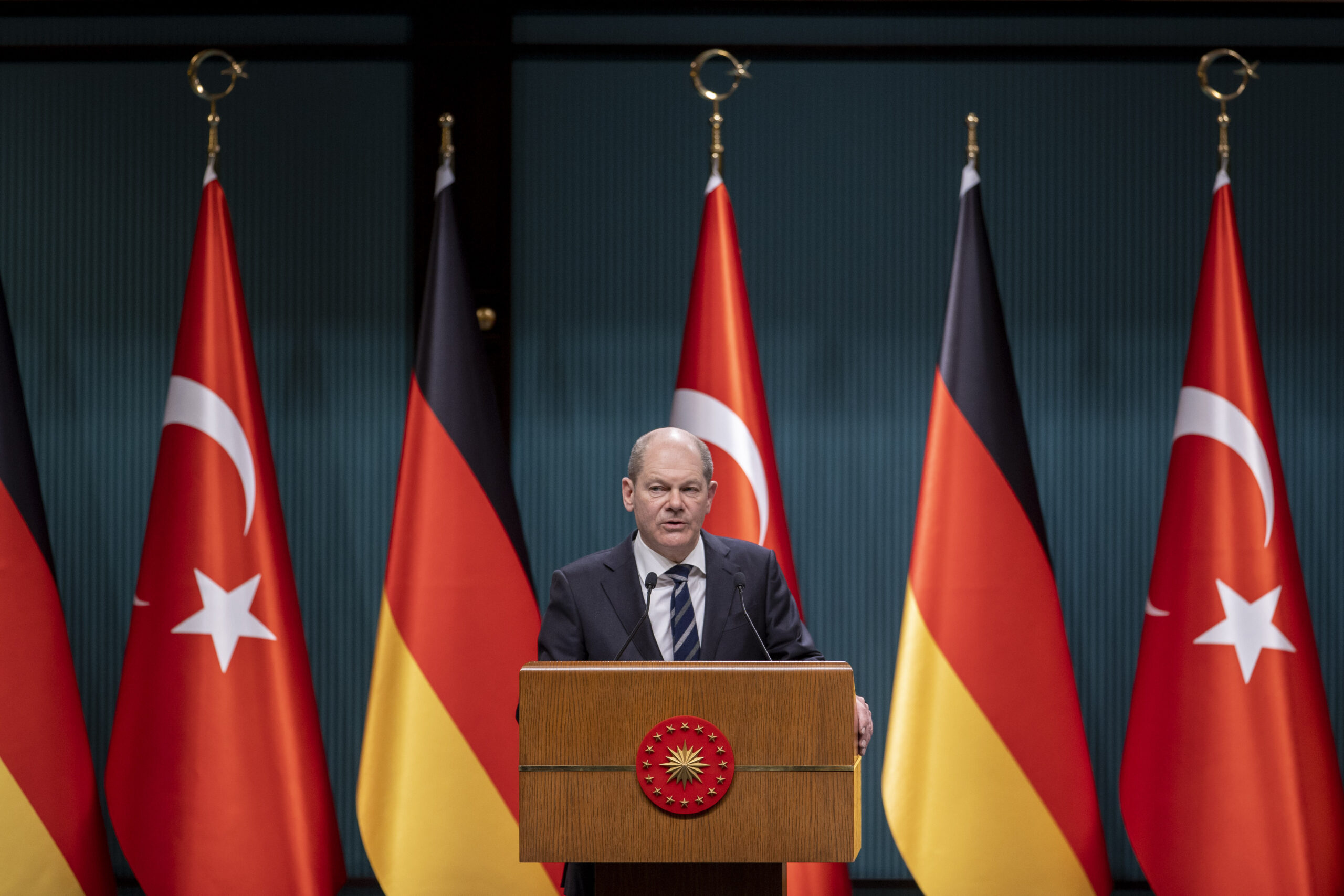
After 16 years under Angela Merkel, Olaf Scholz’s assumption of Germany’s chancellorship on Dec. 8, 2021 marked a new chapter in the nation’s politics. Within the “traffic light” coalition government formed by the Social Democrats, the Free Democratic Party, and the Greens, Annalena Baerbock heads the Ministry of Foreign Affairs. Before taking office, the co-leader of Alliance 90/The Greens was known for both her welcoming attitude toward immigrants and her full-throated condemnation of human rights violations by authoritarian governments. The Middle East and North Africa (MENA) region has no shortage of the latter: According to the Economist Intelligence Unit’s Democracy Index, 17 out of the 20 countries in the region are “authoritarian” and not one is characterized as a “full democracy.” Beyond human rights, other key MENA policy issues for the new government include Iran, Turkey, ongoing conflicts in the region, and immigration. The challenges are numerous, if well-known, but how will Berlin respond? Is Germany’s policy toward MENA likely to change or remain the same under the new government?
Bridging the Cost Gap: Three Labor Policies to Close the Wage Gap Between Saudi and Foreign Labor
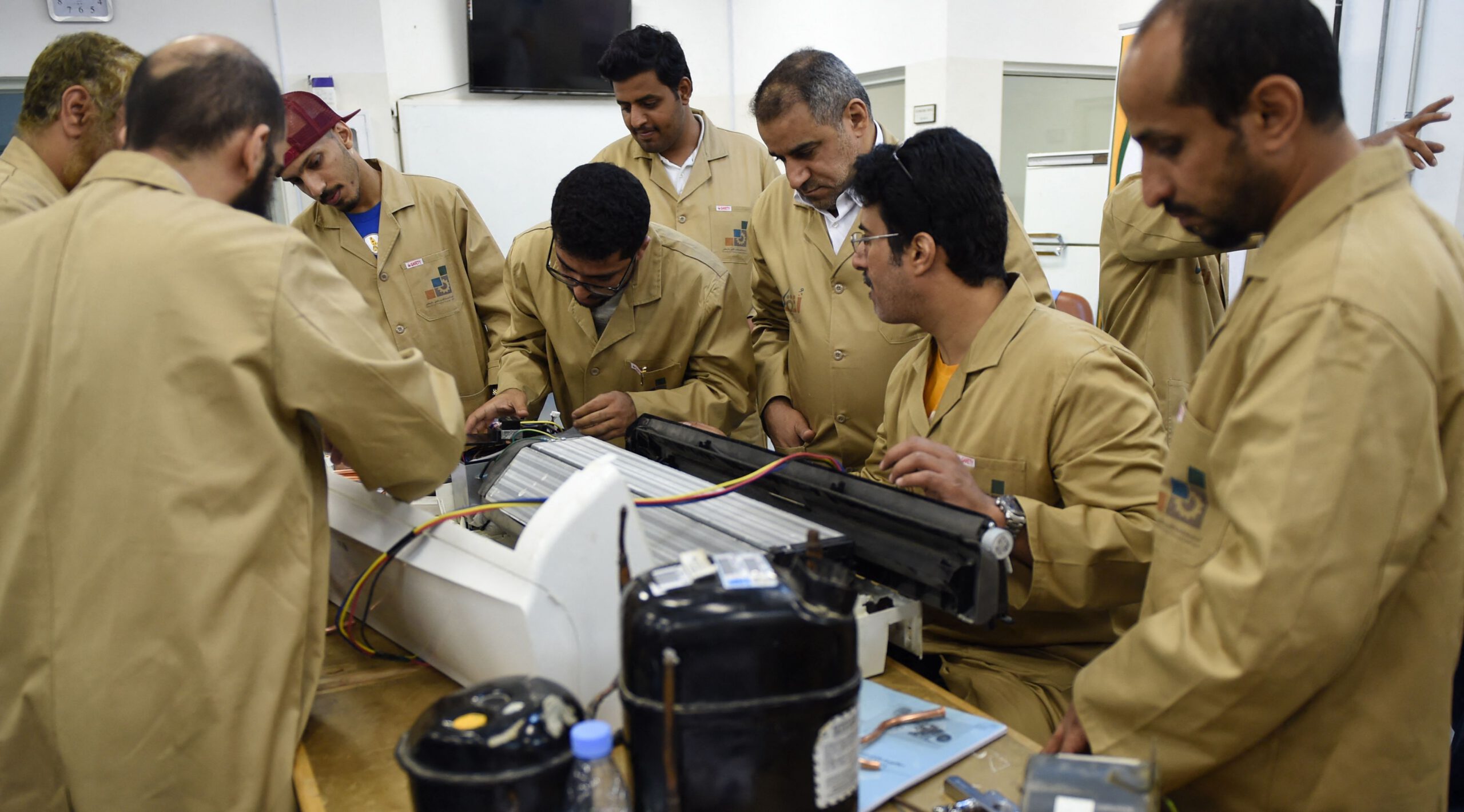
Since the launch of Vision 2030 six years ago, Saudi Arabia has made considerable progress in reducing the labor-cost gap between national and foreign workers in the private sector. While the total unemployment rate has declined recently among nationals, it remains high at 11%. Drawing on evidence from Bahrain’s experience with labor market reform, this can be significantly reduced through policies designed to bridge the cost gap between citizens and foreign labor in the private sector.
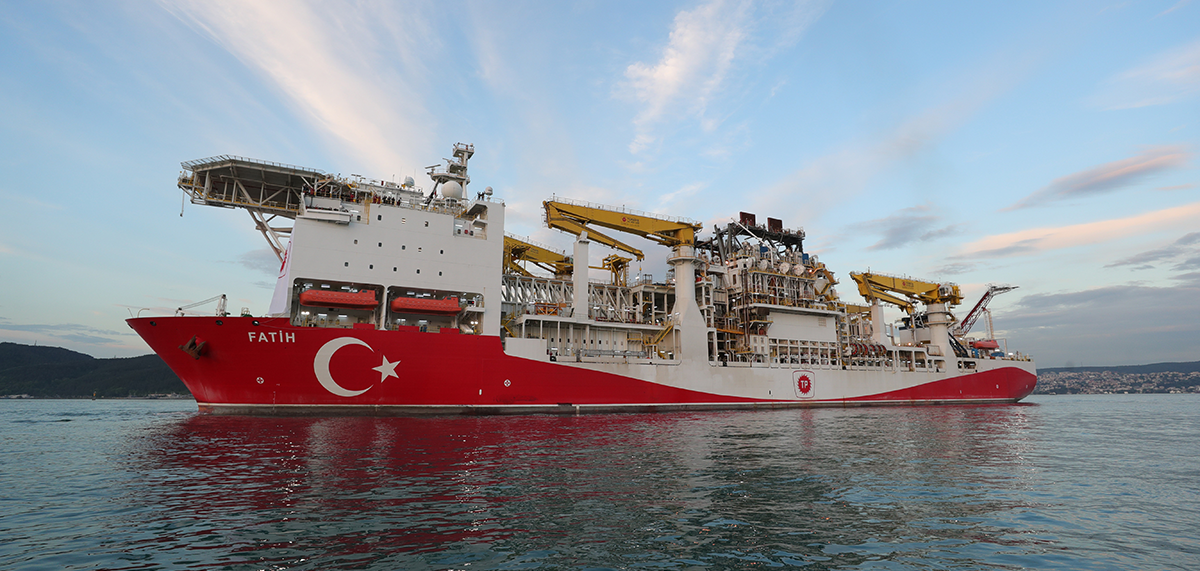
Turkey: A new emerging gas player with resources and infrastructure
With its recent deepwater exploration success in the Black Sea and prominent geographic location for interregional hydrocarbon pipelines, Turkey can play a material role in shaping the geopolitical landscape today, especially in the natural gas sector. The country will face a strategic conundrum, whether to utilize newly discovered gas resources entirely for domestic needs and thereby reduce gas imports that come with political baggage as well as foreign currency expenditures, or export gas to capture foreign revenue that Ankara desperately needs.
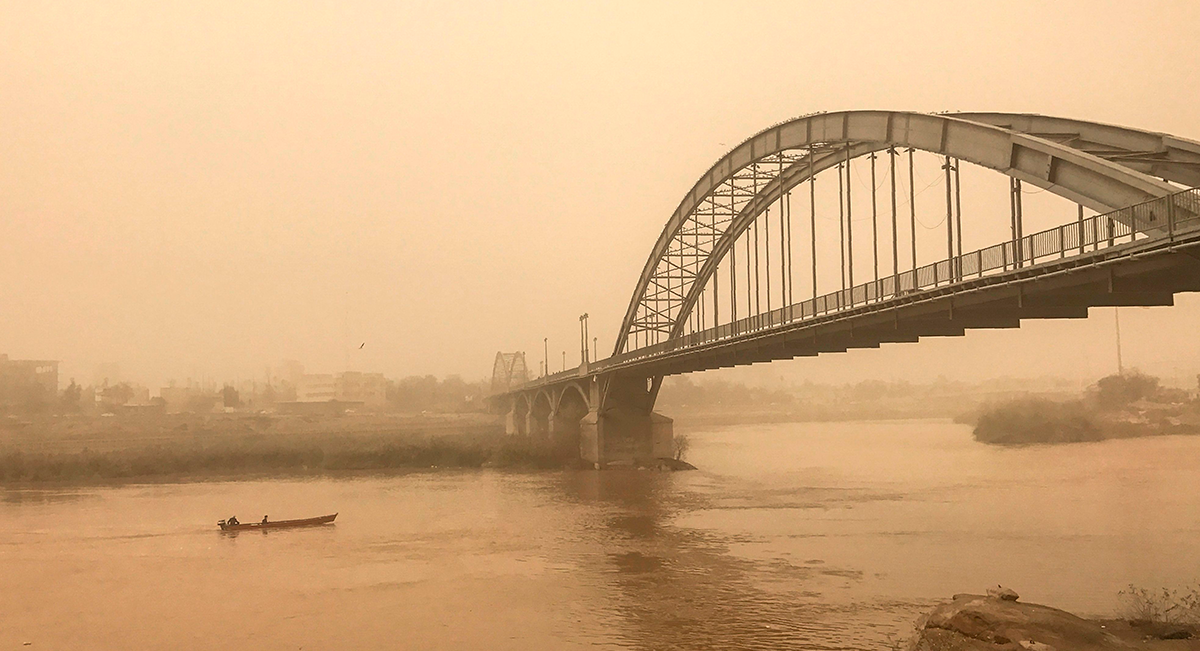
Amid dust storms and drought, Turkey and Iran are at odds over transboundary water management
Water is slowly emerging as yet another potential cause for dispute between Ankara and Tehran. As of late, the two neighboring states have been at loggerheads over a number of issues, including Syria and Iraq, where they have opposing interests. After years of quiet diplomatic juggling, the issue of transboundary water management is gradually taking center stage in the two countries’ relations, a development that could, in the medium run, have serious repercussions for regional security.
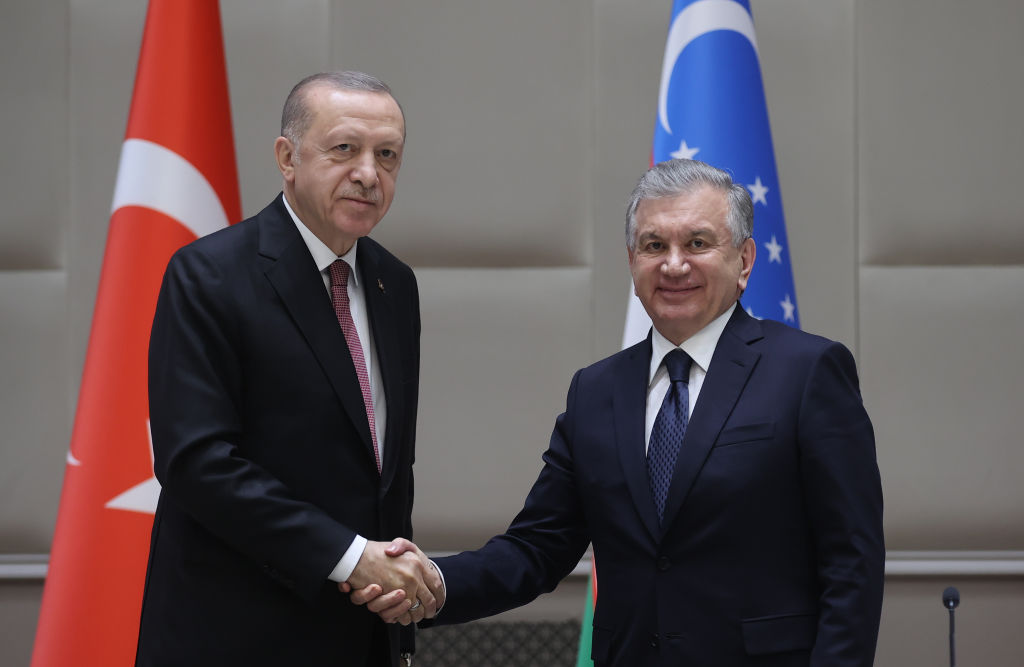
New Turkey-Uzbekistan Strategic Partnership Accelerates Turkey’s Rise as a Eurasian Agenda-Setter
The March 2022 elevation of the Turkey-Uzbekistan relationship to a “Comprehensive Strategic Partnership” provides the Ankara-led Organization of Turkic States with a new geopolitical heft. To preserve its autonomy in the face of Beijing’s growing regional dominance, Tashkent has turned to Ankara to act as a countervailing force in both economic and security affairs. Combined with the expanding Turkey-Pakistan strategic partnership, this makes Turkey a rising Eurasian agenda setter that will impact the strategic calculus of both Beijing and Washington.
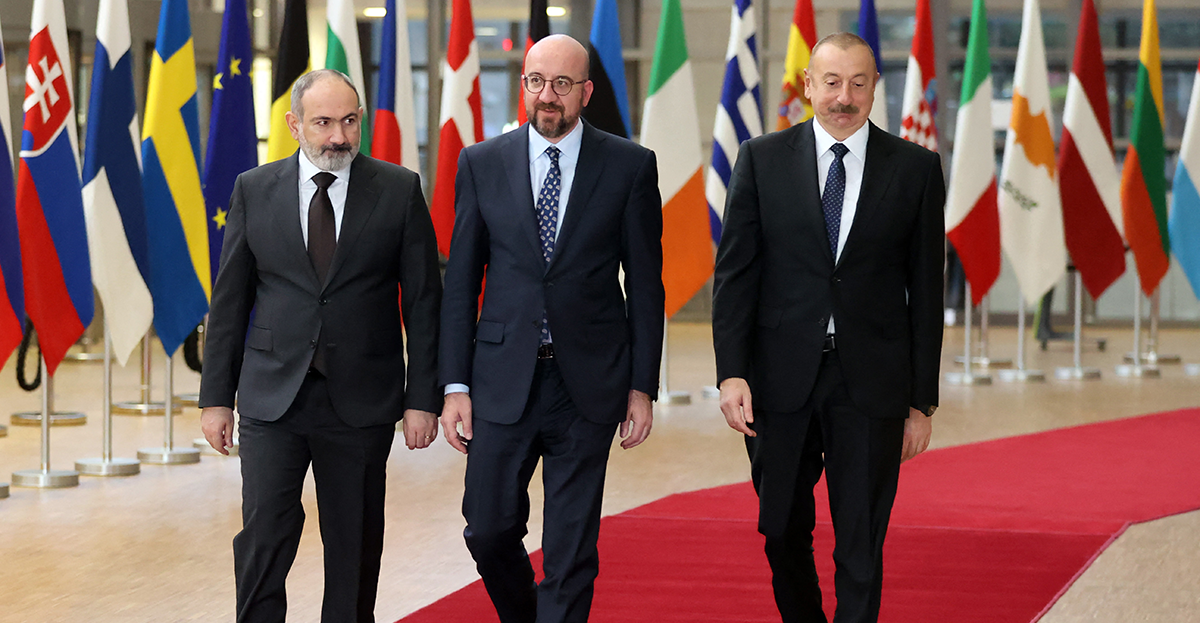
The impact of the war in Ukraine on regional cooperation in the South Caucasus
Since the collapse of the Soviet Union, the South Caucasus has been unable to find a model for regional cooperation or form regional organizations. The relative calm that followed the Second Nagorno-Karabakh War, especially after the signing of the November 2020 cease-fire agreement, renewed hopes that this might change. Significant challenges to regional cooperation remain, however, and Russia’s war with Ukraine has only complicated matters further.
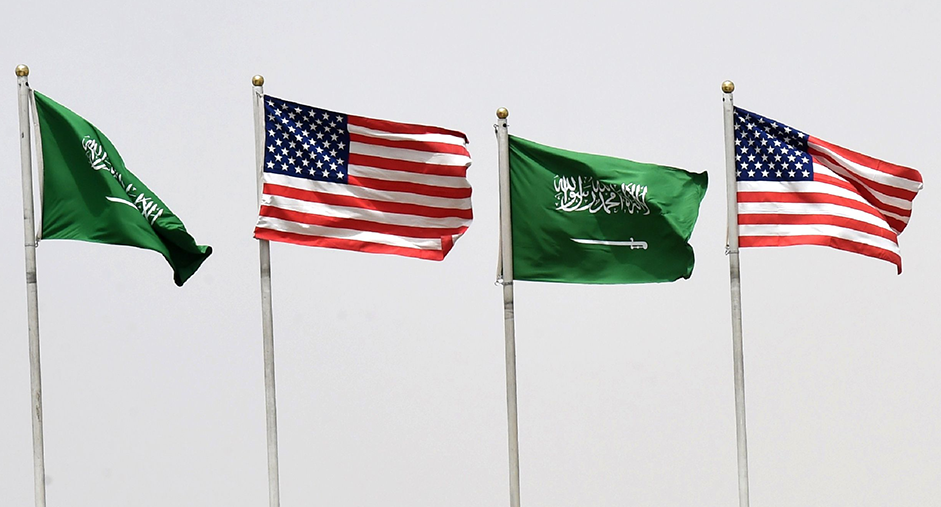
Partnering is a practical necessity for both countries but need not come at the cost of abandoning core values. The U.S. continues to exercise significant leverage and its own interests are better served globally by demonstrating credibility in what it stands for and reliability in its commitments. The U.S.-Saudi relationship has ample room to bend before it risks breaking.
The impact of the war in Ukraine on Russian-Turkish relations and Black Sea security: Three potential scenarios
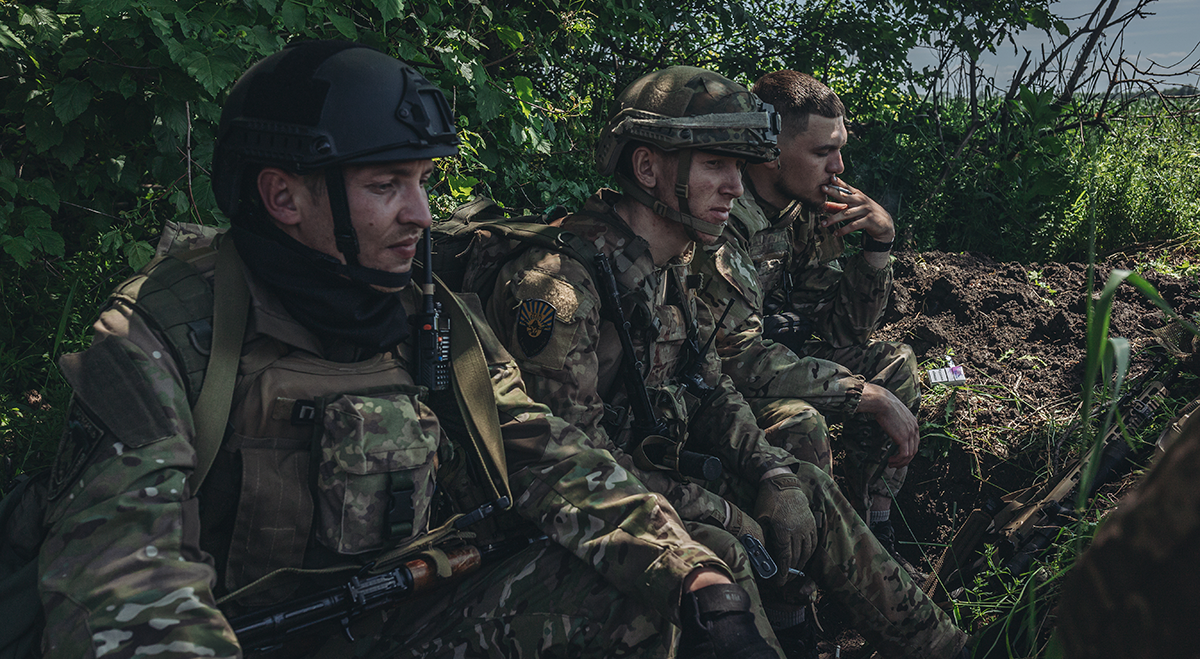
As Russia’s war in Ukraine continues, where things go from here is far from certain, but it is worth considering the range of possibilities. These three scenarios highlight the potential challenges and opportunities that Putin, Erdoğan, and, to a lesser degree, Zelenskyy may face depending on how the conflict plays out, as well as what is at stake for other countries in the Black Sea region.