After the Gaza War: The Risks of Deterrence and the Chances of Peace
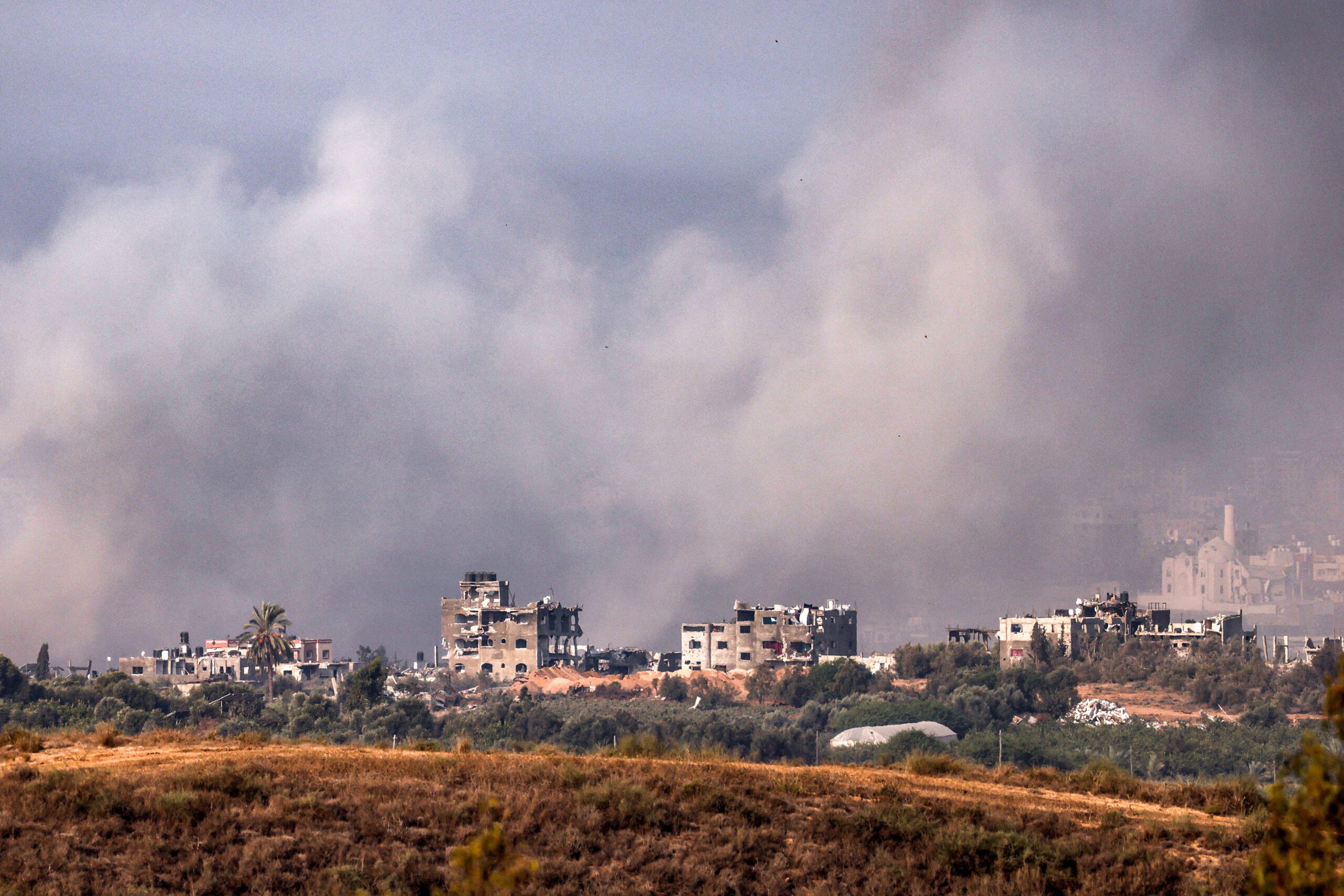
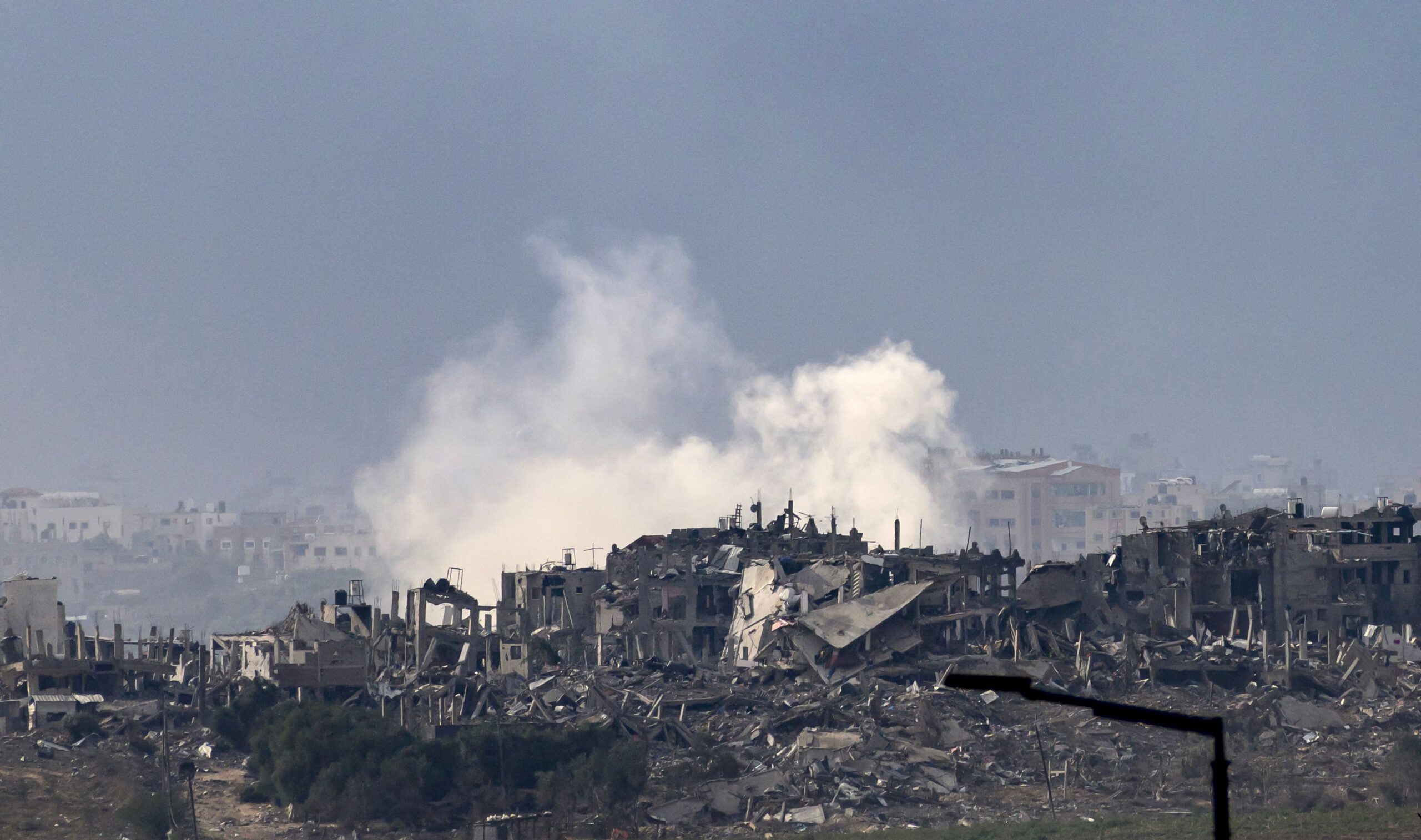
Policymakers in the United States, Europe, and the Middle East are rightly focused on where the current crisis in Gaza is headed. The humanitarian disaster hovering over the region since Hamas’ October 7 attacks on Israel has resulted in countless lives lost and now threatens regional and global security. Among many of the issues occupying policymakers is the concern that new fronts in the war will open, potentially involving the West Bank, Hezbollah, the Houthis, and even Iran.
Israel’s Response to Iran in Syria: Choosing Between Escalation and Accommodation
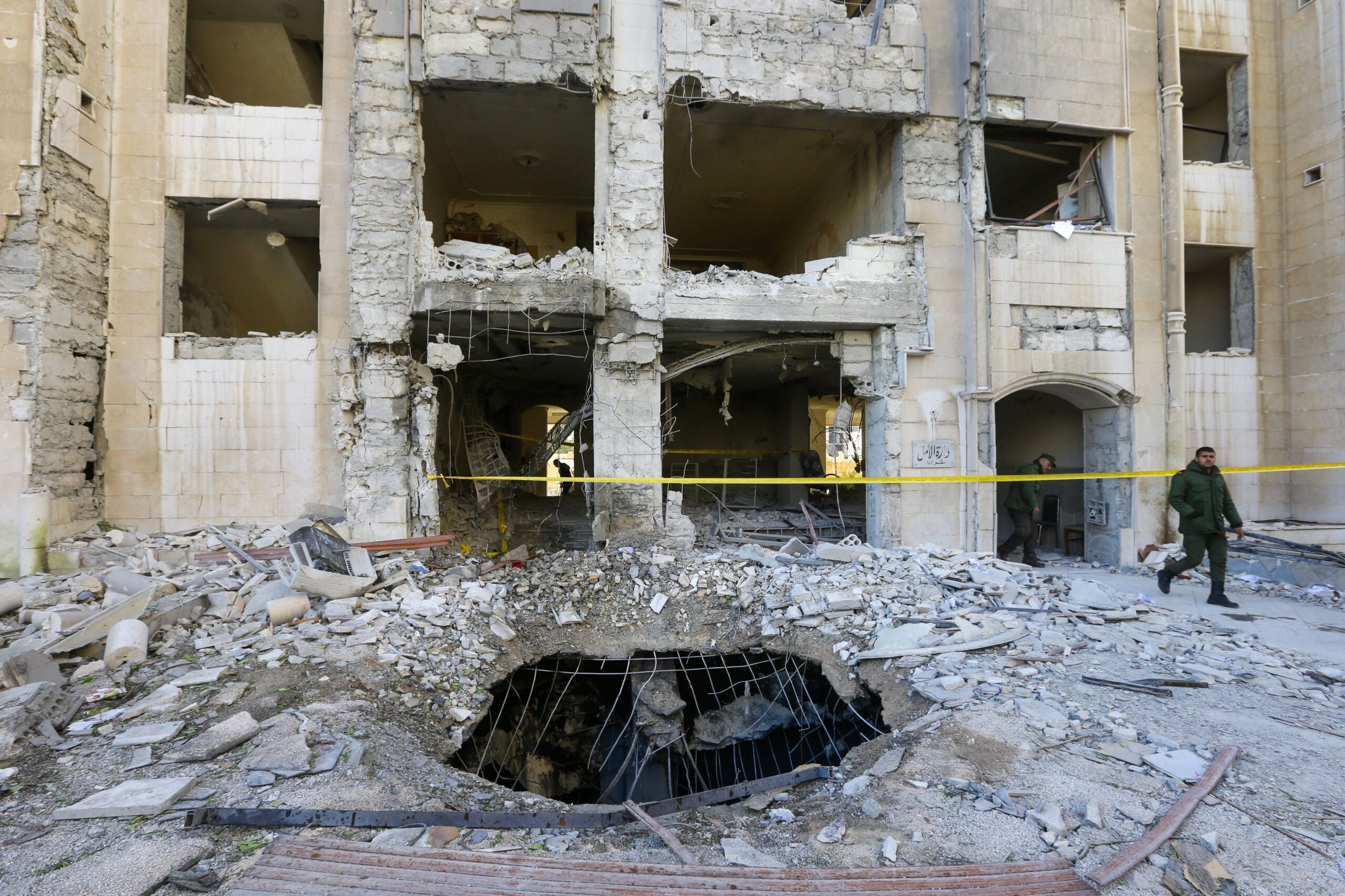
The following quantitative analysis explores the core of Israel’s strategic airstrikes in Syria between 2013 and August 2023, a critical aspect of its defense policy during this time, aimed at mitigating Iranian influence in the region and protecting its national borders.
As talk of a revived Israeli-Palestinian political process grows, the Abraham Accords partners must play a role
Oct. 7 sounded the death knell of the Abraham Accords. Yet the end to the initial conceit of the Abraham Accords does not mean an end to the essential role that the Abraham Accords partners can play in helping broker an Israeli-Palestinian agreement.
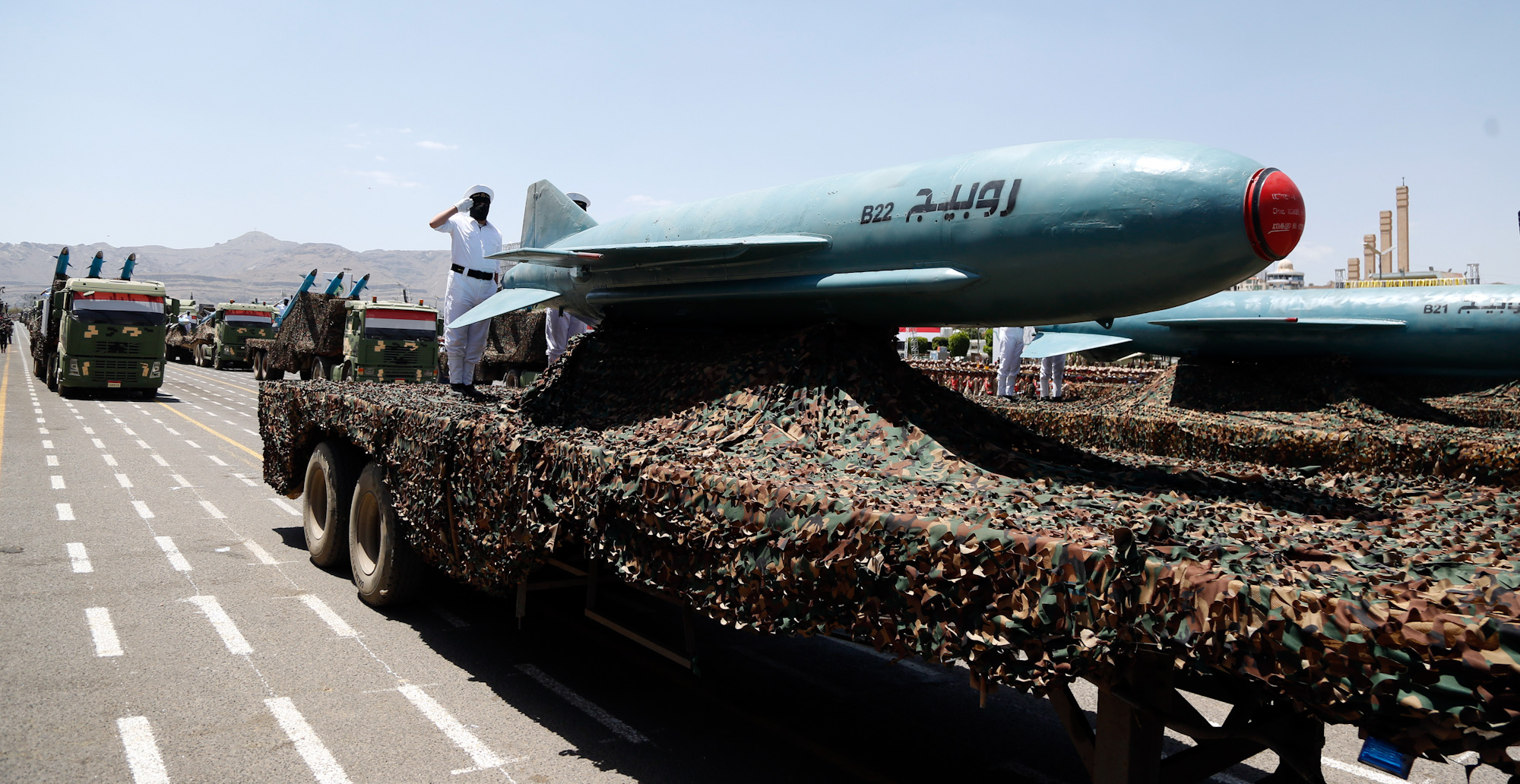
Despite the Houthis’ geographical distance from Israel and perceived limited capabilities, the threat they represent is all too real and if underestimated, they have the potential to derail diplomatic efforts and destabilize the region, with potentially catastrophic consequences.
The EU and the Israel-Hamas war: A narrow but important niche
Much has been written about the European Union’s confused and cacophonic response to the heinous Oct. 7 Hamas terrorist attack that has plunged the Middle East into one of the most violent crises the region has known since World War II. While the condemnation of Hamas’ atrocities was unanimous, not much else was.
How Meta’s platforms normalize anti-Palestinian racism
The ongoing Palestinian-Israeli crisis is further intensified in the information space by the failure of the leading tech giants, including Meta, to combat online disinformation, incitement to violence, and hate speech proliferating on their platforms, most egregiously against Palestinians.
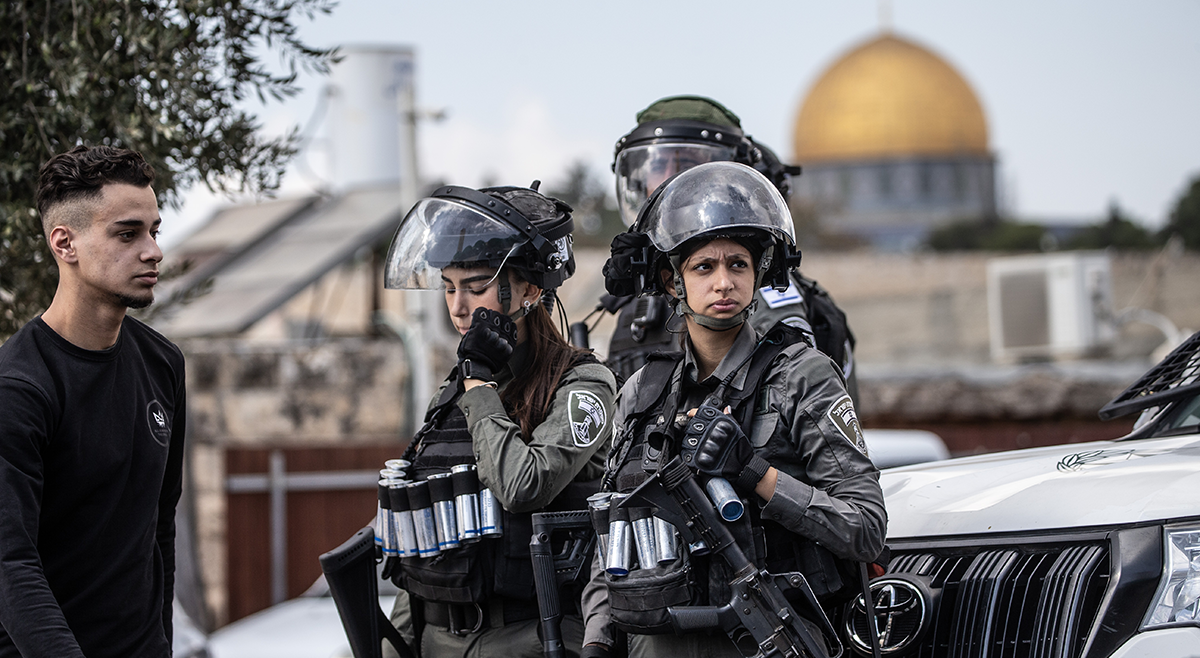
Amid the Gaza war, Palestinian citizens of Israel feel like the target of a witch hunt
In the aftermath of the horrific Hamas terror attack on Oct. 7, and amid the ongoing war in Gaza, the scope and intensity of the current crackdown by the Israeli government and law enforcement on Palestinian citizens of Israel and the suppression of pro-Palestinian speech are unprecedented.
Why Russia has been openly critical of Israel's war on Gaza
There are many signs of a deterioration of relations between Russia and Israel since the start of the war in Gaza, and they have stoked concern about potential flashpoints between the two countries, not least in Syria, where both have a military presence.
Representatives from both sides have been openly bickering at various diplomatic meetings in clashes that have become almost commonplace.
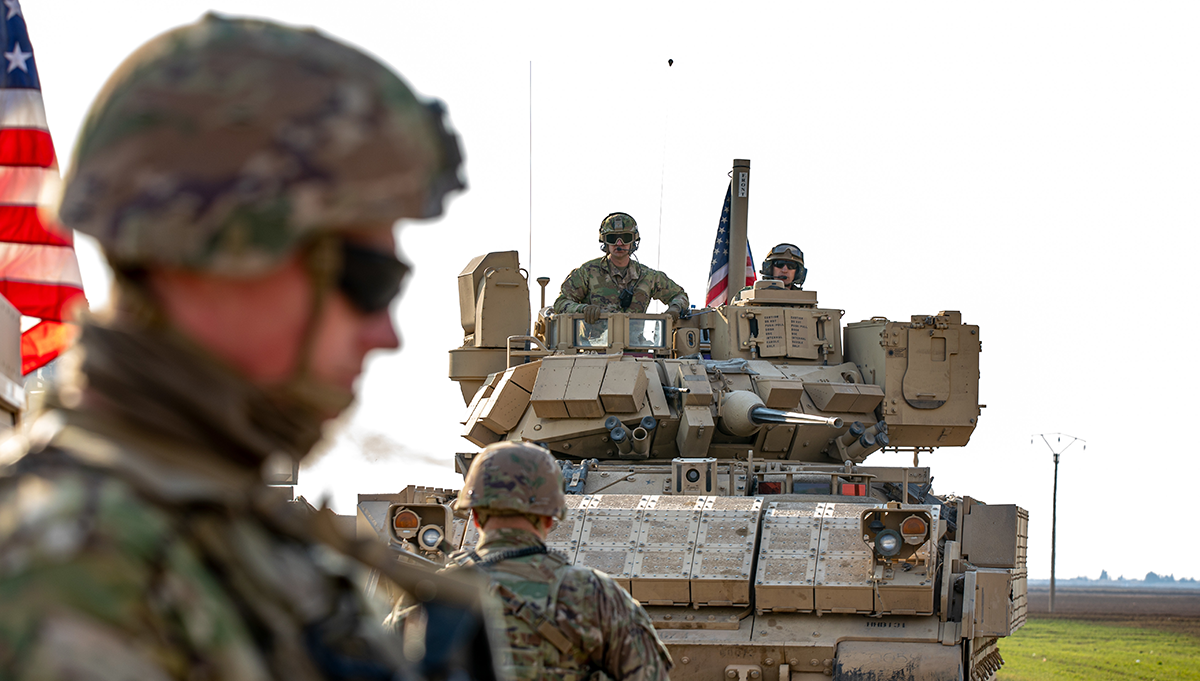
Iranian-backed militia attacks on coalition forces threaten to ignite eastern Syria
Over the last three weeks, there has been a notable escalation in attacks targeting international coalition bases in northeastern Syria orchestrated by Iranian-backed militias operating in Iraq and Syria. Concurrently, there have been reports indicating the establishment of operational centers aimed at coordinating these strikes. These developments appear to be part of an effort to exploit the widespread popular discontent with the United States and Israel, with the strategic aim of expanding and consolidating Iranian influence in Syria.
Assessing the resilience of Israel’s regional ties, one month into the Israel-Hamas war
The deadly and unprecedented Hamas terrorist attack on Israel on Oct. 7 came as a surprise not only to Israel but also to its neighbors. A strong Israeli retaliation came next, causing much damage to Palestinians in Gaza and putting Israel’s relations in the broader Middle East to the test. Nearly a month into the fighting, it is possible to initially assess the resilience of Israel’s regional ties in light of the Israel-Hamas war.
Iran and Hamas beyond the borders of the Middle East
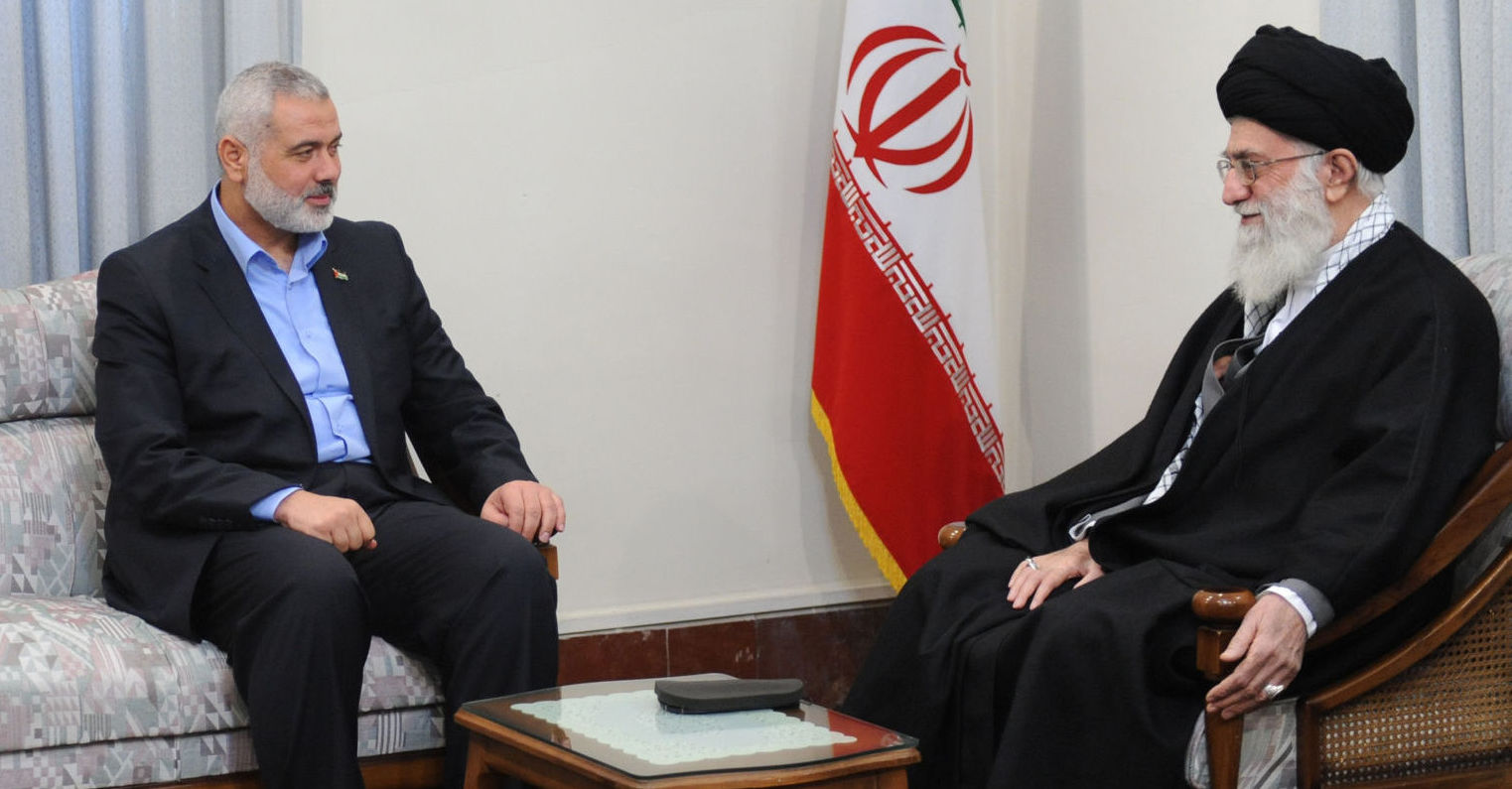
As the fighting in Gaza continues to rage, Iran’s influence with Hamas, hitherto limited, could expand further, extending beyond the Middle East. Tehran is looking to contain Israel not just in the region but in Africa and Latin America as well. Although there are ideological differences between these two members of the so-called “Axis of Resistance,” the Israel-Hamas war may bring them closer together and strengthen their partnership.