Sahar Khamis, Sabina Henneberg, Karam Shaar, and Ibrahim Jalal join host Alistair Taylor to examine the legacy and impact of the Arab Spring in Tunisia, Egypt, Yemen, and Syria ten years after the uprisings began.
Planning for the day 10 years after the fall of Gadhafi
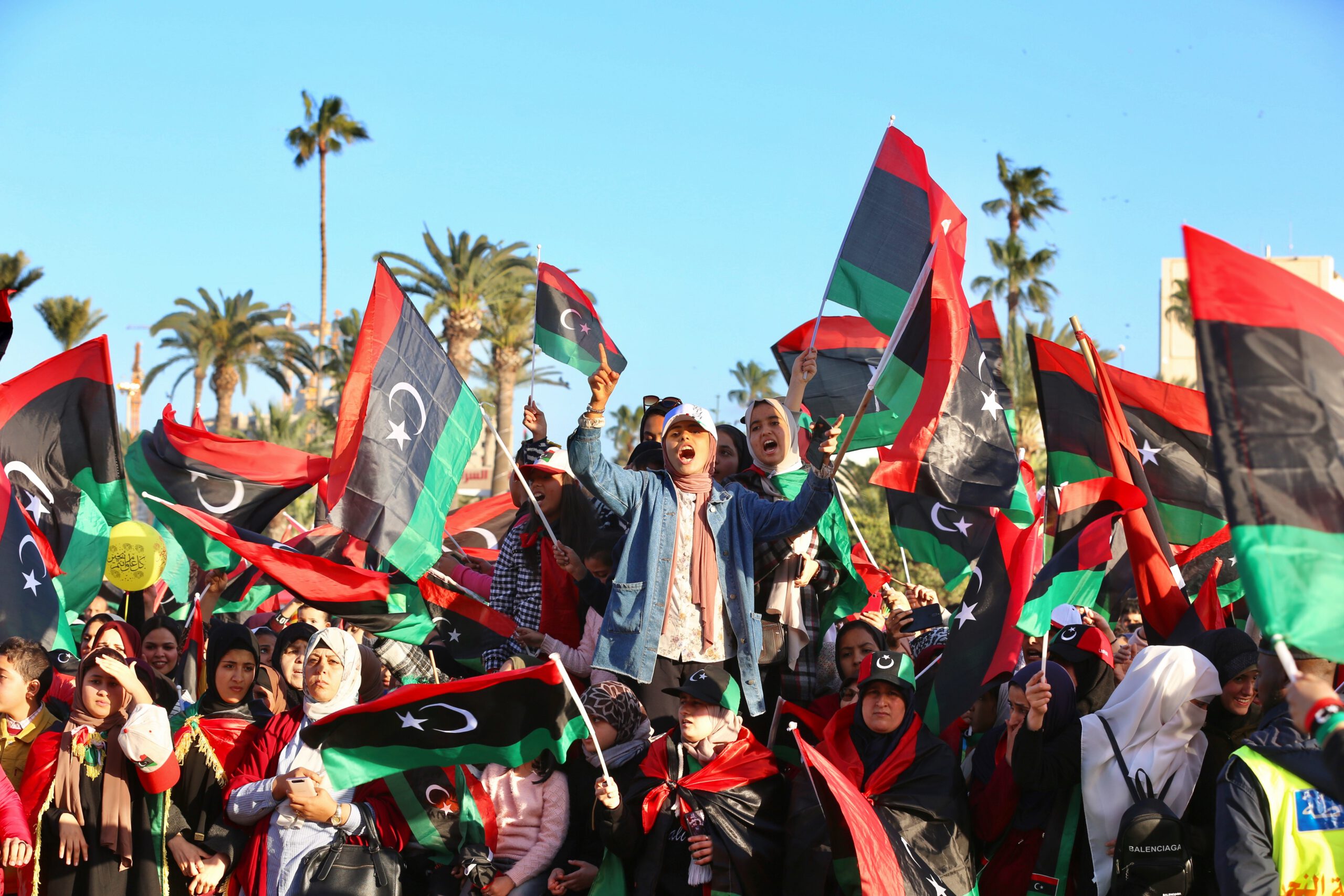
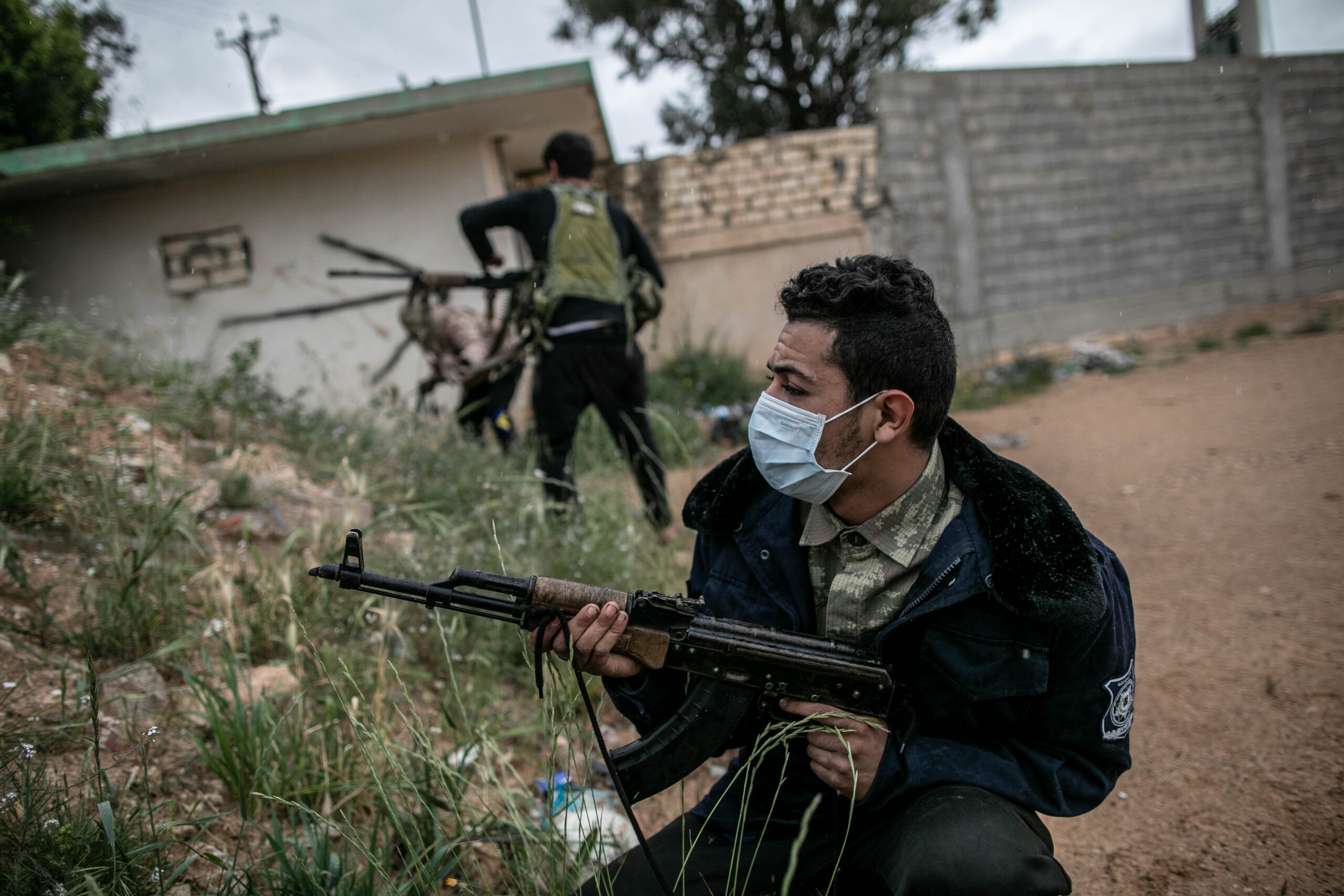
Five years ago, President Barack Obama characterized the failure “to plan for the day after” the U.S. intervention in Libya as his worst foreign policy mistake. Certainly, the aftermath of the decision to provide support for the Feb. 17, 2011 uprising, which ended 42 years of Moammar Gadhafi’s erratic and dictatorial rule, hasn’t been happy. Libya’s past decade has featured recurrent civil war, state collapse, terrorism, militias, and warlords, together with competing foreign interventions despite the continuing U.N. arms embargo.
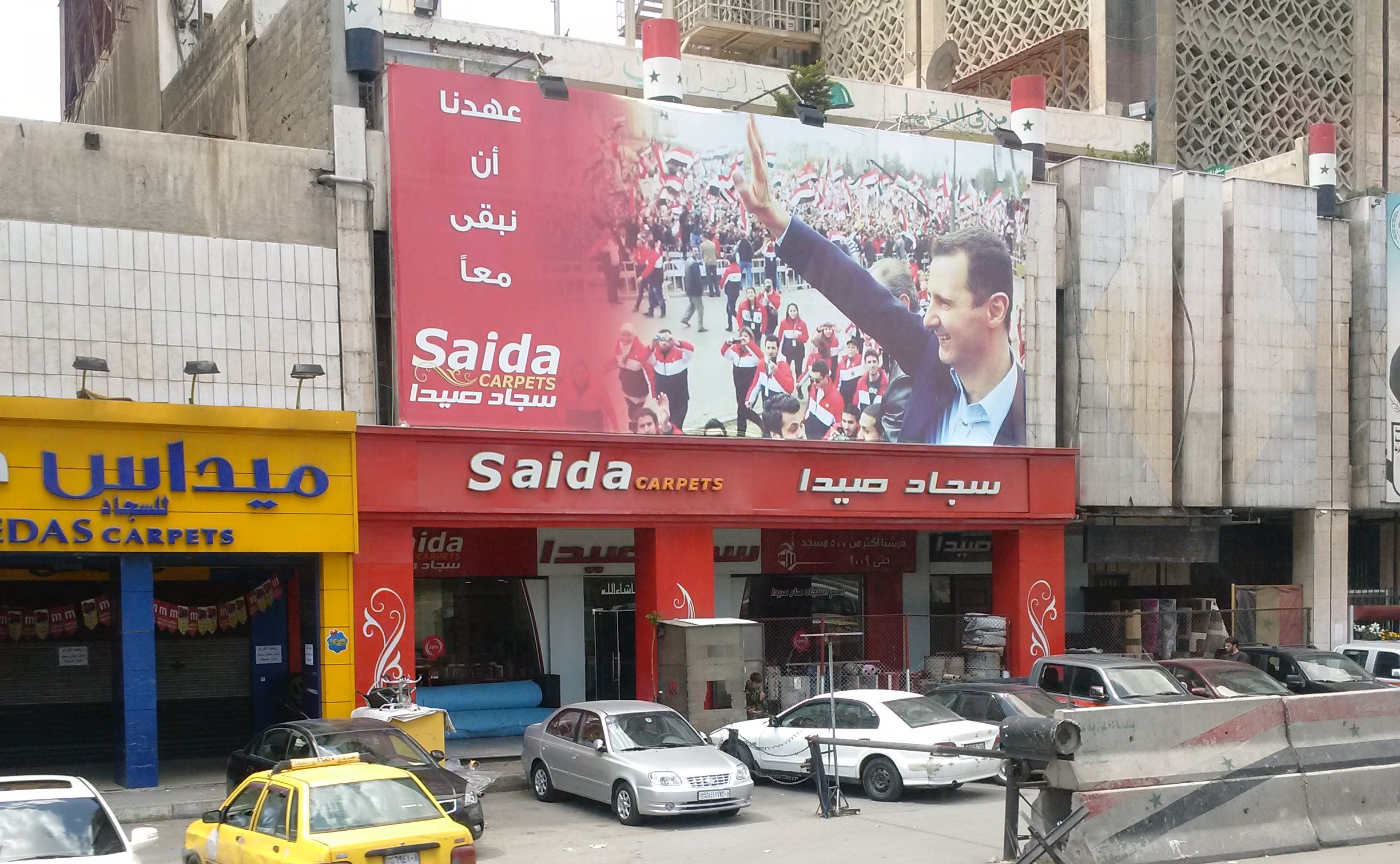
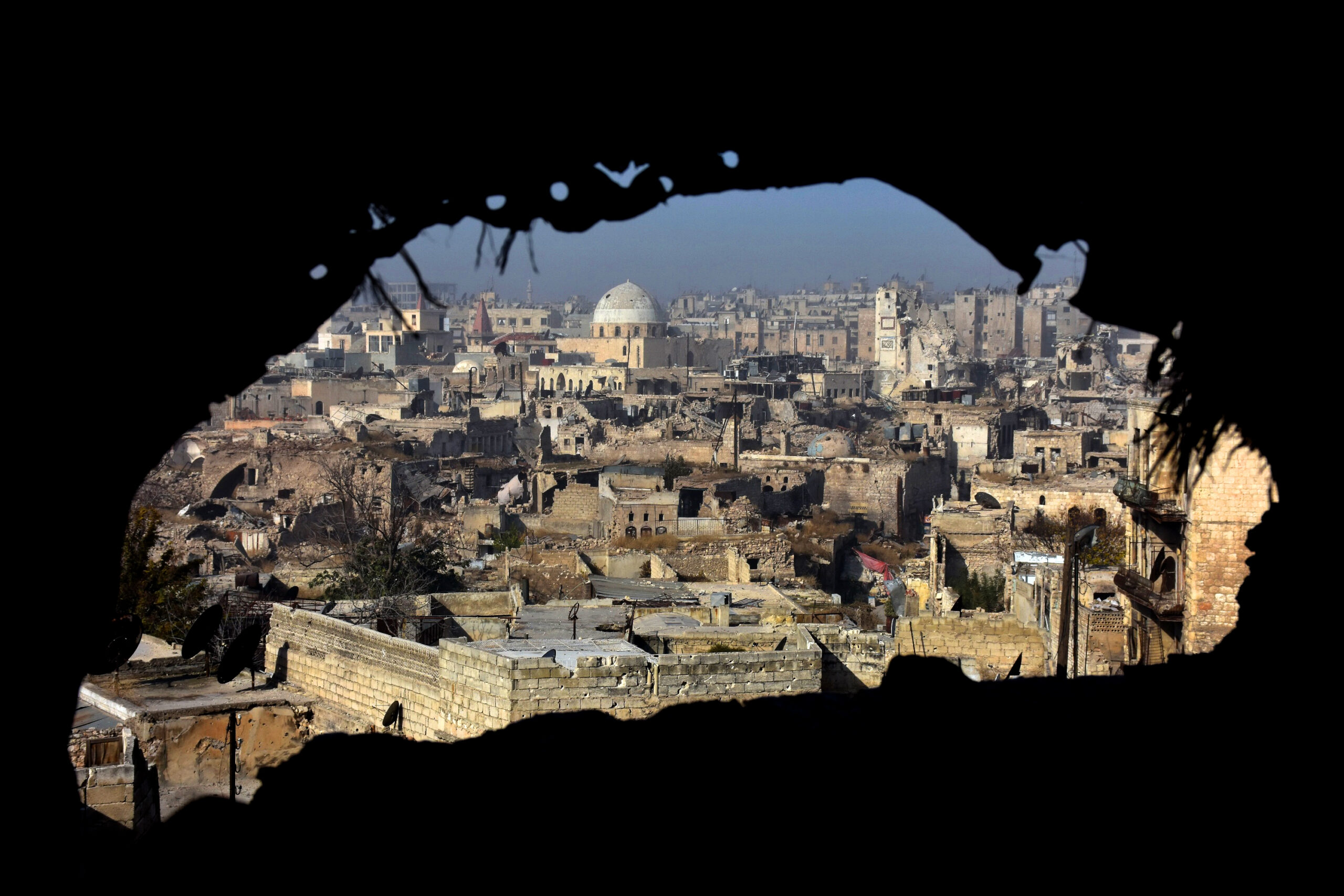
Can Syrian social cohesion survive “without Assad”?
“I have prepared the country for you for 20 years,” said Hafez al-Assad before his death in 2000, to his son Bashar. What did Hafez mean and what are the implications for the future of Syria, now that presidential elections loom once more?
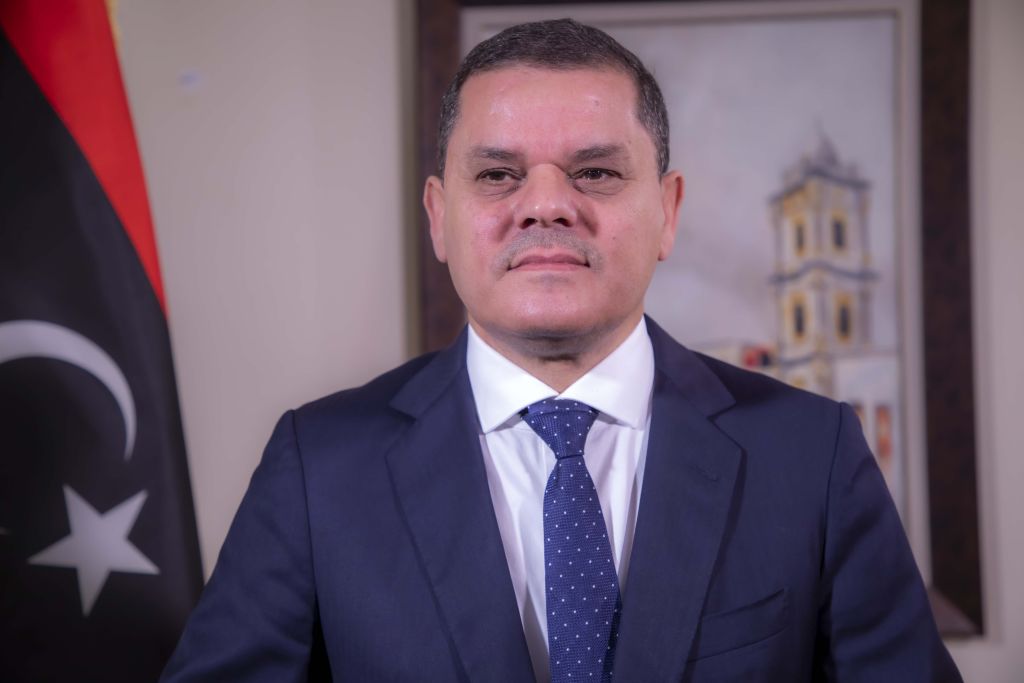
رئيس جديد للحكومة الليبية، ولكن تاريخ عائلته زاخر بالغموض والتعقيدات كمثل حال البلد نفسه
“يَدعي عبد الحميد الدبيبة أنه شعبوي وصل لمنصب سياسي لأنه أتى من خارج الأوساط السياسية، وأن مؤهلاته هي وعوده القائمة على ما أسماه تجفيف مستنقع الفساد. ولكن الحقيقة أن هذه مجرد شعارات.
More destabilization and human suffering is certain unless the Biden administration is ready to respond to Russian efforts that would impede aid flows and reinforce Syrian President Bashar al-Assad.
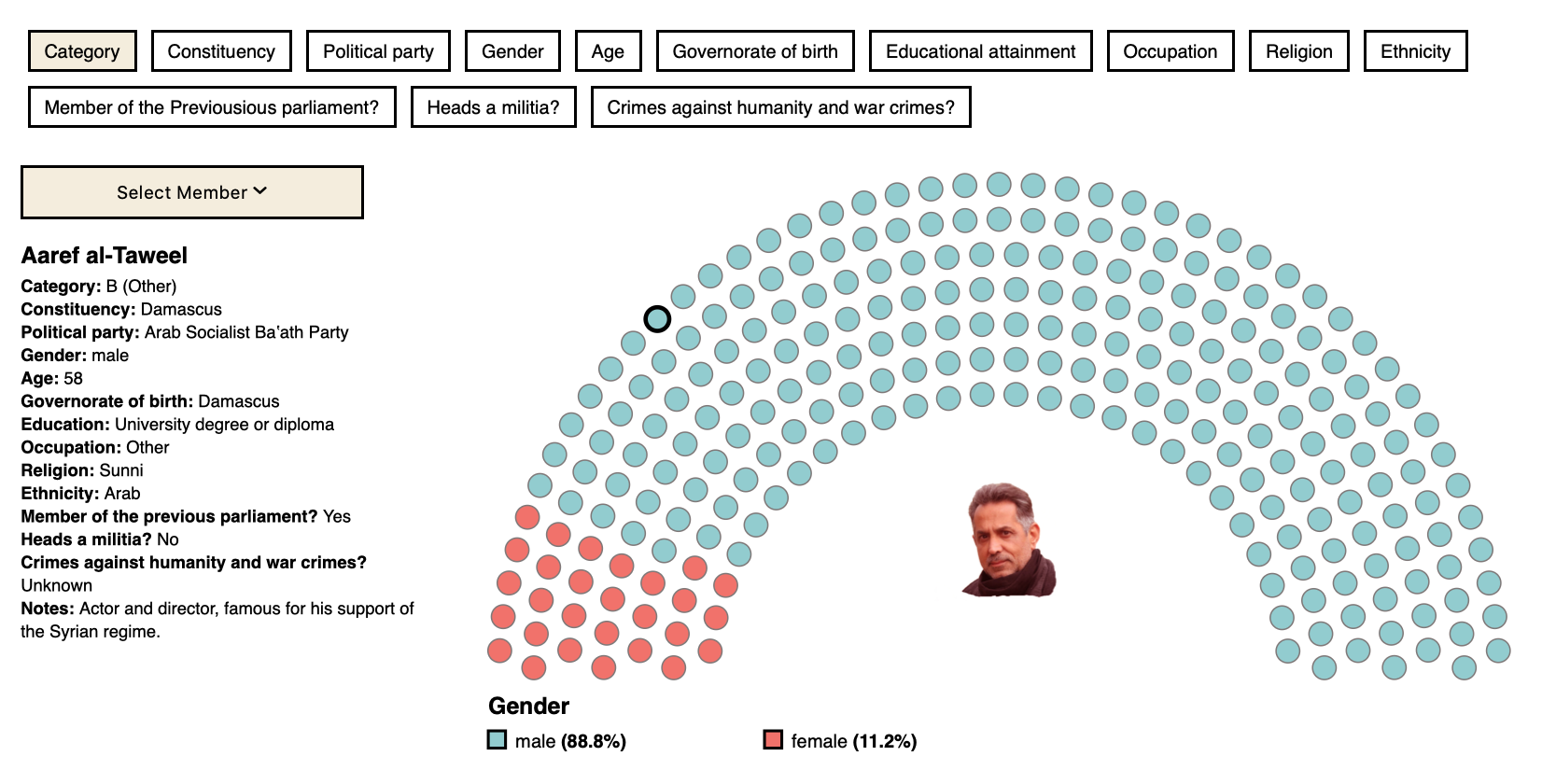
Inside Syria's Clapping Chamber: Dynamics of the 2020 Parliamentary Elections
This report discusses the results of the 2020 Syrian parliamentary elections to illuminate shifts in the al-Assad regime’s strategy to restore and maintain control over the country. Using evidence gathered from a range of sources, it sheds light on recent changes in the ethnic, religious, political, commercial, and military networks through which Syria’s dictatorship is sustained, and the future directions these shifts imply.
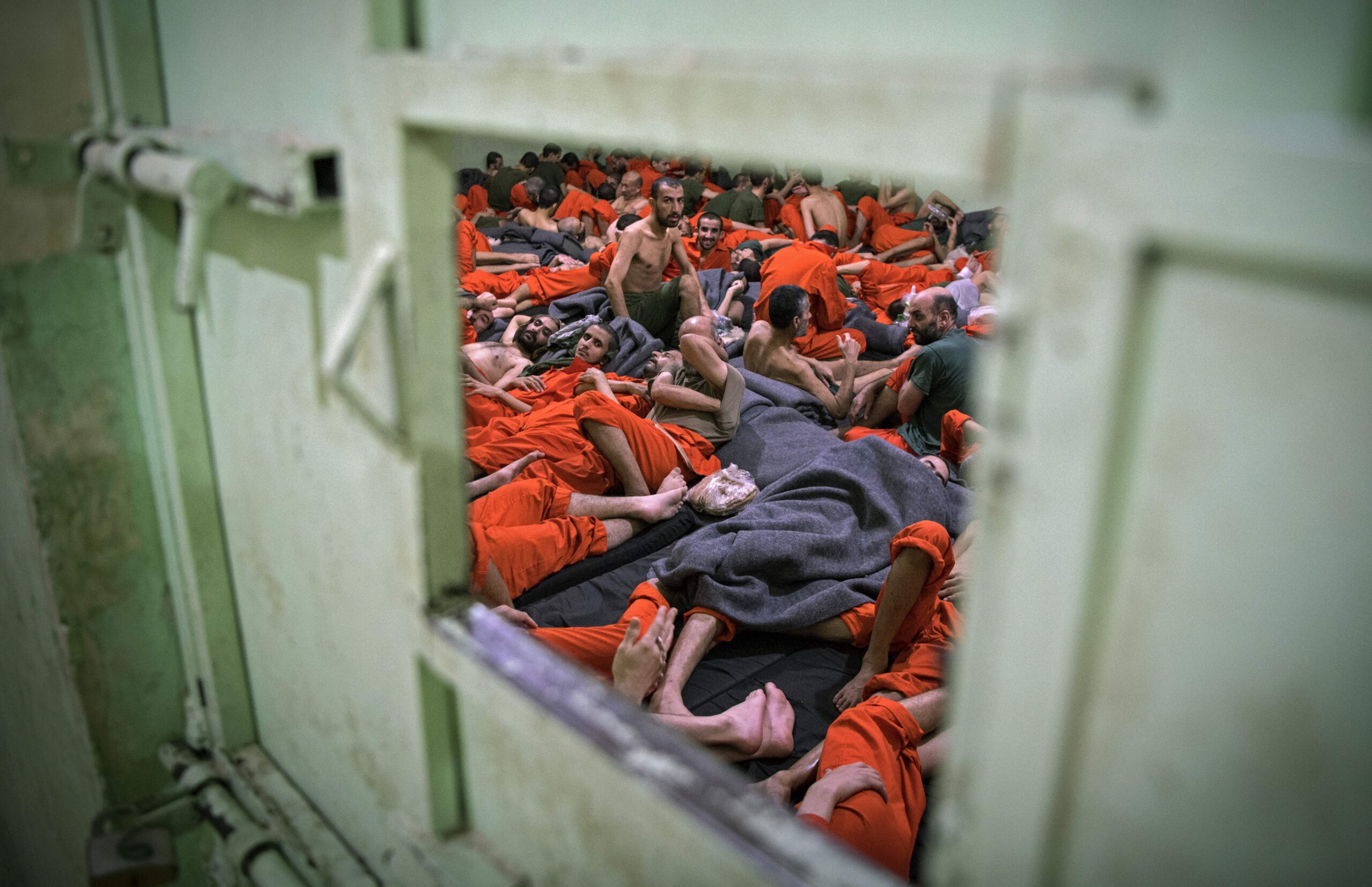
The Challenge of Foreign Fighters: Repatriating and Prosecuting ISIS Detainees
From the U.S. and the U.K. to Iraq and Syria, the way countries are handling the repatriation and prosecution of accused ISIS members echoes the policies that drove their citizens to seek a utopian Islamic State in the first place. Not only are the policies that pushed people to start joining the group in 2013 continuing, but in many cases they have increased in both scale and scope. While the current repatriation and prosecution policies are arguably counterproductive, they may also be fueling future terrorist activity and support for radical anti-government groups. To reduce the chances of such negative consequences, foreign governments must switch gears and adopt an entirely different approach before it is too late.
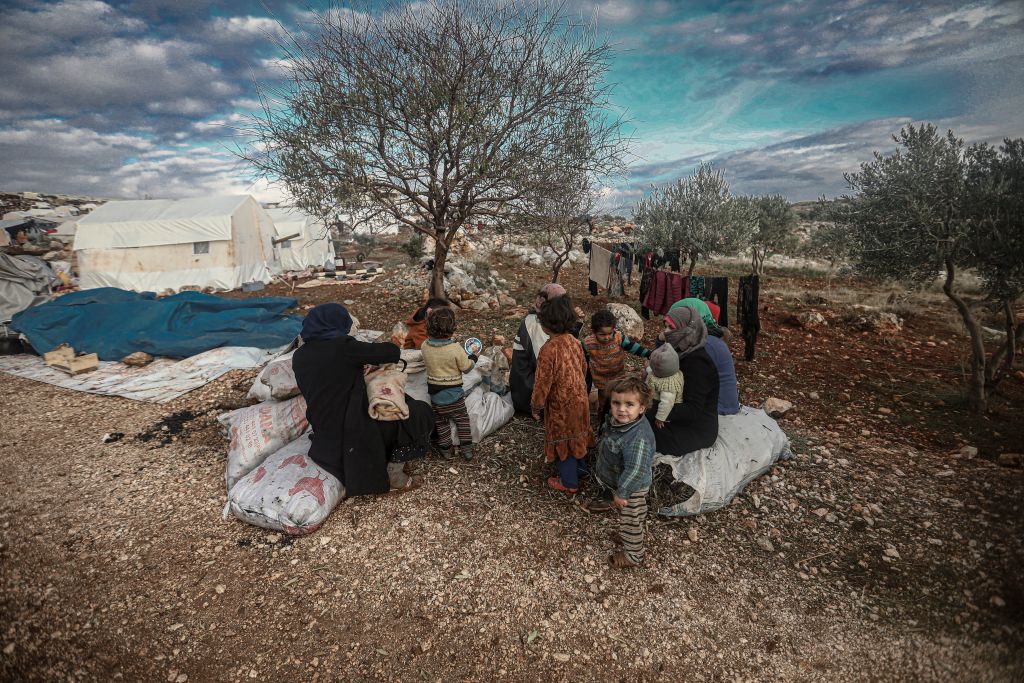
سوريا تواجه أزمة تلوح في الأفق بشأن وصول المُساعدات الإنسانية
خلال جلسة مجلس الأمن الدولي، التابع للأُمم المُتحدة، والتي انعقدت في 20 يناير 2021، وصف المبعوث الأممي لسوريا، غيير بيدرسِن، ما يحدث في سوريا من انهيار اقتصادي، ومُعاناة إنسانية، وركود للعملية السياسية، على أنه “تسونامي بطيء يجتاح الآن جميع أنحاء سوريا”؛ ما جذب اهتماما أصبح نادرا بشأن الوضع في سوريا.
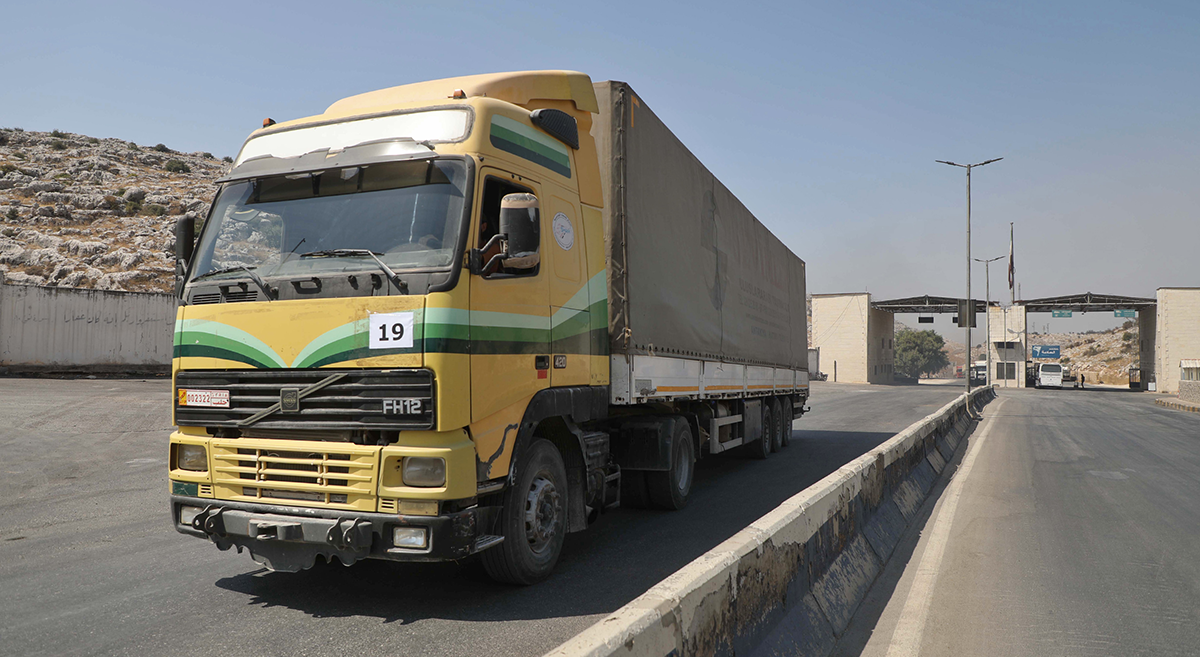
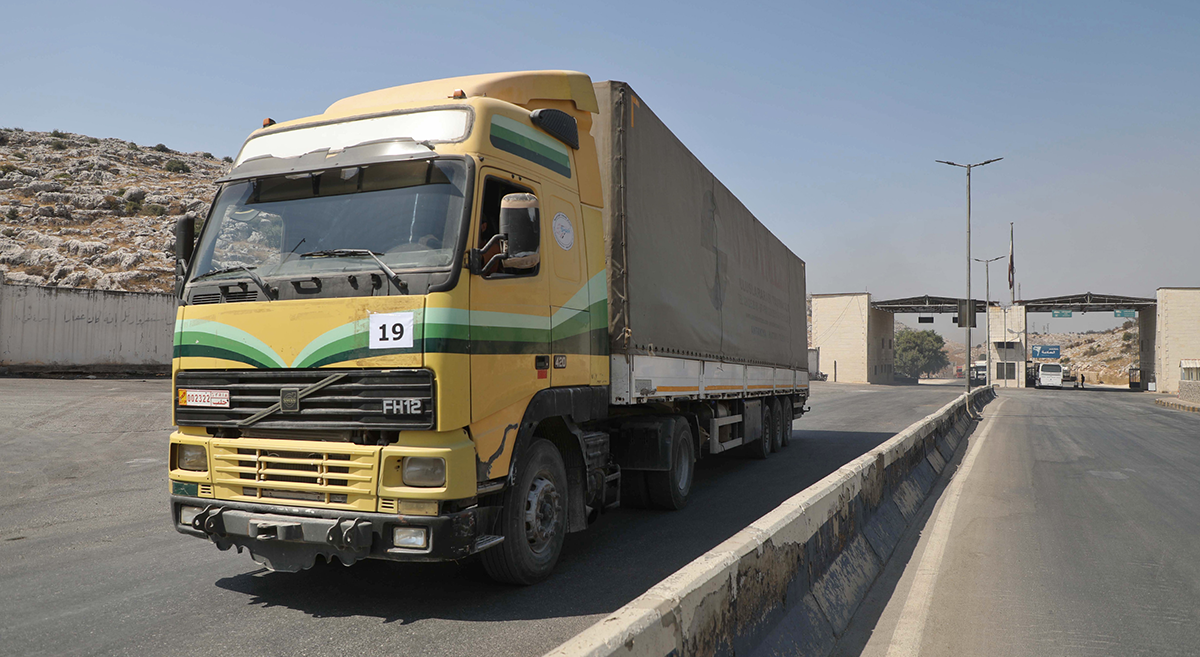
Syria faces a looming crisis over humanitarian aid access
Should nothing change, the loss of cross-border aid access and the absence of cross-line mechanisms to northern Syria could potentially leave over 4.5 million civilians without assistance — a humanitarian catastrophe of unprecedented proportions.
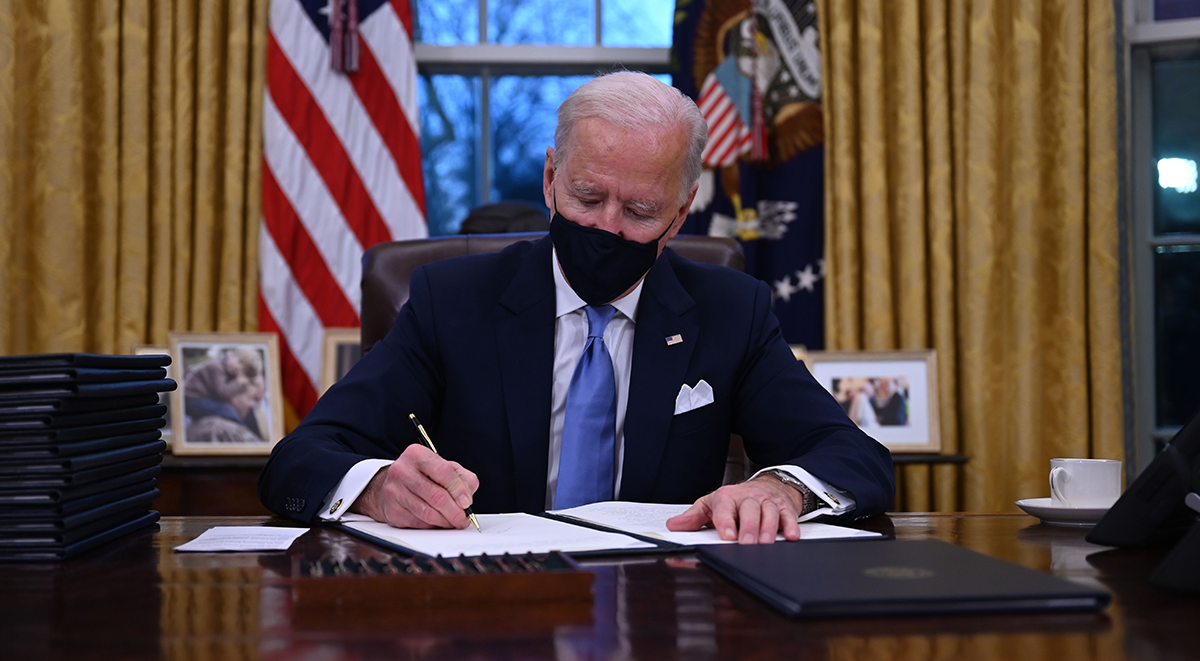
The Biden administration and the Middle East: Regional perspectives on the first 200 days
As the Biden administration takes office, it faces a host of challenges, both at home and abroad. Where does the Middle East fit into all of this and what should the new administration prioritize in its first 200 days? In the second part of a two-part series, we asked experts and scholars from across the region to weigh in with their thoughts.
The Middle East is in turmoil, with civil wars raging in Syria, Iraq, Yemen, and Libya. COVID-19 is now an additional factor on top of the violence and monumental international support tasks, all of which require a sustained commitment. The effects of the deadly COVID-19 pandemic highlight the need for more robust international stabilization efforts to achieve long-term peace and self-sufficiency in the Middle East.