Despite the Houthis’ geographical distance from Israel and perceived limited capabilities, the threat they represent is all too real and if underestimated, they have the potential to derail diplomatic efforts and destabilize the region, with potentially catastrophic consequences.
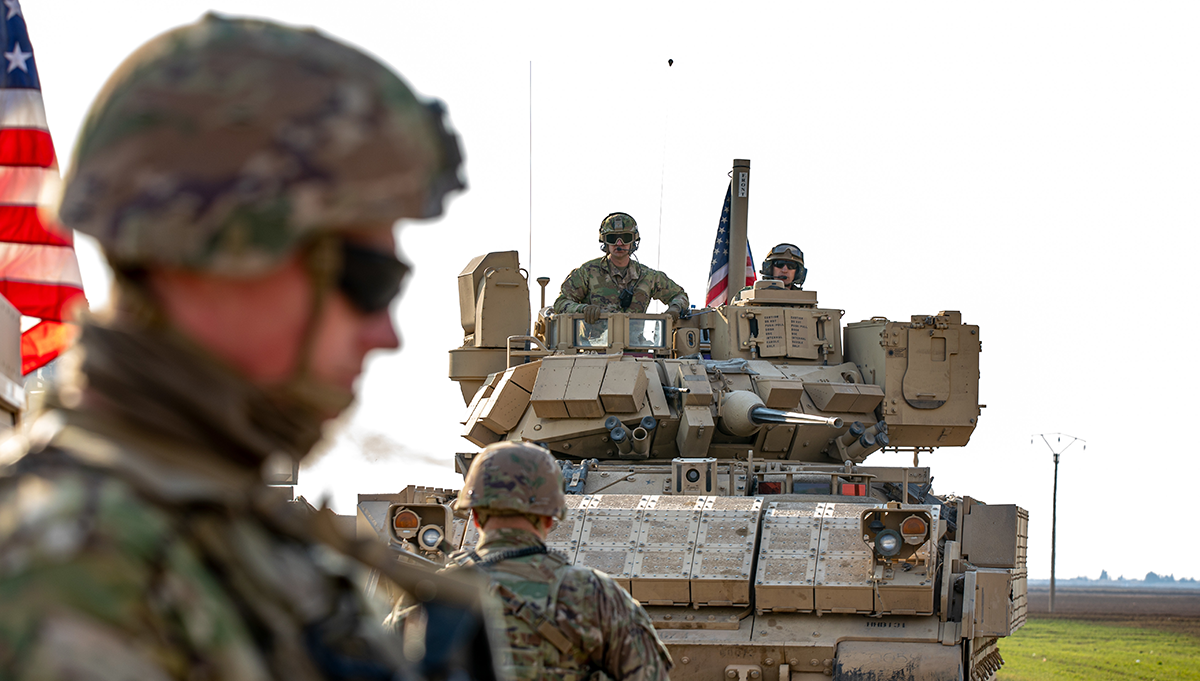
Iranian-backed militia attacks on coalition forces threaten to ignite eastern Syria
Over the last three weeks, there has been a notable escalation in attacks targeting international coalition bases in northeastern Syria orchestrated by Iranian-backed militias operating in Iraq and Syria. Concurrently, there have been reports indicating the establishment of operational centers aimed at coordinating these strikes. These developments appear to be part of an effort to exploit the widespread popular discontent with the United States and Israel, with the strategic aim of expanding and consolidating Iranian influence in Syria.
Former U.S. general: The lessons of Iraq apply to Gaza
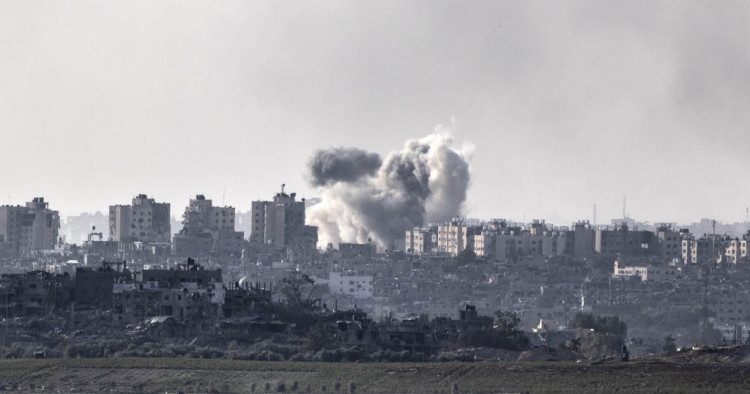
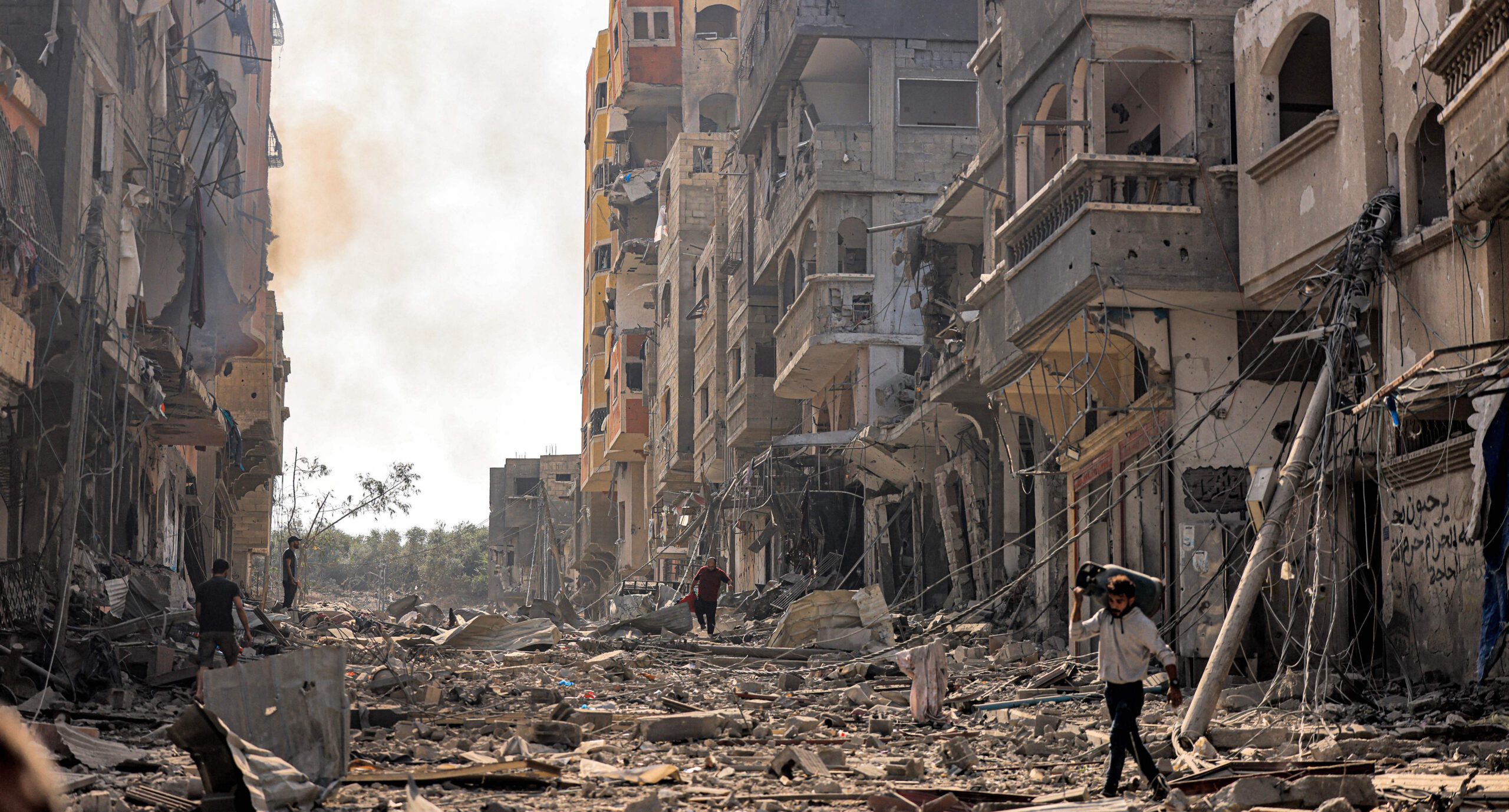
As we watch the war in Gaza develop, we must not lose sight of the stark challenges the Israeli military is facing. Modern urban combat is always bloody and grueling, and the devastation it wreaks is gut-wrenching to watch. But in Hamas, Israel is facing a particularly formidable foe.
Five scenarios for Gaza and how the international community can shape its future
In the midst of the current war, there is still no concrete plan for what the future of Gaza could look like. Yet preparations for a viable and lasting post-war order should start before it could be too late.
China’s growing maritime presence in Egypt's ports and the Suez Canal
In recent years, China’s presence in Egypt’s strategic ports has grown noticeably, including the involvement of both private and state-owned Chinese companies. While this reflects Beijing’s growing ambitions in the region, the opacity of the Sino-Egyptian agreements and the blurry lines between China’s commercial ports and its military aspirations raise questions about the potential implications.
Israel’s ‘second stage’ ground operation is proof its priorities have changed
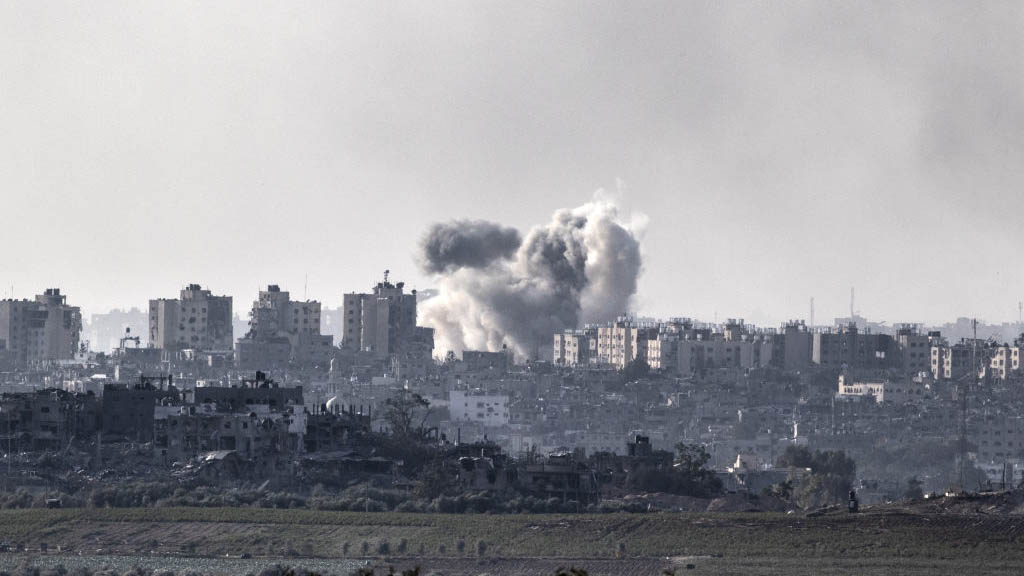
The Israeli prime minister, Benjamin Netanyahu, declared over the weekend that Israel had embarked on the “second stage” of its war against Hamas in Gaza. What did he mean – and is the Israeli government any closer to its objective of “wiping out” Hamas?
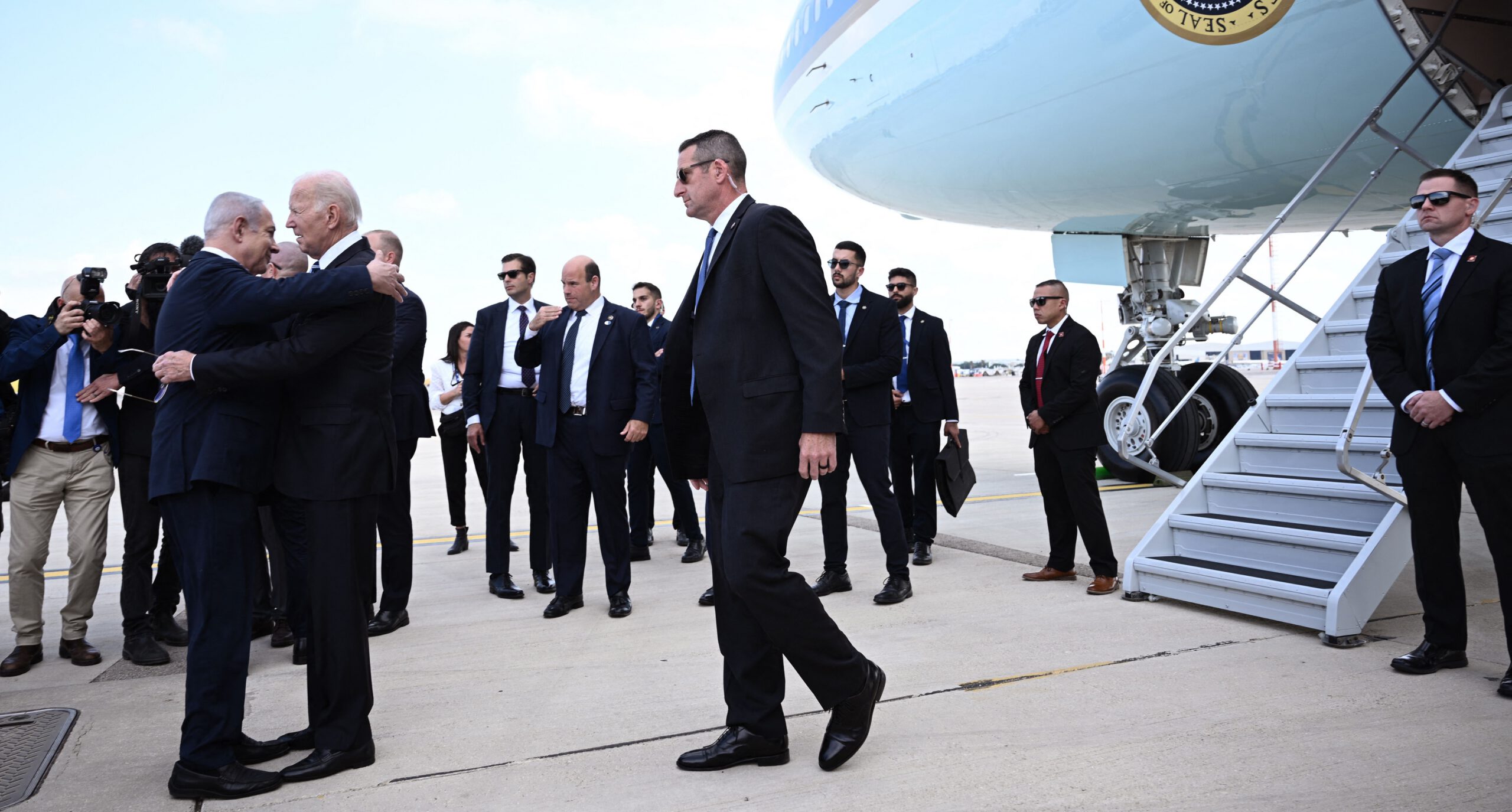
The intensity of the Oct. 7 terrorist attacks by Gaza and the ensuing crisis have already had a significant and dramatic impact on relations between the United States and Israel. The resolute American backing reflects the purest expression of the strategic partnership that has existed between Israel and the U.S. for more than five decades.
Enhancing Morocco's energy supplies with ISO tank and small-scale LNG
With no new interregional or international gas pipelines currently planned, gas-poor Morocco should consider alternative import schemes, such as LNG import via ISO tank containers, utilizing its well-developed port, rail, and road infrastructure.
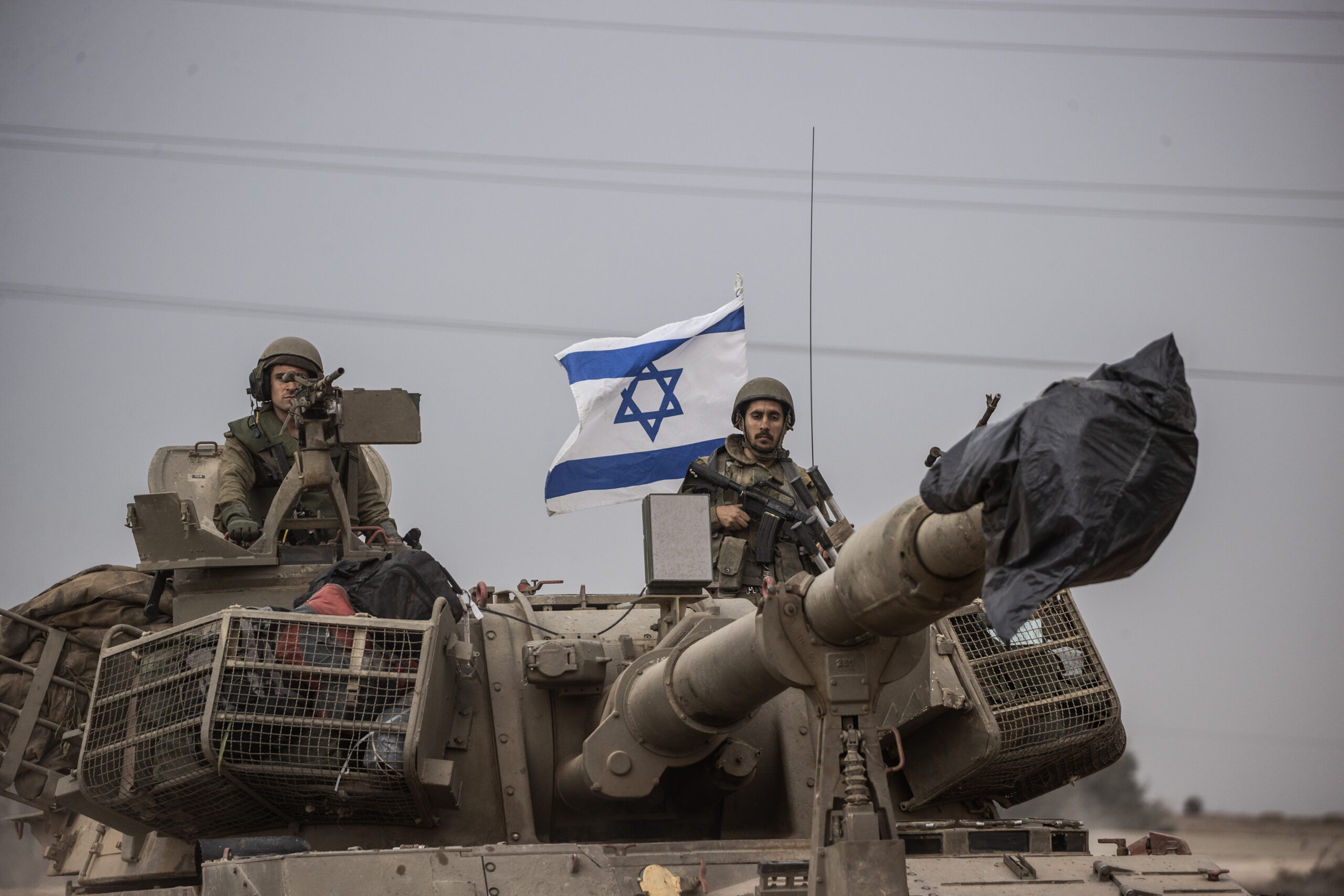
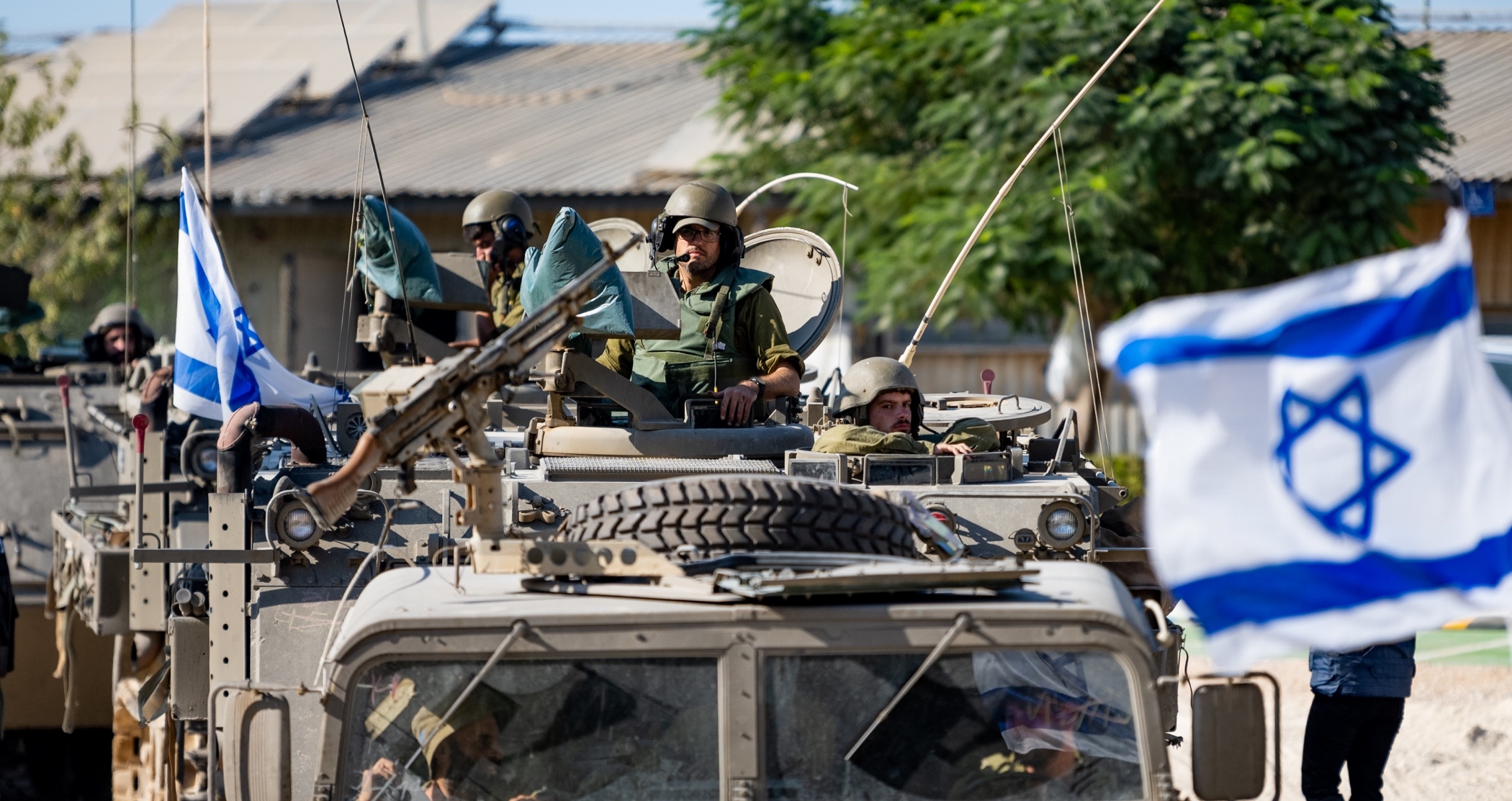
Israel can damage Hamas but a ground invasion of Gaza will be challenging
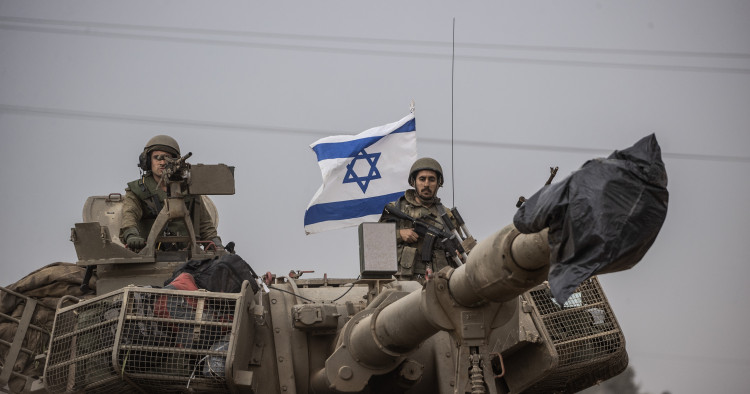
The Israeli government does its military no favours when it says that the goal of a ground invasion of Gaza is to “wipe out” or “destroy” Hamas. Such maximalist and eminently unrealistic objectives puts the Israel army in a bind: how to translate this political bluster into practical and achievable military objectives.
Israel’s failures and response to the Hamas attack: A preliminary assessment
The Israeli lack of preparedness for, and weak initial response to, the Hamas attack on Oct. 7 encompassed four key failures. But its consequences may bring far-reaching political changes and internal reforms.
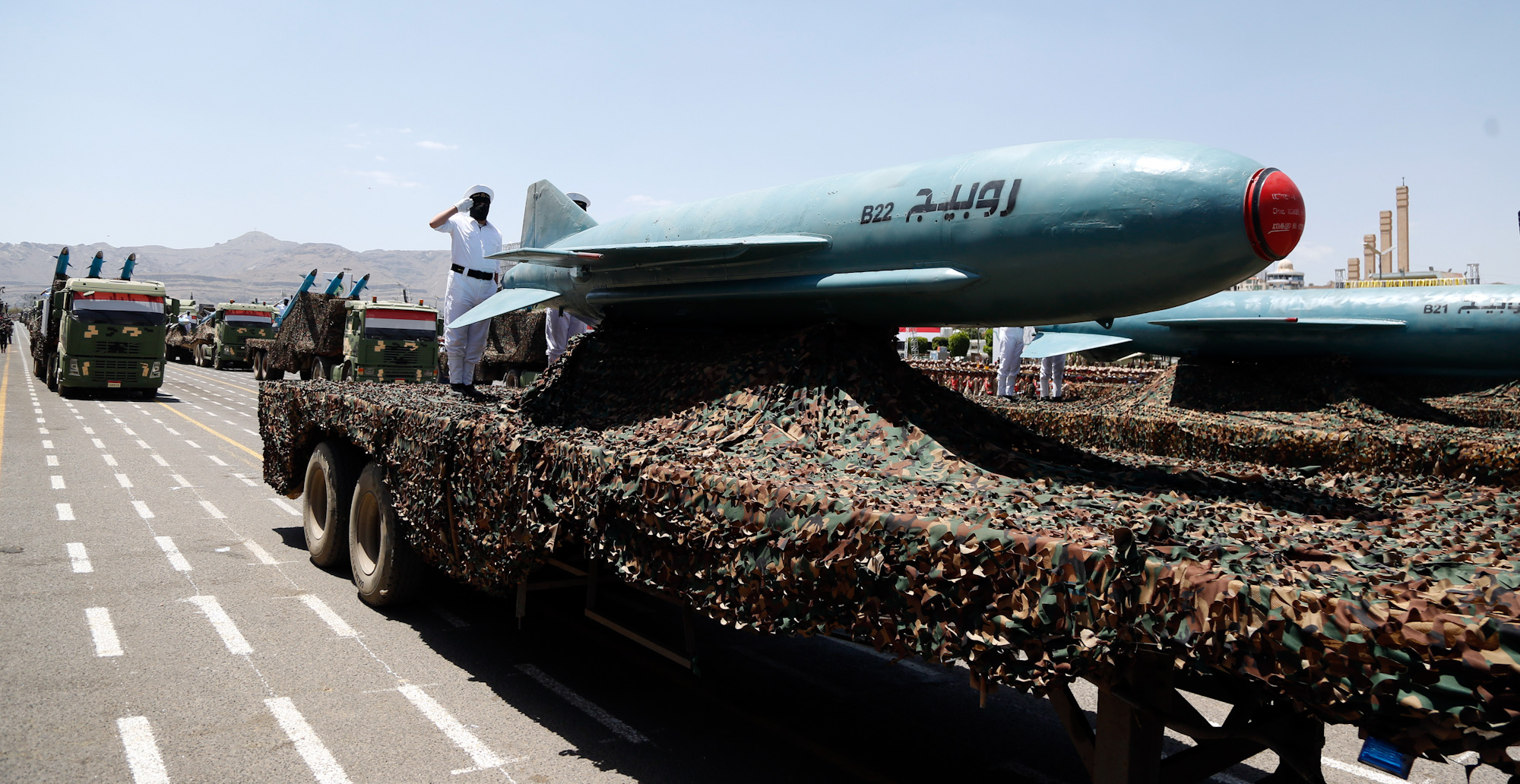
The Houthis’ Red Sea missile and drone attack: Drivers and implications
On Oct. 19, the Pentagon press secretary confirmed that the Iran-backed Houthi militia targeted the USS Carney, an Arleigh Burke-class guided-missile destroyer, in the Red Sea. The USS Carney reportedly intercepted three cruise missiles and several drones without sustaining any damage or casualties. Although the Houthis have yet to claim responsibility for the attack, the drones and missiles were likely fired from north-western, Houthi-held positions in Hodeida and Hajjah governorates on Yemen’s Red Sea coast and were headed “north,” most likely toward Israel.