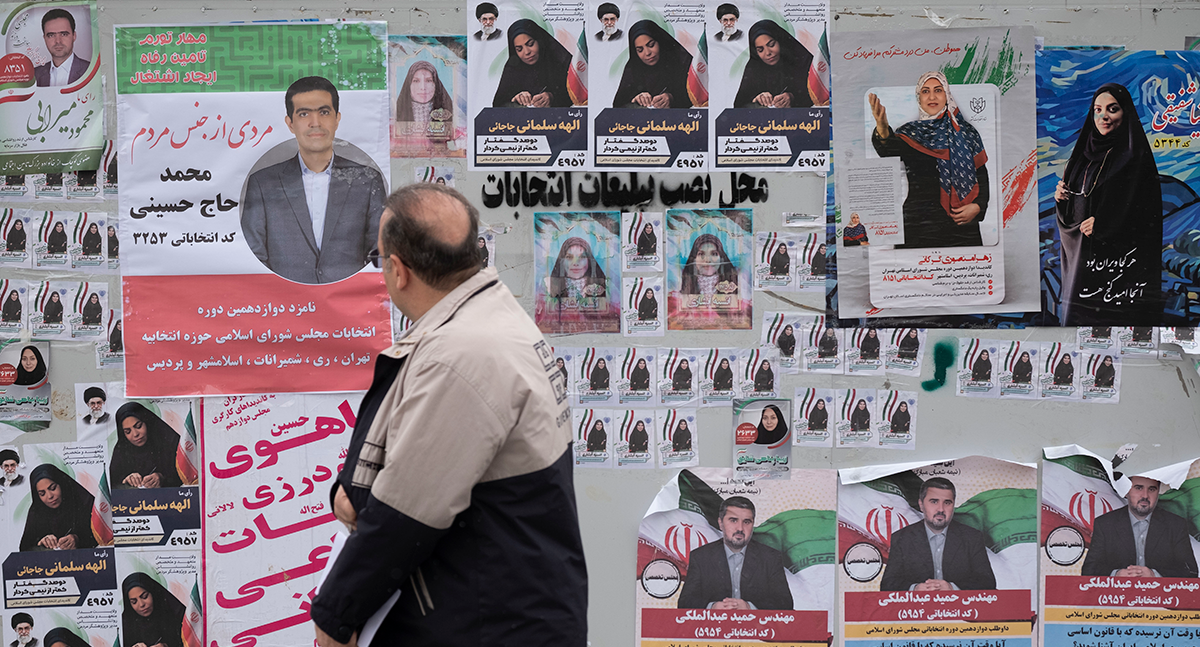
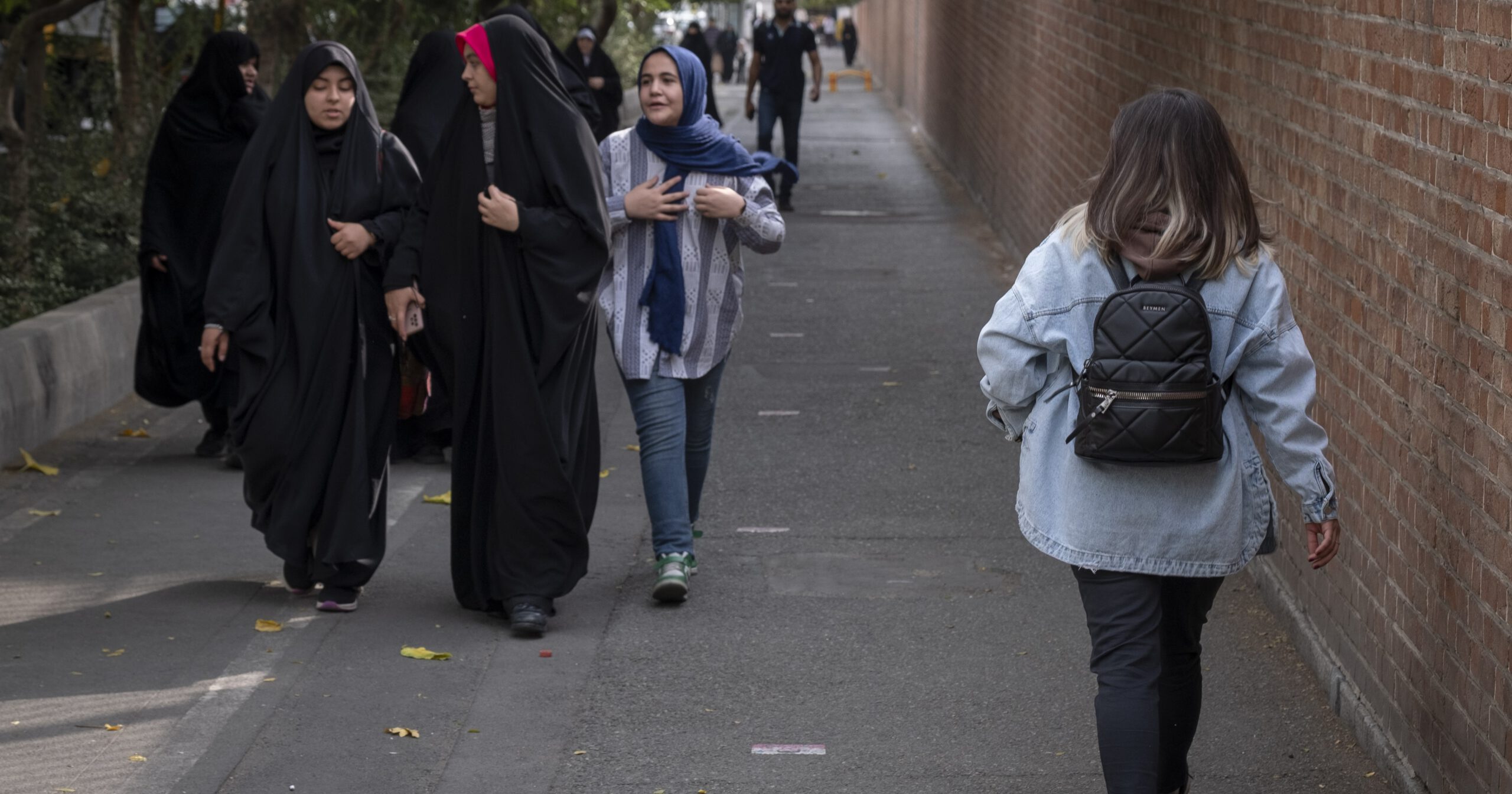
Polling suggests Iran’s 2024 parliamentary election will see record low turnout
Findings from the latest survey on Iran from Stasis Consulting: Turnout in the March 1 parliamentary election is expected to be a record low of 34%, the majority of Iranians disapprove of President Raisi’s job performance as well as that of the parliament (65% and 61%, respectively), and in a hypothetical face-off between President Raisi and former FM Zarif, Mr. Raisi wins out 30% to 16%.
Are Iran and Turkey on a collision course over West Azerbaijan?
Over the centuries, Iran and Turkey have engaged in an ebbing and flowing, but continual, rivalry for regional influence and supremacy. Yet such potentially escalatory dynamics have not been limited to geopolitical competition by proxy; they have also spilled over into efforts to meddle in each other’s internal affairs.
Elections in the Islamic Republic are highly restricted and engineered to produce the veneer of political representation. And yet, there is significant symbolism around heightened absurdities of holding elections in Iran that the vast opposition to the Islamist rule could have utilized if it had any gameplan.
“Exporting its internal problems”: Understanding Iran’s January missile salvos against its neighbors
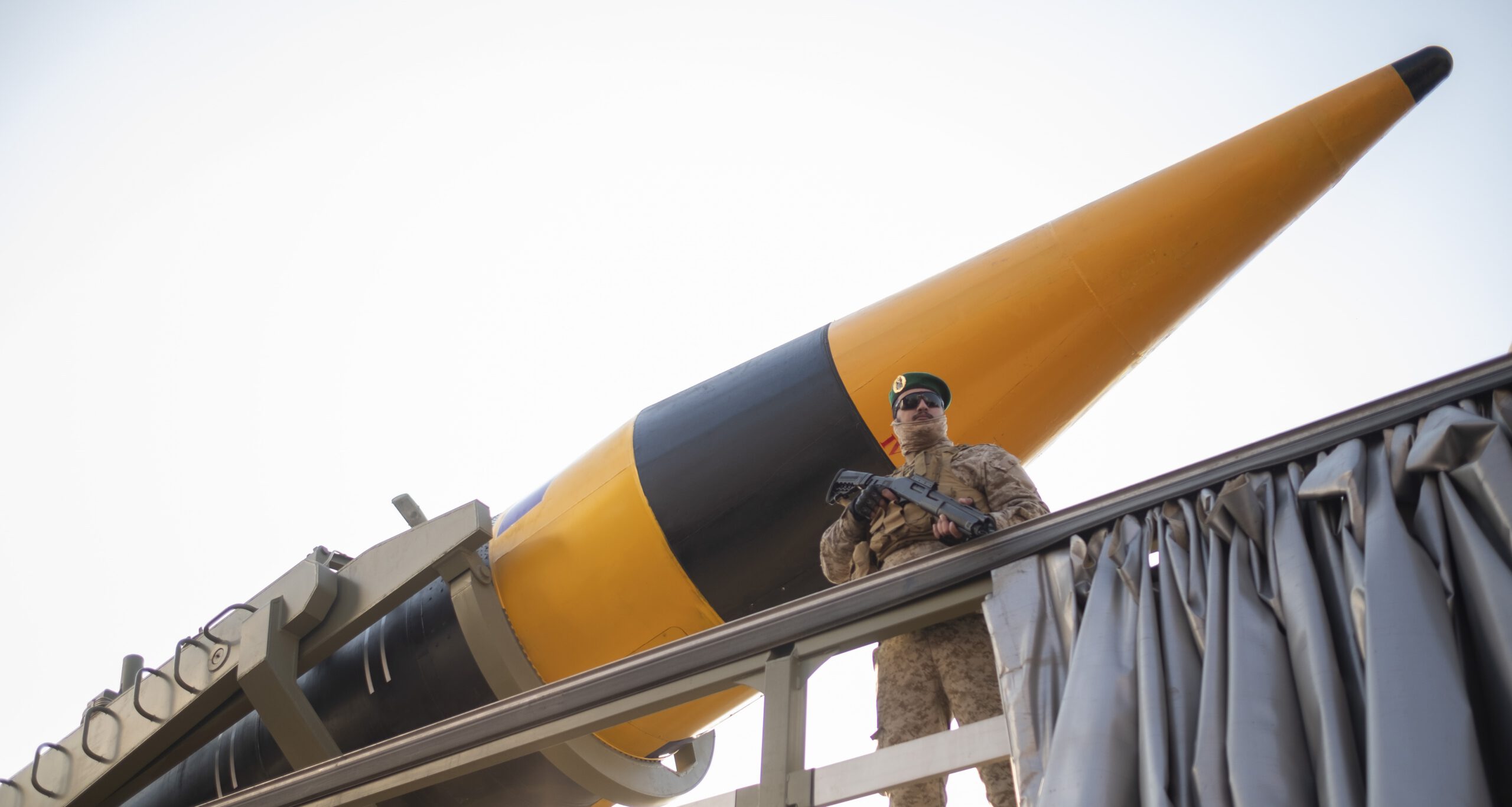
In mid-January, with the war in Gaza continuing to rage on, Iran launched a series of surprise missile attacks on its immediate neighbors Iraq, Syria, and Pakistan over two days. Taken together, these attacks illustrate that the Islamic Republic puts regime survival above national interest in its foreign policy calculations, which undermines its efforts to engender solidarity and good relations with other Muslim-majority states in the region.
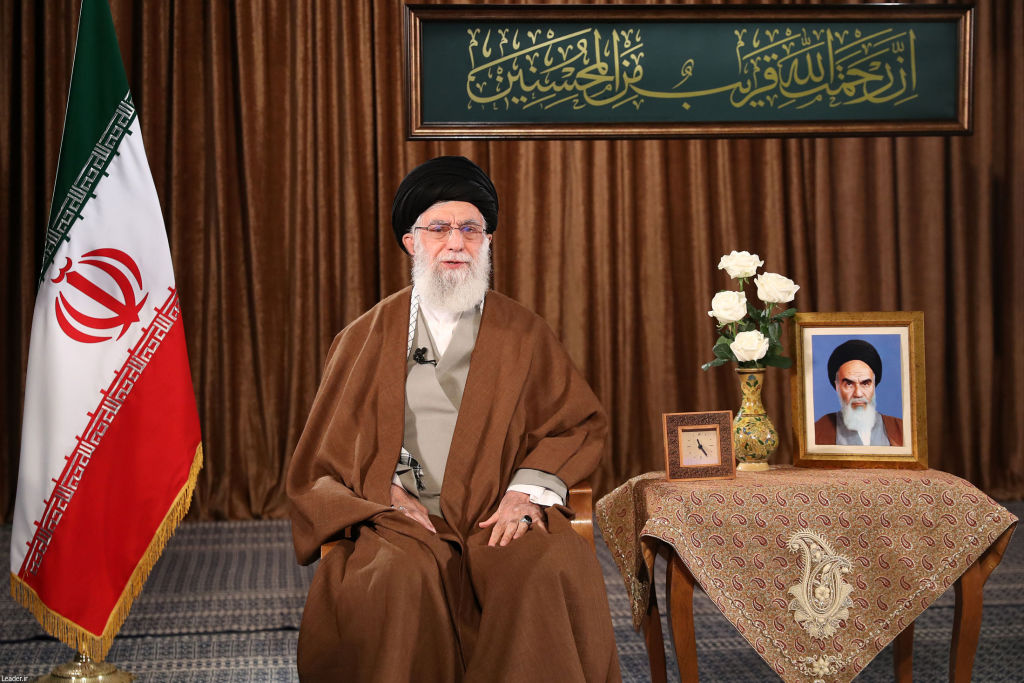
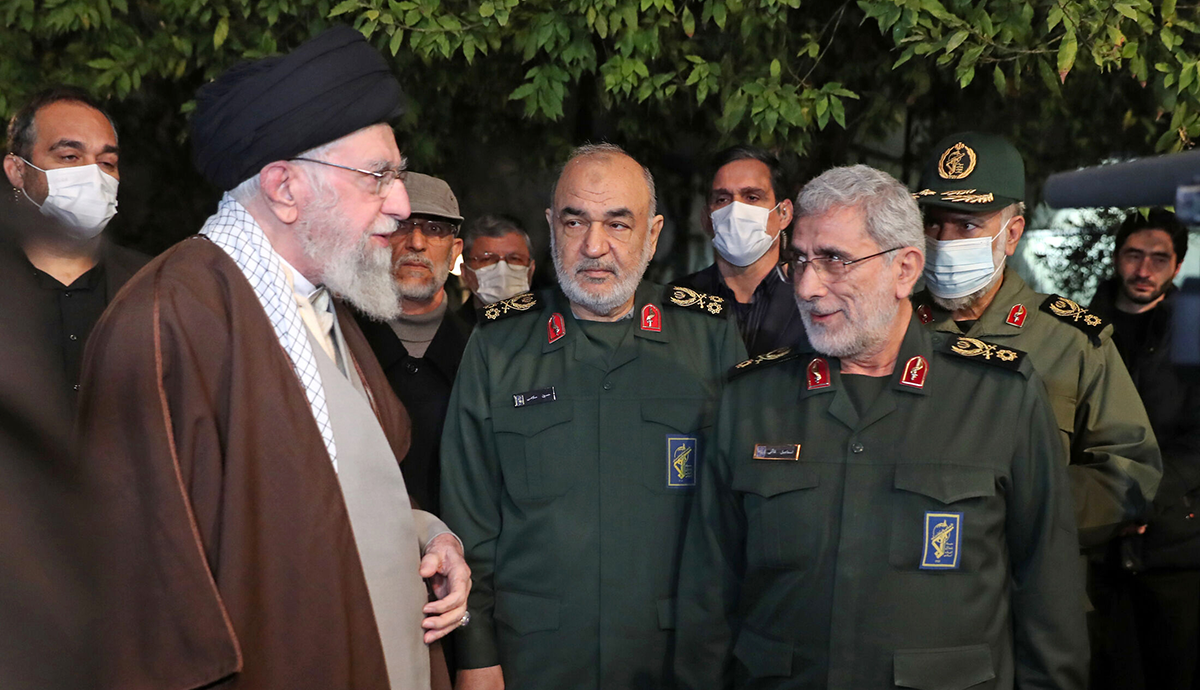
Moving to a post-Khamenei era: The role of the IRGC and the clergy
The IRGC and the clerical establishment are Ayatollah Ali Khamenei’s most significant instruments of power. This piece explores the relative influence of these two entities throughout the Khamenei era and beyond, with a particular focus on the potential changes that might occur to their position and standing after the conclusion of his leadership.
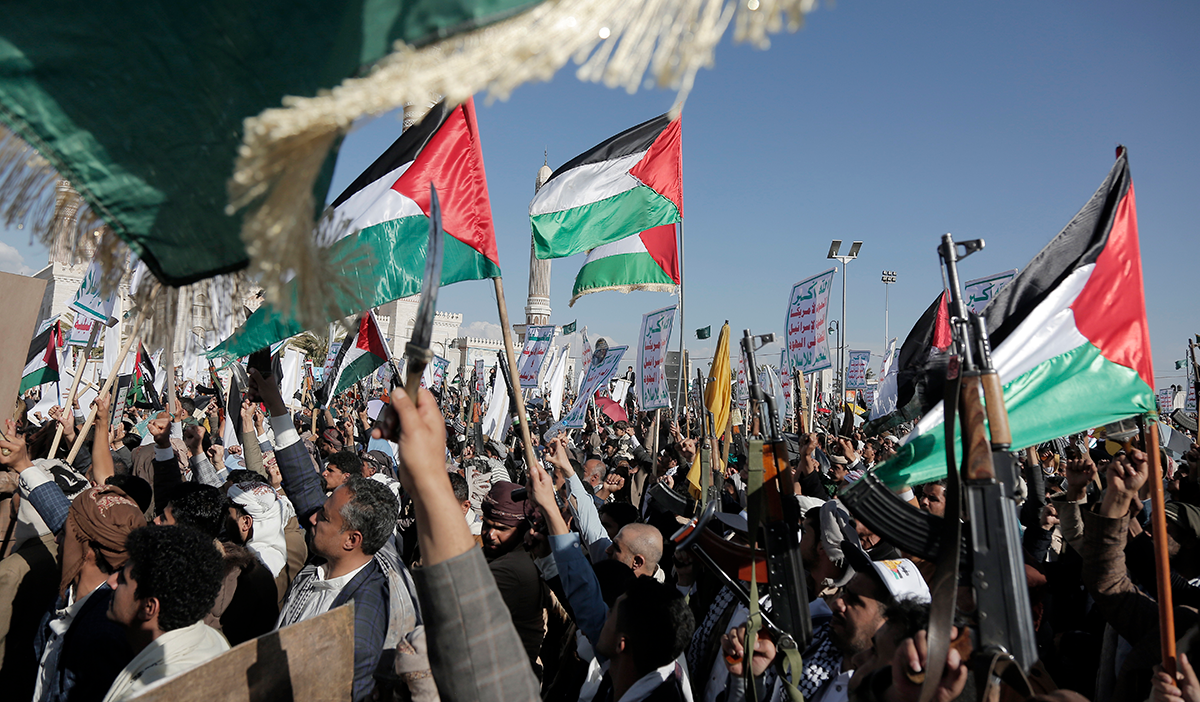
From Yemen to Palestine: The strategic depth of the Houthi-Iranian alliance
Houthi rhetoric focusing on Palestine underscores the militia’s strategic alliance with Tehran as part of the “Axis of Resistance.” This relationship, central to understanding the Houthi movement’s actions and narratives, frames its position within the larger geopolitical contest in the Middle East.
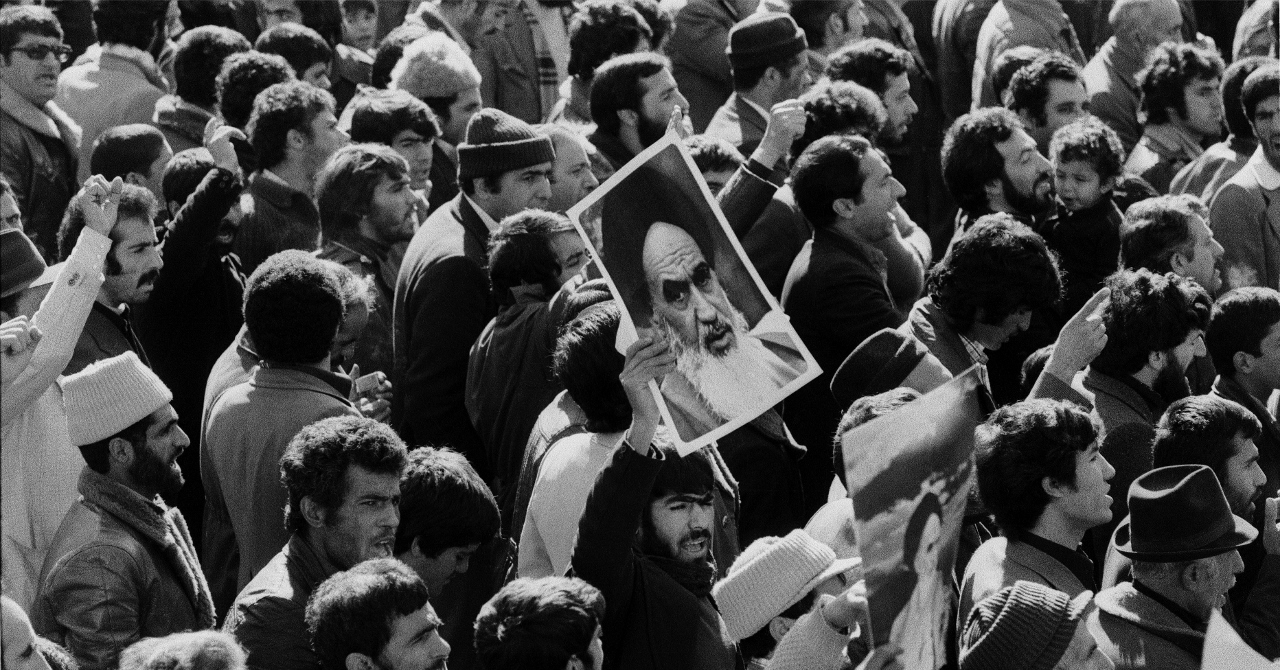
On this week’s episode, MEI Iran Program Director Alex Vatanka, MEI Non-resident Scholar Andrew Scott Cooper, and MEI Editor-In-Chief Alistair Taylor discuss the Iranian Revolution of 1979. A seminal event in the history of the modern Middle East, the revolution transformed Iran and its impact continues to reverberate across the region today, nearly five decades on.
Few events in our lifetime are as shrouded in myth and conspiracy as the 1979 Iranian Revolution. Forty-five years later, however, we now have a much clearer picture of the dramatic events that played out on the streets of Tehran before a worldwide television audience.
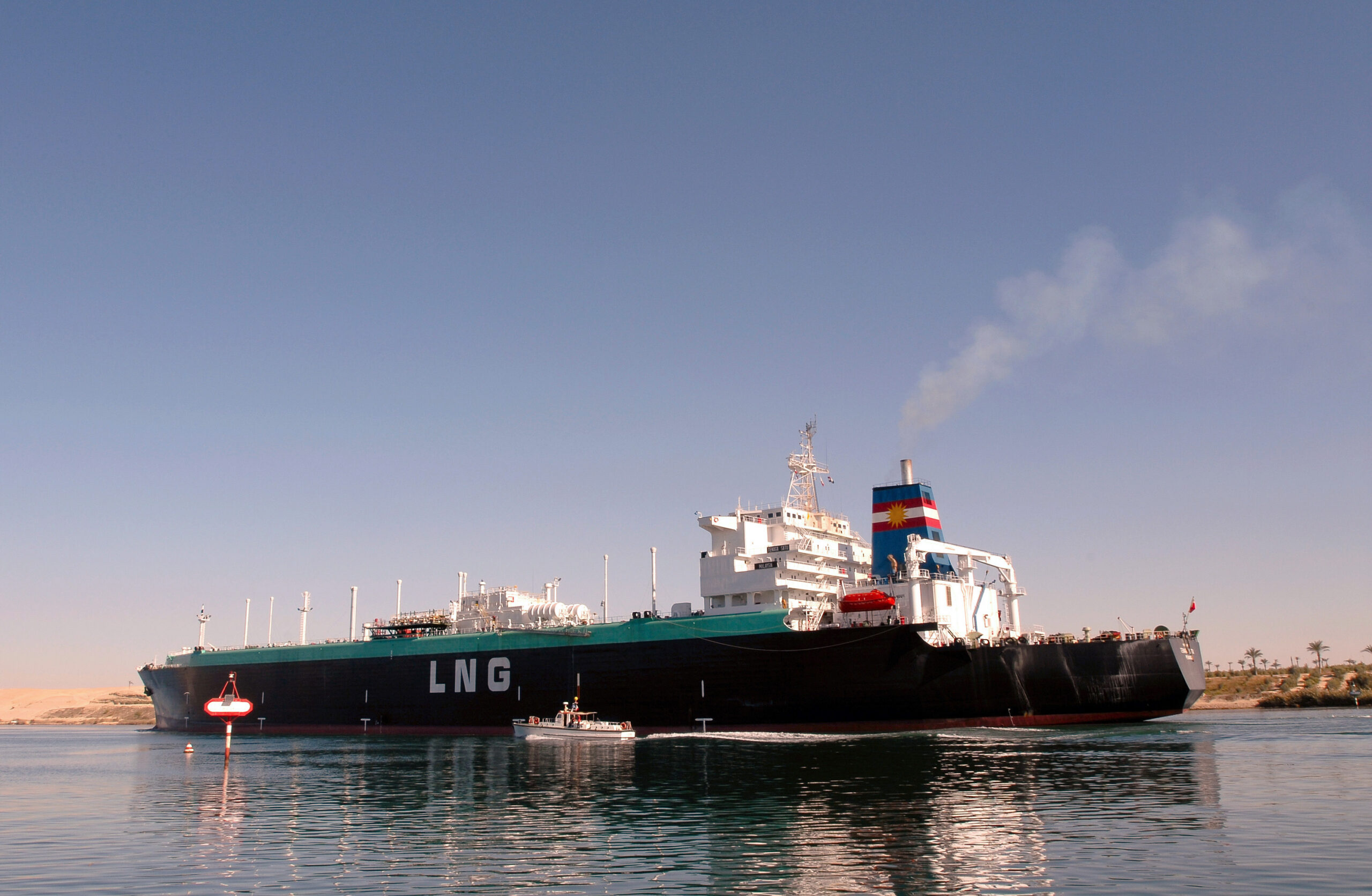
The implications of Red Sea instability on the global LNG market
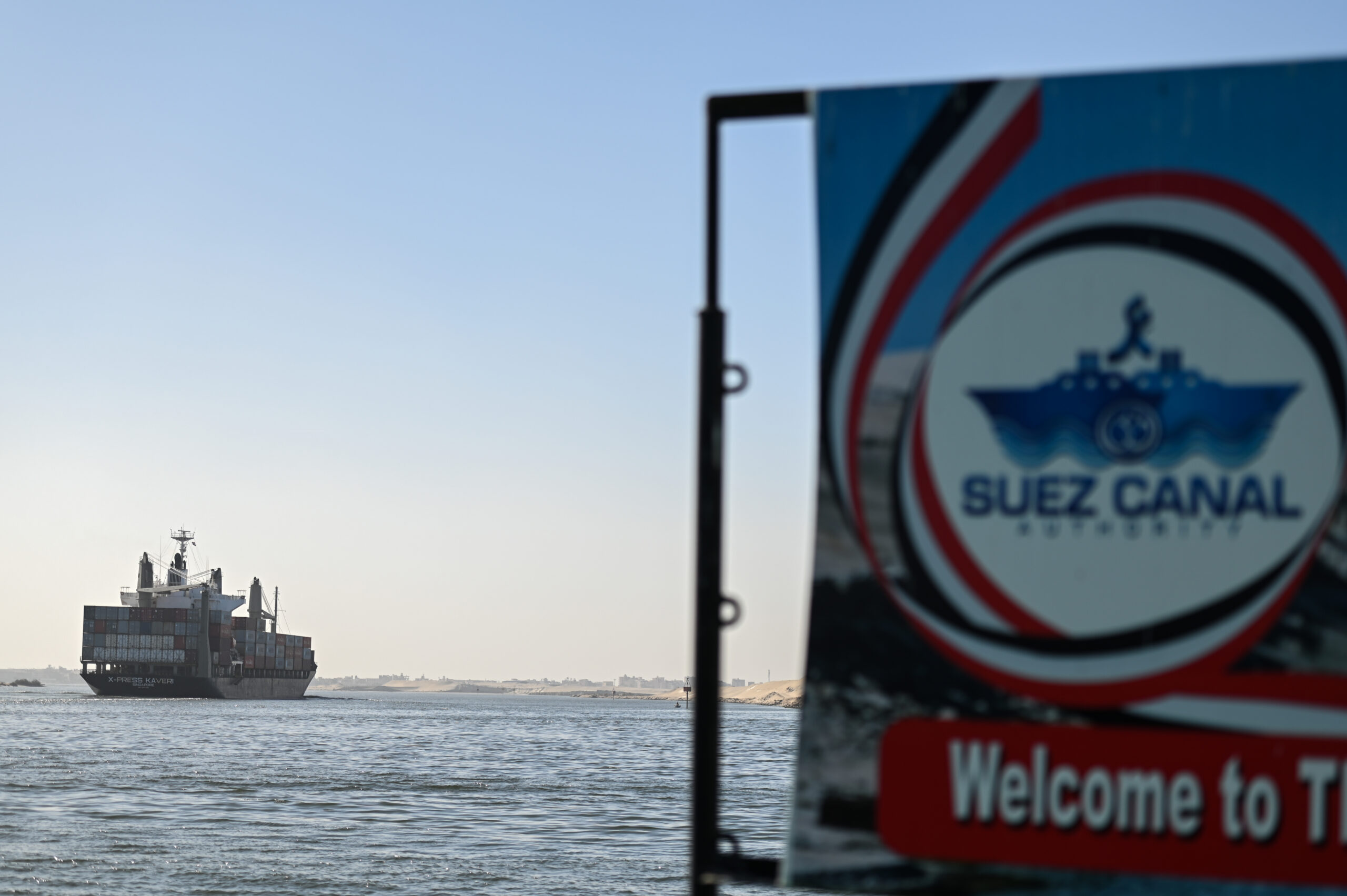
Well over 30 attacks against commercial shipping in the Red Sea have been reported since mid-November 2023, although none have targeted crude oil or liquefied natural gas (LNG) carriers to date. But that is not to say that global energy flows through this critical maritime chokepoint are invulnerable; any harm that came to hydrocarbon carriers traveling into or out of the Red Sea via the Bab el-Mandeb would have far-reaching consequences for international markets.
The road to war with Iran is paved with good intentions and serious miscalculations
Forty-five years after Iran’s February 1979 revolution, American officials continue to struggle to understand this nation of almost 90 million. Rather than trying to solve a crisis that threatens to draw the US into direct conflict with Iran, the Biden administration appears more intent to manage it.
Moving to a post-Khamenei era: The role of the Assembly of Experts
On March 1, 2024, the Islamic Republic of Iran will hold elections for the sixth term of the Assembly of Experts. The major responsibility of this 88-member body is to designate the future supreme leader after the current leader’s death or when he becomes incapable of fulfilling the position’s responsibilities. What role might the Assembly play in a future succession process?
The ideological underpinnings of the Houthis’ Red Sea attacks
The Houthis’ attacks in the Red Sea are a manifestation of their ideology, rooted in Islamic fundamentalism. Today, aligned with Iran’s “Axis of Resistance,” this ideology aims to expel the US from the Middle East, destroy Israel, and institute a worldwide Islamic Caliphate with Jerusalem at its core. The following analysis delves into the ideological framework that propels the Houthis’ actions in the Red Sea and its broader implications.
Iranian youth and the protest movement in 2023: Drivers and limitations
Since the height of the protests in 2022, the government cracked down with a new degree of severity on the protesters, reducing their numbers on the street. Many leave if they can. Those who stay have adopted less visible shows of political and social dissatisfaction against the regime’s aggression.