A sharp rise in inflation forces Egyptians to cut expenses
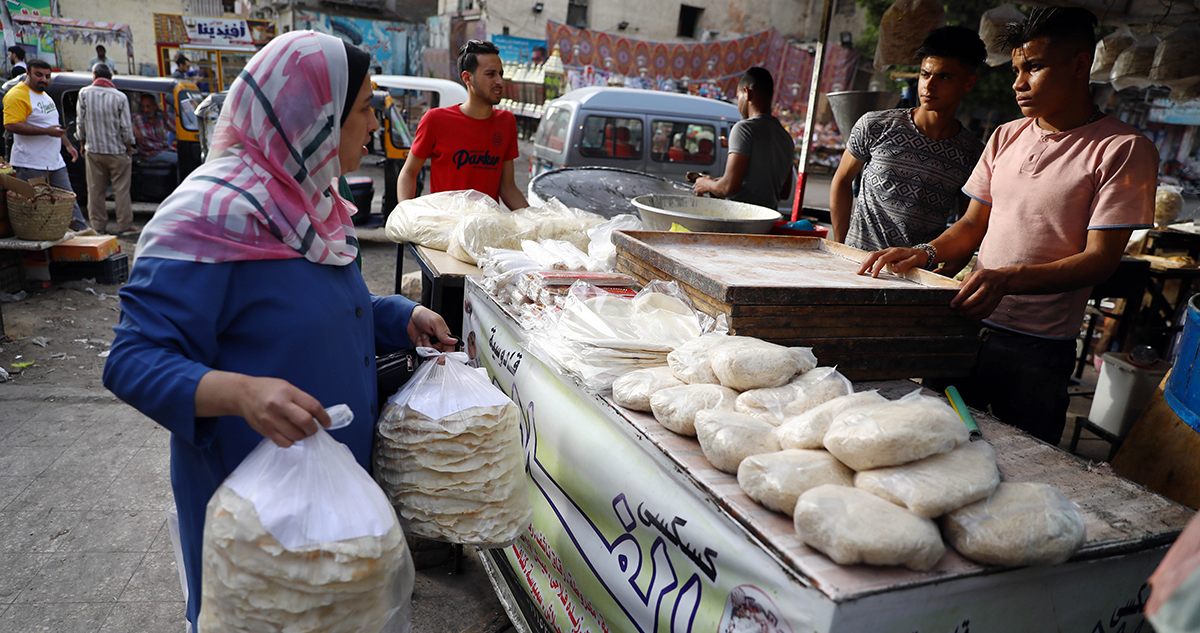
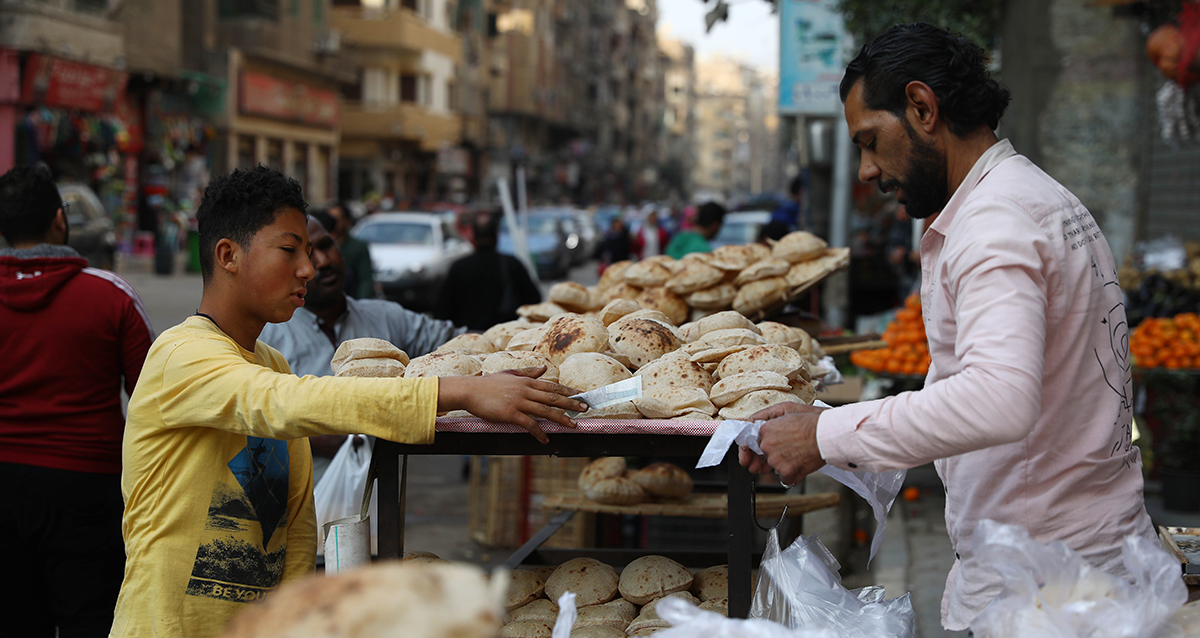
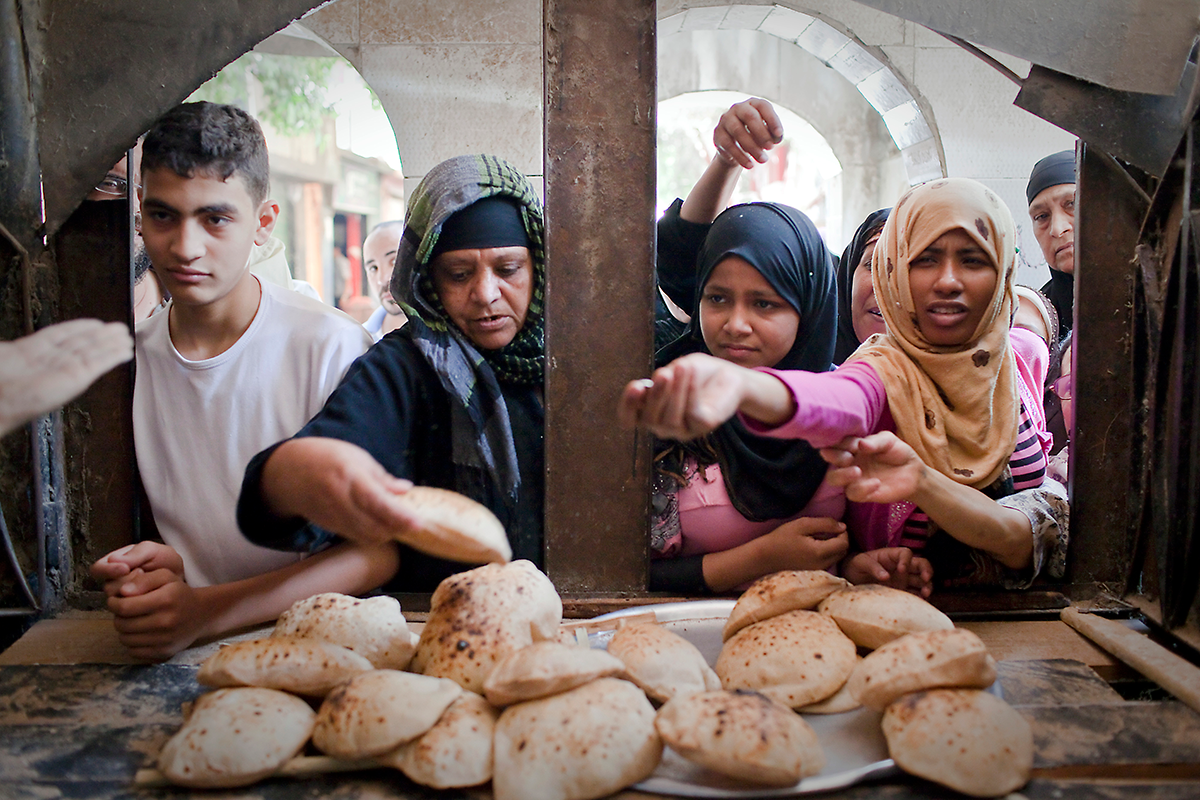
While the holy month of Ramadan is known for increased food consumption in Egypt and other Muslim-majority countries, Elham Mohamed, 40, a government employee, said it was very difficult for her just to make ends meet this year. “I had to give up many of the items I usually buy during Ramadan,” she said. “Prices have gone crazy. Even the basics, such as bread, rice, sugar, flour, eggs, and cooking oil, have all gone up,” she added.
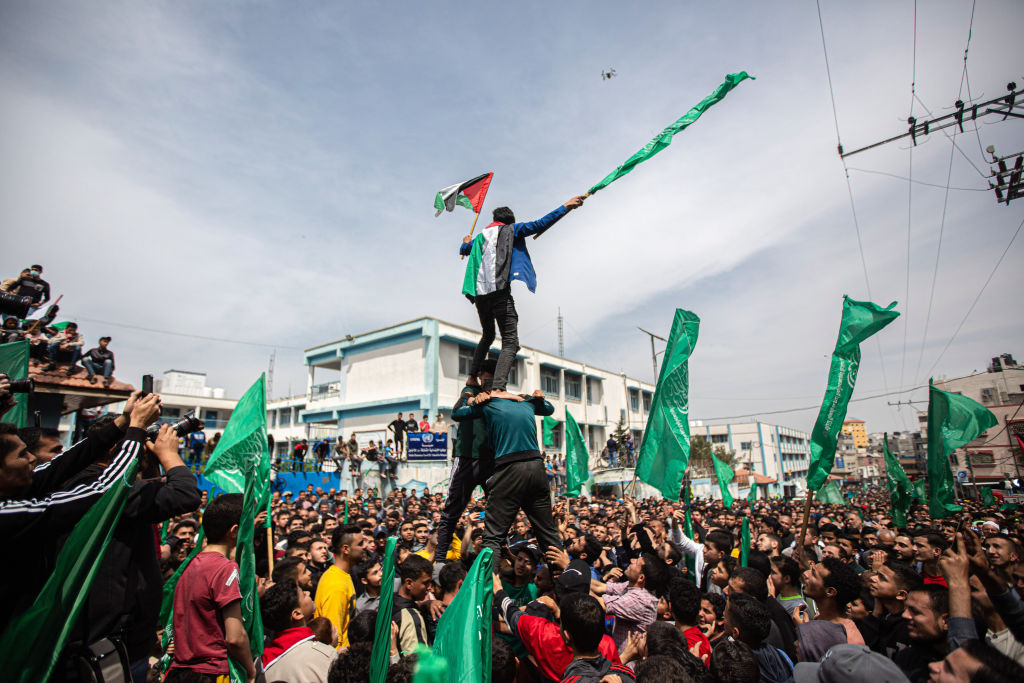
Why the latest escalation in the West Bank and East Jerusalem is unlikely to lead to a repeat of last year’s Gaza war
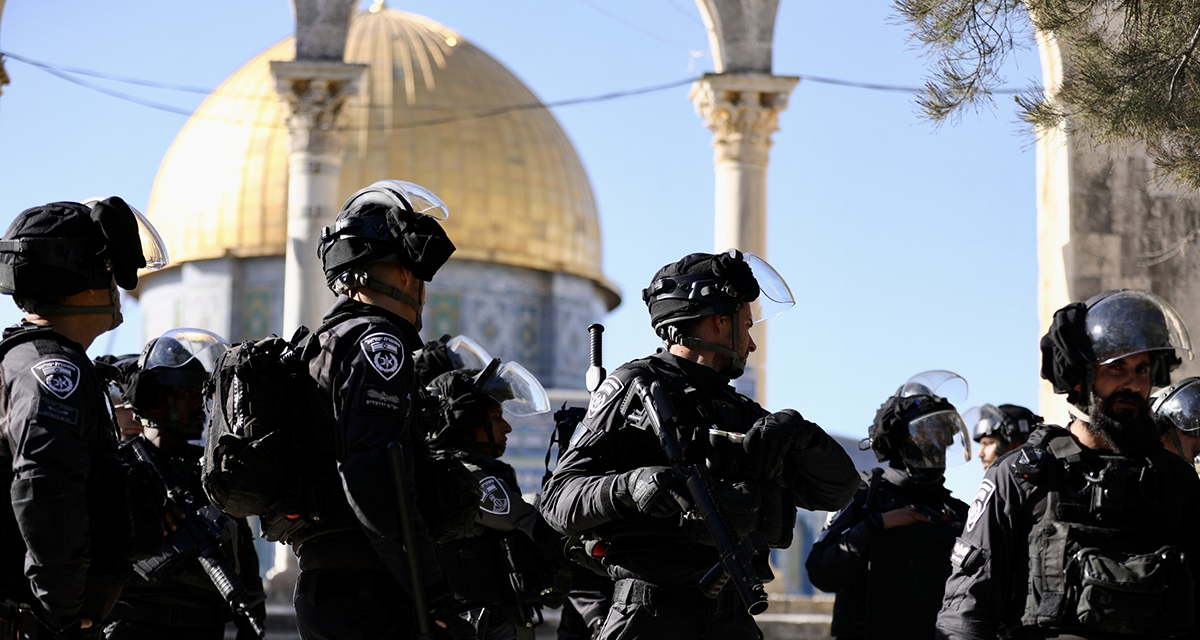
While the events now taking place in Jerusalem and the West Bank are very similar to those of May 2021, the political contexts are different on all sides. Although Israel carried out an airstrike on April 18 following rocket fire from the Gaza Strip, the situation is unlikely to lead to a repeat of last year’s Gaza war.
What would an Arab-Israeli military alliance mean for Iran?
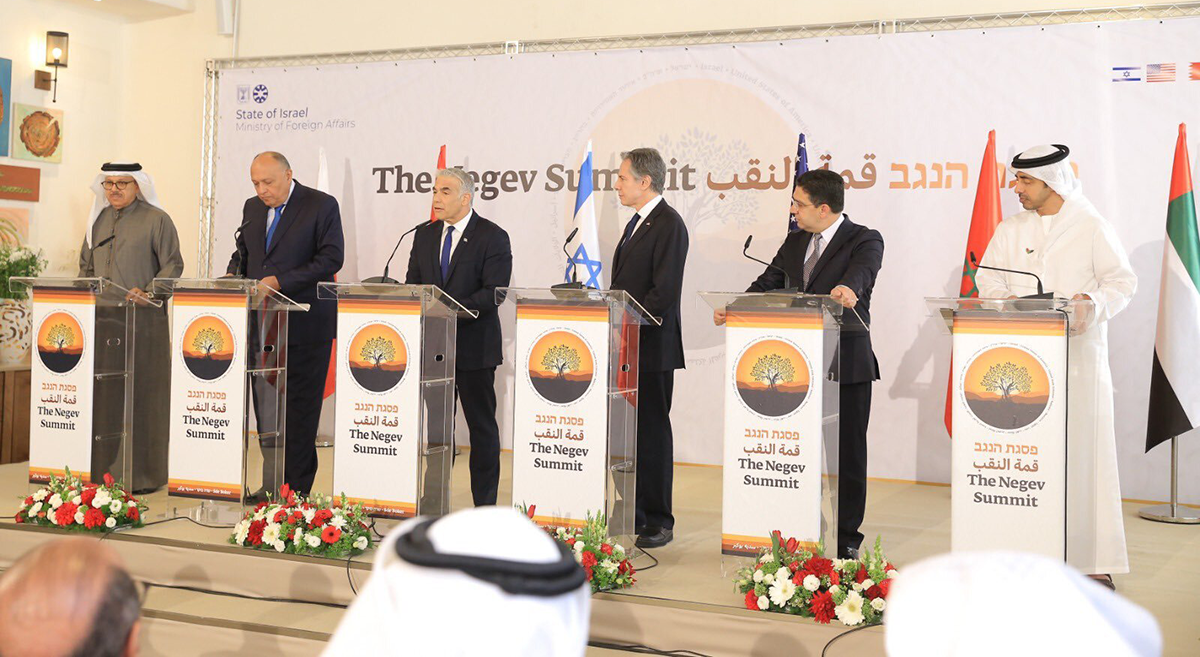
In recent remarks, the Israel Defense Forces’ (IDF) Chief of Staff Aviv Kochavi announced preparations for a potential upcoming military operation, foreshadowing a possible move against Iran. Kochavi’s announcement came shortly after Israel and the foreign ministers of four Arab nations — Morocco, Egypt, the UAE, and Bahrain — along with U.S. Secretary of State Antony Blinken, met at the Negev Summit in the Israeli desert to lay the foundation for a strategic military alliance to deter “Iran and its associated militias,” as Israeli Foreign Minister Yair Lapid put it.
Host Alistair Taylor speaks with Khaled Elgindy and Lara Friedman about the release of their recently completed 2022 congressional briefing series on Israel and Palestine: Hot topics in Congress. The eight-part webinar series features an array of Palestinian and Israeli voices, weighing in on some of the most pressing and timely Israel/Palestine-related topics in Congress.
The Russia-Ukraine war might finally bring about a rise in Egypt’s bread prices
As the price of wheat has shot up following the Russian invasion of Ukraine, so too has the cost of Egypt’s bread subsidies, raising questions over their sustainability and potentially opening the door for an increase in the price of subsidized bread for the first time in decades.
مرة أخرى، عرقلة إسرائيلية غير قانونية للم شمل العائلات الفلسطينية
أقر البرلمان الإسرائيلي، في العاشر من آذار مارس الجاري ، مشروع قانون يمنع منح الجنسية للفلسطينيين من الضفة الغربية المحتلة وقطاع غزة المتزوجين من مواطنين إسرائيليين.
Mirette Mabrouk, Joey Shea, and guest host Eliza Campbell discuss current political disputes over the Grand Ethiopian Renaissance Dam (GERD), cyber diplomacy, and the effects of climate change on the Horn of Africa.
Once again, Israel throws up an unlawful barrier to Palestinian family reunification
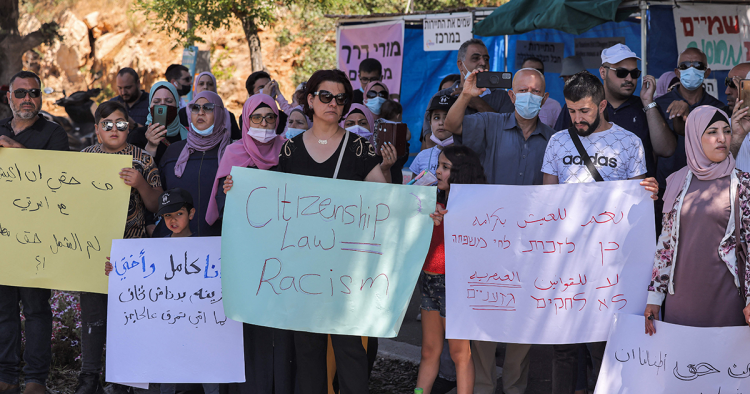
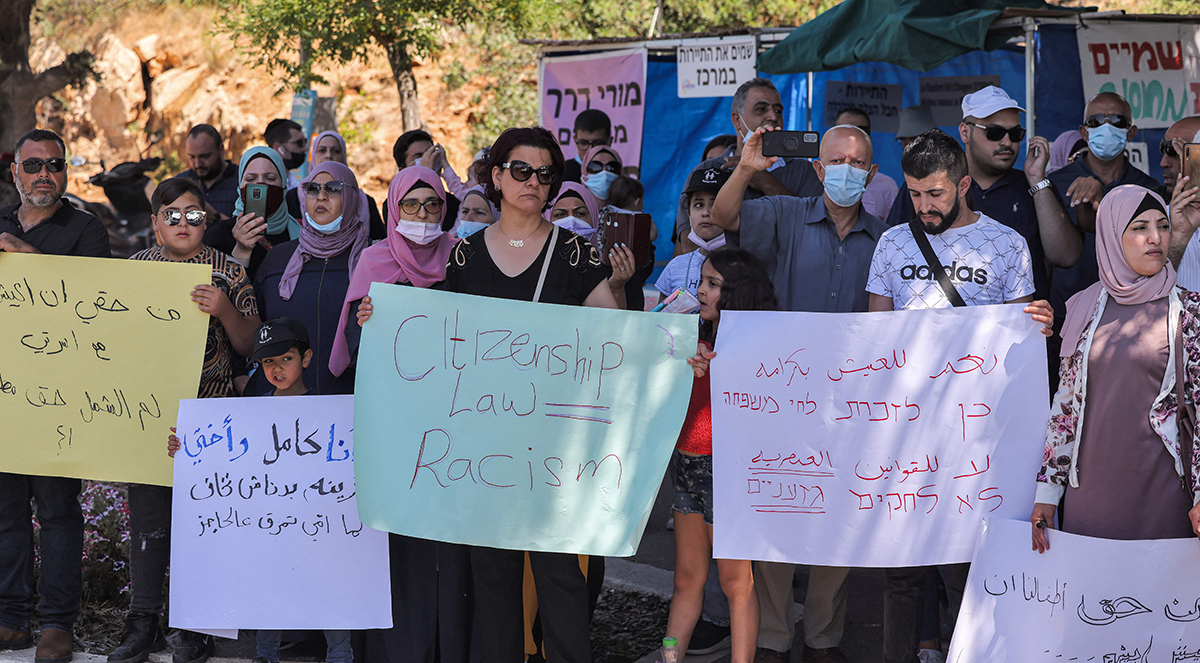
On March 10, Israel’s parliament enacted a bill denying naturalization to Palestinians from the occupied West Bank and Gaza who marry Israeli citizens. While most foreign nationals who marry Israelis can live in Israel and eventually become citizens, Palestinians and certain other Arabs cannot.
Drones are re-engineering the geopolitics of the Middle East
The Middle East is experiencing a seismic shift in its geopolitics: the dawn of the era of drones. From Syria to Libya and from Yemen to Iraq, UAVs have altered the dynamics on the battlefield. Agile and affordable, drones aren’t just a menace to remote conflict zones, but also to states far removed from theaters of war.
Getting complicated in a hurry: The implications for Egypt of Russia’s invasion of Ukraine
A week after Russia invaded Ukraine, the economic and political ramifications for Egypt have evolved more rapidly, and comprehensively, than its policymakers would have wished.
The Russia-Ukraine War has Turned Egypt's Food Crisis into an Existential Threat to the Economy
With the outbreak of the Russia-Ukraine war on Feb. 24, 2022, Egypt’s food security crisis now poses an existential threat to its economy. The fragile state of Egypt’s food security stems from the agricultural sector’s inability to produce enough cereal grains, especially wheat, and oilseeds to meet even half of the country’s domestic demand.
Expanding use of e-wallets in Egypt: Strengthening the social contract one transaction at a time
Egypt, like much of MENA, is experiencing an unprecedented digital transformation. Governments throughout the region are embracing emerging technologies, particularly in governance and, increasingly, financial management. Countries across MENA are adopting ICT strategies, such as the ICT Vision 2030 in Egypt. Egypt’s plan aims to develop a knowledge-based society by means of a strong digital economy built on reliable, affordable, and equitable access to digital tools.