Monday Briefing: Iraq held hostage by a test of wills between two men
اقرأ تقرير MEI الأسبوعي الذي يتضمن تحليلات الخبراء للتطورات الإقليمية الرئيسية للأسبوع المقبل.
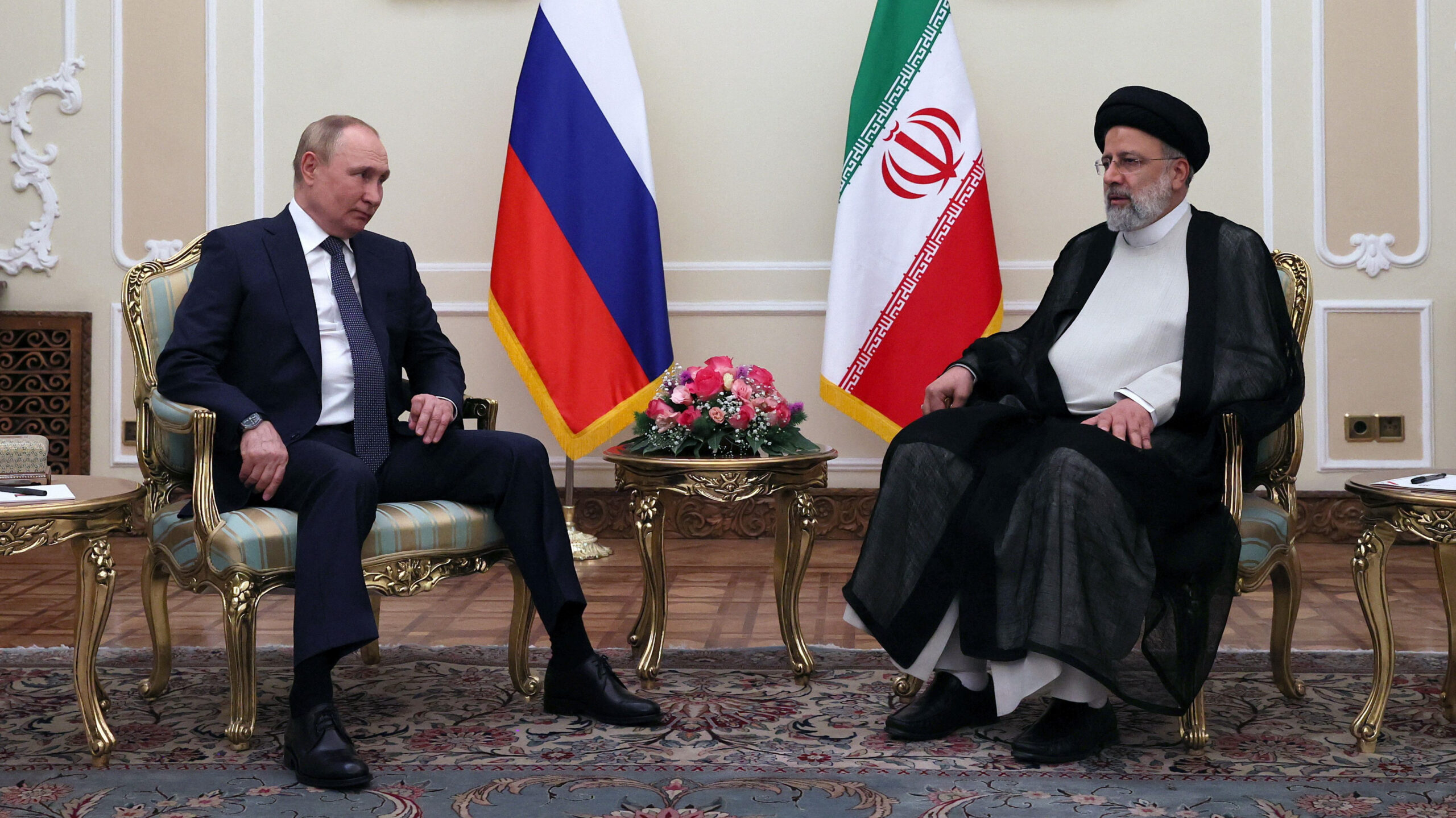
Russian President Vladimir Putin’s July 19 visit to Tehran will have important repercussions for the region’s evolving security environment as well as the trajectory of Iranian-Russian relations more specifically. Although officially billed as seeking to revive the “Astana peace process” on Syria, the significance of the trip has less to do with the trilateral meeting between Iran, Russia, and Turkey and more with the deepening of ties between Moscow and Tehran.
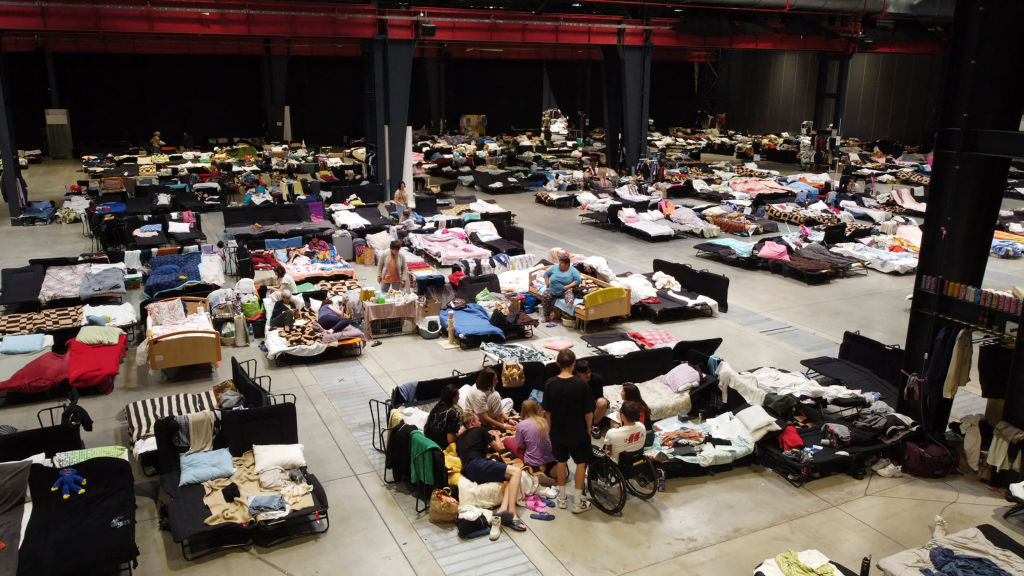
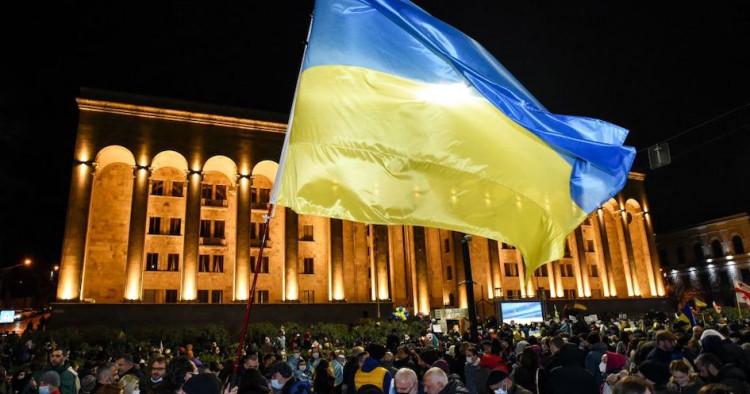
Vladimir Putin’s hybrid war in Ukraine has created a multifaceted humanitarian crisis that the Kremlin plans to weaponize against the West to further provoke instability and chaos. Refugees have poured out of Ukraine since his February 24 invasion, and Russia’s attacks on Ukraine’s agricultural sector—from grain-export blockades to theft to strikes on agricultural facilities—are creating disruptions to the global food supply that are likely to create even more refugees worldwide. Foreign Minister Sergei Lavrov is touring Africa this week, blaming the West for the food crisis. Western leaders must realize the full destabilizing potential of Russia’s weaponization of the refugee crisis. In response, the United States should combine conventional military support with multilateral information operations to counter Russia’s plans.
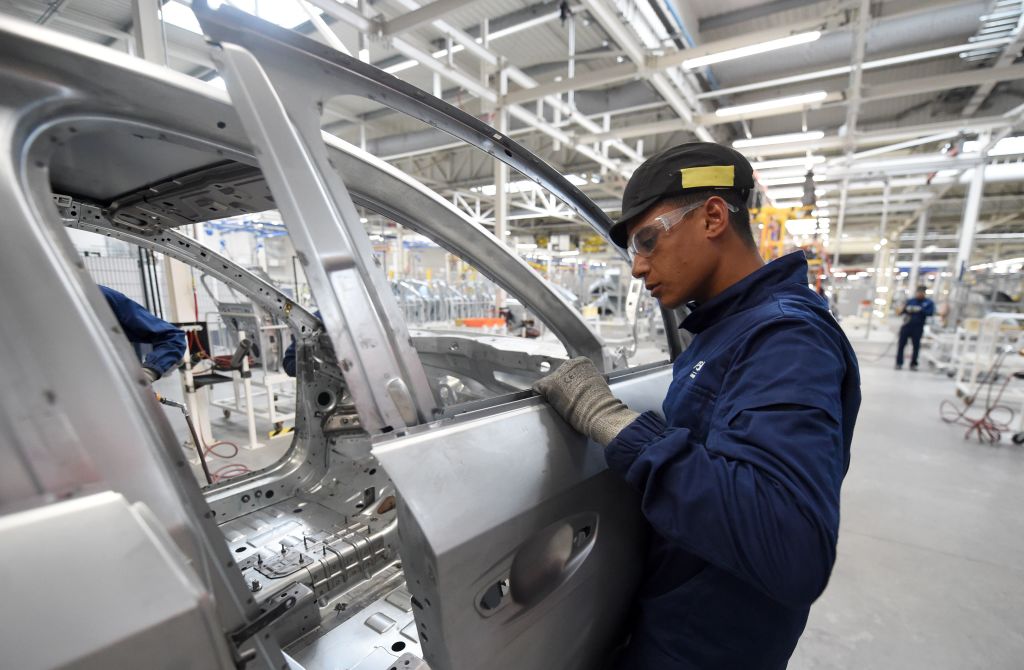
The deepening partnership between Germany and Morocco has been driven by the private sector, providing an enduring foundation for cooperation. During the 2021 diplomatic crisis over Berlin’s position toward Rabat’s autonomy plan for the Sahara region, German-Moroccan business-to-business relationships remained largely unaffected. The fraying of global supply chains is bringing now Germany and Morocco into a closer economic partnership. The sudden supply shocks caused by Russia’s war against Ukraine have accelerated that process. In the years just prior to the COVID-19 pandemic, global supply chains were already shortening as companies and countries in Europe placed greater emphasis on resilience rather than on just-in-time inventories serviced by distant Asian suppliers. This structural transformation meant bringing sourcing and manufacturing closer to European end-markets. The drive to “nearshore” while maintaining a competitive advantage has provided an impetus to German and other international firms to locate manufacturing facilities in Morocco, which has focused on cultivating an appropriate business ecosystem.
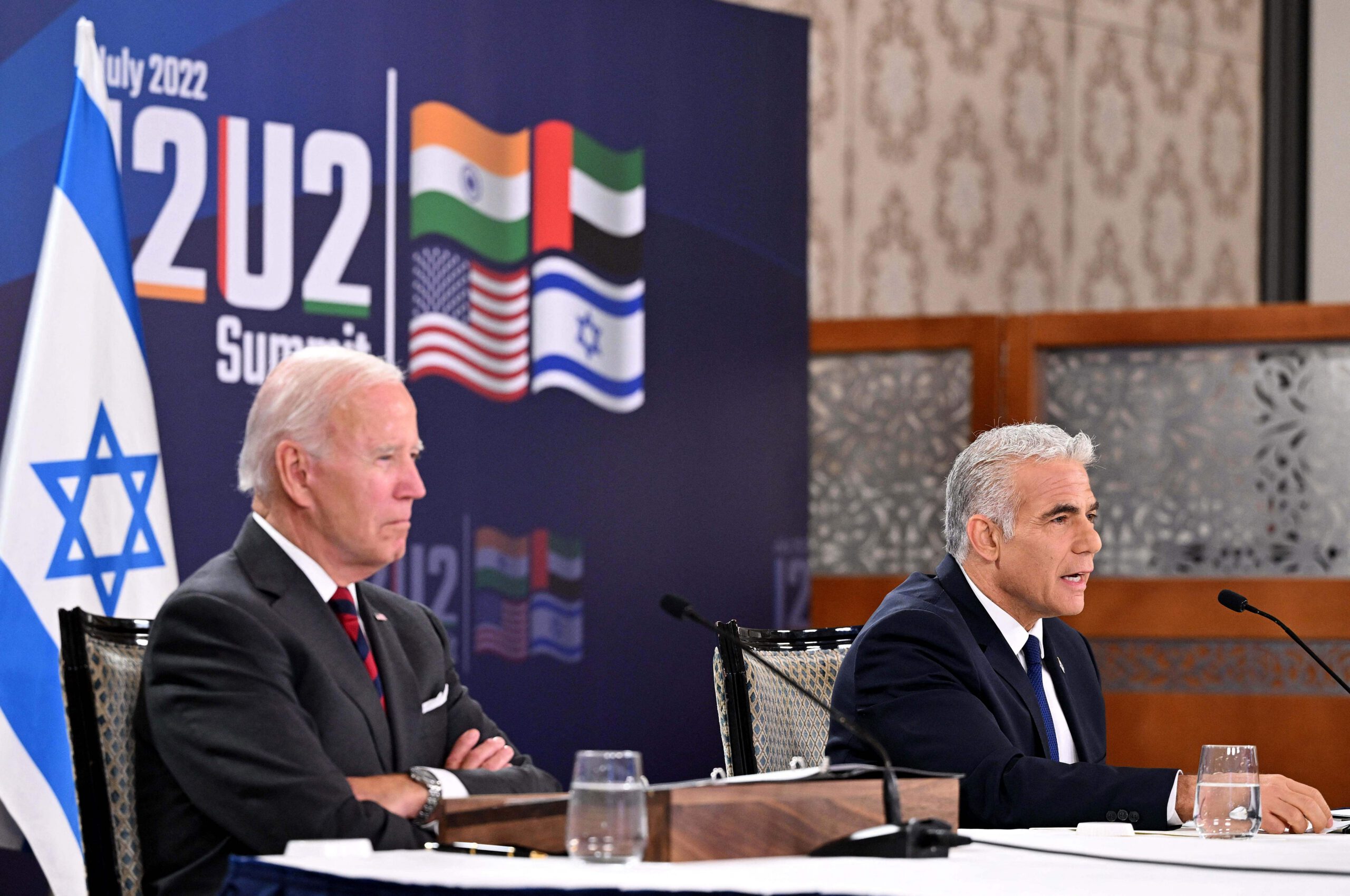
The India-Middle East Food Corridor developed organically among the three Asian countries themselves, through private sector, joint venture investments carefully cultivated via bilateral public-private partnerships. The United States’ participation in the corridor could prove beneficial as the U.S. seeks to bolster its presence in the strategic architecture of the Indo-Pacific.
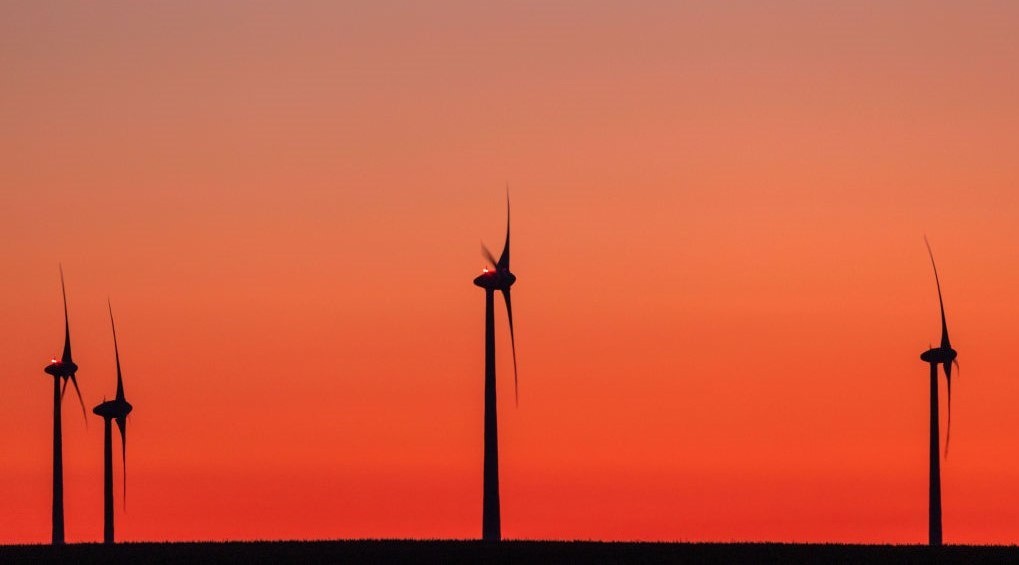
With energy security becoming a top priority, the sudden need to find new sources of hydrocarbons dampened Europe’s and the United States’ previously pledged resolve to address climate change and greenhouse gas emissions.
Watch for a second front in the Ukraine war. Vladimir Putin is pressuring Belarusian dictator Alexander Lukashenko to bring his troops into the fight.
تحليل إقليمي متخصص من قبل باحثي ومساهمي معهد الشرق الأوسط.
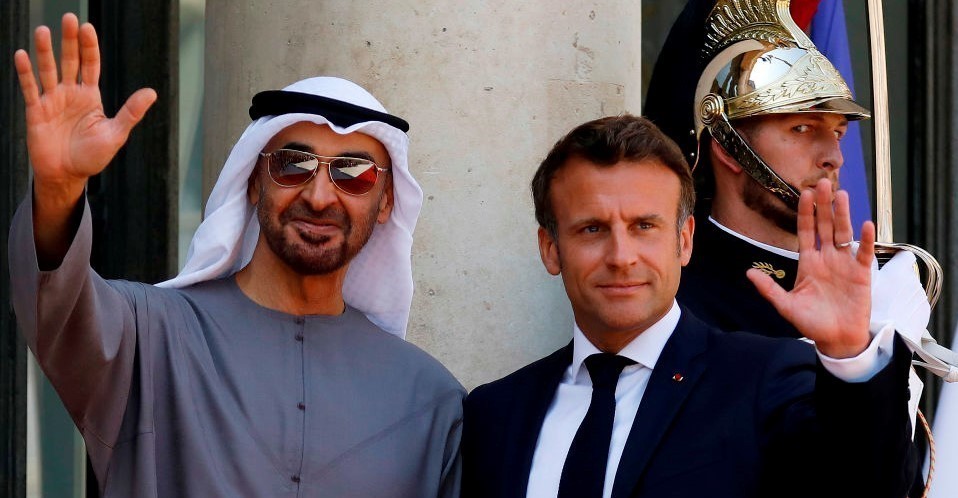
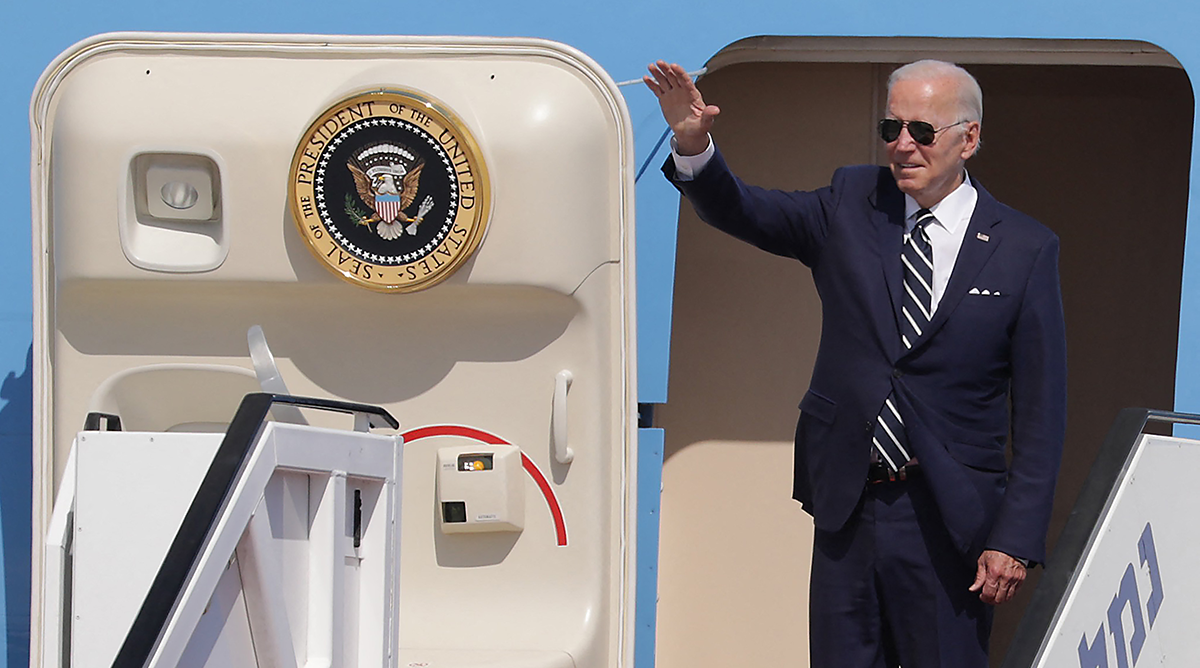
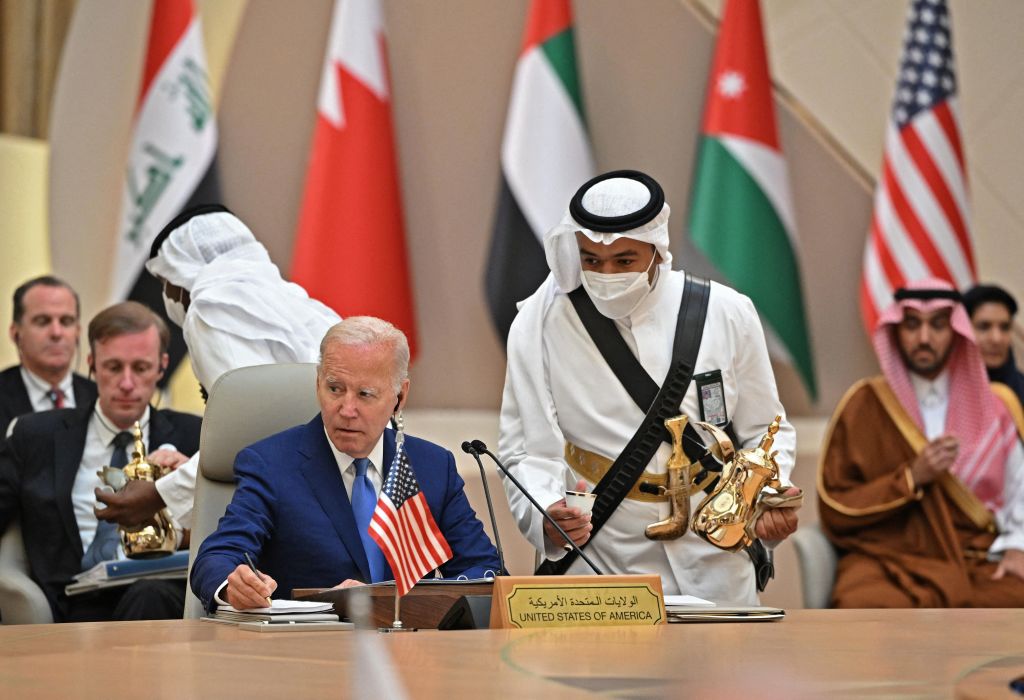
The U.S. and Russian presidents staged high visibility visits to the Middle East in the past week and a half. The visits were designed to assert each great power’s influence in the region at a time of escalating great power conflict. But both presidents cut a diminished figure on the regional stage at a time when leaders in Turkey, Iran, and Saudi Arabia are feeling increasingly empowered.
Russia’s war launched on February 24, 2022, may have partly been motivated by Ukraine’s large reserves of critical metals and their global strategic importance in the production of advanced “green” energy technologies. The cutoff of access to Ukrainian sources, combined with the nature of the partnership between Moscow and Beijing — with China being the largest supplier of the necessary critical minerals — could endanger the very notion of the West’s energy transition.
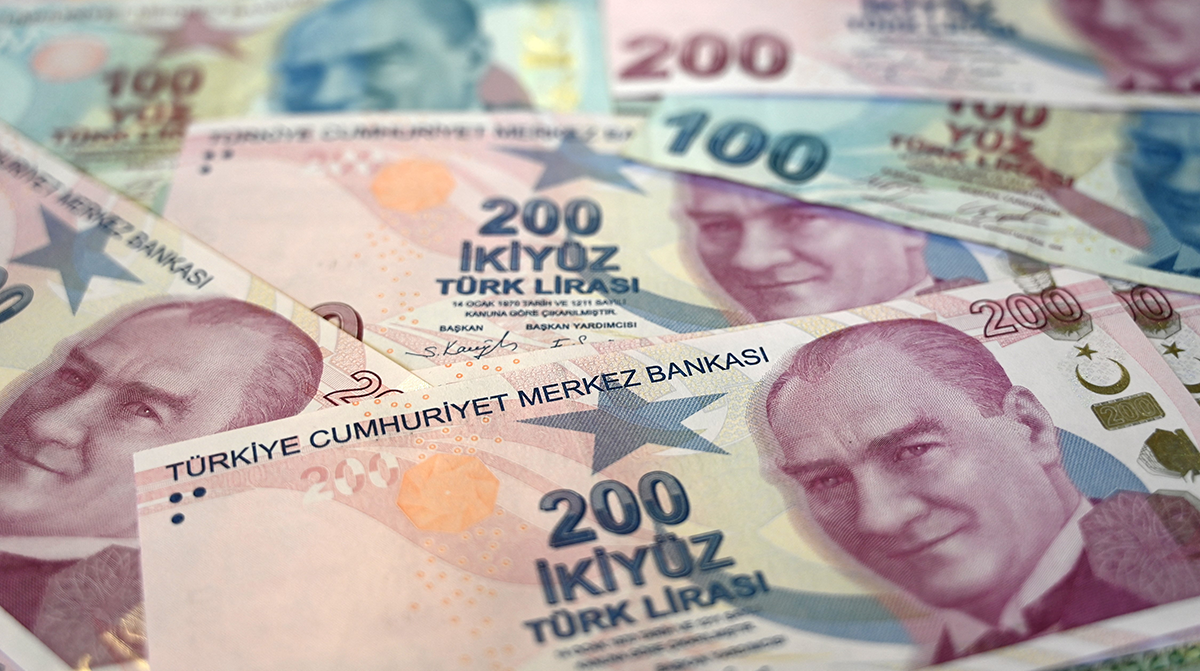
Turkey’s economic problems continue to go from bad to worse. Its foreign trade deficit has reached a monthly average of $8 billion this year. Amid the sharp rise in global energy prices this spring following Russia’s invasion of Ukraine, the country’s average gross energy imports shot up from $3-4 billion per month to $7-8 billion. A reduction in energy imports and the recovery of tourism this summer have not offset this, and the current account deficit continues to widen.
اقرأ تقرير MEI الأسبوعي الذي يتضمن تحليلات الخبراء للتطورات الإقليمية الرئيسية للأسبوع المقبل.
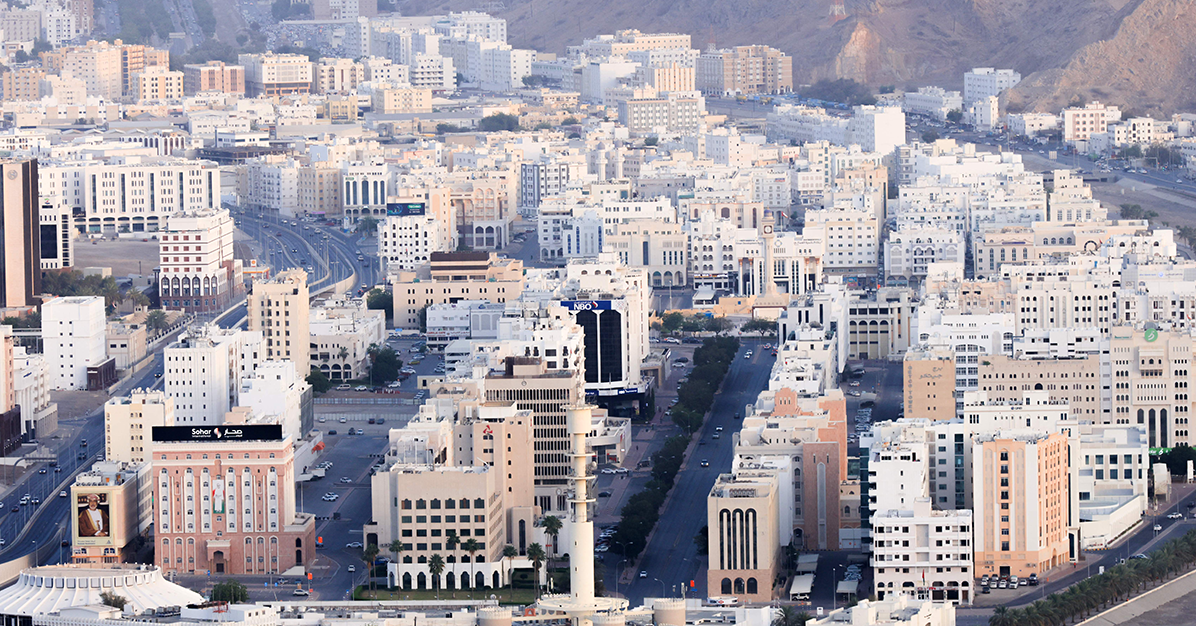
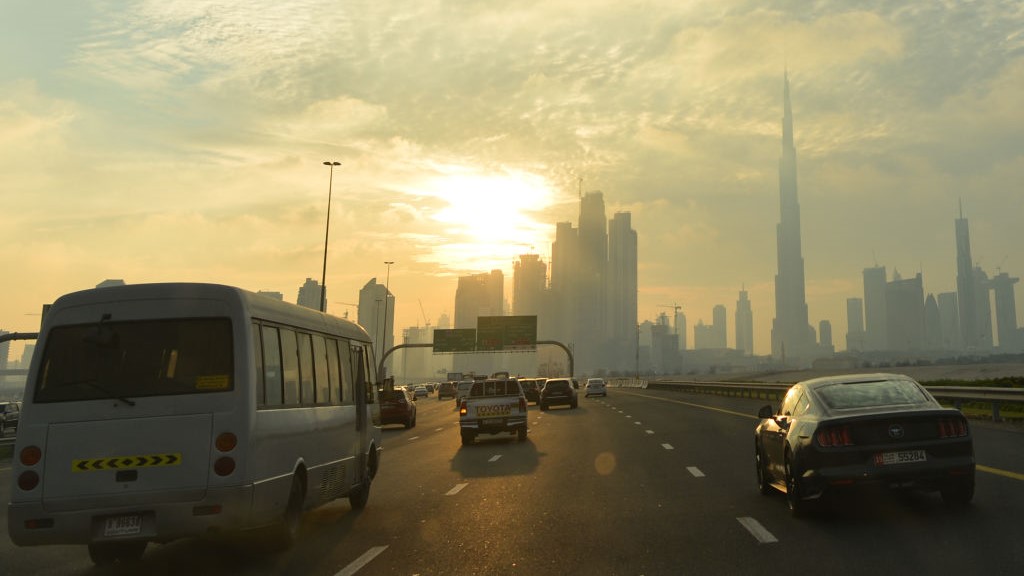
The last few years have seen a lot of consolidation in Gulf financial sectors. Not only do these mergers create economic benefits, the merged entities also become potent tools for economic development. The mega-funds and other major financial institutions are part of a trend where Gulf political elites sidestep ossified bureaucracies and instead centralize power in private entities over which they have even more control.
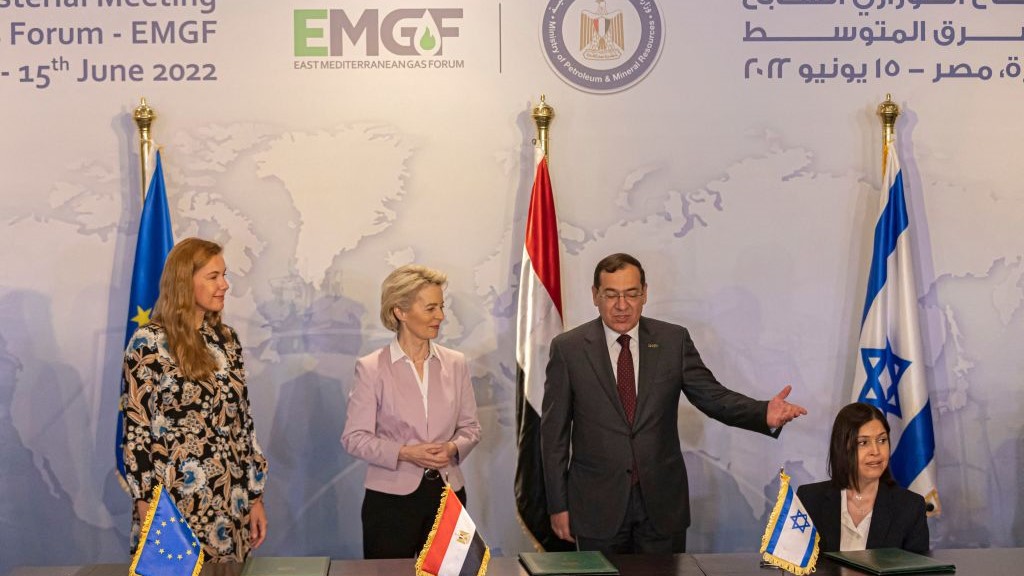
The emergence of Egypt as an Eastern Mediterranean energy hub resulted from a culmination of years of deliberate efforts. Increasingly, Egypt will be able to re-export Israeli natural gas or convert it into blue hydrogen, generate green electricity for export, or utilize its growing wind and solar power capacity to produce green hydrogen.
The latest IPCC reports clearly indicate that cities — responsible for up to 72% of global emissions — need to be redesigned to stand a chance against the climate crisis. The urban communities of the Middle East and Black Sea regions face some of the most difficult climate change effects. To properly address their challenges, a comprehensive analysis of drivers and strategies to follow is needed.