Preparing for advancements in Russian warfare in the Black Sea region
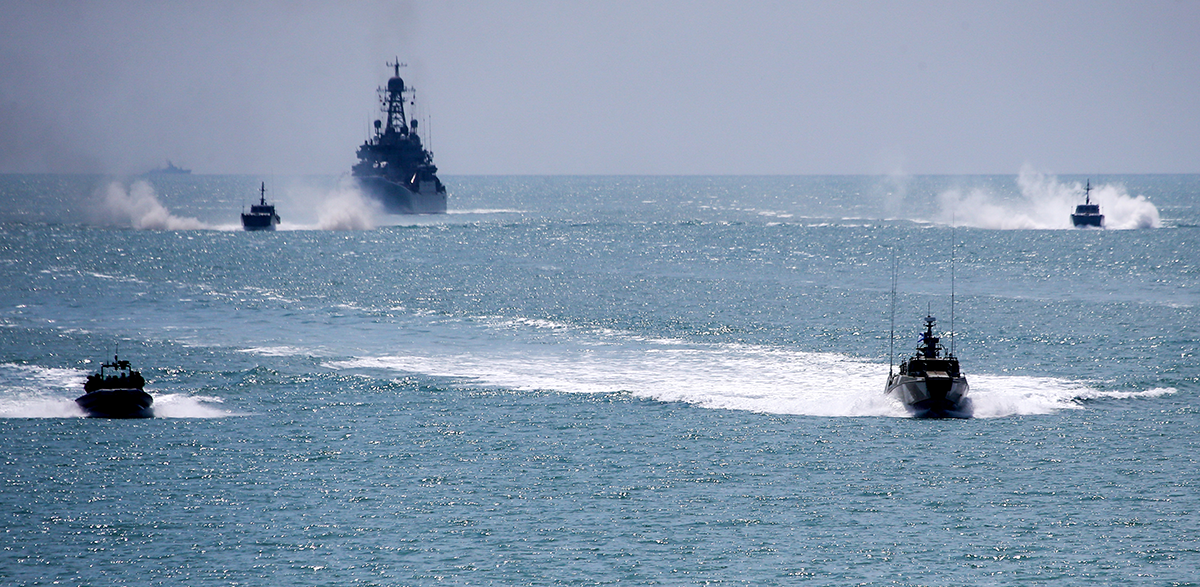
Suddenly and seemingly without warning, Russian forces amassed in Crimea and near the Ukrainian border in April 2021. Heavy armor, long-range missiles and artillery, modern air forces, and elite airborne infantry units deployed into positions that raised alarm in Ukraine and throughout Europe. The situation today appears stable, but reports of new and upgraded hardware, including unmanned vehicles, demand a fresh evaluation of the Russian way of war.
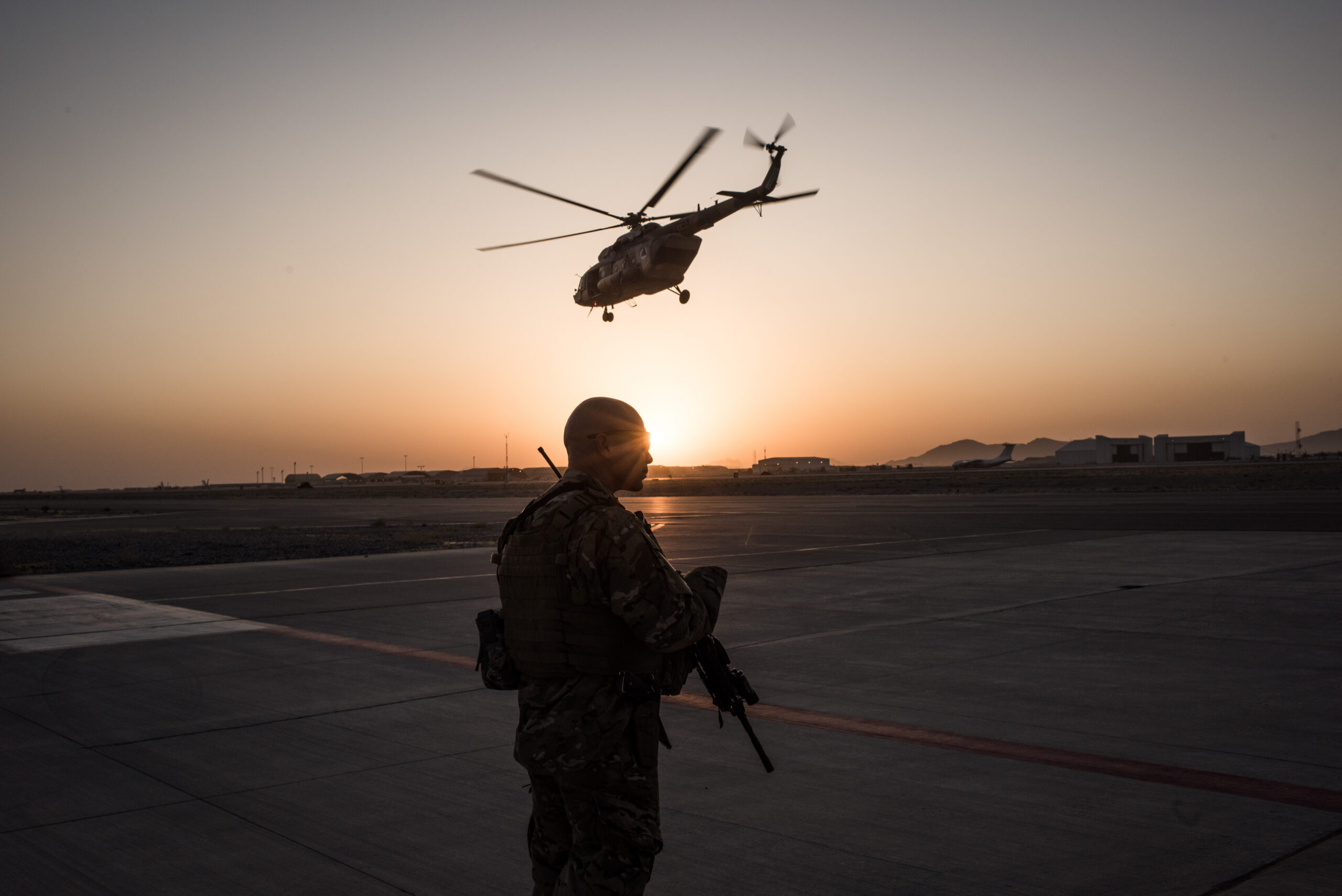
Biden Must Keep U.S. Operatives in Afghanistan To Enable the Counterterrorism Mission
We can and must provide that assistance not to help defeat the Taliban, fix Afghanistan, or remove our moral stain, but to achieve a much more limited objective, one that’s stated by the President himself, which is to ensure that no major attack against the U.S. or U.S. strategic interests is launched from Afghanistan.
The Cipher Brief:Did you ever envision that the U.S. would pull out so quickly or completely leaving the Afghan military on its own without U.S. air support?
General Votel: I did not anticipate this during my time – but once the President sets a hard departure date – then a fast withdrawal is inevitable. No Commander wants to accept unnecessary risk with troops on the ground when you are up against a clearly articulated departure date.
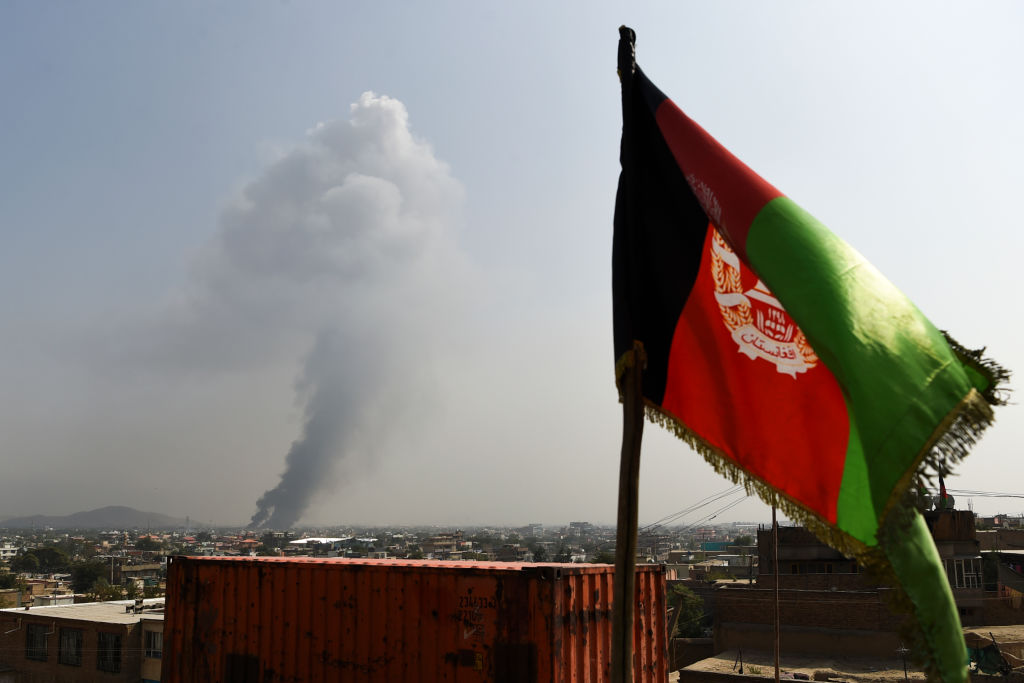
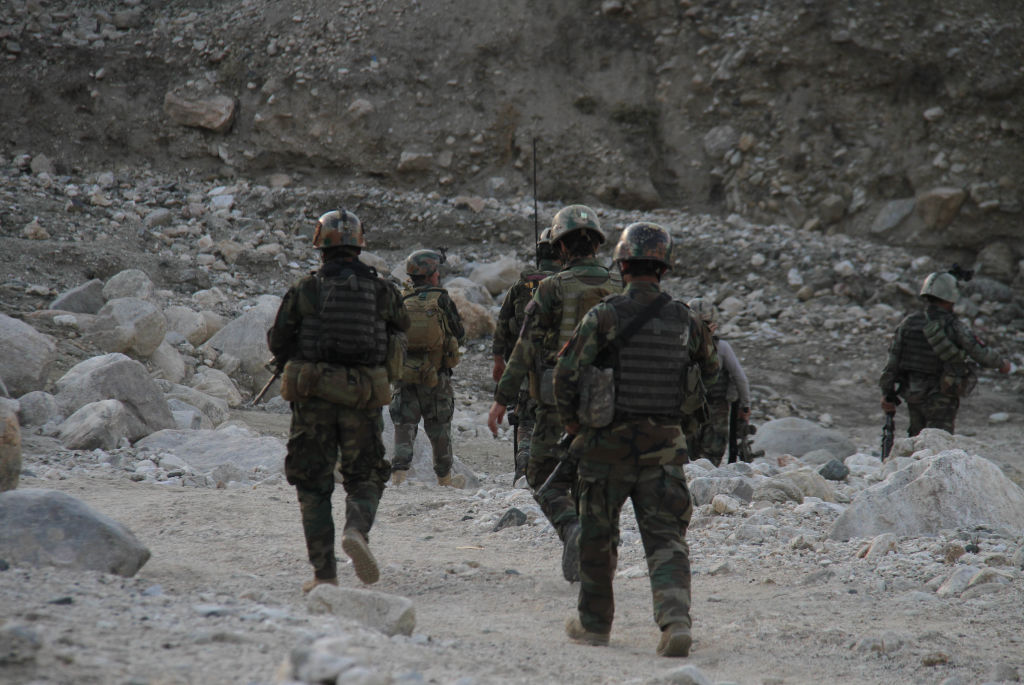
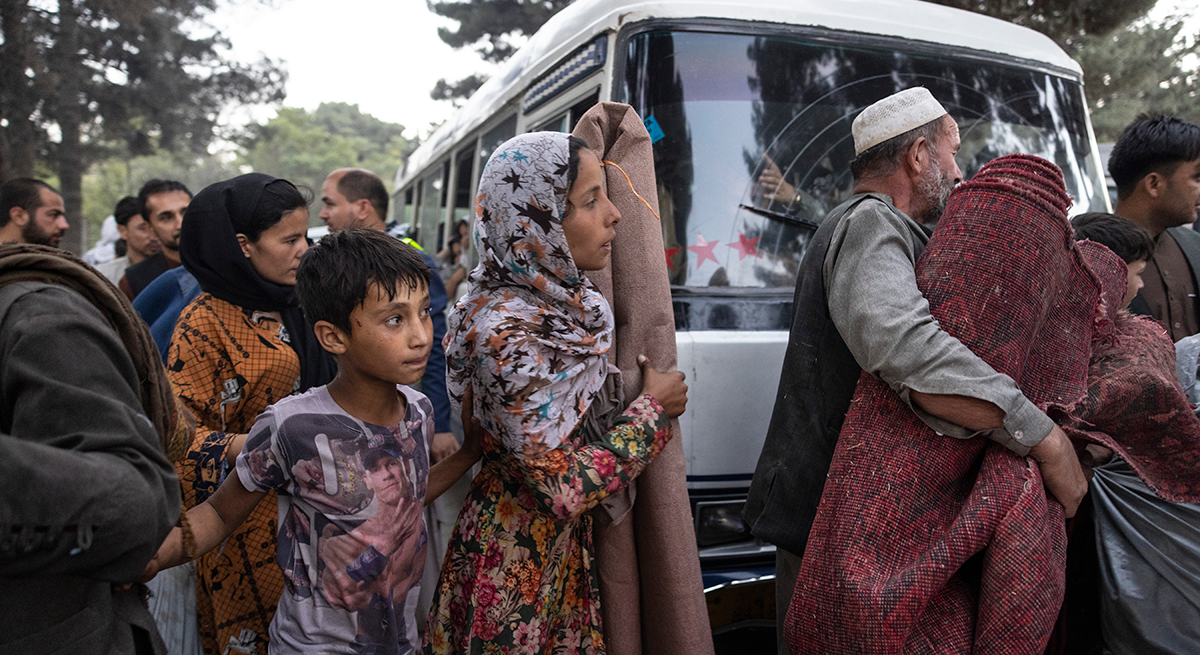
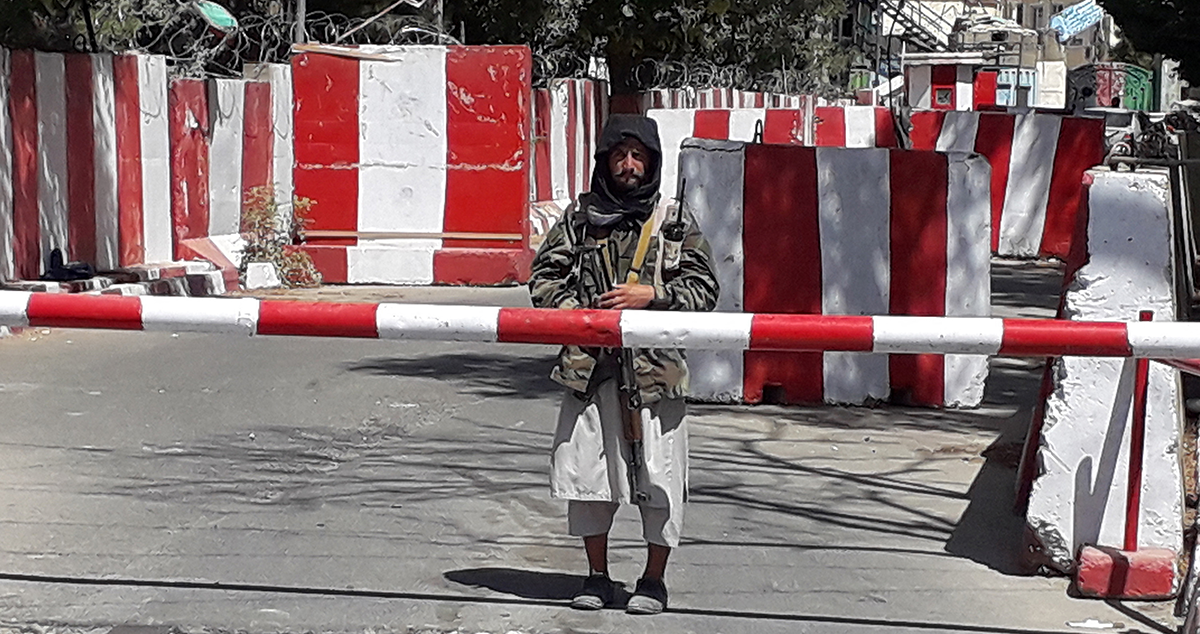
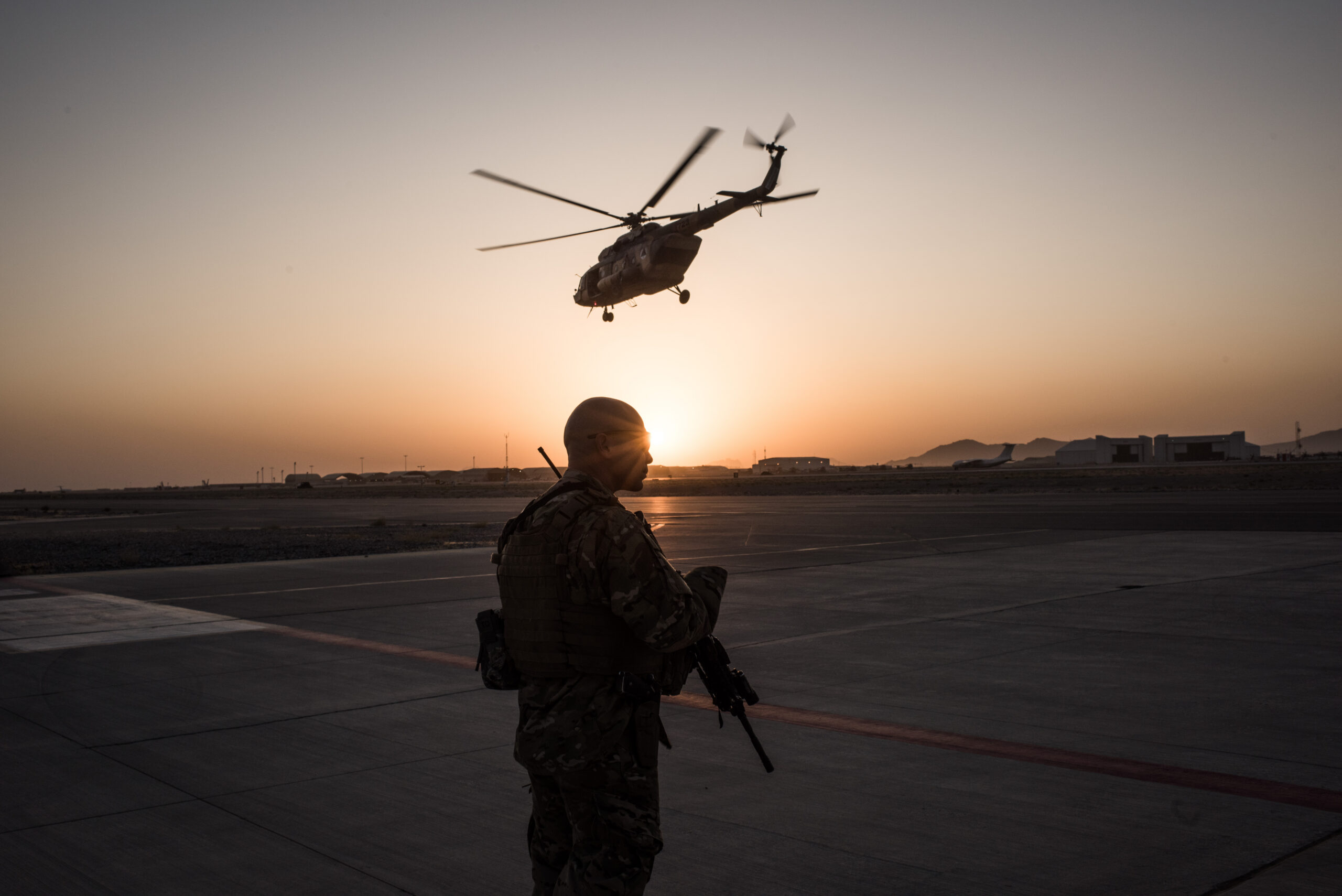
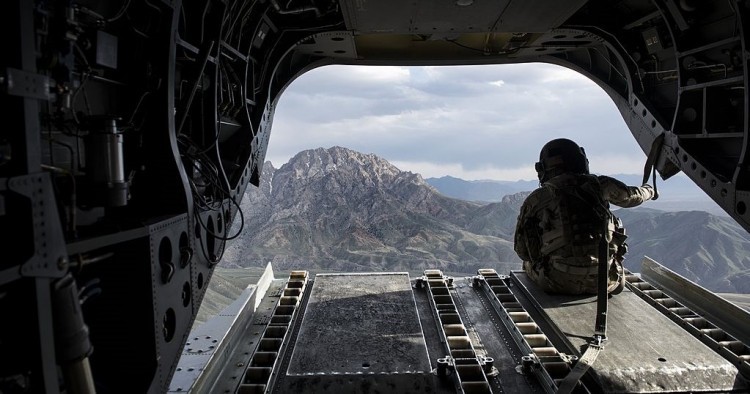
Weeks before the official U.S. military withdrawal, Afghanistan is unraveling rapidly as the Taliban continue their swift military advance. They now control more than two-thirds of the country and half of the provincial capitals. With the government’s hold on Kabul in doubt, the Biden administration has dispatched troops to evacuate U.S. citizens from the country. We asked experts and scholars from across MEI to weigh in with their thoughts on the situation and what it means for the country, the wider region, and key international players.
A Taliban victory would be a major win for the global jihadist movement
The Afghan government appears to be in a state of precipitous collapse. At least a dozen provincial capitals have fallen to the Taliban in a week. The Taliban now control around 66% of the country.
Now is the time for difficult conversations on Afghanistan
The debate about whether Afghanistan was worth thousands of U.S. lives and a trillion U.S. taxpayer dollars should have occurred before those lives were lost and the money was spent. The decision to pull out our remaining 2,500 troops was made after all of that was done. That minimal number of troops preserved everything we fought for in the last two decades. We had significantly reduced the risk to our forces and the expense to the U.S. taxpayer.
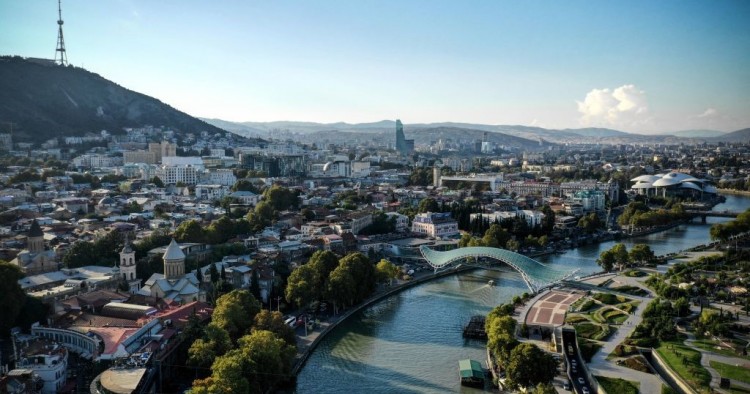
Now more than ever, the US needs to reaffirm its commitment to Georgia
As we near the 13th anniversary of the end of the Russia-Georgia war, we reflect on the continuing tragedy of Russia’s invasion and occupation of Georgia. The consequences of this Russian aggression continue to place a heavy burden on Georgia today. Since 2008, we have witnessed the country’s tremendous commitment to overcoming Russia’s malign influence. Georgians’ overwhelming and bipartisan support for the country’s path toward EU and NATO integration has not been diminished — despite continuous Russian pressure.
Missing the bigger implications of US withdrawal from Afghanistan
As the United States exits from Afghanistan, on the eve of the 20th anniversary of the 9/11 attacks, it is important to reflect on the broader and longer-term reverberations of that withdrawal. In examining the withdrawal, peace process, and the recent dynamic of militia building and Taliban control, it’s becoming clear that a different transnational threat to U.S. interests is emerging.
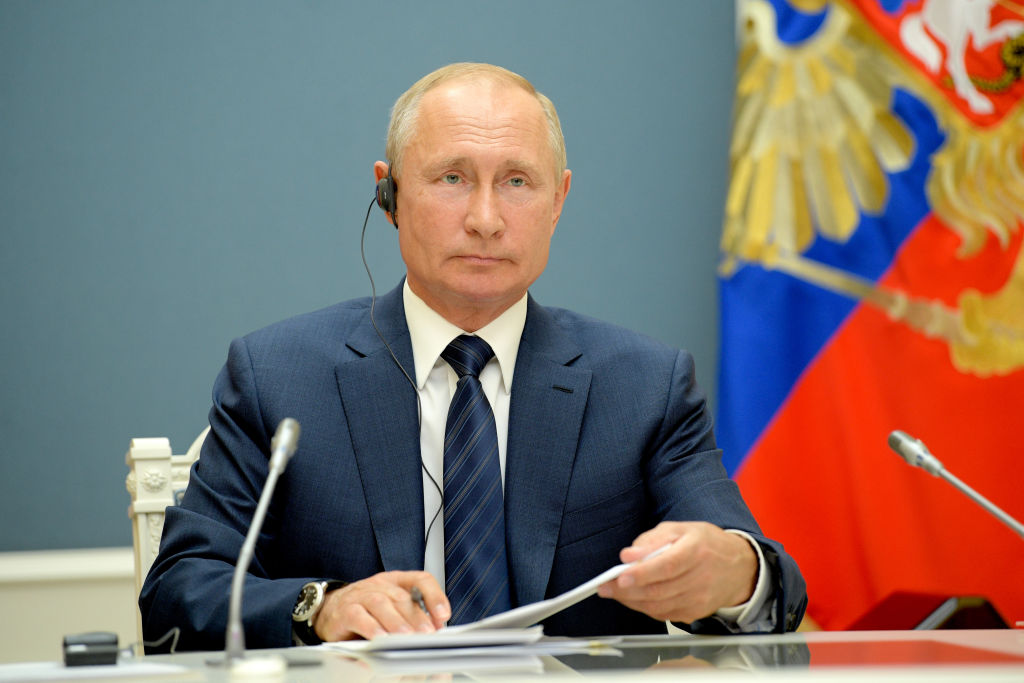
Russkyi Mir is an ideological construct and foreign policy concept defined in the first mandate of President Vladimir Putin. While not regulated through legislation or policy, the concept is popular among Russian political thinkers and ideologists as a way to shape Russia’s relationship with the world. It is also often referred to in speeches by the president, head of the Russian Orthodox Church, and other key figures.
Cost of conflict: The consequences of war in Donbas, Ukraine
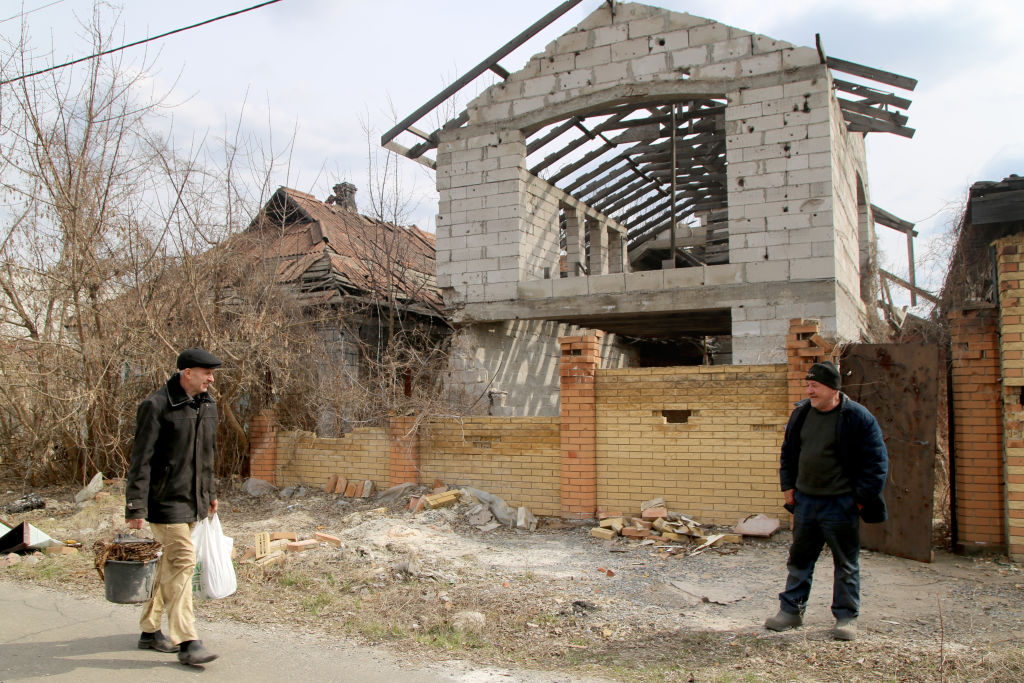
War does not end with the last bullet unloaded or agreement papers signed. Wars continue years after peace but in different ways: demining minefields, prosecuting criminals, fighting discrimination of minorities, and steering wartime narratives. Unfortunately, the longer a conflict goes on, the harder it is to achieve peace. This report provides an overview of the consequences (or ‘costs’) of the war in Donbas, Ukraine. It offers a concise overview of the key historical and economic developments surrounding the war, culminating in two major points. First, the main costs in the region arise because of a policy driven humanitarian crisis. Second, Ukrainian society is still polarized on critical issues.
Vision, creativity, leadership: Charting Georgia's path to NATO
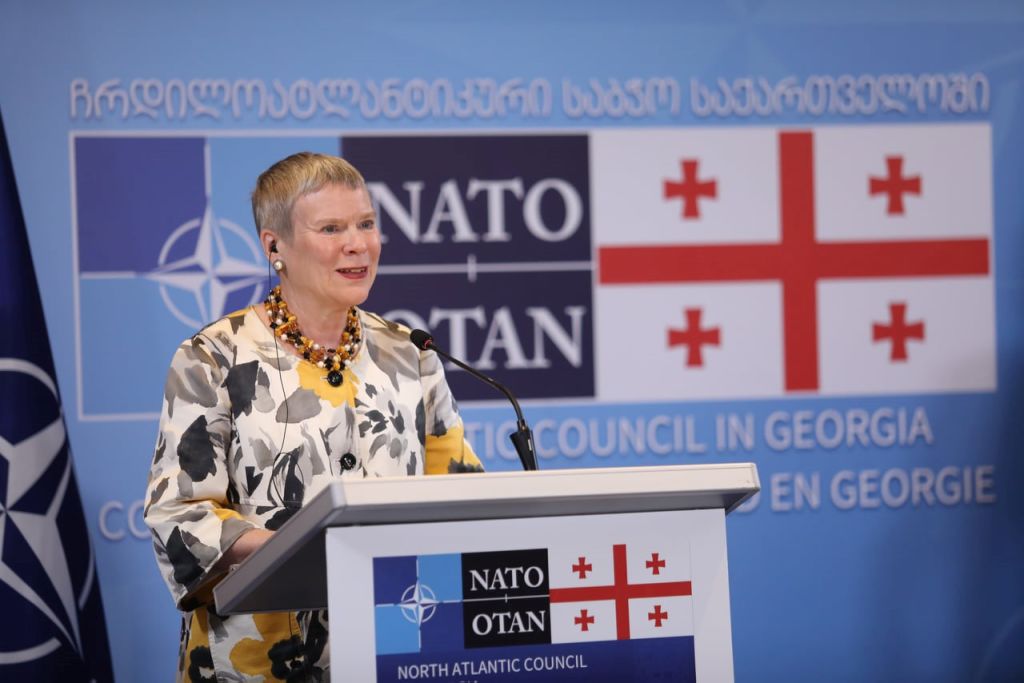
It has been more than a decade since Georgia was promised eventual membership in the North Atlantic Treaty Organization (NATO) at the 2008 Bucharest Summit. At the time, NATO did not act decisively on granting Georgia a Membership Action Plan (MAP). A few months after the Summit, Russia invaded Georgia and continues to occupy Abkhazia and the Tskhinvali region (more commonly known as South Ossetia). After years of economic, governance, and military reforms, this partial occupation remains the primary roadblock to meaningful progress on Georgia’s NATO aspirations. Other NATO members do not want to risk a confrontation with Russia by inviting Georgia to join the Alliance.