Iran’s security chief Shamkhani did his job but had to go
Late last month, Iran’s Supreme Leader Ali Khamenei opted to replace the secretary of the Supreme National Security Council (SNSC), Ali Shamkhani. The latter’s removal after 10 years spent in this key role has generated much speculation, misinformation, and outright disinformation.
Putting Diplomacy First in the Middle East: Creating Incentives for De-Escalation
The Middle East is undergoing a historic transformation with unprecedented opportunities to build new relationships, de-escalate tensions, and foster conditions for stronger integration. At the same time, the region remains on edge because of ongoing tensions in Yemen, Syria, Iraq, and other conflict zones, a civil war that broke out recently in Sudan, along with the overarching challenges presented by fraught relations between Iran, Israel, and several Arab Gulf countries — with the longer-term implications of the still-fragile Iranian-Saudi rapprochement yet to be fully assessed.
War as a catalyst for greater Black Sea-Gulf interconnectivity
Russia’s full-scale invasion of Ukraine has destabilized and distressed the entire Black Sea neighborhood. Yet despite the war, or perhaps because of it, strategically important foreign direct investments into Black Sea littoral countries, including from the Gulf, have endured or even grown.
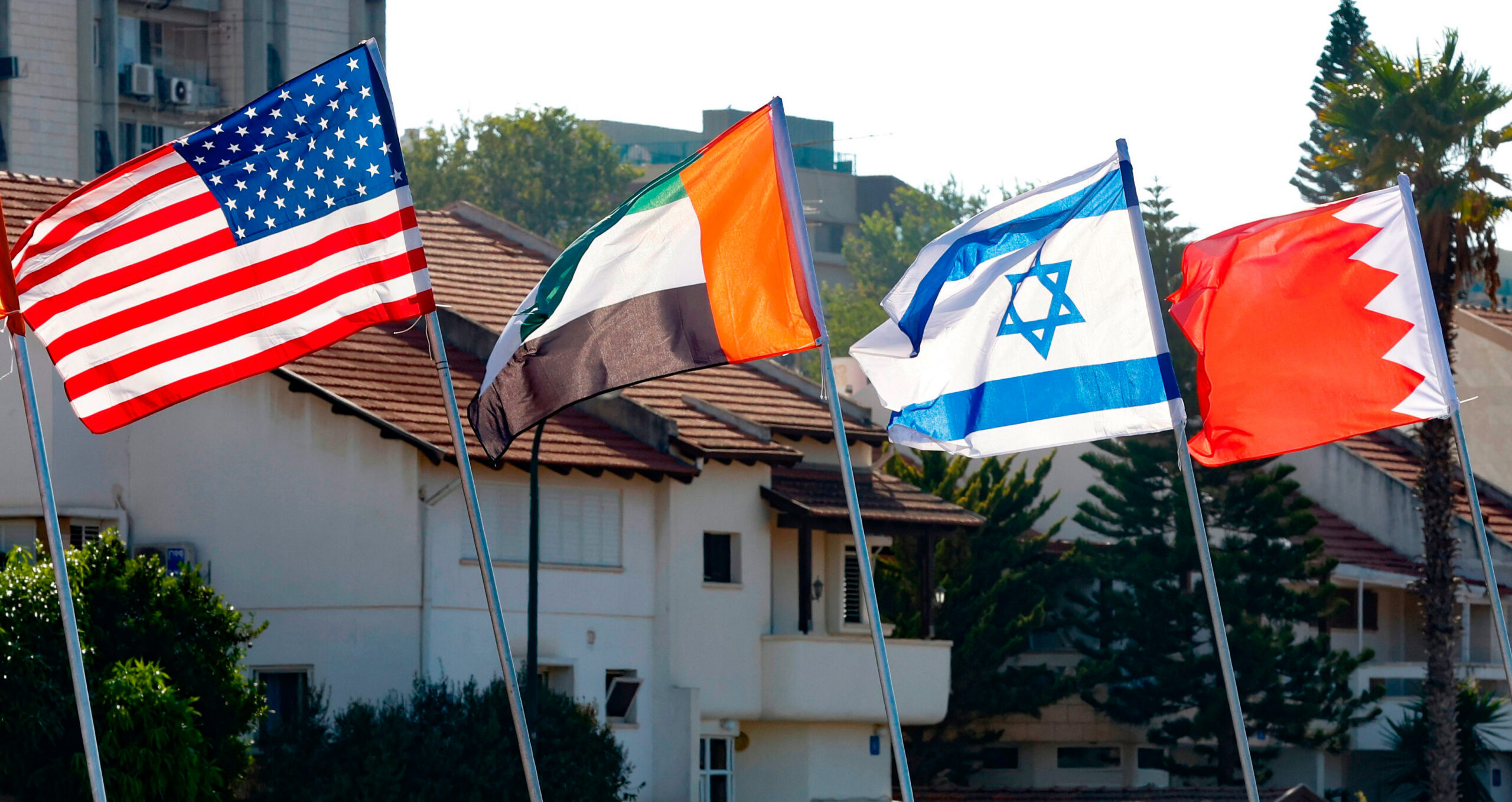
In an era of Middle East détente, how should the US and Israel respond?
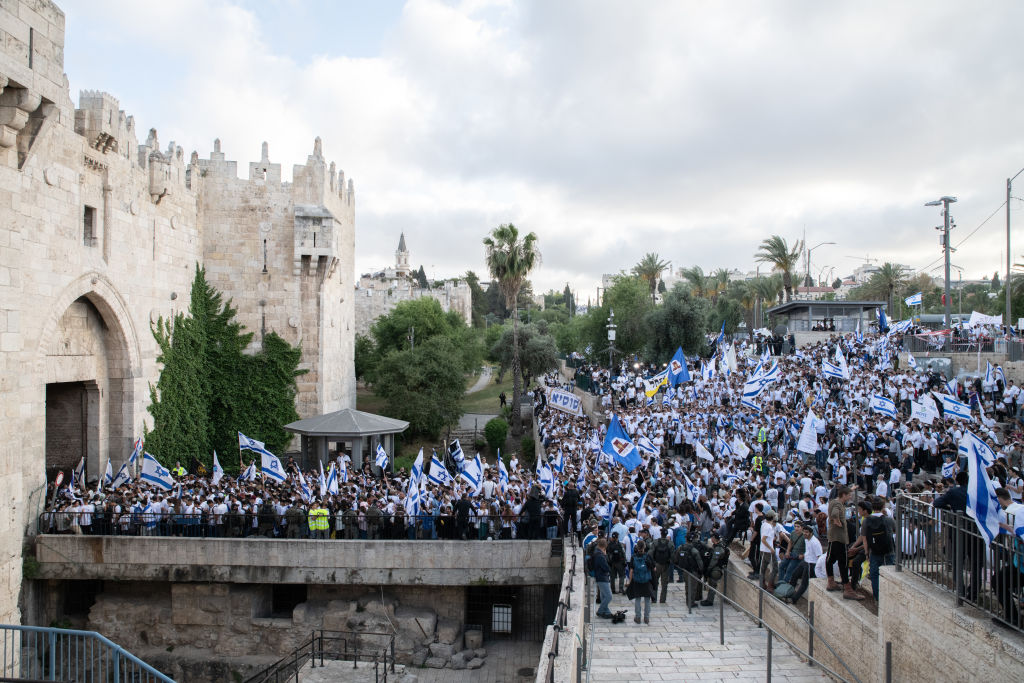
Both Washington and Jerusalem welcome any reduction in regional tensions and prospects for a more stable, secure, and prosperous environment. However, there is a risk for U.S. and Israeli policy priorities, such as that regional de-escalation will reduce pressure on Tehran to negotiate on issues of concern, especially its nuclear weapons program.
The technical is geopolitical: Expanding US-UAE relations through AI
With AI development disproportionate attention is given to the world’s technological heavyweights, the U.S. and China, as they seek an innovative edge in their great power competition. But Gulf states like the UAE are also moving rapidly to invest in and adopt AI, with significant implications for bilateral relations. The momentum in both the U.S. and the UAE can be leveraged by anchoring further ideas for political, diplomatic, and military cooperation in the technical evolution of AI.
A Three-Part Formula to Persuade Armed Groups in Yemen to Respect Human Rights
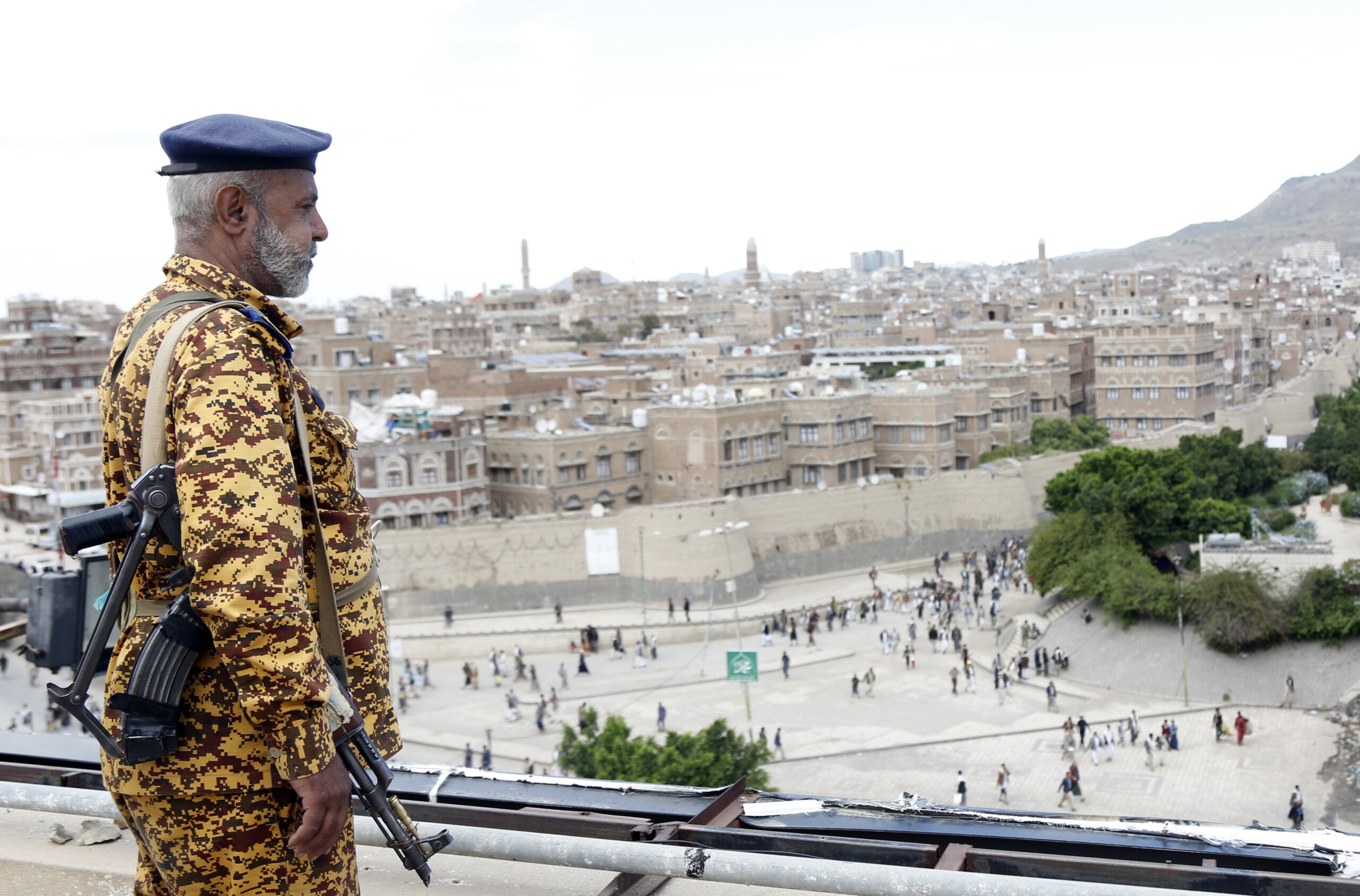
During nearly a decade of grinding civil war in Yemen, nonstate armed groups and hybrid actors have proliferated on all sides of the conflict. Members of some armed groups have committed violations against civilians, including arbitrary detentions, forced disappearances, torture, land grabbing, extortion, and gender-based violence.
Joining the pieces together: Toward a comprehensive EU maritime approach for the Northwestern Indian Ocean, Persian Gulf, and Red Sea
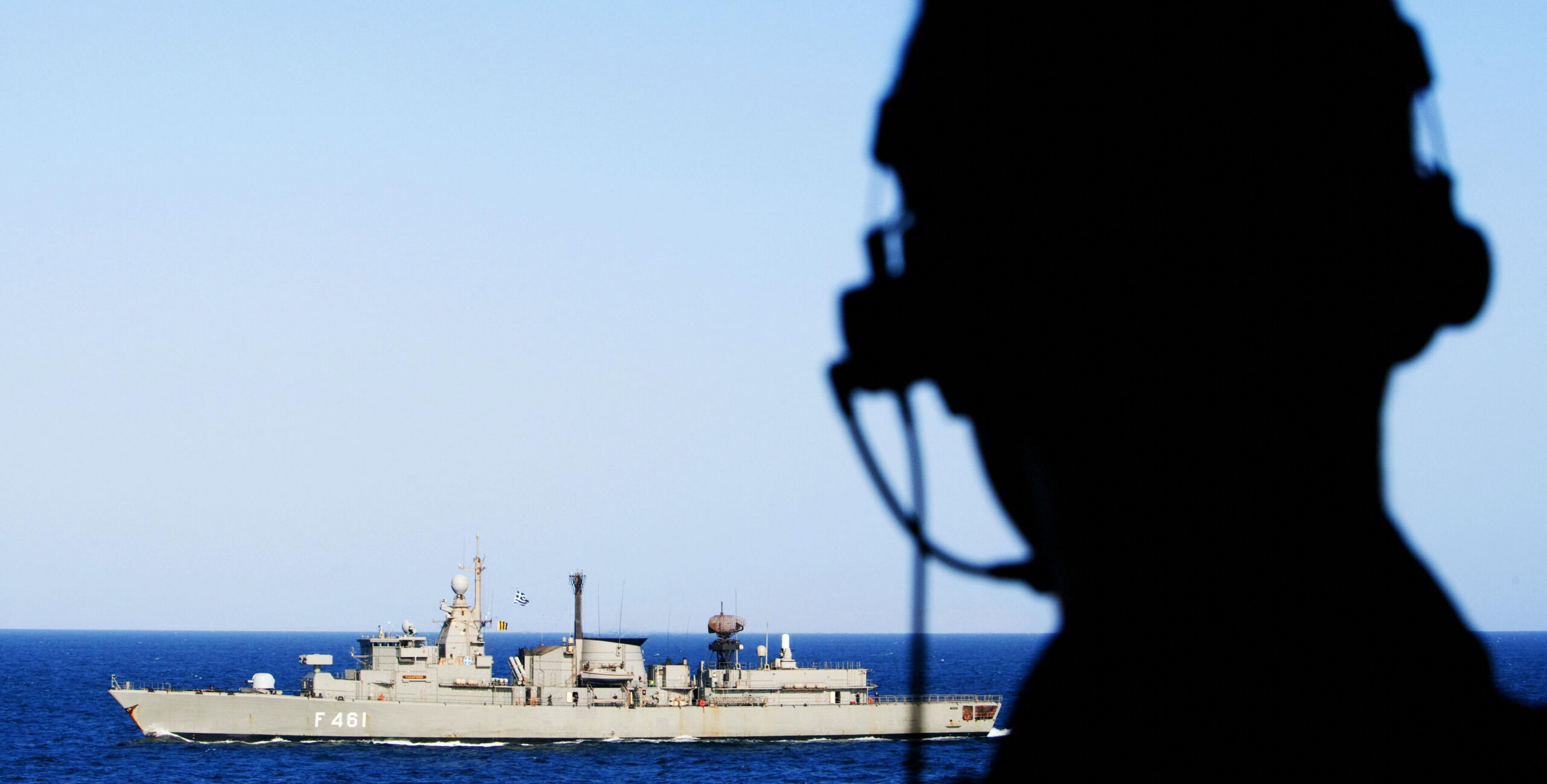
Until recently, the EU has favored a piecemeal approach toward the Northwestern Indian Ocean, the Gulf, and the Red Sea, despite their close interdependence and inter-connectedness in the security, political, and economic realms. But the EU is now signaling a growing desire to steer its naval policy toward a more holistic and organic process, creating an opportunity for Brussels to become a more relevant security actor in the waters off the Arabian Peninsula.
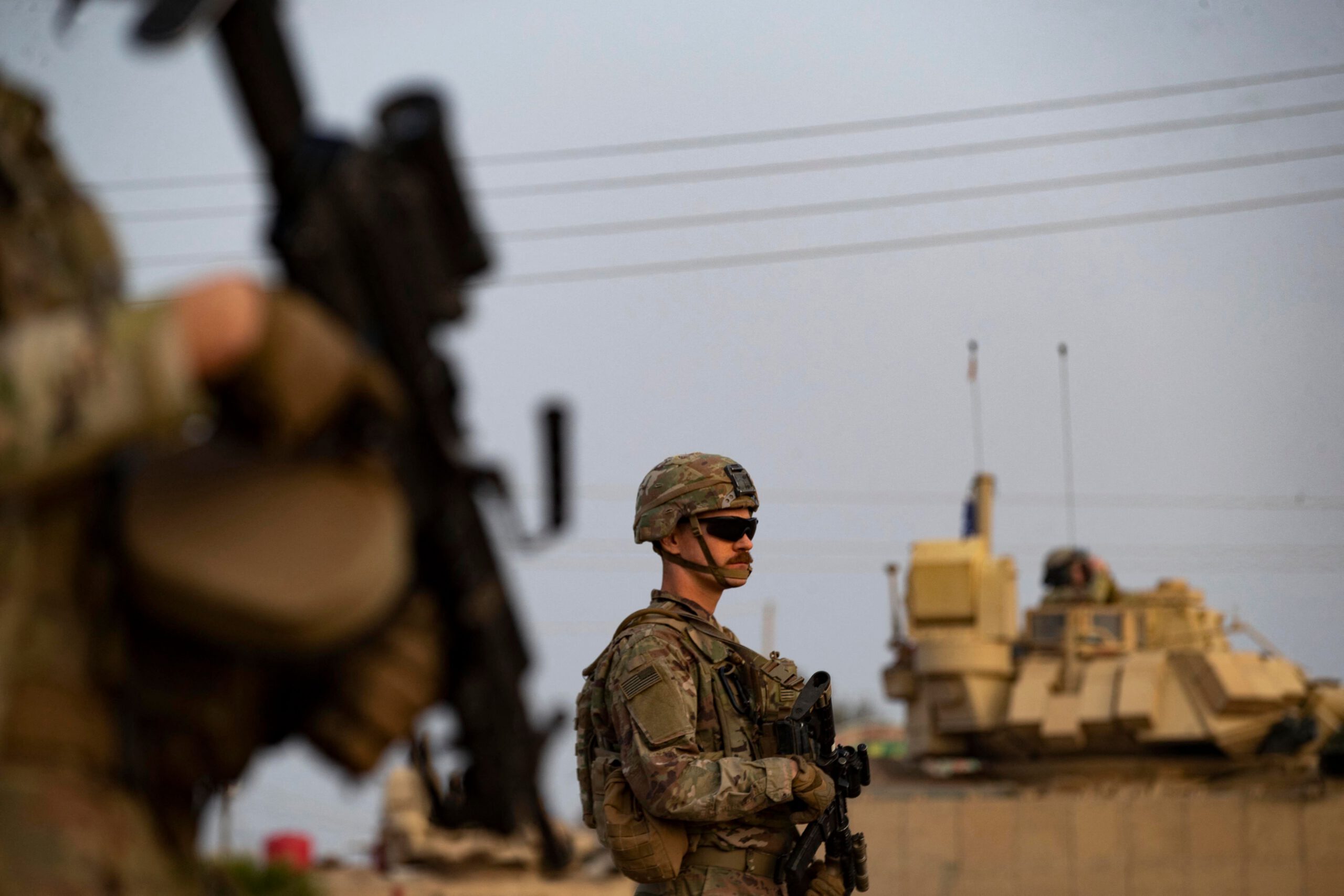
The U.S. administration is tacitly contributing to growing acceptance and re-normalization of Syrian President Bashar al-Assad, the 21st century’s most notorious war criminal, putting in jeopardy the continuation of our counter-terrorism mission in Syria. Assad is toasting his survival on the ashes of his victims — but within the small community of optimistic actors in Syria, ISIS is sitting pretty comfortably too.
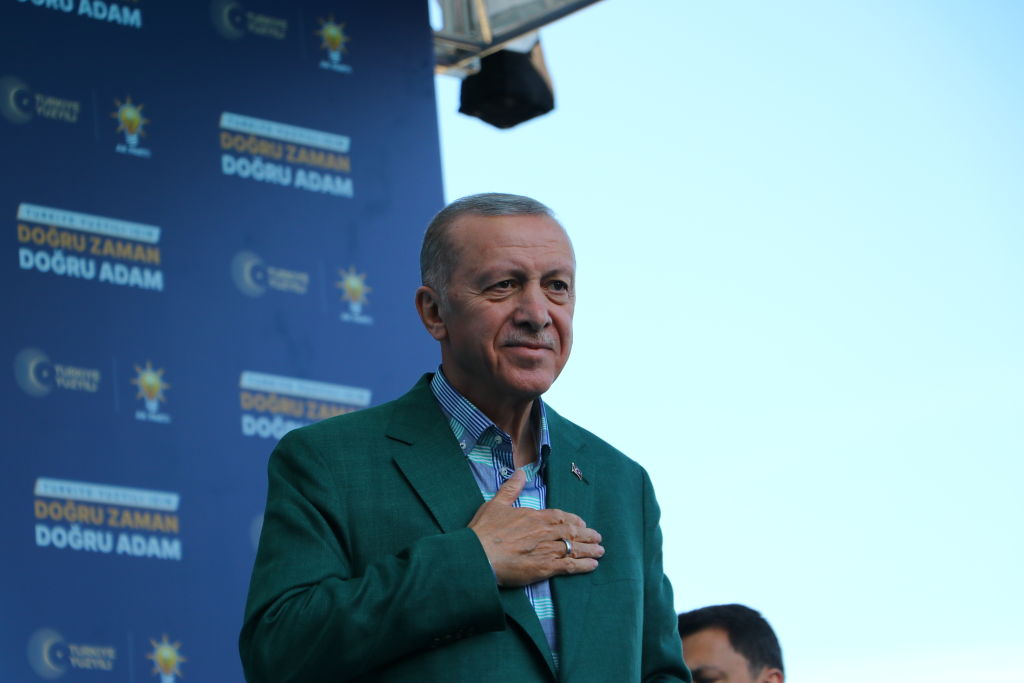
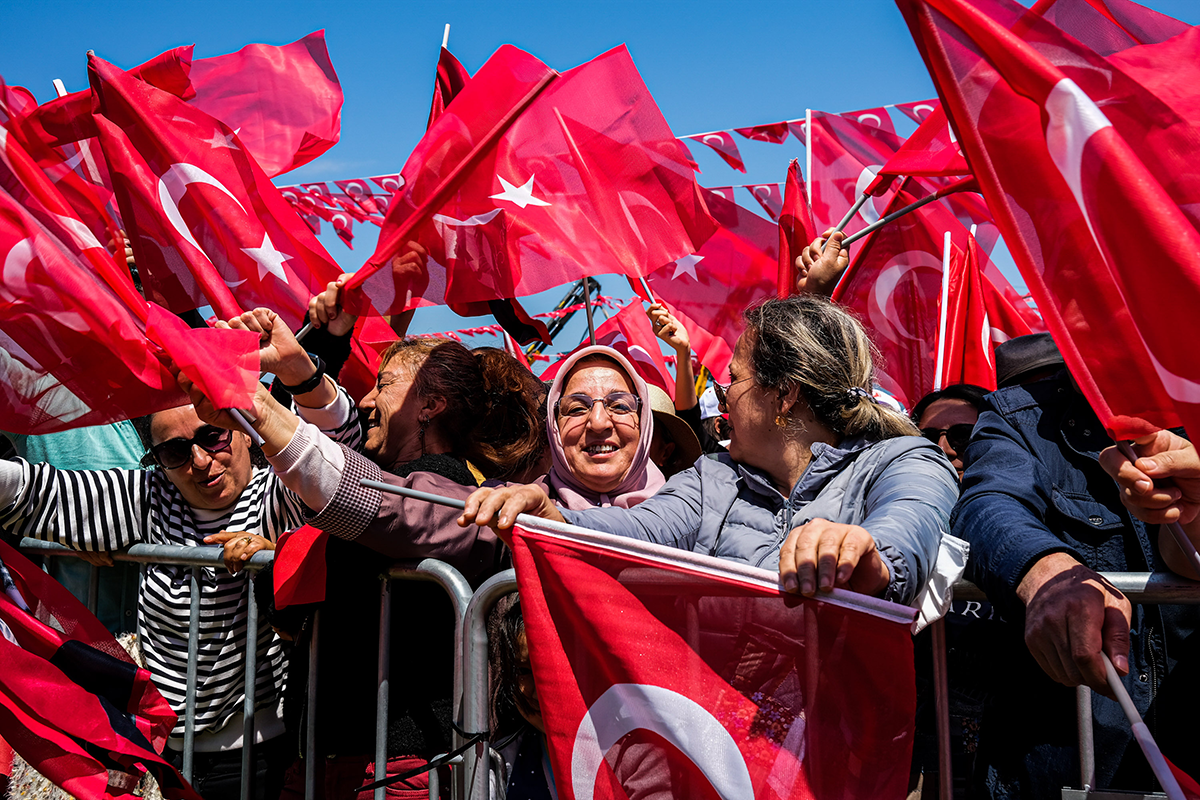
The Turkish Elections and the Future of Northwest Syria: Scenarios and Policy Implications
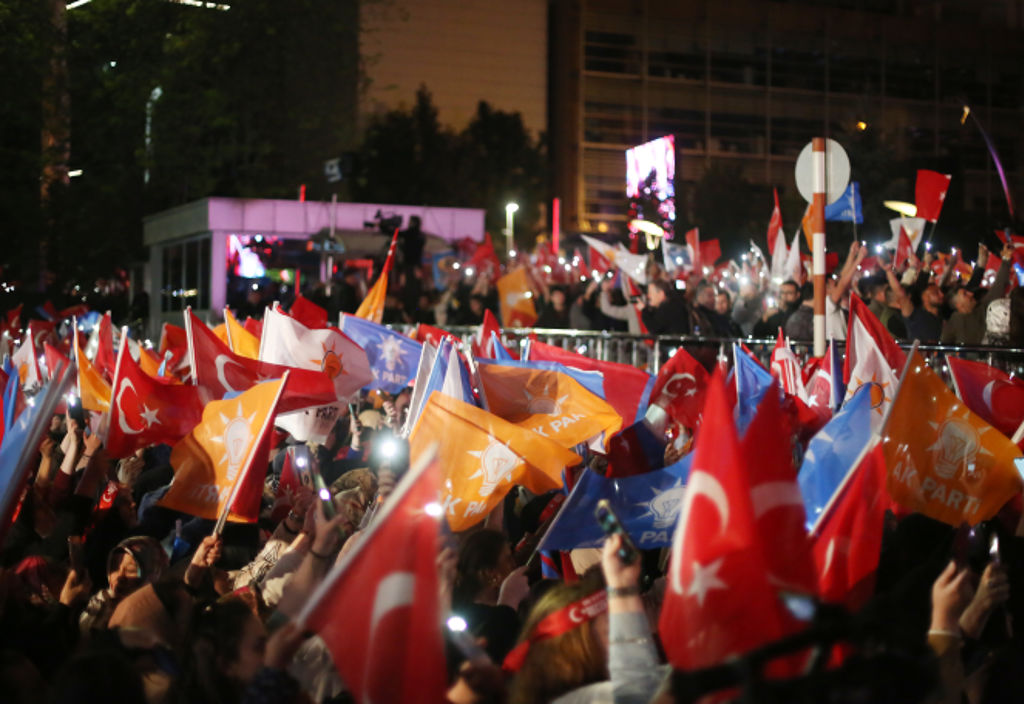
The Syrian conflict has had a major impact on Turkey’s internal political discourse, with much of the discussion centering around the conflict itself, Turkey’s role in northern Syria, and the refugee crisis. This paper employs a scenario analysis methodology to explore potential outcomes that may impact Northwestern Syria following the upcoming Turkish presidential and parliamentary elections on May 14.
تركزت جميع النزاعات التاريخية والحديثة في الشرق الأوسط حول الاعتبارات الإقليمية الكلاسيكية المتعلقة بفقدان الأراضي أو استعادتها. وللخروج من هذه الدوامة، كان من الضروري الابتعاد عن أحد الأسباب الجذرية الرئيسية للنزاع: الجغرافيا. وقد تكون التغيرات الحالية في المنطقة، التي تتميز بتوجه كبير نحو تخفيف حدة التوتر واستعداد متزايد للانفصال بشكل دوري عن الحلفاء التقليديين، مؤشرات على حدوث تحول جذري عميق نحو "السياسة الكمومية".
Getting ahead of the Middle East’s climate refugee conundrum
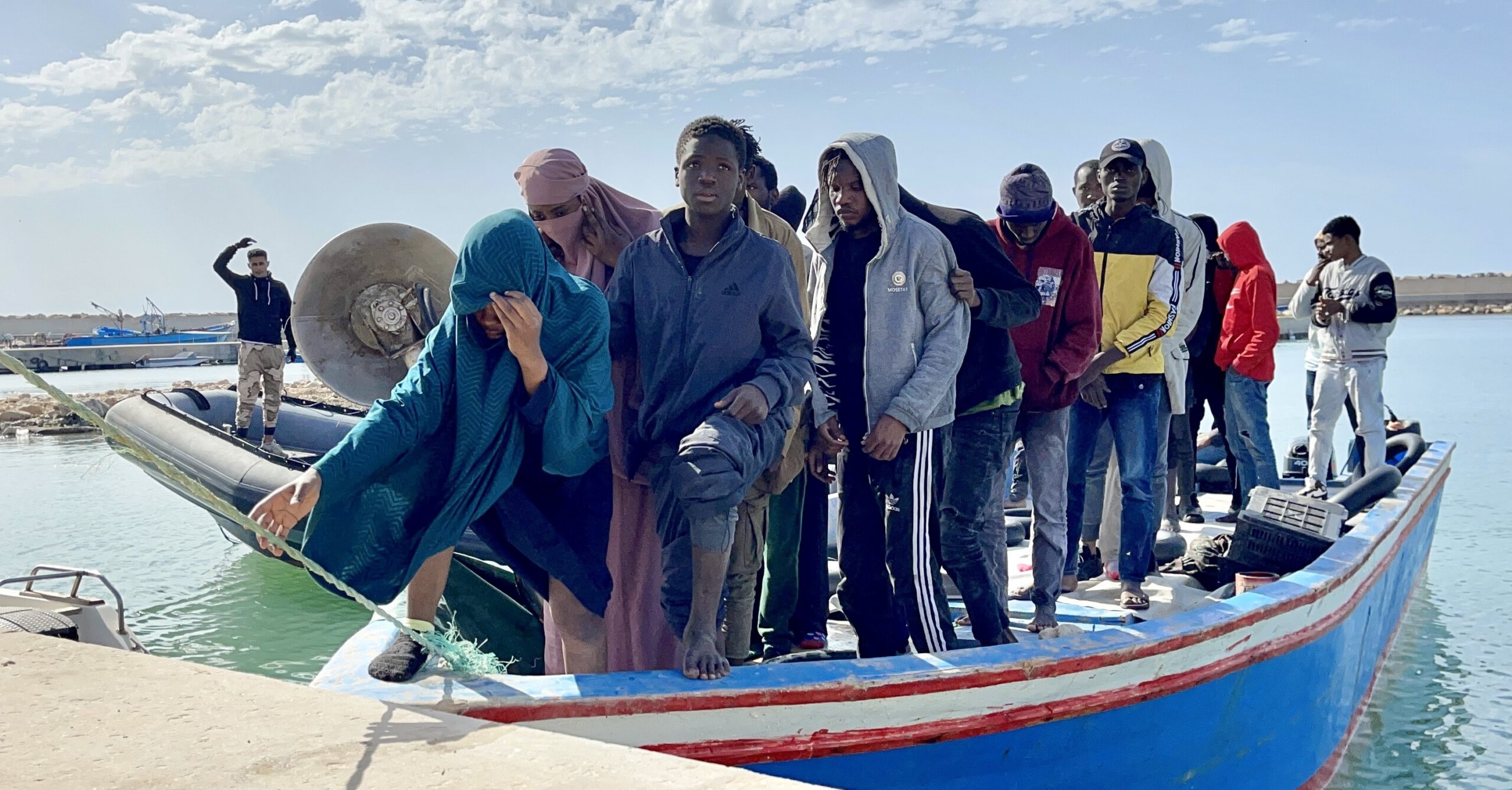
Over the coming decades, the worsening effects of climate change will increasingly displace many millions of vulnerable people in the Middle East and North Africa, and many of these refugees will attempt to relocate to the Global North. To avert such a monumental looming problem requires pragmatic solutions and their swift implementation.