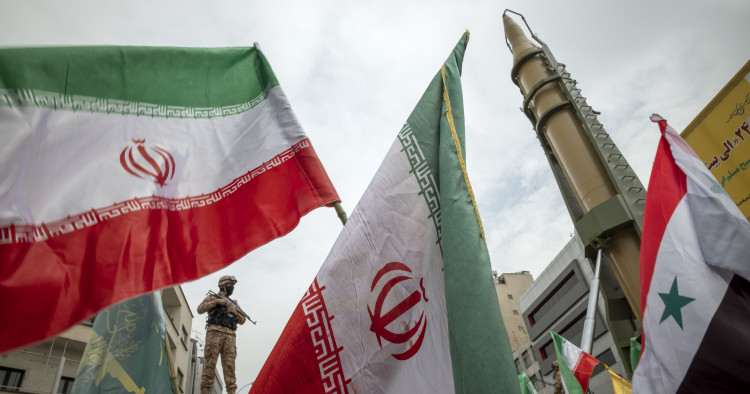
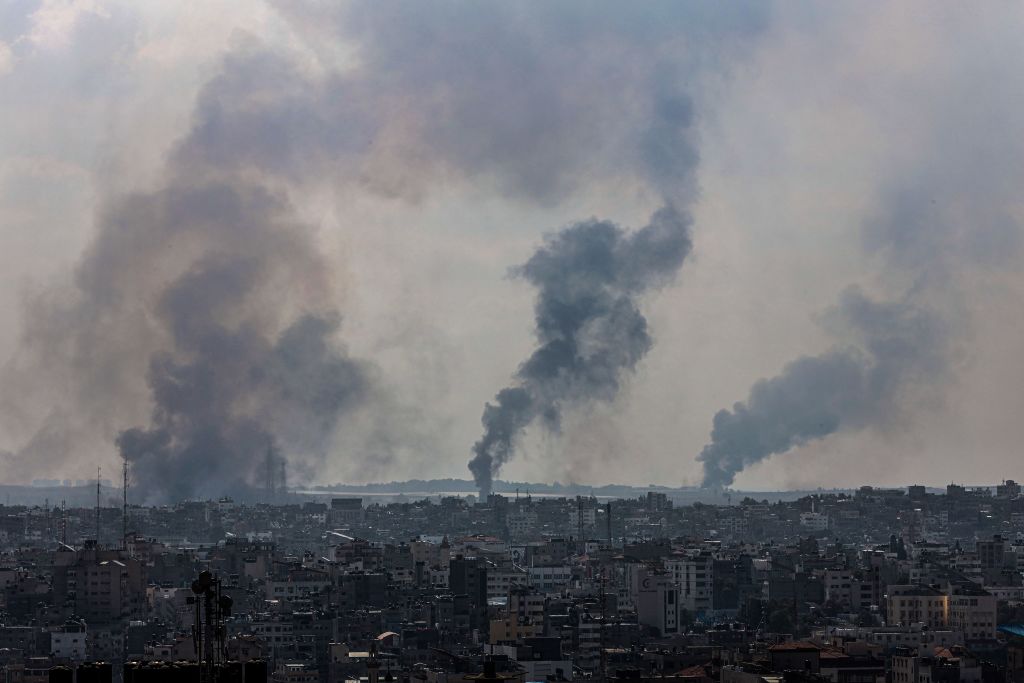
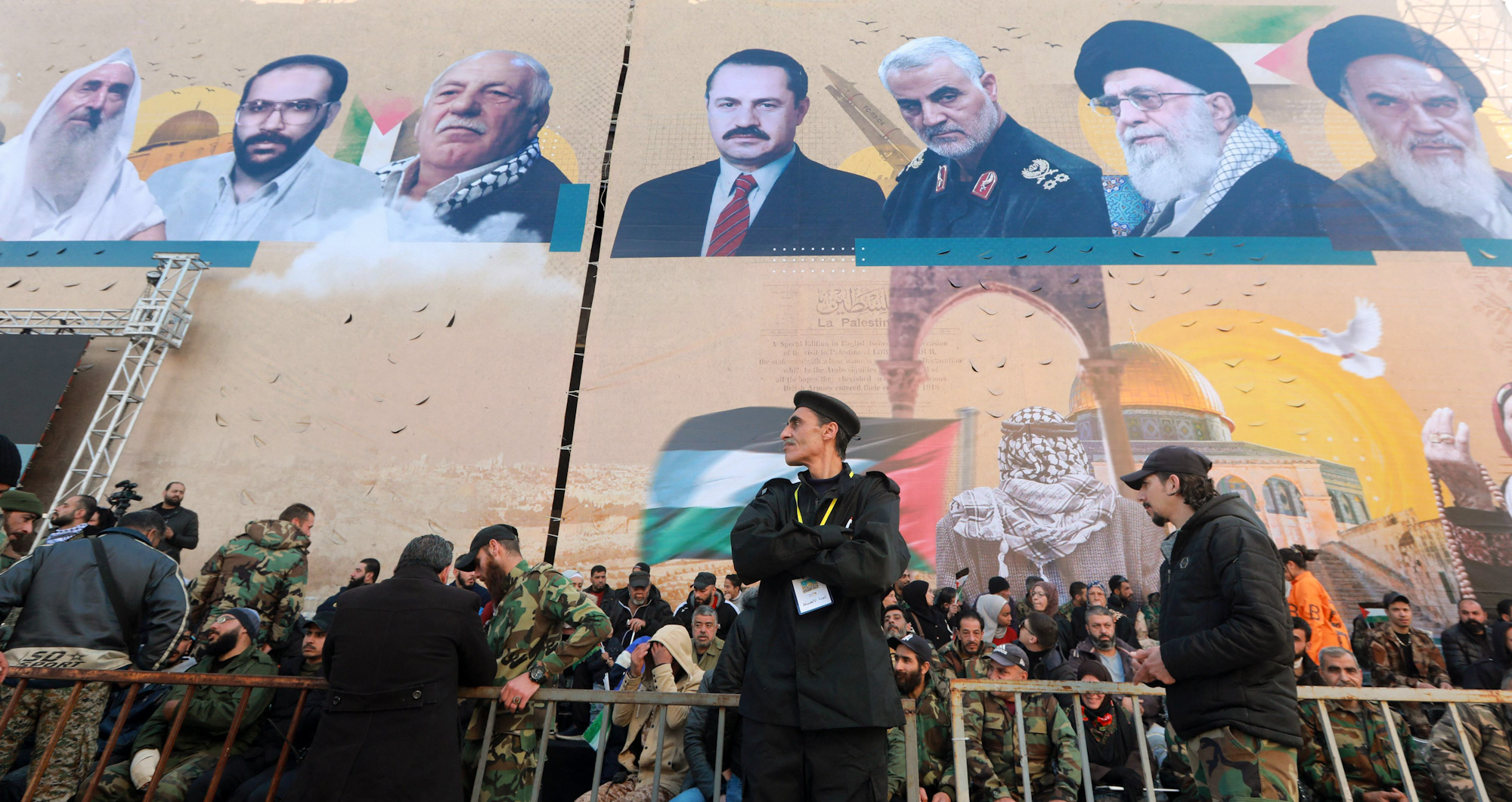
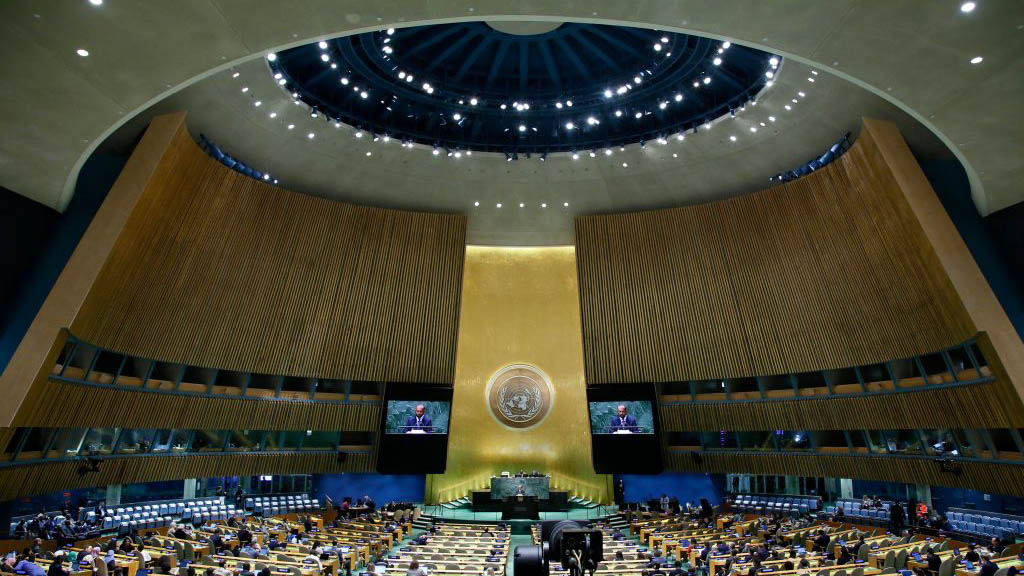
As the Israel-Hamas war rages on, Iran’s role will continue to be a pivotal question. While Tehran no doubt feels vindicated in its model of armed campaign against Israel, it will likely not seek escalation by confronting Israel and the United States militarily. Instead, Iranian officials seem to consider the war as a moment to elevate Tehran’s image in the Islamic world—and in the global south generally.
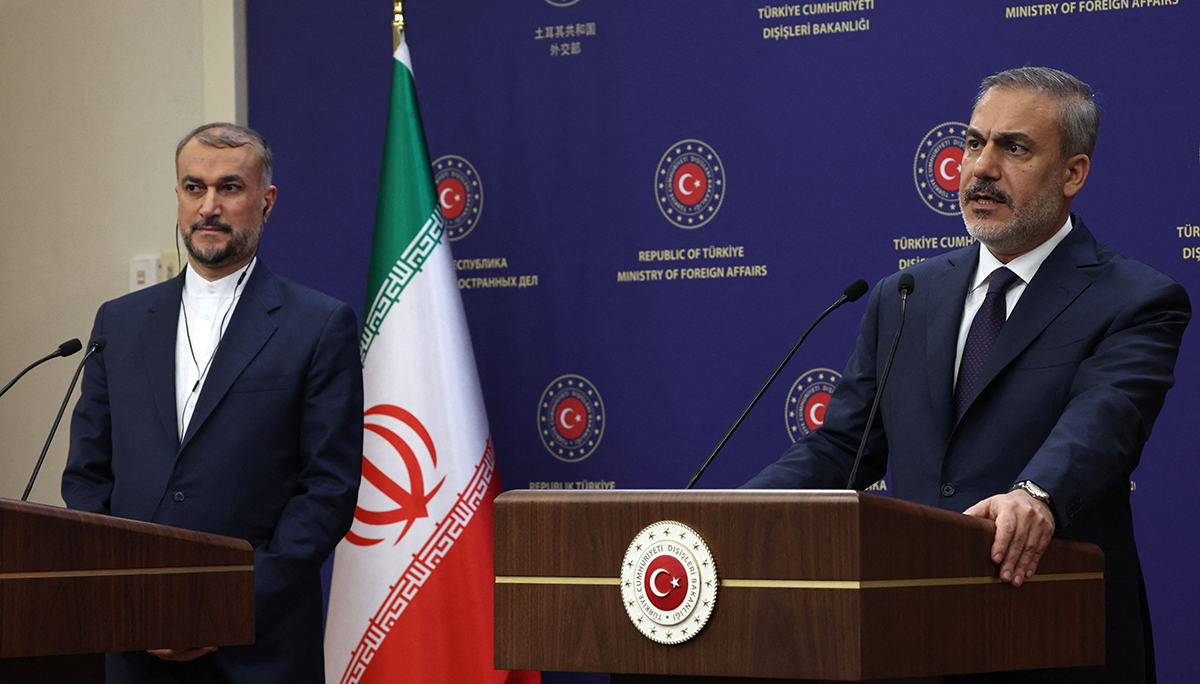
Turkey and Iran: Toward an “Axis of Revisionism” amid the war in Gaza?
Hamas’ violent and unexpected Oct. 7 attack on Israel has shaken a fragile regional order in the Middle East. Ankara and Tehran are worried that a stronger U.S. presence in the Middle East is detrimental to their regional interests. The war in Gaza might help close the ranks between Turkey and Iran, yet there are serious limitations to a sustainable alliance between the two countries.
The Houthis’ Red Sea missile and drone attack: Drivers and implications
On Oct. 19, the Pentagon press secretary confirmed that the Iran-backed Houthi militia targeted the USS Carney, an Arleigh Burke-class guided-missile destroyer, in the Red Sea. The USS Carney reportedly intercepted three cruise missiles and several drones without sustaining any damage or casualties. Although the Houthis have yet to claim responsibility for the attack, the drones and missiles were likely fired from north-western, Houthi-held positions in Hodeida and Hajjah governorates on Yemen’s Red Sea coast and were headed “north,” most likely toward Israel.
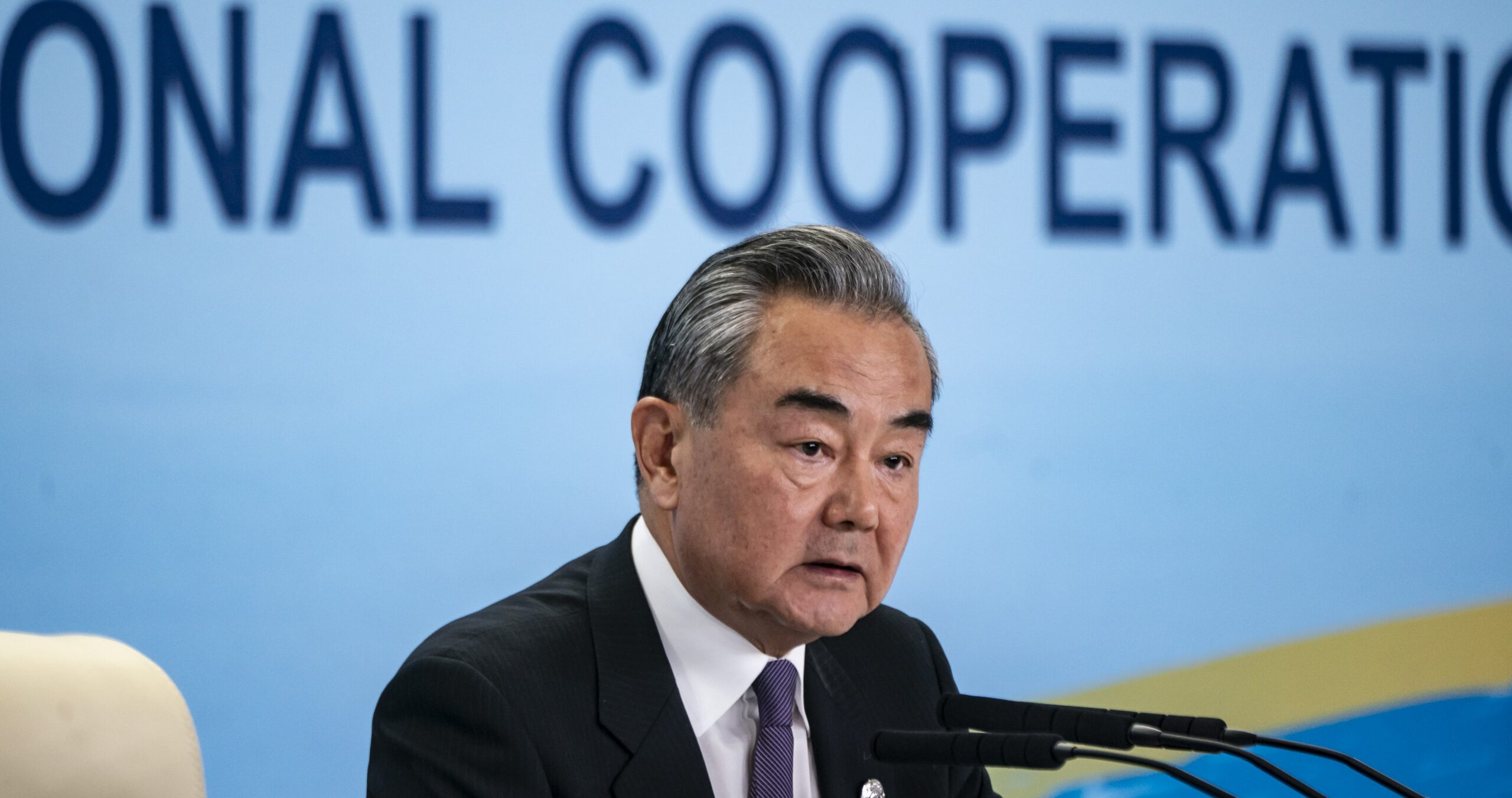
The war in Gaza as a major test of China’s Middle East peace diplomacy
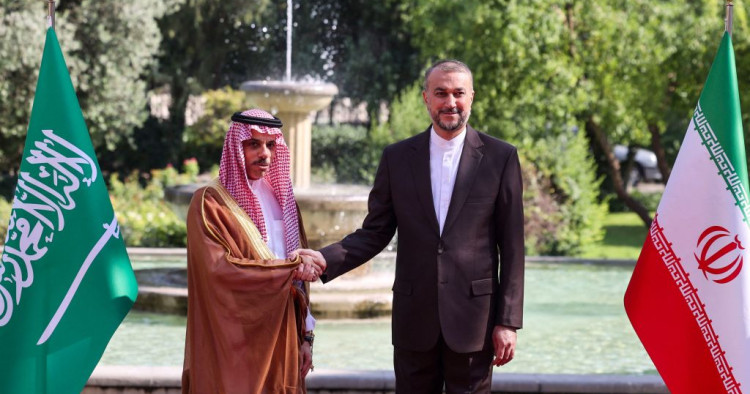
China has long sought to brand itself as a “neutral” player and force for peace in the Middle East and elsewhere, willing and able to talk to “all sides.” Beijing’s nascent ambition to play the role of peacemaker and its potential to shape regional events was on display when it succeeded last March in brokering the détente between Riyadh and Tehran. The Israel-Hamas war offers no such low-hanging fruit. On the contrary, it poses a major test of China’s Middle East peace diplomacy — and an opportunity to examine some of our own, perhaps faulty assumptions.
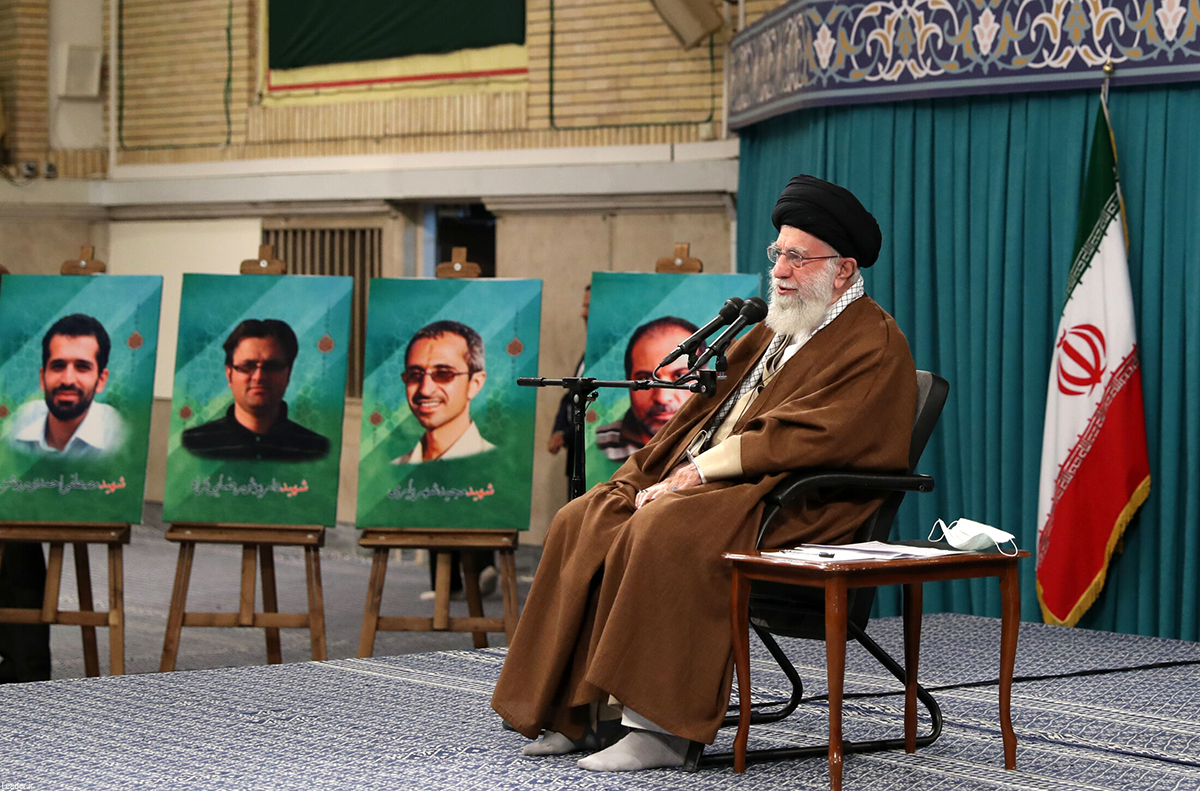
As the war rages on between Israel and Hamas in Gaza, the role of Iran will remain a central factor. Tehran is not only Israel’s top regional foe but also the leading provider of military aid and training for Hamas. But what is its endgame? As with all stakeholders in this war, Tehran’s calculations are evolving and shaped by events on the ground in Gaza.
Gulf States should push Iran to get serious about lowering tensions
Two days after the Hamas attack on Israel last weekend, a top Iranian official said that “Arab states willing to normalize relations with Israel [should] give up the process and learn a lesson from the latest developments in Palestine.” The comment makes one thing clear: Like Hamas, Tehran wants to stop Arab diplomatic normalization with Israel.
In the eye of the storm: The battle over fossil fuels at COP28
As the existential threat of climate change continues to intensify, the future of fossil fuels has been thrust into the international spotlight. Reducing hydrocarbon production and consumption has gained traction in international climate talks amid warnings that the window to avoid catastrophic warming is closing quickly.
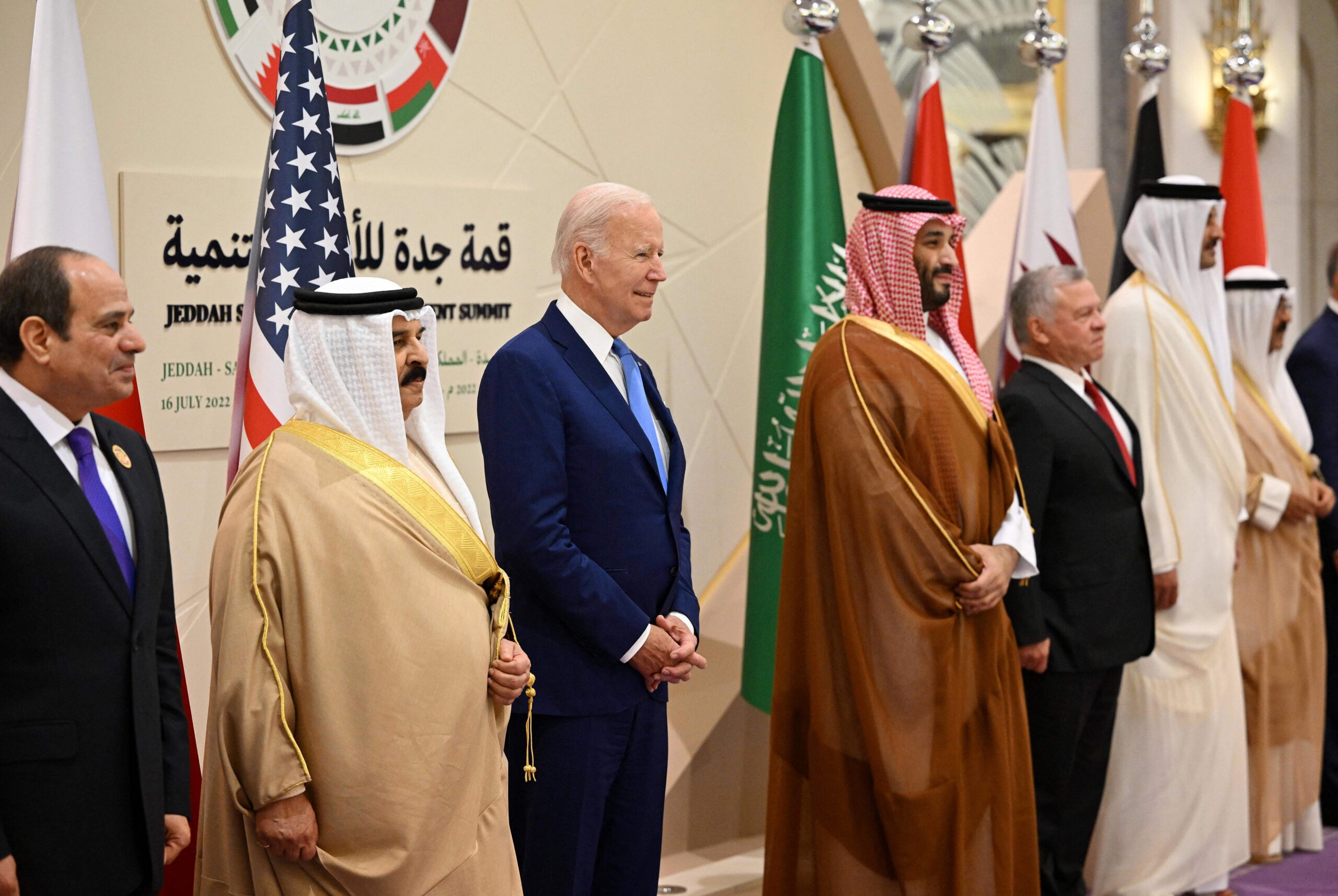
Treading Cautiously on Shifting Sands: An Assessment of Biden’s Middle East Policy Approach, 2021-2023
This report provides an interim assessment of the Biden administration’s overall Middle East strategy and examines the strategic opportunities and risks for U.S. policy in the broader region.
Iran’s unification of the arenas campaign against Israel: Foundations and prospects
As Israel faces a relentless, unprecedentedly severe political crisis at home, in the regional theater Iran has amplified its anti-Israeli activities, undermining the efforts Israel undertook during 2020-22 to build up a common security front with neighboring Arab states against Tehran as well as to intensify various military operations against Iranian interests.
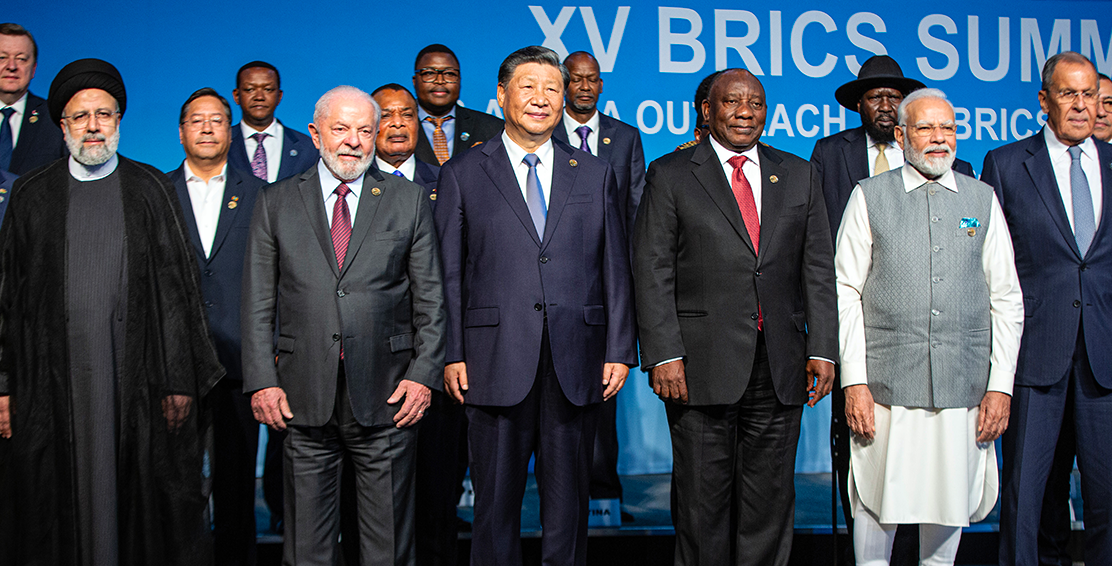
Will BRICS membership recast Iran’s foreign policy?
Iran has said that its membership in the BRICS grouping of major emerging economies, announced at the BRICS summit in South Africa in late August, is an “historic achievement,” but what’s really driving Tehran’s actions and how much is its membership likely to achieve?
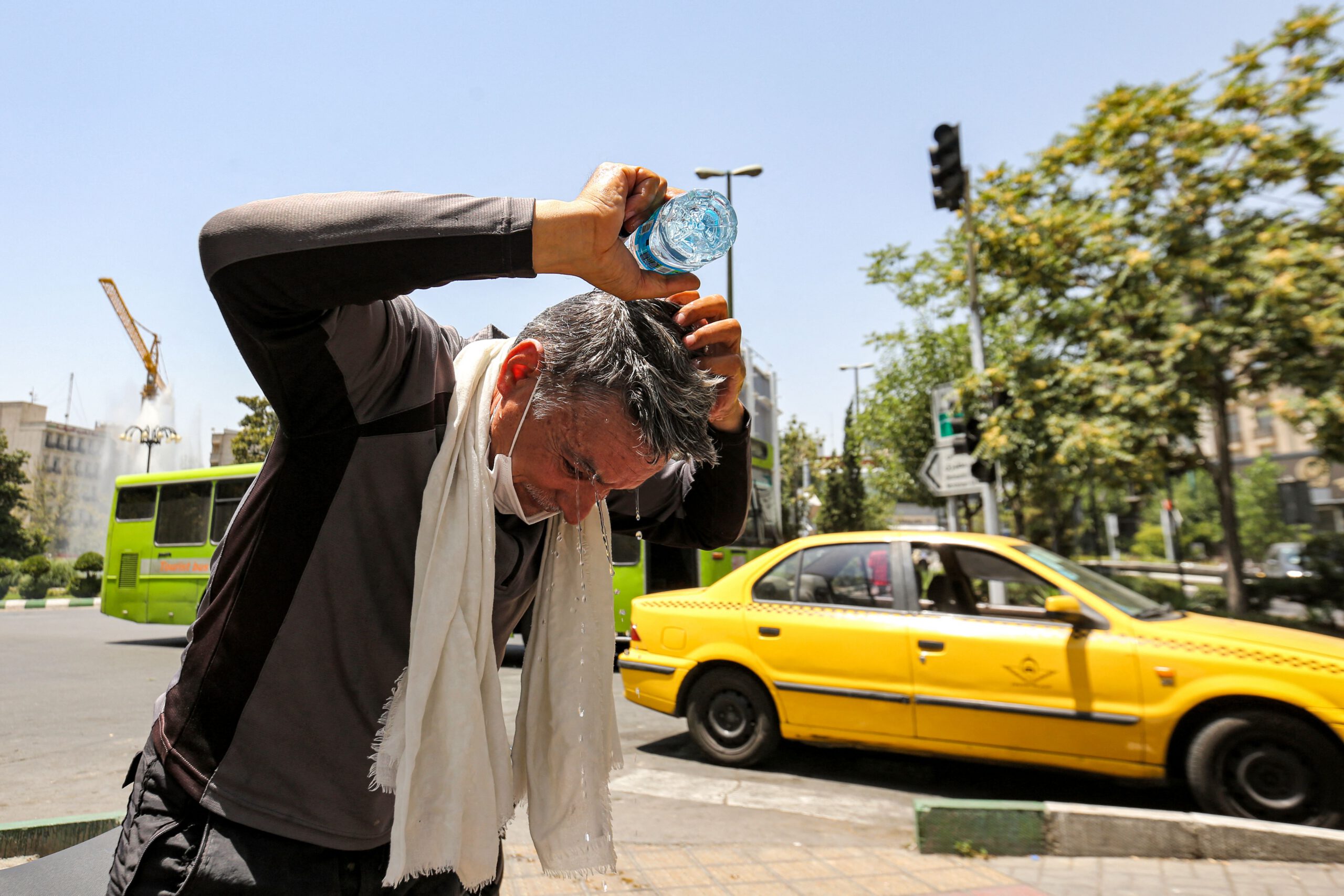
Iran has yet to ratify the 2015 Paris Agreement, but efforts to address the impact of climate change have great potential to create opportunities for mutually beneficial cooperation, building on the recent trend of regional de-escalation. Climate diplomacy represents an untapped opportunity for Iran to engage globally by incentivizing it to adopt the U.N. Sustainable Development Goals in exchange for sanctions or debt relief.