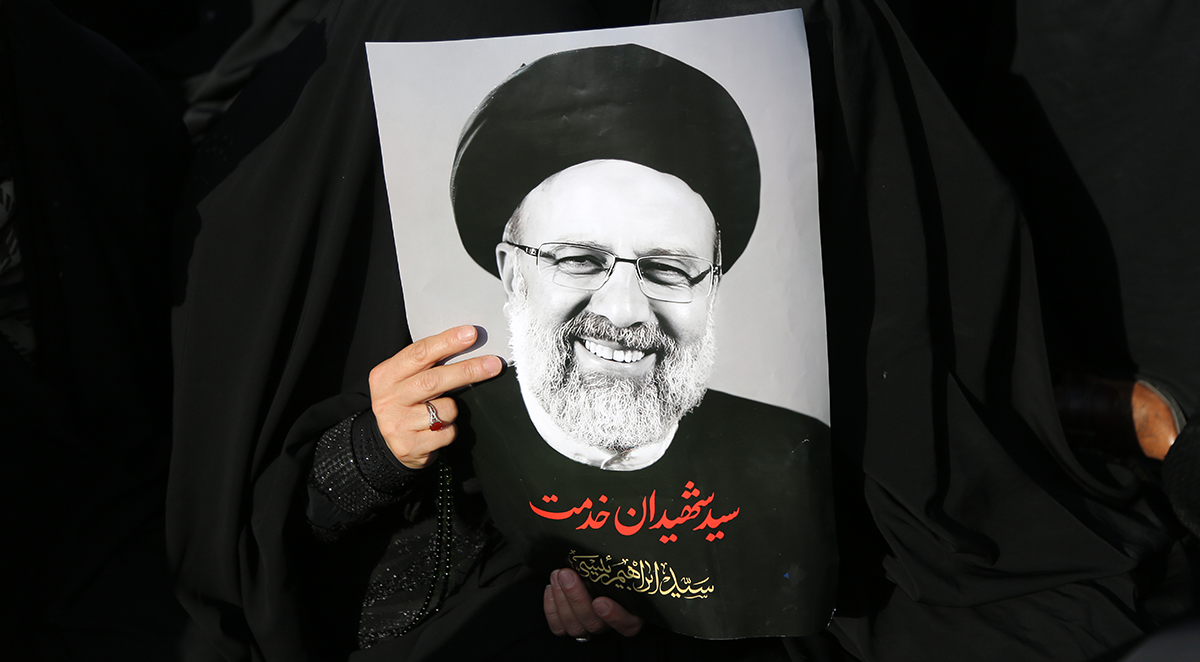
Raisi's death underscores Iran’s instability and potential post-Khamenei destabilization
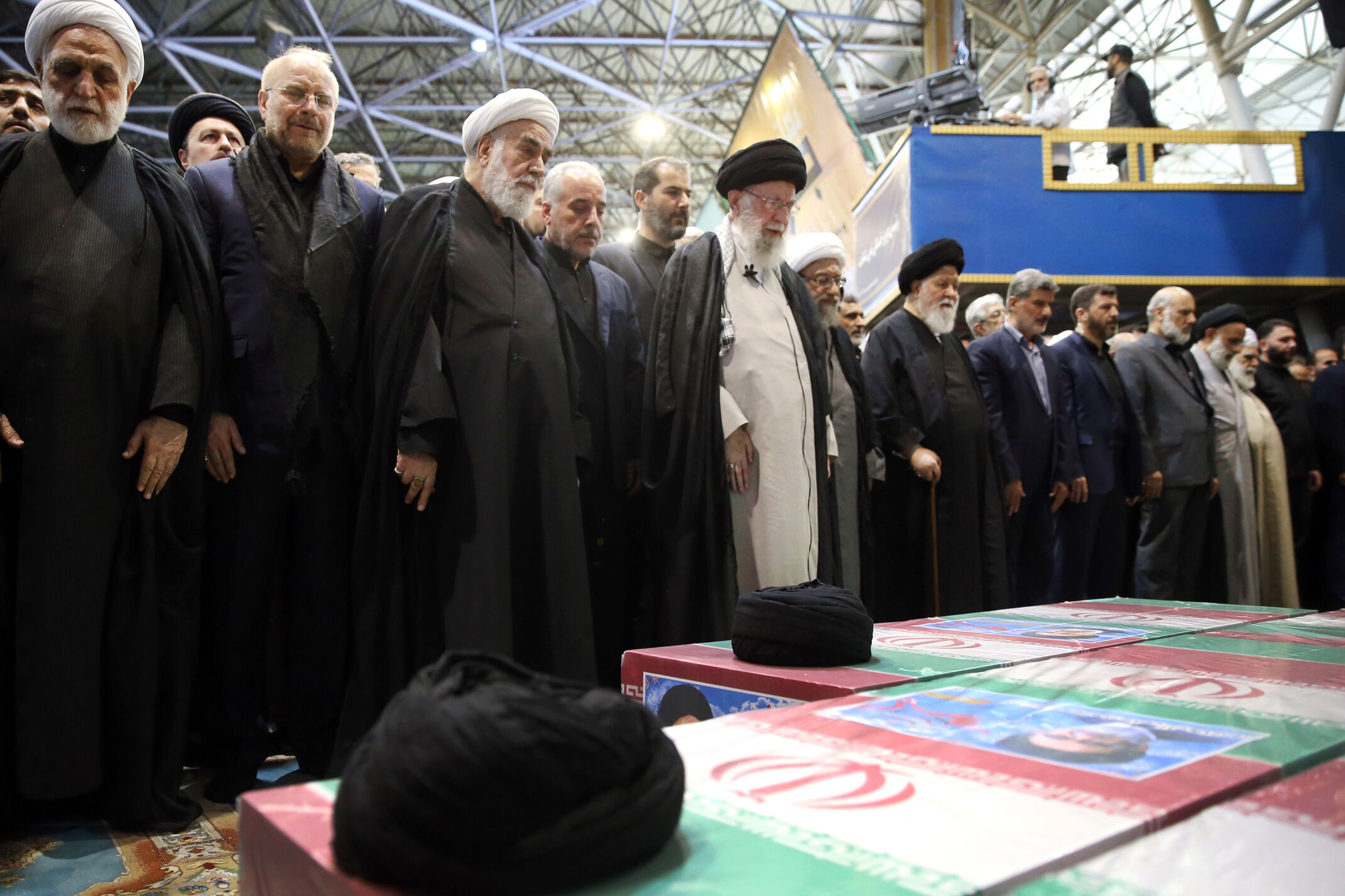
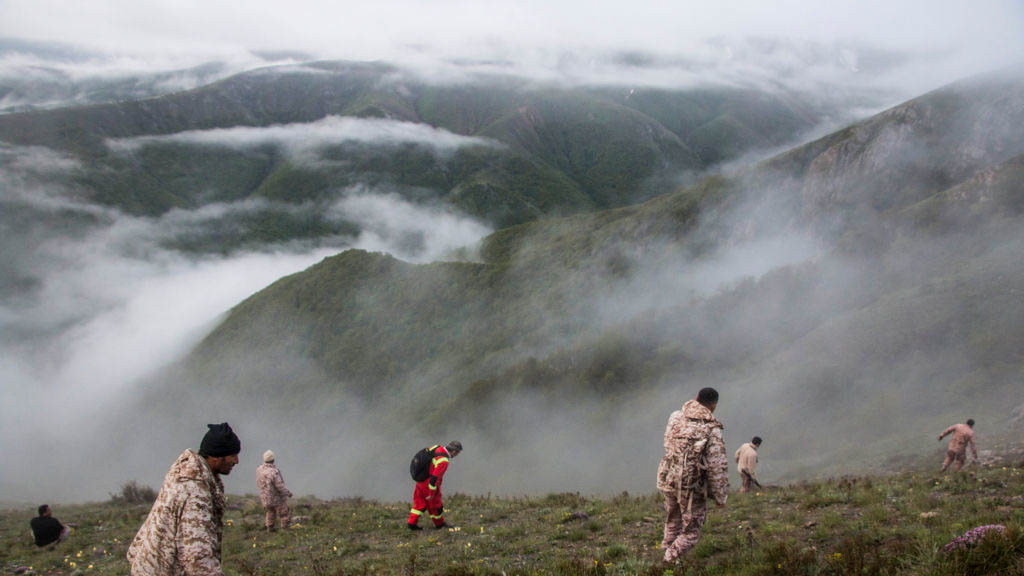
The death of President Ebrahim Raisi serves as a stark reminder of the pervasive instability within the Iranian system of government and its potential repercussions for the future of the Islamic Republic.
Climate-smart cities in the MENA region: Promise and pitfalls
Around two-thirds of the population in the Middle East and North Africa lives in urban settlements and the region’s population is projected to double by 2050, exposing a growing number of people to intensifying natural and climate hazards. As a result, cities will need to take additional steps to boost climate resilience and advance decarbonization efforts, including through climate-informed urban planning measures like compact, transit-oriented development, urban greening initiatives, and a focus on green buildings. With this in mind, regional governments have recently adopted the concept of “smart cities,” aiming to utilize technology and sustainable practices to address the challenges of urbanization and climate change.
Corruption in Iran: A strategic instrument for the Islamic Republic regime
Corruption in Iran is strategic and a key element of the current political order. It serves as an instrument of national strategy and an essential component of governance within the Islamic Republic.
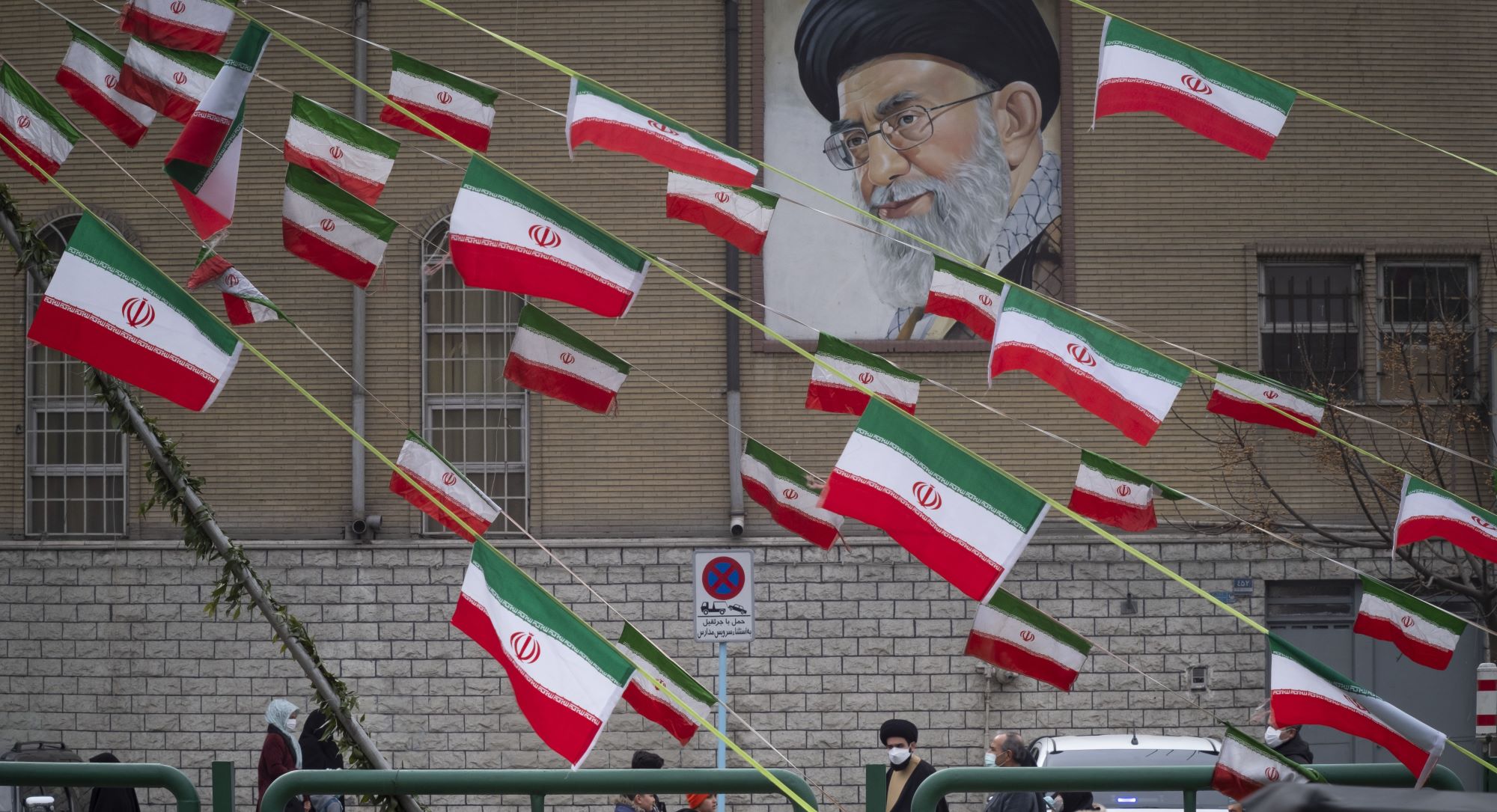
Khamenei will maintain tight grip on Iran’s snap presidential election
The sudden death of President Ebrahim Raisi obliged Iran to hold snap presidential elections by June 28. In the first phase of this electoral process, all eyes will be on Supreme Leader Ali Khamenei, since the relative competitiveness of the upcoming contest depends entirely on who the leader allows to run.
Building a More Resilient Bahrain: An Integrated Approach to Climate Change, Socioeconomic, and Governance Challenges
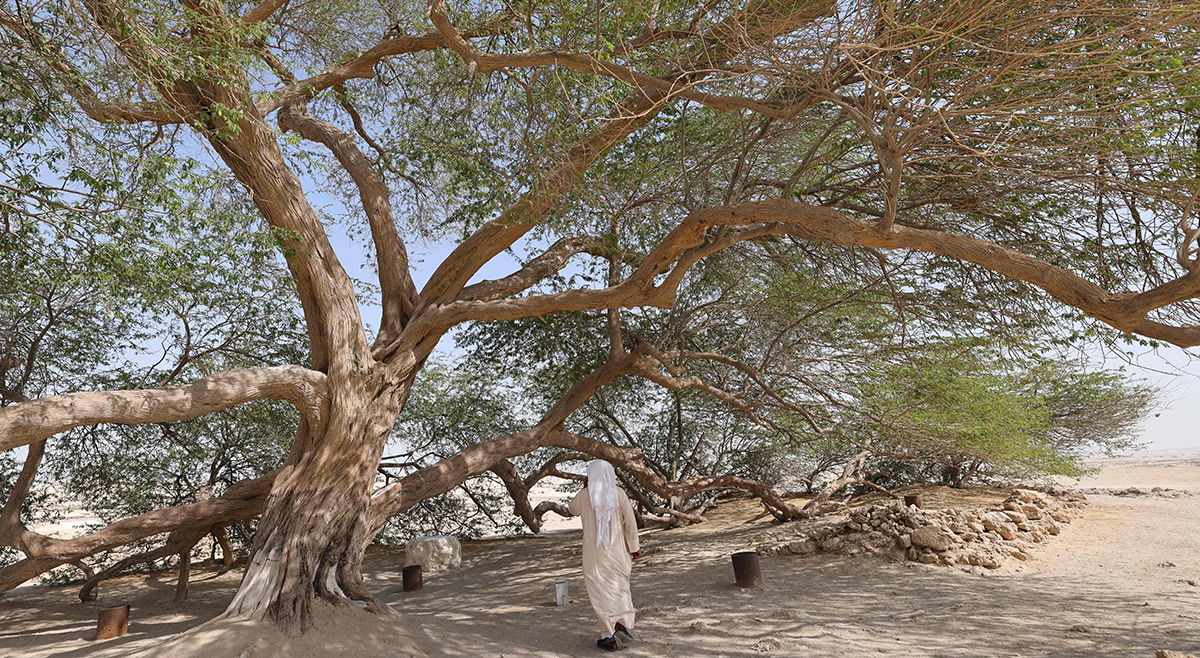
From extreme heat and drought to dust storms and rising sea levels, the Kingdom of Bahrain is facing the growing impact of climate change, with projections indicating conditions will only get worse in the future. Manama’s vulnerability to the effects of climate change directly intersects with its broader societal and governance issues, necessitating comprehensive climate-resilience strategies to address these interconnected challenges.
Deterrence Reasserted? Debating Iran's Missile Capabilities and Willingness to Use Force
On this week’s episode, David DesRoches and Abdolrasool (Farzam) Divsallar, a Non-Resident Scholar with MEI’s Iran Program, speak to MEI Managing Editor Matthew Czekaj on Iran’s April 13 missile and drone attack on Israel and what it reveals about both countries’ attack and deterrence capabilities.
Qatar’s LNG expansion plans and the issue of market oversupply
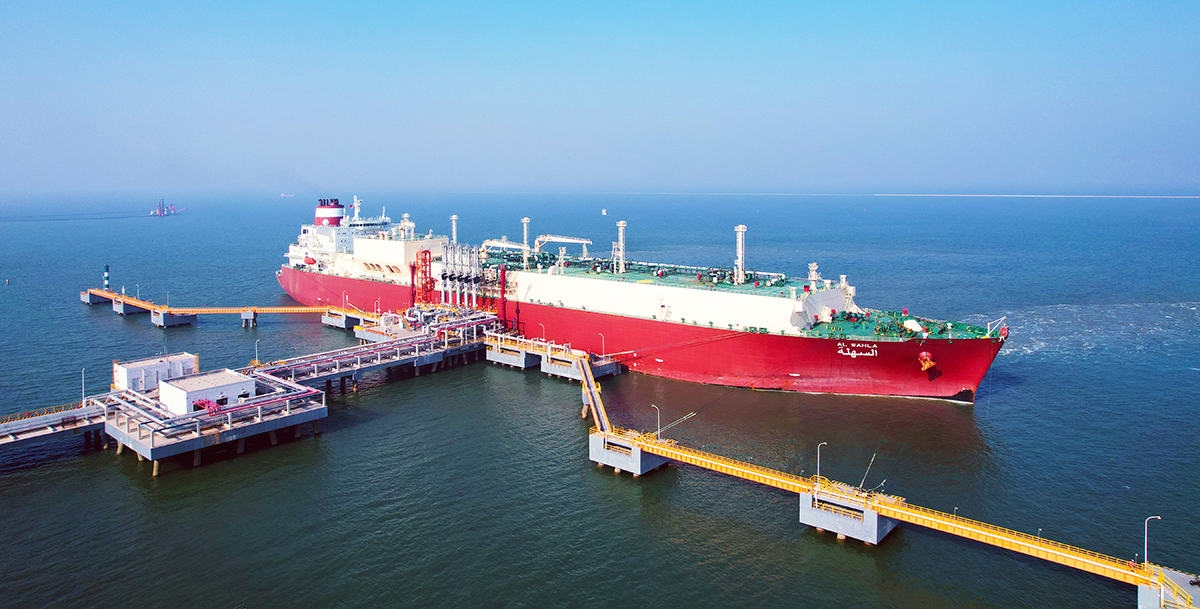
On Feb. 25, 2024, Qatar announced plans to increase its LNG production capacity by a further 16 million tons per annum (mtpa) in 2029-30, bringing the total to 142 mtpa. This would be the third such large-scale expansion of its LNG production within the next six years, but there’s one wrinkle: These new production volumes are set to come online at a time of significant oversupply in the LNG market. What accounts for Qatar’s decision?
Riyadh and Tehran use OIC to mend ties, but its sway is limited
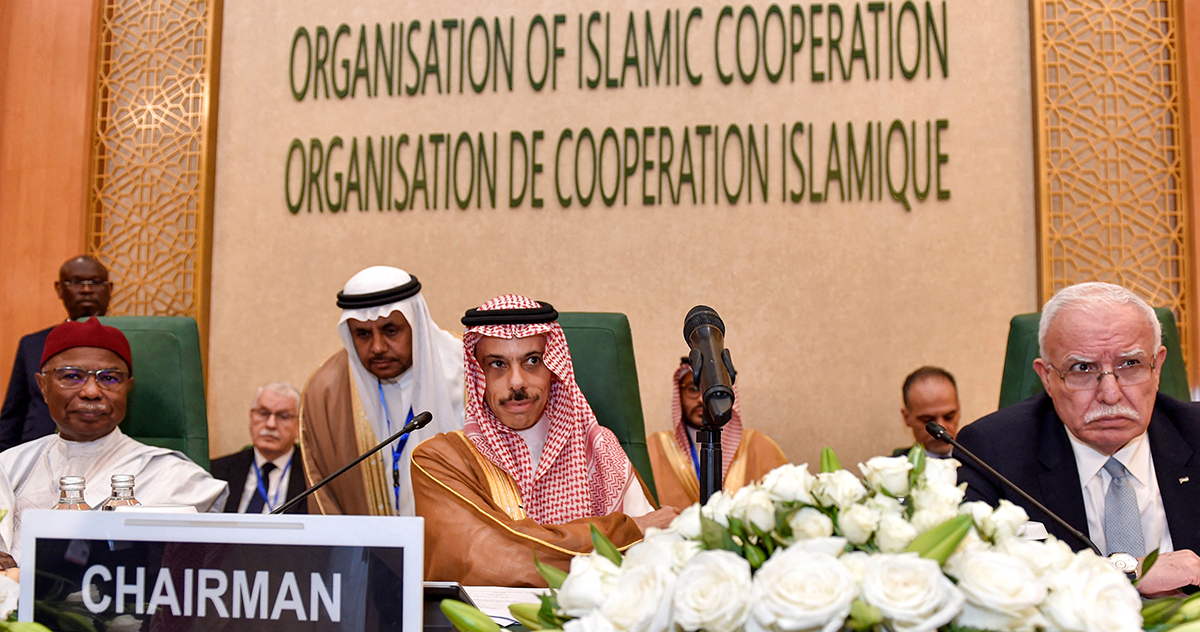
A year after the restoration of diplomatic relations between Saudi Arabia and Iran, the two countries are working to ease regional tensions in the Middle East in exchange for promises of improved bilateral cooperation. But strains persist in the relationship between Riyadh and Tehran, and the two capitals are using the Saudi-based Organization of Islamic Cooperation, which includes members from 57 Muslim countries, to try to bridge their differences.
Israel in the Red Sea during the War in Gaza: Strategic insights
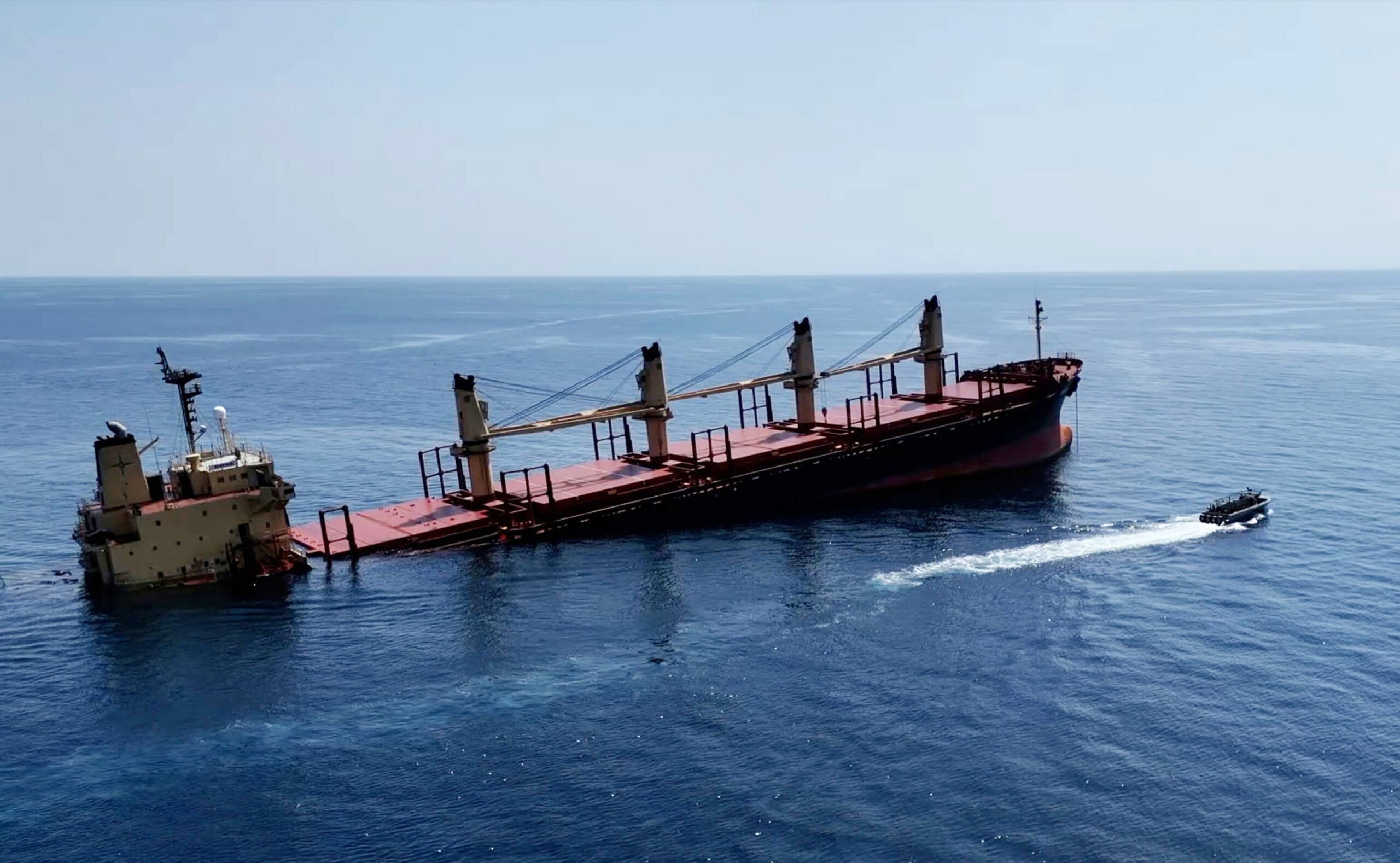
In recent months, Israel’s situation in the Red Sea has grown increasingly challenging in the security, economic, and diplomatic spheres. But the country is in a better position to meet these challenges and threats by leveraging the strategic regional partnerships it has developed over the past several years.
Iran’s new nuclear policy between deterrence and pragmatism
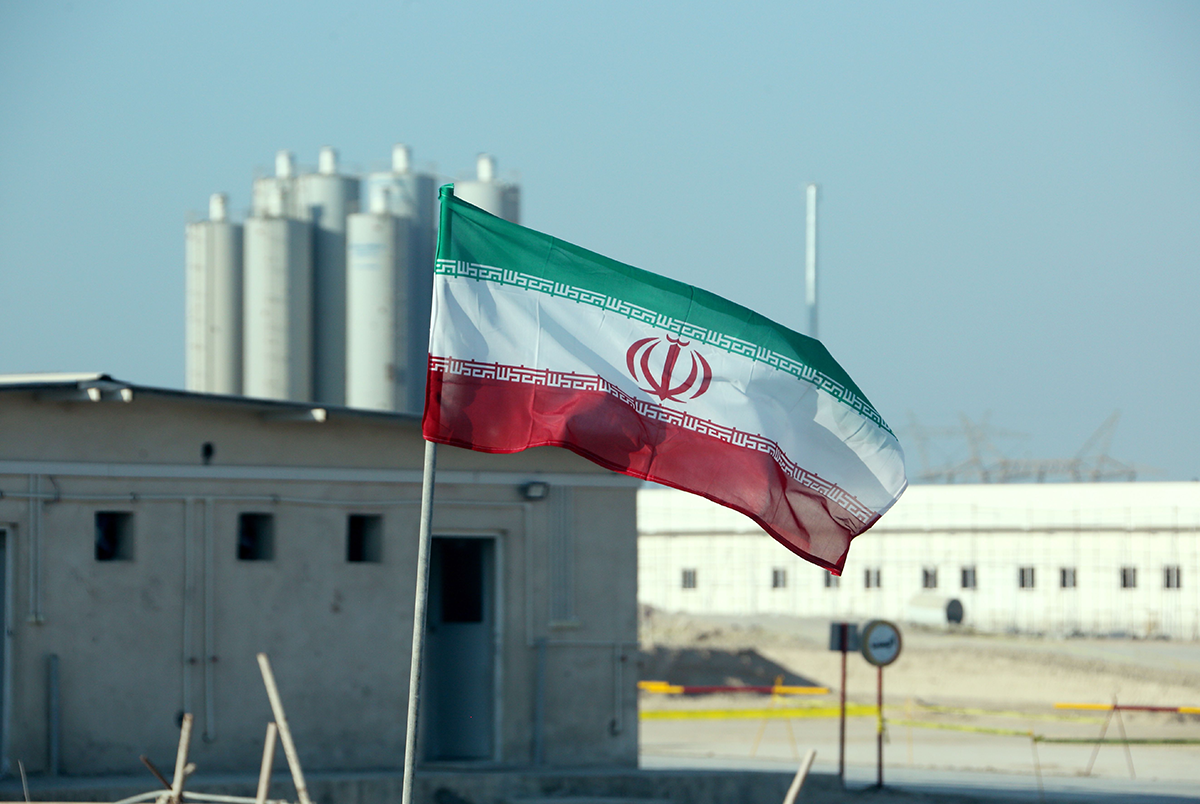
The recent escalation in tensions between Israel and Iran has sparked concerns about a potential shift in Tehran’s strategy toward full weaponization of its nuclear program. Under the current circumstances though, maintaining its status as a threshold nuclear power is likely to be Iran’s chosen strategy, in line with its broader shift from strategic patience to active deterrence.
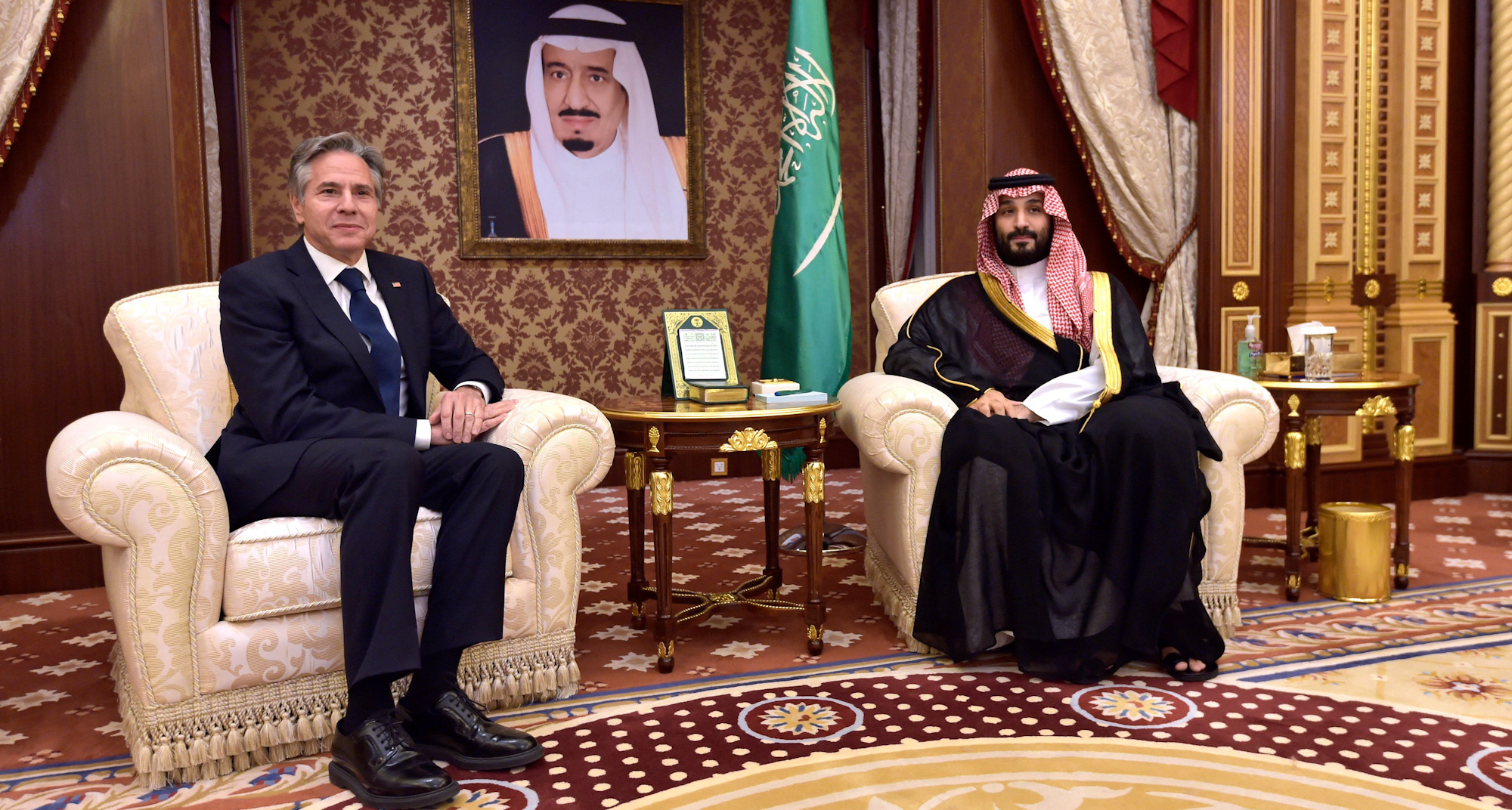
US-Saudi accords must not remain hostage to normalization with Israel
After Hamas’s unprecedented attack against Israel on Oct. 7, the siren song of Saudi-Israeli normalization risks wrecking the US-Saudi relationship against the rocks of stubborn geopolitical realities. An interim less-for-less approach in US-Saudi negotiations that doesn’t immediately require Senate approval nor is beholden to a much less certain Israeli-Palestinian peace process could set the stage for an even more consequential “mega deal” down the line.