Saudi Arabia at 90: Ushering in a Neo-Saudi state?
Since being named crown prince of Saudi Arabia, Mohammed bin Salman has launched a series of far-reaching socio-economic reforms known as Vision 2030 and introduced a new form of nationalist identity — “Neo-Saudism.” Taken together, some see these changes ushering in what essentially amounts to a fourth Saudi state.
Is Red Sands the future of Middle East defense cooperation?
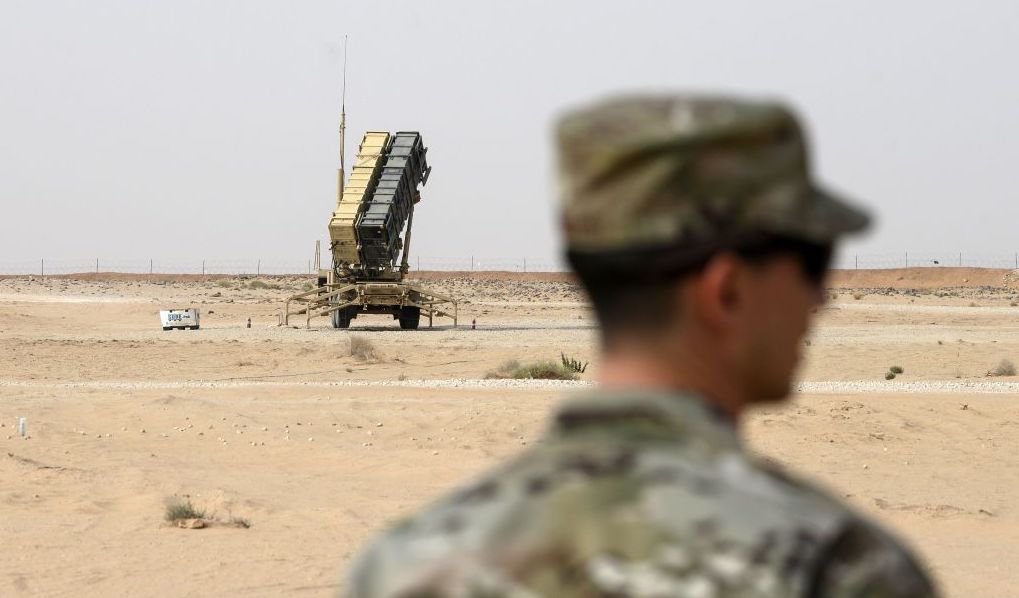
Drawing comparisons to the U.S. Army’s White Sands Missile Range in New Mexico, the Red Sands Integrated Experimentation Center will increase US-Saudi cooperation to counter two of the greatest threats emanating from Iran and its proxies — drone and missile attacks.
Structural impediments to Iranian-Gulf Arab reconciliation
As welcome as recent moves toward Iranian-Gulf détente have been, extensive obstacles continue to stand in the way of a real and sustained relaxation of tensions, cause by what international relations scholars call the “security dilemma.”
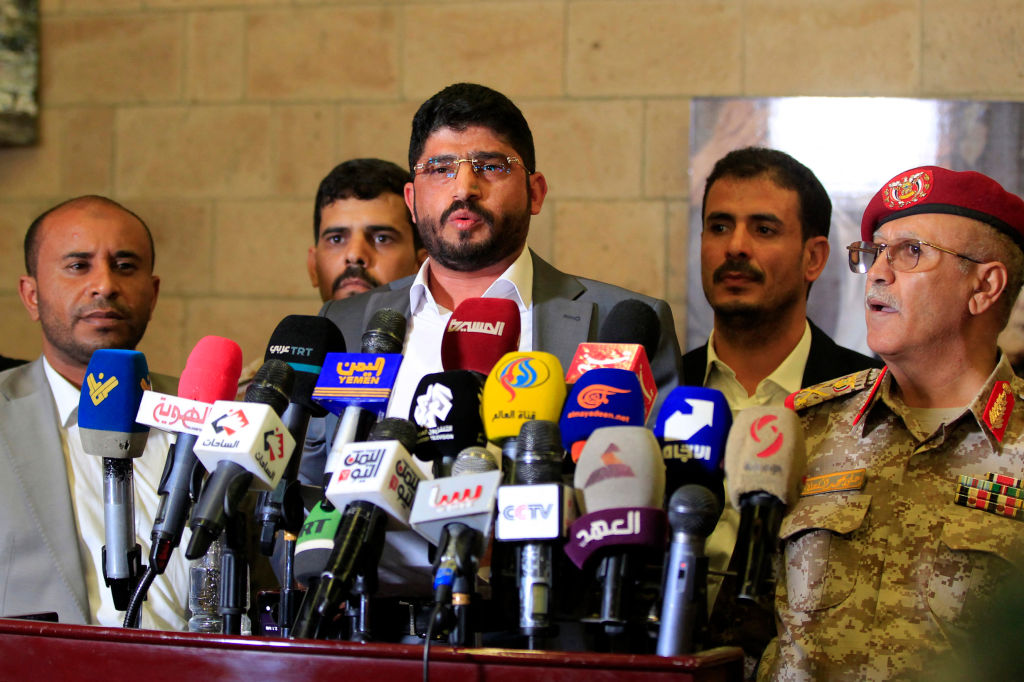
Since seizing the capital of Sana’a in September 2014, the Houthis have been transforming the portions of Yemen under their control in line with a radical political and religious ideology. The Houthis’ war is complicated and may not be resolved quickly. But for now, the main obstacles to peace are ones that only Yemenis can resolve, which are rooted in rival concerns over the distribution of political power and equitable delivery of public services.
America and Iran’s Tough Tango with the Gulf States
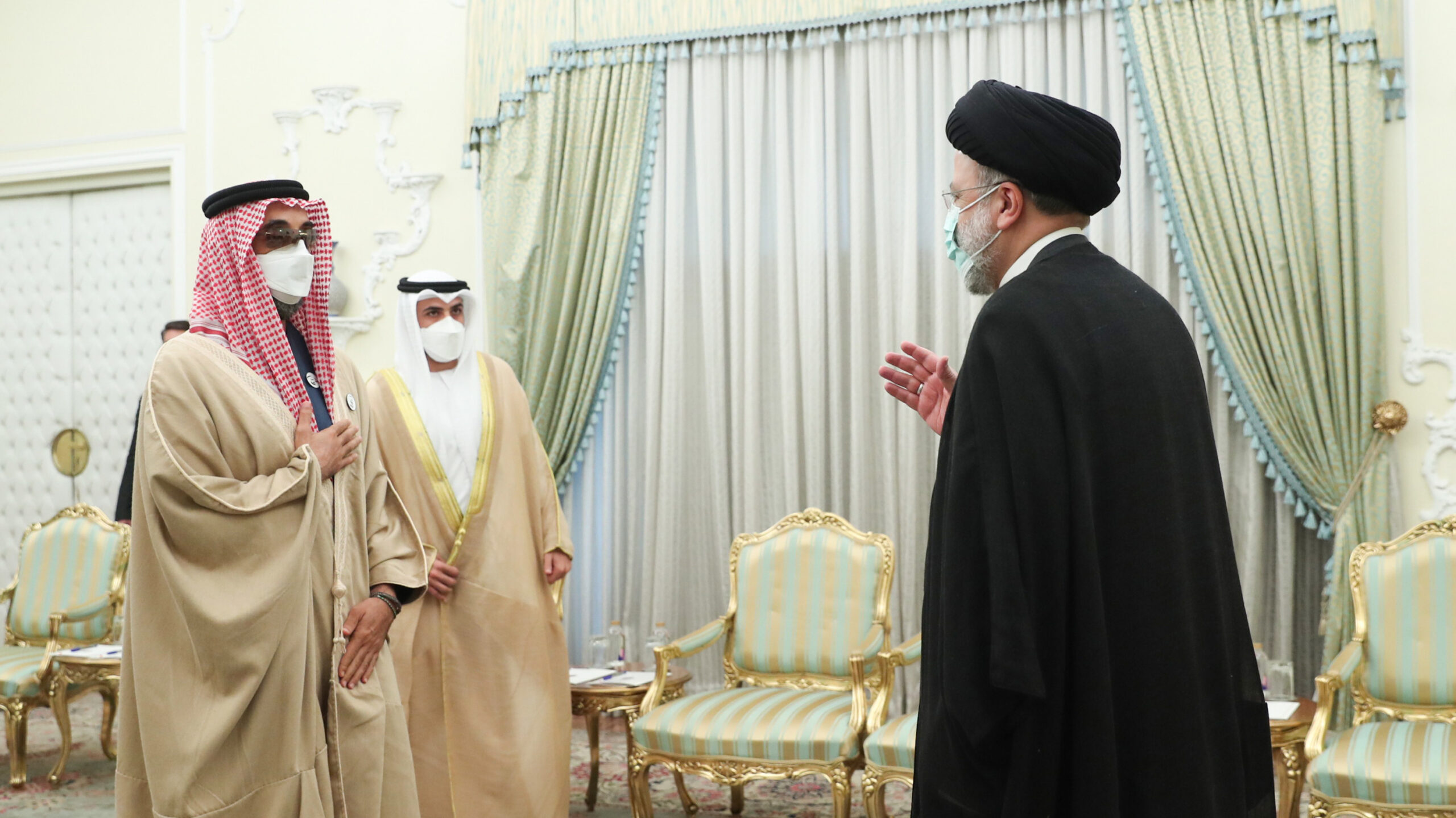
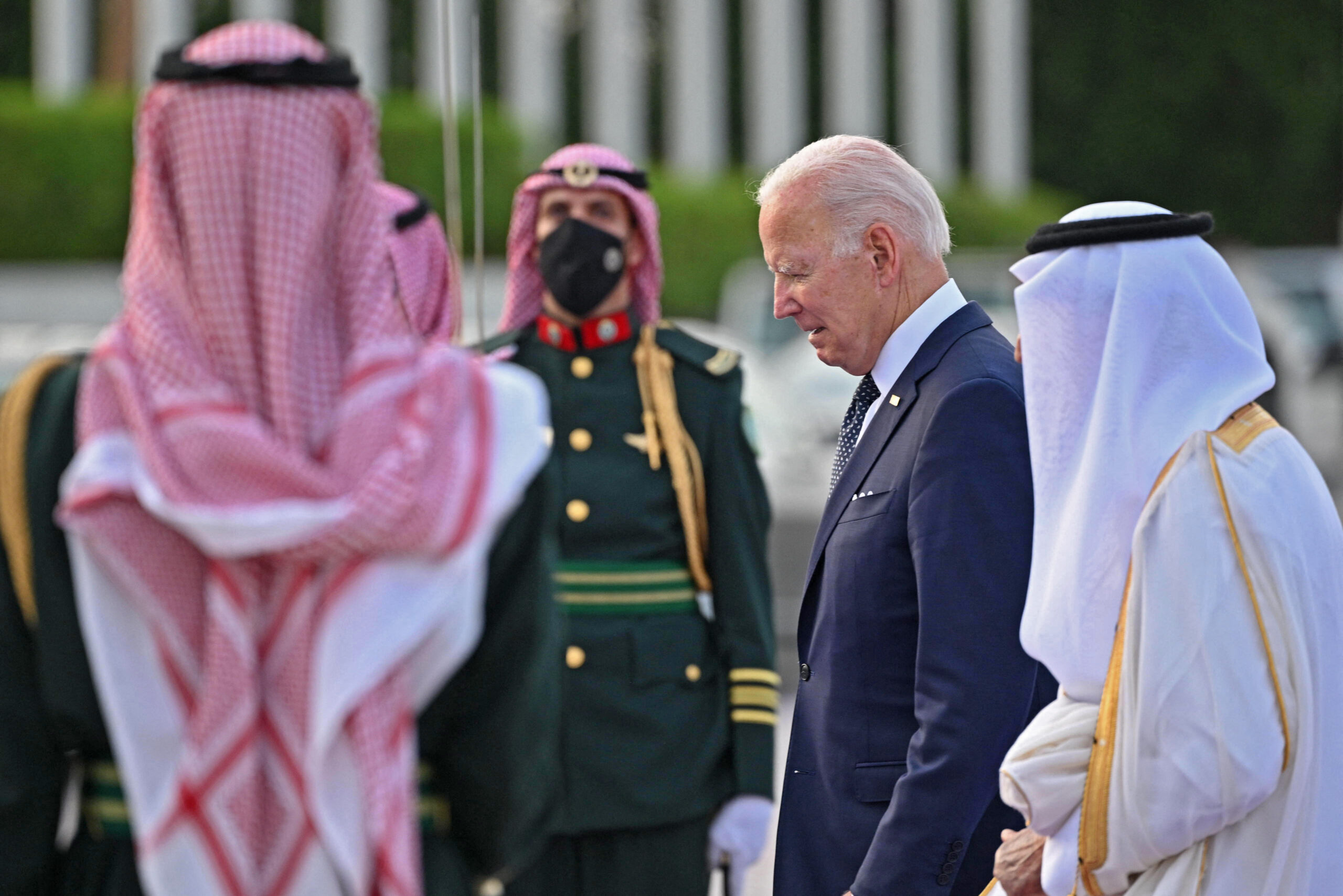
Since the Biden Administration came to office, Washington has been full of reports that the United States and its Gulf allies are drifting apart. The core argument was that in order to deliver for the Democratic Party’s grassroots base, U.S. President Joe Biden would seek to pursue a foreign policy that prioritized American values over American interests. In such a policy turn, Gulf States would be adversely impacted as the U.S.-Gulf relations are much more about common interests than common values—such as political democracy, the issue of human or labor rights, etc.
Beyond Post-Desert Storm: How to Elevate the US-Kuwait Security Partnership
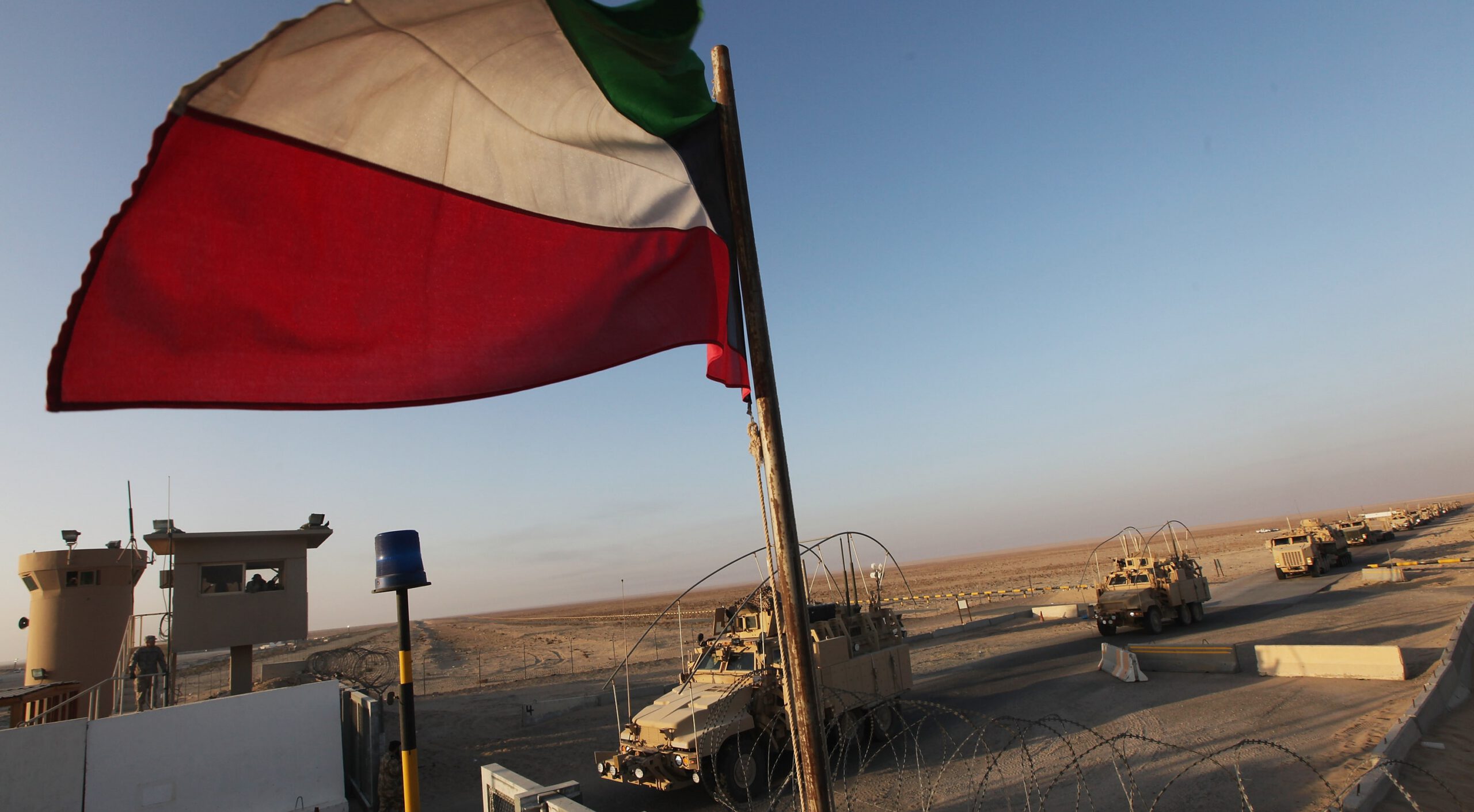
Kuwait plays a larger role than is often assumed in America’s present and future military plans in the Middle East. But as Washington prioritizes the Indo-Pacific, it is critical that the security arrangement between the United States and Kuwait is thoughtfully reconfigured.
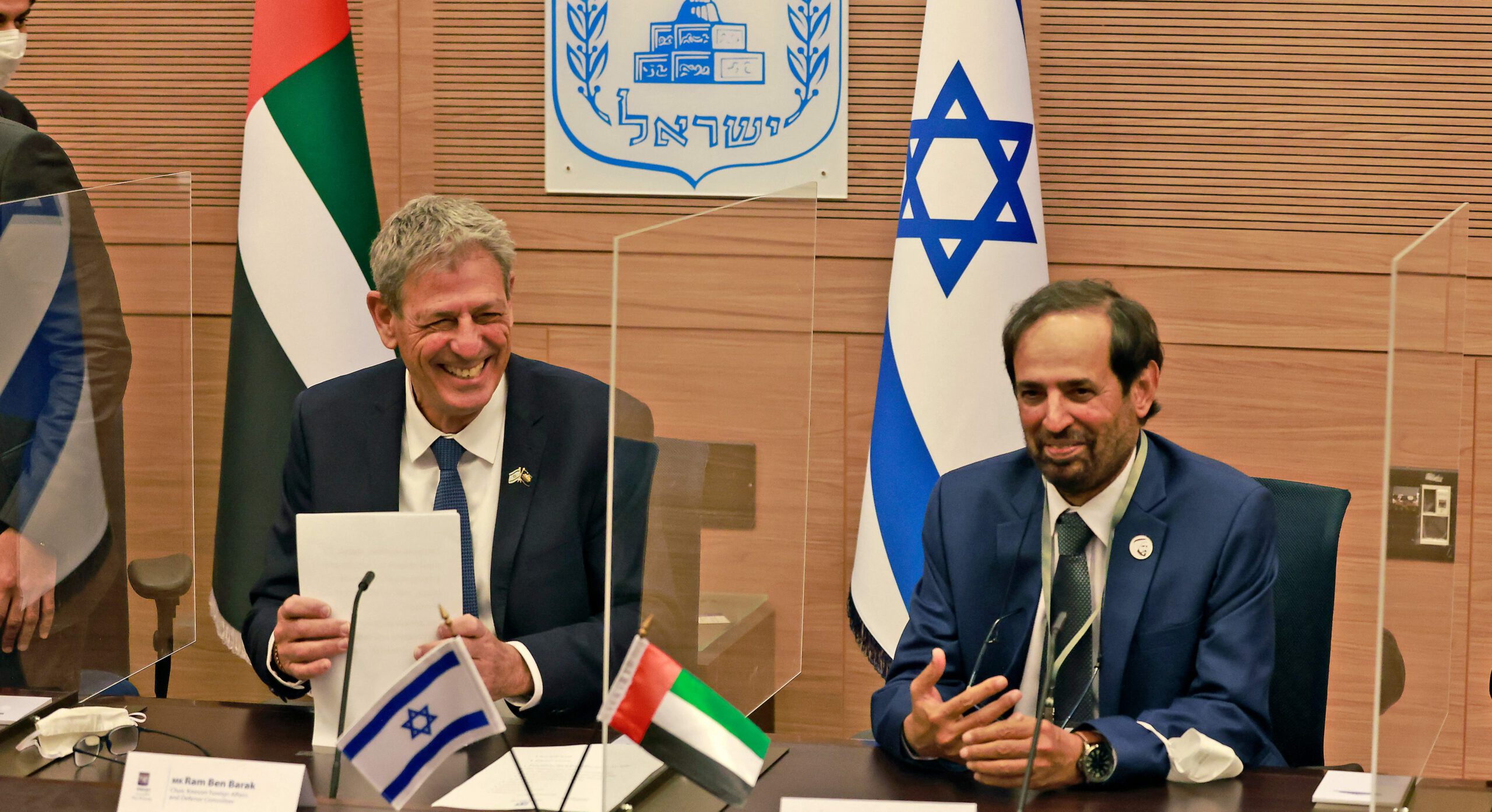
Two years on, what is the state of the Abraham Accords?
Two years after the signing of the Abraham Accords, progress in developing relations between Israel and its Arab neighbors has achieved mixed results, opening up some greater cooperation in the security sphere but failing to change Arab publics’ minds due to the lack of movement on the Israeli-Palestinian conflict.
Now in the fifth month of a ceasefire, what are the prospects for a negotiated end to the Yemeni Civil War, and the beginning of a sustained peace? MEI Distinguished Sr. Fellow on U.S. Diplomacy and Director of the Arabian Peninsula program Gerald Feierstein discusses these questions with two outstanding scholars who have followed and written extensively about Yemen over the years. Fatima Abo Alasrar is a nonresident scholar at MEI and a Senior Analyst for the Washington Center for Yemeni Studies.