U.S. Security Cooperation Deserves A Fair Evaluation
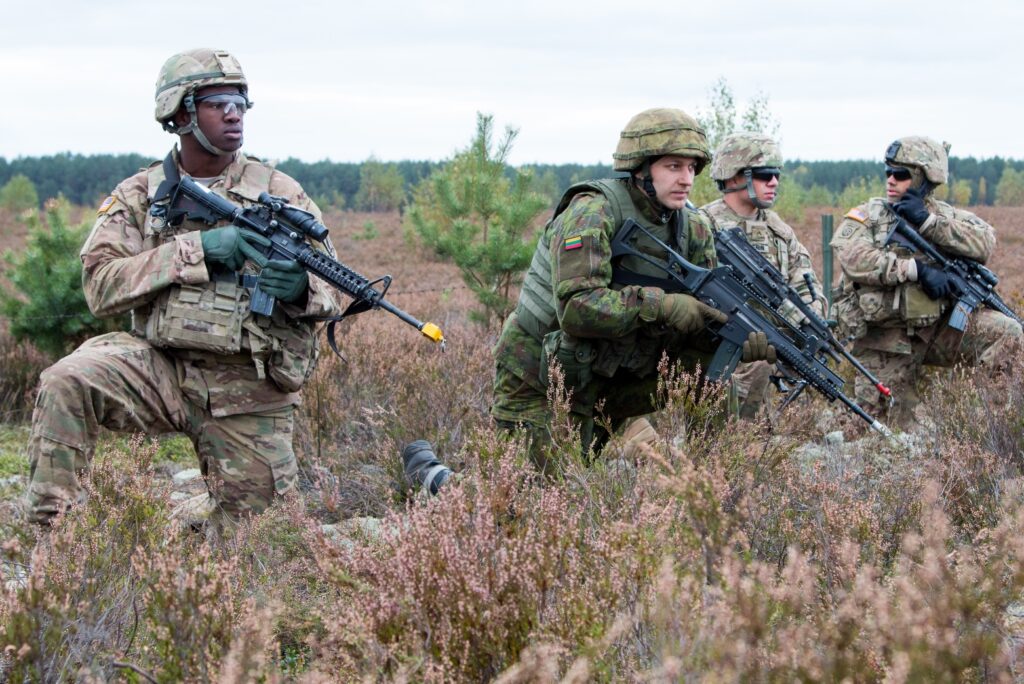
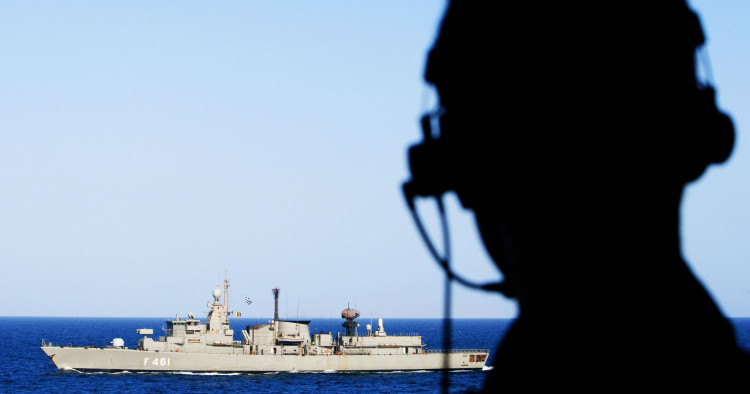
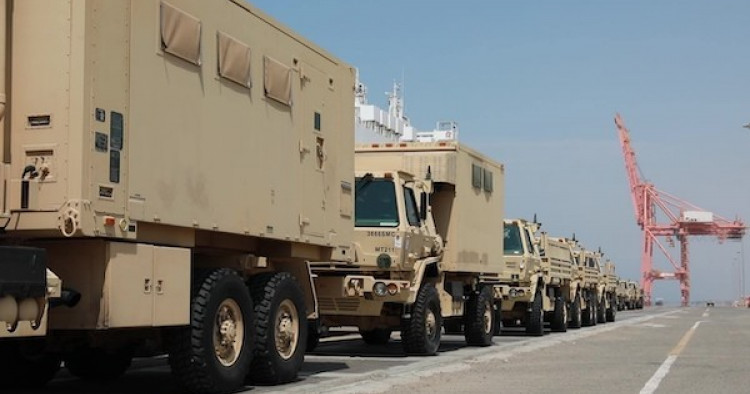
Security cooperation has been a critical pillar of U.S. statecraft for decades. However, the enterprise has gotten a bad reputation since the beginning of the 21st century because of the costly misadventures in Afghanistan, Iraq, Syria, and elsewhere. But perhaps the problem is that we are not evaluating it the right way.
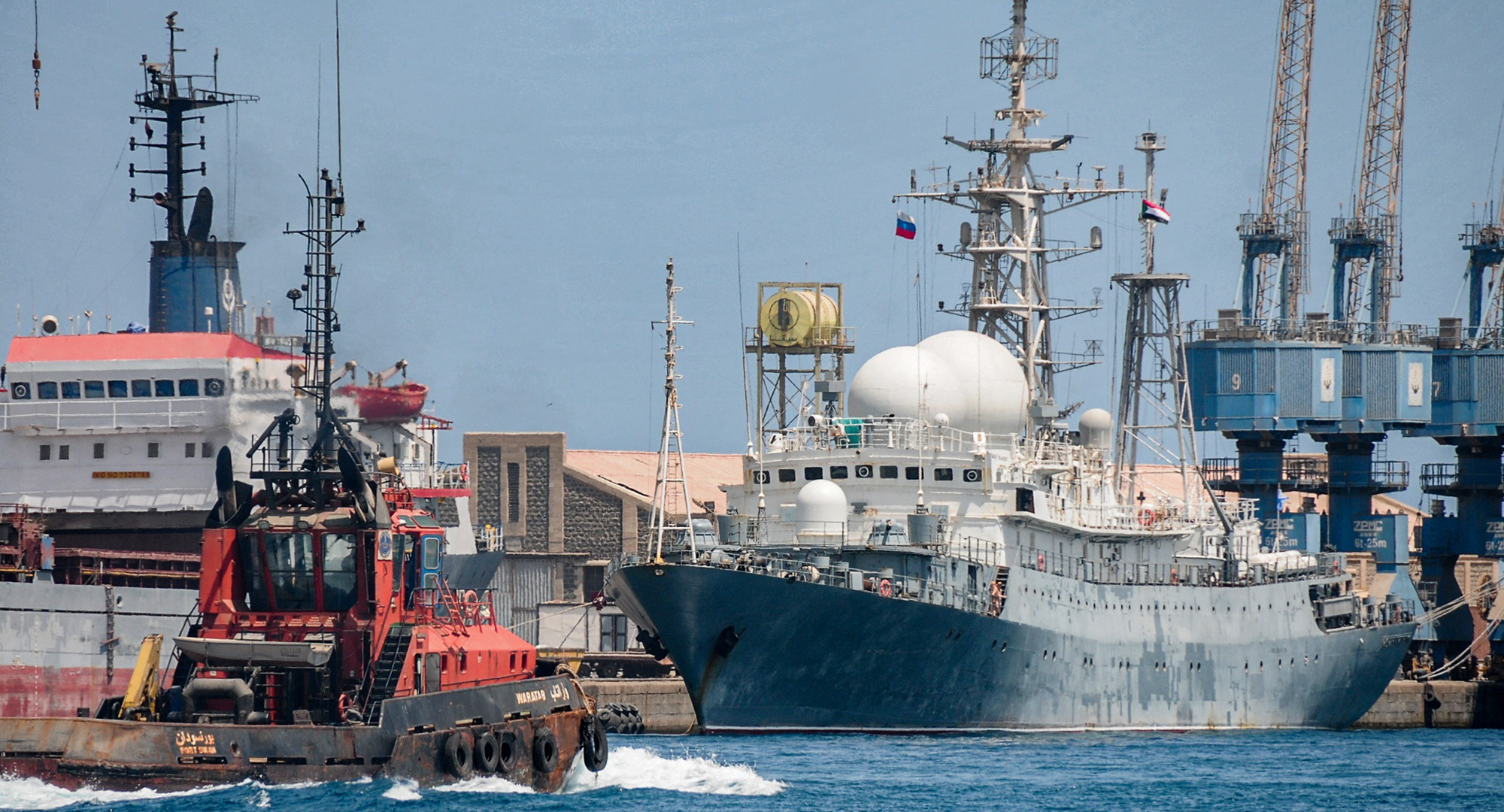
As fighting in Sudan rages, Russia’s primary goal is to ensure authoritarian rule
Although Russia has vested interests in the Burhan-Hemedti conflict, it is unlikely to actively pursue a blanket destabilization strategy in Sudan. Instead, it is likely to balance close ties with both warring parties and continue actively opposing a democratic transition in Sudan.
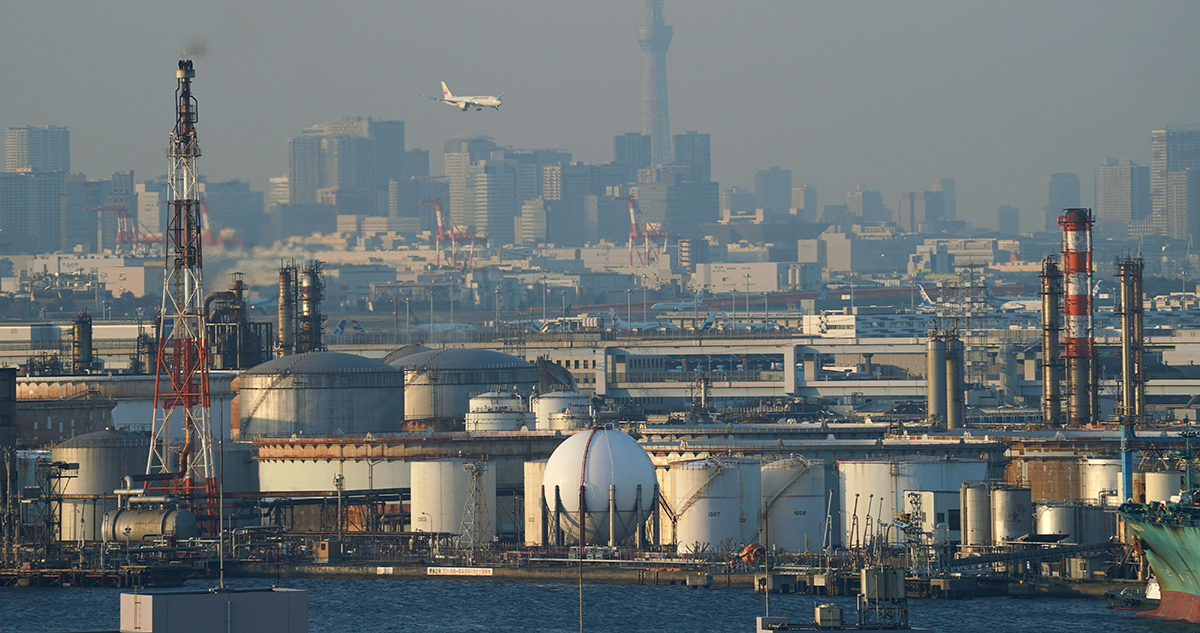
When Saudi Arabia suddenly announced in early April that it would reduce its oil production by 500,000 bpd, followed shortly thereafter by several other OPEC+ members, bringing the total cut to 1.1 million bpd, Japan was greatly concerned. In spite of Japan’s serious efforts to work toward a carbon-neutral society, the country is still heavily dependent on oil, the overwhelming majority of which comes from the Persian Gulf.
The road to Marrakech: US-China tensions loom over IMF/WB spring meetings
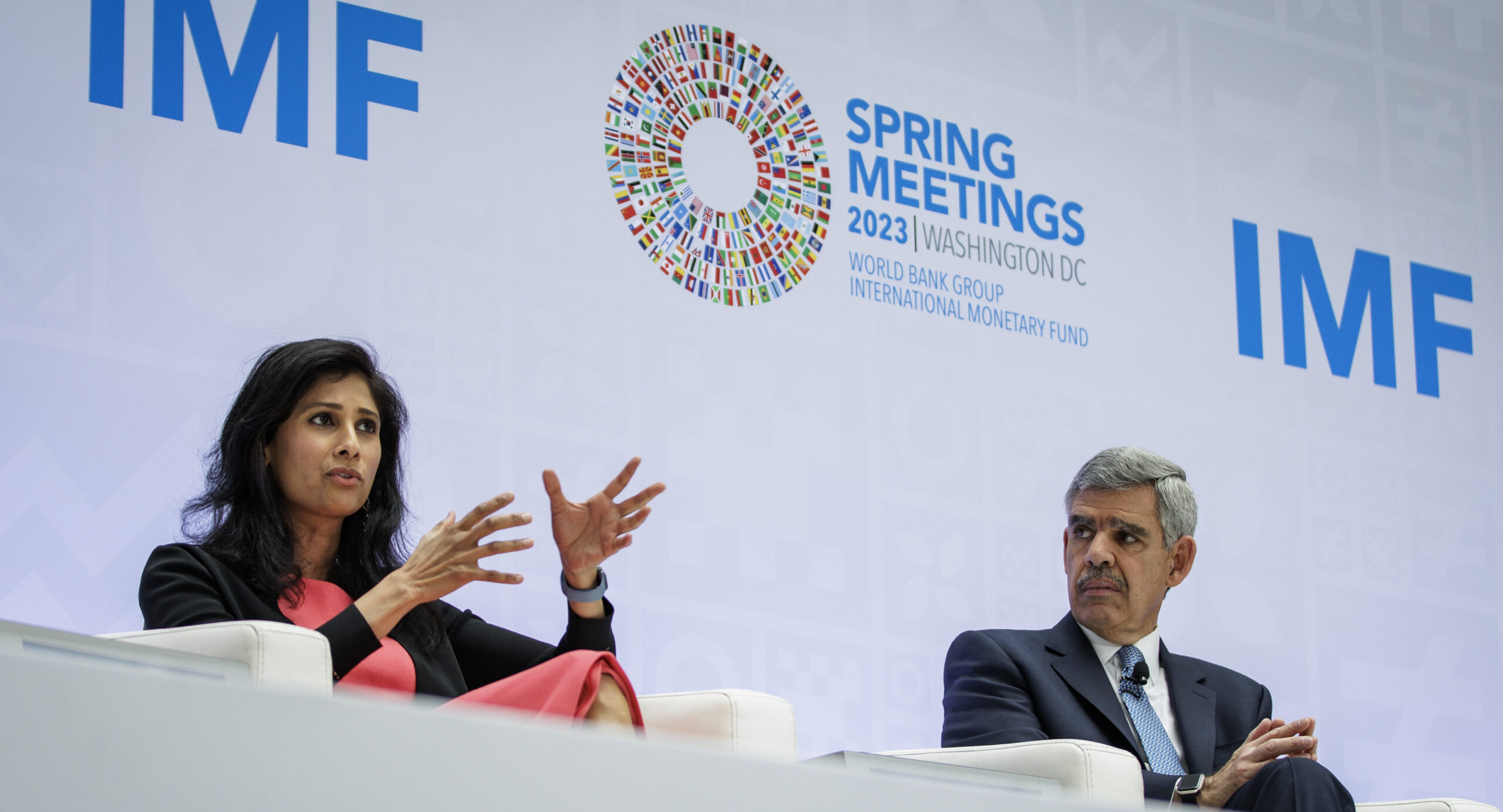
Last week’s spring meetings of the IMF and World Bank in Washington, D.C., were an important occasion for financial and economic leaders from the MENA region to meet with their counterparts from these IFIs and major bilateral donor countries. At the same time, they serve as a lead up to the important Annual Meetings that will be held in Marrakech, Morocco, in the fall — the first time they will be hosted by an Arab or African country.
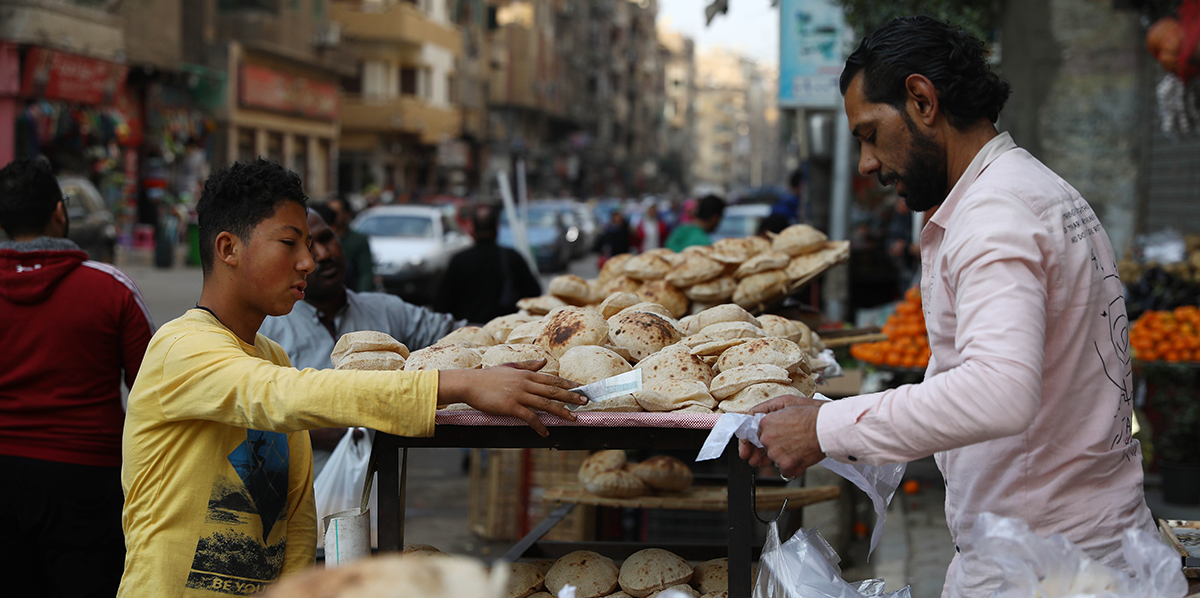
Middle East and Africa: Slowing Growth and Rising Food Prices Present Human Capital Challenges
The World Bank’s MENA regional economic update released on April 6, 2023 is one that may herald a sharp divide, both within the region, with its uneven economic trajectory and obstacles to human capital development, and globally, as a cleavage between energy exporters and importers.
It is clear that the era of US hegemony in the Gulf, and the Middle East more broadly, is over. What is less certain is what security system will replace it and whether it will better serve regional security and US interests.
The Gulf is becoming a more crowded geopolitical space than ever, with external powers such as China, Russia and India increasing their involvement in the region to safeguard their economic interests, while local powers, most notably Saudi Arabia, the UAE and Qatar, are rising and pursuing a more independent foreign policy course.
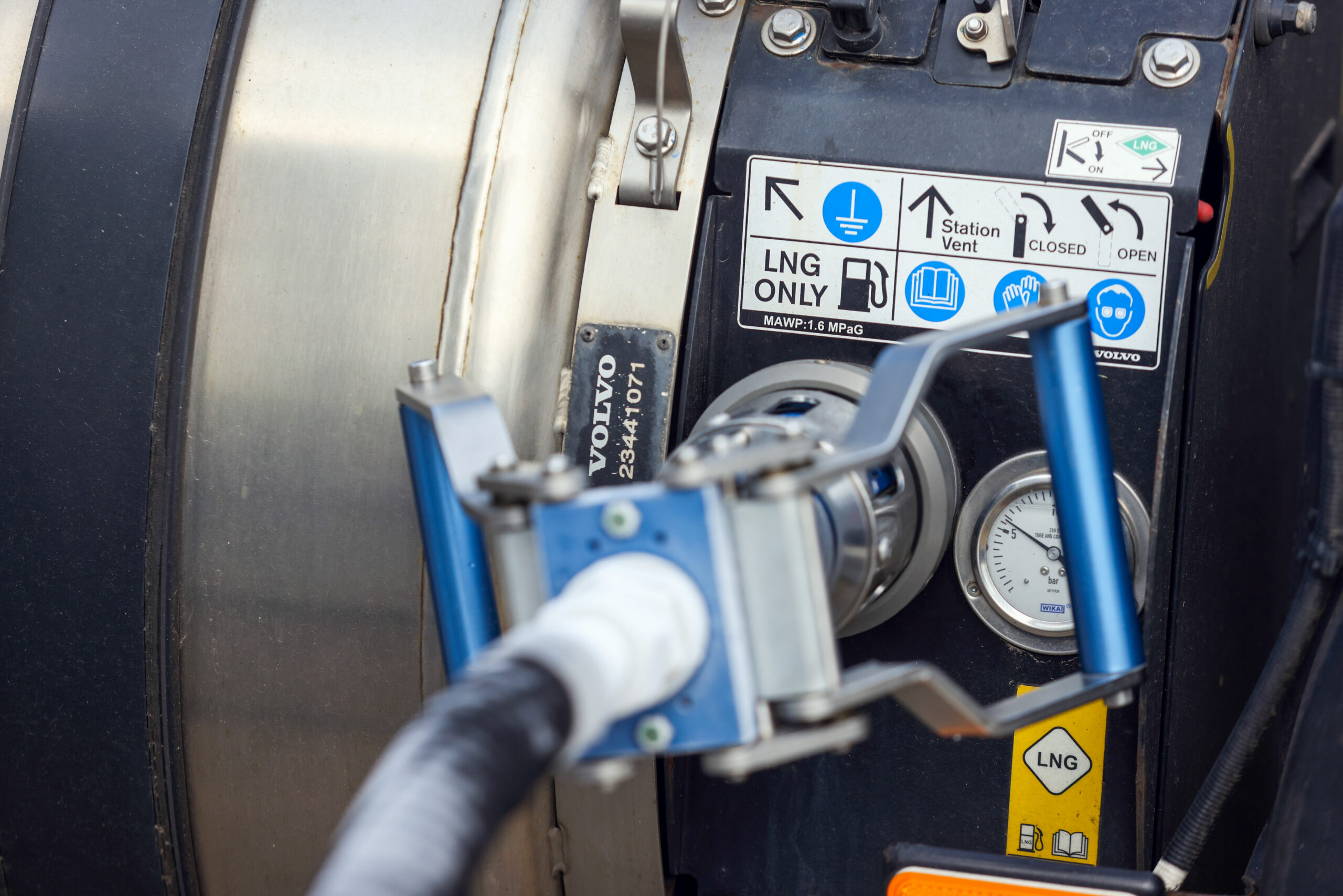
Small-scale LNG as a solution for Saudi Arabia’s environmental and fuel supply problems
The development of small-scale LNG and the domestic deployment of LNG as a transport and power-generation fuel could help to lower Saudi Arabia’s carbon footprint as well as improve air quality by reducing vehicle exhaust.
President Theodore Roosevelt said, “Speak softly and carry a big stick; you will go far.”1 Roosevelt used the image of the big stick to popularize his philosophy, but he offered a subtler interpretation in other venues. It represented a quiet threat that would only rarely need to be used if accompanied by steady diplomacy.
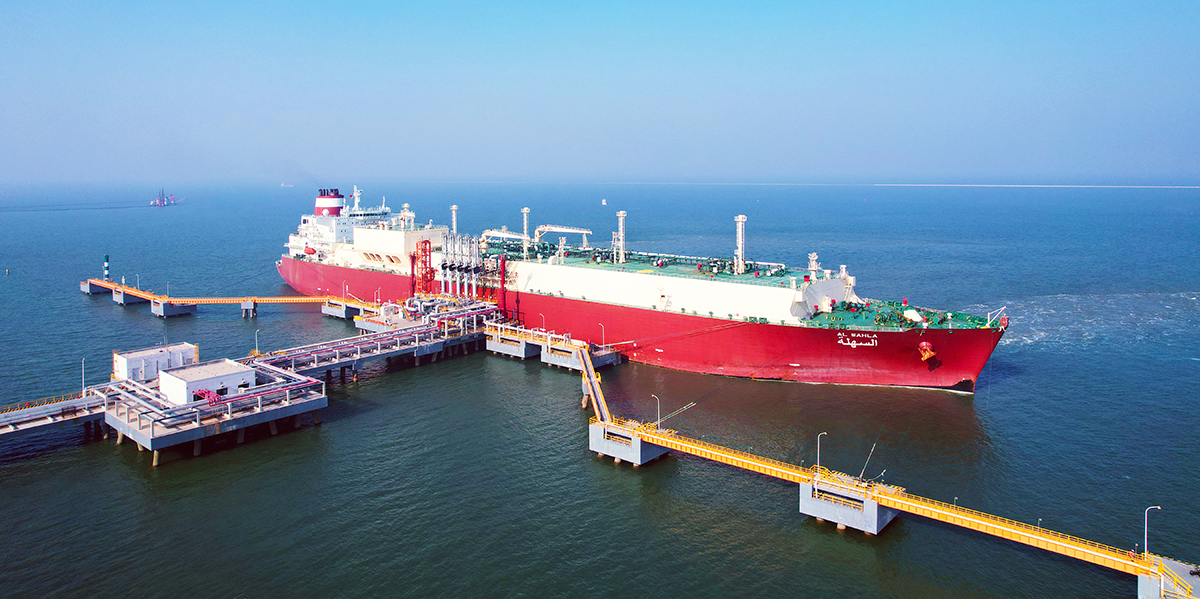
Qatar doubles down on LNG amid energy market volatility
The oil and gas sector has been the dominant driver of Qatar’s economy. Over the years, although that sector has remained the major focus of Qatari investments, the emphasis has increasingly shifted towards the expansion of the country’s gas production and LNG export capacity. While the construction boom ahead of the 2022 FIFA World Cup powered the Qatari economy in recent years, income generated by the expansion of the country’s LNG production and export capacity is likely to drive the economy for many years to come — both despite and partly because of the market turmoil caused by the fallout from Russia’s invasion of Ukraine in February 2022.
Saudi Arabia has made it clear that it wants a defense pact with the United States in return for normalizing ties with Israel. However, that isn’t a price Washington is able or willing to accept, for both political and strategic reasons. But the conversation about improved U.S.-Saudi defense cooperation shouldn’t stop here. There’s plenty of room for achieving that objective without having to upgrade the relationship to a full-fledged alliance.
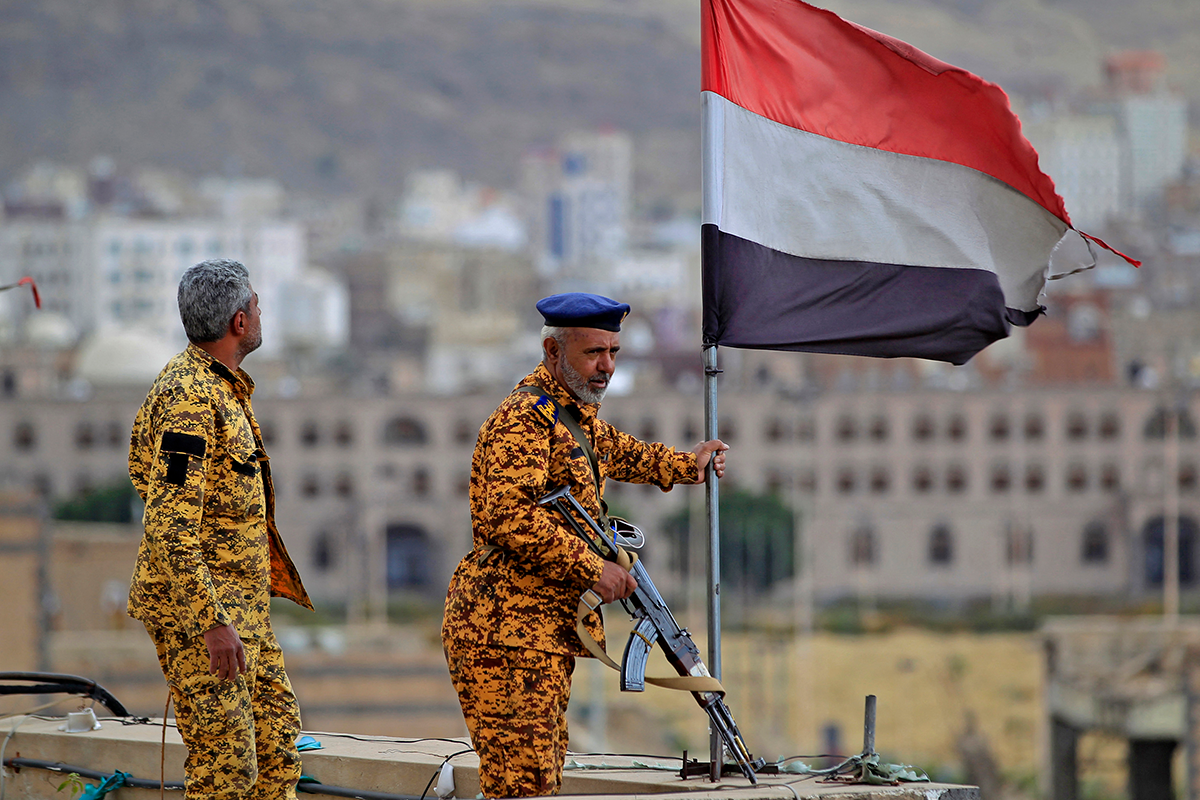
China and the Saudi-Iran rapprochement: Implications for Yemen
The conclusion of the China-brokered Saudi-Iranian détente on March 10, which aims to thaw long-standing enmity and manage competition between the two regional arch rivals, has multi-layered implications for Yemen.
The long Ukraine war: It’s time to transition to a more rational military assistance paradigm
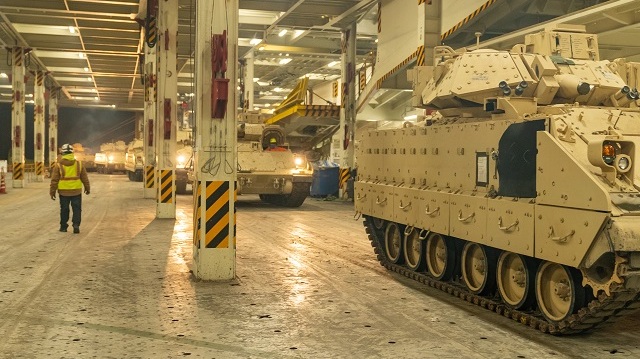
Ukraine’s partners, led by the United States and spread over the globe, have increasingly responded to Russia’s full-scale invasion of February 2022 with a dizzying array of financial, humanitarian, and military assistance. Unfortunately, the way in which the U.S. and Ukraine’s other partners have provided military assistance over the last year — that is, by delivering a wide range of equipment, ammunition, and training — significantly undermines the longer-term objective of developing a sustainable system via which Ukraine can generate combat power in the coming years to overcome Russian aggression.
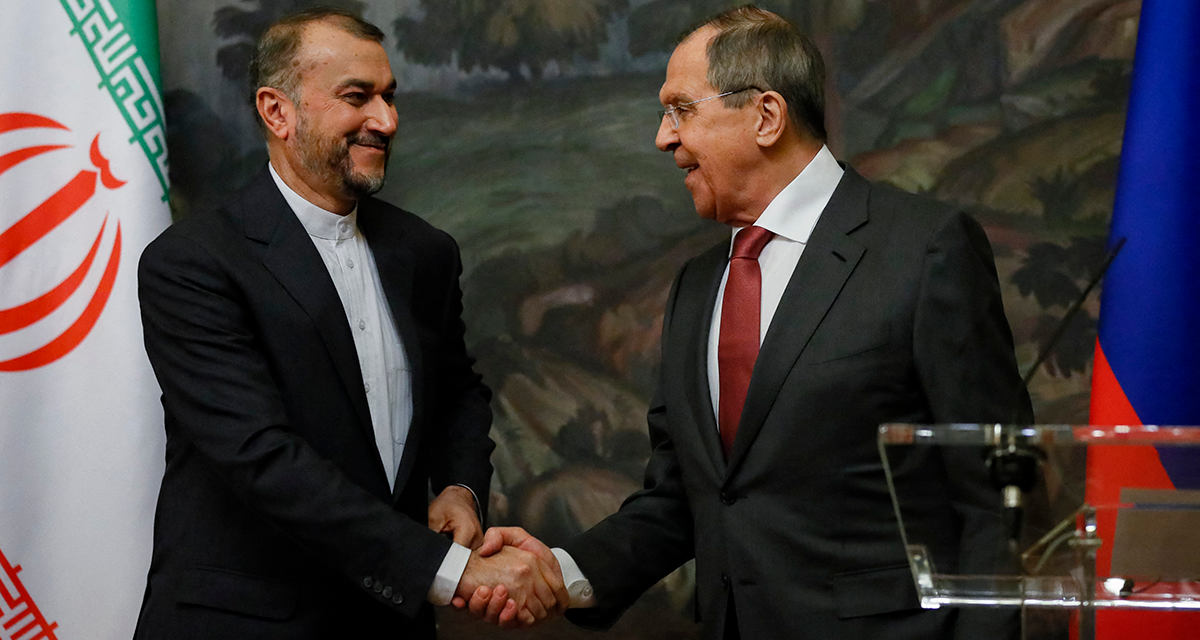
More than a year on from the beginning of the Ukraine war in February 2022, there is no more business as usual for Russia-Iran relations. While bilateral ties are still characterized by an intense focus on security and defense, the two sides are opening multiple new areas of cooperation as well. But what has motivated Moscow and Tehran to invest in strengthening their bilateral relations given all the potential risks and costs? Could conflicts of interest and competition put a crack in this burgeoning relationship? And what can the West do about it?
The credibility of American deterrence in the Middle East
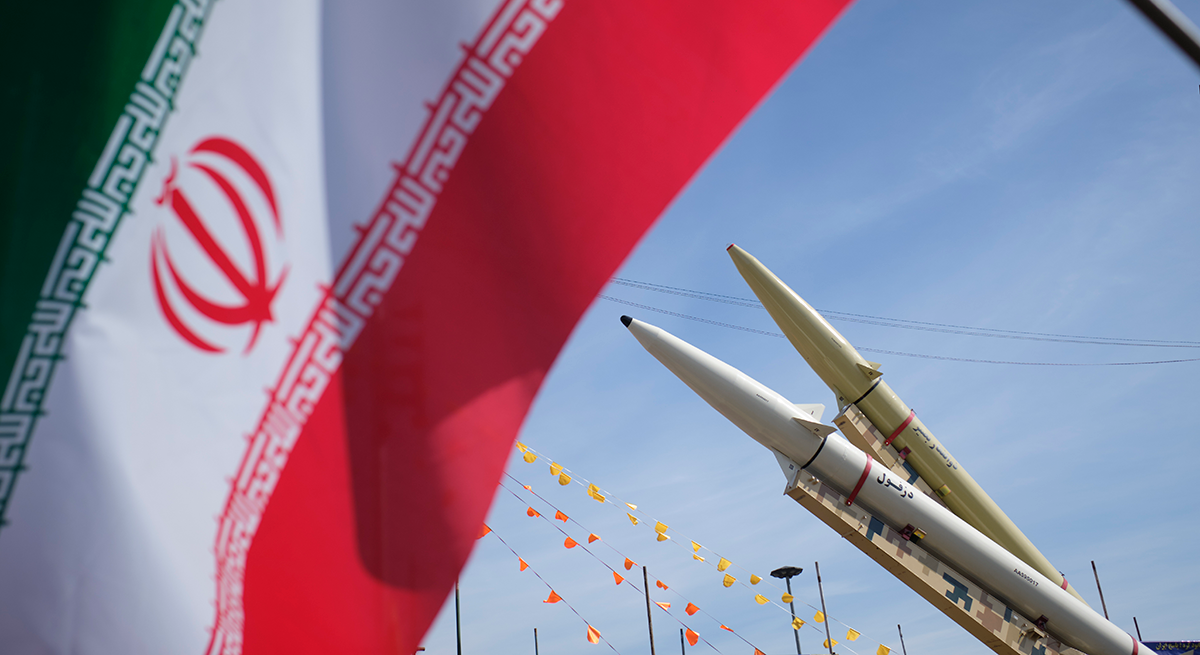
I don’t think enough attention has been paid to US Central Command Commander Gen. Michael Kurilla’s public testimony on 23 March, in which he said that Iran-backed militias have attacked American troops in Syria 78 times since January 2021.
A day after Kurilla spoke, local fighters allied with Tehran’s Revolutionary Guards launched another attack with drones, killing a US contractor and wounding six other American service members.