Aisha Al-Sarihi, visiting scholar at AGSIW, Nadim Farajalla, director of the Climate Change and the Environment program at AUB’s Issam Fares Institute for Public Policy and International Affairs, and MEI’s Amal Kandeel join host Alistair Taylor to discuss how climate change is affecting the Middle East and what can be done to address the issue.
While non-Arab powers have taken the lead in the Syrian crisis so far, Damascus will need to restore political, economic, and diplomatic ties with regional Arab states as it moves into the phase of postwar reconstruction and development.
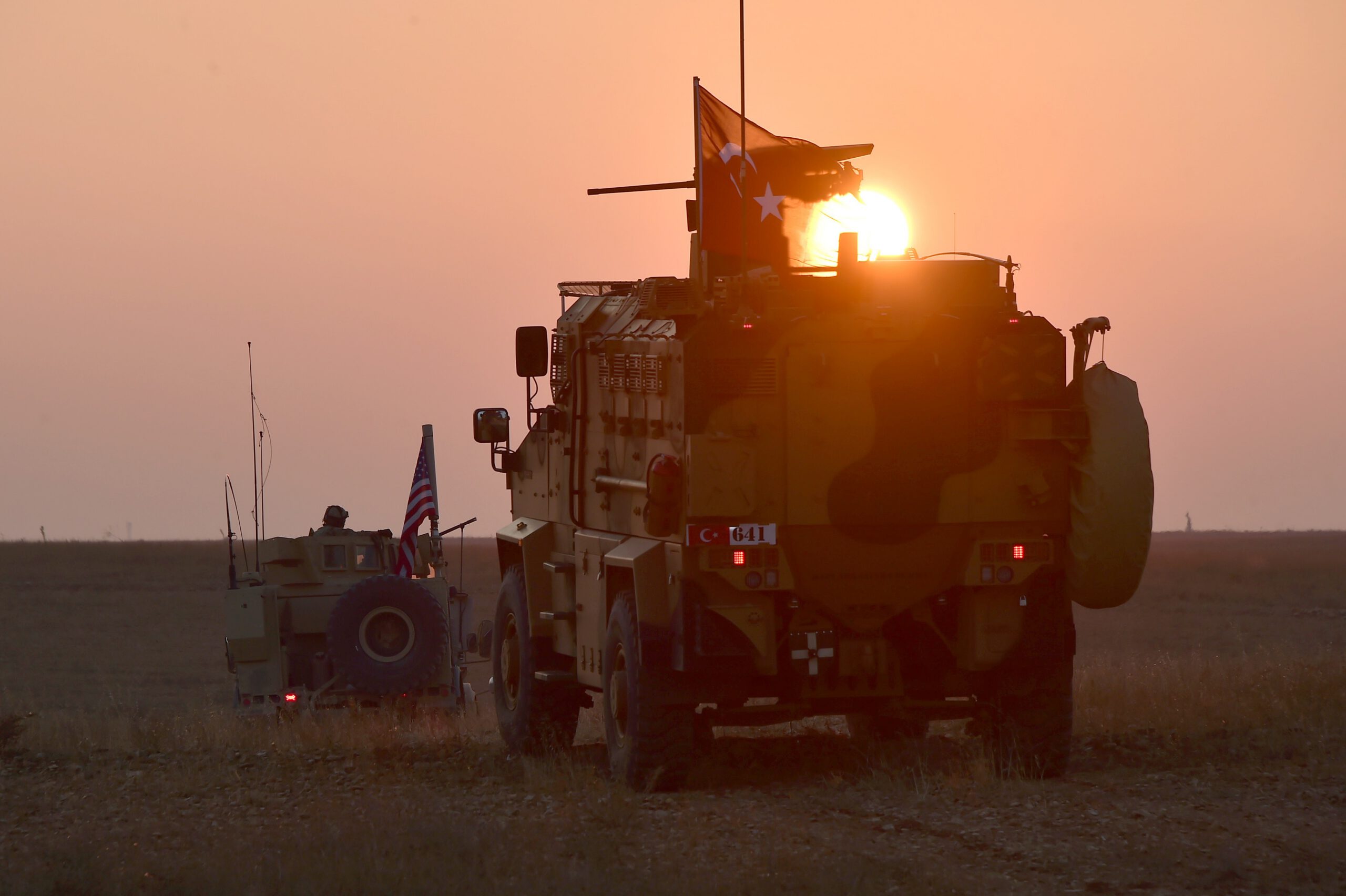
Would Turkey benefit if the US withdraws from Syria?
For Turkey, the best solution to its “U.S. problem” might seem like an American withdrawal from Syria, but such a move could create new and potentially more complicated problems for Ankara.
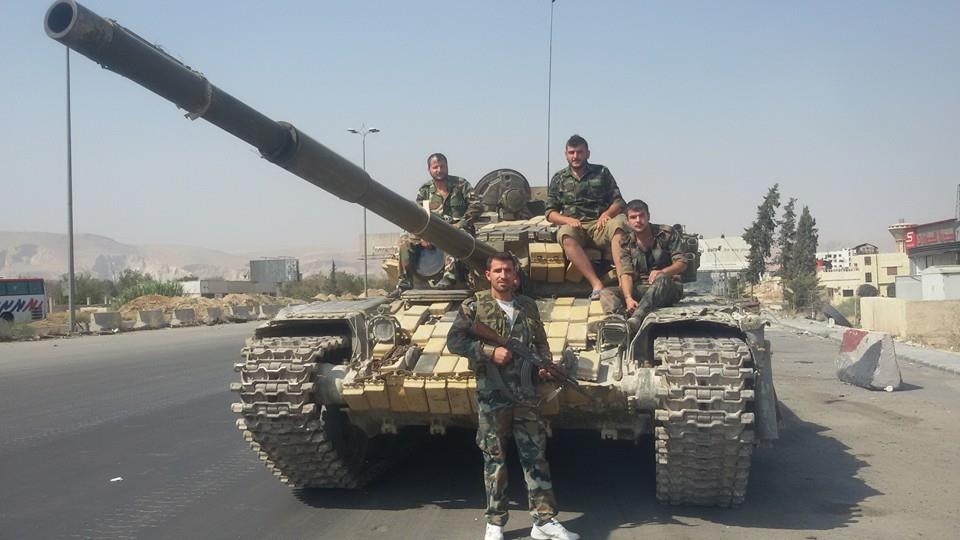
Syria's Republican Guard: Growth and fragmentation
The Syrian Republican Guard (RG) has served as the backbone of the regime’s fighting forces since protests first broke out across the country in 2011.This report uses publicly available Facebook posts to piece together the history of the five regiments, six brigades, and 46 battalions identified as now belonging to the RG. Featuring an order of battle, command structure, and battalion commander profiles, this report stands as the most comprehensive record of the RG to date.
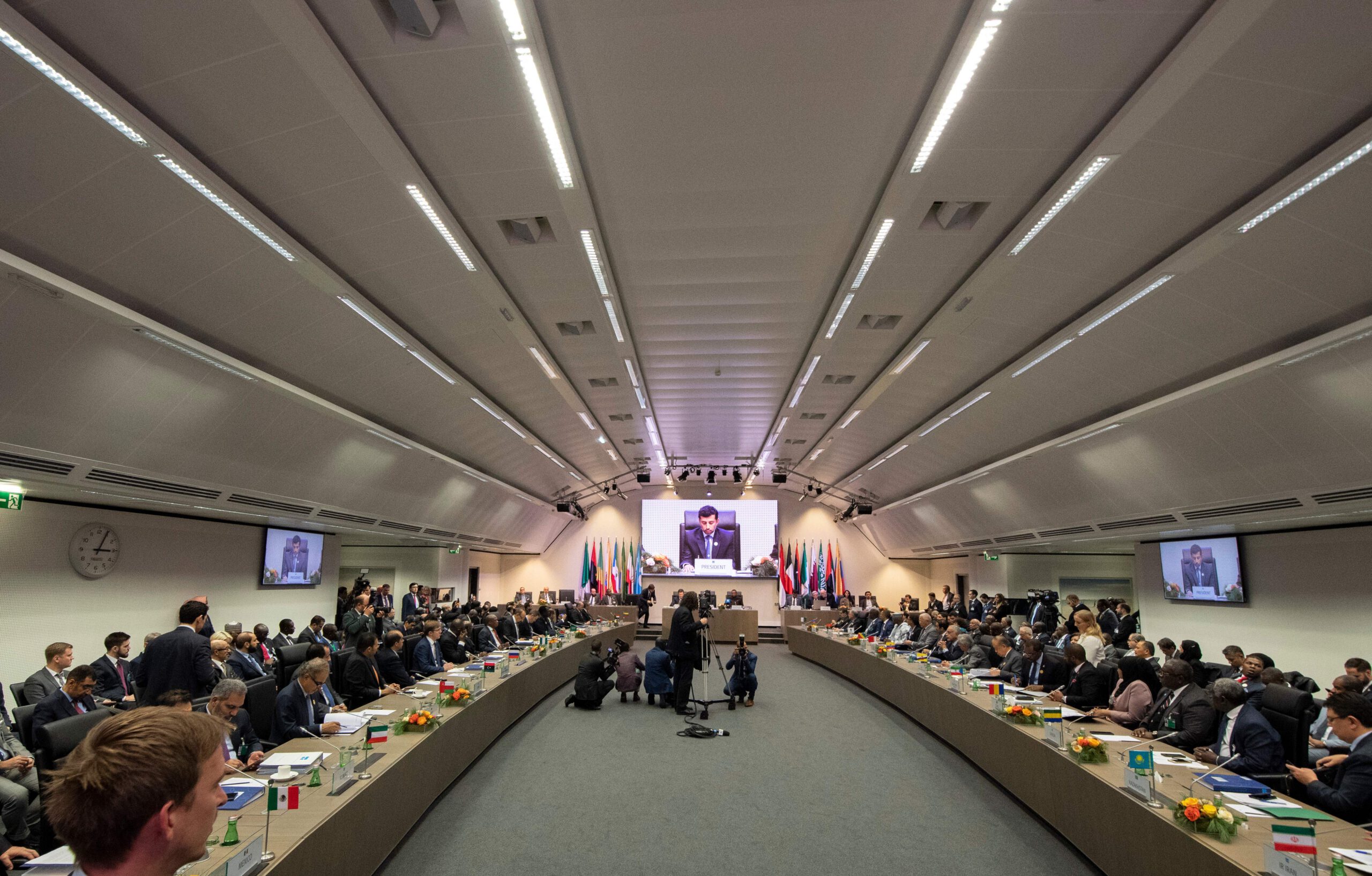
New OPEC+ deal shows Saudis’ oil-market grip continues to slip
While OPEC and Russia-led non-OPEC members agreed to cut oil production last week by 1.2 million bpd, Riyadh’s ability to control the cartel and global oil prices is waning.
China’s footprint in the Middle East has grown significantly over the past two decades. China’s widening and deepening relations with the region has coincided with a change in the international environment. China’s increasingly extensive diplomatic, commercial and cultural activities in the Middle East has drawn this distant and unfamiliar country into the daily lives of the people of the region to a degree that is unprecedented and likely irreversible. This, then, begs the question: What views do the people of the Middle East hold regarding this rising global power and relative “newcomer” to the region? Drawing on Zogby/University of Maryland and Pew Research Center survey data, this article offers some preliminary observations that address this question.
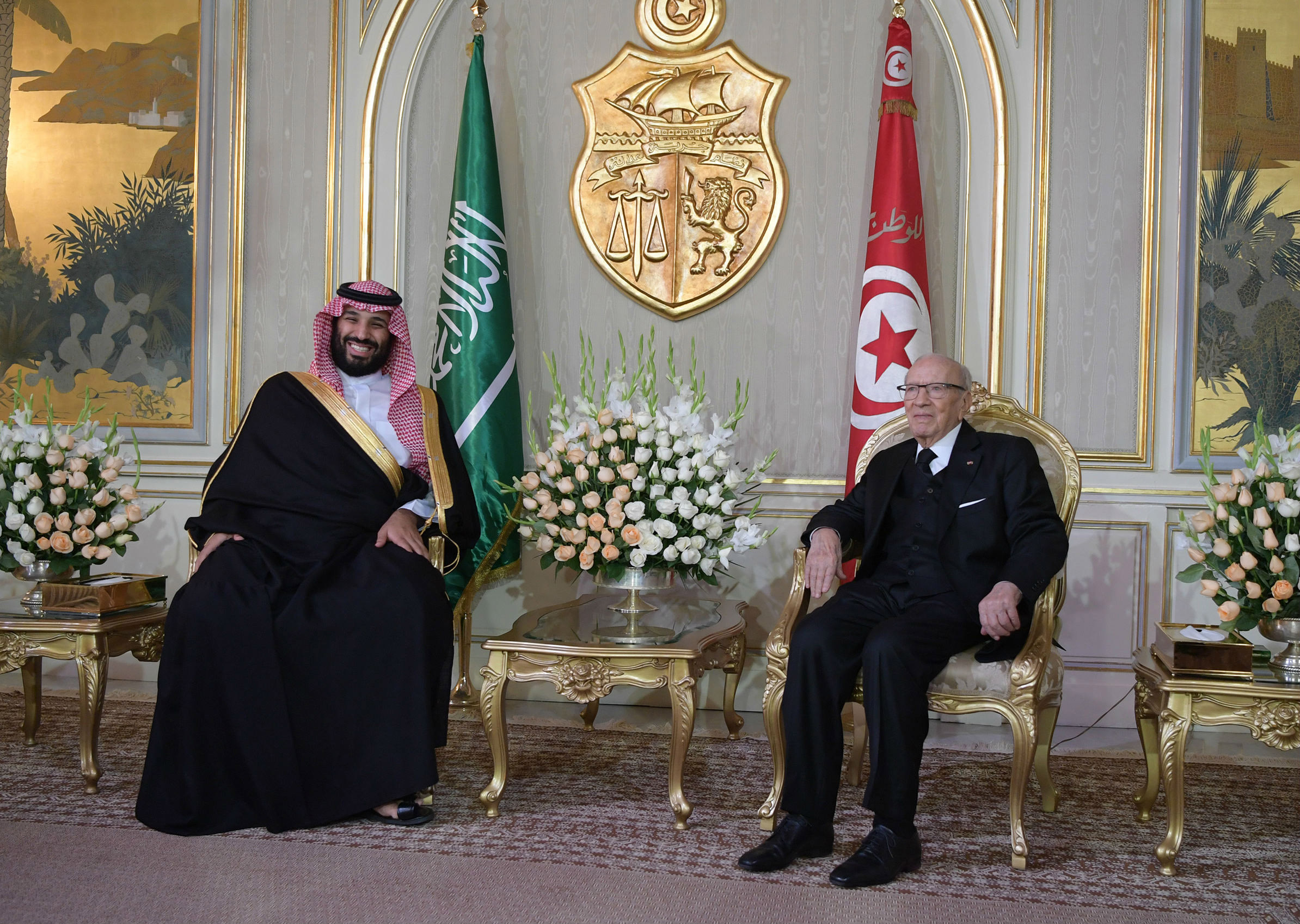
Saudi-Tunisian relations: Balancing fiscal support and foreign policy
While Tunisia remains geographically and politically distant from Saudi Arabia, its economic troubles may offer an opportunity for the kingdom to leverage fiscal aid to secure stronger bilateral ties.
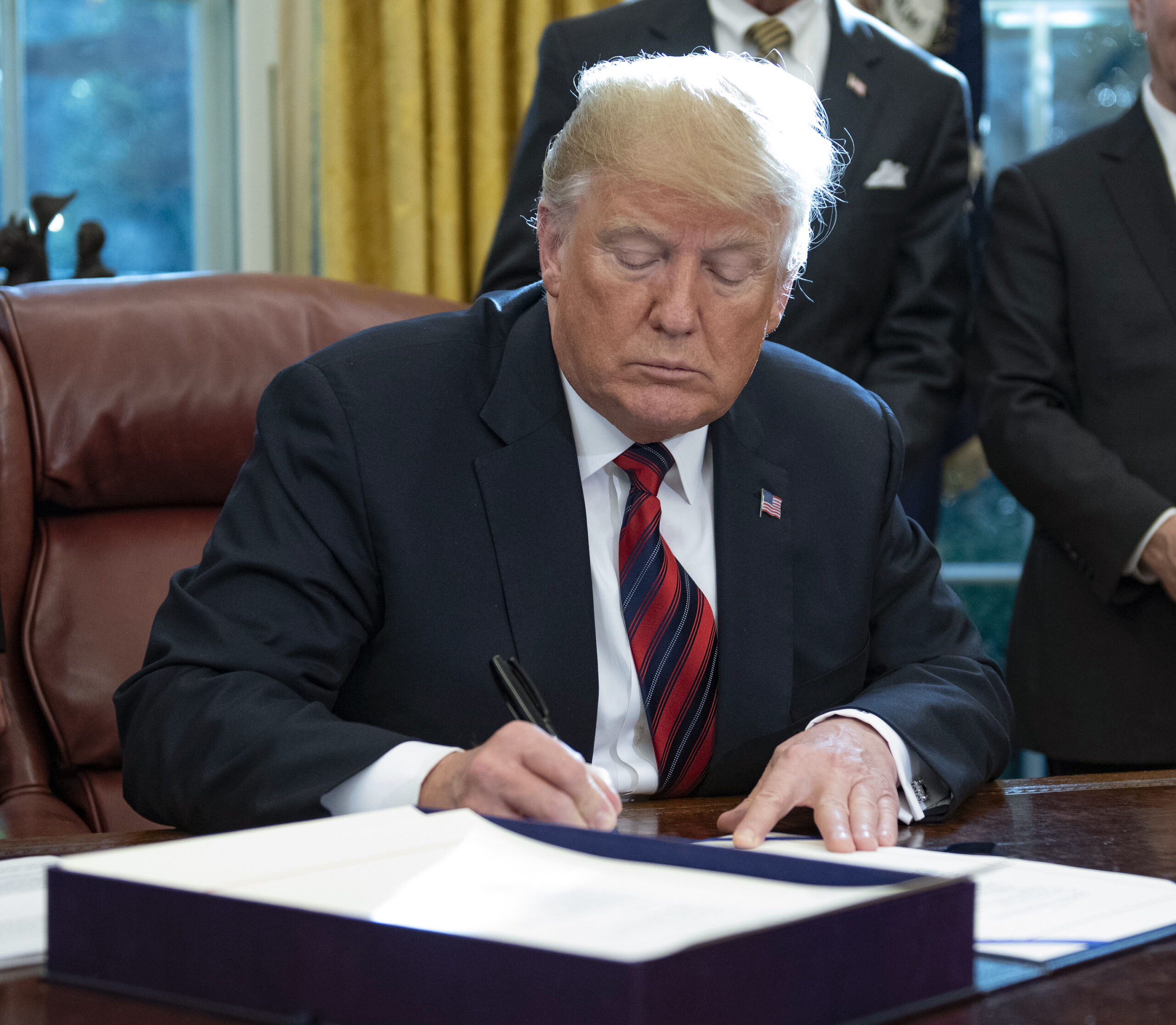
In this week’s Monday Briefing, MEI experts discuss recent and upcoming events including the coming changes in Trump’s administration, Iran’s hesitation in the US-China battle over Huawei , the ongoing Sweden talks on Yemen, results of the latest GCC summit, and questions over the legitimacy of the Afghan elections.
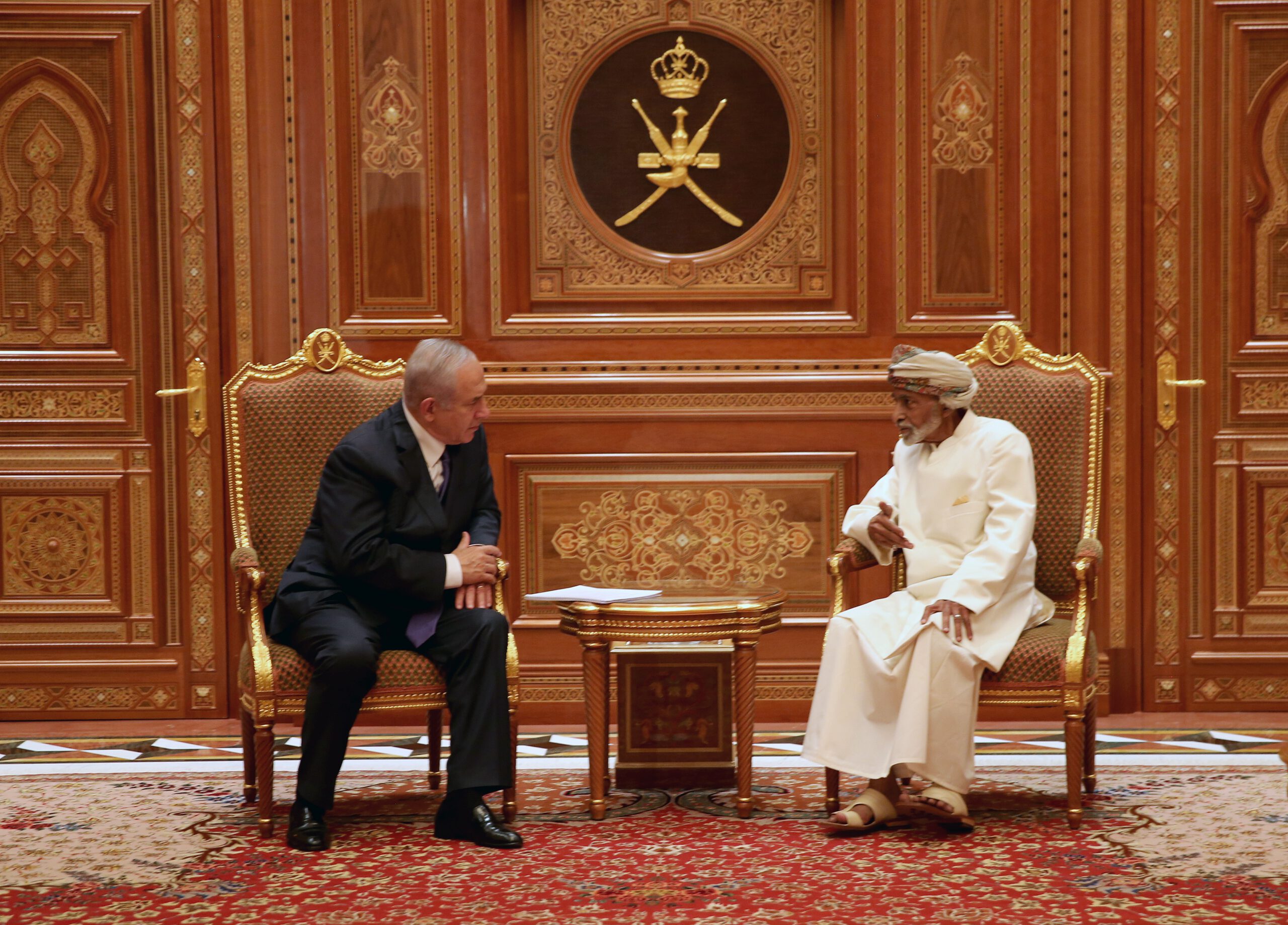
Oman and Israel: The emergence of a new strategic partnership
Although Oman has long been a regional mediator with ties to competing powers, it will need to maintain a delicate balancing act between its new strategic partnership with the Israelis and established relations with the Palestinians.
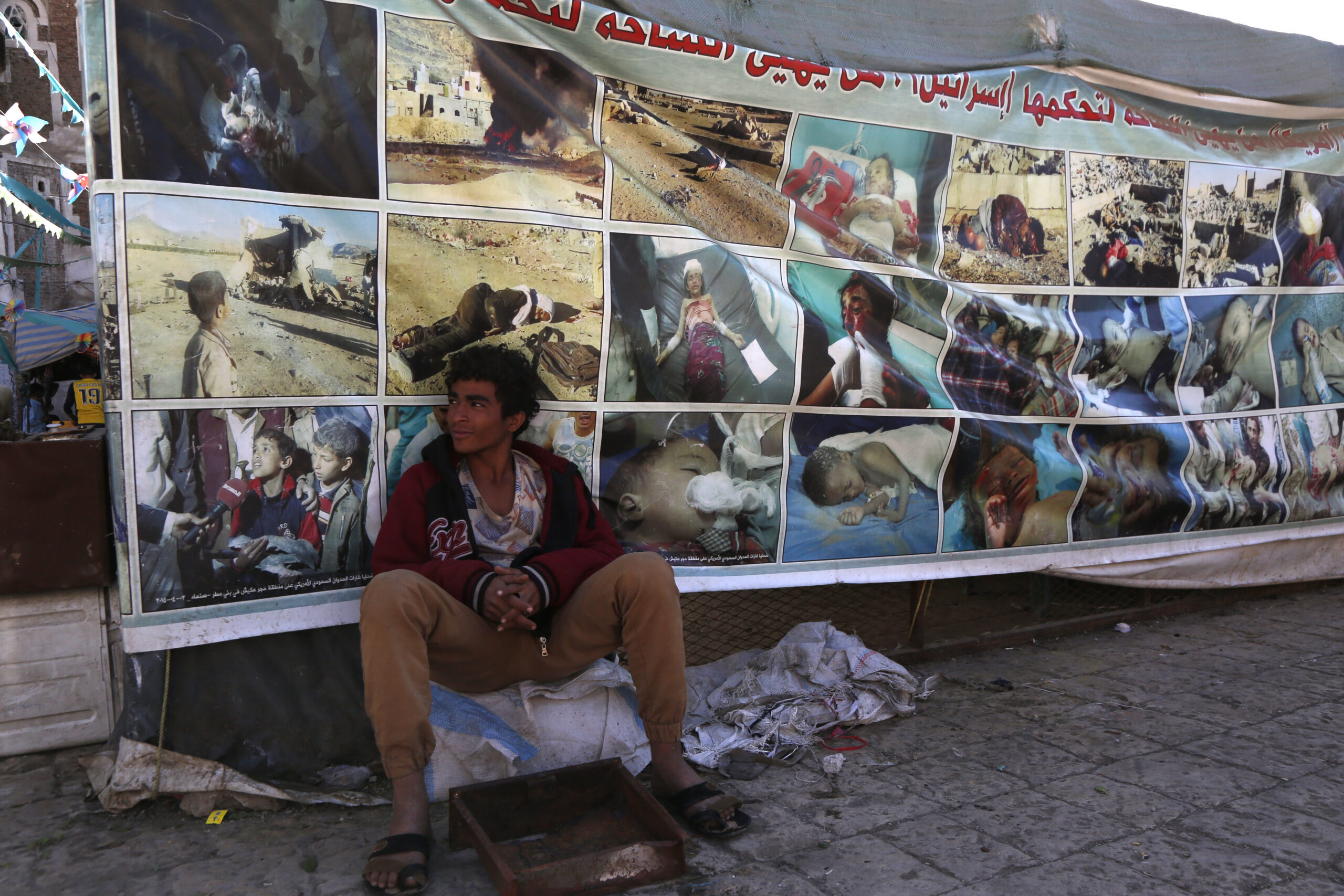
Restoring security and stability in Yemen is going to be a long-term process. Successful peace negotiations — including a ceasefire and confidence-building measures — can only be a first step toward that broader objective.
Giorgio Cafiero, CEO and founder of Gulf State Analytics, and F. Gregory Gause, head of the Department of International Affairs at Texas A&M University, join host Jerry Feierstein to discuss the state of GCC relations amid the Qatar dispute and other crises heading into the next GCC Summit.
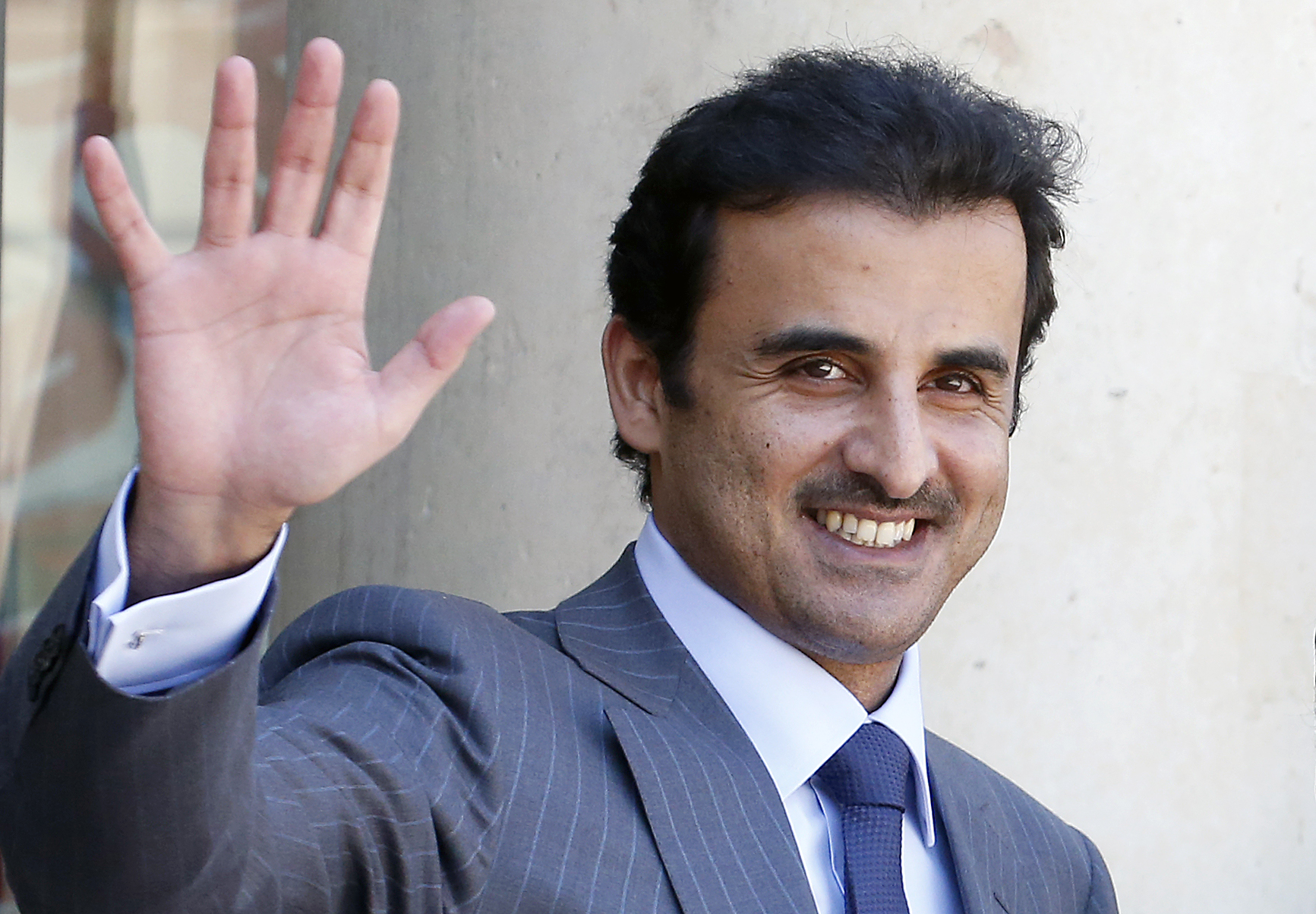
The GCC Riyadh summit: Beginning of the end of the Qatar crisis?
The upcoming GCC summit in Saudi Arabia offers an opportunity to bring the opposing sides to the table, but it is far from clear what will come out of the meeting
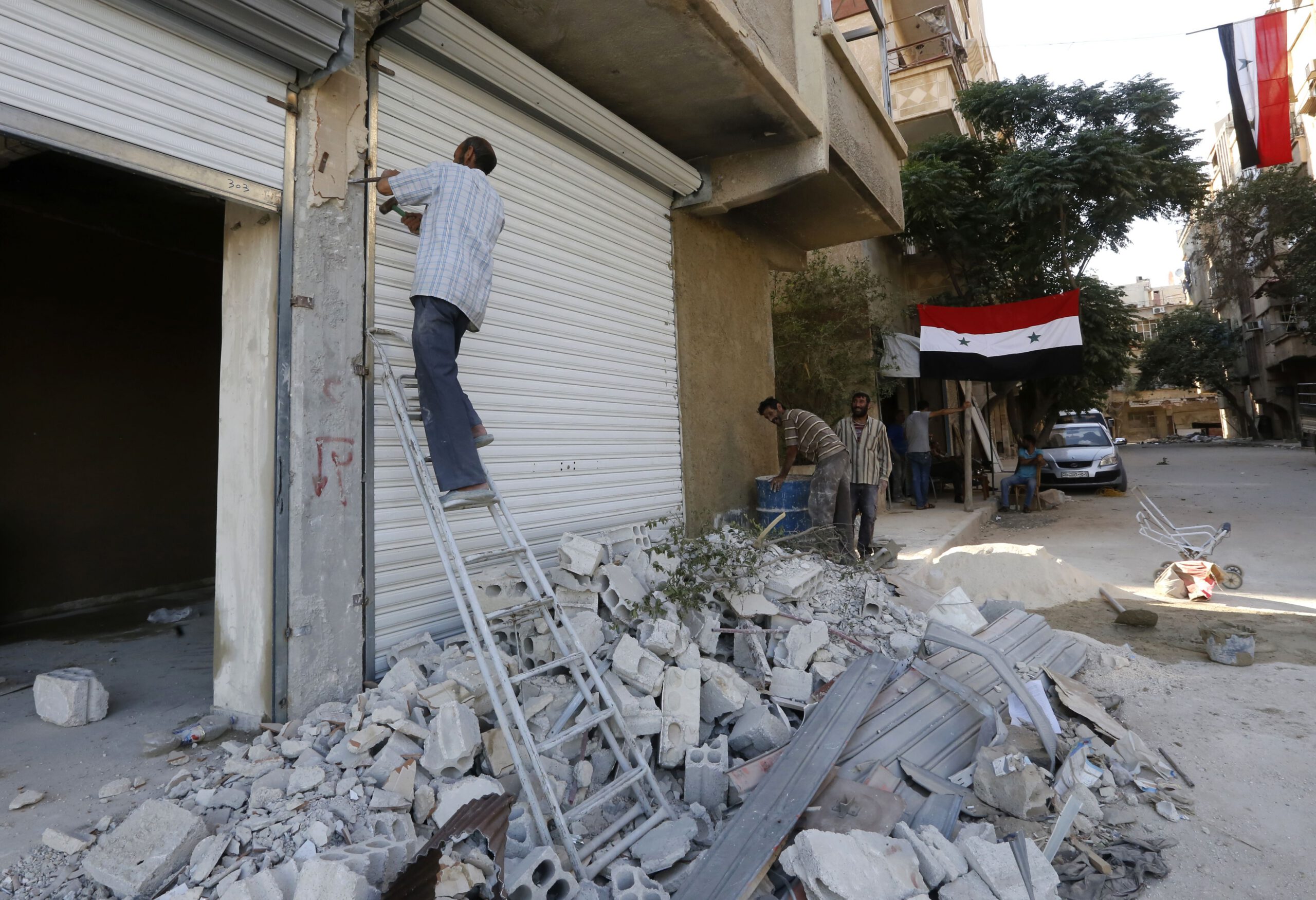
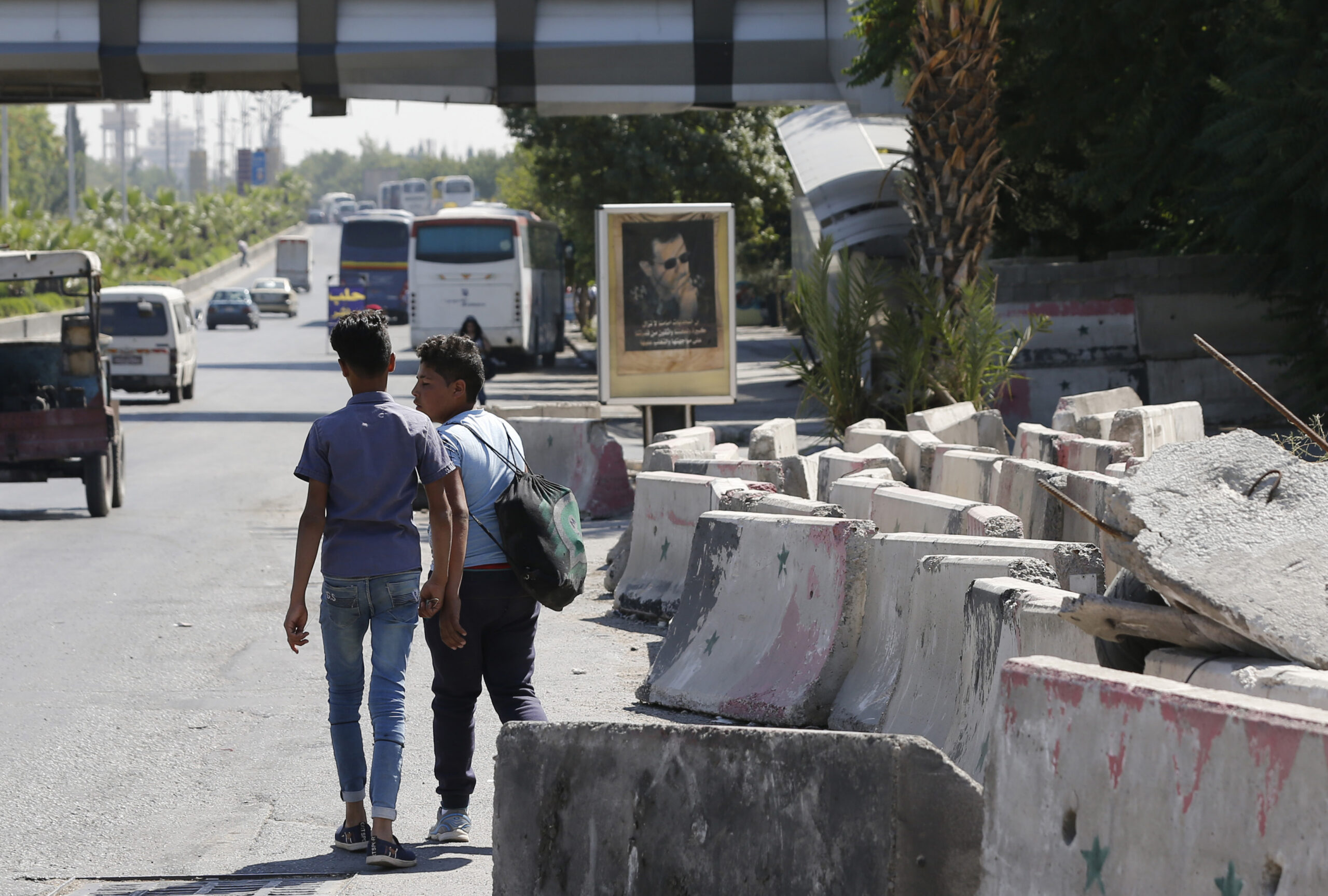
As fighting gives way to governing, Syria faces new challenges
As the Syrian government begins to shift its focus to postwar governance, it faces unexpected new challenges and growing criticism from citizens voicing their frustration through social media and other channels.
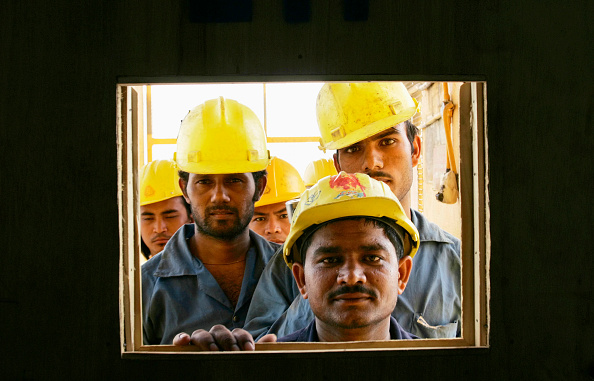
Getting Qatar Ready For 2022: Reforms in Labor Immigration Policy and India’s Options
The estimated 650,000-700,000 Indian migrant workers in Qatar constitute the latter’s largest expatriate community and nearly double the number of native Qataris. Their positive contribution to the progress and development of their host country is well recognized. In recent years, however, Qatar’s handling of the rights and protections of migrant workers, a large portion of whom are unskilled Indian laborers employed in the construction sector in preparation for hosting the 2022 FIFA World Cup has received a great deal of international media scrutiny and criticism. This article discusses the strides that Qatar has made in addressing these concerns and the steps India could undertake to spur further progress in ensuring that its migrant workers’ rights are protected.
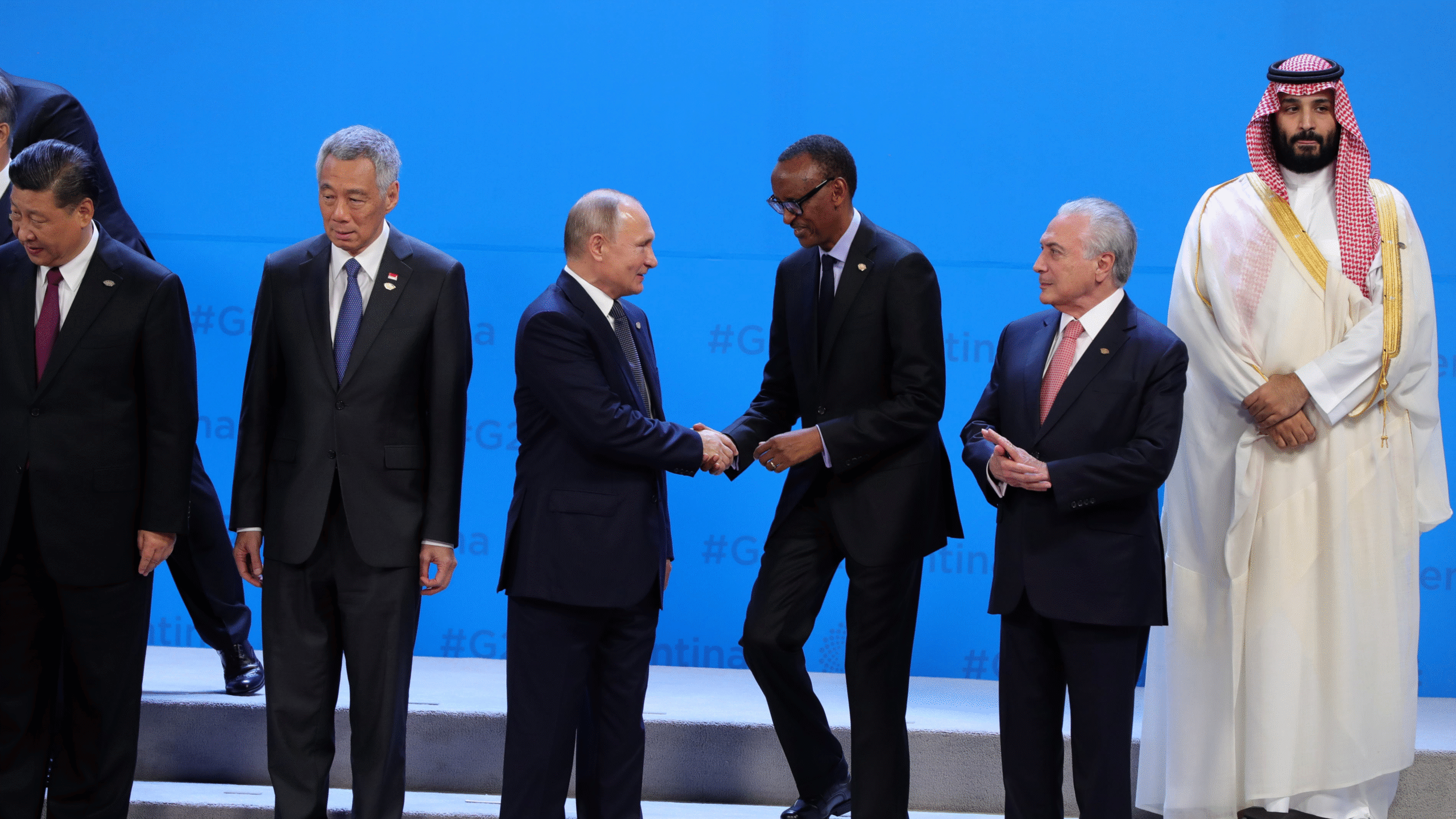
Monday Briefing: Optics and geo-economics at the G20
In this week’s Monday Briefing, MEI experts discuss recent and upcoming events including MBS’ lukewarm reception at the G20 summit, plans for a UN-hosted Western Sahara roundtable, and Qatar’s decision to leave OPEC.