This text has been translated by AI and may contain errors.
Skip to Content

Research & Commentary Results

Filter by
1318 Results
Joe Biden must quickly make a call on America’s longest war
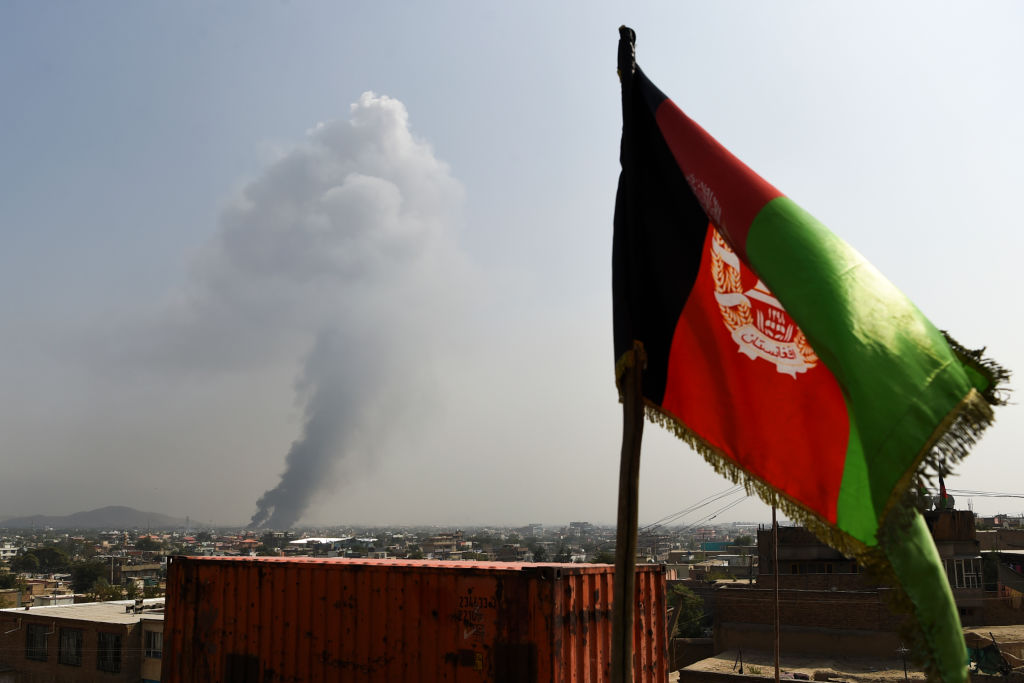
Smoke rises from the site of an attack after a massive explosion the night before near the Green Village in Kabul on September 3, 2019. - A massive blast in a residential area of Kabul killed at least 16 people, officials said on September 3, yet another Taliban attack that came as the insurgents and Washington try to finalise a peace deal.
  • Analysis
  • Joe Biden must quickly make a call on America’s longest war

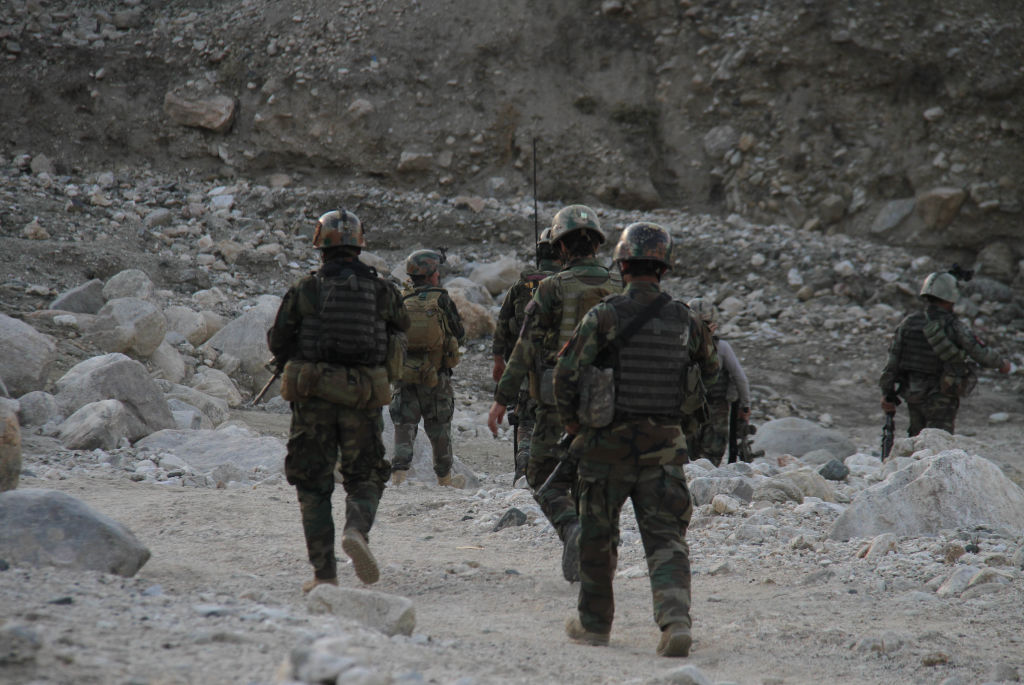
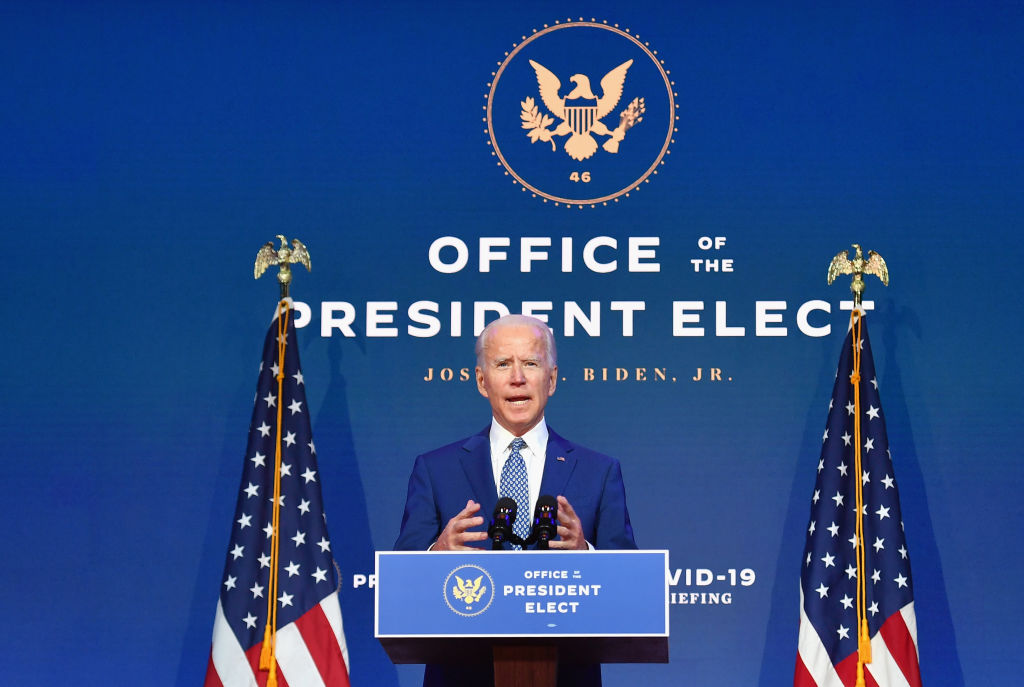
    Though the war in Afghanistan largely went unmentioned in the U.S. presidential race, the incoming Joe Biden administration must make a major decision in the coming weeks and months on whether to follow through on the U.S. commitment to withdraw all troops from the country by the end of April 2021.

    November 17, 2020

    Pakistani politics at a crossroads: The new opposition to Imran Khan and to the military establishment
  • Analysis
  • Pakistani politics at a crossroads: The new opposition to Imran Khan and to the military establishment

    On October, 16, Pakistan’s former Prime Minister Nawaz Sharif set his country’s politics ablaze by offering a withering critique of the military establishment. Calling in from London via video conference, Sharif addressed a crowd of over 20,000 protestors at a rally in the Punjabi city of Gujranwalla organized by the Pakistan Democratic Movement (PMD), a recently formed coalition that brings together all major opposition parties. Under the PMD’s banner, erstwhile rivals like the Pakistan Muslim League-Nawaz (PML-N), the Pakistan People’s Party (PPP), and the Jamiat Ulema-e-Islam–Fazlur (JUI-F) have joined forces to achieve two goals that they see as intertwined: unseating Prime Minister Imran Khan and regaining power from the military.

    November 3, 2020

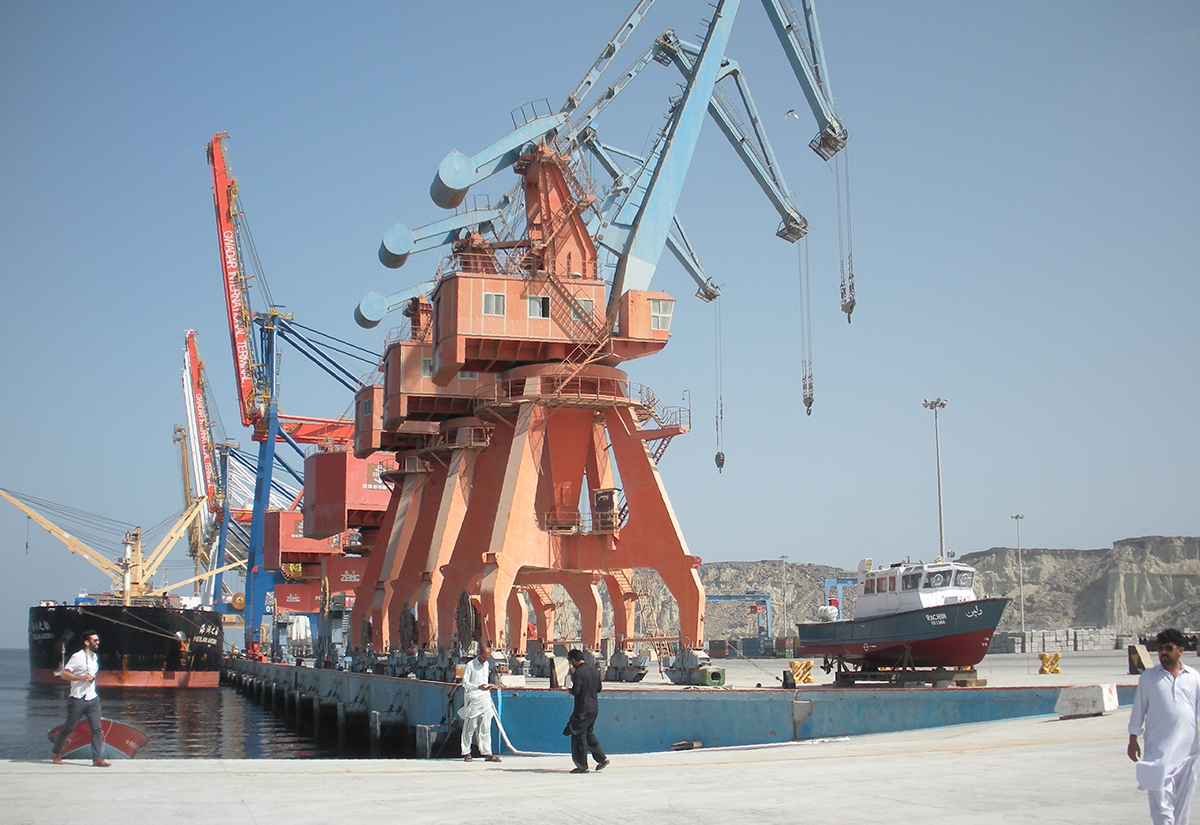
    Regional transit trade isn’t enough to drive Pakistan’s Gwadar Port
    In this photograph taken on October 4, 2017, Pakistani labourers walk through Gwadar port. Remote and impoverished, Pakistan's Gwadar port at first glance seems an unlikely crown jewel in a multi-billion dollar development project with China aimed at constructing a 21st century Silk Road. Situated on a barren peninsula in the Arabian Sea, Gwadar, or the
  • Analysis
  • Regional transit trade isn’t enough to drive Pakistan’s Gwadar Port

    Landlocked Afghanistan has begun using the Chinese-operated Pakistani port of Gwadar for transit trade — a development Pakistani officials see as marking the start of Gwadar’s role as a gateway port through the China-Pakistan Economic Corridor. Pakistan’s hope to develop the Arabian Sea port into a gateway for Afghanistan, Central Asia, and China’s Xinjiang region has been a long-standing one — and it is misguided. Islamabad should instead focus on local drivers to build the port and use it as a vehicle to develop the impoverished, but resource-rich region of southern Balochistan.

    October 14, 2020

    Rethinking Egypt’s Economy
  • Analysis
  • Rethinking Egypt’s Economy

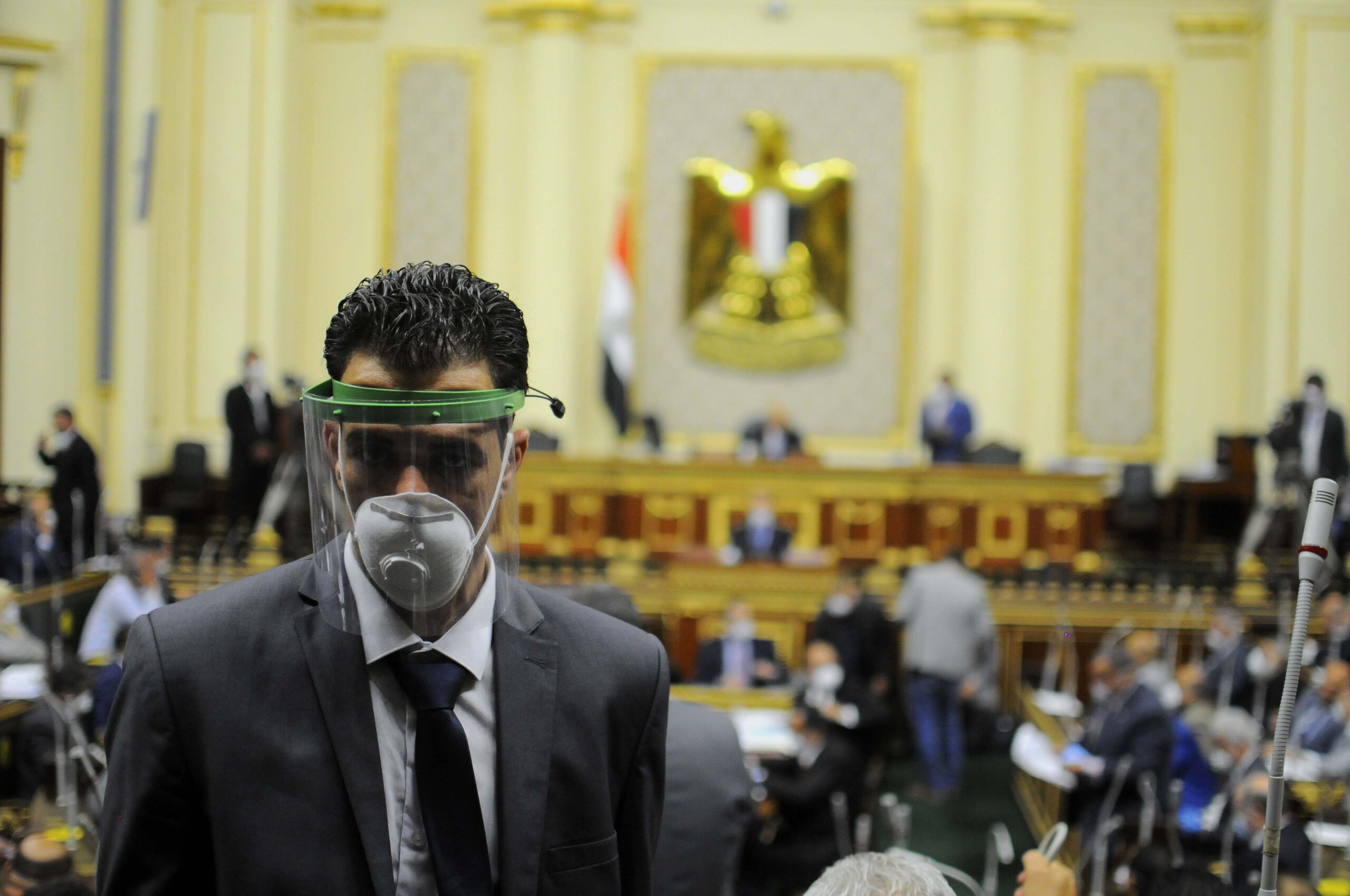
    Egypt is not alone in having been knocked into a pit by the fallout from the COVID-19 pandemic, but it will have to dig itself out on its own. However, if Egypt is going to do so, it needs to rethink its approach to development, starting with looking for the silver lining to the pandemic. Is it possible to address existing issues that have been brought home by the exceptional circumstances? In this report, contributors dissect the weaknesses that make Egypt particularly vulnerable to external threats and examine ways in which to address these vulnerabilities and shore up the economy and the business and developmental environment.

    Will the lights stay on in Egypt?
    Photo by Oliver Weiken/picture alliance via Getty Images
  • Analysis
  • Will the lights stay on in Egypt?

    With its successful turnaround, strategic location, and extensive infrastructure, Egypt is repositioning itself as a regional energy hub for not only Europe and the Middle East, but also for Africa. It is useful to reflect on the successful transformation of Egypt’s energy sector while also evaluating where the sector stands today and how it will react to the twin challenges of the COVID-19 global pandemic and the oil price shock.

    October 7, 2020

    Prospects for the intra-Afghan talks in Doha
    Middle East Institute
  • Podcast
  • Prospects for the intra-Afghan talks in Doha

    Omar Samad and Marvin Weinbaum join host Alistair Taylor to discuss what to expect from the intra-Afghan talks underway in Doha, the ongoing violence on the ground in Afghanistan, and the challenges facing Afghan security forces as the US continues its troop drawdown.

    More episodes

    October 6, 2020

    Pakistan's Israel dilemma
  • Analysis
  • Pakistan's Israel dilemma

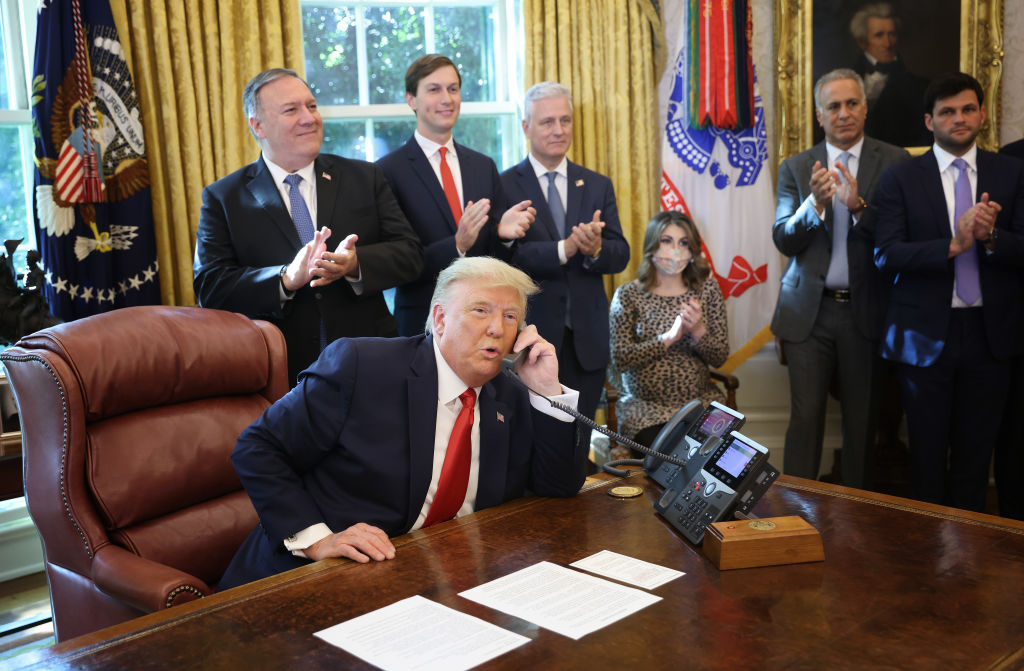
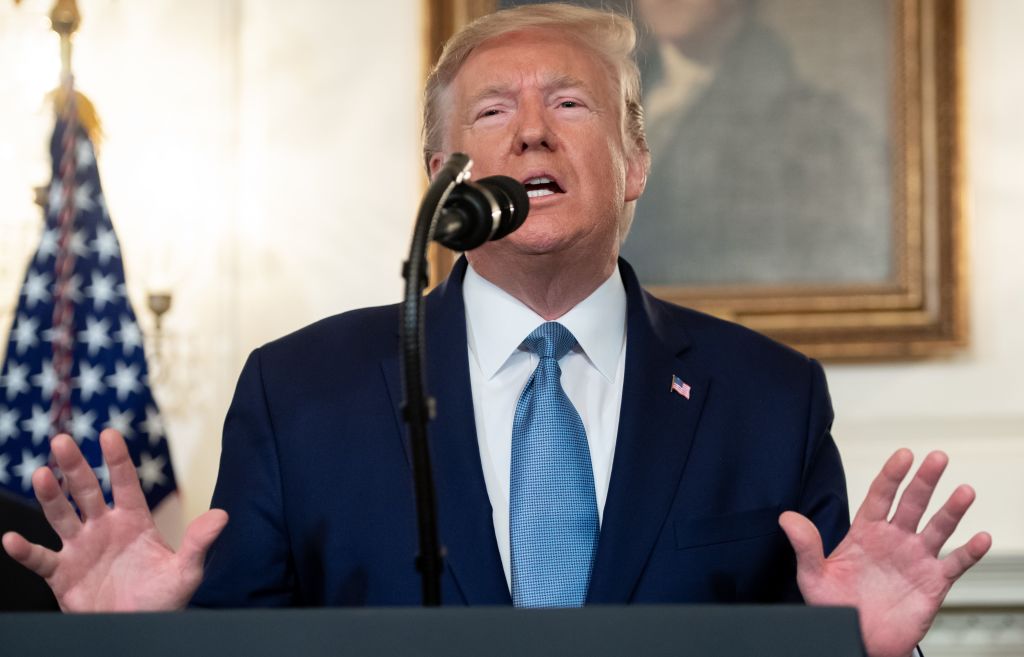
    On Sept. 13, Bahrain recognized Israel at a ceremony attended by US President Donald Trump at the White House. With the stroke of a pen, Bahrain became the fourth Arab state to have forged official ties with Israel, following in the footsteps of Egypt (1979), Jordan (1994), and most recently, the UAE (Aug. 13, 2020).

    October 6, 2020

    Towering Ambitions: Egypt and China Building for the Future
    Middle East Institute
  • Analysis
  • Towering Ambitions: Egypt and China Building for the Future

    Over the past decade, Egypt and China — the former a traditional US partner and the latter America’s strategic competitor — have forged ever-deeper ties. During that time, Beijing has sought to leverage its relationship with Egypt to advance the Belt and Road Initiative (BRI), while Cairo has looked to China as a critical partner in the revitalization of the Egyptian economy. Entering 2020, Egypt was one of the fastest-growing emerging markets, and the Sino-Egyptian economic relationship was thriving. However, the fallout from the pandemic could undermine Egypt’s recent success in restoring growth and regaining investor confidence. It could also test the resilience and delay the further expansion of Sino-Egyptian economic ties.

    America in Afghanistan
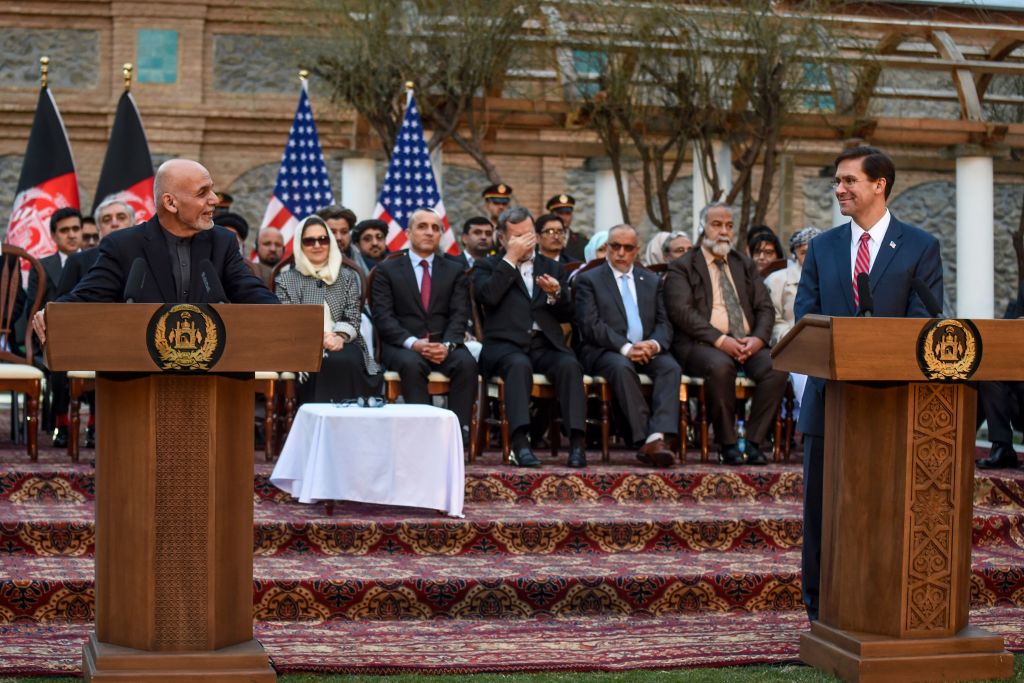
    Photo by BRENDAN SMIALOWSKI/AFP via Getty Images
  • Analysis
  • America in Afghanistan

    In the recently released Showtime documentary “Kingdom of Silence” by Alex Gibney and Lawrence Wright, I made the statement that with hindsight the U.S. may have been better off never having occupied Afghanistan. That comment has brought some questions and responses, so let me be clear about what I mean and why.

    October 5, 2020