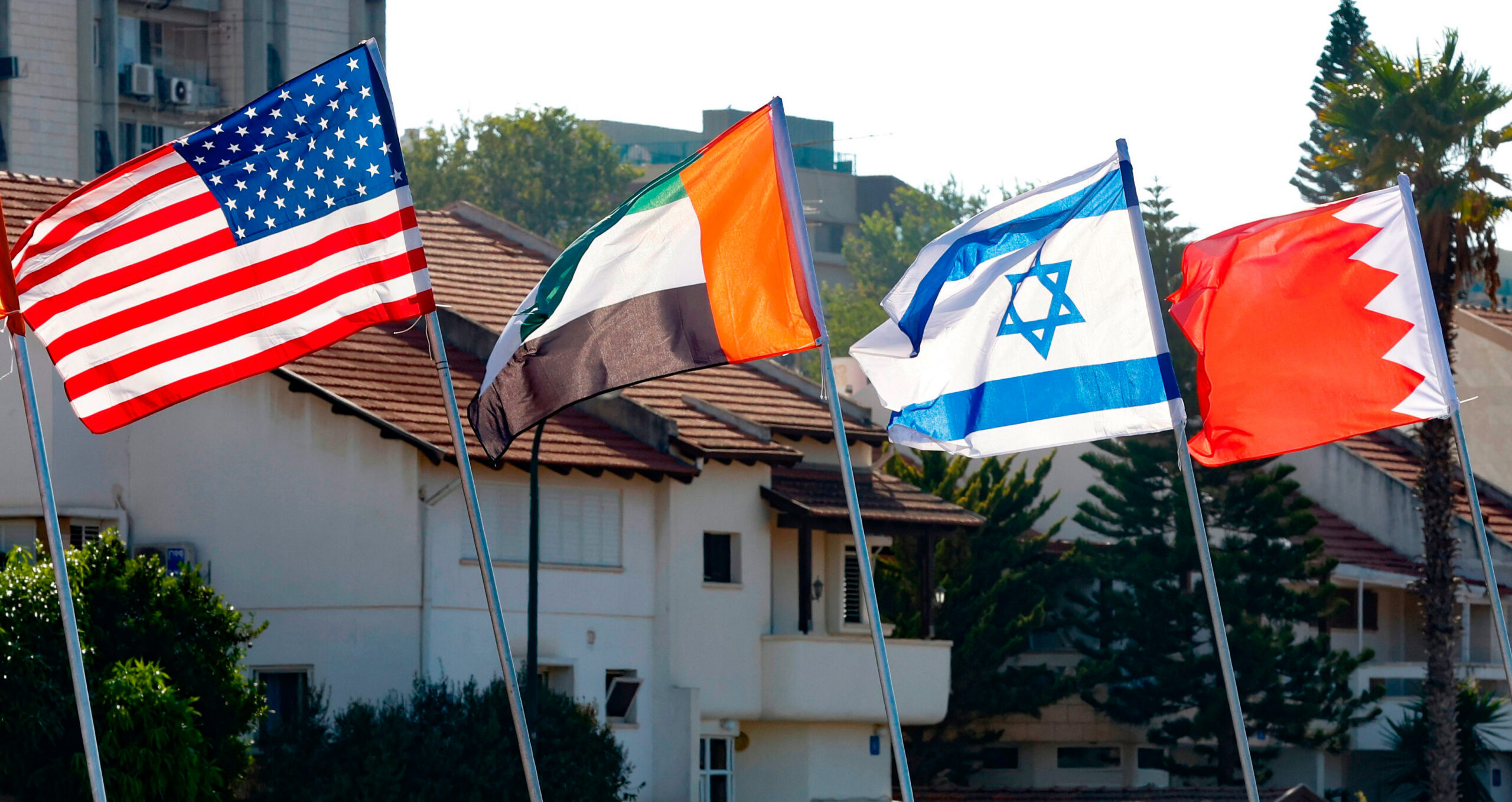
The Slowing Down of Israel-Arab Relations Under the Netanyahu Government
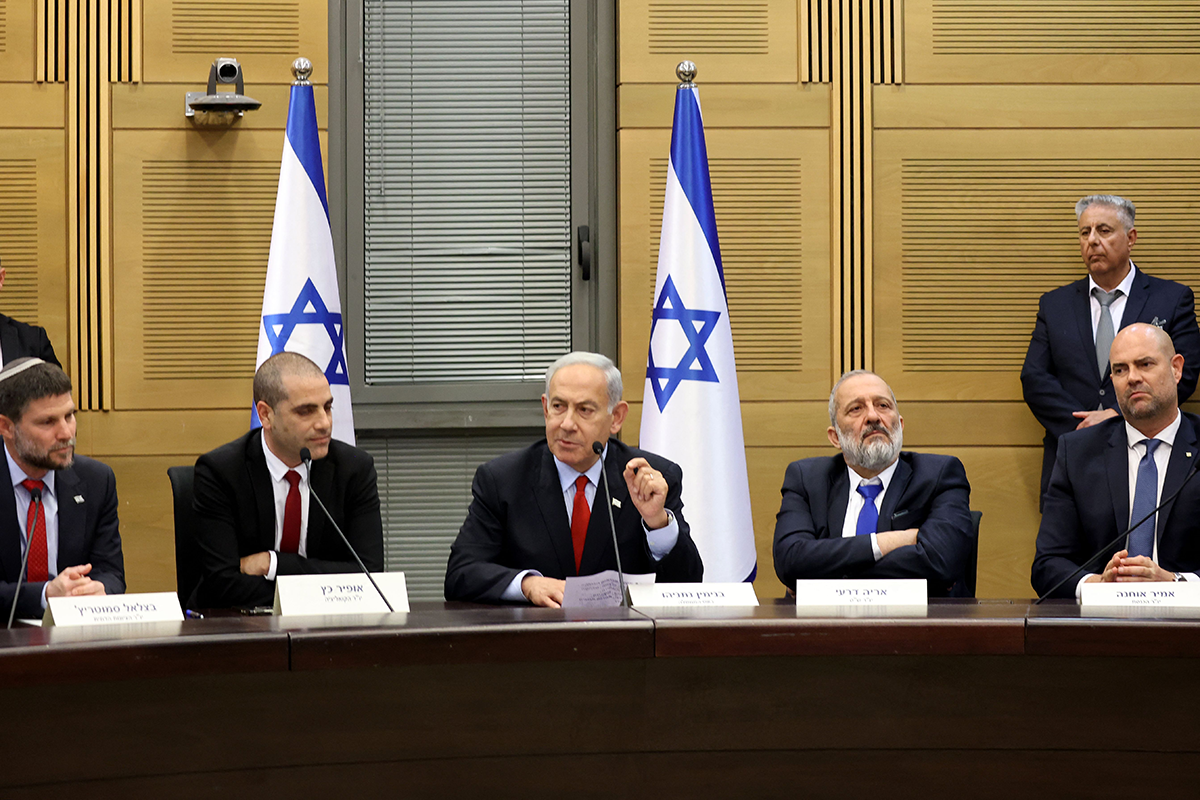
Dynamics between Israel and the Arab world have taken a turn for the worse in the first few months of the new Israeli government. The positive momentum in Israel-Arab relations, which Prime Minister Netanyahu himself was key in generating through the signing of the Abraham Accords and which picked up pace during the Bennett-Lapid government that followed, has slowed down. Only limited progress may be feasible under the current government, but conditions for positive change do exist and include marginalizing Israeli extremists, avoiding a flare-up with the Palestinians, reducing the domestic turmoil in Israel, and ensuring the effective involvement of the U.S. and the EU.
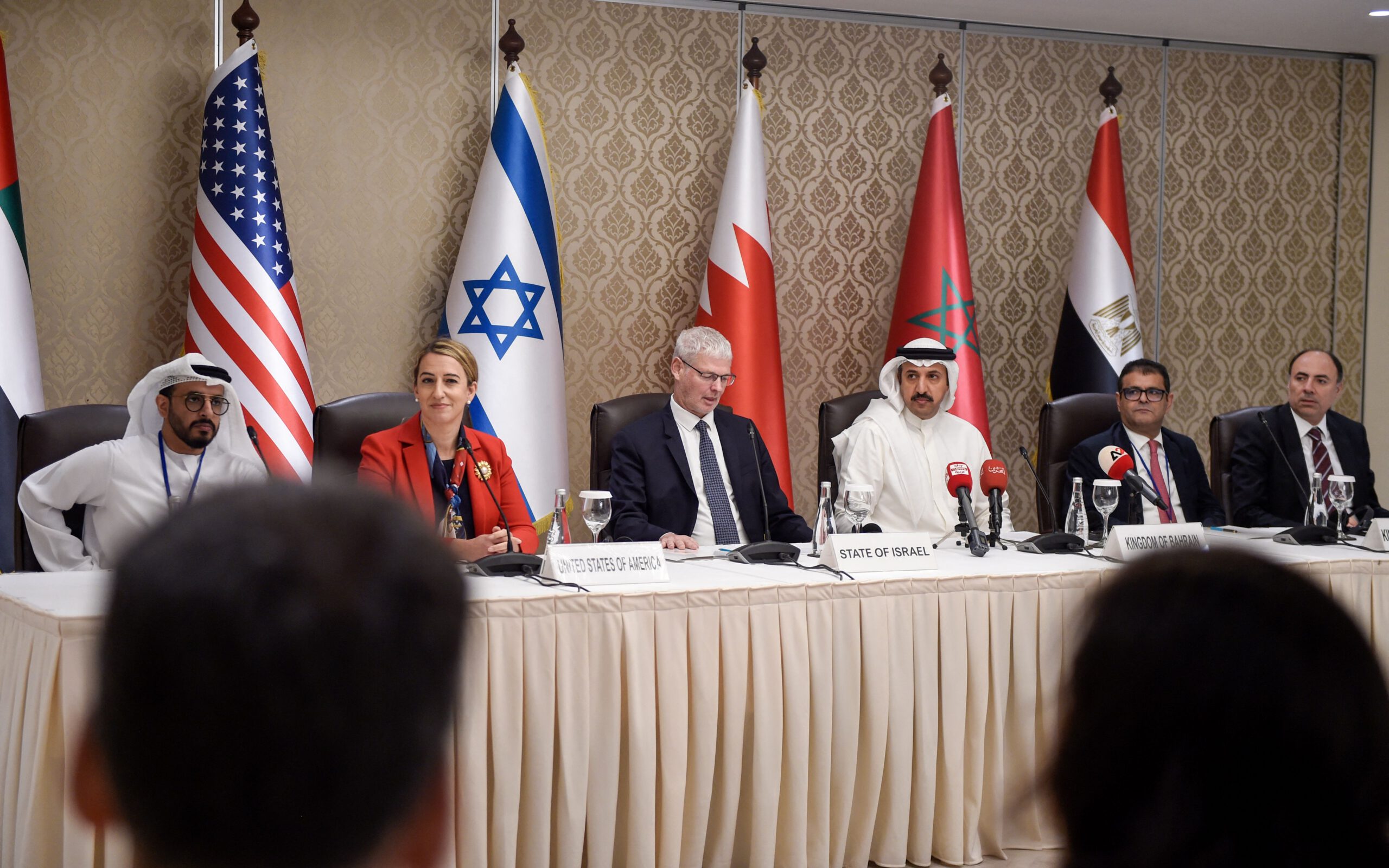
In an era of Middle East détente, how should the US and Israel respond?
Both Washington and Jerusalem welcome any reduction in regional tensions and prospects for a more stable, secure, and prosperous environment. However, there is a risk for U.S. and Israeli policy priorities, such as that regional de-escalation will reduce pressure on Tehran to negotiate on issues of concern, especially its nuclear weapons program.
The failure of partner-led, US-enabled policy in the Horn of Africa: The case study of Somalia
Rather than addressing the critical gaps in Somalia’s security, President Hassan Sheikh has chosen to prioritize nation-building over state-building, diverting scarce resources needed to stabilize areas liberated from al-Shabaab. The Biden administration has enabled President Sheikh’s nation-building project through its partner-led, U.S.-enabled approach.
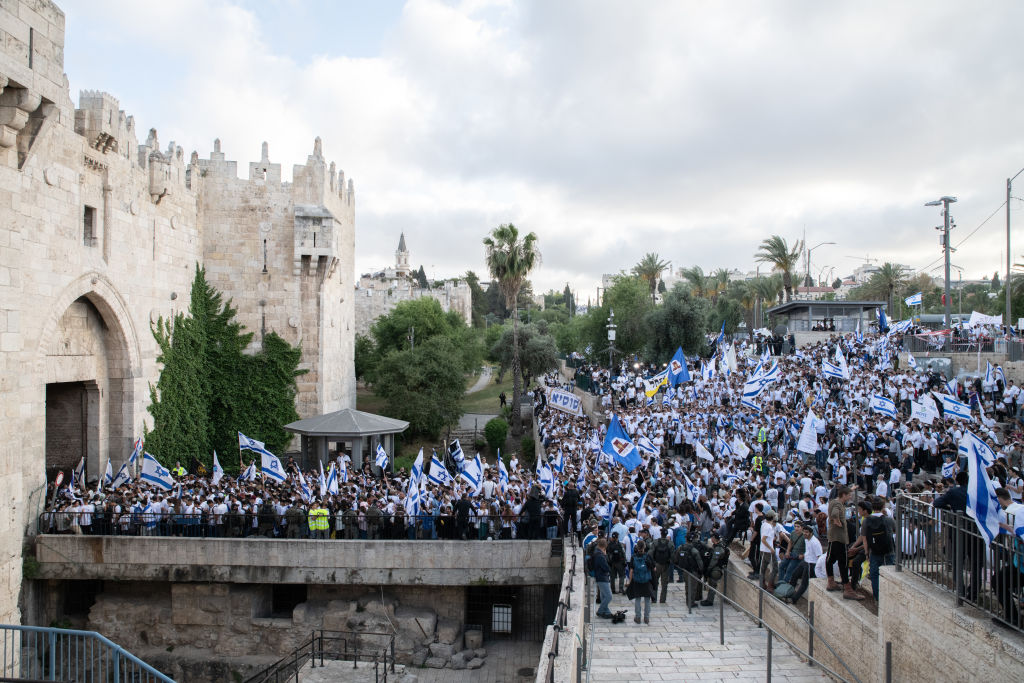
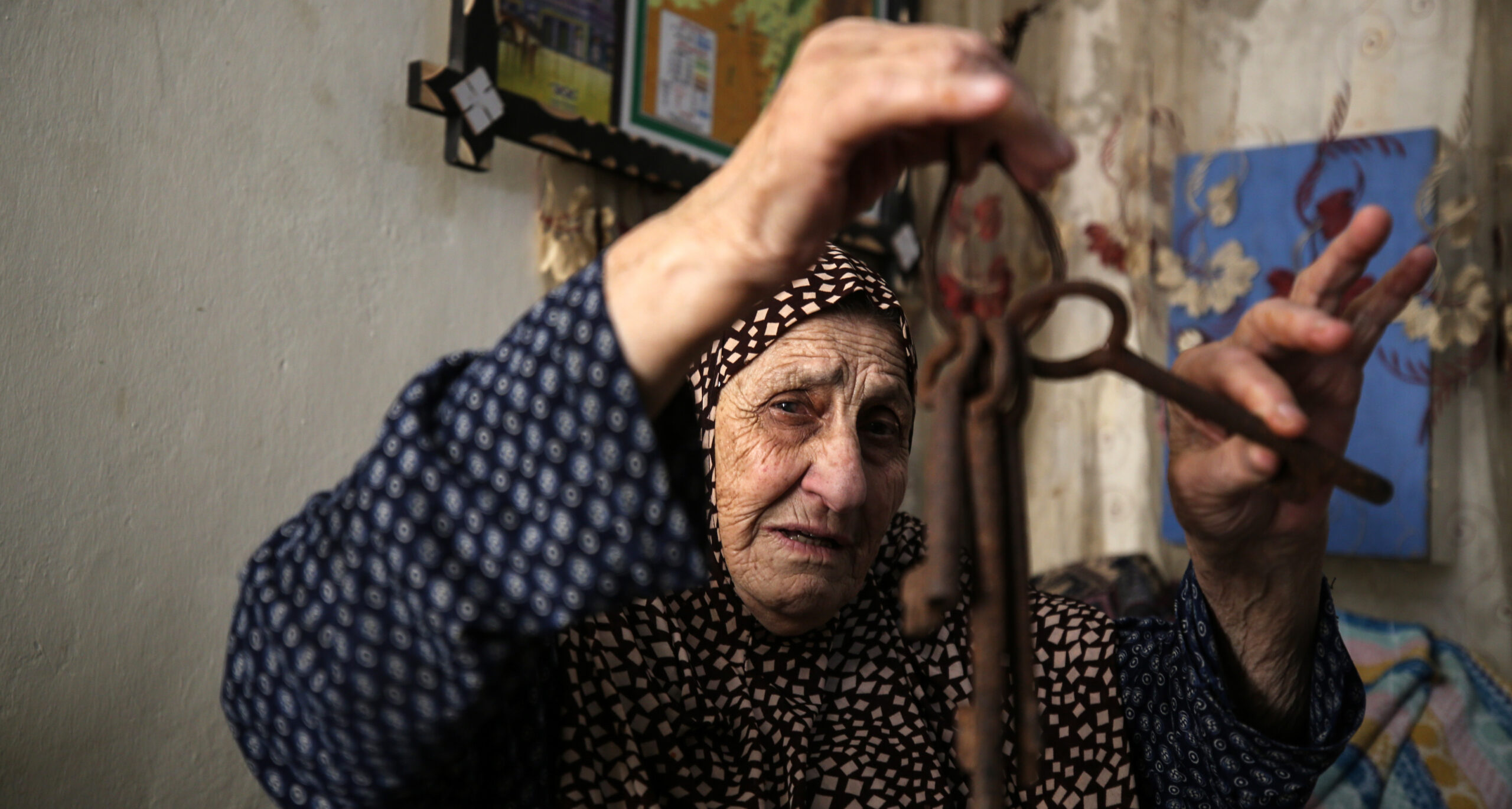
For Palestinians, the Nakba (Catastrophe) is a somber occasion that represents the loss of their homeland and the forced displacement that followed. To truly understand the tragedy of the Nakba and the ongoing trauma experienced by Palestinians, it is important to humanize their experiences. By listening to and amplifying these voices, we can begin to truly understand the complexity and depth of the Palestinian experience.
Even with all eyes on Gaza, the struggle for Israel’s democracy continues
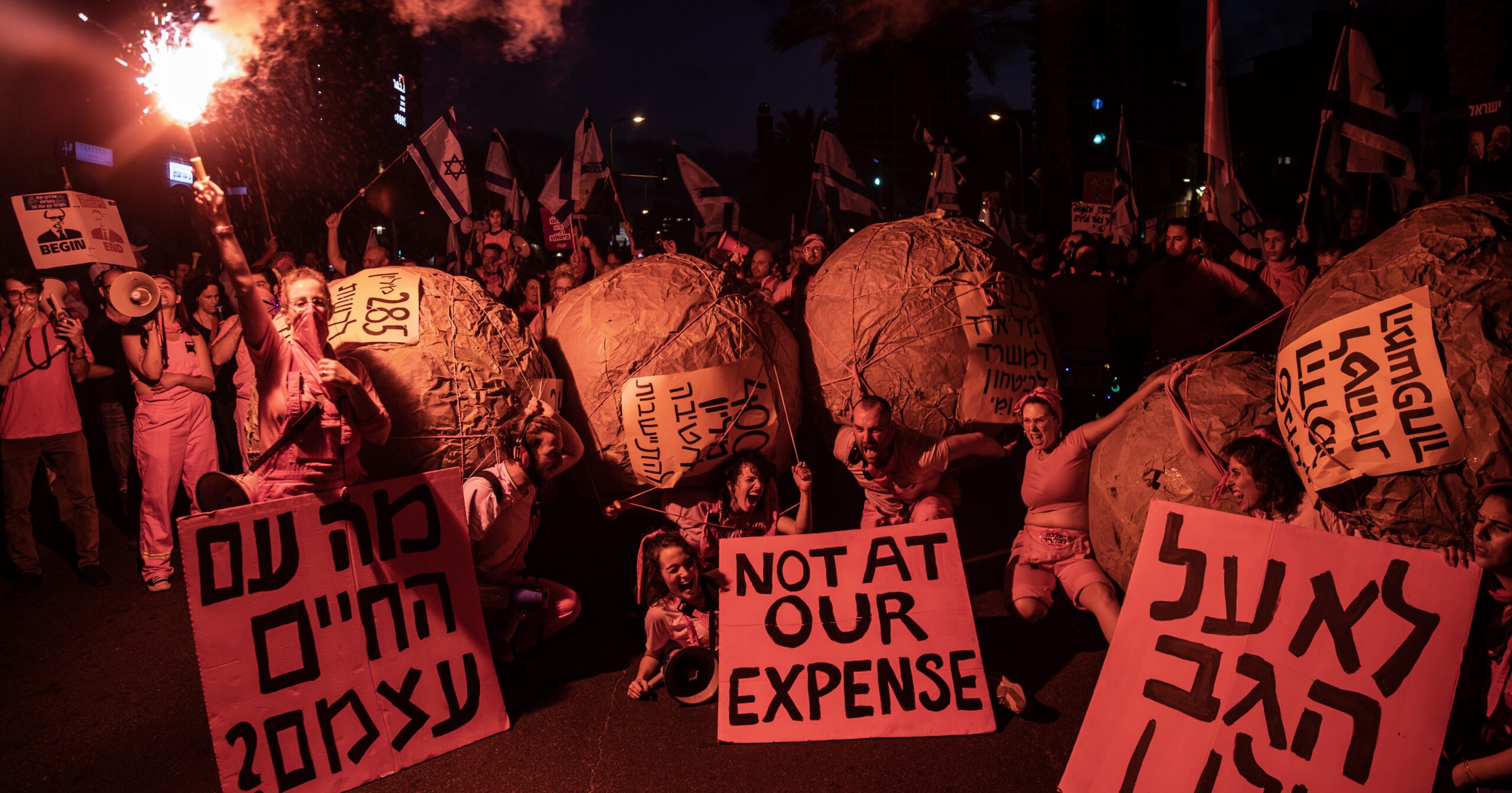
The costs that Israeli Prime Minister Benjamin Netanyahu and the State of Israel have been paying following the government’s first months in office have become more and more significant in recent weeks, and are they are not forgotten even as Israelis focus on coping with a cycle of warfare with Palestinian Islamic Jihad in Gaza.
Shifting sentiments in the Sahel: Anti-France or pro-Russia?
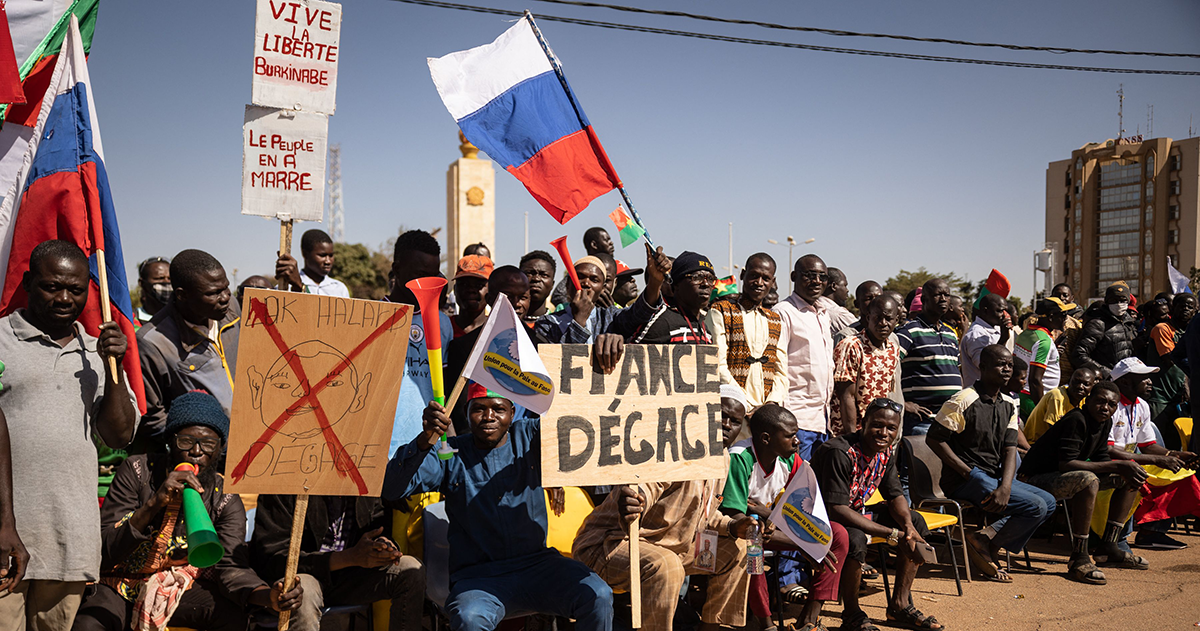
In recent months, fervent anti-French sentiment has been on the rise in Burkina Faso and Mali. In February 2023, the Burkinabe army announced the end of the French Sabre Force in the West African country. This came three weeks after the transitional government withdrew from the 2018 defense agreements with France that had previously allowed 400 French troops to be stationed in a cantonment outside of the capital, Ouagadougou.
Navigating complex maritime security challenges in the Black and Mediterranean seas: Insights from the updated EUMSS
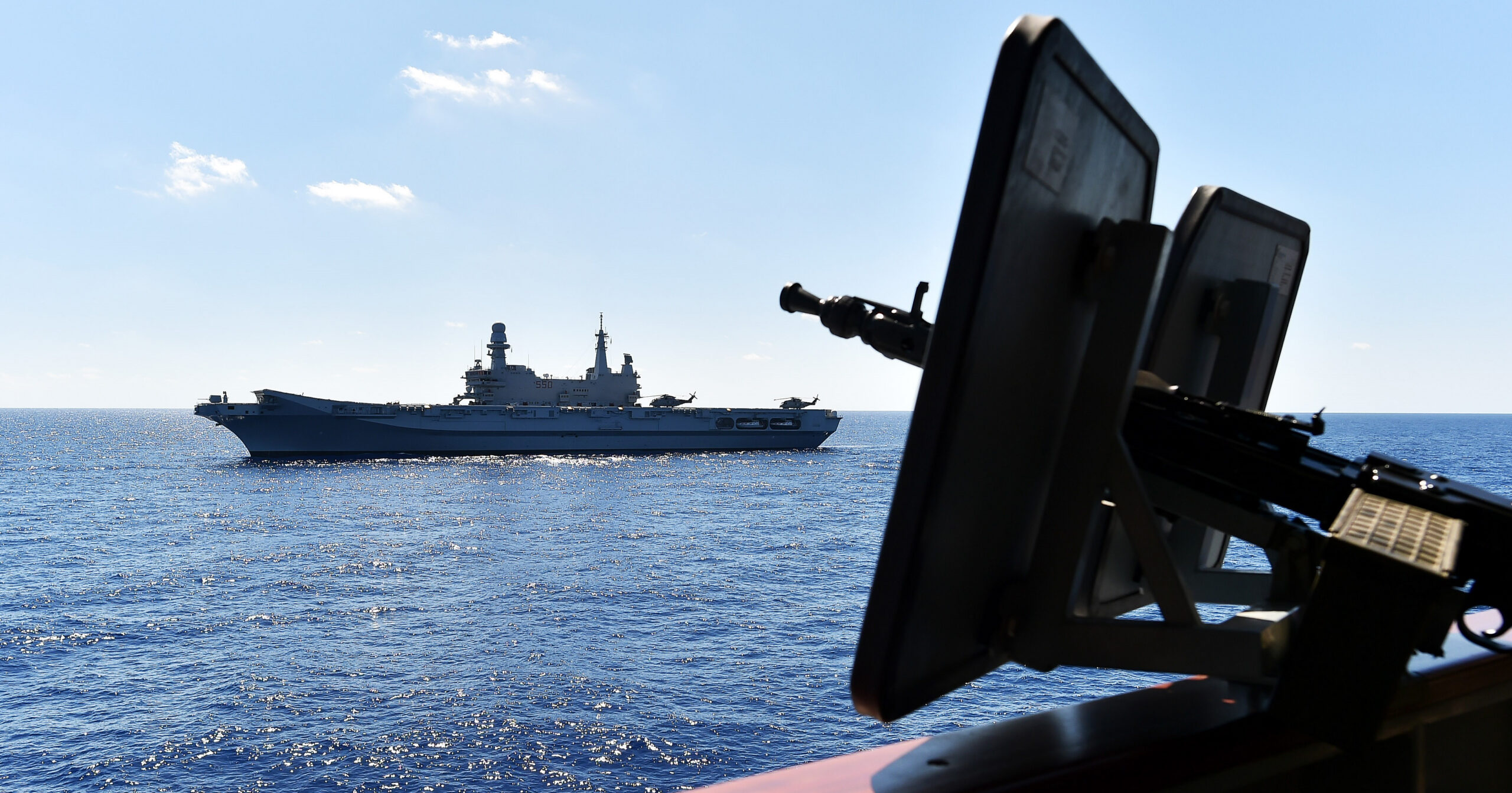
Russia’s February 2022 full-scale invasion of Ukraine helped influence the updated European Maritime Security Strategy’s approach to the Black and Mediterranean seas, with implicit and explicit references to the war dispersed throughout the document. The updated EUMSS showcases the wide array of security issues present in the region, including seaborne UXOs, human and drug trafficking, and threats to critical infrastructure. But security in the Black and Mediterranean seas will require greater cooperation with non-EU countries.
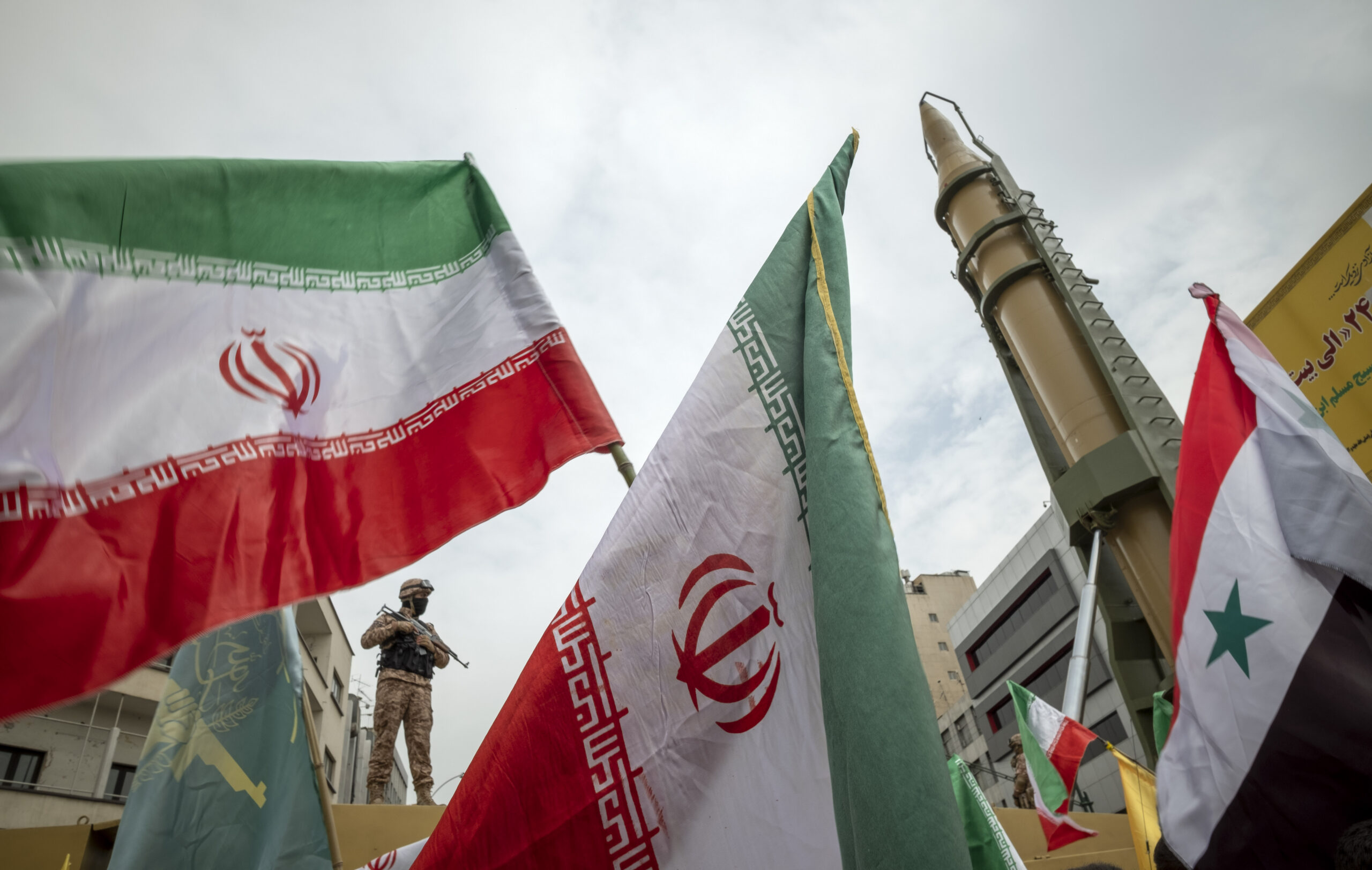
The IRGC’s enmity toward Israel is an aberration in Iranian history
Iran’s Islamic Revolutionary Guard Corps (IRGC) is at its core an ideological army, not a national one, and its notorious enmity toward Israel is an aberration in Iranian history. But many Israelis to this day think Iran could be a natural partner as long as the country gave up its pursuit of ideologically driven regional dominance, disavow calls for the destruction of Israel, and were instead to again allow the regular army, the Artesh, to pursue Iranian national interests.
المؤسسات الحكومية الجديدة في تونس، الشرعية، ومستقبل التحول السياسي
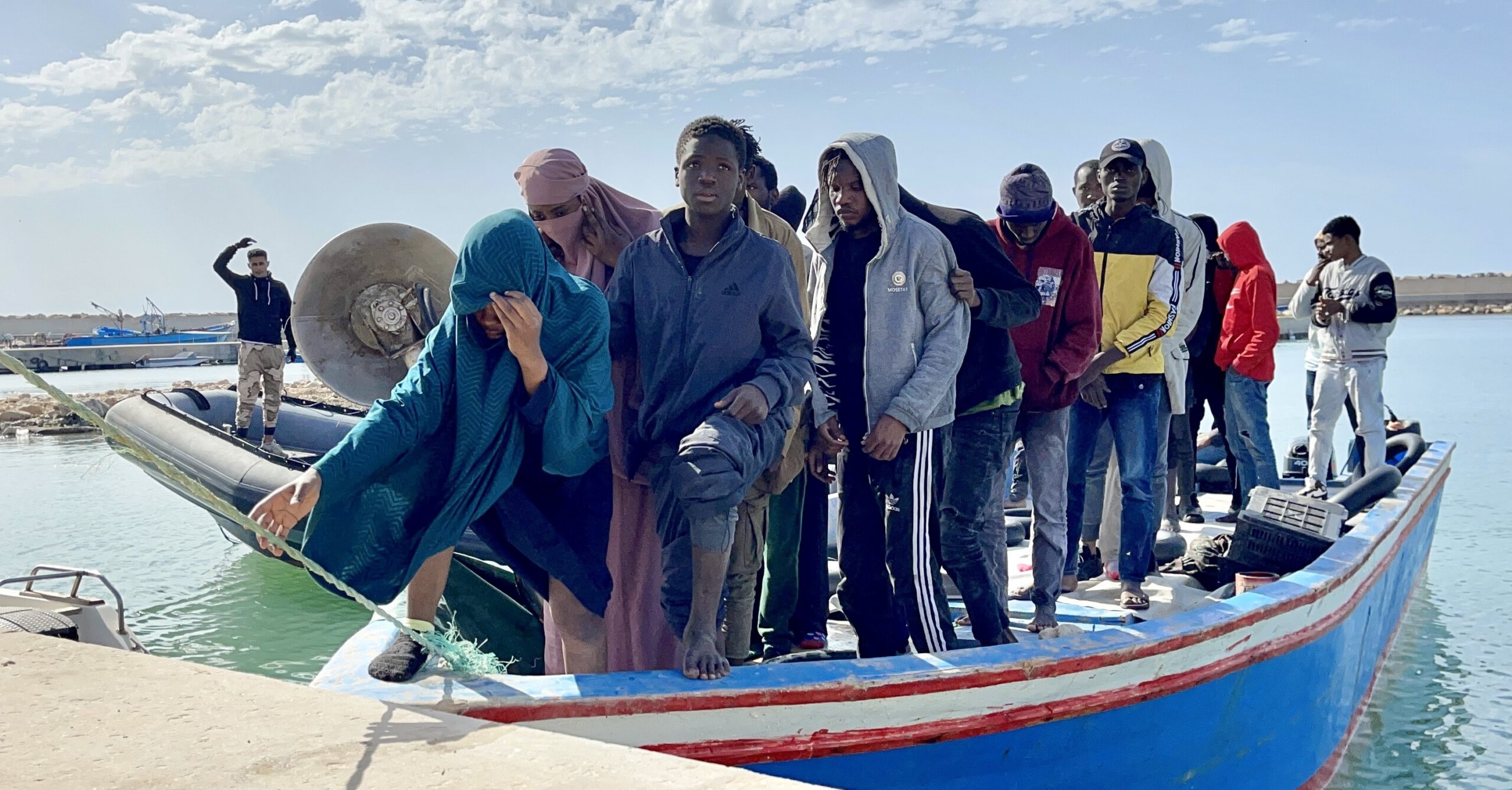
أجرى الرئيس التونسي قيس سعيد إصلاحات في هيكل الحكومة التونسية، مما أثار مخاوف من تراجع الديمقراطية في هذا البلد الشمال أفريقي. وسط الاضطرابات الاقتصادية المستمرة وتفاقم مشكلة الهجرة، يتساءل الكثيرون عما إذا كان لا يزال من الممكن الحفاظ على الديمقراطية في تونس. تنضم شيراز أربي وليليا بليز إلى انتصار فقير، مديرة برنامج شمال إفريقيا والساحل في معهد الشرق الأوسط، لمناقشة الوضع السياسي الحالي ومستقبل تونس.
تركزت جميع النزاعات التاريخية والحديثة في الشرق الأوسط حول الاعتبارات الإقليمية الكلاسيكية المتعلقة بفقدان الأراضي أو استعادتها. وللخروج من هذه الدوامة، كان من الضروري الابتعاد عن أحد الأسباب الجذرية الرئيسية للنزاع: الجغرافيا. وقد تكون التغيرات الحالية في المنطقة، التي تتميز بتوجه كبير نحو تخفيف حدة التوتر واستعداد متزايد للانفصال بشكل دوري عن الحلفاء التقليديين، مؤشرات على حدوث تحول جذري عميق نحو "السياسة الكمومية".
أثار تصريح الرئيس قيس سعيد خلال خطاب ألقاه في 6 أبريل/نيسان، والذي ادعى فيه رفضه للشروط، أو "الإنفاذ"، كما أسماها، المرتبطة بقرض محتمل من صندوق النقد الدولي، جدلاً واسعاً. ويبدو أن ردود الفعل على الخطاب وكذلك الإجراءات التي اتخذها المسؤولون التونسيون قبله وبعده تتعارض مع مقصده، مما تسبب في إرباك حول ما إذا كانت الصفقة لا تزال قائمة. وفي الوقت نفسه، اعتبر آخرون الخطاب علامة على أن تونس تدرس بجدية إمكانية وجود بدائل لتمويل صندوق النقد الدولي أو حتى إعادة توجيه جيوسياسي.
Getting ahead of the Middle East’s climate refugee conundrum
Over the coming decades, the worsening effects of climate change will increasingly displace many millions of vulnerable people in the Middle East and North Africa, and many of these refugees will attempt to relocate to the Global North. To avert such a monumental looming problem requires pragmatic solutions and their swift implementation.