What do China’s economic woes mean for the Middle East?
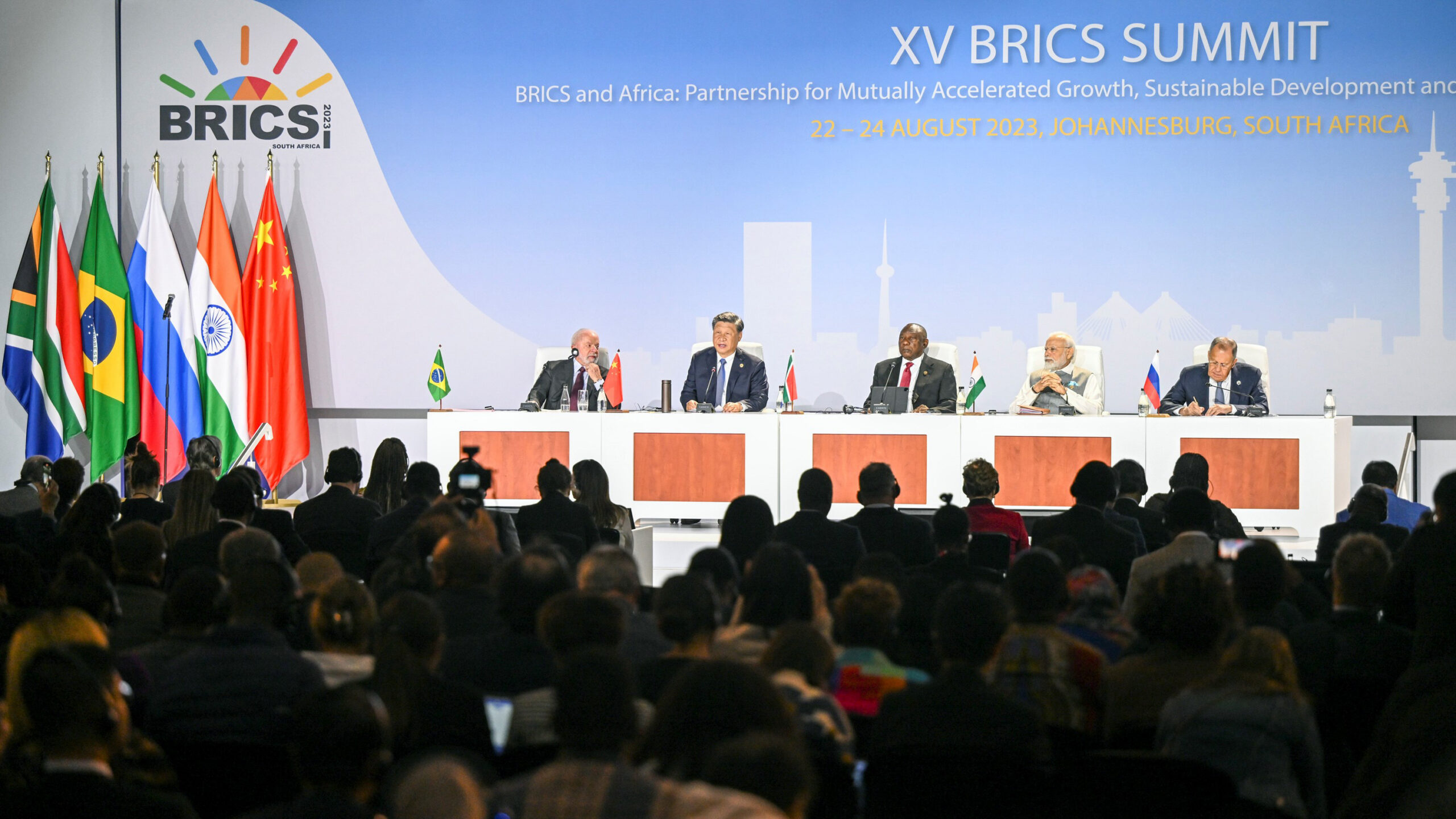
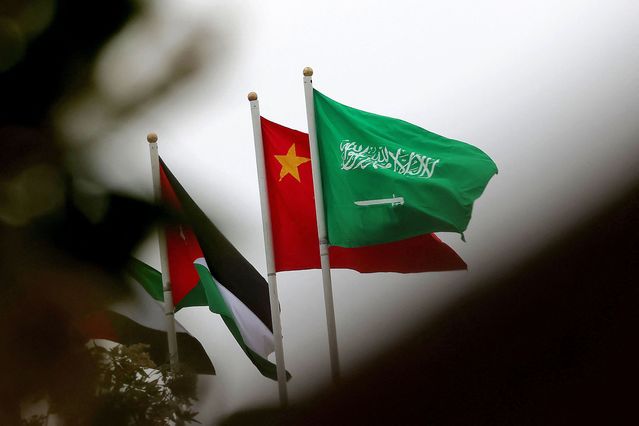
At the start of 2023, optimism was high that China would see a rapid recovery in consumer spending and an acceleration in GDP growth. Since then, however, the world’s second-largest economy has been in the doldrums. China’s ailing economy is a problem not just for China but for the entire world. A prolonged slowdown or a sudden financial crash, were it to occur, would ripple across global markets — including the countries of the Middle East, whose economies have become increasingly intertwined with that of China.
Navigating development in Moldova: The role and challenges of foreign donor organizations
This study on community leadership and social resilience factors in Moldova in the context of the war in Ukraine is based on in-country interviews with 15 Moldovan experts and community leaders, conducted in May-August 2023.
Deepening defense-industrial cooperation on NATO’s eastern flank
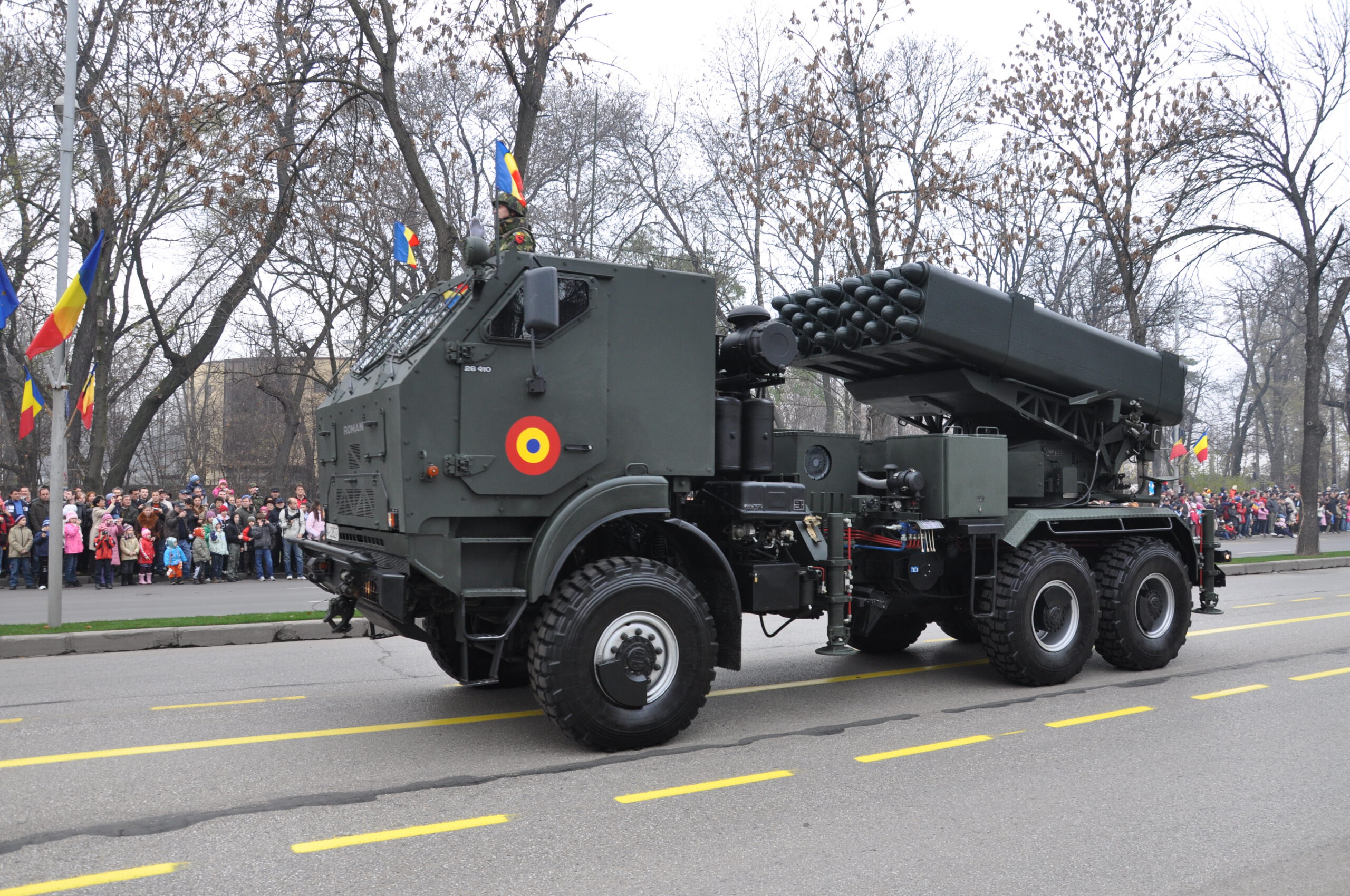
The war in Ukraine has turned policymakers’ eyes back toward the Euro-Atlantic arena and highlighted the need to reinvigorate NATO’s defense-industrial base. This analysis describes the macro policy environment that shapes the current relationship between Romania and the United States, and considers what steps the U.S. could take to improve Romania’s integration with the Euro-Atlantic defense-industrial base.
Polish and Romanian responses to Russian aggression: Lessons for a US CEE Strategy
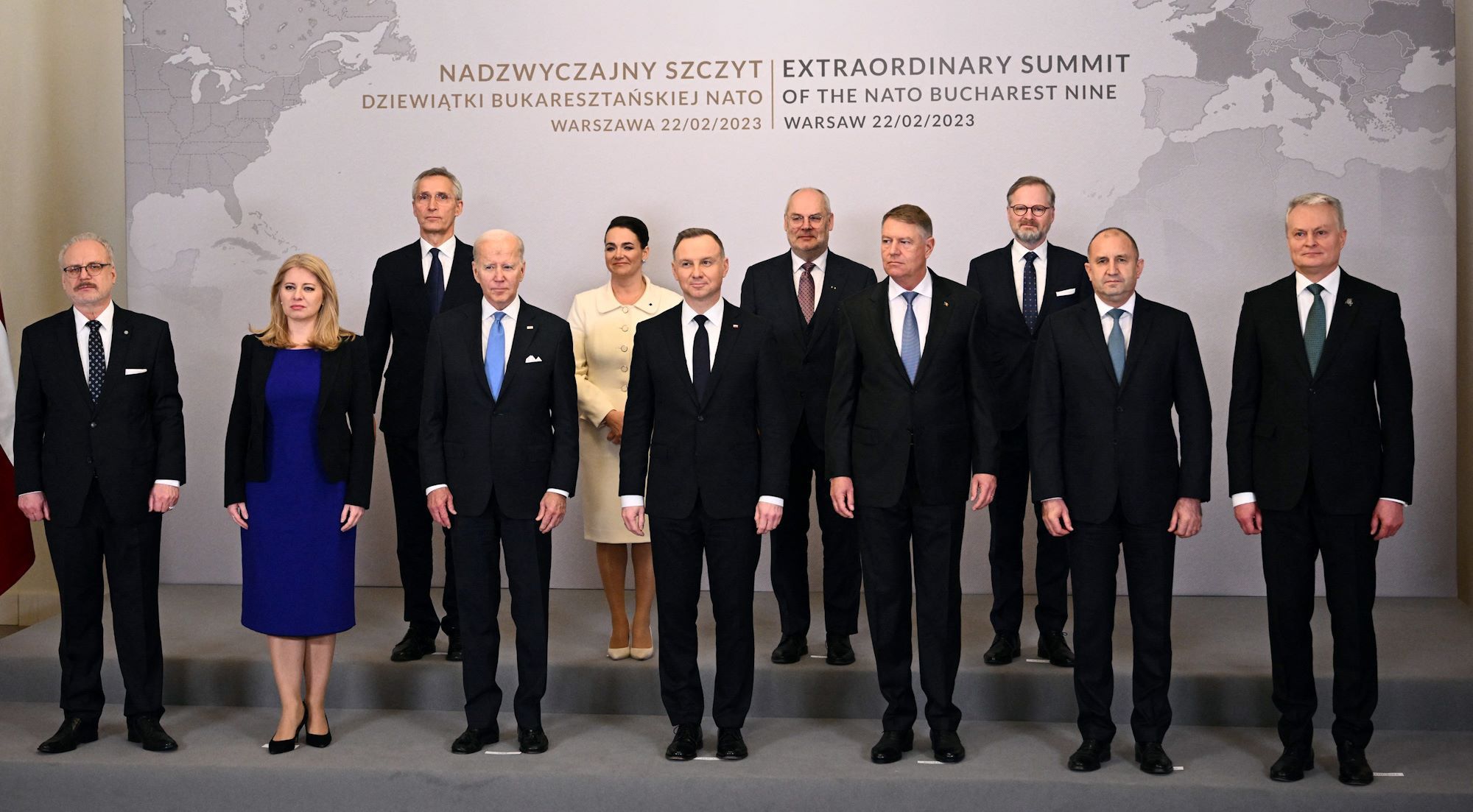
The following analysis provides an overview of Poland’s and Romania’s engagement with NATO priorities on its eastern front line since 2022 and outlines their advocacy for increased regional security in multilateral formats. Drawing on the expertise of over two dozen Polish and Romanian security experts, it offers recommendations for an enhanced CEE security strategy for the United States, the leading member of the NATO alliance.
Russia’s aggressive behavior in the Black Sea can be challenged
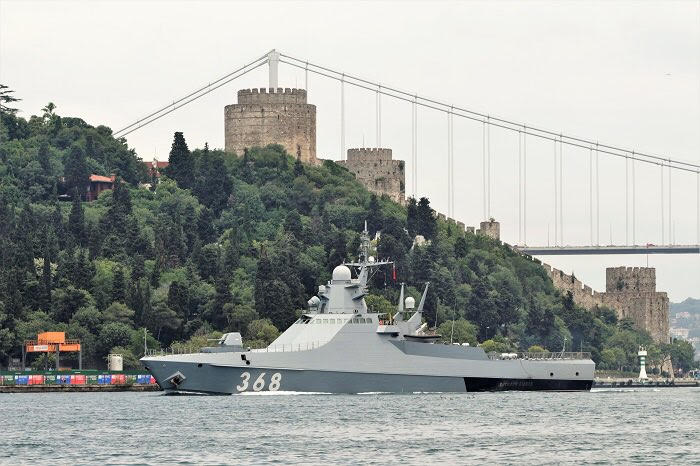
Russia’s malign behavior in the Black Sea includes piracy, plunder, petroleum price cap violations, and actions to prevent the free transit of foreign commercial and naval vessels. Its largely unchallenged position in the Black Sea also helps Russia maintain access to foreign-made products and components, circumventing sanctions. The West and the broader international community have yet to act to decisively rein in these flagrant violations of international laws and norms.
The oncoming Saudi-Israeli normalization: Obstacles, opportunities, and the US role
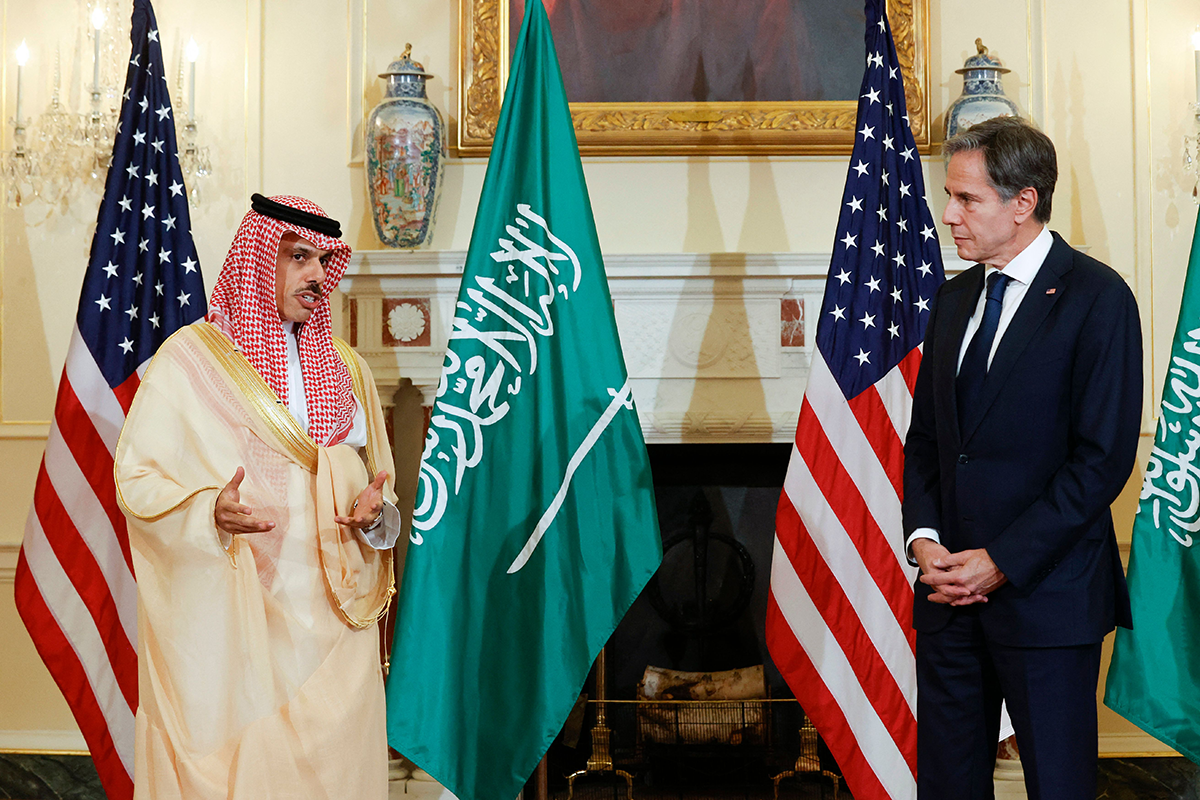
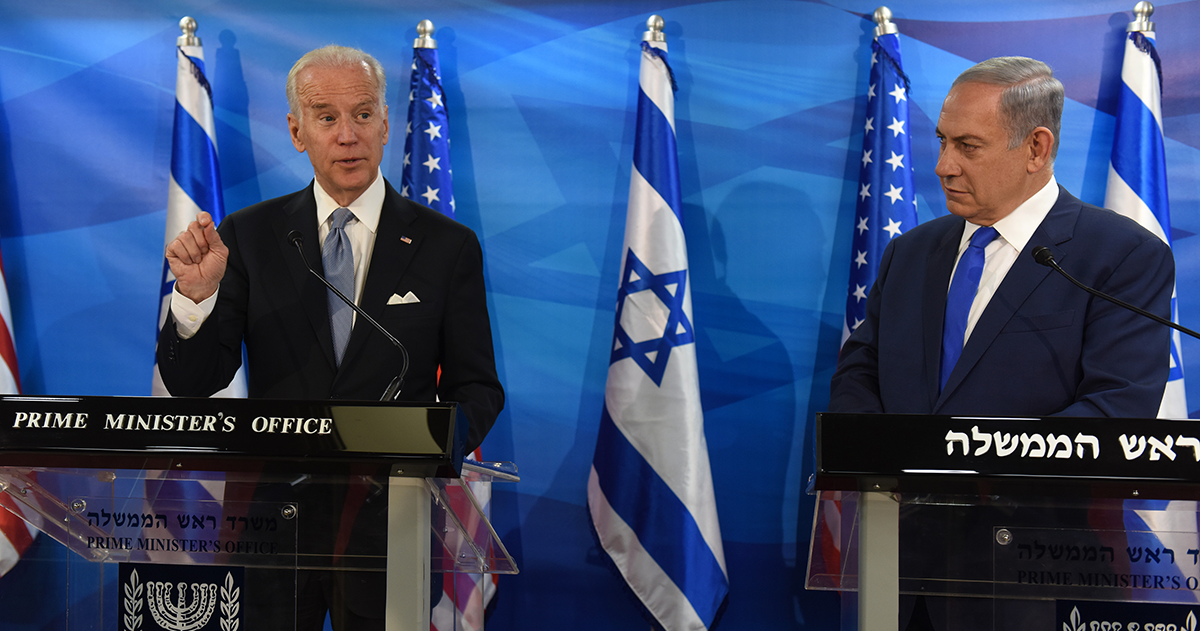
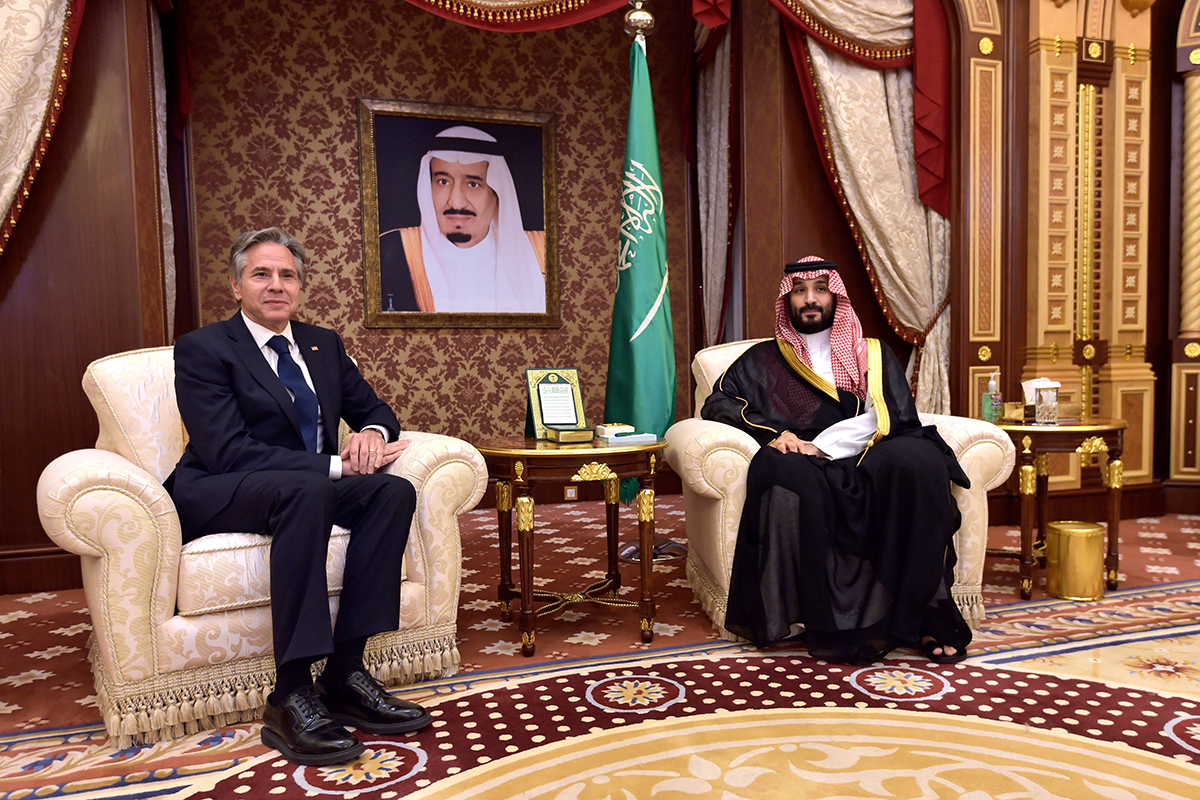
The normalization of relations between Saudi Arabia and Israel is looking increasingly likely, even if it does not take place in the immediate future. For Israel, normalizing relations with as many Arab states as possible — especially if it does not have to give up much in exchange — has always been a strategic goal. For the new Saudi Arabia, those ambitious goals strongly suggest opening up to the Israeli economy.
Iran, Russia, and the Caspian environmental crisis: A need for collaboration
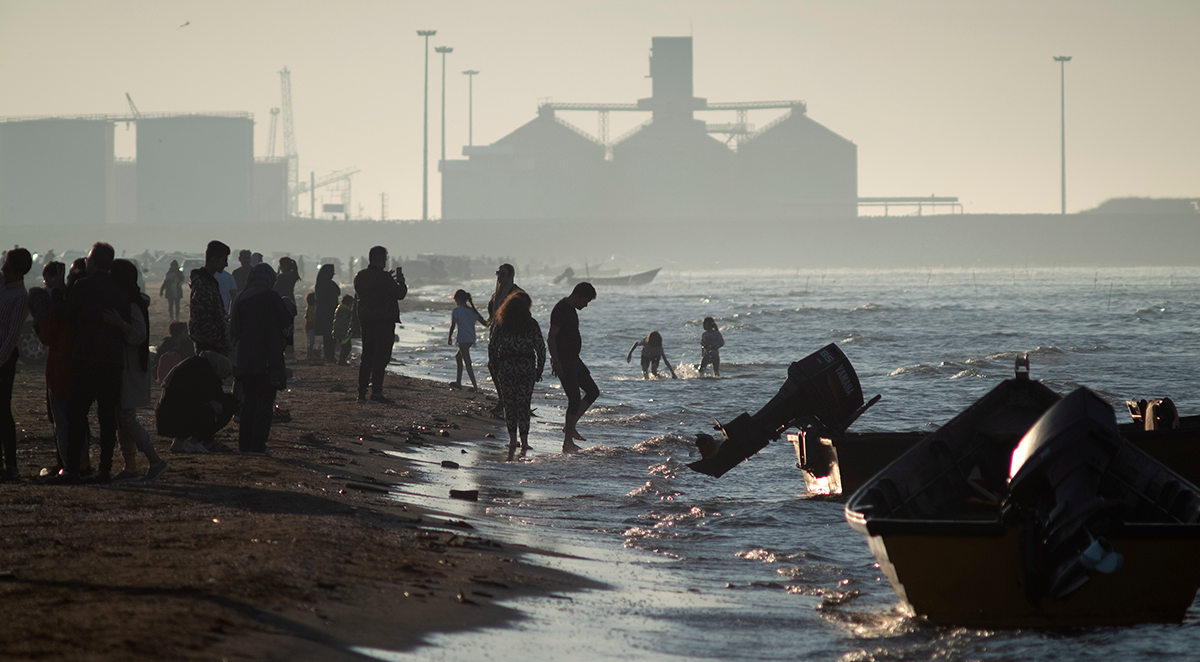
The Caspian Sea, the world’s largest inland body of water, is steadily shrinking. The lack of a solid legal framework surrounding the management of the sea among the littoral states, and particularly by Iran and Russia, has created a degree of ambivalence about where and how to limit ambitions related to oil, gas, fishing, and other environmentally harmful economic activities. If the impacts are not appropriately addressed, the consequences could be irreversible. But efforts to deal with shared environmental problems and maintain the Caspian Sea could also serve as an area for mutually beneficial cooperation between Moscow and Tehran, with a positive impact for other littoral states.
A US security guarantee to Israel should help to advance Israeli-Palestinian peace, not avoid it
It has been nearly 70 years since Israel first asked the U.S. to sign a bilateral defense treaty. Ever since then, the idea of a formal security agreement has resurfaced from time to time, only to be struck down, due to an understanding that it does not serve the two sides’ actual needs. Prime Minister Netanyahu is currently floating the idea once again, but the U.S. can make use of his interest in a security upgrade to revive a different idea instead: the decade-old security plan for the two-state solution, known as the Allen Plan.
Ben Samuels | 'Taking the Edge Off the Middle East' Ep. 3
Middle East Focus Presents: ‘Taking the Edge Off the Middle East’ with Brian Katulis
A series of casual conversations with leading policy professionals on the most important happenings in the Middle East today – hosted by MEI VP for Policy Brian Katulis.
Ben Samuels – U.S. correspondent for Haaretz – sits down with Brian to discuss how he got into journalism, the state of politics in Israel, and the country’s ongoing judicial overhaul.
A Saudi-Israel Deal Could Pay Dividends for the Global Economy
The Biden administration is working on a deal between Israel and Saudi Arabia that could be a game changer for the Middle East. Such an opening would show just how much the tectonic plates in the region are shifting away from regional tensions, civil wars, and threats from terrorism toward a new, more promising phase of greater stability and prosperity.
Five factors to watch in US diplomatic efforts on a possible Israel-Saudi deal
Forging a deal establishing open, normal bilateral ties between Saudi Arabia and Israel would be a major feat with plenty of potential perils along the way — the diplomatic equivalent of climbing Mount Everest. If done right, the result would be historic and transformative for the Middle East with positive geopolitical repercussions. Here are five factors to watch as the Biden administration continues its efforts to produce a major diplomatic breakthrough in the region.