إخفاقا الخليج المزدوجان: الابتكار وتوظيف المواطنين في القطاع الخاص
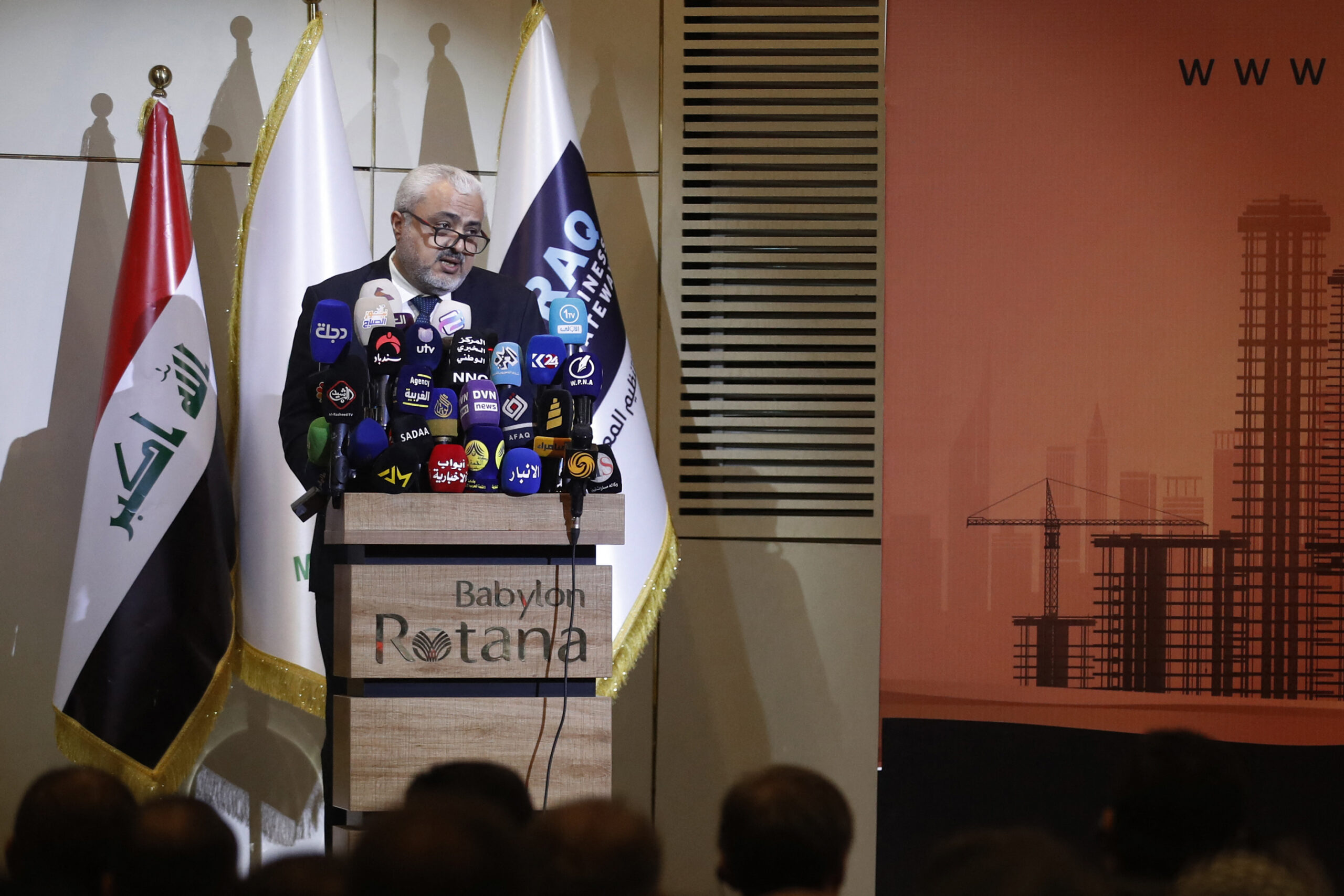
خرجت دول الخليج من الجائحة العالمية برياح اقتصادية مواتية. لكن الأحداث البارزة مثل استضافة قطر لكأس العالم لكرة القدم وإكسبو الدولي في الإمارات العربية المتحدة استمرت في إخفاء نقطتي ضعف خفيتين ولكنهما مهمتين عانت منها هذه الدول لعقود. لماذا تفتقر اقتصادات الخليج إلى الابتكار؟ ولماذا تكافح من أجل خلق فرص عمل في القطاع الخاص للمواطنين؟
The current complex situation in the global oil market seriously tests the abilities of OPEC+ to play the role of a regulator, forcing Saudi Arabia to assume the main burden of responsibility for keeping oil prices from declining further and for shoring up the cartel ranks.
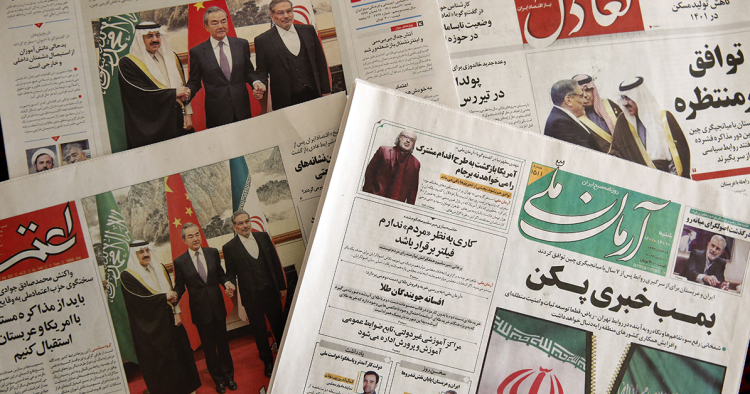
Several foreign ministers gathered in an Asian capital to negotiate an end to regional turmoil. One of the countries represented at the meeting brokered an agreement to end hostilities between the others.
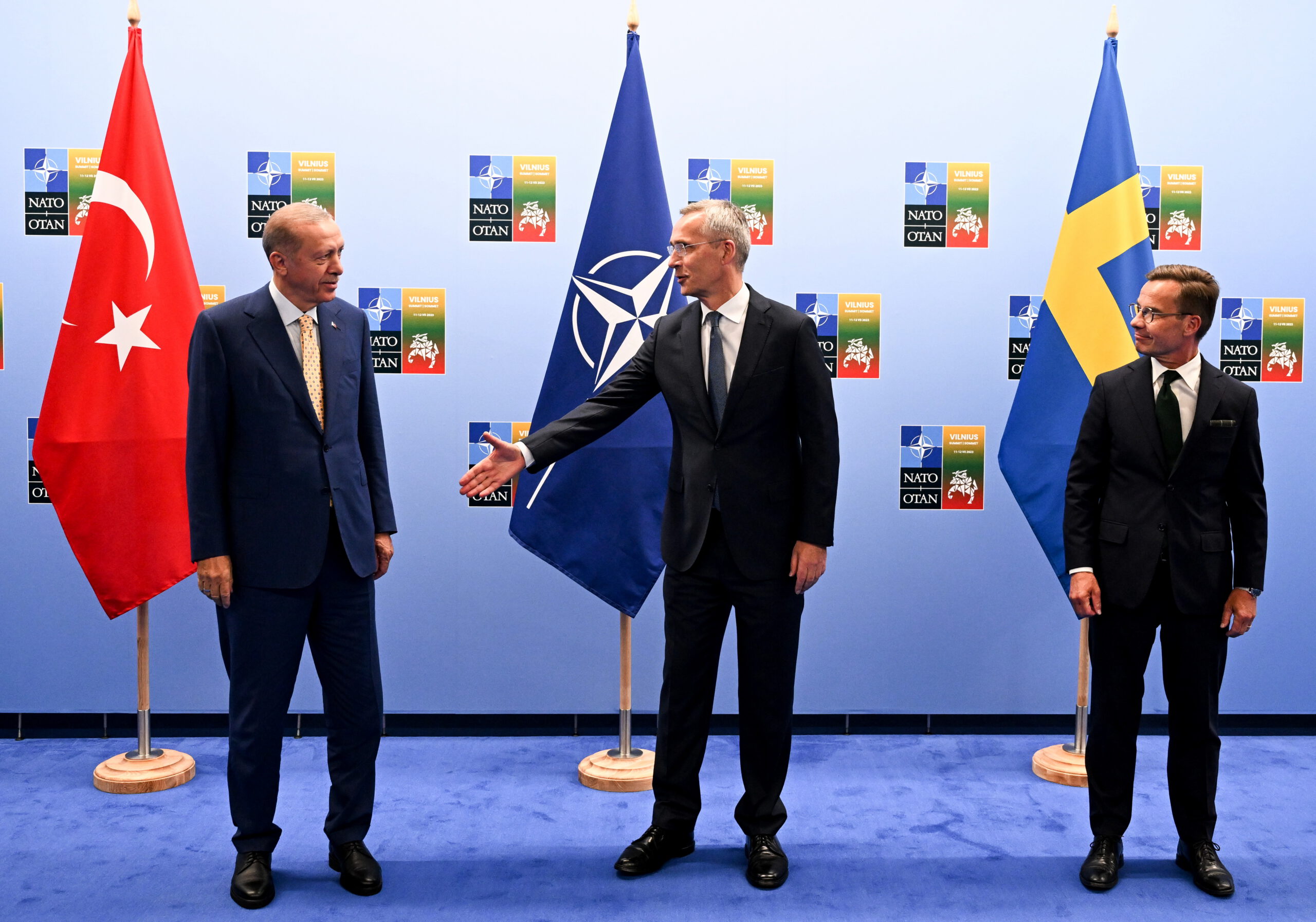
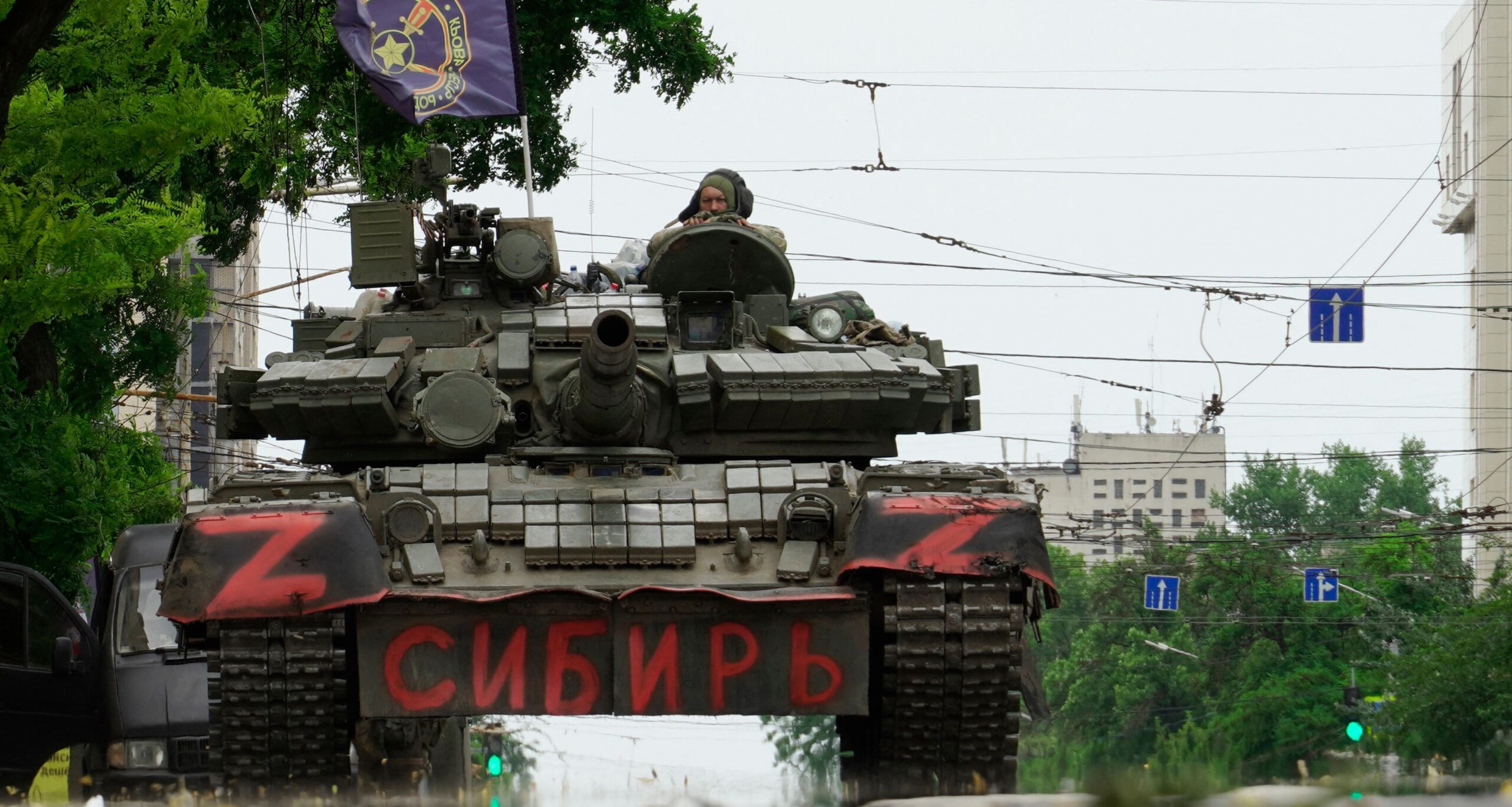
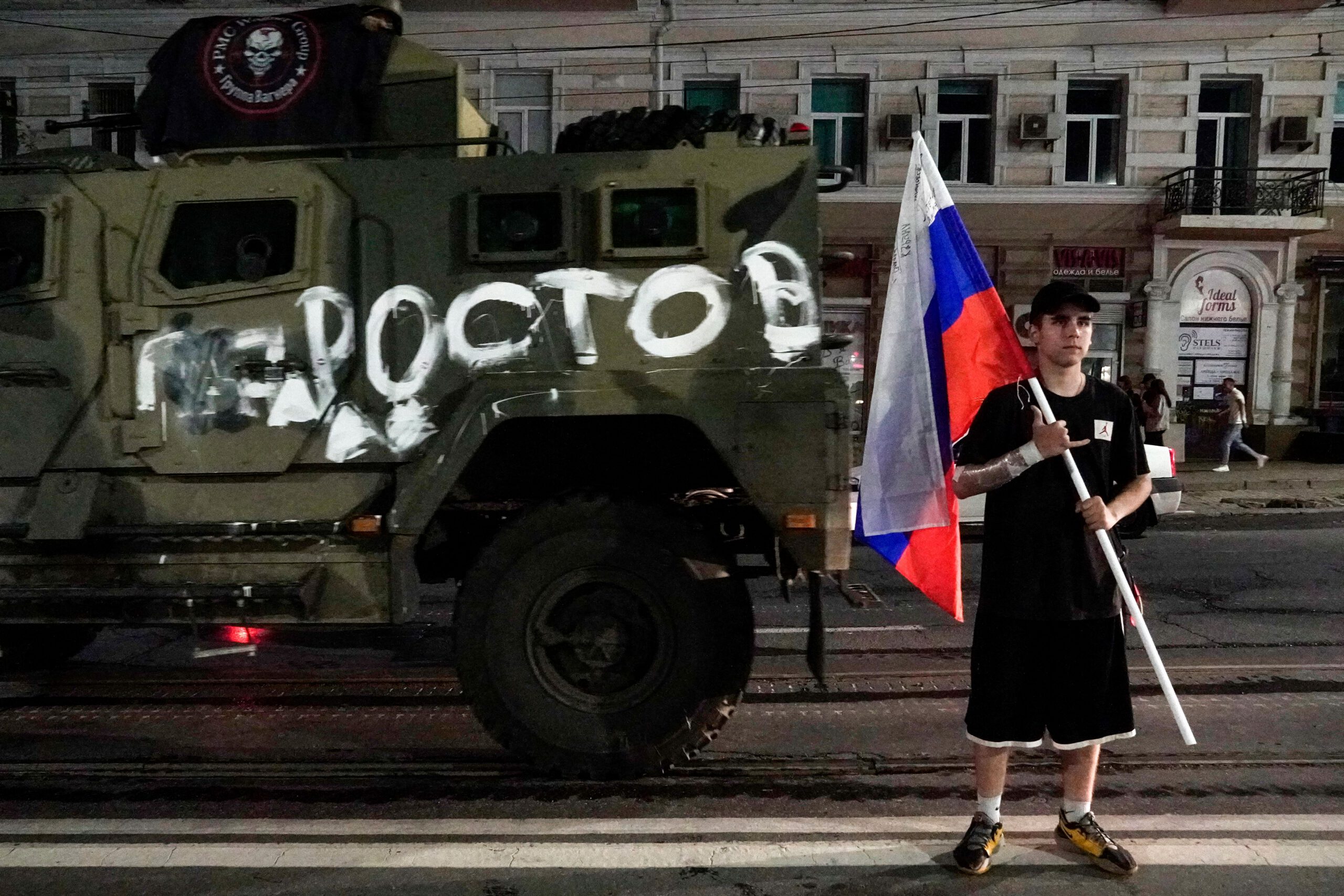
How the rumble in Russia reverberates around the Middle East
It is too early to tell whether the Wagner “uprising” is a one-off or foreshadows further cracks and the eventual collapse of Putin’s presidency, but the latter outcome would have lasting consequences in the MENA region.
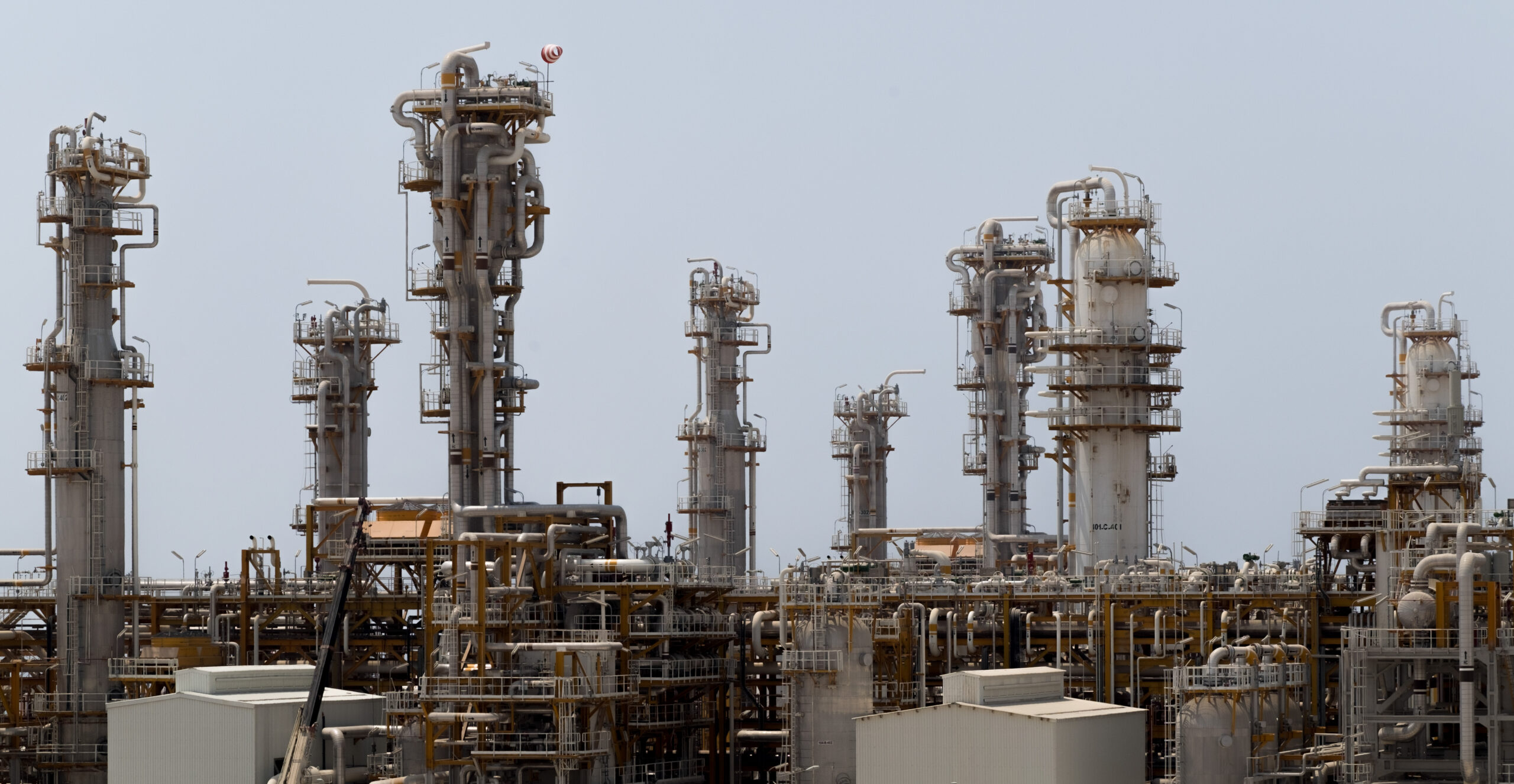
Obstacles and opportunities for closer Iranian-Chinese economic cooperation
Despite a substantial growth in trade between China and Iran, especially when it comes to Chinese exports to Iran and purchases of Iranian oil, the same cannot be said for Beijing’s investments in the Iranian economy, which have remained anemic, particularly in the critical energy sector.
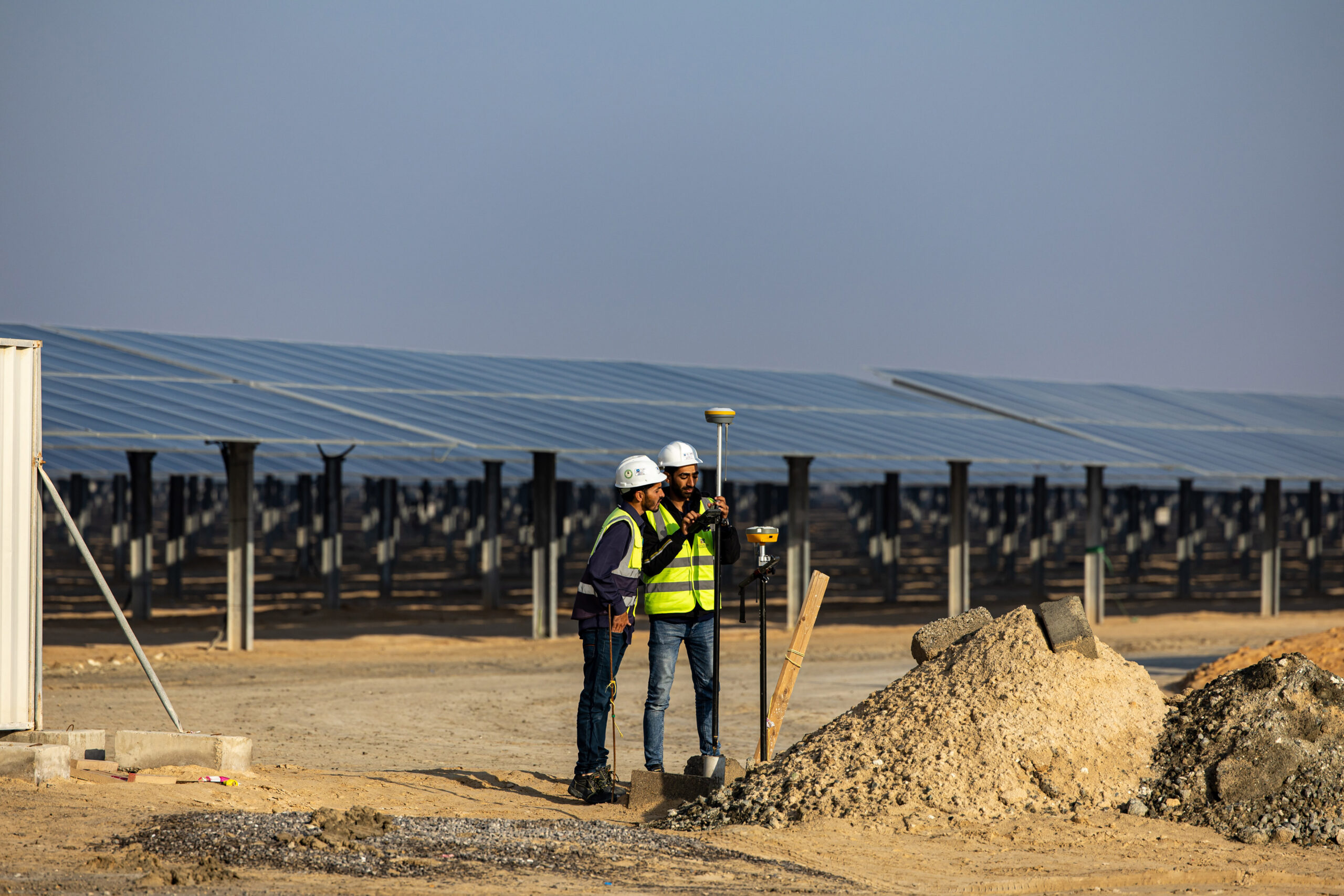
Measure, verify, certify: How to future-proof Gulf companies in the energy transition
Several Gulf states have introduced renewable energy certificates into their low-carbon energy eco-system. What are RECs and how can they help companies navigate the energy transition?
Iran and the GCC connectivity agenda: Implication for Washington’s Iran policy
The prevailing political spirit in the Gulf region is presently one of de-escalation. In the case of the UAE and Iran, a number of existing connections could help hasten the process of de-escalation and enable it to happen faster than anywhere else in the region.The outcome should be of interest not only to the UAE and Iran but also to the U.S. given the latter’s long-standing efforts to shape Iranian policies.
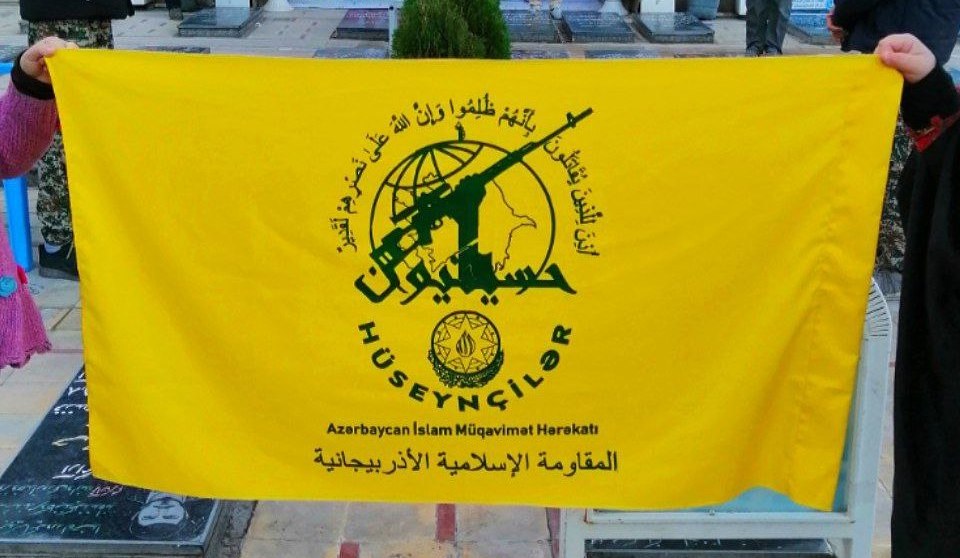
Azerbaijan's Hoseyniyun: The prospects and challenges of a Caucasus Hezbollah
The “Axis of Resistance,” a network of non-state actors aligned with Iran, has emerged as a significant force in the Middle East in the last two decades. Despite the attention given to the more well-known members of the Axis of Resistance, the Azerbaijani group Hoseyniyun, which also operates within the network, remains relatively unknown.
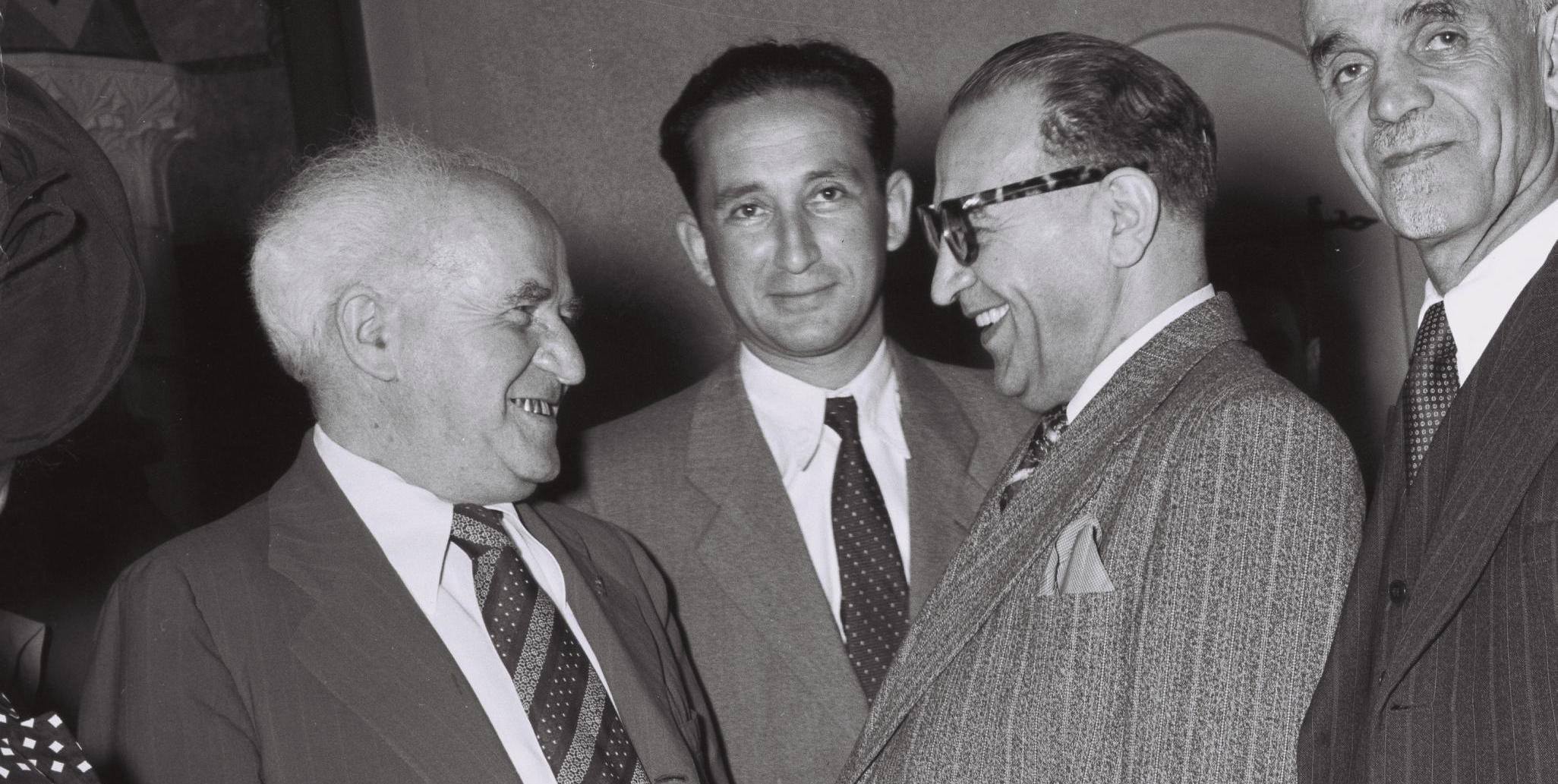
Israel’s ties with pre-revolutionary Iran provided a road map for the Abraham Accords
In the 1950s-1970s, the bilateral relationship between Israel and pre-revolutionary Iran provided a road map for the process leading to a normalization in ties between the Jewish state and Arab countries in the 2020s.
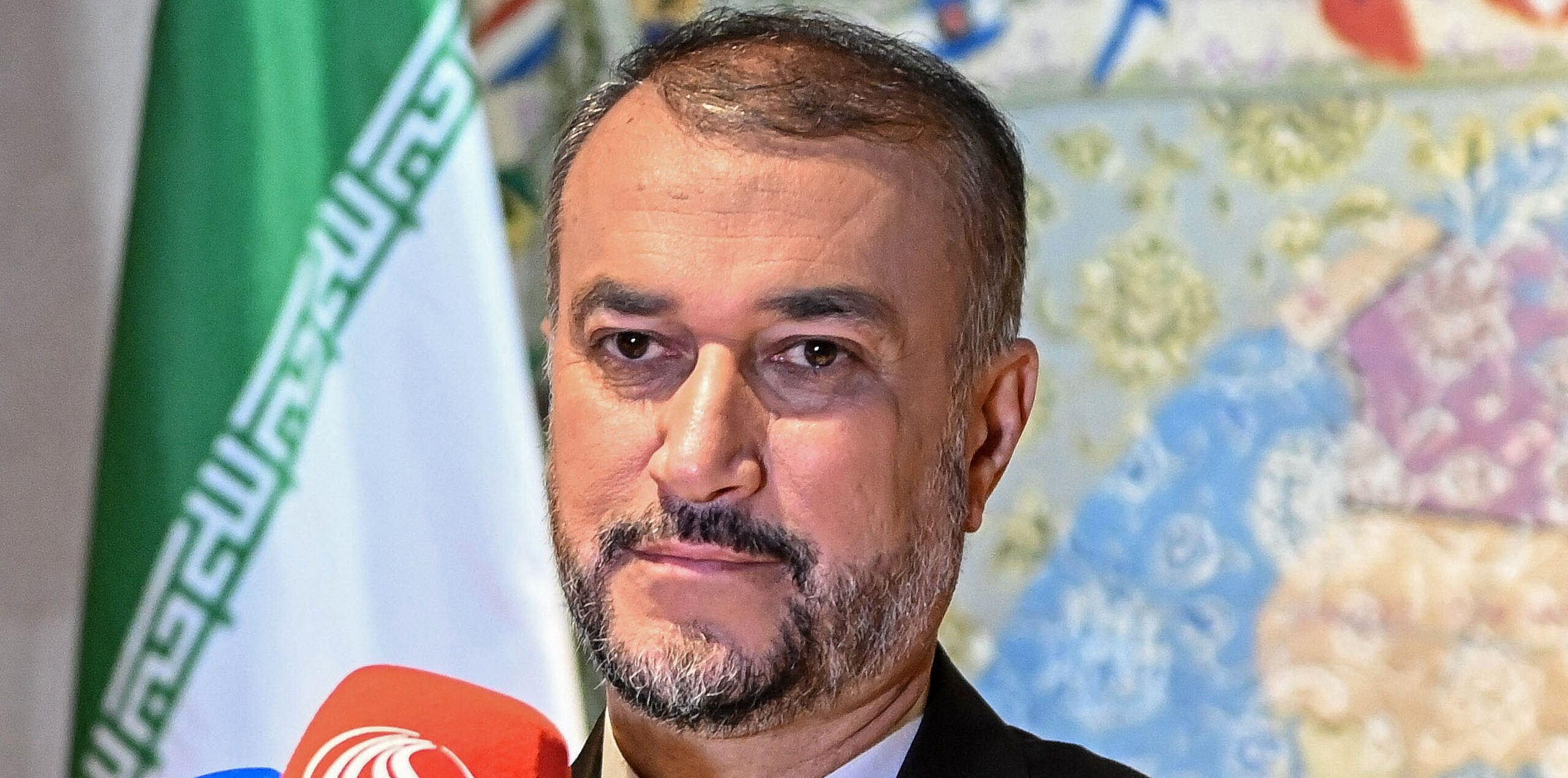
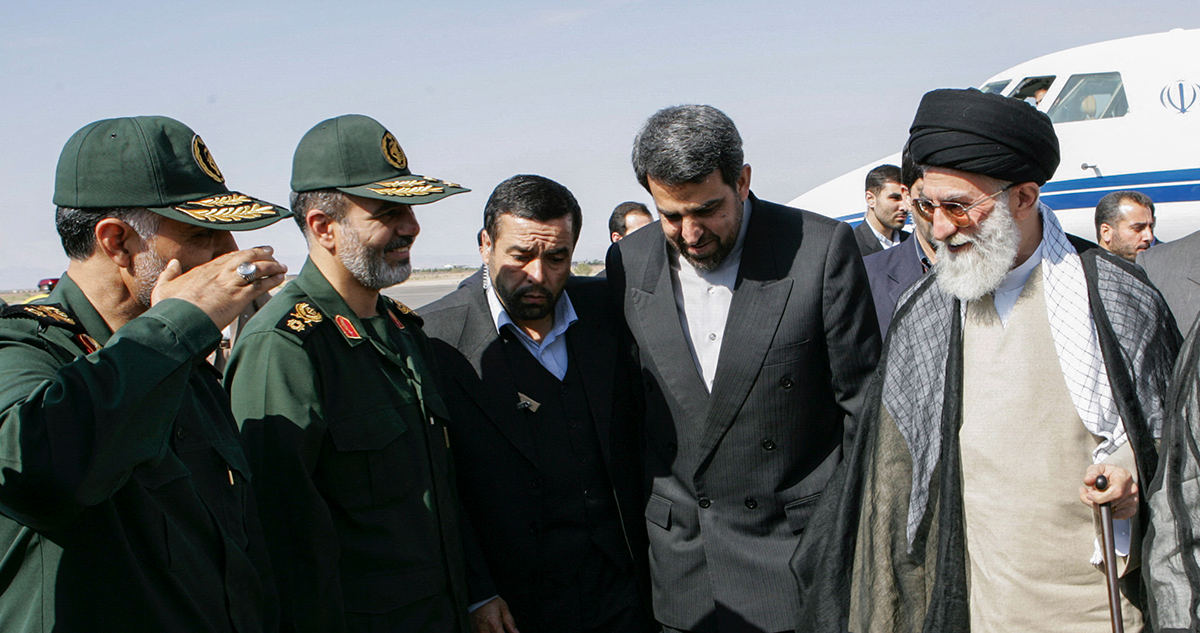
The recent removal of IRGC commander Ali Shamkhani from his role as the head of the Islamic Republic of Iran’s top foreign and security policy body, the Supreme National Security Council (SNSC), has triggered assessments about the potential implications for Tehran’s external calculus. But the changes at the SNSC should not be viewed in isolation. Rather, they must be understood and assessed in the context of a much deeper transformational project that began in 2019, personally spearheaded by Supreme Leader Ayatollah Ali Khamenei.
Iran’s security chief Shamkhani did his job but had to go
Late last month, Iran’s Supreme Leader Ali Khamenei opted to replace the secretary of the Supreme National Security Council (SNSC), Ali Shamkhani. The latter’s removal after 10 years spent in this key role has generated much speculation, misinformation, and outright disinformation.