The Middle East in an era of great tech competition
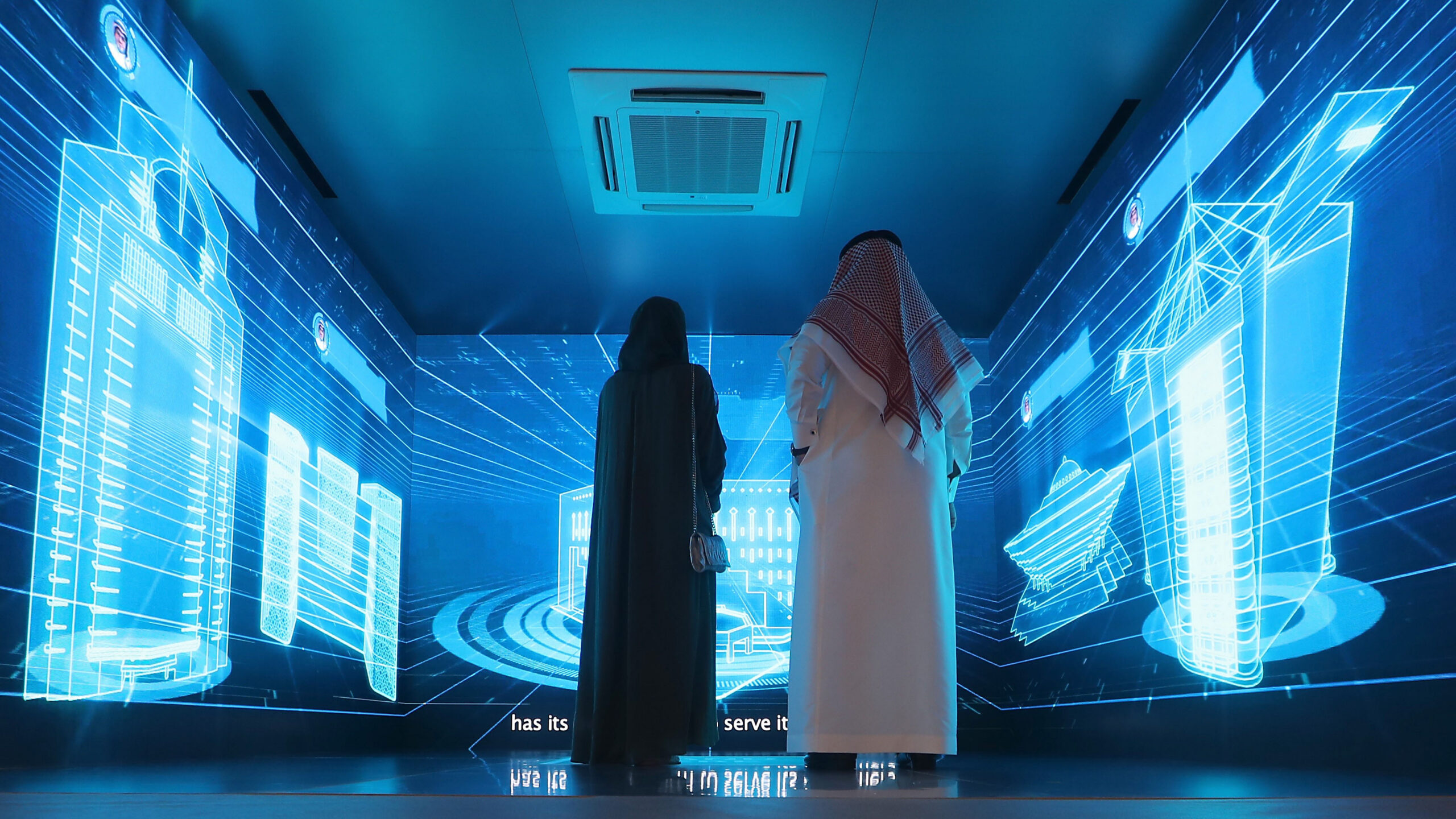
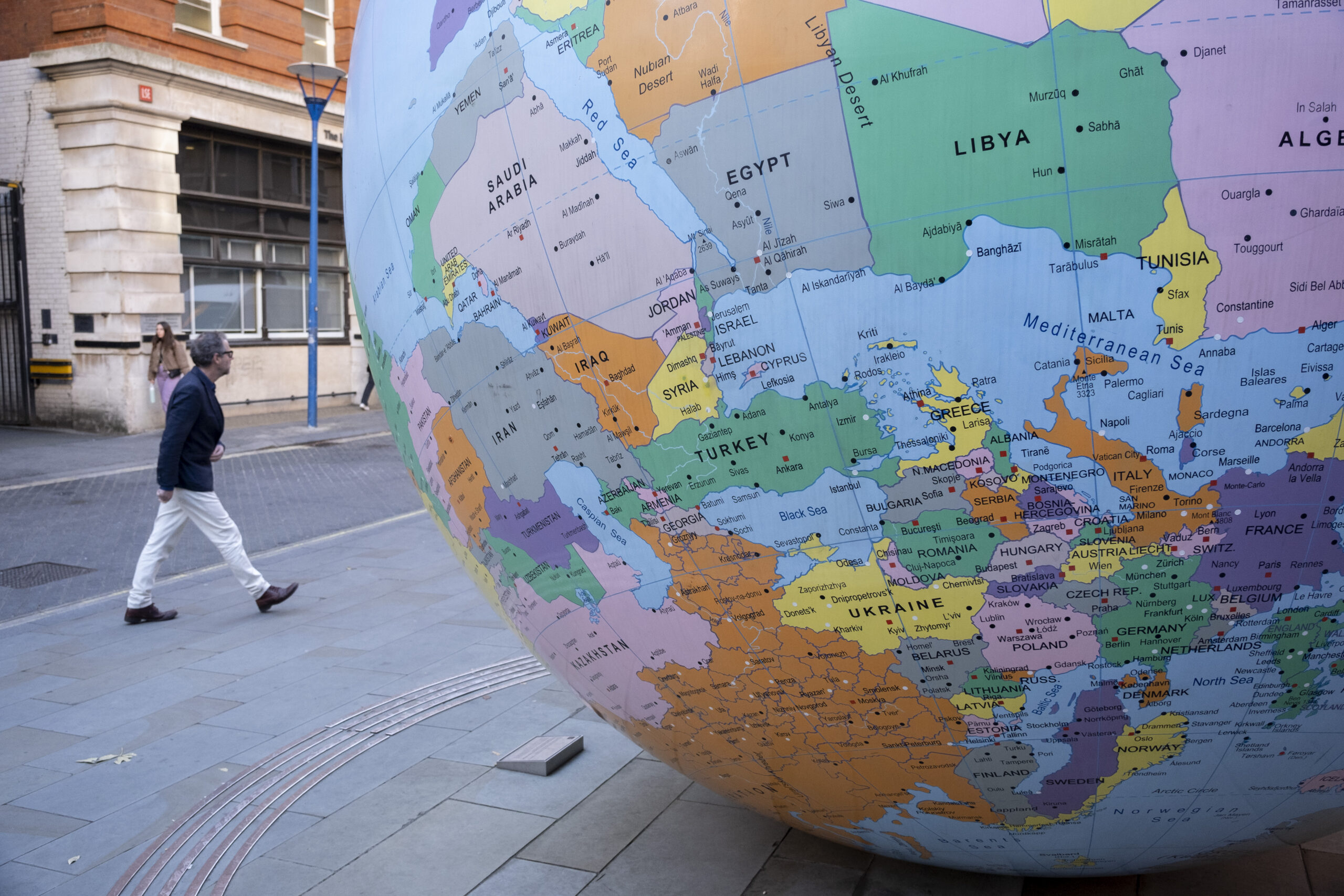
With the acute impacts of US-Chinese global tech decoupling becoming clearer, MENA is slowly emerging as an important region to watch. Economic and geopolitical ties with the West have long dictated the shape of the region’s digital environment, but more recent great power competition and Middle Eastern countries’ pursuit of economic and technological sovereignty have slowly deconstructed these dynamics.
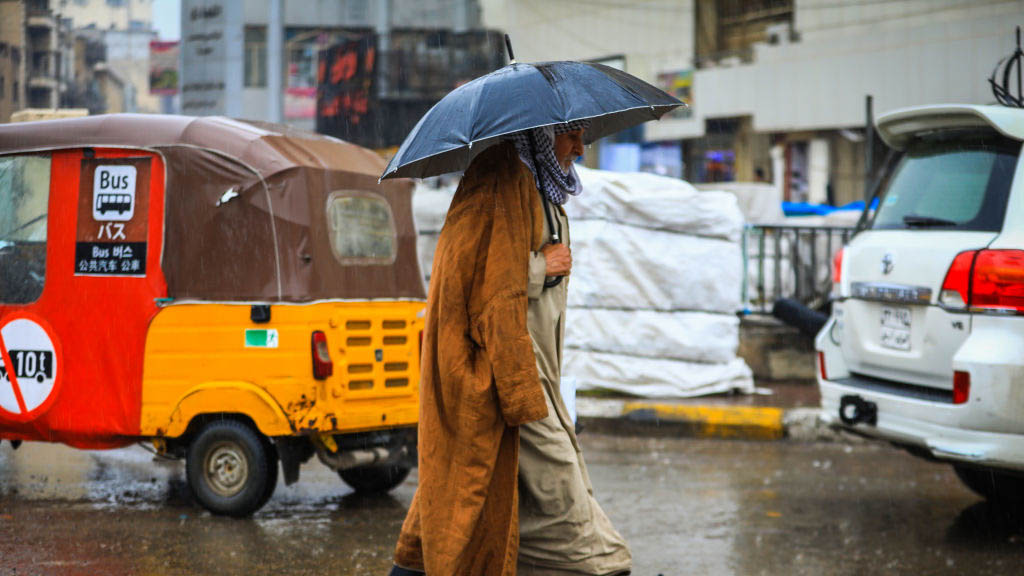
Politics and Civic Engagement in North Africa: Present Trends and Future Outlook
In the North Africa and Middle East region, there is a battle for citizenship currently lurking behind the façade of a reemerging authoritarianism. Indeed, in most cases, the revolutions and transitions that spread across North Africa and the Middle East since 2011 have crystalized into resurgent authoritarian regimes that target freedoms and liberties and reverse political openings, while still contending with the economic and governance crises. But this is only one layer.
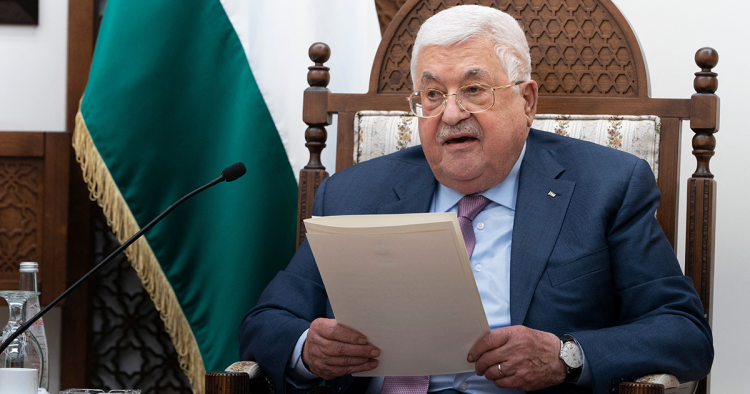
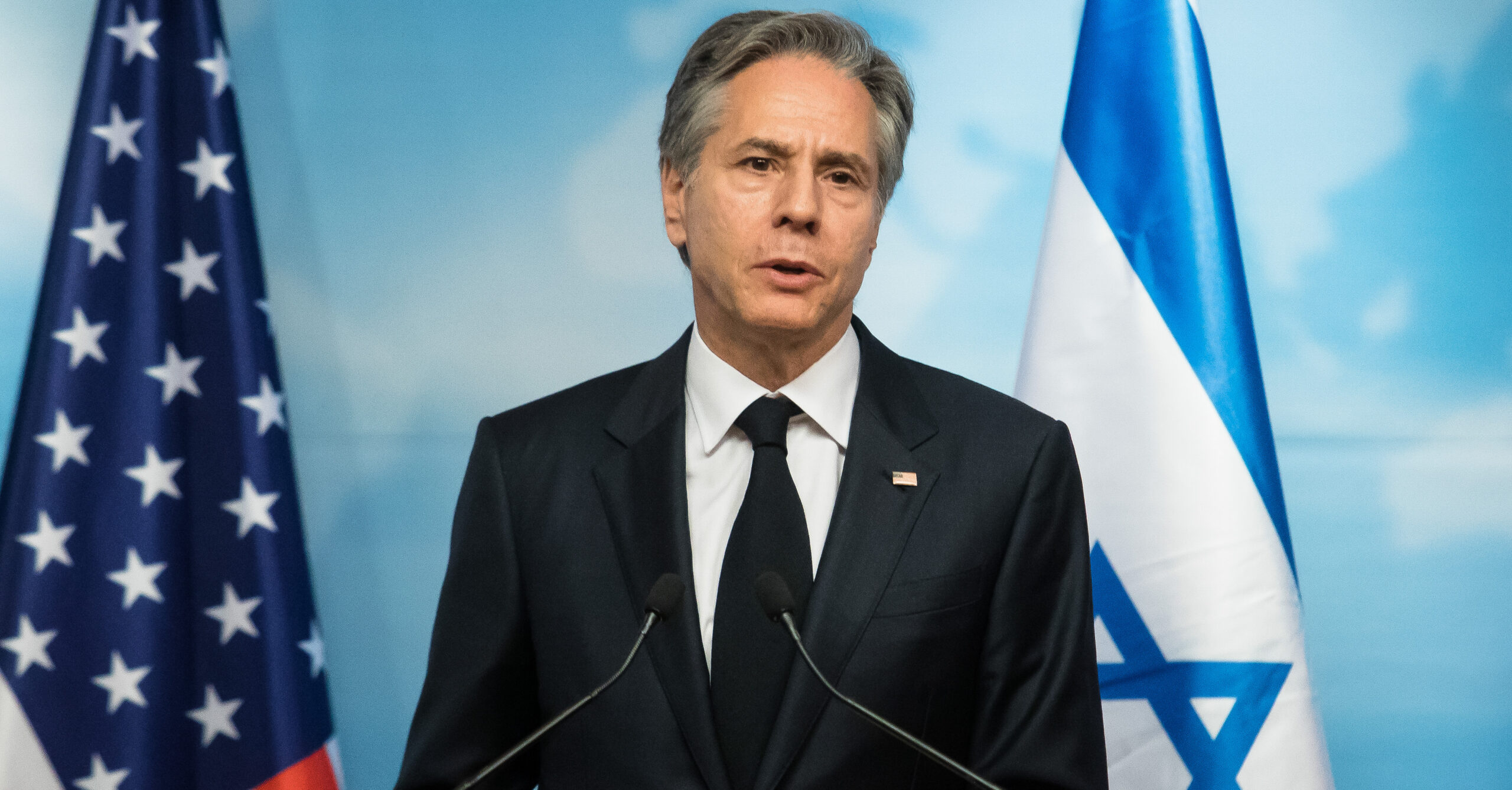
The Biden administration is missing Netanyahu’s transparent game of destructive leveraging
Netanyahu is skillfully building a set of menacing tools, mechanisms, capabilities, and policies that create a credible threat to the current order. Today, he is executing this strategy to achieve success on three key issues: annihilating the Oslo Accords and the two-state solution, curbing Iran’s nuclear weapons program, and carrying out what is effectively regime change in Israel. The U.S. must swiftly and decisively confront and foil Netanyahu’s destructive leverage vectors or else it will find itself on the wrong side of history on some or all of these three critical fronts.
A message to Tehran: What drone attacks on Iranian critical infrastructure tell us
For the first time in several months, Iranian critical military infrastructure again came under attack from an unknown assailant. The Jan. 28 drone attack on a Ministry of Defense workshop complex appeared designed to deliver a politico-strategic message. The strike may mark the beginning of a more unstable post-JCPOA security environment in the Middle East characterized by a return of deterrence and risk-taking behavior.
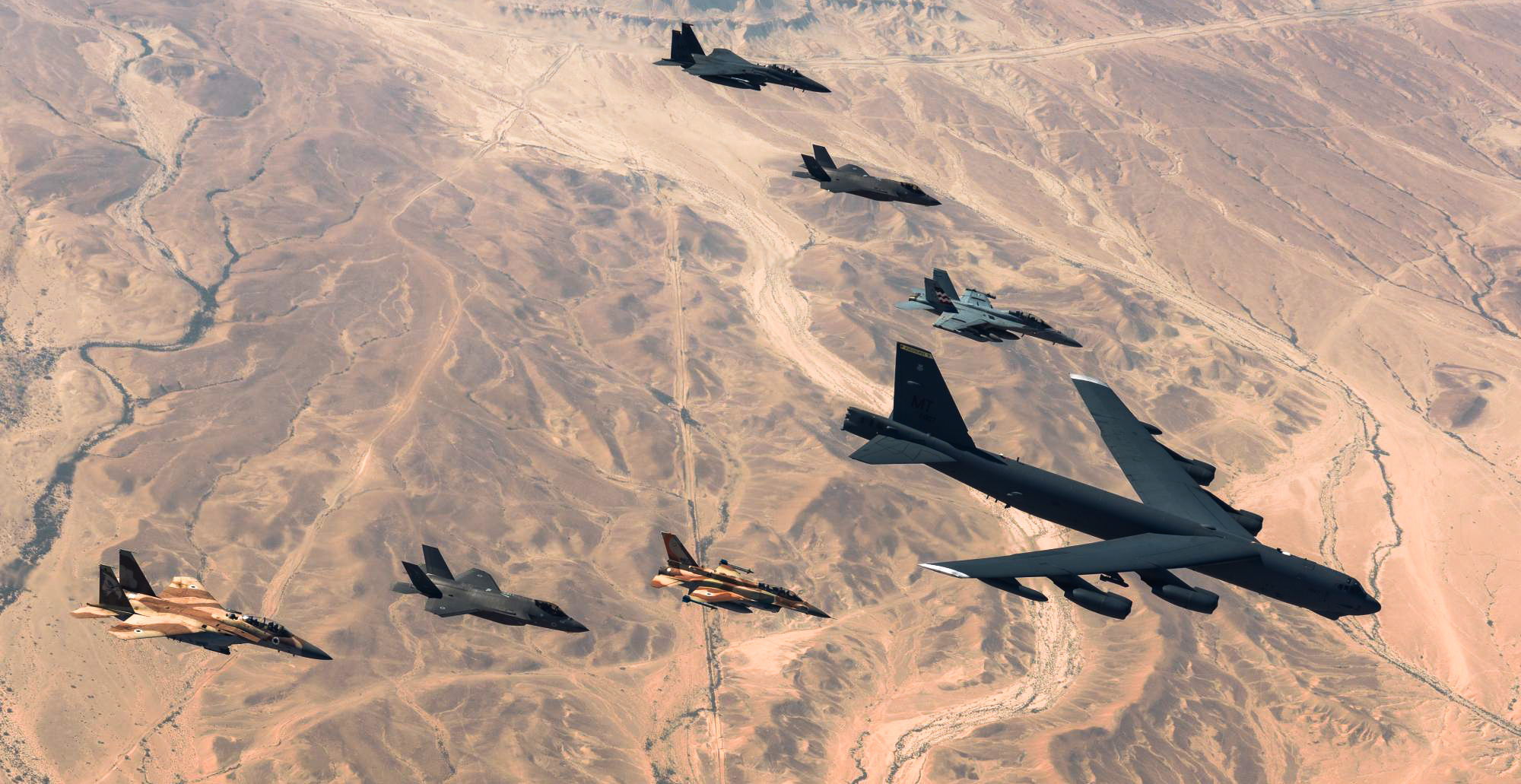
Juniper Oak 2023 reinforces US commitment to Middle East, sets standard for future regional exercises
This week, the United States Central Command (CENTCOM) concluded what it called on social media, “the largest ever U.S.-Israel combined exercise.” The drills reasserted U.S. support for partnerships, deterrence, and integration, despite posture reductions and continued concern among partners about Washington’s commitment to the Middle East.
North Africa and the Sahel Program Director Intissar Fakir speaks to Alberto Rizzi – pan-European fellow at the Rome Office of the European Council on Foreign Relations – about existing and future energy partnerships between the European Union and the Maghreb. In the wake of energy market disruption caused by the conflict in Ukraine, what alternative fuel sources are the EU looking towards – and how does this align with current production capacities in Maghreb countries?
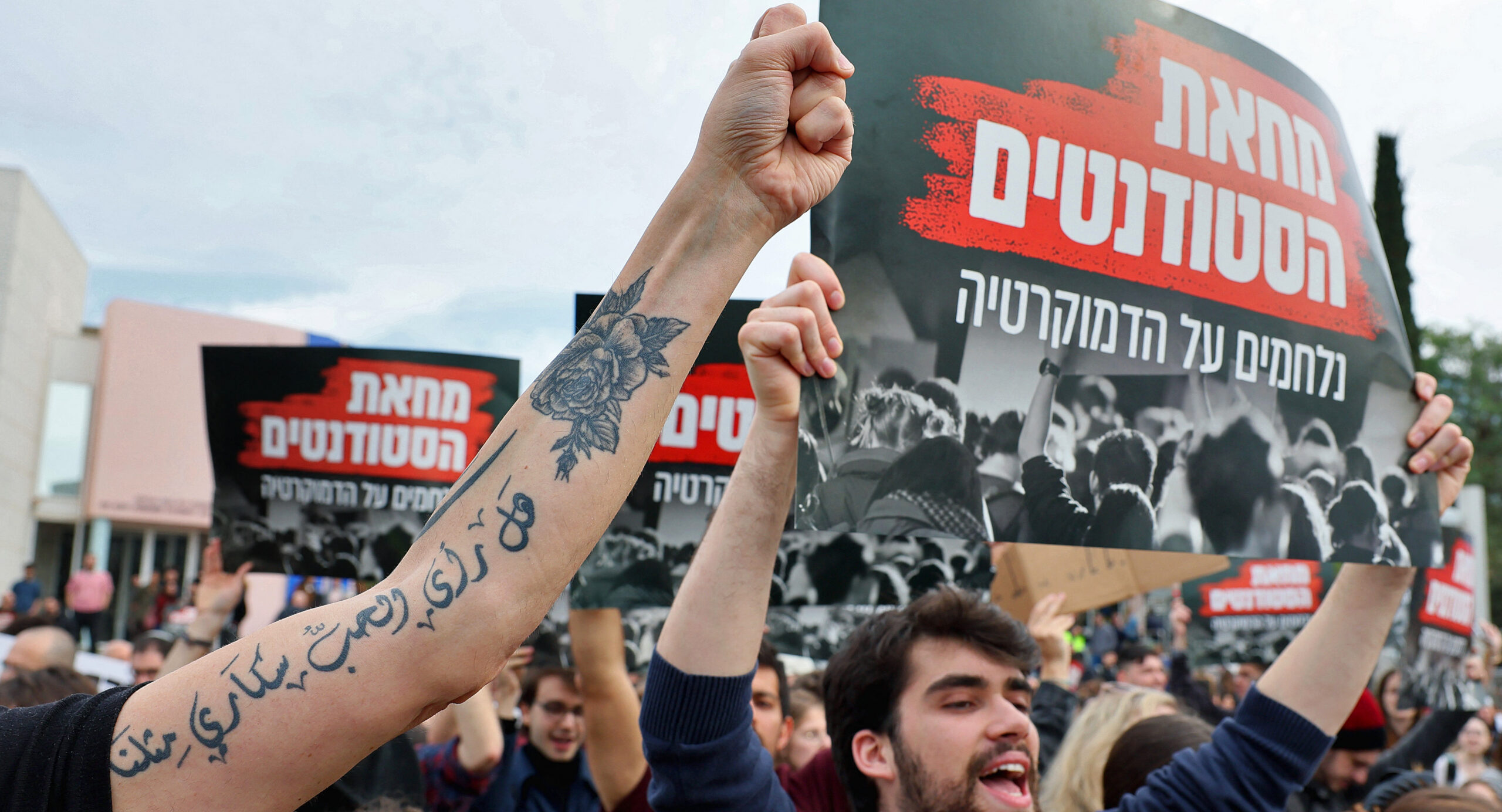
Israelis’ evolving pushback to democratic erosion under Netanyahu
A movement of Israelis who resist the new Netanyahu government is crystallizing and taking initial steps to push back against democratic erosion. It will need to evolve quickly and effectively to make an impact and could benefit from some international helping hands along the way.
Eastern Mediterranean gas discoveries, progress, and what to watch in 2023
The challenge of developing export strategies for the offshore natural gas resources concentrated in the Eastern Mediterranean predates the Russo-Ukrainian war. Yet over the course of 2022, Europe’s intensifying energy crisis created a new and more immediate incentive to solve those export challenges, despite a great deal of work still to be done.
What the UN vote tells us about international sentiments and Israeli diplomacy
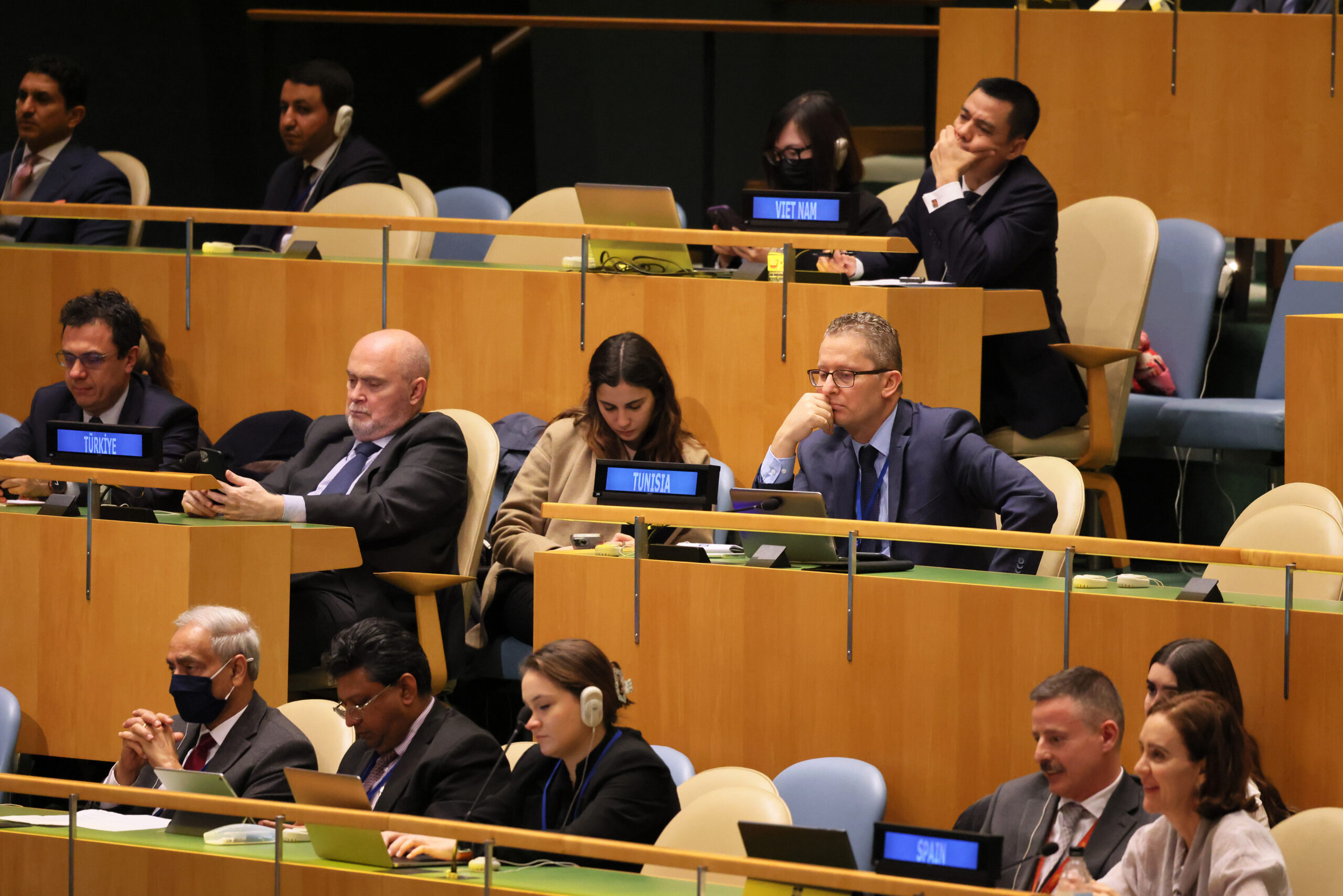
The Dec. 30 vote at the United Nations General Assembly (UNGA) regarding Israel reflected once again that the international community does not generally accept the Israeli narrative regarding the Palestinian issue. It also highlights that the Palestinian issue, while not a top priority on the global agenda, is still one of concern around the world.
What the United Nations’ 6th Climate Assessment tells us about the Mediterranean’s climate future
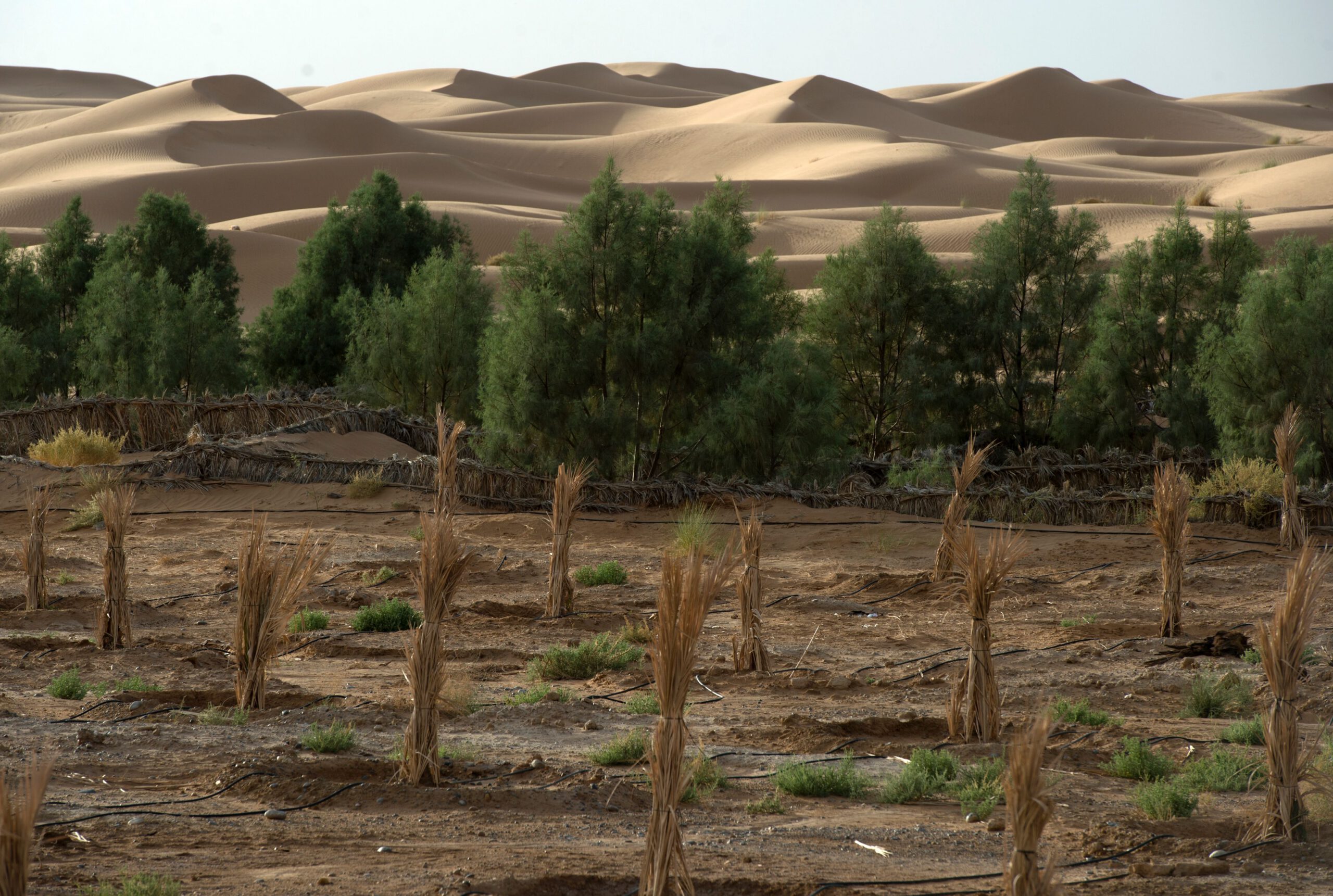
The latest U.N. IPCC report details the alarming changes that Mediterranean countries will experience in the coming decades due to climate change, highlighting three critical areas — warming and droughts, declining ecosystems, as well as socioeconomic and public health risks.